
A Field Guide to Tarantulas in California: Species and Locations
California’s tarantulas are the gentle giants of the North American arachnid world, famed not for aggression but for their dramatic, drought-triggered migrations that paint the hills with moving shadows. This guide cuts through the myths to focus on the observable facts: the species that call this state home, where to find them, and how to recognize their silent, deliberate lives in the wild. You will learn to identify key species by habitat and behavior, turning a hike into a chance for respectful discovery.
Quick Stats:
- Origin: Native and endemic to the chaparral, grasslands, and deserts of California and the Southwestern United States.
- Type: Exclusively New World tarantulas, possessing urticating hairs but generally placid temperaments.
- Growth Rate: Notably slow; females may live for decades, while males embark on a final, questing maturity at 5-10 years of age.
This field guide provides the precise observational tools to recognize each life stage in the field, from the hidden spiderling to the iconic wandering adult male.
An Introduction to California’s Native Tarantulas
California’s dry hills and coastal scrub are perfect for tarantulas. These spiders belong to the family Theraphosidae and thrive in warm, well-drained soils. The state’s mix of deserts, grasslands, and chaparral creates pockets of ideal habitat where different Aphonopelma species have evolved. They are solitary, long-lived arachnids, with females spending decades in deep, silk-lined burrows.
Watching a wild tarantula move in silence is a lesson in patience. This direct observation reinforces the core ethical rule I follow with my own collection: look, but do not touch. My defensive OBT, Flash, has taught me that any unwanted contact causes immense stress. For wild spiders, avoiding disturbance protects them and preserves their natural behaviors for study.
Your sightings have real scientific value. Platforms like iNaturalist allow hobbyists to contribute photos and location data, helping researchers map species ranges and monitor population health. I use similar logs to track my pet Rosie’s long fasting periods. This citizen science bridges the gap between casual fascination and meaningful conservation.
Common Tarantula Species and Their Identifying Features
Most California tarantulas are ground-dwellers in the genus Aphonopelma. They are often dusty brown, but closer inspection reveals subtle colors. Males and females look different; mature males develop tibial hooks on their front legs for mating and are often leaner with longer legs. Females are stockier and live much longer. Here is a quick guide to three widespread natives.
| Species | Average Size (Leg Span) | Primary Coloration | Key Identifying Feature |
|---|---|---|---|
| Aphonopelma iodius | 4 to 5 inches | Uniform dusty brown | Dark, glossy carapace; common in central valleys |
| Aphonopelma eutylenum | 5 to 6 inches | Brown body with reddish legs | Distinct reddish-orange setae on patellae and tibiae |
| Aphonopelma chalcodes | 4 to 5 inches | Light blonde to tan | Pale, almost golden coloration; found in southern regions |
Western Blackland Tarantula (Aphonopelma iodius)
This is the classic California tarantula many encounter. Its entire body wears a uniform, dusty brown coat, perfect for blending into parched summer soil. I see this same cryptic coloring in my Chilean Rose Hair, Rosie. The carapace often has a subtle dark sheen. You will find them across the state’s central dry grasslands, especially after autumn rains trigger male wanderings.
California Red-Legged Tarantula (Aphonopelma eutylenum)
Look for flashes of rust on the legs. The reddish-orange hairs on its knees and lower legs make this species stand out against the chaparral floor. Its body is a darker brown. This spider prefers the coastal foothills and canyons where moisture is higher. It reminds me of providing my humidity-loving Goliath with a moist substrate corner, as these tarantulas also seek microclimates.
Distribution, Habitats, and Burrow Structures
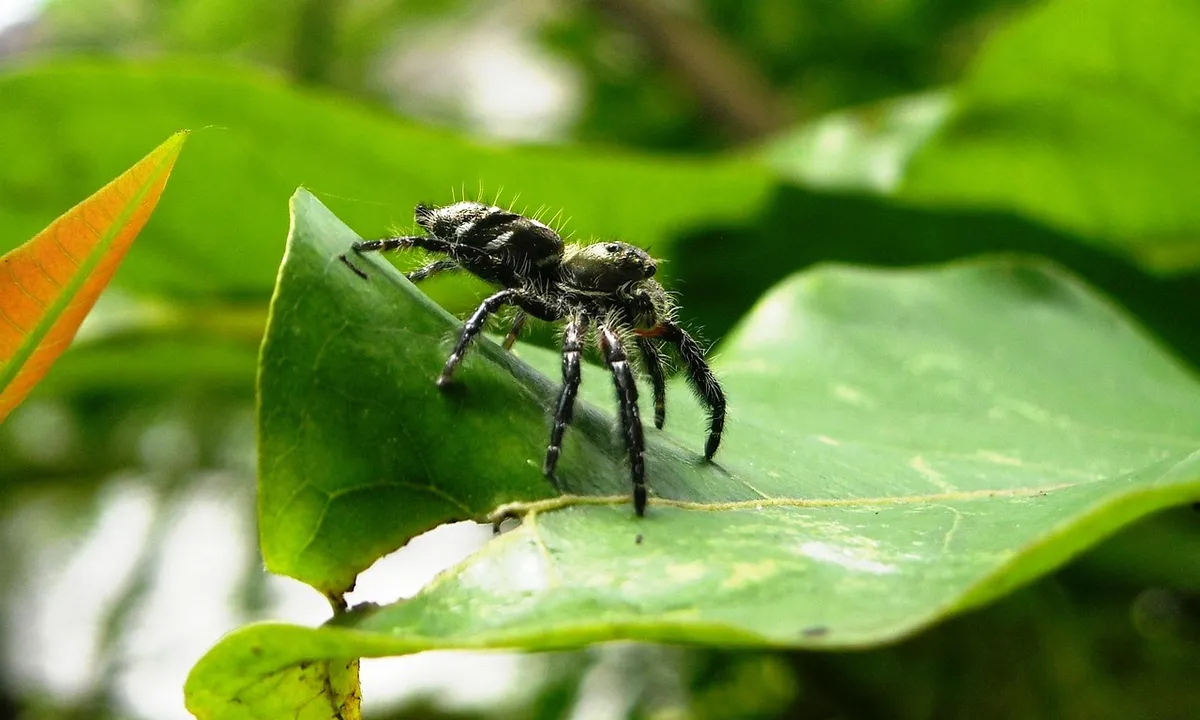
California’s varied landscapes create distinct pockets for its resident Aphonopelma species. Mapping them reveals a story of adaptation.
Geographic Regions and Their Inhabitants
The Mojave Desert hosts species like the California Ebony Tarantula (Aphonopelma eutylenum), thriving in its extreme aridity. The hotter Sonoran Desert in the south is home to other hardy Aphonopelma. Moving to the west, the Coastal Ranges and their oak woodlands provide a slightly milder, moister environment. The Sierra Nevada foothills and the Peninsular Range offer a mix of chaparral and woodland, supporting tarantulas that experience greater seasonal temperature shifts. Each region’s climate directly forges the survival strategies of its eight-legged residents.
Habitat Preferences and Burrow Architecture
These tarantulas overwhelmingly prefer open, arid scrub or grassy oak woodland. The key is friable soil—a mix of sand, silt, and clay that holds its shape when excavated. Their burrows are masterclasses in engineering. A typical burrow descends 12 to 24 inches, often with a single, silk-lined chamber. The entrance is meticulously camouflaged with debris and a thick curtain of silk, which stabilizes the tunnel, detects prey, and helps maintain a stable microclimate inside. That silk-lined tube is a lifeline, maintaining humidity levels far higher than the desiccating air above. This is exactly the kind of detail you’ll find in the ultimate guide to tarantula burrows, explaining why they dig and how their burrow design supports survival.
From Wild Burrow to Captive Enclosure
Understanding this architecture transforms your husbandry. A tarantula from the Mojave needs a deep, dry substrate like a soil-sand mix, with moisture only in a corner. A species from the coastal foothills may appreciate slightly higher overall humidity. I replicate friable soil for my fossorial species by using a blend of coconut fiber, potting soil (no fertilizers), and excavator clay. This holds a burrow perfectly. The goal is to provide that secure, humidity-buffering retreat they instinctively seek. To implement this, create a deliberate substrate moisture gradient: a dry surface tier with a moister burrow zone for the tarantula. Regularly monitor humidity and adjust the mix to keep that gradient stable as conditions change.
Foothill and Desert Adaptations
Burrow depth is a direct response to climate. In the searing heat of the desert, a deep burrow provides a cool refuge; in the cooler foothill winters, it offers insulation. During the hottest, driest months, many California tarantulas enter a state of dormancy, sealing their burrows and becoming inactive. This is why a pet tarantula like my Chilean Rose Hair (a South American analog) may refuse food for months on end-it is a deeply ingrained, energy-saving behavior related to their natural digging and burrowing patterns. Their entire life rhythm, from activity to fasting, is synced to the harsh realities of their native habitat.
Behavior, Diet, and Life Cycle in the Wild
Life for a California tarantula is one of patient ambush and seasonal rhythm. They are quintessential sit-and-wait predators. Under the cover of darkness, they position themselves at their burrow entrance, legs sensitive to the slightest vibration. Their diet consists of any insect or small arthropod that wanders too close: beetles, crickets, grasshoppers, and even other spiders. Do tarantulas hunt and capture their prey? They mostly rely on ambush, but when prey comes near, they strike and subdue it with venom.
Molting and Growth
Molting (ecdysis) is tied to both growth and seasonal cycles. In the wild, a molt often follows periods of abundant prey, like late summer. Growth is notoriously slow in these arid-adapted species; a male may reach maturity in 8-10 years, a female might take over a decade. Each successful molt in the wild is a monumental feat, requiring a secure retreat and just the right humidity-conditions we must meticulously replicate in captivity.
Mating and the Male’s Journey
Upon maturity, males undergo a dramatic change. They develop tibial hooks on their front legs and emboli on their pedipalps. Driven by a powerful wanderlust, typically in the late summer or fall after rains, they abandon their burrows forever to seek females. Courtship is a careful, vibrational dance at the female’s burrow entrance. If successful, he will make a swift departure. This nomadic final stage of a male’s life explains why they are most commonly encountered by people.
Enriching the Captive Environment
We can honor these wild behaviors in our homes. Providing a deep, stable substrate satisfies the profound burrowing instinct. Feeding live prey (appropriately sized) stimulates natural hunting sequences-the patient wait, the lightning strike. Even the placement of decor like cork bark or stones encourages web-building and creates ambush points. An enclosure that allows for natural behaviors is the cornerstone of a low-stress, healthy tarantula. Watching my OBT, Flash, meticulously web every anchor point is to see its wild programming in action.
Nocturnal Activity and Seasonal Patterns
For those hoping to observe California tarantulas in the wild, timing is everything. Late summer through fall, particularly at dusk, is prime activity time. This coincides with male maturation and wandering, as well as increased insect activity. Warm evenings after a light rain can be especially productive, as tarantulas may be out maintaining burrow entrances or hunting. In winter, California tarantulas typically retreat to burrows and slow their activity, feeding less or not at all. They reemerge as temperatures warm in spring and summer, resuming wandering and hunting. This seasonal pulse is a reminder that even in our static enclosures, being attuned to natural rhythms—like reduced feeding in winter—respects their biological clock.
Venom, Safety, and Conservation Status
-
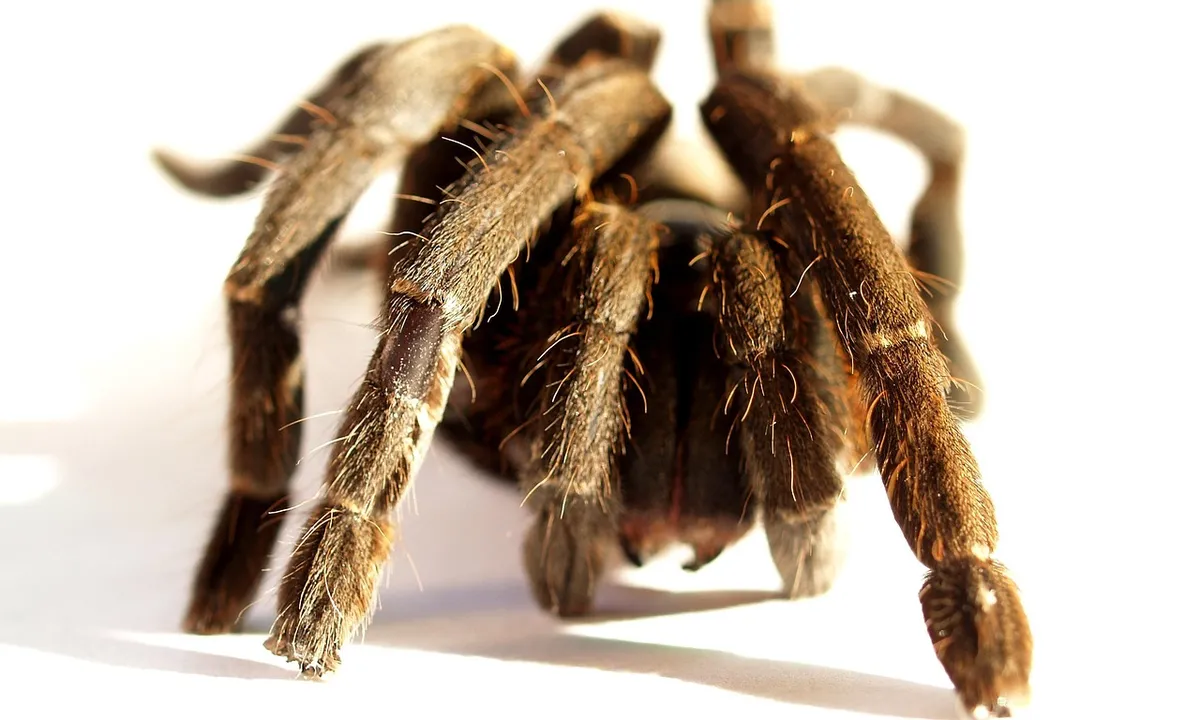
The venom of California’s native tarantulas, such as Aphonopelma species, is medically insignificant to humans. In my fifteen years with Rosie, my Chilean Rose Hair, I’ve never been bitten, but a nip would likely cause only brief, localized pain akin to a bee sting.
-
Resist the urge to handle any wild tarantula. Stress can cause severe injury, like the leg loss I’ve witnessed during difficult rehousings with my sensitive Goliath Bird Eater. Recognizing common signs your tarantula is stressed or defensive can help you avoid these situations. Look for raised front legs, a flattened body, or sudden rushing when you approach the enclosure.
-
No tarantula here is federally endangered, but they face local threats. Habitat fragmentation and road mortality are real dangers, making protected public lands critical refuges. Predators, including birds and small mammals, pose natural threats to tarantulas.
-
Our highest calling is to observe without interfering. This field ethic directly mirrors the respectful “Look, Don’t Touch” care we practice with our pet tarantulas every day.
How to Ethically Observe Tarantulas: A Practical Field Guide
-
Step 1: Preparation – Pack a red-light flashlight, a camera, water, and a notebook. Wear durable boots and long pants; your goal is to blend into the landscape, not disturb it.
-
Step 2: Locating Habitats – Search in foothill chaparral or desert edges after sunset, especially following warm rains. Look for loose, dry soil and south-facing slopes, environments that remind me of the arid setup my Grammostola rosea prefers.
-
Step 3: Observation Techniques – Move with slow, deliberate quietness. Watch for the perfect circle of a burrow entrance or the deliberate pace of a wandering male, and appreciate the silence of their world.
-
Step 4: Photography and Documentation – Use your camera’s zoom to capture the iridescent sheen of their carapace from a respectful distance. Note the date, location, and behavior to potentially share with citizen science platforms.
-
Step 5: Leaving No Trace – Depart without moving rocks or vegetation. This final step ensures the habitat remains pristine for the tarantulas and the next curious observer.
Using Distribution Maps and Citizen Science
-
Online databases like iNaturalist are powerful tools for the modern arachnoculturist. Reporting your verified sightings helps scientists track populations and confirms the vital importance of conservation areas.
##
FAQs
When is the best time of year to observe tarantulas in California?
The prime observation period is from late summer through fall, typically peaking from September to October. This coincides with the annual migration of mature males, who abandon their burrows to seek mates, making them far more visible. During mating season, males roam extensively in search of receptive females, increasing sightings. Warm evenings, especially after a light rain, are ideal as tarantulas become more active for hunting and burrow maintenance. This seasonal behavior is a fascinating natural spectacle directly tied to their reproductive cycle.
How do male and female tarantulas differ in appearance and behavior?
Mature males are typically leaner with longer legs and possess distinct tibial hooks on their front legs used during mating. Females are generally stockier, more robust, and lead a far more sedentary life, often remaining in the same burrow for decades. Behaviorally, males become nomadic wanderers in their final life stage, while females are reclusive ambush predators. This dramatic difference in lifestyle is why wandering males are the tarantulas most commonly encountered by people.
Are California tarantulas venomous and what is their threat to humans?
All tarantulas possess venom, but for California’s native Aphonopelma species, it is medically insignificant to humans, comparable to a bee sting. Their primary defense is flicking urticating hairs from their abdomen, which can cause skin and eye irritation. They are not aggressive and pose an extremely low threat, but you should never attempt to handle or harass a wild tarantula. The greatest risk is to the spider itself from the stress of improper interaction.
Are there any endangered or protected tarantula species in California?
No tarantula species in California are currently listed as federally endangered or threatened. However, they face significant local threats from habitat loss due to development, fragmentation, and road mortality during their seasonal migrations. Their conservation relies on the preservation of intact chaparral, grassland, and desert ecosystems. Responsible land management and protected public areas are therefore crucial for their long-term survival. Conservation efforts are in place to protect endangered tarantula species where they occur. These programs include habitat protection, population monitoring, and responsible land-use planning to safeguard migratory corridors and refugia.
What are the key tips for safely and ethically observing tarantulas in the wild?
The core principle is to observe without disturbing. Use a red-light flashlight to minimize disruption to their nocturnal activities, keep a respectful distance, and never block their path or probe their burrow. Take only photographs and detailed notes for citizen science, and leave the habitat exactly as you found it. This respectful approach ensures the spider’s safety and allows for natural behaviors to continue uninterrupted.
The Final Molt
For California’s native tarantulas, such as those in the Aphonopelma genus, successful long-term care hinges on providing a deep, dry substrate and avoiding supplemental humidity entirely. These spiders are exquisitely adapted to the state’s arid chaparral and grassland; damp conditions can swiftly cause fungal growth or respiratory distress. From my own husbandry, I treat my Chilean Rose Hair Rosie with the same desert respect-her enclosure stays dry, and she thrives.
The real magic unfolds when you simply watch. Observe the meticulous architecture of a burrow, the patient wait at its entrance, the lightning-quick lunge at a cricket. These spiders live life on a geological timescale. Cultivate patience. You will be rewarded with the silent drama of a molt, the slow redesign of a web, the quiet confidence of a creature in its element. This hobby teaches us that the most profound connections are built through observation, not interaction.
Further Reading & Sources
- Tarantula – Lindsay Wildlife Experience
- California Tarantula Animal Facts – Aphonopelma californicum – A-Z Animals
- The Habitat of the California Tarantula | Pets on Mom.com
Arlo is a lifelong arachnid enthusiast who believes tarantulas are the world’s most misunderstood roommates. With years of hands-on experience in tarantula care, habitat setup, and species behavior, Arlo combines expert knowledge with a dash of humor to make spider ownership less scary and a lot more fascinating. From choosing the right enclosure to understanding why your eight-legged buddy is doing that weird little pose again, Arlo is here to help you become the best tarantula parent you can be, without getting tangled in the web of misinformation.
Popular Species