
Texas Tarantula Season: Identification and Migration Guide
The Texas brown tarantula, Aphonopelma hentzi, is not a solitary hunter but a participant in one of the state’s most silent and spectacular natural events: the annual male migration. This guide cuts through the myths to provide clear identification markers, explain the biological drivers behind the mass movement, and offer respectful observation tips. Understanding this behavior is key to appreciating these arachnids as vital components of the ecosystem, not pests.
Quick Stats:
- Origin: Native to the South-central U.S., with dense populations in Texas, Oklahoma, and Kansas.
- Type: New World, terrestrial tarantula.
- Growth Rate: Exceptionally slow; males wander only after reaching sexual maturity at 5-10 years of age.
This guide will provide the specific knowledge you need to identify these tarantulas accurately and understand the timing and purpose of their remarkable seasonal journey.
Understanding Texas Tarantula Season: Timing and Triggers
This seasonal spectacle isn’t random. It’s a finely-tuned biological event driven by ancient rhythms. For tarantulas, especially mature males, “season” is the final, urgent chapter of their adult lives, a single-minded quest to find a mate.
Key Months for Tarantula Activity in Texas
While you might spot a wandering spider outside this window, the peak is distinct.
- Primary Peak: Late September through November. This is the grand migration. Cooler evening temperatures around 70-80°F allow males to travel without overheating.
- Early Signals: Late August. The first pioneering males may appear after significant late-summer rain.
- Tailing Off: Early December. Frosts and consistently cold nights bring the visible wanderings to a halt.
The heart of the season aligns with the fall equinox, a reliable cue for these eight-legged travelers to begin their search.
How Weather and Habitat Shape Tarantula Behavior
Weather doesn’t just signal the start; it dictates the intensity of the wandering you’ll see.
A prolonged summer drought can delay activity, as spiders conserve energy deep in their burrows. A good soaking rain, however, acts as a starting pistol. It softens the hard-packed earth, making travel easier, and triggers a boom in insect prey, giving males fuel for their journey.
You’ll almost never see this mass movement in lush, forested East Texas; it’s a spectacle of the state’s arid and semi-arid regions. Look in the Hill Country, Trans-Pecos, and South Texas plains. Here, in grasslands and scrub, the open terrain is their highway. Males leave the safety of their burrows forever, using vibration-sensitive hairs on their legs to “listen” for a female’s presence. Females, wise to the world, typically wait at the entrance of their deep, silk-lined burrows.
Identifying Common Texas Tarantula Species for Pet Enthusiasts
For keepers, seeing a wild tarantula is a chance to practice field identification and appreciate the natural history of our captive animals. A tarantula species identification care guide can help you distinguish species in the field. It also translates field observations into appropriate captive care. Remember the golden rule: observe, admire, but never collect from the wild. Captive-bred spiders are healthier and more sustainable.
Physical Traits and Markings to Look For
Forget vibrant colors. Texas tarantulas are masters of earthy camouflage. Identification relies on proportions, texture, and subtle hues. Some spiders mimic tarantulas in size or posture, earning the label of false tarantula look-alikes. Distinguishing the real tarantula from these look-alikes requires careful, close examination of body proportions and eye arrangement.
- Carapace (Head Region): Look for a uniform color or a subtle, darker radiating pattern.
- Abdomen: Note the hair coverage. Is it dense and uniform, or are there patchier areas?
- Legs & Prosoma: Are the legs solid in color, or do they show faint banding? Observe the overall stockiness.
- Size & Stance: A mature male has a noticeably smaller abdomen, longer legs, and tibial hooks on his front legs. His stance is often taller and more deliberate.
Texas Brown Tarantula (Aphonopelma hentzi)
This is the star of the show, the most common wanderer you will encounter.
- Color: A rich, chocolate brown to nearly black. The carapace often has a darker, subtle star-like pattern. The abdomen is covered in dense, brownish hairs.
- Size: A robust spider. Mature females can have a legspan over 4 inches. Males are leggier but with a slimmer abdomen.
- Pet Perspective: This is the wild cousin of pets like my old Chilean rose, Rosie. They share a calm, terrestrial demeanor. In captivity, they require dry substrate with a moisture-retaining corner and incredible patience, often fasting for months on end.
Other Notable Theraphosidae in the Region
While A. hentzi dominates, other species persist in specialized habitats.
- Oklahoma Brown Tarantula (Aphonopelma moderatum): Very similar to A. hentzi and often confused. It tends to be found in more northerly, rocky habitats. The differences are subtle, often requiring microscopic examination.
- Aphonopelma anax (Texas Tan Tarantula): Found in South Texas. This species is larger on average and can exhibit a more reddish-tan coloration, especially on the carapace.
- Remember the Rarefied Air: The legendary Aphonopelma marxi, a higher-elevation specialist, is a reminder that not all Texas tarantulas roam the lowland plains. Their care would mirror that of a temperate species, needing a significant temperature drop in winter.
Witnessing a tarantula in its native landscape fundamentally deepens your respect for the animal in your enclosure. You see the purpose in its design, the efficiency of its behaviors, and the critical importance of replicating key elements of that world-like deep substrate for burrowing or proper humidity gradients-in our homes (especially substrate).
The Science of Tarantula Migration and Mating Rituals
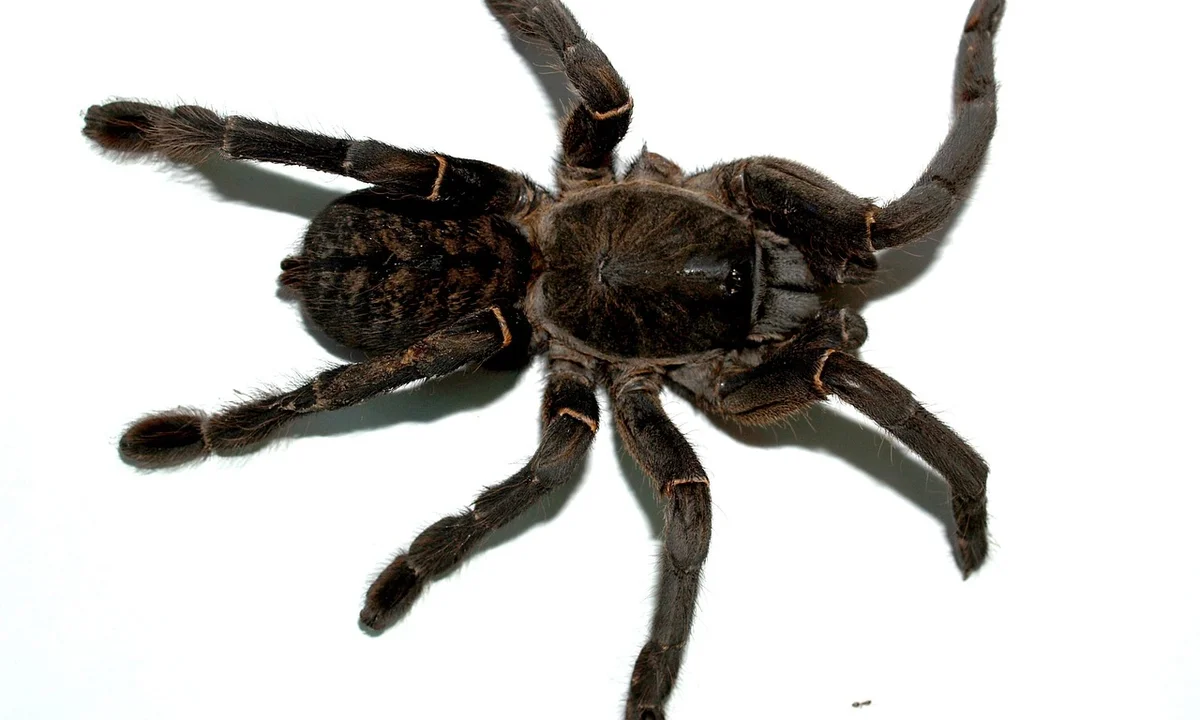
What we call a “migration” is, more accurately, a mass dispersal of mature males driven by a single biological imperative: to find a receptive female. This is not a coordinated march but a population-wide emergence synchronized by seasonal cues. After their final molt into maturity, males undergo a profound transformation. They develop specialized hooks on their front legs and embark on a perilous, one-way journey.
Mapping Movement Patterns and Mating Grounds
In Texas, this movement peaks from late summer into early fall. Warmth triggers activity, and males are most visible in the two hours before dusk. They do not wander aimlessly. Males are phenomenal chemotactile navigators, using sensory organs on their legs and pedipalps to “taste” the air and ground for female pheromone trails.
Their movement is methodical and relentless. I’ve observed males in the field covering surprising distances in a straight line, pausing only to assess a scent or navigate an obstacle. Prime observation areas are not random; look for transitional zones where female burrows are concentrated, such as the edges of grassy plains, rocky foothills, and along unpaved rural roads where soil is undisturbed.
Observable Mating Behaviors and Life Cycle Cues
The male’s approach is a careful ballet of survival. Upon locating a burrow, he will tap and vibrate the silk webbing at the entrance in a species-specific pattern-this is his “knock.” If the female is receptive, she may emerge. The male then uses his tibial hooks to secure her fangs, a maneuver I compare to a knight locking an opponent’s sword.
Life cycle cues are stark. A wandering male is near the end of his life; he may live only months after maturing, often succumbing to predators, exhaustion, or, occasionally, a female who is not receptive. The female, if she accepts his sperm and is well-nourished, will later produce an egg sac containing hundreds of offspring. This entire dramatic cycle is fueled by instinct and pheromones, a silent, urgent push for continuation that defines the season.
How to Ethically Observe Wild Tarantulas in Texas
Observing these creatures in their native habitat is a privilege. Our goal must be to witness natural behavior without altering it. The core ethic is simple: we are visitors in their home.
Prime Locations for Tarantula Watching
Focus on state parks and wildlife management areas in the Hill Country and West Texas. Specific hotspots known for consistent activity include:
- Lyndon B. Johnson State Park & Historic Site: Grassy meadows near the Pedernales River.
- Davis Mountains State Park: Higher elevations with mixed grassland.
- Roadways through the Trans-Pecos region, particularly after a warm afternoon rain.
Always check park regulations regarding off-trail travel and evening hours. The best strategy is to find a quiet spot at dusk, sit still, and let your eyes adjust. Movement gives them away.
Safety and Respect: Minimizing Stress for Wild Arachnids
Your conduct directly impacts the animal’s well-being and the quality of your observation. Follow these non-negotiable rules.
- Maintain a Quiet Distance: Use binoculars for a close view. Getting too close will cause the tarantula to freeze or flee, breaking its natural behavior.
- Never Block Their Path: Do not corral or surround them. Allow them to move freely. I once saw a well-meaning observer try to “guide” a male with his foot, causing the animal to scramble and waste precious energy.
- No Handling or Touching: This is paramount. Wild tarantulas are under extreme stress when exposed. Handling risks harming them, provoking a bite, or causing them to flick urticating hairs. Remember, a fleeing tarantula is a terrified tarantula, not an “active” one.
- Use Red Light at Night: If you must use a light, a red-filtered flashlight is less disruptive to their vision and less likely to alter their behavior.
- Leave No Trace: Do not disturb burrows, flip rocks, or alter the landscape to get a better photo or view.
Watching a male tarantula on his quest, moving with quiet purpose under the vast Texas sky, is a profound experience. Our role is to be silent witnesses, ensuring our fascination never becomes a burden to their ancient rhythm.
Applying Texas Tarantula Ecology to Pet Tarantula Care
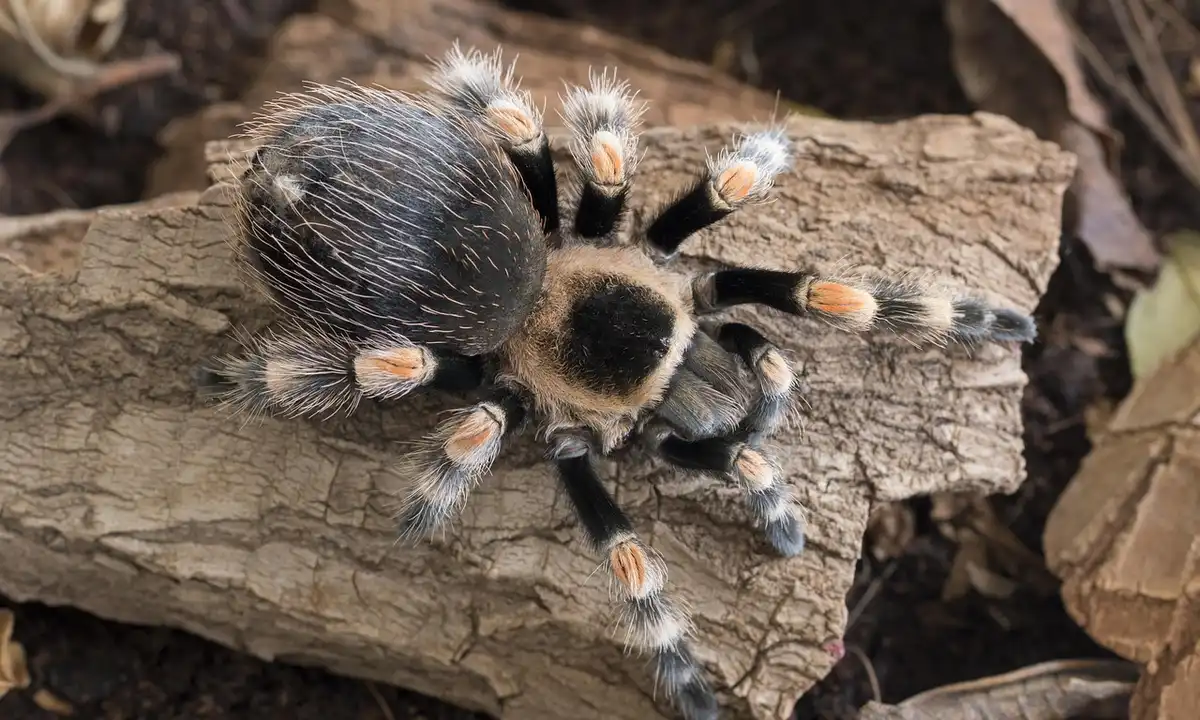
Observing wild tarantulas teaches us that successful captivity means respecting their evolved needs, not just containing them. The silent, still patience of a Aphonopelma in its burrow is a behavior we must accommodate, not a problem we need to solve. Their ecology is a blueprint for better husbandry. Proper care of advanced tarantula species means learning each species’ precise needs and tailoring husbandry accordingly. Enclosure design, humidity, temperature, and respectful handling should align with their natural behavior.
Replicating Natural Habitat in Your Enclosure
Think of your enclosure as a biome diorama. For species from arid regions like our Texas natives, focus on drainage and retreats.
- Substrate Depth is Non-Negotiable: My Chilean Rose Hair, Rosie, exemplifies this. I provide her with a compacted 8-10 inches of a 70/30 soil-to-sand mix. She may not always burrow, but the option for deep, secure excavation is critical for her psychological well-being.
- Furnishings Over Flourishes: A sturdy, well-anchored hide is worth more than decorative plants. Use cork bark flats or rounds, partially buried to simulate a burrow entrance. For my moisture-dependent T. stirmi, “Goliath,” I use a large, half-buried cork hollow packed with damp sphagnum moss to create a local humidity pocket.
- Water Management: Arid species drink from occasional dew, not swamps. A shallow, clean water dish is sufficient. For tropical species, I pour water directly into a corner of the substrate to create a gentle moisture gradient without making the entire floor soggy.
Seasonal Care Adjustments Inspired by Migration Cycles
While our pets don’t migrate, their internal clocks still respond to subtle environmental shifts.
- Respect the “Off” Season: Many tarantulas, particularly mature females, undergo periods of reduced appetite or total fasting. My G. rosea once refused food for 14 months. Do not panic or force-feed; this seasonal slowdown is a natural part of their rhythm, and offering food weekly only causes stress.
- Temperature Drops Signal Molts: A slight, gradual decrease in ambient temperature (a few degrees) can sometimes trigger a pre-molt fast. This mimics the cooler nights that precede growth periods in the wild.
- Barometric Pressure and Behavior: You may notice increased activity or restlessness before a storm. This is a sensory response to dropping air pressure. Ensure enclosures are secure during these times, as a motivated tarantula can exploit tiny gaps.
Conservation and Ethical Collection Practices for Hobbyists
The spectacle of Texas tarantula season tempts some to consider wild collection. As a breeder, I advocate for extreme caution and ethics. Legal considerations for keeping tarantulas—permits and ethical sourcing—should guide every purchase. Keeping rare tarantulas responsibly means choosing reputable breeders and avoiding wild capture.
Every wild-collected tarantula is a removed piece of a local ecosystem, a predator lost to its native food web and a potential breeder lost to the population. Most common U.S. species grow very slowly and live for decades; removing an adult female has a significant ecological impact (especially since many are already facing conservation pressures).
My personal rule is simple: I do not collect from the wild. Here is why.
- Captive-Bred is Superior: Captive-bred tarantulas are acclimated to enclosure life, free of parasites, and their purchase supports sustainable breeding within the hobby.
- The Stress of Captivity: The transition from vast prairie to a plastic box is profoundly stressful. Wild adults often refuse food, incessantly pace, or succumb to injury faster than captive-bred juveniles raised in such environments.
- Observe, Don’t Possess: The joy is in witnessing natural behavior in situ. Photograph them, note their interactions, and leave them to complete their vital role. The memory of a wild tarantula on its own terms is more valuable than one languishing in a tank.
If you encounter a tarantula in imminent danger (e.g., on a road), gentle relocation to nearby scrub is acceptable. Use a long, soft brush to guide it into a container, move it a short distance, and release it. Should you need to transport or rehouse it more safely, use a secure, ventilated container and minimize handling. On arrival, place it directly into a prepared enclosure and seal it securely. Your goal is temporary assistance, not acquisition. The hobby thrives when we prioritize the welfare of both individual spiders and their wild populations.
Common Questions
When is Texas tarantula season?
The main tarantula season in Texas typically runs from late September through November. This period marks the peak migration of mature male tarantulas. Activity can begin as early as late August following significant rain and usually ends by early December when colder temperatures set in. In winter, tarantulas tend to slow down and hide in burrows. In summer, warmer temperatures and occasional rains drive renewed movement and foraging activity.
Why do only male tarantulas seem to migrate?
The migration is specifically a mating dispersal undertaken by mature males. After their final molt at 5-10 years old, they leave their burrows to search for females. Females are sedentary, rarely leaving their deep, established burrows where they wait to receive mates, which is why you don’t see them wandering.
What are the tarantula mating rituals like in the wild?
Upon finding a female’s burrow, a male performs a species-specific “knocking” pattern by tapping and vibrating the silk at the entrance. If receptive, the female emerges, and the male uses special hooks on his front legs to secure her fangs during the brief mating. This careful ritual is crucial for the male’s survival.
Are there maps showing tarantula migration routes in Texas?
No precise migration maps exist because movements are not along fixed routes. It is a broad dispersal driven by pheromone trails. Prime observation areas are consistent, however, focusing on arid regions like the Hill Country, Trans-Pecos, and South Texas plains, especially along undisturbed rural roads and grassy or rocky foothills.
Is the tarantula mating season the same statewide?
No, the visible mating migration is not a statewide event. It is primarily a spectacle of Texas’s arid and semi-arid regions. You are unlikely to witness this mass wandering in the lush, forested habitats of East Texas, as the open terrain of the west and central parts of the state provides the necessary highway for males.
Can I keep a tarantula I find during the migration?
It is strongly discouraged and considered poor practice. Wild-caught tarantulas are vital to local ecosystems and often struggle with the stress of captivity. Ethical hobbyists support conservation by observing wild spiders in their habitat and only acquiring captive-bred specimens from reputable breeders for the pet trade. For ethically sourced tarantulas, choose individuals from established breeders who prioritize welfare, transparent breeding practices, and proper care guidelines. This approach helps ensure healthier spiders and supports responsible breeding within the hobby.
The Keeper’s Role in the Cycle
For the Texas tarantulas in your care, primarily Aphonopelma species, one rule dominates all others. Their greatest threat is not starvation, but overhydration; keep their enclosure dry with a water dish and bone-dry substrate to prevent fatal mycosis. This simple, counterintuitive principle is the bedrock of their long-term health. Knowing the common tarantula health problems helps you prevent them. Regularly monitor for signs of dehydration, abnormal molts, or fungal infections to catch issues early and keep your spiders healthy.
Your reward for this diligence is a front-row seat to a hidden life. Watch for the subtle drama of a burrow’s excavation, the patient ambush at its entrance, the precise grooming of palps after a meal. These spiders are silent architects and patient predators. Rushing them yields nothing. I’ve spent hours simply watching my Chilean Rose, Rosie, in her perfect stillness, understanding that her quiet existence is its own profound spectacle. Success is measured in uneventful months and perfect, complete molts. Your patience is the greatest gift you offer them.
Further Reading & Sources
- Tarantula mating season to start in Texas – NBC 5 Dallas-Fort Worth
- Texas: Brace for hordes of tarantulas as mating season begins
- Tarantulas On The Move – Texas A&M Stories
Arlo is a lifelong arachnid enthusiast who believes tarantulas are the world’s most misunderstood roommates. With years of hands-on experience in tarantula care, habitat setup, and species behavior, Arlo combines expert knowledge with a dash of humor to make spider ownership less scary and a lot more fascinating. From choosing the right enclosure to understanding why your eight-legged buddy is doing that weird little pose again, Arlo is here to help you become the best tarantula parent you can be, without getting tangled in the web of misinformation.
Popular Species