
How to Ethically Source and Acquire Breeding Tarantulas
Building a responsible breeding project begins long before the first egg sac is produced, rooted in the silent hobby-wide commitment to conservation and animal welfare. This guide cuts through the noise to show you how to find healthy, well-documented animals from reputable sources, ensuring your efforts support the future of the species in captivity.
Quick Stats: Ethical Sourcing
- Origin: Prioritize captive-bred (CB) over wild-caught (WC).
- Type: Seek documented lineage from established breeders.
- Growth Rate: Patience is the metric; sustainable breeding avoids shortcuts.
My promise is that this guide provides the concrete steps to source your foundational breeding stock with confidence, from verifying a seller’s reputation to understanding the vital paperwork that tracks a spider’s history.
Why Ethical Sourcing Matters for Tarantulas and Their Keepers
Choosing where your next tarantula comes from is the single most impactful decision you make before it even arrives. Ethical sourcing directly supports the health of wild populations, the welfare of individual spiders, and the long-term stability of our entire hobby. Every purchase is a vote for a particular practice.
The Conservation Imperative
Many stunning species face intense pressure from habitat loss. Unregulated collection for the pet trade can be the final stressor that pushes a local population toward collapse. Seek out captive-bred (CB) specimens, especially for slow-maturing, long-lived genera like Grammostola or Brachypelma. My 15-year-old G. rosea, Rosie, is a testament to captive longevity that responsibly satisfies demand without touching a wild burrow.
- Captive-Bred (CB): Born in captivity from captive parents. The gold standard. Removes all pressure from wild ecosystems.
- Captive-Farmed / Wild-Collected (WC): Often young tarantulas or eggsacs taken from the wild. Depletes natural numbers and introduces legal and health risks.
Health and Predictability for the Keeper
Wild-caught tarantulas are unknowns. They can arrive with a hidden payload of parasites, nematodes, or old injuries that shorten their lives and risk spreading pathogens to your existing collection. A captive-bred tarantula from a reputable source offers a clean, predictable start, allowing you to focus on care, not crisis management. My T. stirmi, Goliath, is captive-bred; I never worry about the mysterious ailments that sometimes plague wild-caught giants. I bought him after reading the species identification and care guide to make sure I was prepared.
Supporting the Right People
Ethical breeders invest staggering time into pairings, eggsac care, and raising hundreds of tiny spiderlings. They prioritize animal welfare over quick profit. By funding their work, you ensure knowledge and healthy bloodlines are preserved for future generations of hobbyists. You are investing in the hobby’s future.
How to Find and Evaluate a Reputable Tarantula Breeder
Finding a true breeder requires more than a quick web search. It demands a watchful eye and a willingness to ask direct questions. The best sources are often found within the community, not through broad retail advertisements.
Where to Look
- Species-Specific Forums & Groups: Dedicated communities are breeding grounds for trusted names. Observe who consistently shares successful breeding reports and detailed rearing logs.
- Reputable Expos: A good expo allows you to meet breeders face-to-face, inspect animal condition firsthand, and ask immediate questions. Observe how they handle their stock.
- Specialist Online Retailers: Some businesses specialize in captive-bred invertebrates. Scrutinize their website: do they list the scientific name, instar, and origin (CB/WC) for every animal?
The Evaluation Checklist: Questions to Ask
When you’ve identified a potential source, engage them. A transparent breeder welcomes earnest inquiry.
- Ask for the animal’s full history. “Is this animal captive-bred? If so, what generation (F1, F2)? Can you tell me about the parents?” Hesitation or vagueness is a red flag.
- Request a recent feeding video or detailed photo. You want to see a plump abdomen, intact limbs, and alert posture. For a prized specimen, I always ask for a video from the breeder to see its movement and vitality.
- Inquire about their guarantee and shipping practices. Do they offer a live arrival guarantee? What is their protocol for temperature extremes? A detailed answer shows forethought.
- Gauge their knowledge. Mention the species’ specific needs. A breeder of P. murinus like my old world “Flash” should instantly discuss its rehousing speed and arid setup, not just call it “pretty.”
Red Flags and Green Lights
| Red Flags (Avoid) | Green Lights (Proceed) |
|---|---|
| Constantly selling “unsexed” adult or sub-adult tarantulas. | Clear labeling of sex and instar (size) for relevant life stages. |
| Only stock photos are used, no individual pictures. | They provide current, individual photos of the exact animal for sale. |
| Prices are dramatically lower than the market standard. | Pricing is competitive and reflects the animal’s rarity, size, and captive-bred status. |
| Defensive or dismissive responses to basic husbandry questions. | They offer unsolicited, specific care tips and are passionate about the species’ success. |
Your patience in sourcing will be repaid a thousandfold in the health of your tarantula and your own peace of mind. Building a relationship with a skilled breeder is an invaluable resource, turning a transaction into a partnership for the life of your eight-legged charge.
What Questions to Ask and What Documentation to Expect
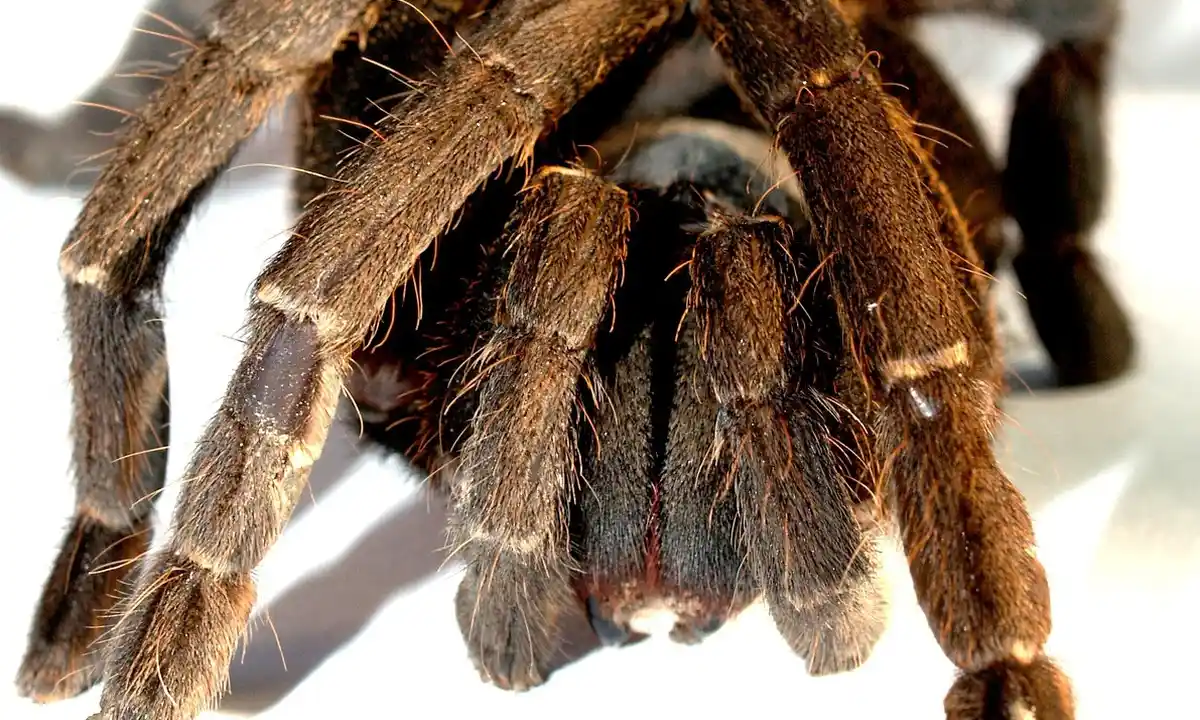
Approaching a breeder or seller requires a prepared mind. You are not just buying a pet; you are assuming responsibility for a complex life. I learned this the hard way with Flash, my OBT, whose defensive reputation preceded him. Asking detailed questions prevented a mismatch.
Your questions must probe the animal’s history and the seller’s practices to ensure a healthy, ethically-sourced specimen.
Always start with these core inquiries. Use a checklist.
- What is the exact species and sex? Confirm with the scientific name, like Pterinochilus murinus for an OBT.
- Can you describe its lineage? Is it captive-bred (CB) and, if so, what is the filial generation (e.g., F2, F3)?
- What is its feeding response and last meal? A refused cricket can signal pre-molt stress.
- How has it been housed? Ask about enclosure size, substrate type, and humidity levels.
- May I see recent photos or a video? Look for a full abdomen, clean limbs, and active movement.
- What is its known age or instar? This is vital for breeding timelines.
Documentation separates serious breeders from casual sellers and provides a legal and biological roadmap for your new tarantula. Are the core principles of tarantula breeding ethical? Ethical breeding emphasizes welfare, transparent sourcing, and sustainable, well-managed lineages.
Expect and request these records. A trustworthy source provides them willingly.
- A dated receipt listing the species’ full Latin name, sex, and price.
- Captive-born documentation, often a signed note or certificate stating the breeder’s name and the generation.
- For CITES-listed species, you must receive the proper Appendix paperwork. I always check this for my Goliath, a Theraphosa stirmi.
- A brief care sheet referencing the spider’s established preferences for temperature and moisture.
I once acquired a “docile” specimen that arrived with a crumpled carapace from a bad molt. The seller had no answers. Now, my first question is always about molt history. Thorough vetting is the first act of compassionate care, setting the stage for a successful breeding project or a peaceful life in your collection.
Understanding Legalities: Permits, CITES, and Captive-Bred Proof
Legal compliance is non-negotiable. It protects wild populations and your right to keep these animals. Ignorance can lead to fines, confiscation, and harm to conservation efforts.
The Convention on International Trade in Endangered Species (CITES) regulates cross-border movement of listed taxa to prevent over-exploitation.
Many popular tarantulas fall under CITES Appendix II. This includes all Brachypelma and Aphonopelma species. You need certified documentation to buy, sell, or transport them across state or national lines. My Chilean Rose Hair, Grammostola rosea, is on that list. When keeping rare tarantulas, it’s important to consider not only the paperwork but also the ethics of sourcing and welfare. Responsible hobbyists prioritize captive-bred individuals and proper care.
Follow this three-step legality check for any acquisition.
- Identify the species’ CITES status using the official species database.
- Contact your state’s fish and wildlife agency. Some states, like Georgia or Hawaii, have strict invertebrate permits.
- Request the CITES Article 10 certificate from the seller for any Appendix II animal. This is your proof of legal captive breeding.
Captive-bred proof is your ethical shield, ensuring your hobby does not deplete native habitats.
Wild-caught (WC) tarantulas often carry parasites, experience severe shipping stress, and their removal damages ecosystems. A legitimate captive-bred spider comes with a history. Breeders track generations, like F1 (first captive-born) or F5. Higher filial generations often indicate better adaptation to captive conditions. For breeding projects, this genetic clarity is everything. To turn that clarity into action, create a comprehensive breeding plan for your tarantulas. The plan should cover goals, parentage, quarantine, record-keeping, and welfare considerations to ensure sustainable results.
I maintain a simple file for each of my tarantulas. It holds their CITES papers, purchase receipts, and molt records for sexing. When Goliath needed a new enclosure, having his paperwork in order made the process smooth. Respectful stewardship begins with respecting the law, a practice that secures the future of arachnoculture for everyone.
Recognizing Ethical Breeder Practices and Welfare Standards
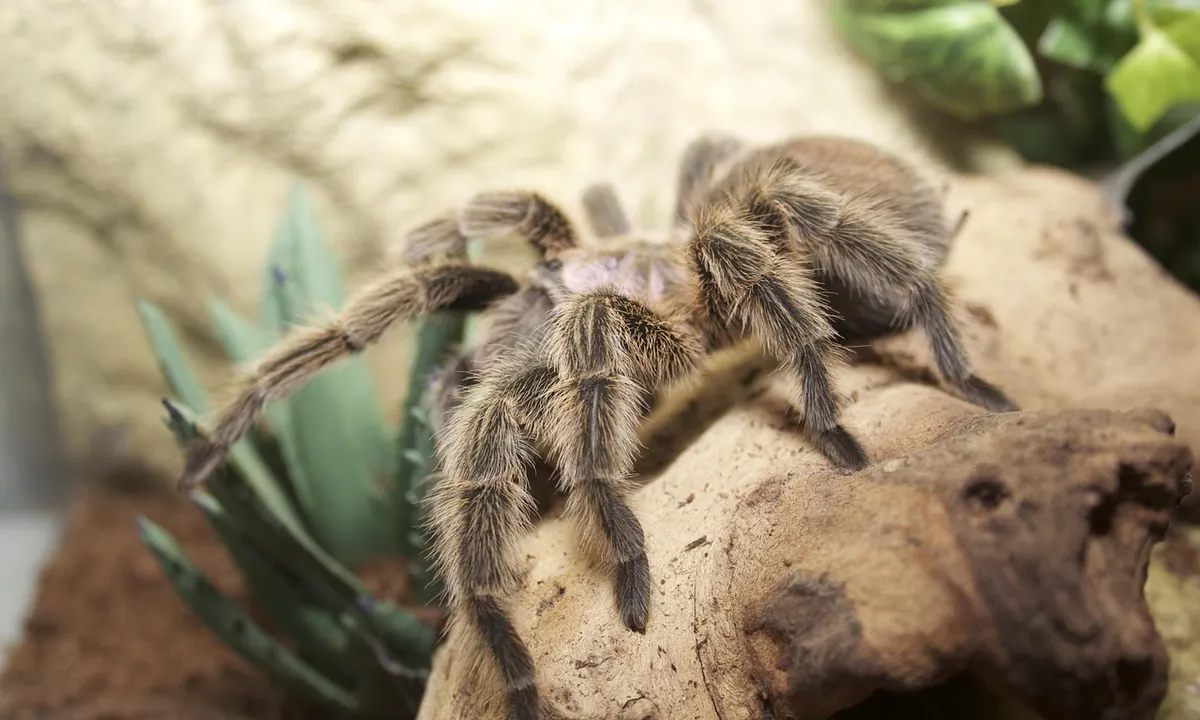
An ethical breeder’s priority is the spider’s lifelong welfare, not just the sale. You can identify them by their transparency and meticulous care standards. I learned this early on when sourcing my Chilean Rose Hair, Rosie; her breeder provided a full log of her molts and feeding refusals, which prepared me for her famously slow metabolism. Look for breeders who eagerly share detailed histories, including feeding records, past molts, and the lineage of their animals to prevent inbreeding.
Visit their facility if possible, or request detailed photos and videos of the actual housing. Ethical enclosures are clean, species-appropriate, and never overcrowded. My Burgundy Goliath, for instance, came from a breeder who kept his T. stirmi on deep, moist substrate with ample hide space-a sign he understood their specific fossorial and humidity-loving nature. A responsible breeder’s setup mirrors the care they expect you to provide, demonstrating respect for the animal’s natural behaviors.
Key Indicators of an Ethical Breeder
- Knowledge Sharing: They explain species-specific needs, like the 75-85% humidity for Goliath or the dry setup for an OBT.
- Health Transparency: They disclose any health issues, deformities from bad molts, or lethargy without hesitation.
- Practice “Look, Don’t Touch”: They advocate for observational enjoyment and will discuss the risks of urticating hairs or venom, especially with species like my defensive P. murinus, Flash.
- After-Sale Support: They remain available for questions, offering guidance on rehousing or molt complications.
Beware of breeders who always have “rare” juveniles available or who cannot answer basic husbandry questions. Your choice directly supports either the perpetuation of stress-heavy, mill-style breeding or the advancement of conscientious arachnoculture.
The Acquisition Process: Quarantine, Housing, and Initial Care
Bringing a new tarantula home is a delicate operation. Your first duty is a strict quarantine, separate from your existing collection, for a minimum of 30-45 days. I learned this the hard way when a seemingly healthy sling introduced mites to a separate enclosure years ago. Quarantine protects your entire collection from potential parasites, pathogens, or fungal issues that can hitchhike on new arrivals. Be sure to follow proper quarantine procedures to keep your tarantulas safe.
Step-by-Step Quarantine Protocol
- House the new tarantula in a simple, bare-bones enclosure in a different room. Use paper towel as a temporary substrate for easy monitoring.
- Handle all equipment-tongs, water dishes-separately and wash hands thoroughly between caring for quarantined and established pets.
- Observe closely for normal behaviors: web-building, drinking, and a good appetite. Note any lethargy, odd postures, or mites.
After quarantine, permanent housing begins. This is not one-size-fits-all. My three tarantulas require three different worlds. Always design the enclosure around the species’ native ecology, not convenience or aesthetics. Avoid common enclosure mistakes like incorrect humidity, poor ventilation, or missing hides. Tailor each setup to the tarantula’s native habitat to avoid these pitfalls.
| Species Example | Core Housing Principle | Personal Setup Tip |
|---|---|---|
| G. rosea (Rosie) | Dry, arid setup with shallow substrate and a hide. | I use a mix of coconut fiber and sand, kept barely damp in one corner. She prefers her water dish over moisture in the soil. |
| T. stirmi (Goliath) | Humid, tropical setup with deep, moisture-retentive substrate. | A 10-inch deep mix of peat moss, vermiculite, and cork bark holds the 80% humidity he thrives on. I flood one corner weekly. |
| P. murinus (Flash) | Arboreal-leaning with ample anchor points for webbing. | A vertical enclosure with cork bark slabs and fake plants. He webbed every surface within 48 hours, creating a silken fortress. |
Initial care is about minimal disturbance. Resist the urge to feed immediately; offer water first and wait 5-7 days before offering prey. The silence of the enclosure during this adjustment period is normal—your tarantula is mapping its new territory and de-stressing. I offer food with long tongs to avoid any defensive strikes, a practice especially vital with fast, venomous species like the OBT. For your new tarantula, the first 24 hours are crucial—follow a short step-by-step acclimation guide. It covers enclosure checks, hydration setup, and calm observation before any feeding.
Initial Care Checklist
- Acclimatize Temperature: Keep the enclosure within the species’ ideal range (e.g., 75-80°F for most tropicals).
- Provide a Water Dish: Always available, shallow, and cleaned regularly.
- Observe Before Intervening: Watch for that first exploratory walk or web line. This signals settling in.
- Plan for the First Molt: Increase humidity slightly for terrestrial species and remove all prey items if you see pre-molt signs like a darkening abdomen.
Remember, rehousing is often the most stressful event for a tarantula. I practice the “catch cup” method, especially with my OBT, using clear deli cups to gently guide the spider without direct contact. Patience and prepared tools prevent escapes and reduce the risk of injury to both you and your fragile new pet.
FAQs
How can I be sure a tarantula is truly captive-bred and not wild-caught?
Reputable breeders will provide documentation of the spider’s lineage, often stating its captive-bred generation (e.g., F2, F3). You should directly ask for this history and details about the parents. Be highly skeptical of sellers offering adult “field-collected” specimens or those who cannot give a clear origin story, especially for commonly bred species.
What are the biggest red flags for an unethical seller or supplier?
Major warnings include only using generic stock photos, prices that are drastically below market value, and constant sales of unsexed adult tarantulas. A defensive or dismissive attitude toward specific questions about care, lineage, or health is also a significant concern. Ethical sellers are transparent and eager to share information.
How do I properly quarantine a new tarantula to prevent disease spread?
House the new arrival in a simple, separate enclosure in a different room for 30-45 days, using plain paper towel as temporary substrate for easy monitoring. Use dedicated tools for this enclosure and always wash your hands after care. Closely observe for normal feeding, drinking, and movement, watching for any signs of parasites or illness before introducing it to your collection.
What legal paperwork should I expect when acquiring a CITES-listed tarantula?
For species listed under CITES Appendix II, such as all Brachypelma, you must receive an official CITES Article 10 certificate from the seller. This document is your proof of legal captive breeding and is required for legal ownership and transport. Always verify the species’ CITES status and check your local wildlife regulations.
What are my main responsibilities as a keeper regarding tarantula conservation?
Your primary responsibility is to source only captive-bred animals to eliminate demand for wild collection. Supporting ethical breeders who maintain detailed genetic records helps preserve healthy bloodlines in captivity. Furthermore, educating others about ethical practices and species-specific care contributes to the overall sustainability of the hobby.
The Final Molt: Ensuring Breeding Success
With your ethically acquired breeders settled, husbandry shifts from general care to precise replication. The single most important parameter for breeding tarantulas is maintaining species-specific humidity and temperature cycles that mimic seasonal rains; this environmental cue is non-negotiable for triggering courtship and ensuring egg sac viability. To connect care to reproduction, many hobbyists review a concise, step-by-step guide to tarantula mating that outlines the general sequence from courtship to fertilization and egg sac development. Being mindful of species-specific needs, such guides help translate environmental cues into a practical reproduction process. My T. stirmi, Goliath, only showed breeding readiness when his enclosure’s moisture felt like a consistent, warm mist-a detail not found on a care sheet but learned through attentive practice.
Your primary tool now is observant patience. Find joy in the behavioral ballet: the male’s cautious palpal drumming, the female’s architectural work on her egg sac retreat. I’ve spent hours watching my P. murinus, Flash, weave his dense funnel, a testament to natural instinct. Breeding unfolds on a tarantula’s timeline, not ours. Embrace the ‘look, don’t touch’ ethos to provide a stress-free space, and you’ll witness the quiet marvel of life continuing-the ultimate reward for the ethical keeper.
Further Reading & Sources
- Ethics of pet tarantulas | Arachnoboards
- Ethical Sourcing – exotic species
- How To Respect Your Tarantulas: Ethical Keeping
Arlo is a lifelong arachnid enthusiast who believes tarantulas are the world’s most misunderstood roommates. With years of hands-on experience in tarantula care, habitat setup, and species behavior, Arlo combines expert knowledge with a dash of humor to make spider ownership less scary and a lot more fascinating. From choosing the right enclosure to understanding why your eight-legged buddy is doing that weird little pose again, Arlo is here to help you become the best tarantula parent you can be, without getting tangled in the web of misinformation.
Breeding Tarantulas