
A Visual Guide to Tarantula Poop: What’s Normal and What’s Not
Published on: January 22, 2026 | Last Updated: January 22, 2026
Written By: Arlo
In the quiet hobby of arachnoculture, a tarantula’s waste is its most honest health report, a story written in white paste and chalky smears on the enclosure glass. This guide translates that story for you, using photos from my own collections-from Rosie’s sparse deposits to Goliath’s humid-terrarium clues-to detail every normal variation and alarming sign. You will learn to distinguish harmless digestion from potential distress without ever needing to disturb your pet.
Quick Stats:
- Primary Composition: Uric acid, resulting in its characteristic off-white color.
- Typical Consistency: A wet paste that dries into a brittle, crusty deposit.
- Emission Frequency: Erratic; a well-fed tarantula may defecate after a meal, while others, like my G. rosea, can go months without a trace.
- Common Location: Often on vertical surfaces or in web funnels, as many species aim waste away from their core living space.
Mastering this visual literacy will transform your routine tank maintenance into a powerful, non-invasive health monitoring tool.
Decoding Digestive Waste: Feces vs. Urates
What Tarantulas Excrete and Why
Your tarantula’s waste tells a story about its health. Unlike mammals, tarantulas produce two distinct types of excretion. Feces are the solid, digested remains of their prey. Urates are a creamy white paste, the nitrogenous waste processed by their Malpighian tubules. This dual system is a marvel of arachnid efficiency, adapted for a life where water conservation is paramount.
- Feces consist of indigestible parts like chitin. Think of them as dark, ink-like spots left after a meal.
- Urates are the tarantula’s version of urine. They resemble a chalky, toothpaste-like smear and are entirely normal.
- A tarantula’s gut is a simple, straight tube. It externally digests prey into a liquid, absorbing nutrients and separating waste. This process is far removed from our own complex digestion.
The Dual Waste System
You will likely encounter both waste forms in the enclosure. Familiarity with their look prevents unnecessary worry. Recognizing this pair as standard is the first step in becoming an observant keeper.
- Healthy feces are uniformly dark brown to black. They are the leftover “footprint” of a cricket or roach.
- Urates are a stark, creamy white. They can appear alone or mixed with feces in a two-toned dropping.
- Both are standard signs of a functioning metabolism. My Burgundy Goliath, for instance, produces impressive amounts of both, especially after a large meal.
The Anatomy of a Healthy Dropping
Visual Characteristics of Normal Tarantula Poop
Use this checklist to quickly assess your tarantula’s waste. Normal droppings have consistent traits across most species. A predictable poop pattern is a quiet sign of a content spider. Are you curious about whether tarantulas poop, pee, or fart? This quick guide on spider digestion explains what waste to look for and what it means for your tarantula’s health.
- Color: Expect a uniform dark brown or black for feces. Urates should be a bright, almost luminous white. Any red, green, or yellow hues are not typical and warrant attention.
- Consistency: Fresh feces are liquid and spread slightly on contact, drying into a hard, varnish-like spot within hours. Urates start as a moist paste and dry to a powdery chalk mark.
- Size and Shape: Feces are small, often no larger than a pinhead or a tiny splatter. Urates may be a droplet, a short smear, or a tiny dab. The size directly relates to the meal’s size.
- Frequency: This varies wildly. A fast-growing sling like my OBT, Flash, might excrete weekly. An adult like Rosie, my Chilean Rose Hair, can go months between visible droppings during her fasting periods. Metabolism and feeding schedule dictate the rhythm.
Where You’ll Find It
Tarantulas are not tidy. Their waste placement follows instinct, not convenience. Finding their droppings is often easier than spotting the tarantula itself, offering a non-invasive health check.
- Common locations include the enclosure glass, especially in the upper corners, on cork bark hides, or silk webbing. Some terrestrials, like Rosie, designate a specific “bathroom” corner in their burrow or tank edge.
- Arboreal species, such as Pinktoes (Avicularia sp.), often defecate in a directed stream, creating tell-tale white streaks down their enclosure walls. Terrestrial species like Goliath may simply deposit waste near their burrow entrance or on flat rocks.
Red Flags: A Guide to Abnormal Droppings
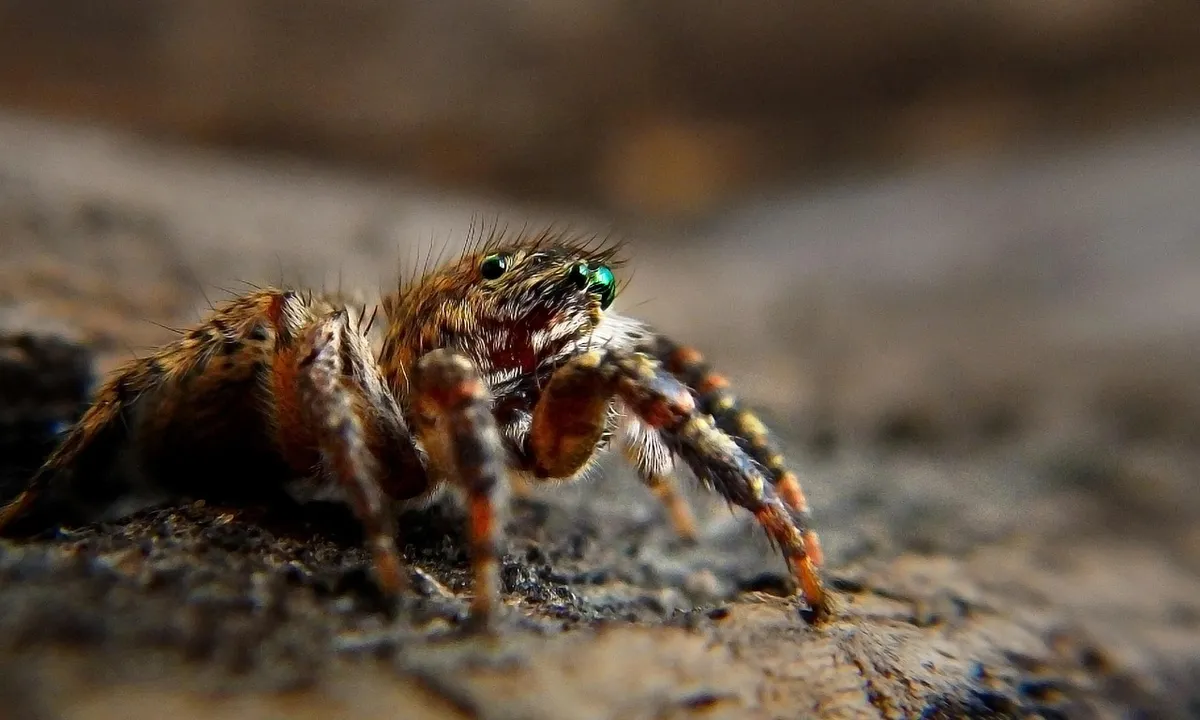
Your tarantula’s waste is a daily report card on its health. Learning to recognize abnormal droppings lets you intervene early, often before more obvious symptoms appear. Are early warning signs that a tarantula is sick? Watch for changes in appetite, activity, or shedding.
Visual Signs of Potential Illness
Normal feces are dark and compact, drying quickly into inert pellets. Any dramatic departure from this baseline deserves your attention and a review of your care routine.
- Color changes: Red, green, or yellow hues in feces are major warnings. Red can suggest internal injury, while green or yellow often points to bacterial or parasitic infection. I have seen green-tinged waste in stressed specimens, which cleared up with improved hydration and quieter surroundings.
- Consistency issues: Feces that remain watery and runny for over a day indicate digestive trouble. Conversely, urates that are dry, chalky, and crumbly upon expulsion are a classic sign of dehydration. My T. stirmi Goliath will produce powdery urates if his humidity drops even slightly.
- Foreign material: Finding whole, undigested prey parts like cricket heads means your tarantula is not breaking down food properly. Visible parasites are rare but serious; they look like tiny, moving grains within the waste.
- Odor: Healthy tarantula poop has no smell. A foul, sour odor from fresh waste strongly suggests a bacterial imbalance in the digestive tract.
Connecting Poop to Health Problems
Abnormal droppings are clues, not final diagnoses. Your job is to piece these clues together with other behaviors to identify the root cause.
- Link abnormalities to specific issues: Persistent, runny feces with odd colors often flag internal parasites. Foul-smelling, liquid waste typically points to bacterial infection. A complete stop in excretion, paired with a hard, swollen abdomen, can signal a life-threatening impaction.
- Stress how sudden changes in droppings warrant closer observation. When my normally predictable G. rosea Rosie once had unusually soft droppings, it prompted me to check her enclosure for mold and adjust her feeding schedule, which resolved the issue.
Poop as a Health Barometer
Think of waste as a direct feed from your tarantula’s internal systems. This constant stream of data helps you calibrate humidity, hydration, and feeding with precision.
Detecting Dehydration Through Urates
The white urate paste is a perfect hydration meter. Its texture the moment it is expelled gives you an immediate reading on your spider’s water reserves.
- Normal urates: Appear as a moist, creamy paste. They may dry to a firm, but not dusty, consistency over several days.
- Dehydrated urates: Are chalky, powdery, or crumbly right from the start. This means your tarantula is pulling water from its waste to conserve bodily fluids.
- Action steps: Immediately provide a clean, shallow water dish. For moisture-dependent species, I also lightly dampen one section of the substrate. Observing your tarantula drink from its dish is one of the most rewarding signs of successful husbandry.
Droppings and Digestive Distress
The rhythm of excretion is just as informative as its appearance. A pause in pooping requires you to distinguish between natural cycles and genuine distress.
- How infrequent excretion might signal impaction or pre-molt fasting. Many tarantulas fast before molting; my Rosie has gone eight months without food or feces before a shed. Impaction, however, comes with a distended abdomen and notable lethargy.
- Why prolonged absence of feces post-feeding could be a concern. If a tarantula eats but produces no waste for weeks and isn’t in pre-molt, consider a blockage. I always pre-kill larger crickets for my faster spiders like Flash, the P. murinus, to prevent injury and aid digestion.
Husbandry in Focus: Cleaning and Substrate Effects
Your tarantula’s waste tells a story, but how you manage it and the substrate beneath its feet changes the narrative. Regular, gentle cleaning prevents mold and mites while respecting your pet’s need for a stable, low-stress environment. Understanding which best substrates for tarantula enclosures and how to maintain them makes cleanup straightforward. Choosing the right substrate also helps control humidity and airflow, keeping your tarantula comfortable and the enclosure easier to maintain.
Safe Enclosure Hygiene Practices
After fifteen years with Rosie, my Grammostola rosea, I’ve learned that cleanliness is next to calmness. Sudden movements or invasive cleaning can stress any tarantula. Your goal is to maintain health without becoming an intruder in their silent world.
- Tools: Use long tweezers and a damp paper towel for removal. I employ 12-inch tweezers for my Burgundy Goliath Bird Eater, Theraphosa stirmi, keeping my hands well away from her urticating hair kicks.
- Timing: Spot-clean droppings during routine checks to prevent mold. In humid enclosures (80-85% for T. stirmi), I check twice weekly, as mold spores thrive above 70% humidity.
- Safety: Avoid disturbing your tarantula; never use chemical cleaners inside. I use distilled water only, as even mild soaps can leave residues that harm delicate book lungs.
How Substrate Influences What You See
The ground cover you choose acts as a stage, highlighting or hiding your tarantula’s digestive output. Your substrate choice directly shapes your monitoring routine and the enclosure’s microclimate. In particular, consider whether your species benefits from deep vs shallow tarantula substrate for easier observation. The best choice varies by species, so tailor depth to its natural behavior.
- Coconut fiber: May darken feces appearance; urates show clearly. The white uric acid paste contrasts sharply, as I see in my OBT Flash’s (Pterinochilus murinus) web-filled corner.
- Topsoil mixes: Can mask droppings if color-matched. With my rose hair Rosie on a peat-topsoil blend, I must look carefully during checks, as waste becomes part of the terrain.
- Bioactive setups: Clean-up crews break down waste, reducing visible signs. My bioactive tank for Goliath uses springtails-within hours, droppings are processed, leaving almost no trace.
Molting and Excretion: Special Considerations
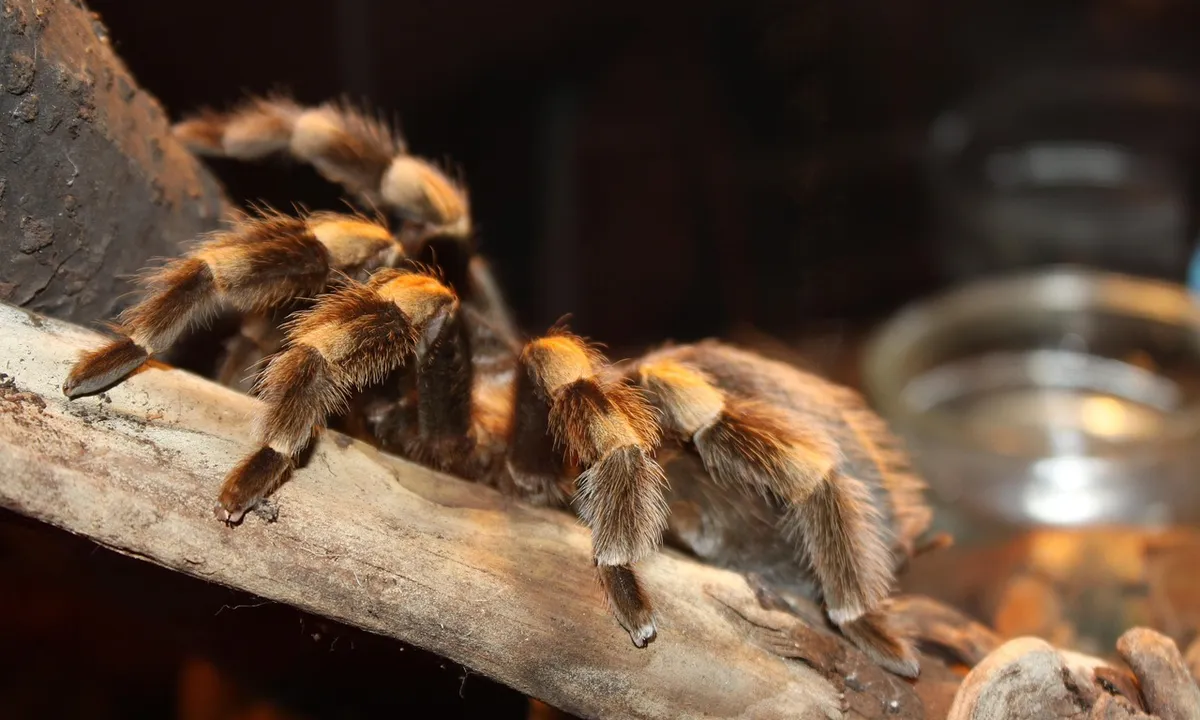
The molt, or ecdysis, is a tarantula’s most vulnerable and fascinating process. It resets their entire system, including digestion. Observing waste patterns around a molt provides a clear window into this critical biological event.
The Pre-Molt Poop Pause
In the weeks before molting, tarantulas enter a quiet phase. They often refuse food, and their excretion slows or stops entirely. This pre-molt fasting is a natural conservation strategy, not a cause for alarm.
- Tarantulas stop eating and excreting before a molt to reabsorb fluids and nutrients for building a new exoskeleton. My old rose hair, Rosie, once ceased all waste production for four months prior to a major shed.
- The post-molt “molt plug” is a dark, fibrous mass often mistaken for poop. It is the discarded lining of the old digestive tract and book lungs, expelled shortly after the shed. I find them tucked in a corner, looking like a strange, dry pellet.
Post-Molt Care and Observation
After the delicate shed, patience is your greatest tool. The new exoskeleton, including the fangs, needs time to harden and darken. Rushing feeding or handling after a molt risks physical injury and severe stress to your tarantula. In the days after a molt, keep disturbances to a minimum and let your tarantula settle. Maintain stable humidity and temperature as the shed hardens.
- Wait for the new exoskeleton to harden before expecting normal feeding and excretion. For my large T. stirmi, I wait 10-14 days until her fangs are jet black and her carapace loses its soft, iridescent sheen.
- The first droppings after a molt confirm a healthy digestive reset. When I see that first dark speck after weeks of silence, I know the internal renewal is complete and feeding can safely resume.
Putting It All Together: Your Observation Routine
Transforming casual glances into a structured observation ritual is the cornerstone of proactive tarantula care. A disciplined weekly check, honed over years with pets like my sedentary G. rosea and my moisture-loving T. stirmi, turns you from a passive viewer into an informed caretaker. This routine focuses on the silent signals in their waste.
Building a Poop-Check Habit
Consistency is key; attach your waste inspection to another regular task, like refilling water dishes. I always perform my checks during the same weekly maintenance slot, which has helped me correlate Rosie’s long fasting periods with complete absence of waste. Follow these steps to build your habit.
- During weekly enclosure checks, note the color, consistency, and location of waste. Look for the chalky white urates and dark fecal matter. Is it buried, webbed over, or out in the open?
- Log any changes against feeding records and molting cycles. A simple notebook entry like “Goliath – pre-molt, no feed, white urates only” creates a powerful health timeline.
- Use a flashlight for better visibility in darker substrates. The beam reveals hidden details in the shadows of a cork bark hide or the deep peat of a burrower’s den.
This process takes mere minutes. The goal is to recognize your individual tarantula’s normal pattern, as variation between species—and even personalities—is vast. This ties into tarantula classification biology explained: traits guide placement. These patterns show how biology and taxonomy connect.
When to Take Action
Understanding the difference between a quirky one-off and a red flag prevents unnecessary panic. My defensive P. murinus, Flash, once produced unusually runny waste after a substrate change; it was a temporary stress response, not illness. Use this guide to gauge your response.
- Immediate steps for abnormal droppings: isolate if contagious illness is suspected, adjust humidity, consult a specialist. For persistent liquid diarrhea or foul odor, quarantine is a safe first step. For dry, crumbly urates, try gently raising enclosure humidity.
- Emphasize that most poop variations are normal, but consistent abnormalities need attention. A single strange deposit may mean nothing. Multiple events over weeks, especially with appetite loss or lethargy, warrant a deeper look.
Trust your documented observations. If your logs show a steady change coinciding with an environmental shift, you have solid data to correct the issue, often by simply tweaking humidity or diet.
FAQs
How often do tarantulas poop?
Tarantulas do not have a regular defecation schedule; frequency depends on feeding, species, and life stage. A recently fed tarantula may excrete waste within days, while adults, especially during pre-molt fasting, can go months without pooping. Monitoring patterns helps establish what is normal for your individual pet.
What should I do if my tarantula’s poop looks abnormal?
Remain calm and first compare the waste to normal characteristics described in the visual guide. Check for husbandry issues like incorrect humidity or diet, and ensure fresh water is available. If abnormalities persist or are paired with lethargy or loss of appetite, seek advice from an exotic veterinarian.
Can tarantula poop indicate dehydration?
Yes, urates specifically serve as a hydration indicator. Healthy urates are expelled as a moist, paste-like substance, while dehydrated urates appear dry and crumbly immediately. This is a clear sign to provide a water dish and possibly increase enclosure humidity for moisture-dependent species.
How do I clean tarantula poop from the enclosure?
Use tools like long tweezers and a damp paper towel to spot-clean waste without stressing your tarantula. Perform cleaning during routine checks to prevent mold, particularly in humid setups. Avoid any chemical cleaners; only use water to maintain a safe environment for your pet. Common household cleaners can be toxic to tarantulas, even in trace amounts. Stick to water-only cleaning to prevent harmful residues in the tank.
Can substrate type affect the appearance of tarantula poop?
Substrate choice can alter how waste is perceived. Light-colored substrates like coconut fiber make urates stand out, while darker topsoil may camouflage feces. In bioactive enclosures, clean-up crews break down droppings, which can reduce visibility but requires monitoring through other means.
Long-Term Success in Tarantula Husbandry
For every tarantula, regardless of species, maintaining perfect substrate humidity for its specific needs is the non-negotiable key to healthy digestion and normal waste production, making it the single most vital parameter you must control. I learned this through my Burgundy Goliath Bird Eater, Goliath; if his deep peat moss bedding ever dries out, his excretions become worryingly sparse, signaling immediate dehydration. That said, signs of incorrect humidity can be subtle and easy to misread in a tarantula enclosure. Recognizing those cues helps prevent misinterpretation and keeps the enclosure at the right moisture level.
Your journey as a keeper is enriched by quietly witnessing their natural world. Enjoy the architectural webbing of an OBT like my Flash, the seismic digging of a fossorial species, or the patient ambush from a burrow’s edge. True success here is built on patience-observing the mundane, like regular poop in the corner, which is often the most honest report card of a spider’s well-being.
Further Reading & Sources
- Crazy Tarantula Facts: Do Spiders Poop And Pee?
- 14 Facts About Tarantula Poop – The Complete Guide – Mercury Pets
- How To Spot Clean Your Tarantula’s Tank
Arlo is a lifelong arachnid enthusiast who believes tarantulas are the world’s most misunderstood roommates. With years of hands-on experience in tarantula care, habitat setup, and species behavior, Arlo combines expert knowledge with a dash of humor to make spider ownership less scary and a lot more fascinating. From choosing the right enclosure to understanding why your eight-legged buddy is doing that weird little pose again, Arlo is here to help you become the best tarantula parent you can be, without getting tangled in the web of misinformation.
Signs of a Healthy Tarantula