
Are Tarantulas Endangered? Conservation Status of Popular Species
The vibrant OBTs and docile Rose Hairs in our care represent a thriving hobby, but their wild populations tell a story of silent decline under habitat loss and collection pressures. Drawing from years of breeding and observing spiders like my stubborn Rosie and my hair-kicking Goliath, this article examines the real conservation status of popular pet tarantulas. Truth is, most common pet species are not globally endangered, but several are under severe threat in specific, fragile habitats.
- Quick Stats:
- Origin: Global, with hotspots in tropical and subtropical regions facing rapid habitat change
- Type: Both New World (e.g., Brachypelma, Grammostola) and Old World (e.g., Poecilotheria) genera contain vulnerable species
- Growth Rate: Slow-maturing species are at higher risk from overcollection, as populations cannot rebound quickly
This guide will clarify which commonly kept tarantulas are of conservation concern and how your husbandry choices can align with their preservation.
The Big Picture: Tarantula Conservation in the Wild
Wild tarantula populations face silent pressures that many keepers never see. The greatest threats are habitat loss from agriculture and urban sprawl, followed by climate shifts altering moisture and temperature cycles they depend on. I’ve seen photos of cleared land where species like the Goliath once thrived, a stark reminder that our hobby connects to wider ecosystems.
Legal and illegal collection for the pet trade historically impacted colorful, docile species. Organizations like the IUCN assess risk, while CITES treaties regulate international trade to prevent overexploitation. Most pet tarantulas are not currently endangered, but their niche requirements make them vulnerable.
Bioactive captivity models we use at home mirror wild microhabitats. Successful captive breeding directly reduces pressure to take animals from native ranges, making responsible husbandry a conservation act. My philosophy is always “Look, Don’t Touch” to minimize stress on the animal and respect its wild origins.
Status Check: Conservation Ratings of Common Pet Species
Most tarantulas in the hobby are abundant, but statuses vary. Always check the IUCN Red List and CITES appendices before acquiring a species, as legal protections can change. For beginners, choosing docile, forgiving species with simpler care needs can make the hobby more approachable. It’s also useful to know which species are commonly regarded as beginner-friendly. Here is a snapshot of common pet ratings.
- Grammostola rosea (Chilean Rose Hair): Not evaluated by IUCN. Wild populations are stable but face habitat pressure. Rosie, my 15-year-old, represents a species widely bred in captivity.
- Theraphosa stirmi (Burgundy Goliath): Not evaluated. Collection is regulated in some regions. Their need for specific high-humidity forest floors makes them sensitive to deforestation.
- Pterinochilus murinus (Orange Babbler Tarantula): Not evaluated. Widespread in Africa and fast-growing, which aids wild resilience. Flash’s defensive nature hints at adaptation to a competitive environment.
These “Not Evaluated” labels don’t mean safe. Lack of data is a major issue in arachnid conservation, with many species simply not studied enough for a formal rating. Supporting captive-born spiders from reputable breeders is the best choice for hobbyists.
Previously Threatened: The Case of the Mexican Redknee
The Mexican Redknee (Brachypelma hamorii) is the poster child for tarantula conservation success. Intense collection for the pet trade in the 20th century caused severe population declines, leading to its listing on CITES Appendix II. This meant all international trade required permits to ensure sustainability.
I remember when these spiders were rare and expensive in the hobby. Decades of dedicated captive breeding programs transformed their availability, proving that commerce and conservation can align. Today, nearly all B. hamorii in homes are captive-bred, taking pressure off wild adults.
Their story teaches a key lesson. Choosing a captive-bred specimen over a wild-caught one is a direct way to support species survival and ethical pet keeping. The vibrant orange and black knees are now a common, responsible delight in our collections, thanks to this conservation foresight.
Primary Threats to Wild Tarantula Populations
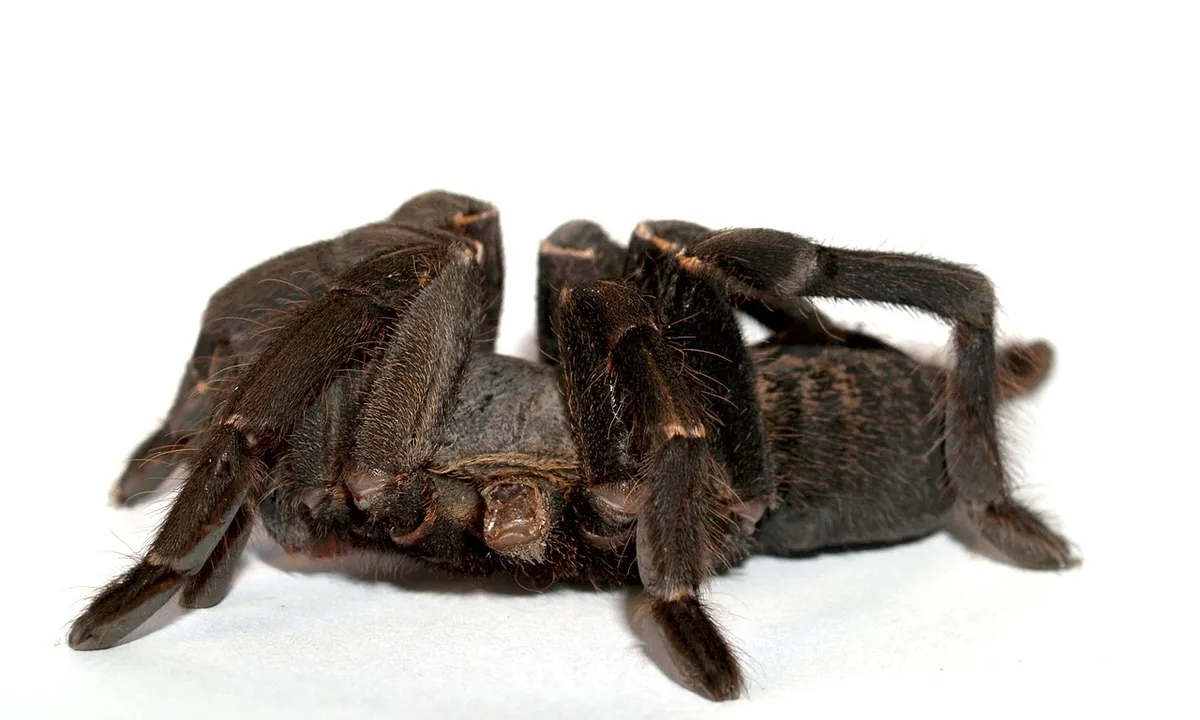
While tarantulas are ancient survivors, modern human activity exerts a suite of unprecedented pressures. Their greatest dangers are not predators, but systemic changes that dismantle the ecosystems they rely on. In fragmented habitats, predators such as birds and snakes can pose a real threat to tarantulas. These pressures on predator-prey dynamics increase as shelter and prey become scarcer.
Habitat Loss and Fragmentation
The quiet disappearance of a forest or the paving of a scrubland is a death sentence for an entire colony. These spiders are ecological specialists, finely tuned to specific microclimates. When their home is cleared for agriculture, urban development, or logging, they cannot simply relocate.
My Burgundy Goliath, for example, requires constant 80-85% humidity. Draining a swamp or altering a river’s course doesn’t just remove shelter; it desiccates the very air they breathe, leading to fatal molting complications. Fragmentation-splitting a continuous habitat into isolated patches-traps populations, prevents genetic exchange, and makes local extinction inevitable.
Overcollection for the Pet Trade
This is a nuanced threat. Responsible captive breeding has relieved pressure on many popular species. Yet, for slow-maturing, difficult-to-breed, or newly discovered tarantulas, wild collection remains a severe issue. Breeding challenges can directly affect the availability of rare tarantulas in captivity. When generation times are long or care requirements are steep, producing captive stock lags behind demand, keeping rarer species scarce.
The vivid orange of my OBT, *Pterinochilus murinus*, is a common sight in the trade, but many are still wild-caught adults imported from Africa. Removing mature, breeding adults from the wild has a disproportionate impact on population sustainability, especially for species with low reproductive rates. The demand for “rarities” can swiftly outpace a species’ ability to recover.
- Legal vs. Illegal Trade: Many countries have export quotas, but enforcement is challenging. Illegal smuggling of protected species or specimens from protected areas persists.
- High Mortality in Transit: Wild-caught tarantulas endure immense stress during capture, holding, and shipping, leading to deaths that further amplify the collection toll.
The Slow Pressure of Climate Change
This is the insidious, pervasive threat. Tarantulas are ectotherms; their metabolism, growth, and reproductive cycles are governed by temperature and humidity cues. Even slight, sustained shifts can desynchronize their life history from the environment. A drier rainy season may mean burrows collapse, or prey insects vanish. Warmer winters might trigger premature activity, only for a late frost to wipe them out. Across many species, activity surges in warmer months and slows in winter. So their behavior is seasonally driven, with more hunting and movement in summer and dormancy or sheltering in winter.
From a keeper’s perspective, we see how delicate this balance is. My elderly *G. rosea*, Rosie, can enter a fasting period for months if her conditions are even slightly “off.” In the wild, such an extended fast without a stable, predictable climate would be fatal.
How Conservation Science Works for Spiders
Spider conservation lacks the charismatic funding of tigers or pandas, but dedicated scientists and hobbyists are making critical strides through two complementary strategies.
In Situ Conservation: Protecting Wild Homes
This is the frontline: preserving the ecosystem itself. Success hinges on data. Researchers conduct field surveys to establish baseline population data and map distributions.
- Legal Protections: Species like the Mexican Redknee (*Brachypelma hamorii*) are now listed under CITES Appendix II, regulating international trade.
- Habitat Reserves: Establishing and enforcing protected areas is paramount. It safeguards not just the tarantulas, but their entire prey base and ecological relationships.
- Community Engagement: Effective programs work with local communities, offering education and sustainable economic alternatives to habitat destruction.
Ex Situ Conservation: The Role of Captive Breeding
This is where the pet trade hobby transforms into a genuine conservation asset. Well-managed captive populations act as a genetic insurance policy against total extinction. My own breeding projects, while small-scale, contribute to a larger network that reduces demand for wild-caught specimens.
The goal for true conservation breeding is maintaining genetic diversity and detailed lineage records-not just producing slings for sale. Some zoos and specialized breeders participate in Species Survival Plans (SSPs) for critically endangered tarantulas.
Every hobbyist who chooses a captive-bred spider from a reputable breeder is directly supporting ex situ conservation and sustainable practice. It ensures the animal in your care is healthier, better acclimated, and its purchase did not deplete a wild population. This ethical foundation is the future of arachnoculture.
Your Role: How Pet Keepers Support Tarantula Conservation
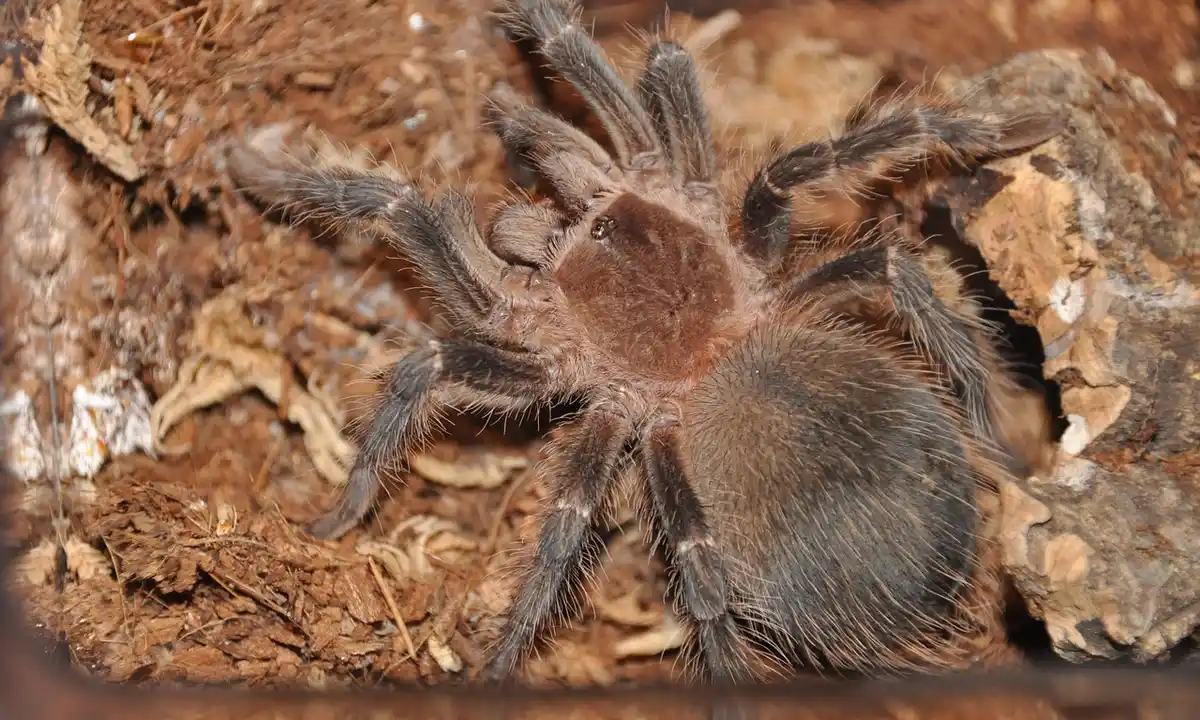
Holding a tarantula’s enclosure connects you to a global narrative far beyond your home. Every ethical decision you make as a keeper creates a positive ripple effect that can reach wild populations. Our hobby is not separate from conservation; it is a powerful platform for it. Legal and ethical considerations are central to that responsibility, especially with rare tarantulas—knowing which species are protected and securing any required permits. Ethical care also means sourcing responsibly and providing proper enclosure design to support welfare.
1. Source Your Tarantula Ethically
The single most impactful choice you make is where your spider comes from. The demand for wild-caught specimens directly fuels habitat depletion and population decline. I have seen the toll of this trade firsthand in weakened, stressed imports. Seek out dedicated breeders who specialize in captive breeding, like those within the American Tarantula Society or at reputable reptile expos. Captive-bred spiders, like my 15-year-old G. rosea Rosie, are typically healthier, better acclimated to captivity, and put zero pressure on wild ecosystems.
- Ask for Proof: A trustworthy breeder can usually tell you the lineage of the spider (e.g., “F2 captive-bred” meaning second generation born in captivity).
- Avoid “Wild-Caught” or “WC”: This label, often used for uncommon species, is a major red flag for conservation-minded keepers.
- Patience is a Virtue: Wait for a captive-bred sling (spiderling) of your desired species rather than buying an immediately available wild-caught adult.
2. Prioritize Species with Stable Populations
Your choice of species sends a market signal. Many stunning tarantulas have robust wild populations and breed readily in captivity, making them perfect, sustainable choices. Species like the Chilean Rose Hair (Grammostola rosea), the Curly Hair (Tliltocatl albopilosus), and many Brachypelma species like the Mexican Redknee (B. hamorii) are conservation success stories of the hobby. Their widespread availability is a testament to successful captive breeding programs. If you’re thinking of keeping them long-term, create a comprehensive breeding plan for your tarantulas that covers husbandry, genetics, and welfare. A well-thought-out plan helps ensure sustainable, ethical breeding and stable populations.
Conversely, some species are best left in the wild by all but the most experienced, conservation-focused breeders. These include many from fragile, localized habitats. Research before you buy; the IUCN Red List is a starting point, but also consult specialty arachnid forums for the latest on which species are considered sustainable in the trade.
3. Become an Ambassador, Not Just an Owner
Your tarantula is a conversation starter. The sudden, silent strike of a feeding response or the iridescent sheen of a freshly molted carapace captivates people. Use this fascination to replace fear with facts, advocating for their ecological importance as predators and their inherent right to exist. When friends see my Burgundy Goliath (T. stirmi) and ask to hold it, I explain the “Look, Don’t Touch” philosophy—how handling stresses the animal and risks a defensive flick of urticating hairs. When visitors ask about those hairs, I explain they are a defensive feature that can irritate skin and eyes. Therefore, touch-free observation from a safe distance is best.
- Share the biology: Explain that molting (ecdysis) is like a risky, full-body surgery.
- Correct myths: Their venom is primarily for prey, not people, and fatalities are exceedingly rare.
- Showcase natural behaviors: A well-set-up bioactive enclosure with deep substrate for burrowing is a living lesson in their needs.
4. Support Research and Habitat Protection
Direct action extends past your spider room. Few tarantula species have been evaluated by conservation bodies, and vast gaps exist in our knowledge of their wild behavior and population trends. Financial support to organizations conducting field research and securing protected land has a direct, tangible impact. You can also contribute data. Conservation efforts are in place to protect endangered tarantula species by safeguarding their habitats and funding field studies. Supporting these programs helps close data gaps and secure long-term protections.
- Donate: Seek out NGOs and research groups focused on invertebrate or specific regional habitat conservation.
- Participate in Citizen Science: Document and share observations, like successful breeding parameters, with the keeper community to reduce the need for wild collection.
- Choose Sustainable Supplies: Support companies that use sustainable cork or plantation-grown wood for hides, rather than unsustainably harvested forest products.
In this hobby, we are stewards. The careful husbandry you practice-maintaining precise humidity for a T. stirmi or respecting the defensive nature of an OBT-is a form of daily respect that echoes a larger conservation ethic. It starts with one spider, responsibly kept.
FAQs
How can I find out if a specific tarantula species is endangered?
Begin by consulting the IUCN Red List, the global authority on species conservation status. You should also check the CITES Appendices to see if international trade in that species is regulated. Reputable breeder websites and specialized arachnid forums often have the most current community knowledge on which species are considered threatened or sustainably available.
What does “Not Evaluated” on the IUCN Red List actually mean?
“Not Evaluated” means scientists have not formally assessed that species’ risk of extinction-it is not a declaration of safety. This is common for many tarantulas due to a lack of research and funding. Consequently, a species with this label could be severely threatened in a shrinking, localized habitat that has not been studied.
As a pet owner, does breeding my tarantulas help conservation?
Breeding common, captive-born tarantulas contributes by supplying the pet trade without wild collection. However, true conservation breeding focuses on maintaining detailed genetic records and diversity, not just producing offspring. For hobbyists, the primary conservation act is sourcing captive-bred animals and sharing knowledge, not necessarily breeding itself.
How can I tell if a tarantula I want to buy was ethically sourced?
Always purchase from a dedicated breeder who can provide the spider’s captive-bred lineage (e.g., “F2” for second generation). Be wary of sellers advertising “wild-caught” (WC) or field-collected adults, especially for slow-growing species. Ethical breeders are typically transparent about their practices and prioritize the spiders’ long-term health over quick sales.
What are some good beginner tarantula species that are not conservation concerns?
Excellent, sustainable choices include the Curly Hair Tarantula (*Tliltocatl albopilosus*) and the Mexican Redknee (*Brachypelma hamorii*), both widely captive-bred. The Pink Toe Tarantula (*Caribena versicolor*) is also a popular, vibrant option with established breeding programs. These species allow you to enjoy the hobby without impacting vulnerable wild populations.
The Quiet Victory
The most profound conservation action a keeper can take is providing lifelong, species-specific care. Our primary duty is to halt the demand for wild-caught specimens by perfecting captive husbandry and supporting ethical captive breeding programs. Every thriving captive tarantula represents one less taken from a vulnerable habitat.
Beyond this, find victory in quiet observation. Watch your spider’s species-specific rituals: the careful excavation of a burrow, the architectural precision of a sheet web, the patient ambush. These behaviors are a legacy millions of years in the making. Your patience in providing a secure, respectful home is the ultimate tool for ensuring their future, one silent, eight-legged life at a time.
Further Reading & Sources
- Species conservation profiles of tarantula spiders (Araneae, Theraphosidae) listed on CITES
- Species conservation profiles of tarantula spiders (Araneae, Theraphosidae) listed on CITES – PMC
- Tarantulas | National Wildlife Federation
Arlo is a lifelong arachnid enthusiast who believes tarantulas are the world’s most misunderstood roommates. With years of hands-on experience in tarantula care, habitat setup, and species behavior, Arlo combines expert knowledge with a dash of humor to make spider ownership less scary and a lot more fascinating. From choosing the right enclosure to understanding why your eight-legged buddy is doing that weird little pose again, Arlo is here to help you become the best tarantula parent you can be, without getting tangled in the web of misinformation.
Popular Species