
Texas Brown Tarantula (Aphonopelma hentzi): Understanding Venom and Temperament
Published on: July 22, 2026 | Last Updated: July 22, 2026
Written By: Arlo
The Texas Brown Tarantula, Aphonopelma hentzi, is a cornerstone of North American arachnoculture, prized for its docile nature and remarkable adaptability to captive life. This article dissects the reality behind common fears, providing a clear look at their venom profile, defensive strategies like urticating hair flicking, and the calm demeanor that makes them ideal for observant keepers. For humans, their venom is mild, comparable to a bee sting, and serious reactions are exceedingly rare.
Quick Stats:
- Origin: Arid regions of the Southwestern United States and Northern Mexico.
- Type: New World Terrestrial (equipped with urticating hairs for defense).
- Growth Rate: Notoriously slow; a female can take nearly a decade to reach full size.
Based on my experience raising everything from speedy OBTs to moisture-loving Theraphosa, this guide will detail the precise, species-specific husbandry to successfully steward your Texas Brown from a fragile sling to a venerable adult.
Introducing Aphonopelma hentzi: The Texas Brown Tarantula
Across the scrublands and grasslands of the southern United States, a patient hunter waits in its silk-lined burrow. This is Aphonopelma hentzi, the Texas Brown Tarantula, a species defined more by its resilient, placid nature than by any dramatic flair. In my years keeping various Aphonopelma species, I’ve found them to be the quintessential “beginner’s tarantula” of the New World, often rivaling my old Chilean Rose Hair (Grammostola rosea) in her calm demeanor.
They present in shades of earthy brown, sometimes with subtle, darker chevron patterns on the abdomen. Males are often leggier and darker, especially when mature. Their habitat is one of extremes-scorching summers and occasional cold snaps-which shapes their hardy physiology. This natural hardiness translates directly to captivity, making them forgiving of minor husbandry fluctuations that would stress more delicate species. They are a testament to the quiet beauty of adaptation.
The Reality of Tarantula Venom: Toxicity and Bite Risk
Let’s address the central question directly. All tarantulas possess venom, as it is their primary tool for subduing prey. The critical distinction lies not in possession, but in potency and medical significance to humans. It’s essential to understand when tarantula venom is truly dangerous. Thinking of venom on a simple scale from “bee sting” to “seek immediate medical help” is useful for hobbyists.
Venom Potency and Composition
Aphonopelma hentzi, like my Grammostola rosea “Rosie,” is a New World tarantula. Their venom is evolved for insects, not mammals. For the vast majority of healthy humans, the venom of the Texas Brown is considered medically insignificant, with effects often compared to a bee or wasp sting. It contains cytotoxins meant to begin digesting a cricket from the inside, not neurotoxins aimed at large predators.
Compare this to my Old World tarantula, the OBT (Pterinochilus murinus). Its venom is notably more potent, causing intense localized pain, muscle cramps, and systemic effects that can last for days. The Texas Brown sits at the absolute opposite end of this spectrum. The primary defense of A. hentzi, like most New World tarantulas, is not its bite but its urticating hairs-a cloud of irritating bristles kicked from its abdomen that can cause itching and rash. My Burgundy Goliath (Theraphosa stirmi) uses this method constantly, a far more likely encounter than any bite.
Recognizing and Responding to a Bite
A defensive bite from a Texas Brown is an exceedingly rare event, typically requiring severe provocation or a grave husbandry error. I’ve been keeping tarantulas for over a decade and have never been bitten, because I practice “look, don’t touch” handling. Respecting the animal’s space is the single most effective bite prevention strategy. If the improbable occurs, here is the practical response:
- Stay Calm. Panic helps no one. Gently place the tarantula back into a secure enclosure.
- Clean the Wound. Use warm water and soap, then apply an antiseptic. The puncture sites are small but can introduce bacteria.
- Manage Local Symptoms. Apply a cool compress to reduce swelling. An antihistamine can help with itching, and a mild pain reliever can address discomfort.
- Monitor Closely. Watch for signs of a severe allergic reaction (difficulty breathing, swelling of throat, dizziness). This is rare but requires immediate emergency care.
- Do Not apply a tourniquet, attempt to suck out venom, or excessively ice the area.
The bite itself is often described as a sharp pinch, with potential localized pain, redness, and swelling that subsides within a few hours to a couple of days. For many, the pain is brief—a sharp sting that fades to mild soreness within a short time. Knowing these pain levels and symptoms helps answer common questions like do tarantula bites hurt? The experience is more startling than dangerous. Your tarantula isn’t being “mean”; it’s a frightened animal using its last resort. The best care we can provide is a calm, secure environment that never forces it to make that choice.
Defensive Behaviors: Beyond the Bite
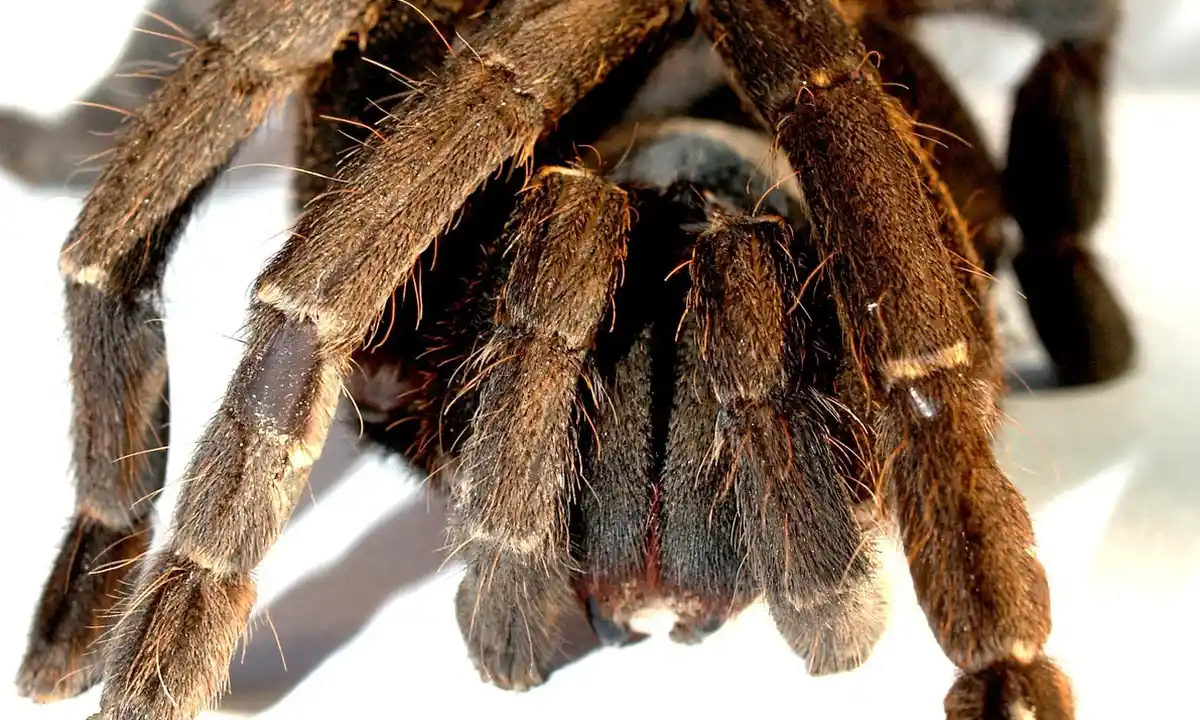
While the idea of a bite often dominates conversations, a Texas Brown Tarantula’s primary defenses are far more subtle and frequent. Observing these behaviors is key to respecting their space and ensuring your safety during routine care. Bites are uncommon and usually occur only if the tarantula feels threatened or mishandled. Understanding bite triggers and practicing proper handling are essential for prevention.
Urticating Hairs: The Itchy Truth
New World tarantulas, including the Texas Brown (Aphonopelma hentzi), possess a remarkable adaptation: urticating hairs. These are microscopic, barbed bristles on the abdomen that the spider flicks with its back legs. Contact feels like fiberglass insulation embedded in your skin, causing days of intense itching and a red rash. For some people, the hairs can also trigger tarantula allergy symptoms such as swelling or hives, and inhaled hairs may irritate the airways. Tarantula venom is usually mild in humans, but rare allergic reactions to venom can occur.
My Burgundy Goliath, Goliath, is a prolific hair-kicker. The silent puff of hairs during tank cleaning is a potent reminder. I always wear long sleeves and safety glasses now.
To manage this risk:
- Work over a open trash bag when maintaining the enclosure to catch loose hairs.
- Wash your hands and arms immediately after any contact with the habitat.
- Never lean directly over the enclosure when it is open.
Threat Displays and Body Language
A tarantula will communicate its discomfort long before it resorts to flicking hairs or biting. Learning this language prevents stress for both of you. The classic threat posture involves rearing up on the back legs, lifting the front legs and pedipalps, and exposing the fangs. By reading your tarantula’s body language, you can spot stress and defensive signs early. This lets you adjust handling to keep both of you safe.
This is a clear “back off” signal. My OBT, Flash, pairs this with a lightning-fast retreat to his web tunnel. For a Texas Brown, the display might be slower, but the meaning is identical.
Common signs of agitation include:
- Sudden freezing in place.
- Rapid, jerky movements.
- Facing you directly and lifting the front legs.
When you see this, stop your activity. Give the spider several minutes to calm down before proceeding.
Temperament Assessment for Pet Keepers
Labeling any tarantula as “aggressive” misses the point. Their behavior is a direct reflection of their perception of threat, making your husbandry methods the biggest factor in their demeanor. This reflects the common misconception that tarantulas are inherently aggressive. In most cases, what observers interpret as aggression is simply defensive behavior driven by threat perception.
Behavior in a Captive Setting
In a secure, well-setup enclosure, a Texas Brown Tarantula typically exhibits calm, predictable behaviors. They are opportunistic burrowers and will often be seen resting at their den’s entrance at night. My old Chilean Rose, Rosie, exemplifies the “pet rock” phase many terrestrials go through, remaining motionless for days.
Factors influencing captive temperament:
- Enclosure Size: Too much open space can cause stress and frantic pacing.
- Hide Availability: A secure, deep hide promotes a feeling of safety.
- Individual Personality: Like my three tarantulas, each has unique quirks that become apparent over time.
The ‘Look, Don’t Touch’ Philosophy
I strongly advocate for observational keeping. Handling provides no benefit to the tarantula and introduces significant risk. A fall from even a short height can rupture their abdomen, leading to a fatal injury.
I learned this early when a juvenile tarantula leaped from my hand during a photo attempt. The frantic search and delicate rescue cemented my no-handling rule. The thrill comes from witnessing natural behaviors: the meticulous webbing, the precise strike on a cricket, the quiet remodeling of their burrow.
Engage with your tarantula through responsible care:
- Feed using long, soft-tipped tweezers to observe hunting.
- Design a bioactive setup with live plants and clean-up crews to create a living tableau.
- Keep a journal noting molting cycles, feeding responses, and burrow construction.
This approach builds a deeper appreciation for the animal as a fascinating creature, not a hands-on pet. Their beauty and intrigue are best enjoyed through the safety of the glass.
Species-Specific Husbandry for a Calm Pet
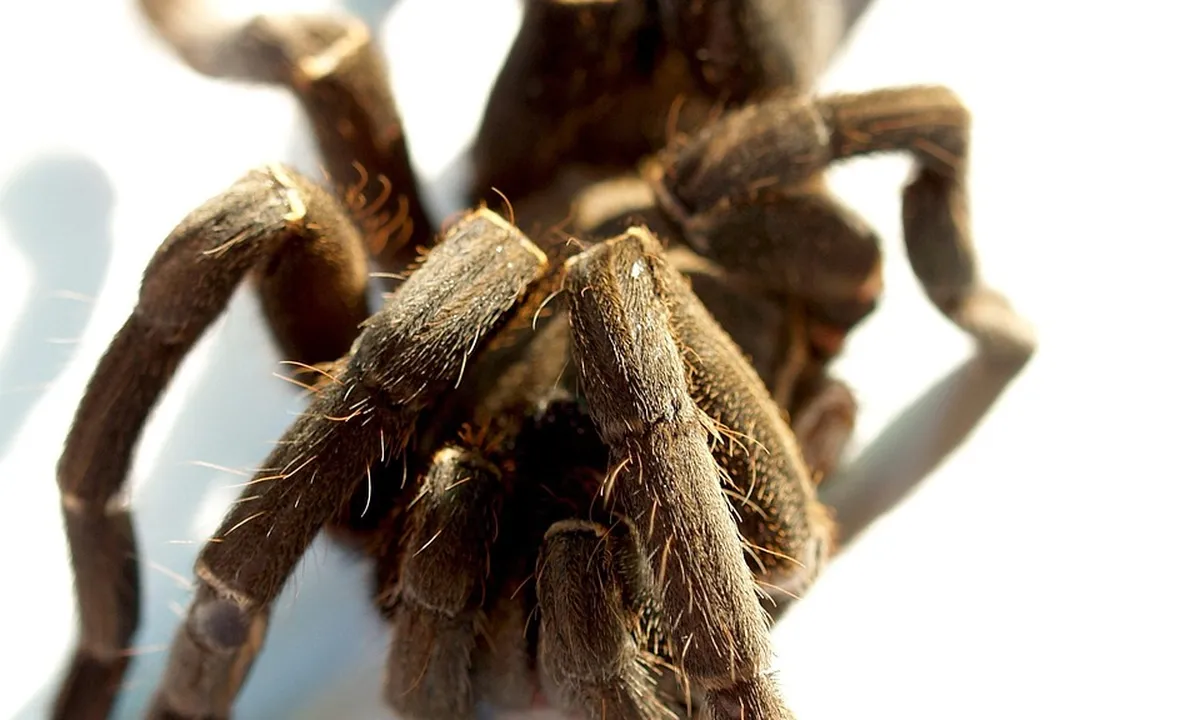
Keeping a Texas Brown Tarantula (Aphonopelma hentzi) successfully hinges on replicating the security of its native scrubland. A stressed tarantula is more likely to be defensive. Their calm temperament is best supported by an environment where they feel completely hidden and in control.
Building a Secure and Comfortable Enclosure
For an adult A. hentzi, a 5 to 10-gallon terrestrial tank is a lifetime home. The focus is floor space, not height. A fall from even a short distance can rupture their abdomen, a fatal injury.
Your primary goal is to build a burrow they can trust, either by providing a deep substrate to dig in or a secure, snug hide.
- Substrate: Use 5-6 inches of moisture-retentive soil. I blend coco fiber, peat moss, and a little sterilized topsoil. This holds a burrow’s shape perfectly and allows for slight moisture gradients.
- Furnishings: A single, heavy cork bark slab leaned against the substrate is the perfect starter burrow. Add a shallow, wide water dish placed firmly on the bottom. Avoid cluttering the space; they appreciate open ground.
- Environment: Room temperature (70-78°F) is ideal. No heating pads under the tank-they burrow to cool down. Humidity is low; a slight overflow from the water dish into one corner every other week is plenty.
Routine Care that Respects Their Nature
Care for this species is gloriously minimalist. Your interaction should be almost purely observational, which builds mutual confidence.
- Feeding: Offer one or two appropriately-sized crickets every 7-10 days. If they refuse, simply remove the prey. Like my G. rosea Rosie, they fast for months without concern.
- Cleaning: Spot-clean boluses (inedible prey parts) and shed skin. A long pair of soft-tipped tweezers is your best friend here, letting you work without invading their space.
- Water: Refill the dish with fresh, dechlorinated water weekly. I watch for the gentle dip of the fangs as they drink-a sign of a content animal.
- The “Rehouse”: The only stressful event. I use the “cup and lid” method. Gently guide the tarantula into a large deli cup with a soft brush, securing the lid before transferring to the clean enclosure. Patience during this five-minute process prevents days of stress for the animal.
Myths Versus Facts: Setting the Record Straight
Old wives’ tales and general arachnophobia have clouded the reality of these gentle spiders. Let’s clear the air with facts.
Debunking Venom and Aggression Myths
The word “poisonous” is incorrect; tarantulas are venomous, meaning they inject toxins. For A. hentzi, the reality is mundane. Their venom is tailored for subduing beetles and crickets.
- Myth: “Their bite is dangerous to humans.”
- Fact: A bite is exceptionally rare and comparable to a bee sting in potency. Swelling and localized pain are the typical effects, lasting a few hours. I have kept tarantulas for over a decade and have never been bitten by a New World species like this one. Their first line of defense is always to flee or flick urticating hairs.
- Myth: “They are aggressive and will jump at you.”
- Fact: They are profoundly reluctant to conflict. Defensive postures are a last resort. Contrast this with my OBT, Flash, who assumes a threat pose if I look at her enclosure sideways. The Texas Brown’s speed is a slow, methodical plod for escape, not an attack.
The Truth About Them as Pets
They are not interactive pets in the mammalian sense. The joy is in witnessing natural, undisturbed behaviors.
- They are custodians of quiet. You will see them meticulously line their burrow with silk, methodically drink from their dish, and sit perfectly still for days in ambush. The reward is in that silent, still observation.
- Their longevity is a commitment. Females can live 25+ years. This is a decades-long companion whose care needs are simple but whose lifetime is not.
- “Look, Don’t Touch” is ethical care. Handling induces immense stress, risks a fall, and can cause them to flick urticating hairs. These hairs, especially for sensitive individuals, cause itching and rash. Respecting their nature means admiring them from the other side of the glass.
FAQs
Are Texas Brown Tarantulas poisonous to humans?
Texas Brown Tarantulas are venomous, not poisonous, meaning they inject venom through a bite. Their venom is medically insignificant to humans and is comparable to a bee sting in potency. Serious reactions are exceedingly rare, and their primary defense is flicking urticating hairs, not biting. Between the two defenses, the urticating hairs are often the more immediate hazard because they can irritate skin and eyes even without a bite. So, when comparing urticating hairs versus bites, hairs can be the more dangerous aspect for people.
I read dramatic bite stories on Reddit. Should I be worried?
Online anecdotes often sensationalize rare events. While any tarantula bite can be startling, the consistent expert consensus is that a Texas Brown’s venom poses minimal medical threat. It is crucial to remember that a bite is a last-resort defense from a frightened animal, not an act of aggression, and is easily avoided with proper care.
Does a larger Texas Brown Tarantula have more dangerous venom?
No, the size of the tarantula does not correlate with more potent or dangerous venom. Venom composition and potency are species-specific. A large, mature female Aphonopelma hentzi possesses the same mild venom as a smaller juvenile. The larger concern with size is the increased number of urticating hairs they can flick.
What is the purpose of their venom if it’s so mild?
The venom of the Texas Brown Tarantula is specifically evolved to subdue its natural prey, such as insects and other small invertebrates. It contains enzymes that begin digesting the prey from the inside. Its mild effect on humans is simply a biological coincidence, as it was never evolved to be a defense against mammals.
Is it safe to handle a Texas Brown Tarantula?
While their calm temperament makes them seem handleable, it is not recommended. Handling provides no benefit to the tarantula and poses significant risks, including a potentially fatal fall or triggering a defensive bite or hair-flicking. The safest and most ethical practice is to enjoy observing them from outside their enclosure. For beginners, handling tarantulas is not safe or recommended.
The Keeper’s Evolution
The single greatest shift in your care will be moving from fear of their venom to respect for their fragility. Focus your efforts on replicating the dry, warm crevices of their native habitat, with a perpetually full, shallow water dish being far more critical than any misting bottle. To tell if your tarantula is dehydrated, look for a wrinkled or shrunken abdomen and reduced activity. If you notice these signs, boost hydration and monitor closely. A dehydrated tarantula is a tarantula in crisis, and providing accessible hydration is the cornerstone of ethical keeping.
Success is measured in silent observations. Watch for the methodical excavation of a burrow, the careful repair of a silken mat by the entrance, or the patient, motionless ambush of a cricket. I learned more about predator patience from my A. hentzi than from any book. Your ultimate tool isn’t a set of tongs, but your own willingness to sit, watch, and appreciate the complex life happening in the quiet. This is the heart of the hobby: fostering a thriving animal whose world you protect, but never need to intrude upon.
Further Reading & Sources
- Texas Brown Tarantula Animal Facts – Aphonopelma hentzi – A-Z Animals
- Aphonopelma hentzi, The Louisiana Tarantula (Araneae: Theraphosidae)
- Texas Brown Tarantula: Behavior, Habitat, Care, Health, Feeding, Breeding – All Pets Directory
Arlo is a lifelong arachnid enthusiast who believes tarantulas are the world’s most misunderstood roommates. With years of hands-on experience in tarantula care, habitat setup, and species behavior, Arlo combines expert knowledge with a dash of humor to make spider ownership less scary and a lot more fascinating. From choosing the right enclosure to understanding why your eight-legged buddy is doing that weird little pose again, Arlo is here to help you become the best tarantula parent you can be, without getting tangled in the web of misinformation.
Understanding Tarantula Behavior