
Can Tarantulas Get Fleas, Mites, or Ticks? A Keeper’s Guide to External Parasites
Despite their fearsome appearance, tarantulas are not hosts to the common fleas or ticks that plague furry pets, but their world has its own microscopic menaces. A clean enclosure is a healthy enclosure, and the sudden appearance of tiny, mobile specks can send a chill down any keeper’s spine. This guide cuts through the panic to identify what’s truly harmful, what’s merely a cleanup crew, and how to protect your spider with calm, proven protocols.
- Origin: Global Concern (Not species-specific)
- Type: Husbandry Issue
- Risk Period: Post-Molt Vulnerability
This guide will give you the diagnostic tools and treatment strategies to defend your tarantula from genuine parasitic threats and maintain a pristine habitat.
Can Tarantulas Get External Parasites?
Yes, tarantulas can host external parasites, though the scenario looks nothing like a dog with fleas. You will not find fleas on your tarantula, but several types of mites and the rare tick can exploit these arachnids. Their exoskeletons and specialized habitats create a unique set of risks.
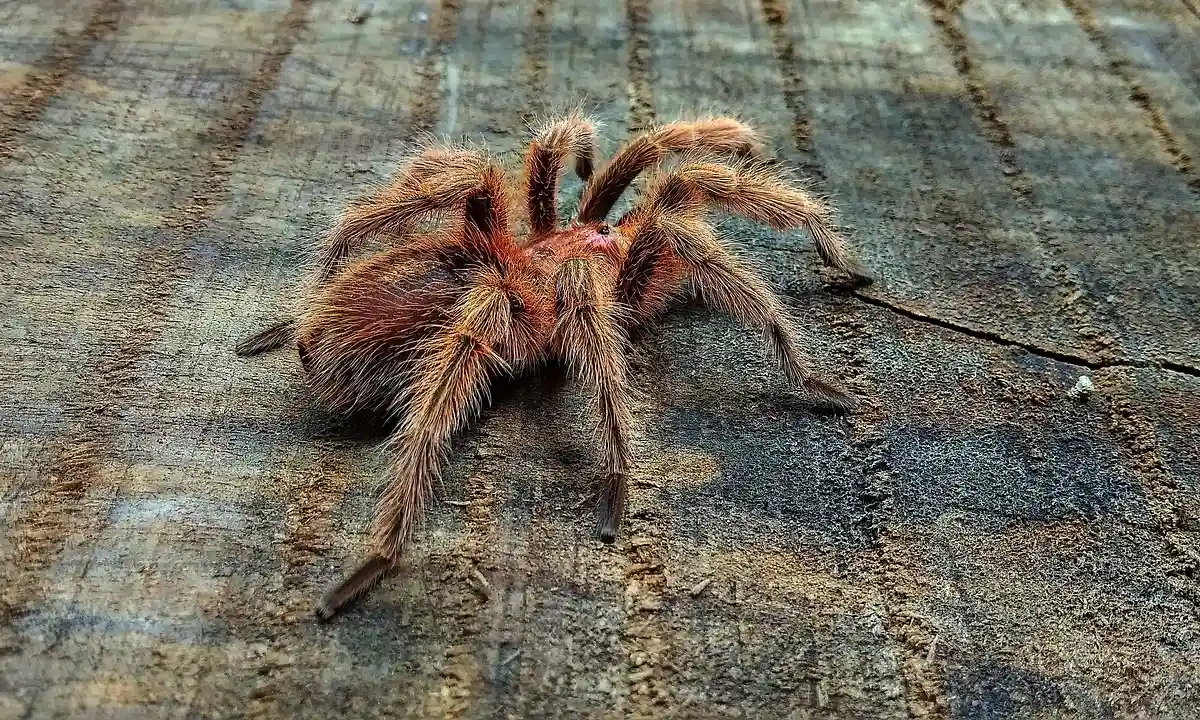
In my experience, most issues stem from enclosure conditions, not the tarantula itself. This is why beginners focus on prevention to avoid common health issues, such as mites, mold, and dehydration. Good enclosure setup, stable humidity, and regular substrate checks help prevent these issues. A stressed or compromised tarantula, like one in pre-molt, is far more susceptible to parasitic attachment. My old Chilean Rose Hair, Rosie, has never had parasites, but her long fasting periods mean I watch her substrate hygiene like a hawk.
Vigilance is your greatest tool. Regular, respectful observation is key to spotting an issue before it becomes a crisis. With defensive species like my OBT, Flash, this ‘look, don’t touch’ practice is the only safe way to monitor his health.
Common External Parasites on Pet Tarantulas
Not every tiny speck is a dire threat. Correctly identifying the crawler in your tank dictates your response, from full clean-out to simple monitoring. Here are the organisms you might encounter.
Grain Mites and Substrate Mites
These are nuisance mites, not true parasites. Grain mites (Acarus siro) appear as a sudden bloom of minute, white or tan dots moving slowly across glass or substrate. They thrive on damp, decaying organic matter like a forgotten cricket.
I once had an explosion in a humid enclosure for my Goliath Bird Eater. The silence of the tank was broken by this creeping, dusty film on the cork bark. It was a clear sign the substrate was too wet and needed more ventilation.
- Source: Uneaten prey, overly moist substrate, moldy organic decor.
- Solution: Remove all substrate, scrub the enclosure, and bake new substrate at 250°F for two hours to kill eggs.
- Prevention: Feed pre-killed prey, remove leftovers within 24 hours, and let the substrate surface dry between mistings.
Parasitic Mites: Pseudolinxus and Relatives
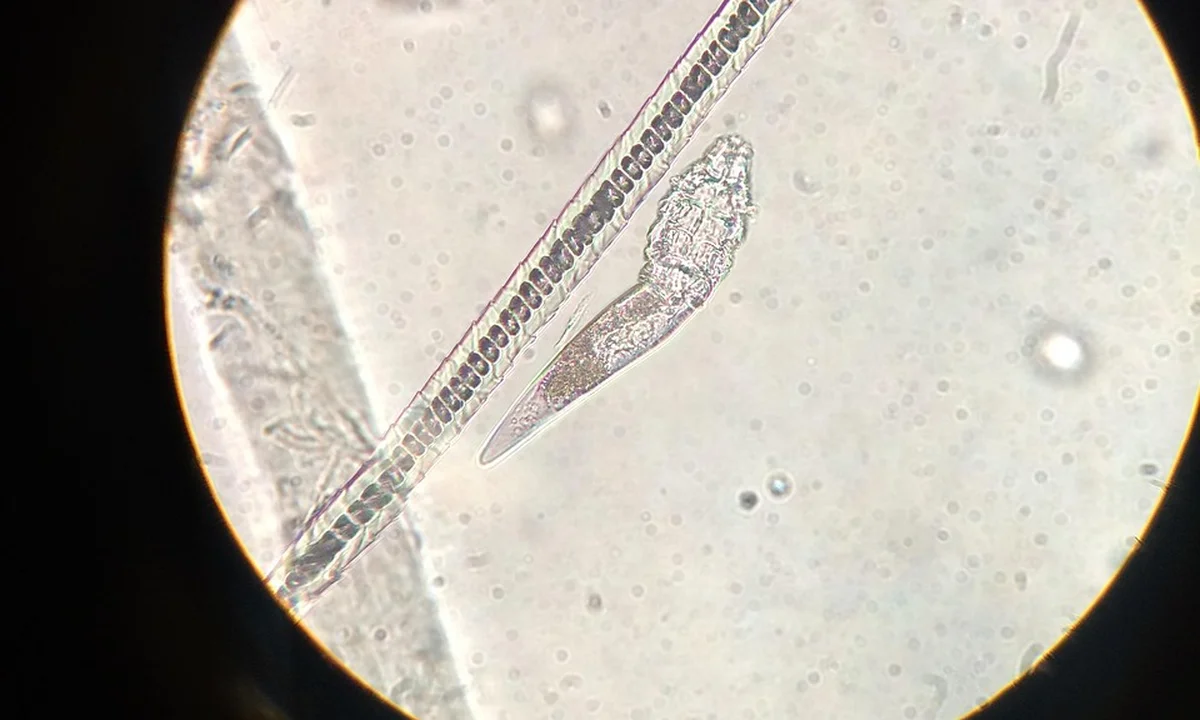
These are the true parasites. Mites in the genus Pseudolinxus and others are darker, often red or black, and attach firmly to the tarantula’s body to feed on its hemolymph. They cluster near the book lungs or leg joints.
I’ve rehoused imported tarantulas dotted with these pests. The tarantula was lethargic, and the mites resembled tiny, stubborn seeds glued to its carapace. This is a serious health threat that can hinder molting. Dealing with pest infestations in a tarantula enclosure requires prompt action to prevent spread. Mites, fungus gnats, and other invaders can threaten health and molting if left unchecked.
- Identification: Look for immobile, speck-like clusters on the tarantula’s body, not roaming the substrate.
- Immediate Action: Quarantine the tarantula in a plain, paper-towel-lined enclosure.
- Treatment: With a fine brush, carefully apply a microscopic drop of vegetable oil directly to each mite to suffocate it; never use insecticides.
Predatory Mites
These mites are beneficial cleaners. Predatory mites like Stratiolaelaps scimitus are fast-moving hunters that consume pest mites and fungus gnat larvae. They are a cornerstone of bioactive setup maintenance.
I use them in my naturalistic enclosures. Adding a culture of these mites creates a living cleanup crew that works silently in the substrate. They ignore your tarantula completely, patrolling the micro-world you’ve built.
- Role: Natural biological control for grain and soil mites.
- Application: Introduce a small culture to moist areas of your bioactive substrate.
- Note: Their population will rise and fall with the availability of prey.
Ticks on Tarantulas
Ticks are exceptionally rare in captive-bred tarantulas. A tick on a tarantula typically presents as a single, dark, engorged arthropod attached to a leg or the opisthosoma. They are usually introduced via wild-caught prey or untreated outdoor materials.
I found one on a tarantula I acquired years ago. Using fine-tip forceps, I grasped the tick’s mouthparts at the skin and pulled straight out with steady pressure. I then dabbed the area with a diluted iodine solution.
Prevention is straightforward. Always freeze any natural decor or substrate for at least 72 hours before placing it in an enclosure to kill any tick eggs or nymphs. This simple step protects all your pets, from docile Rosie to web-bound Flash.
Identifying a Parasite Infestation in Your Tarantula
Visual Signs on the Tarantula
Look for tiny, pale dots moving against the darker backdrop of your tarantula’s abdomen or legs. A heavy infestation often looks like a sprinkling of salt or fine sand that shifts when the spider moves. I once spotted this on a rehoused Grammostola rosea; the mites clustered near the book lungs, appearing as a faint, shimmering patch. These are early warning signs that the tarantula may be stressed or unwell. Watch for additional symptoms like lethargy, changes in appetite, or abnormal shedding and seek care if they appear.
- Clusters of white or tan specks around the pedicel, book lungs, or at the base of hairs.
- Visible movement on the carapace or appendages under bright light.
- An unusual, dusty film on the exoskeleton that doesn’t brush away.
Use a magnifying glass for confirmation, but avoid stressing your pet with prolonged inspection.
Behavioral and Physical Symptoms
Your tarantula may act differently long before you see the parasites. Sudden, prolonged anorexia is a major red flag, distinct from a species-specific fast. My old Chilean Rose Hair, Rosie, is a champion faster, but a mite-infested tarantula often refuses food while appearing listless and tucked in.
- Excessive grooming or rubbing against enclosure decor.
- Lethargy and a reluctance to move, even when gently prompted.
- Weight loss or a shrunken abdomen despite available prey.
- General weakness, sometimes leading to a stilted, uncoordinated gait.
Signs in the Enclosure
Inspect the habitat itself, especially if you practice bioactive care. Turn over cork bark and examine the substrate surface for scurrying populations. In my Burgundy Goliath’s humid tank, I once found mites thriving in a damp, forgotten bolus of prey.
- Mites swarming over leftover prey remains or waste.
- A noticeable population on damp substrate or water dish edges.
- Small, web-like dustings on decor, which are actually mite aggregations.
Harmful vs. Benign: Understanding Mite Types
Not every tiny arthropod in your tank is an enemy. Most mites in a well-kept enclosure are likely detritivores, harmless cleaners that eat waste and mold. The true parasites, like those in the genus Pimeliaphilus, are specialized to feed on hemolymph and tissue.
Harmful parasitic mites attach firmly to the host, often near respiratory openings. Benign soil mites scatter quickly when disturbed and are never found latched onto your tarantula. I learned this distinction after a panic over mites in Flash’s OBT web, which were just cleaning up cricket parts.
- Parasitic Mites: Slow-moving, found on the spider, cause physical distress.
- Detritivore Mites: Fast-moving, found only in substrate/on waste, cause no harm.
Treating a Tarantula for Mites or Ticks
Step-by-Step: The Delousing and Rehousing Method
This manual removal is the safest first line of defense. You will need a clean, dry enclosure, soft brushes, and a calm demeanor to minimize stress. I’ve done this with a docile tarantula by working over a large, smooth container to catch any falls.
- Prepare a new, sterile enclosure with dry paper towel as a temporary substrate.
- Gently coax your tarantula from its old home into a catch cup.
- Using a soft, dry paintbrush, lightly flick mites off the tarantula’s body over a white surface to see them.
- Transfer the spider immediately to the new, bare quarantine setup.
- Discard the old substrate and thoroughly clean the original enclosure with hot water.
When and How to Use Acaricides or Topical Treatments
Chemical treatments are a last resort due to tarantula sensitivity. Never directly spray any product on your tarantula; the risk of respiratory failure is high, especially when dealing with health problems. If manual removal fails, a targeted approach is needed.
Some keepers use a dilute solution of petroleum jelly and water dabbed near mite clusters to suffocate them. Commercial acaricides must be reptile-safe and applied only to the enclosure walls and decor after removing the animal. Always test on a small area first and ensure complete drying before reintroduction.
Quarantine Procedures for New or Infected Tarantulas
Isolation prevents colony-wide outbreaks. A proper quarantine lasts 60 to 90 days in a simple, easy-to-clean enclosure. I keep a separate room for new arrivals, a lesson learned after a mite scare from a pet store purchase.
- House the tarantula on dry paper towel changed weekly.
- Use disposable decor like cardboard tubes.
- Dedicate separate feeding and maintenance tools for the quarantine zone.
- Observe closely for any signs of illness or parasites before integrating.
Preventing Parasites in the Tarantula Enclosure
The single most powerful tool against parasites is a stable, clean, and appropriate environment that supports your tarantula’s health while being inhospitable to pests. Choosing the best substrate and maintaining it properly is a key part of that environment. Regular substrate checks and replacements help prevent buildup of mold and pests. Proactive husbandry beats reactive treatment every time.
Enclosure Cleanliness and Substrate Management
Substrate is your frontline defense. Parasitic mites thrive in decaying, perpetually damp conditions. I manage this by focusing on moisture balance and vigilance.
- Prioritize Dryness for Arid Species: For my Grammostola rosea Rosie, the substrate is bone-dry. I provide a water dish, but the surrounding soil remains arid. This creates a desert-like environment where mites cannot establish a population.
- Spot-Clean and Replace Wet Patches: For humid-dependent species like my Theraphosa stirmi Goliath, I never soak the entire enclosure. I pour water into one corner of the substrate and around the water dish. Every few days, I use long tweezers to remove any visibly soaked, clumpy substrate and replace it with fresh, slightly pre-damped moss or soil. This prevents stagnant, anaerobic pockets.
- Complete Substrate Changes are Strategic: I do a full substrate change once, maybe twice a year for an adult, or immediately if I spot a parasite bloom. This process is stressful for the tarantula, so it is a medical or major maintenance procedure, not a routine. The tarantula is carefully coaxed into a temporary holding container with minimal disturbance.
Feeding Hygiene and Prey Source Control
Your feeder insect colony is a potential Trojan horse for mites and other pathogens. I treat my feeders with the same biosecurity as my tarantulas.
- Quarantine and Culture Your Own Feeders: The safest practice is breeding your own crickets, roaches, or mealworms. You control their diet and environment. If you must purchase, consider the new feeders to be in a two-week quarantine. Observe them before offering them to any treasured spider.
- Never Leave Live Prey Unattended: A live cricket left for days is not just a stressor; it will eventually die and rot, creating a perfect mite breeding site. I always remove any uneaten prey within 24 hours using long, soft-tipped tweezers.
- Inspect Every Feeder: Before dropping a cricket in, I give it a quick visual scan. Does it have tiny, fast-moving specks on it? If there’s any doubt, that feeder does not enter the enclosure. It’s not worth the risk.
Environmental Controls and Biosecurity
This is about holistic habitat management and preventing cross-contamination between your enclosures.
- Isolate New Arrivals: Any new tarantula should be kept in a separate room, if possible, for at least 60 days. This provides an observation period for not just parasites, but for latent health issues. The tools used for its enclosure (tweezers, paintbrushes) should be dedicated to it alone.
- Employ Bioactive Cleanup Crews: In my humid enclosures, I use a culture of temperate springtails (Collembola). These tiny, harmless arthropods consume mold, fungus, and detritus, outcompeting mites for resources and keeping the substrate ecology in check. They are a fantastic preventative ally.
- Tool Hygiene is Non-Negotiable: I have a dedicated set of tools for each tarantula, or I disinfect tools with a splash of isopropyl alcohol or a pass through a flame (letting them cool completely!) between uses. Never use the same sponge to clean multiple water dishes.
Risks of Parasite Spread to Humans and Other Pets
This is the question that causes the most unease for keepers and their families. Let me provide a clear, evidence-based perspective.
The parasitic mites that specialize on tarantulas, like Simognathus species, are obligate arachnid parasites; they have no interest in mammalian blood and cannot complete their life cycle on you, your dog, or your cat. They may accidentally crawl onto your skin during cage maintenance if an infestation is severe, but they will not burrow, bite, or live on you.
However, their presence can cause indirect issues:
- Skin Irritation: The mites themselves, or more likely their tiny shed skins and feces, can be a mild allergen or irritant for some people, causing itchiness or a minor rash where contact occurred. Simple handwashing after enclosure work prevents this.
- Respiratory Nuisance: In a massive, unchecked infestation, the sheer volume of mites and debris in the air could be an irritant to those with severe asthma or allergies. This scenario is highly preventable with good husbandry.
- Vector for Pathogens?: While tarantula-specific mites are not known vectors for human diseases, a mite moving from a sick, decaying tarantula to a healthy one can theoretically transmit fungal or bacterial pathogens between spiders. This is a greater risk to your collection than to you.
The Critical Distinction: Mites vs. Ticks
It’s vital to distinguish these. The mites we discuss are nearly microscopic. True ticks (Ixodida) are large, vertebrate parasites. You cannot get a tick infestation from your tarantula’s enclosure unless a wild tick from outside was introduced on a plant or through a screen. Standard tick precautions for your home and pets are unrelated to tarantula keeping.
The greatest risk to your other pets is not direct parasitism, but the accidental ingestion of a substrate or mite-covered feeder insect if you have a curious dog or cat that gets into your supplies. This could cause gastrointestinal upset. The simplest solution is to keep your tarantula room secure and your feeder colonies out of reach of other animals. For more information about protecting your pets, read our guide on tarantulas and pet safety.
My personal rule, born from experience, is that a clean, well-managed tarantula enclosure poses less biological risk than a poorly cleaned hamster cage or litter box. Respect the space, practice simple hygiene, and your ecosystem will remain balanced, safe, and fascinating to observe. Watch for signs your tarantula’s enclosure needs cleaning—odor, mold, damp substrate, or visible waste buildup. When you notice these cues, a quick cleaning or substrate refresh will keep the habitat safe and thriving.
Common Questions
Can tarantulas get fleas?
No, tarantulas cannot get fleas. Fleas are specialized parasites that feed on the blood of birds and mammals, not arachnids. The external parasites of concern for tarantula keepers are specific mites and the very rare tick.
What are predatory mites and are they harmful?
Predatory mites, like Stratiolaelaps scimitus, are beneficial arthropods. They are harmless to your tarantula and act as a natural cleanup crew by consuming pest mite eggs, larvae, and fungus gnat larvae. Many keepers intentionally add them to bioactive enclosures to help maintain a balanced ecosystem.
How do I safely treat my tarantula for mites?
The safest initial treatment is manual removal and rehousing. Gently brush mites off your tarantula with a soft paintbrush over a white surface, then place the spider in a simple, clean quarantine enclosure with paper towel. Never use insecticide sprays or chemicals directly on your tarantula, as they are highly sensitive and can be fatally poisoned.
Can tarantula mites or ticks spread to humans or other pets?
The parasitic mites that target tarantulas are obligate arachnid parasites and cannot live on or infest humans, dogs, or cats. They may cause temporary skin irritation if handled, but pose no real danger. A tick found on a tarantula is an accidental parasite and does not indicate an infestation risk to your household.
How can I prevent mites in my tarantula’s enclosure?
Prevention focuses on impeccable habitat hygiene. Always remove uneaten prey within 24 hours, allow substrate surfaces to dry appropriately, and freeze any new decor or substrate for 72 hours before use. Quarantining new tarantulas for 60-90 days and using beneficial springtails can also outcompete and deter pest mites. To quarantine properly, keep the new tarantula in a separate enclosure and use dedicated tools to avoid cross-contamination. Monitor closely for signs of illness or mites during the quarantine before introducing it to the established setup.
Long-Term Success Through Vigilance
Preventing external parasites is a simpler and more profound task than treating them. The most powerful tool against mites is a stable, clean, and appropriately dry environment, which makes your enclosure a hostile landscape for any pest looking to settle. Proper ventilation works in tandem with this, whisking away excess moisture and stopping the stagnant, humid air mites thrive in. This balance is a cornerstone of ethical husbandry.
Your ultimate reward is watching your tarantula engage in its instinctual world without interference. Observe the meticulous patching of its tunnel, the patient ambush from a silken retreat, or the methodical cleaning of its pedipalps after a meal. These quiet dramas are signs of a thriving animal. Are these common tarantula behaviors meaningful, and what do they mean for your tarantula’s health and comfort? Learning to read them helps you respond appropriately to signs of stress or well-being. Success in this hobby is measured in months and years of uneventful, healthy observation, a testament to the quiet, watchful care you provide.
Further Reading & Sources
- Parasitic worm forces tarantulas to tiptoe, then starves them to death | Live Science
- First report of Tarantula-parasitic nematode Tarantobelus jeffdanielsi from Los Angeles, California – PMC
- giantspiders.com – Common Ailments
Arlo is a lifelong arachnid enthusiast who believes tarantulas are the world’s most misunderstood roommates. With years of hands-on experience in tarantula care, habitat setup, and species behavior, Arlo combines expert knowledge with a dash of humor to make spider ownership less scary and a lot more fascinating. From choosing the right enclosure to understanding why your eight-legged buddy is doing that weird little pose again, Arlo is here to help you become the best tarantula parent you can be, without getting tangled in the web of misinformation.
Common Diseases