
Can Tarantulas Recognize Their Name or Voice Commands? A Keeper’s Perspective
Published on: March 18, 2026 | Last Updated: March 18, 2026
Written By: Arlo
Tarantulas are enigmatic creatures governed by primal senses, and the idea that they understand spoken words says more about our desire for connection than their biological reality. Based on years of observing everything from my pet-rock Grammostola rosea to my lightning-fast Pterinochilus murinus, this article cuts through the myth to examine how tarantulas actually interpret their world.
- Sensory Priority: Detection relies on substrate vibration and air movement, not auditory processing.
- Cognitive Scope: Behavior is driven by instinct and conditioned response to environmental stimuli.
- Keeper Insight: Long-term observation reveals consistent, repeatable reactions to specific caretaker actions, not words.
We will dissect the science of arachnid perception and translate it into practical insight, helping you appreciate your tarantula’s true capabilities without anthropomorphism.
Understanding the Tarantula’s World: Senses vs. Sentience
The Primacy of Vibration and Touch
To understand if a tarantula knows its name, you must first understand how it perceives reality. Their world is not built on sound and sight, but on vibration and tactile input. Their entire body is covered in sensitive hairs called setae, which detect the faintest air currents, the subtlest substrate tremors, and even chemical signatures. When you speak near an enclosure, your tarantula doesn’t hear “Rosie”; it feels the concussive waves of your voice as physical vibrations through the air and furniture.
I see this daily with my Burgundy Goliath, Goliath. His heavy body makes him a superb vibration detector. The simple act of walking past his tank on a hardwood floor creates a seismic signature he recognizes as non-threatening routine, not me. This is the cornerstone of their awareness. They map their environment through these felt disturbances, learning which vibrations mean potential prey (a cricket’s stumble) and which mean potential danger (the large, rhythmic thumps of a human).
The Limits of Tarantula Hearing
Tarantulas do not have ears. They possess structures called slit sensilla, primarily on their legs, which can detect low-frequency sounds-think deep rumbles below 1 kHz. Your voice likely registers as a low, indistinct drone and a wave of pressure, not as articulated words or a specific name. The sophisticated auditory processing required to distinguish “Rosie” from “good morning” simply does not exist in their neurological blueprint.
Think of it like this: if you were in a room and someone outside shouted, you’d feel the thump of the sound through the floor. You wouldn’t understand the sentence, but you’d know something big happened. That is the acoustic limit of your tarantula. Their silence is profound; we project our noisy, verbal world onto creatures of exquisite physical sensitivity.
Animal Cognition in Arachnids: What Science Tells Us
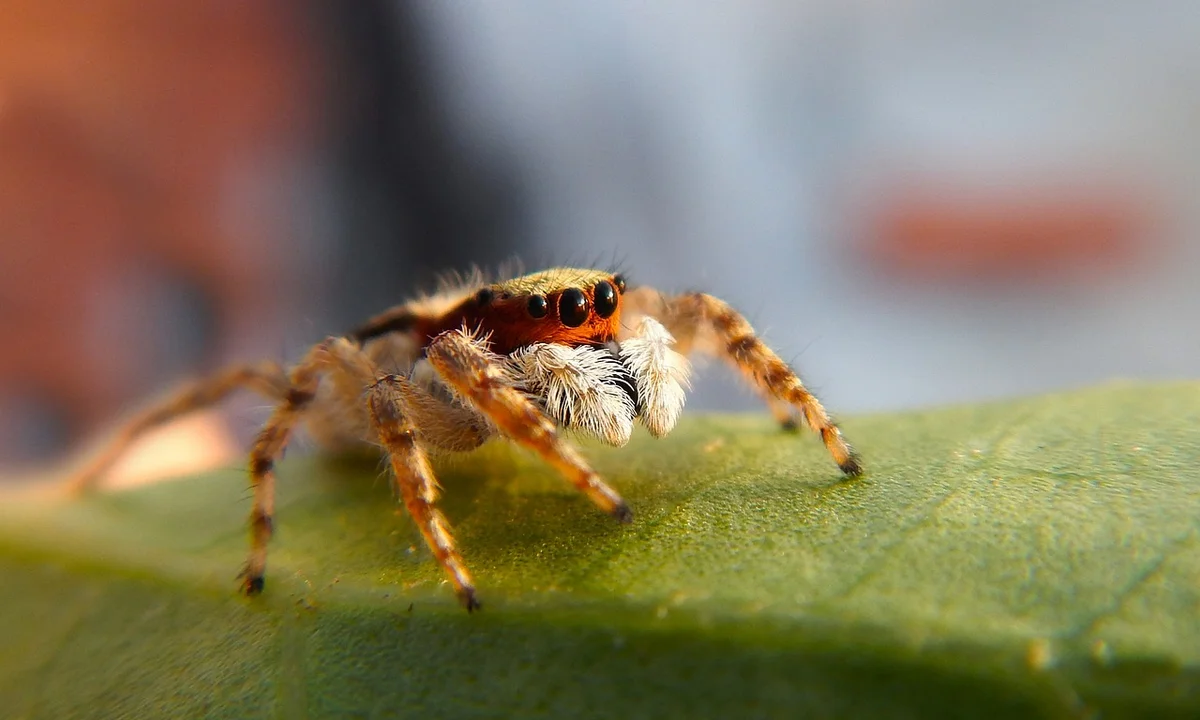
Research into arachnid cognition has revealed fascinating complexities, particularly in jumping spiders, which show problem-solving skills and impressive vision. True recognition-the cognitive linking of an abstract symbol (a name) to a specific self-identity-requires a level of neural processing not attributed to tarantulas. Their behaviors are driven by more fundamental programming: eat, avoid threat, mate, molt. The beauty is in that elegant simplicity.
Conditioning vs. True Recognition
This is where the crucial distinction lies. A tarantula can be conditioned through repeated, consistent stimuli. If you *always* gently tap the enclosure twice before feeding, your tarantula may eventually associate that specific vibration pattern with food and become alert. This is not understanding a command; it is a hardwired survival response to a predictable environmental cue. You have not trained it; you have become a predictable part of its ecosystem.
I have observed this with my OBT, Flash. The specific frequency of his critter keeper’s lid being unclipped precedes a cricket’s arrival. He often emerges, not because he knows “feeding time,” but because that unique vibration sequence no longer correlates with a cleaning event. The response is about consequence, not comprehension.
Attempting to “voice train” a tarantula misunderstands their biology and often increases stress. Respecting them means appreciating their unique, vibration-centric perception, not demanding they conform to our mammalian standards of interaction. To truly respect them, learn to read their body language for stress and defensive signs. Subtle cues—such as a raised leg posture, a quick retreat, or the flicking of hairs—tell you when to pause and give them space. The bond is one of quiet observation, not verbal acknowledgment. We care for them by providing stability, not by seeking validation through trained tricks.
Debunking the “Trained Tarantula” Myth
Why “Voice Commands” Are a Mismatch
Viral videos sometimes show tarantulas appearing to follow commands. The truth is far more interesting. Tarantulas lack the complex brain structures necessary for learning words or associating sounds with specific actions. Their world is built on immediate, physical stimuli. To understand that speed, scientists measure how fast tarantulas can sprint in different situations. This speed behavior helps explain their hunting strategies and rapid escapes.
They have no external ears. Instead, they sense vibrations through specialized leg hairs and body slits. A loud voice might create airborne vibrations they can detect as a general disturbance, not as “sit.” What looks like compliance is often the animal freezing-a common stress response-or simply moving toward the source of a vibration that might indicate prey.
I once watched a video claiming a tarantula would “come when called.” The animal was clearly just investigating the shadow and air movement from the person’s hand. Attributing human-like training to this instinct is a disservice to their unique, alien intelligence.
How Your Tarantula *Does* Recognize You
Recognition happens, but through a sensory language of vibration, scent, and pattern. Your tarantula learns the predictable rhythm of your care, not your name. The surprising truth about spider memory is that they may not recognize you personally. They remember the cues you consistently produce—your approach, vibrations, and routine.
- Vibration Signature: Your walk to the enclosure, the specific tap of the lid, the gentle misting spray-these create a consistent vibration pattern. My Goliath recognizes the heavy footsteps before feeding day and often emerges, while Flash retreats.
- Chemical Cues: Your scent is on everything you touch. Over time, your scent becomes familiar and non-threatening compared to a stranger’s.
- Pattern of Light & Shadow: The daily cycle of room lights and the shadow of your approach become part of their environmental map. Sudden, unfamiliar shadows trigger defense; familiar ones do not.
Reading Their Body Language Cues
Watch closely, and you’ll see the proof. Their reaction to you versus a guest speaks volumes. A tarantula that is habituated to your presence will exhibit significantly less stress behavior.
When I perform maintenance for my docile Rosie, she typically remains still or slowly adjusts her position. When my partner, who rarely interacts with her enclosures, does the same task, Rosie often adopts a subtle threat posture-lifting her front legs and carapace. She recognizes the difference.
- Calm Recognition: No sudden movement. Pedipalps (the small “feelers” near the mouth) remain relaxed. They may slowly turn to face your movement.
- Stress from Strangers: Immediate retreat into a hide. Raising front legs (a pre-threat posture). Flicking urticating hairs (for New World species). My Goliath will kick a small cloud of hairs if someone unfamiliar taps his tank.
- Feeding Response Recognition: This is the clearest sign. A tarantula that bolts out to grab prey the moment the enclosure is opened has learned that specific vibration sequence means food. My OBT, Flash, has this down to a science.
The bond is one of quiet trust built on consistent, gentle care, not on verbal commands. Your tarantula knows you as a predictable part of its environment, and in their world, predictability equals safety.
Ethical Enrichment: Stimulating Your Pet’s Senses
Creating a Stimulating Environment
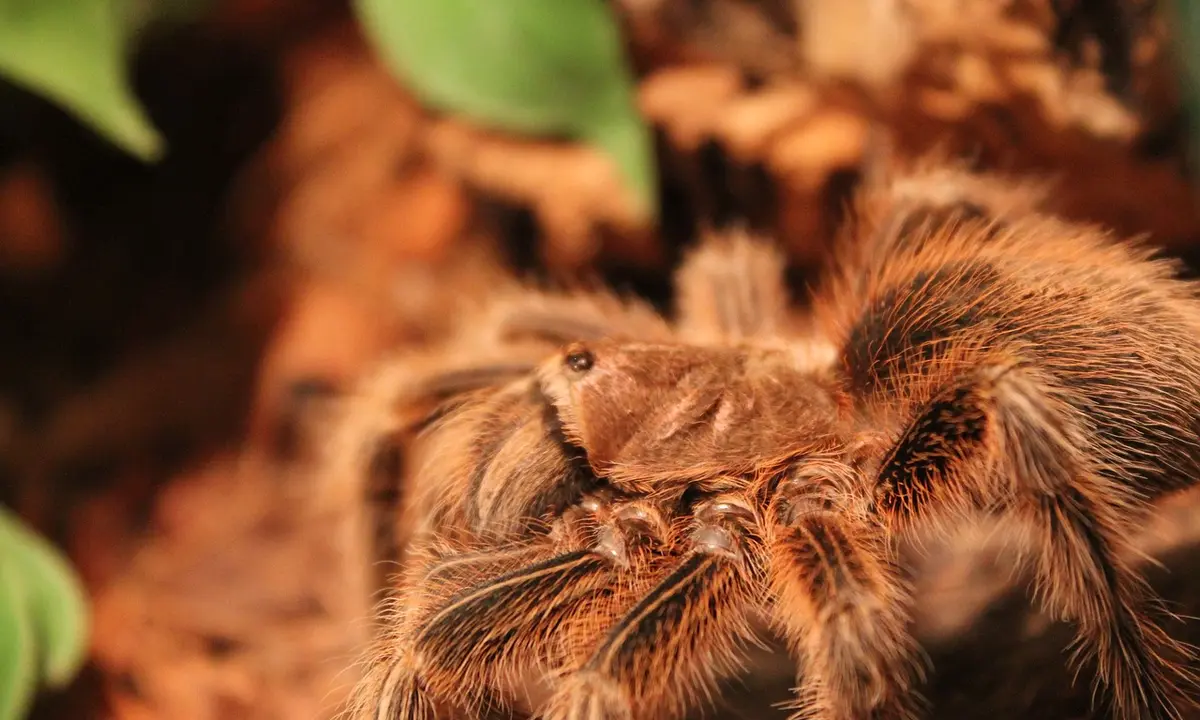
Since we know tarantulas don’t process language, their world is built from tactile feedback, subtle vibrations, and chemical signals. Our husbandry should speak this silent language. Ethical enrichment for a tarantula is not about toys or puzzles, but about crafting a habitat that allows for their full, natural range of behaviors. A bored tarantula is often a stressed one, which can lead to prolonged hiding, fasting, or heightened defensiveness. What do these common tarantula behaviors actually mean? Understanding the meanings of tarantula behaviors helps us tailor care and enrichment.
Start with the substrate. For my Burgundy Goliath, Goliath, a deep, packed layer of moisture-retentive soil is not just a floor-it’s a construction site. I watch him excavate elaborate tunnels, pushing boluses of waste to the surface with his powerful legs. For my OBT, Flash, providing anchor points like cork bark and sturdy fake plants triggers an innate webbing frenzy, creating a silken fortress that makes him feel secure. This physical engagement with their environment is the primary form of mental stimulation for an arachnid.
Consider these sensory-focused upgrades:
- Textural Variety: Mix smooth cork bark with rougher stones or chunky mulch. Different surfaces provide varied tactile input for climbing and anchoring webbing.
- Structural Complexity: Create vertical space for arboreal species, or a network of hides and starter burrows for terrestrials. My old Chilean Rose, Rosie, may be a “pet rock,” but she still chooses which hide to occupy based on unseen cues.
- Prey Presentation: Vary feeder insect size and type (cricket, roach, mealworm). Occasionally, gently wiggle the prey near a burrow entrance to simulate a passing opportunity, triggering a natural hunting sequence.
- Controlled Airflow: A gentle, indirect breeze from room ventilation can carry new scents and signals, mimicking the slight air movements of their natural habitat without causing stress.
The Joy of Observational Husbandry
Shifting from a desire for interaction to a practice of dedicated observation transforms the hobby. Observational husbandry is the art of learning your tarantula’s unique dialect of posture and movement. This is how you truly “know” your spider, far more effectively than any name could provide.
I learned this with Flash. Over months, I noticed his threat posture-a specific, rearing lift of the front legs and a stark darkening of his orange abdomen-was reserved for direct, overhead disturbances. A lateral approach during maintenance elicited only a retreat. By reading these subtle cues, I can perform all necessary care without ever provoking a defensive strike, reducing stress for both of us.
Your daily checks become a fascinating study. Document what you see in a simple journal or mental log:
- Position & Posture: Is she tucked deep in her hide, or resting at the entrance? Are her legs curled tightly or relaxed and splayed?
- Activity Patterns: Does your tarantula become more active at dawn, dusk, or the dead of night? My Goliath is most active in the humid, still hours just after lights-out.
- Feeding Response: Note the speed and style of the strike. Is it an immediate, aggressive lunge, or a slow, deliberate ambush?
- Web & Burrow Modifications: New silk lines or changes to the burrow entrance are like diary entries. They tell a story of how your tarantula is adjusting its space.
This practice builds a profound respect. You are not training an animal; you are becoming a fluent reader of its existence. The reward is witnessing undisturbed natural behaviors: the meticulous cleaning of each pedipalp after a meal, the careful weaving of an egg sac, or the silent, awe-inspiring emergence from a molt in the stillness of the night. This connection, built on silent understanding rather than forced interaction, is the deepest fulfillment the hobby offers.
FAQs
Can I train my tarantula to respond to my voice over time?
No, you cannot train a tarantula to understand or reliably respond to your voice as a command. Their nervous system is not wired for associating complex sounds with specific actions. Any perceived response is typically a reaction to the vibrations or air currents your voice creates, not an understanding of words. In the realm of tarantula operant conditioning, researchers emphasize simple cue–reward associations. If training occurs, it’s about shaping basic, repeatable behaviors—not language comprehension.
If not voice commands, can tarantulas learn any other kind of signal?
Yes, but through conditioning to physical cues, not intellectual learning. A tarantula can learn to associate a specific, repeatable vibration pattern—like a consistent tap on the enclosure before feeding—with an upcoming event. This is a primal, hardwired response to a predictable environmental stimulus, not comprehension of a signal. It’s different from reading the food dance of a tarantula, which is more about innate behavior than learned understanding.
Will talking to my tarantula regularly help it get used to me?
Indirectly, but not because it understands your words. The consistent low-frequency vibrations and your associated scent during regular care routines become familiar parts of its environment. This predictable pattern can help the tarantula identify you as a non-threatening element, reducing stress during maintenance. Still, be mindful of common signs your tarantula is stressed or aggressive—tensed stance, rapid leg movements, or a defensive posture. Recognizing these cues can help you pause handling to avoid escalation.
Is it harmful to try and teach my tarantula voice commands?
It can be stressful and is a fundamental misunderstanding of their biology. Attempting to elicit a response often involves excessive enclosure tapping, bright lights, or close proximity, which can trigger a defensive or fear-based reaction. Ethical care involves appreciating their natural, vibration-centric perception, not forcing mammalian-style interaction.
How should I interact with my tarantula instead of using words?
Focus on consistent, gentle husbandry and observational learning. Your tarantula “communicates” through its body language. Learn its postures—relaxed versus stressed—and provide enrichment through habitat complexity and varied prey presentation. Some tarantulas communicate with subtle signals like leg movements, posture changes, or, in some species, stridulation. The deepest bond is built through quiet, respectful observation of its natural behaviors.
The Quiet Art of Observation
The single most vital element for your tarantula’s wellbeing is a secure, species-appropriate environment that minimizes stress. Focus your energy on perfecting humidity gradients for moisture-dependent species like my T. stirmi, Goliath, and providing arid, well-ventilated spaces for my G. rosea, Rosie, rather than expecting a verbal connection. Proper heating and humidity control are practical levers you adjust. Popular tarantula species vary in their needs: moisture-loving taxa like T. stirmi benefit from warmer, more humid enclosures, while arid species such as G. rosea thrive in drier, well-ventilated setups. This foundational husbandry is the true language of care they understand.
The real magic happens in the silence of your watch. You learn the subtle shift in posture before a hunt, the specific pattern of webbing from an OBT like Flash, and the profound patience of a tarantula at rest. I’ve spent more rewarding hours observing Rosie’s quiet stillness than I ever did hoping for a response to her name. Your patience is the lens that brings their hidden world into focus, revealing a creature of instinct, beauty, and fascinating complexity. The greatest command you can master is the one you give yourself: to watch, to learn, and to simply appreciate.
Further Reading & Sources
- Tarantula – Wikipedia
- How Tarantulas Get Their Scientific Names? – The Tarantula Collective
- Theraphosidae – an Overview on Tarantula spiders – birdspidersCH
Arlo is a lifelong arachnid enthusiast who believes tarantulas are the world’s most misunderstood roommates. With years of hands-on experience in tarantula care, habitat setup, and species behavior, Arlo combines expert knowledge with a dash of humor to make spider ownership less scary and a lot more fascinating. From choosing the right enclosure to understanding why your eight-legged buddy is doing that weird little pose again, Arlo is here to help you become the best tarantula parent you can be, without getting tangled in the web of misinformation.
Understanding Tarantula Behavior