
Disaster Preparedness for Tarantula Keepers: A Guide for Fires, Floods, and More
The quiet world of tarantula keeping, built on careful observation and stable micro-habitats, is uniquely vulnerable when disaster strikes-a reality I learned when smoke from a nearby wildfire had me scrambling to secure my collection. This guide provides the specific, actionable steps you need to protect your spiders when the unexpected happens, from immediate evacuation to long-term power loss. Your preparedness directly translates to their survival, turning panic into a calm, executed plan.
-
Quick Stats:
- Common Threats: Fire, Flood, Power Outage, Extreme Temperature Swings
- Critical Preparation: A pre-packed “spider go-bag” and a digital backup of your care records.
- Response Mindset: Minimize handling; prioritize secure containment and environmental stability.
This guide details the husbandry shifts and emergency protocols to navigate from a routine day to a crisis, ensuring your tarantulas remain safe and stress-free through it all.
Why Tarantula Disaster Preparedness Matters
Defining Arachnid Emergency Readiness
Arachnid emergency readiness is the practice of preparing for a disruptive event, not for a human family, but for a collection of silent, delicate invertebrates. It is planning for creatures that cannot vocalize distress, regulate their own temperature, or escape a flooding enclosure.
Your preparedness transforms you from a passive owner into an active guardian for animals wholly dependent on your foresight. This mindset acknowledges that your Grammostola rosea Rosie’s decades-long lifespan and your Pterinochilus murinus Flash’s intricate web tower are legacies worth protecting from chaos.
The Consequences of Being Unprepared
I learned this the hard way during a sudden winter power outage. As the room temperature plummeted, my docile Rosie entered a concerning lethargy, while my moisture-dependent Goliath became rigid. Panic is not a strategy.
Without a plan, you face catastrophic outcomes:
- Death from Exposure: A few hours in a car trunk or a cold garage can be fatal. Tropical species like Theraphosa stirmi need steady 75-80°F (24-27°C).
- Irreparable Stress: Chaotic rehousing in a crisis can trigger hair-flicking, bolting, or a defensive bite, endangering both you and the tarantula.
- Loss of Life and Legacy: An adult female tarantula can represent 20+ years of care. An unprepared escape during a frantic evacuation is often permanent.
- Physical Harm to You: Trying to recapture a startled, fast Old World species like an OBT in a disaster scenario invites a defensive bite with medically significant venom.
The silence of a tarantula enclosure is a privilege, but in an emergency, that silence can become a profound vulnerability if you are not ready to act.
Building Your Tarantula Emergency Kit and Plan
Essential Supplies for Your Tarantula Go-Bag
Your kit is not for long-term housing. It is for safe, temporary containment and transit. I keep a plastic tote dedicated to this, and it has been used more than once.
- Secure, Labeled Containers: Small, ventilated deli cups or Kritter Keepers for each tarantula. Label them with species name and temperament (e.g., “P. murinus – FAST & DEFENSIVE”).
- Capture Tools: Long, soft-tipped paintbrushes and large plastic deli lids for guiding tarantulas. Never use your hands in a high-stress move.
- Minimal Substrate: A small bag of dry coconut fiber or paper towels to line containers and absorb waste.
- Portable Humidity: A small spray bottle and water-filled bottle caps that won’t spill. For my Goliath, I pre-moisten a bit of sphagnum moss in a bag.
- Insulation: Packing foam or crumpled newspaper to buffer temperature shifts and darken the containers, reducing stress.
- Digital Documents: Photos of each tarantula and a list of species/care notes saved on your phone. Paper can get wet or lost.
This kit is useless if you don’t know where it is-store it in an accessible location you can grab on your way out the door.
Steps to Create and Document Your Action Plan
Step 1: Risk Assessment for Your Location
Your primary threat dictates your plan. Is it California wildfires, Midwest tornadoes, or Gulf Coast hurricanes? I live in an area prone to summer flooding, so my first thought is moving enclosures to higher ground. Map the fastest, safest exit route from your tarantula room, considering which enclosures you’d grab first. Realistically, you may need to prioritize. My large, heavy Goliath enclosure requires a two-person carry, while my OBT’s web fortress is a five-minute project to dismantle safely.
Step 2: Establish Safe Zones and Contacts
Identify two locations: an in-home safe zone (a high shelf, an interior bathroom) and an out-of-home contact. Have a candid conversation with a trusted friend or family member about temporarily housing your tarantulas. Show them a picture of Flash and explain they are for looking, not touching. This is a core part of tarantula-proofing your home—an essential guide all keepers should follow to prevent escapes. Clear, written instructions help your sitter maintain proper care in your absence. Pre-pack a “care sheet” for your sitter with the basics: temperature needs, how to offer water, and your veterinarian’s contact info.
Step 3: Schedule Regular Plan Reviews
Set a calendar reminder to review your plan every six months. Check that your deli cups haven’t cracked and your spray bottle still works. Practice the capture and containment of a less defensive species; my Rosie has been the patient subject of several drills. Update your document photos after each successful molt. A plan that grows stale is nearly as bad as no plan at all.
This structured calm you create today is the greatest gift of care you can offer your eight-legged charges for tomorrow’s uncertainty.
Securing Enclosures: Prevention and Safety Measures

Preventing Escape and Enclosure Failure
A secure enclosure is your first line of defense. I learned this the hard way when my OBT, Flash, exploited a minuscule gap in a poorly fitted lid. The silence of the room was broken by the soft scratch of eight feet on laminate flooring. Regular, meticulous checks for gaps, warped plastic, or weakened hinges are non-negotiable for keeper safety and animal welfare. For heavy, powerful species like my Theraphosa stirmi, Goliath, a locking lid or weighted top is essential to prevent them from simply pushing out.
Your choice of enclosure should match the tarantula’s behavior. For prolific webbers like Psalmopoeus murinus, secure cross-ventilation is vital to prevent mold in their dense silk. Use this simple checklist weekly:
- Inspect all lid seals and locking mechanisms.
- Ensure ventilation holes are smaller than the carapace.
- Verify that anchor points for webbing are stable and cannot collapse.
- Check for any moisture damage or cracks in plastic or glass.
An escaped tarantula is not an adventure; it is a profound stress event for a fragile animal that can end in dehydration, injury, or death. I advocate for a “look, don’t touch” philosophy not just for handling, but for maintenance-always work over a large, deep bin to contain falls or sudden bolts.
Managing Climate During Power Outages
When the grid fails, temperature and humidity can plummet or soar. My 15-year-old Grammostola rosea, Rosie, can tolerate cool, dry spells, but my humidity-dependent T. stirmi cannot. Pre-planning for climate stability is what separates a momentary inconvenience from a collection catastrophe. Have a plan tailored to your local disaster risks, be it blizzards or heatwaves.
For short-term outages under 24 hours, insulation is key. Group enclosures together inside an insulated cooler or cardboard box lined with blankets. This creates a stable microclimate. For species needing high humidity (75-85%), like Goliath, I lightly mist the inside of this temporary box and include a small, damp sponge in a bottle cap. Never saturate the main substrate, as stagnant, wet conditions can be more deadly than a slight dry dip.
Longer outages require active measures. Chemical hand warmers wrapped in a towel placed *outside* the temporary enclosure can provide gentle heat. For cooling, a sealed bottle of frozen water placed nearby works similarly. Monitor with a simple analog thermometer/hygrometer. During a winter blackout, I kept Rosie and Goliath stable for 48 hours using this method, with temps holding at 68°F (20°C).
To Move or Not to Move: Deciding Relocation
Evacuating a collection is stressful and risky. Your decision must balance the tarantula’s safety against the dangers of transport. As a rule, if you are ordered to evacuate, your tarantulas must come with you; leaving them to an uncertain fate is not an option. For shelter-in-place scenarios like severe storms, moving them may cause more harm than good.
Ask yourself these questions when disaster looms:
- Is the threat immediate to the room they are in (e.g., flooding, fire)? If yes, move them.
- Can you maintain their core climate in their current location for the duration? If yes, consider leaving them.
- Do you have adequate, pre-packed transport containers for every animal? If no, prioritize securing their primary enclosures.
During a regional flood warning, I made two different choices. My basement-colony T. stirmi was moved upstairs to a bathroom. My arid-dwelling G. rosea, already on a high shelf, was left in place with her enclosure wrapped in a towel for insulation. Knowing the specific needs and stress tolerances of each species, from pet rocks to defensive OBTs, allows for calm, rational decisions in a crisis.
Evacuating Tarantulas: Safe Relocation and Transport
Step-by-Step Guide to Safe Tarantula Evacuation
Speed and calm are vital. Have an evacuation kit ready: small deli cups with air holes, soft paintbrushes, thick cardboard, and tape. Equipping yourself with essential tarantula handling tools and safety gear helps protect both you and the spider. Keep a basic safety kit on hand—gloves, eye protection, capture cups, and soft brushes—for calm, controlled responses during movement. The goal is to secure the animal in a small, ventilated container with minimal substrate to prevent injury during movement. For larger tarantulas, a 32-ounce deli cup is often perfect.
Follow this sequence for each tarantula:
- Place the empty transport container and its lid within easy reach.
- Gently encourage the tarantula from its hide or web using a soft brush. Guide it toward the open deli cup.
- Once the tarantula is mostly inside, use the brush or a piece of cardboard to fully direct it in and swiftly secure the lid.
- Label the cup with the species name (e.g., P. murinus) and any critical care notes (“High Humidity”).
- Place the secured cup into a larger, dark box or cooler to minimize visual stress during transit.
For defensive or fast species like my OBT, Flash, I use a clear deli cup and a sheet of stiff plastic. I guide him into the cup and slide the plastic under it in one fluid motion, sealing him in. Practicing this procedure during calm, routine rehousings builds the muscle memory you will need in an emergency.
Recognizing Stress Signals During Transit
Tarantulas communicate distress through clear body language. In the confined space of a transport cup, these signals are amplified. Recognizing and respecting these signs, such as stridulation and other signals, allows you to adjust conditions to prevent health decline. A stressed tarantula is more susceptible to injury and failed molts later.
Common stress signals include:
- Curling: Tightly drawing legs inward under the body, distinct from a relaxed resting pose.
- Flicking: Rapidly kicking urticating hairs from the abdomen (in New World species). My T. stirmi does this at the slightest jolt.
- Threat Posturing: Rearing up with front legs and fangs exposed, common in OBTs and other Old World species.
- Excessive Pacing or Prolonged Immobility: Both indicate the animal is not settled.
During a move, I noticed Flash assuming a tight, hunched posture in his cup. I immediately stopped adjusting the box he was in and covered it with a cloth to create darkness. The single best thing you can do during transit is to provide a dark, quiet, and vibration-minimized environment to reduce sensory overload.
Long-Term Survival in Temporary Housing
If you cannot return home for days or weeks, a proper temporary setup is needed. A simple plastic storage bin with ventilation holes drilled high on the sides can serve as a functional enclosure. The priority shifts from ideal display to basic, stable life support: security, hydration, and a calm space. Bioactive elements are impractical here; use plain, damp (not wet) coconut fiber or even paper towel.
Maintain minimalism. Provide a shallow water dish and a single hide, like a cut plastic flower pot. Feeding should be reduced or paused, as stress can cause refusal and rotting prey poses a risk. My G. rosea once went three months in temporary housing without eating, which is normal for her species.
Monitor humidity by lightly misting one corner of the bin every few days for moisture-dependent species. For arid tarantulas, a full water dish is sufficient. Resist the urge to frequently check on or handle your tarantulas; consistent quiet is the greatest gift you can give them during a disruptive period. After a house incident, my entire collection lived in such bins for a week, emerging healthy and ready to return to their permanent homes.
Post-Disaster Recovery: Assessing and Rehousing Your Tarantulas
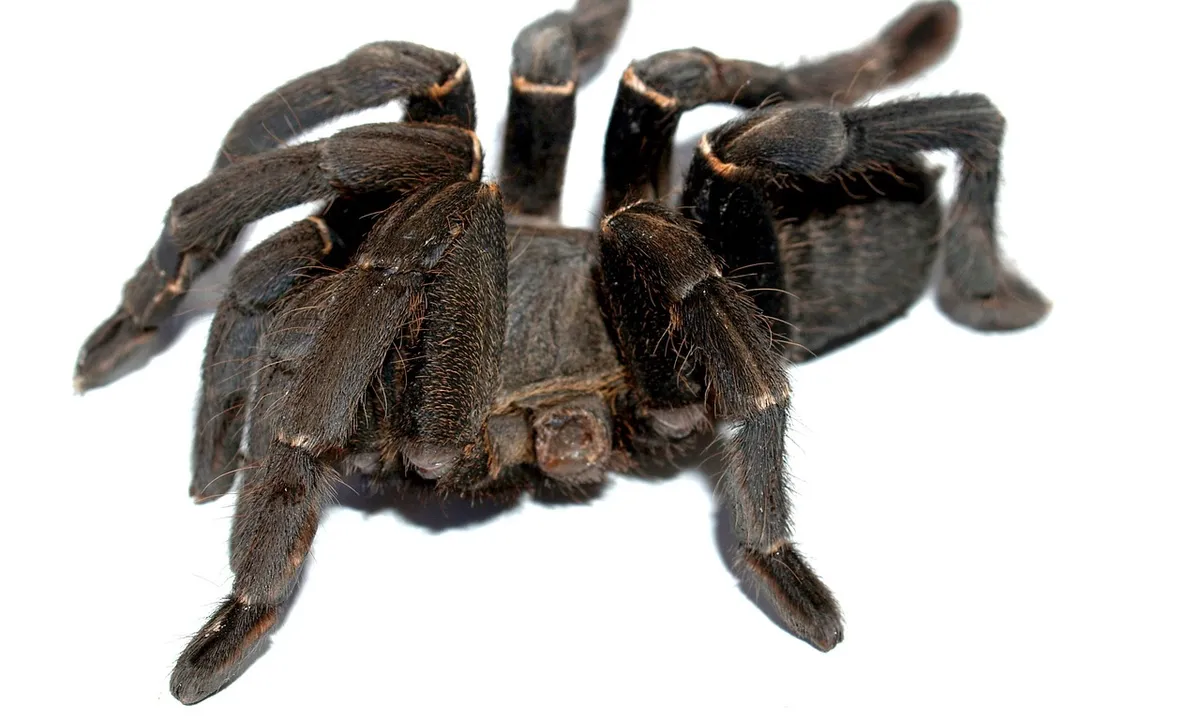
Initial Health Assessment and Acclimation
Open the emergency container slowly in a quiet, dimly lit room. Your tarantula has endured significant stress, and sudden movements or bright light can trigger a defensive posture. Look for obvious injuries like lost limbs or a cracked carapace, but remember that internal trauma from a fall or crushing is not always visible. A period of undisturbed acclimation is non-negotiable for recovery, allowing the animal to gauge its new temporary safety.
I learned this after a minor home flood required evacuating my Chilean Rose Hair, Rosie. She remained curled tightly for two days post-event, ignoring food. Resist the urge to offer prey immediately. A healthy tarantula can fast for months; a stressed one needs peace, not a cricket buzzing in its space. Monitor for normal respiration-a gentle, rhythmic pulsing of the abdomen.
Follow this 24-hour assessment checklist:
- Hydration: Check for a shrunken abdomen. Use a damp paintbrush to place a single water droplet near the mouthparts if needed.
- Mobility: Observe leg movement for dragging or unnatural angles that may indicate injury.
- Behavioral Baseline: Does it respond to gentle air movement? A complete lack of reaction can signal shock.
- Enclosure Condition: Inspect the emergency bin for mold, spilled water, or substrate contamination.
Keep the container at room temperature, 70-75°F (21-24°C), for at least 48 hours before considering any move. This quiet period is when you shift from crisis manager to observant caregiver, letting the tarantula’s behavior guide your next steps.
Rehousing into a Permanent Enclosure
Transfer your tarantula only after it shows signs of normalcy, like webbing a small mat or taking a drink. Gather all supplies-new enclosure, prepared substrate, hide, water dish-before you begin. I always use a large, clear plastic tub as a secondary containment area during transfers; my OBT, Flash, once bolted during a routine rehouse, and that tub saved her from a dangerous fall. How to safely transport and rehouse your tarantula is crucial to prevent stress and injury.
Employ the gentle coaxing method. Never grab or pinch. Guide the tarantula from the emergency bin into the new home using a soft brush or the container’s own walls. The goal is a seamless transition that minimizes handling and maximizes the animal’s agency to walk into its new space.
- Place the permanent enclosure on a stable surface, with the opening adjacent to the temporary bin.
- Carefully remove any lid or barrier from the emergency container, keeping hands clear.
- Use a long, soft paintbrush to gently guide the tarantula from behind, allowing it to walk forward on its own.
- If it balks, stop. Cover the bin and wait an hour. Patience prevents escapes and reduces stress-induced hair kicking or venomous strikes.
Once inside, immediately provide a shallow water dish and a hide. Do not clutter the space. For moisture-dependent species like my Theraphosa stirmi, Goliath, I pre-moisten one corner of the substrate to 80% humidity but leave the rest drier. This gradient lets the animal choose its preferred microclimate, which is vital for physiological recovery after an event.
Common Recovery Mistakes to Avoid
Hobbyists often act from concern, but some actions hinder recovery. Avoid these pitfalls based on hard-won experience.
Do not force-feed or leave live prey unattended. A tarantula that isn’t ready to eat may be injured or simply stressed; a live cricket can chew on a vulnerable animal. After my Goliath kicked most of his urticating hairs during a frantic rehousing, he refused food for a week. I removed uneaten prey after 24 hours.
Resist the urge to “clean” the tarantula with water sprays or baths. This can cause drowning or extreme stress. If substrate is stuck to its body, allow it to groom itself naturally. Their specialized setae and pedipalps are designed for this. Handling tarantulas is not required for proper care and is generally recommended to be minimal, especially for beginners. If you do handle, move slowly and gently, and only after the tarantula has acclimated.
- Mishandling During Transfer: Using your hands increases drop risk and defensive reactions. Always use tools.
- Over-Monitoring: Constantly shining a light or tapping the glass disrupts acclimation. Check visually twice daily.
- Ignoring Species Needs: Placing an arid species like Grammostola rosea on soaked substrate post-crisis can induce mold exposure and stress.
- Skipping Quarantine: If the disaster introduced potential contaminants, keep the tarantula in a simple, sterile setup for two weeks before returning to a bioactive enclosure.
Recovery is a marathon, not a sprint, dictated by the tarantula’s innate rhythms, not our human timelines.
Species-Specific Needs and Ongoing Plan Maintenance
Adjusting Plans for Different Tarantula Types
Your emergency protocols must mirror your tarantula’s natural history. A one-size-fits-all approach fails when dealing with animals from deserts, rainforests, and savannas. When you notice signs of illness or injury, seek emergency veterinary care for tarantulas from a clinician experienced with tarantulas. Bring enclosure details, species, and any recent changes to help them tailor treatment quickly.
For arid species (e.g., Grammostola rosea), like my pet rock Rosie, humidity is a low priority in a short-term evacuation. Focus on secure containment and warmth. Their metabolism is slow; they tolerate temperature dips better than damp. In a crisis, keeping an arid tarantula dry is more critical than maintaining a specific heat level.
For tropical moisture-lovers (e.g., Theraphosa stirmi), like Goliath, the emergency kit must include a way to maintain 75-85% humidity. I pack a small spray bottle and sphagnum moss. Without it, their book lungs can desiccate, leading to a fatal inability to molt.
For fast, defensive old world species (e.g., Pterinochilus murinus), like Flash, security is paramount. Their enclosures must be escape-proof even when being moved. My OBT’s kit uses a container with a locking lid and air holes drilled from the outside in to prevent toe-holds. With a tarantula this fast and venomous, the plan prioritizes keeper safety to ensure the animal’s safety.
| Tarantula Type | Critical Evacuation Need | Personal Anecdote |
|---|---|---|
| Arid (G. rosea) | Secure, dry bin; minimal handling | Rosie spent 3 days in a dry deli cup after a power outage; she was fine. |
| Humidity-Dependent (T. stirmi) | Pre-moistened moss; sealed container to retain moisture | I forgot moss once; Goliath’s recovery took weeks longer. |
| Fast/Defensive (P. murinus) | Escape-proof primary and secondary containers | Flash’s webbing stuck the lid shut; I had to cut her out calmly. |
Always cross-reference the Latin name. Common names like “bird eater” are misleading; Theraphosa stirmi and Theraphosa blondi have subtly different humidity needs.
Integrating Preparedness into Routine Petcare
Weave disaster readiness into your weekly maintenance. This normalizes the process and ensures supplies are never expired or missing.
During monthly enclosure checks, also inspect your emergency kit. Test flashlight batteries, check for mold in substrate samples, and ensure plastic bins haven’t become brittle. Treat your go-bag like another piece of essential husbandry equipment, as vital as a water dish or hide.
Pair feeding days with plan updates. When you feed, quickly note your tarantula’s current pre-molt status or any health changes in a log. This record is invaluable for post-disaster health comparisons. I use a simple notebook; after the flood with Rosie, I knew her fasting was normal, not crisis-related.
- Quarterly Drill: Every three months, practice moving a tarantula (using an empty enclosure as a stand-in) into its emergency container. Time yourself.
- Supply Rotation: Replace water bottles and dried moss every six months. Swap out any perishables.
- Information Update: Update the vet contact and microchip info (if applicable) on your emergency card annually.
The silence of a well-maintained enclosure is the sound of preparedness, where routine care and crisis planning become one seamless practice.
Common Questions
How long can tarantulas survive without their usual enclosures and climate control during a disaster?
Healthy tarantulas are surprisingly resilient and can survive for several days to weeks in simple, secure temporary housing if their core needs are met, especially water. The key is providing security, hydration, and a stable, quiet environment. Many species can safely fast for extended periods, so focus on offering a water dish and minimizing stress over immediate feeding. (Get tips on how to prevent dehydration).
Where should you store tarantula enclosures during a flood or earthquake?
For flooding, move enclosures to the highest possible point in your home, like an upper floor or on top of sturdy, tall furniture. During an earthquake, relocate them to a low, stable area away from windows and heavy shelves that could topple. The priority is protecting them from falling debris, shattering glass, and rising water.
How to secure tarantula terrariums to prevent tipping during earthquakes?
Use museum putty or quake gel under the base of the enclosure to anchor it firmly to the shelf or table. You can also place them inside a larger, shallow bin with high sides to contain any substrate spills if they shift. Securing shelving units to wall studs provides an additional layer of safety for your entire collection.
What signs indicate a tarantula is stressed during a disaster and needs attention?
Clear signs include a tightly curled posture, frantic pacing, or, in New World species, flicking urticating hairs. Old World tarantulas may rear up in a threat pose. Reading your tarantula’s body language can help identify these stress and defensive signs. Prolonged, unnatural immobility can also signal severe stress or the onset of shock, requiring a calm, dark place to recover.
How often should you review and update your tarantula disaster plan?
You should formally review and practice your plan at least every six months. Check your emergency kit for expired supplies, test equipment, and update any care documents or contact information. Adjust your plan if you add new tarantulas with different needs or if your personal circumstances change. Additionally, there are essential daily, weekly, and monthly tarantula maintenance tasks that support this plan. Regularly performing tasks like enclosure checks, water dish refills, and substrate management helps ensure their health between formal reviews.
Beyond the Emergency: The Practice of Care
When the immediate threat passes, your focus returns to the steady rhythm of daily husbandry. For a species like my Theraphosa stirmi, Goliath, this means one thing above all. Hydration is the non-negotiable core of care for moisture-dependent species; a large, shallow water dish and damp substrate are your first and most vital lines of defense against stress and dehydration. A well-hydrated tarantula is a resilient one, better equipped to handle the minor fluctuations that follow any disruption to their environment.
True preparedness is not just about reacting to catastrophe. It is built through the quiet, consistent observation of your animal in its peaceful moments. Watch the intricate geometry of a web funnel constructed overnight. Appreciate the meticulous excavation of a burrow. Note the specific posture your tarantula adopts when it feels secure. This knowledge of normal behavior is your greatest asset, allowing you to instantly recognize the subtle signs of stress long before a crisis occurs. Patience is not passive; it is the practice of attentive care that fortifies both keeper and spider.
Further Reading & Sources
- Are Tarantulas Poisonous? Understanding Their Venom and Effects | Battlbox – Battlbox.com
- Tarantula Care + Protection For Emergencies / Extreme Weather – Tarantula Heaven
- N D P T C :: National Disaster Preparedness Training Center/ Home
Arlo is a lifelong arachnid enthusiast who believes tarantulas are the world’s most misunderstood roommates. With years of hands-on experience in tarantula care, habitat setup, and species behavior, Arlo combines expert knowledge with a dash of humor to make spider ownership less scary and a lot more fascinating. From choosing the right enclosure to understanding why your eight-legged buddy is doing that weird little pose again, Arlo is here to help you become the best tarantula parent you can be, without getting tangled in the web of misinformation.
Enclosures and Sizes