
Do Tarantula Bites Hurt? Understanding Pain Levels and Symptoms
Published on: August 23, 2026 | Last Updated: August 23, 2026
Written By: Arlo
The tarantula bite, a subject of widespread fascination and misinformation, is fundamentally a defensive act of a creature that would rather flee than fight. This article cuts through the hype to examine the actual sensory experience and biological response, providing a clear-eyed view based on venom research and extensive keeper experience. For responsible hobbyists who prioritize observation over interaction, the risk of a bite is minimal, and the typical outcome is a temporary, localized reaction akin to common wasp stings.
- Quick Stats:
- Reported Pain Scale: Ranges from a mild pinch (e.g., Grammostola rosea) to a sharp, burning sensation (e.g., some Old World species)
- Venom Profile: New World tarantulas often possess milder venom; some Old World species have more potent, neurotoxic venom
- Common Physical Response: Immediate pain, localized redness, swelling, and itching
- Typical Resolution: Acute symptoms often fade within several hours to a couple of days
This guide will walk you through the precise factors that determine pain intensity-from species biology to individual human sensitivity-so you can care for your spiders with informed confidence and minimal risk.
Understanding Tarantula Bites and Defensive Behavior
In over a decade of keeping dozens of tarantulas, from my docile G. rosea to my defensive OBT, I have never been bitten. This isn’t luck; it’s a direct result of understanding their language. For a tarantula, a bite is almost always a last-ditch defensive act, not an act of aggression or predation. They would vastly prefer to be left alone.
Why Tarantulas Bite: Threat vs. Defense
Think of your tarantula’s world. It lacks complex ears and eyesight, navigating instead through vibrations and tactile cues. They use subtle signals to communicate, such as vibration or stridulation, especially when threatened. A sudden shadow, a heavy vibration, or a pinch can signal one thing: a predator. Their reaction cascade is precise.
- Passive Defense: Freezing in place (like my Rosie), retreating to a burrow, or flicking urticating hairs (like my Goliath).
- Active Warning: Assuming a threat posture-rearing up, showing fangs, and hissing (stridulation). This is your clear “back off” signal.
- Defensive Strike: A quick, downward bite to drive the threat away. It is a release of pressure, not a prolonged attack.
They do not “get angry” or seek you out. The bite is a reflexive response to perceived inescapable danger.
Common Bite Scenarios in Pet Care
Almost all bites occur during necessary maintenance. I’ve had close calls during rehousings, which taught me meticulous preparation.
- Accidental Pinning: During enclosure cleaning, a hand or tool gently pressing on the tarantula, making it feel trapped.
- Startled During Maintenance: A sudden movement while filling a water dish or removing prey remains triggers a defensive strike.
- Misguided Feeding Response: Rare, but possible if a tarantula mistakes a wiggling finger for prey. This bite might be held longer.
The single most effective safety measure is using long, soft-tipped tweezers for all enclosure interactions, creating a safe buffer between you and the spider.
The Immediate Sensation: How a Tarantula Bite Feels
Descriptions from verified bite reports and herpetologists give us a consistent picture. The mechanics are like two tiny hypodermic needles punching into the skin.
Comparative Pain Levels: From Pinprick to Potent
The initial feeling is often less severe than the lasting effects. Pain is subjective, but we can use common references.
- New World Species (e.g., Goliath Bird Eater): Often described as a sharp pinch or a bee sting. The immediate, localized pain may peak within 10-20 minutes.
- Old World Species (e.g., Ornamental Baboon Tarantulas): Frequently rated as more intense, sometimes compared to a wasp sting. The pain can be sharper and more immediate.
For most species kept as pets, the initial bite pain is typically manageable, akin to stepping on a thorn or getting a shot-sharp, surprising, but brief in its acute phase. The real variable is the venom’s subsequent effects.
Species-Specific Differences in Venom Effects
Venom potency is not about “danger” but evolutionary adaptation. Old World tarantulas, lacking urticating hairs, often possess more neurologically active venom for subduing prey and defense. However, these tarantulas still rely on other defensive mechanisms such as biting and retreating. Their defense strategies are quite different from New World tarantulas, which use urticating hairs for defense.
| Species Type | Typical Initial Sensation | Potential Systemic Effects | Duration of Discomfort |
|---|---|---|---|
| New World (Theraphosinae) e.g., Brazilian Black, Rose Hair | Sharp pinch, localized burning | Minimal. Possible localized swelling, itching, muscle cramps near bite site. | Several hours to a couple days. |
| Old World (e.g., OBT, Asian Fossorials) | Immediate, intense radiating pain | More likely: throbbing, pronounced swelling, muscle aches, headache, nausea. Never ignore difficulty breathing. | Can persist for several days, with aching at the site for a week. |
Individual human reaction is the greatest wildcard; someone with a sensitivity could have a stronger response to a typically “mild” venom, which is why medical advice is always recommended after a bite. My personal rule is simple: I manage my tarantulas to make bites a theoretical concept, not a practical experience. Respecting their space is the ultimate cure.
Recognizing Tarantula Bite Symptoms
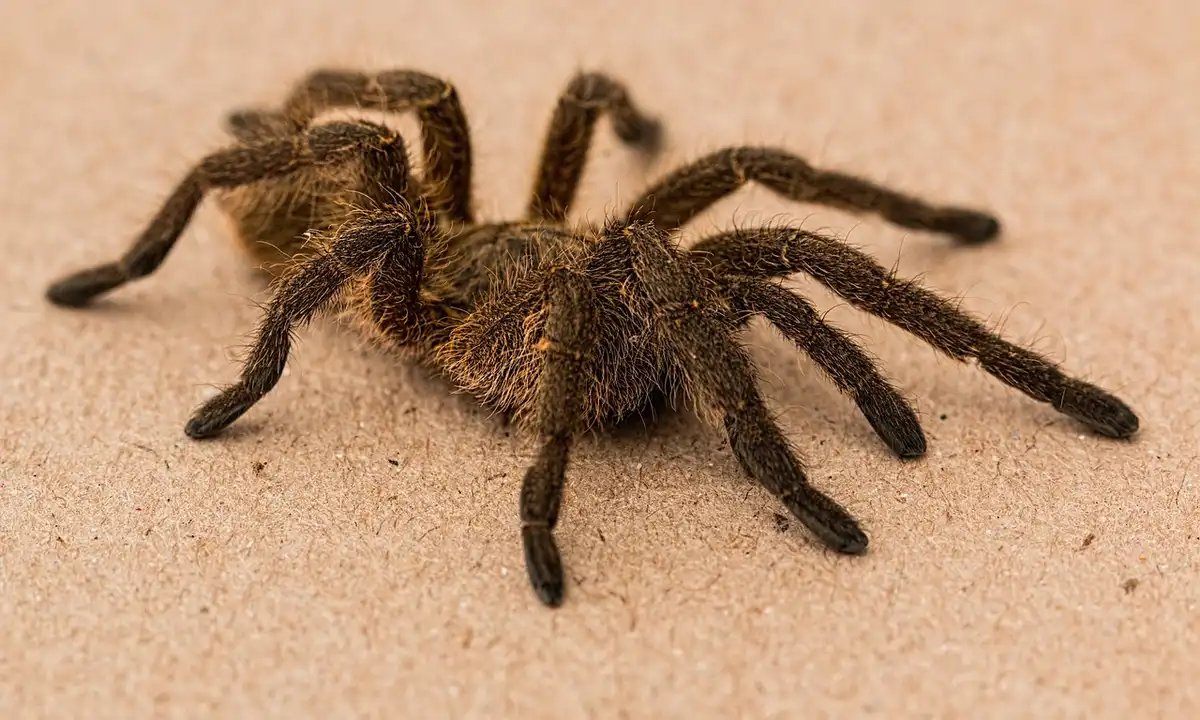
Tarantula bites are mechanical injuries first, and venom delivery second. The two small puncture wounds are your immediate clue. Your body’s reaction depends heavily on the tarantula’s species, whether it is venomous or non-venomous, the location of the bite, and your individual physiology.
Localized Reactions at the Bite Site
For most Old World and New World tarantulas, symptoms remain local. I’ve been bitten by a defensive Grammostola rosea (like my Rosie, but not by her) during a rehousing. The sensation was a sharp, immediate pinch, similar to driving a thumbtack into your skin.
- Immediate Pain: Ranges from a bee-sting-like burn to a deep, throbbing ache that peaks within 30 minutes.
- Swelling & Redness: The area around the punctures often swells, becomes warm, and turns red. This can spread several inches.
- Itching & Numbness: Intense itching or a pins-and-needles numbness can follow, lasting for hours or even days.
- Muscle Cramping: Common with bites from baboon spiders (like my OBT, Flash). The venom can cause severe, localized cramping in the hand or arm.
In my experience, the localized cramping from an Old World bite is the most persistent symptom, far more concerning than the initial pain.
Systemic Symptoms and When to Worry
True systemic reactions are rare but demand immediate attention. They signal either a severe envenomation or an allergic response.
- Signs of Allergic Reaction: Hives away from the bite site, swelling of the lips or throat, difficulty breathing, dizziness, or a rapid heart rate. This is a medical emergency.
- Signs of Significant Envenomation: Nausea, headache, generalized muscle aches, and lethargy. I’ve heard firsthand accounts from keepers bitten by large Theraphosa species (like my Goliath) describing a full-body “flu-like” ache for 24-48 hours.
Severe systemic reactions are exceptionally uncommon from New World tarantulas, but any breathing difficulty or swelling of the face requires a 911 call. Ironically, the urticating hairs from my T. stirmi have caused me more systemic discomfort (intense respiratory irritation) than any bite I’ve witnessed. That begs the question: tarantula hairs vs bites—what’s more dangerous? In practice, the urticating hairs tend to be the bigger irritant risk, causing respiratory or dermal irritation more often than bites.
Step-by-Step First Aid and Medical Response
Staying calm is your first and most important tool. Panic increases heart rate, potentially spreading venom. I practice this mindset during every potentially risky interaction, like transferring my fast-moving P. murinus.
Immediate Post-Bite Actions
- Secure the Tarantula: Gently place it back into a secure enclosure. Your safety and the animal’s welfare come first.
- Wash the Wound: Use mild soap and cool, running water for at least 5 minutes. This reduces infection risk from bacteria on the fangs.
- Apply a Cold Compress: Use a cloth-wrapped ice pack on the bite for 10-minute intervals. This reduces swelling, pain, and local inflammation.
- Elevate the Limb: If bitten on a hand or arm, keep it elevated above the heart to minimize swelling.
- Take an Antihistamine: An over-the-counter oral antihistamine like Benadryl (diphenhydramine) can help manage localized itching and swelling.
Do not apply a tourniquet, attempt to suck out venom, or make incisions on the wound-these archaic methods cause more harm than good.
Monitoring and Seeking Professional Care
After initial first aid, your job is vigilant observation. Keep a notepad handy to log symptom progression every 30 minutes.
- Seek Urgent Care if: Swelling spreads rapidly, pain becomes unmanageable with OTC pain relievers, or you develop a fever.
- Go to the Emergency Room Immediately if: You experience any signs of anaphylaxis (throat tightness, wheezing, widespread hives) or severe systemic symptoms (nausea, muscle spasms beyond the bite area).
When you seek medical care, bring the scientific name of your tarantula. Telling a doctor “Orange Bitey Thing” is less helpful than “Pterinochilus murinus.” Most medical professionals will treat the symptoms, as there is no universal antivenom for tarantula bites. Your detailed information will be the best guide for effective care. Many common tarantula health problems are preventable with good husbandry. Regularly checking enclosure conditions, humidity, and hydration helps prevent them.
Factors That Influence Bite Severity and Pain
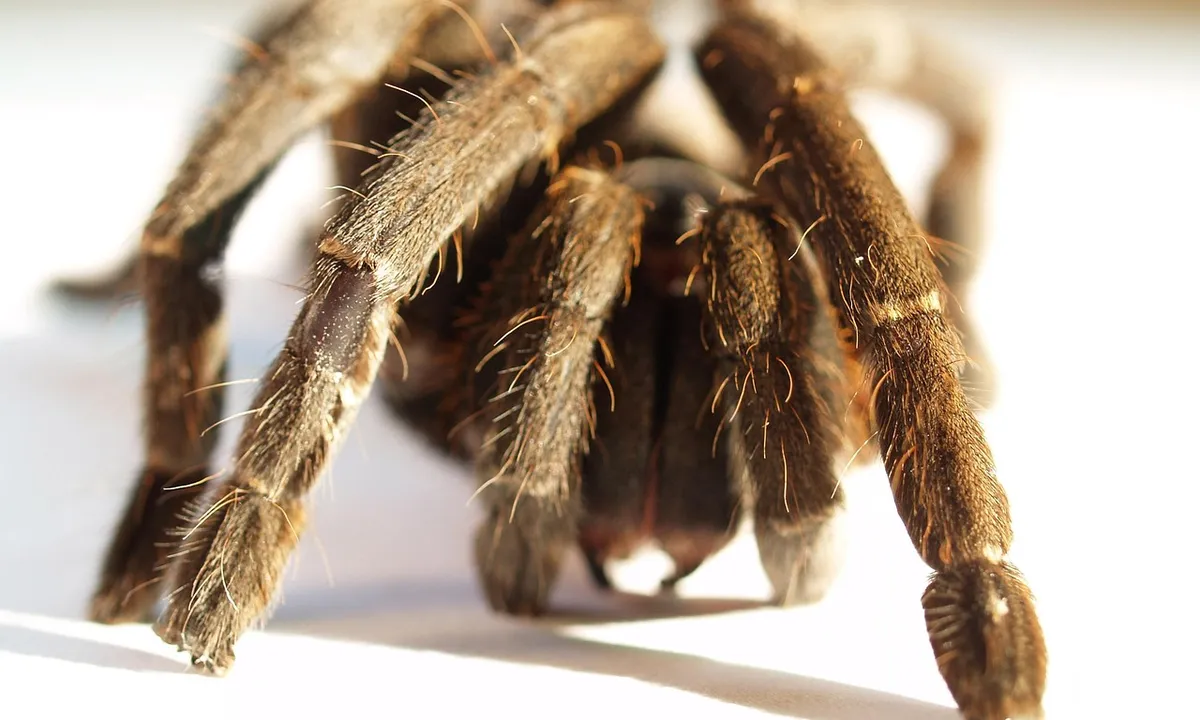
Not all bites are created equal. The sensation and potential medical impact depend heavily on two main variables: the spider’s venom and your body’s unique response.
The Role of Venom: Cytotoxic vs. Neurotoxic Effects
Tarantula venom is a complex cocktail, but its effects on humans generally fall into two broad categories.
Cytotoxic venom, common in many New World species, primarily attacks local tissue. Think of my Burgundy Goliath, T. stirmi. A bite might cause intense local pain, swelling, redness, and throbbing at the site, similar to a severe wasp sting. The discomfort can last for days.
Neurotoxic venom, more associated with Old World tarantulas like my OBT (P. murinus), targets the nervous system. The initial bite might feel like a sharp pinch, but the effects can be more systemic.
- Intense, radiating muscle cramps
- Headaches or dizziness
- Localized sweating
- Prolonged, aching pain at the bite site
In my experience, the mechanical damage from the fangs-two hypodermic needles puncturing your skin-contributes significantly to the immediate pain, regardless of venom type. The larger the spider, the more pronounced this can be.
Individual Human Biology and Allergic Response
Your personal physiology is the other critical factor. Pain tolerance varies wildly from person to person. A bite one keeper describes as a “bee sting” might feel like “fire” to another.
The true wildcard, however, is the potential for an allergic reaction, which is unpredictable and separate from the venom’s typical toxicity. Just as people react differently to bee stings, a tarantula bite could, in rare cases, trigger:
- Difficulty breathing or tightness in the throat
- Excessive swelling spreading far from the bite
- Rash or hives
- Rapid heart rate
Any systemic symptoms following a bite warrant immediate medical attention. Always inform healthcare professionals of the exact species involved, if known.
Preventing Bites: Safe Husbandry and Mindful Care
Prevention is the absolute cornerstone of responsible keeping. Bites are almost always a consequence of keeper action, not spider aggression.
Creating a Low-Stress Environment
A content, secure tarantula is far less likely to adopt a defensive posture. You manage their stress through habitat design. Creating a safe habitat minimizes tarantula bite risk. A well-designed enclosure with hiding places and stable conditions keeps both keeper and spider safe.
- Provide Adequate Hide: Every enclosure must have a secure retreat. My OBT, Flash, feels safe in his thick silk tunnel and rarely threatens if I don’t disturb his web.
- Minimize Vibrations: Avoid loud noises or bumping the table. They “hear” through vibrations in their legs.
- Use Precise Feeding Tools: Long, soft-tipped tweezers prevent your fingers from being mistaken for prey.
- Read the Body Language: A raised front legs, reared back posture, or audible stridulation (hissing) is a clear “back off” signal. Heed it.
I learned this with my docile G. rosea, Rosie; even a “pet rock” can bite if startled during maintenance, so I always move slowly and predictably around her space.
The “Look, Don’t Touch” Philosophy for Safety
Handling is a risk with zero welfare benefit for the tarantula. A fall from even a short height can be fatal, as their abdomen can rupture. The “Look, Don’t Touch” approach prioritizes the animal’s safety and reduces your risk of envenomation or exposure to urticating hairs. Observing natural behaviors-like the meticulous silking of a burrow or the patient ambush of a cricket-is far more rewarding than holding a stressed animal. For beginners, handling tarantulas is generally not recommended. Instead, learn through observation and safe husbandry practices.
Essential Tools for Safe Keeper-Tarantula Interaction
Your hands are not tools. This simple gear makes all interactions safer.
- Long Feeding Tongs (30cm/12in minimum): For dropping prey and gently guiding movement.
- Soft-Bristled Paintbrush: To gently coax legs for direction during rehousing, not to prod.
- Primary Enclosure and Larger Catch Cup: For the standard “cup and slide” rehousing method. The spider is always contained.
- Enclosure-Specific Lid Clips: Prevents escapes, especially for powerful Old World species.
When I rehoused my fast and defensive OBT, these tools created a calm, methodical process where Flash felt guided, not threatened, and I remained in complete control without a single close call. Your safety and your tarantula’s well-being are maintained through preparation, not bravery.
FAQs
Can a tarantula bite cause long-term damage or serious illness?
For the vast majority of pet tarantula bites, especially from New World species, no long-term damage occurs. The effects are typically localized and resolve within a few days. While bites from some Old World species can cause intense, flu-like systemic symptoms, these also generally subside with time and supportive care. However, any bite that leads to a severe allergic reaction (anaphylaxis) or a secondary bacterial infection requires immediate medical intervention to prevent serious complications. Should the bite occur while the tarantula is still at large, immediately wash the area with soap and water and avoid squeezing the wound. For more information on recommended procedures, check out this resource on first aid for tarantula bites. If symptoms escalate or infection signs appear, seek medical care promptly, and take steps to locate and safely contain the spider to prevent another bite.
Are bites more severe on certain parts of the body?
Yes, bite location can influence the severity of symptoms. A bite on a fleshy area like the forearm may result in more localized swelling and pain. A bite on a joint, like a finger knuckle, can be more painful and cause temporary stiffness or cramping that limits movement. Bites on areas with many nerve endings or closer to the bloodstream are not inherently more “toxic,” but the discomfort and functional impact can feel more pronounced.
What should I do if I’m bitten and don’t know the tarantula’s species?
Always follow the standard first aid protocol: stay calm, wash the wound, apply a cold compress, and elevate the limb. Monitor your symptoms very closely. If you develop any systemic signs like nausea, muscle aches, difficulty breathing, or if swelling and pain worsen rapidly, seek medical attention immediately. Even without the species name, documenting the tarantula’s color, size, and any markings can help medical professionals. If a tarantula is involved, seek emergency veterinary care for the tarantula promptly. An exotic animal veterinarian can assess envenomation risk and provide tarantula-specific wound care.
What are the symptoms of mites on a tarantula, and are they harmful?
Mites appear as tiny, slow-moving specks (often white or tan) clustering on the tarantula’s body, especially in moist areas like the book lungs or around the mouth. A harmful infestation can cause visible stress, with the tarantula remaining curled up or excessively grooming. While some mites are harmless detritivores, parasitic mites can weaken and ultimately kill a tarantula by feeding on its bodily fluids.
How do I treat a mite infestation in my tarantula’s enclosure?
The primary treatment is to remove the tarantula and all substrate, then thoroughly clean and disinfect the entire enclosure and any decor. Handle and quarantine the tarantula during the cleaning process by placing it in a temporary, bare setup with only a water dish and paper towel. Ensure the permanent enclosure is kept drier, as mites thrive in high humidity, and remove all prey leftovers promptly to eliminate the mites’ food source. Never use insecticidal sprays directly on your tarantula.
The Keeper’s Evolution: From Fear to Fascination
Through caring for everything from my calm Grammostola rosea to my fast, defensive Pterinochilus murinus, one principle stands above all. The ultimate prevention for bites is a hands-off philosophy, supported by secure enclosures and predictable maintenance routines that eliminate the need for close contact. A tarantula that feels safe in its space is a tarantula that won’t feel the need to defend itself.
Shift your focus from the potential for pain to the profound quiet of observation. Notice the methodical way my Theraphosa stirmi maintains its humid burrow, or the sudden, precise strike of my OBT during a feed. Patience reveals their true nature. You will find more reward in watching a web expand daily than in any fleeting hold. This hobby teaches respect for a different kind of life, one best understood through the glass.
Further Reading & Sources
- Tarantula spider bite Information | Mount Sinai – New York
- Are Tarantulas Dangerous? | Poison Control
- Periumbilical Pain with Radiation to Both Legs Following Tarantula Bite; a Case Report – PMC
Arlo is a lifelong arachnid enthusiast who believes tarantulas are the world’s most misunderstood roommates. With years of hands-on experience in tarantula care, habitat setup, and species behavior, Arlo combines expert knowledge with a dash of humor to make spider ownership less scary and a lot more fascinating. From choosing the right enclosure to understanding why your eight-legged buddy is doing that weird little pose again, Arlo is here to help you become the best tarantula parent you can be, without getting tangled in the web of misinformation.
Understanding Tarantula Behavior