
How to Safely Remove an Uneaten Bolus from Your Tarantula’s Enclosure
From my docile Chilean Rose Hair to my skittish Orange Bitey Thing, every tarantula I’ve kept has, at some point, left a mysterious, discarded package in its tank-the uneaten bolus. This silent byproduct of a meal is more than just clutter; it is a potential source of mold and mites. Removing it correctly is a fundamental skill that embodies the ‘Look, Don’t Touch’ ethos, preventing stress for you and your spider. I’ve navigated this around the burrows of my Goliath Bird Eater and the dense webs of my OBT, and this guide shares that precise, calm approach.
Quick Stats:
- Bolus Composition: A compacted ball of insect exoskeleton and silk, created by the tarantula’s mouthparts.
- Husbandry Link: Removal is critical for all species, but the technique adjusts for defensive behaviors like hair-flicking or rapid flight.
- Tool Imperative: Long forceps or tongs are non-negotiable for maintaining a safe distance.
This article will detail the exact, low-impact procedure to keep your tarantula’s home pristine and secure.
What Exactly Is a Tarantula Bolus?
Imagine a small, silk-wrapped package left in the corner of the enclosure after a meal. This is the bolus. Tarantulas are fluid feeders. They inject potent digestive enzymes into their prey, turning the insides into a liquid they can suck up. What remains is a dry, compact bundle of indigestible parts like exoskeletons and fibers, neatly bound in silk for easy disposal. It is a normal byproduct of efficient eating, not waste in the mammalian sense.
I find them most often with my Burgundy Goliath Bird Eater, Goliath. After consuming a large roach, he meticulously wraps the leftovers into a ball nearly as big as a grape. The silence of the enclosure is broken only by the soft rustle of his movements, a fascinating process to observe from a respectful distance.
Is It Uneaten Prey or a Molt? Key Identifiers
Confusing a bolus with a molt or live prey is a common beginner hurdle. Each has distinct features. A freshly killed, uneaten prey item will lack silk wrapping and may show bodily damage from the tarantula’s fangs. A molt is a ghostly, translucent copy of your spider, often found completely intact with empty leg sockets and eye caps.
Use this simple list to identify a bolus with certainty every single time.
- Texture & Composition: A bolus feels dry and crumbly. If you gently prod it with tongs (never fingers!), it will break apart to reveal insect legs and chitin.
- Silk Wrapping: It is almost always shrouded in a loose, white or off-white silk casing. This is the tarantula’s way of keeping its home clean.
- Shape: Typically an irregular ball or lump, not the precise, hollow shape of a molt.
- Location: Found away from the tarantula’s primary hide or burrow, often in a disposal corner. My OBT, Flash, consistently pushes his to the front of his enclosure, almost like he’s taking out the trash.
- Odor: A healthy bolus has a faint, earthy smell. A potent, foul odor indicates spoilage and requires immediate removal.
When to Remove the Bolus: Timing for Minimal Stress
Patience is your most important tool. Removing a bolus too soon can startle your tarantula and interrupt its post-meal rest. Your goal is to act when your tarantula is least aware and most secure, typically during its inactive periods. For many species, this is during the day. If your tarantula is approaching molt or is in a fasting period, avoid feeding during that time. This aligns with guidance to not feed during pre-molt and other fasts.
I learned this timing through error. Early on, I removed a bolus from Rosie’s enclosure while she was still perched on it. Her slow, deliberate turn toward my tongs was a clear message of irritation. Now, I wait a full 24 hours after I first notice the discarded bundle.
Signs Your Tarantula Has Truly Finished or Refused
Do not rely on the clock alone. Watch your tarantula’s behavior. These signs tell you it is safe to proceed.
The tarantula has completely abandoned the bolus and returned to its typical resting posture, often in its hide or burrow. This is the primary signal. This is one of the 10 key signs that your tarantula is about to molt.
- Distance: The spider is on the opposite side of the enclosure, showing no further interest.
- Dryness: The bolus itself is dry to the eye. A fresh, moist bolus means feeding may still be ongoing.
- Refusal Clues: If the prey was refused, it will be dead but not wrapped in silk, and your tarantula will actively avoid it. With my docile Rosie, who famously fasts, I remove untouched crickets after 24 hours to prevent them from bothering her.
- No Defensive Posturing: Your tarantula is not in a threat pose, has not flicked urticating hairs (like Goliath often does), and is not guarding the area.
Once all these boxes are checked, you can plan your removal. Move slowly, use long tools, and keep the interaction brief to maintain the peaceful environment your pet deserves.
The Safe Removal Toolkit: Essential Gear for Enclosure Maintenance
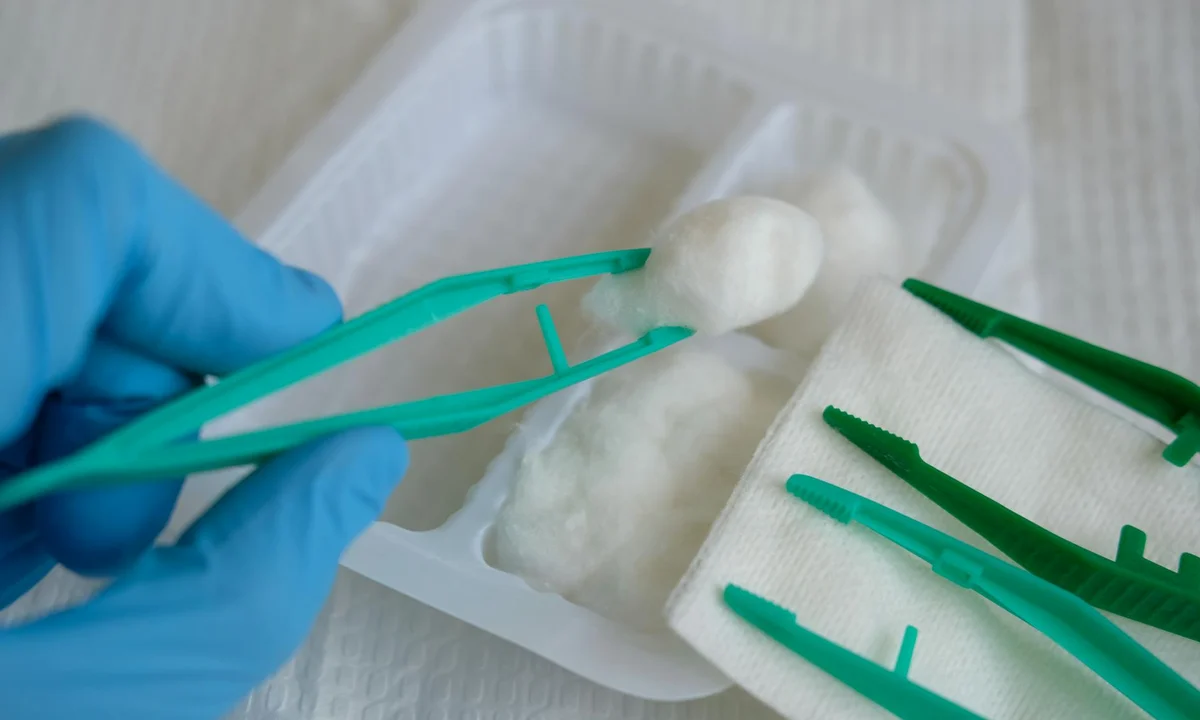
Opening an enclosure without planning is a recipe for escape or a defensive encounter. I assemble my tools on a clean tray before every maintenance session, a habit forged after a swift, hairy bolt from my OBT, Flash. The right gear turns a nervous procedure into a calm, clinical routine that protects both you and your spider’s peace. Your core kit needs only three reliable items.
- Long Forceps: 10 to 12 inches is ideal. This length keeps your hand far from a startled tarantula’s strike zone or cloud of urticating hairs.
- Focused Flashlight: A small LED penlight lets you inspect shadowy burrow entrances and under cork bark without casting broad, alarming shadows.
- Disposal Container: A dedicated lidded jar or deli cup. This contains the smell and prevents any hitchhiking mites from spreading.
Tool Deep Dive: Choosing and Using Forceps Correctly
Not all forceps are equal. I use stainless steel with smooth, blunt tips. Avoid serrated or pointed tools; they can damage decor or, in a worst-case scenario, injure your tarantula. The action matters most-a smooth, non-stick coating prevents the frustrating click-clack sound that can trigger a defensive posture. I test new forceps by practicing picking up a crumpled paper ball, training my fingers for the gentle, precise pressure needed for a damp bolus. When using them, always approach from the side opposite your tarantula. For my humidity-loving Goliath, I use forceps with a slight curve to navigate around his water bowl and large silk mats without disturbing his environment. They’re also among the essential tools for safe tarantula handling.
The Step-by-Step Removal Protocol
This protocol prioritizes the tarantula’s perception. Sudden movements, vibrations, and deep intrusion into their space are the primary stressors to avoid. These are common tarantula behaviors, and they carry meaning about the spider’s state. Recognizing what these signals indicate helps guide how you interact with them.
Step 1: Observation and Preparation
Do not open the enclosure immediately. Spend five minutes watching. Is your tarantula out in the open, or tucked deep in a burrow? Is it resting or actively moving? A calm, stationary spider in a neutral pose means the coast is likely clear for a quick removal. If it’s pacing, grooming intensely, or in a premolt lethargy like my Rosie often displays, postpone the cleaning. For quarantine tarantulas, handling should be minimized, and any transfer should use a secure transport container. This approach helps reduce stress and the risk of contamination during enclosure cleaning. Gather your toolkit, wash your hands to remove foreign scents, and ensure your workspace is clear for a safe, focused operation.
Step 2: Executing the Removal with Care
- Slowly and quietly open the enclosure lid or door, minimizing vibration.
- Use your flashlight to pinpoint the bolus. It will look like a small, wet, grayish lump, often webbed to the substrate or decor.
- With your forceps, approach the bolus at a low angle. Gently pinch the substrate or web material directly next to it, not the bolus itself, which can be slippery.
- Lift steadily and slowly in one fluid motion, immediately transferring the bolus to your disposal container. Avoid any jerking or pausing directly over the tarantula.
- Close the enclosure securely before you attend to anything else.
The entire process, from open to close, should aim for under thirty seconds to limit the animal’s exposure to open air and perceived threat. With my defensive OBT, I practice this speed diligently, often rehearsing the motion over the enclosure before I even lift the lid.
Step 3: Immediate Post-Removal Actions
Once the enclosure is sealed, inspect the removal site with your flashlight. If any bolus residue or prey bits remain, use a dry cotton swab attached to your forceps to dab them away. This quick spot-cleaning prevents mold spores from gaining a foothold in the warm, humid environment species like T. stirmi require. Discard the bolus in an outdoor trash bin to keep odors away from your tarantula room. Finally, observe your pet for the next hour. A return to normal behavior-like gentle web maintenance or resuming a resting position-confirms the procedure was low-stress. Be mindful of signs your tarantula’s enclosure needs cleaning—persistent odor, mold, or damp substrate. Address them promptly to maintain a healthy habitat.
What If My Tarantula Is Guarding the Bolus?
Sometimes a tarantula will sit on or near its uneaten prey, treating it as part of its territory. This is common with heavy webbers like Psalmopoeus species or during nesting behavior. Forcing removal from a guarding tarantula is a direct challenge that will always end badly for your trust relationship. Your only safe option is to wait. Leave the bolus for 24-48 hours. Often, the spider will move it or discard it itself. If it remains and mold risk is high, try this distraction: during a routine evening, gently drip water from a syringe onto the enclosure wall opposite the bolus. The spider may investigate the new moisture, allowing you a brief window for removal. If not, patience is your best tool. I have waited over a week for my old-world tarantulas to relinquish a bolus on their own terms. Should you need to move or rehouse the tarantula, use a proper transport cup or secure container and minimize handling to reduce stress. Guide the spider gently into the container rather than attempting to grab it, and keep movements smooth and slow.
Why Prompt Removal Matters: Risks to Enclosure Hygiene
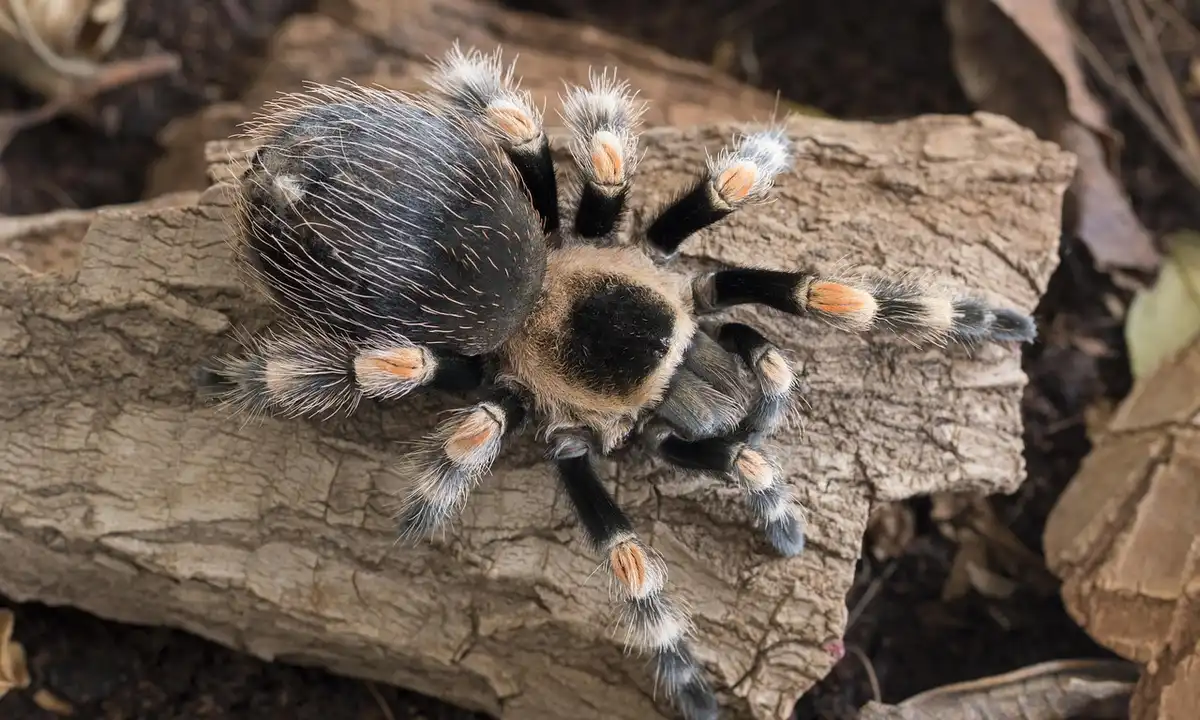
The silence of a tarantula enclosure is a delicate balance. A leftover bolus disrupts that equilibrium, becoming a focal point for decay. I’ve seen a single, forgotten cricket bolus in a humid T. stirmi enclosure sprout a fuzzy gray coat in under 48 hours. This mold isn’t just unsightly; its spores become airborne, posing a respiratory risk to your tarantula and potentially contaminating the entire substrate layer. These issues often point to incorrect humidity in the enclosure; regular checks for condensation, damp substrate, or uneven moisture can help flag problems before mold takes hold.
Beyond visible mold, the bolus acts as a beacon for pest species. Microscopic grain mites or fungus gnats are drawn to the decomposing protein. A minor nuisance can explode into an infestation, swarming over your tarantula’s water dish and stressing an animal that prefers a clean environment.
My OBT, Flash, webs everything with fervent purpose. A bolus hidden in his dense funnel webbing is a guaranteed mold factory. The web itself holds moisture, accelerating the process and making removal far more disruptive later. Acting quickly prevents a simple cleanup from becoming a full enclosure breakdown, which is profoundly stressful for any tarantula, especially defensive species.
Mold and Pest Prevention Strategies
Your strategy begins the moment your tarantula rejects its prey. Here is a practical, step-by-step approach to maintain a healthy habitat. A safe, properly designed enclosure reduces stress and minimizes tarantula bite risk for both the animal and the keeper.
- Daily Visual Inspection: Make it part of your routine. A quick glance each morning checks for boluses, mold spots, and your tarantula’s well-being.
- The 24-Hour Rule: If a prey item is uneaten after one day, remove it. If it’s been mauled and abandoned as a bolus, remove it immediately.
- Employ a Cleanup Crew: For humid enclosures like my Goliath’s, I use a bioactive stratum. Springtails and dwarf isopods actively consume mold and tiny organic bits before they become problems. They are a living buffer for your humidity.
- Substrate Management: If you spot mold on a bolus, check the surrounding substrate. Use long tweezers to carefully pinch out any visibly contaminated earth. For severe cases, rehouse the tarantula into fresh, premixed substrate.
A bioactive setup with custodians isn’t a license for neglect, but it is an excellent tool for managing micro-hygiene in stable environments. For arid species like my Rosie, who needs bone-dry substrate, physical removal is your only and best tool.
After the Bolus Is Out: Disposal and Monitoring
You’ve successfully retrieved the bolus with steady hands and long tools. Now what? Proper disposal prevents odors and fruit flies in your home. I seal the bolus in a small zip-top bag before placing it in the outdoor trash. This contains the smell completely.
With the bolus gone, your attention shifts back to your tarantula. This is a critical observation period.
- Check for Stress Signs: Is the tarantula in an unusual posture? Is it flicking urticating hairs (for New World species)? My Goliath will sometimes kick a cloud after a minor disturbance. Give the animal space and silence to settle.
- Assess the Feeding Site: Did the removal disturb the burrow entrance or a prized web? Note this. Your tarantula may spend the next few days repairing its space.
- Withhold Food: Do not offer another prey item for at least five to seven days. The stress of the removal and the recent feeding attempt means your tarantula needs a calm interval to regain its normal feeding response. Offering food too soon is wasteful and adds more disturbance.
Record the event. Note the date, the prey type refused, and how your tarantula behaves over the following week. With my old rose hair, Rosie, these records revealed her multi-month fasting patterns were perfectly normal. This post-removal monitoring transforms a simple chore into valuable behavioral data, helping you understand the unique rhythms of your eight-legged pet.
Common Questions
What tools should I use if I don’t have long forceps?
While 10-12 inch forceps are ideal, you can use very long tweezers, smooth-tipped chopsticks, or even a clean, dedicated pair of long kitchen tongs. The critical features are length to keep your hand safe and a smooth, non-piercing tip to avoid injuring your tarantula or damaging its home. Always test any alternative tool’s grip on a fake item first to ensure you can handle it smoothly and quietly.
What should I do if my tarantula is guarding or near the bolus?
Do not attempt removal. A guarding tarantula views the bolus as part of its territory, and taking it will cause significant stress and likely provoke a defensive reaction. Your only safe option is to wait. Observe from a distance over the next 24-48 hours, as the spider will often move or abandon it on its own. If the bolus poses a high mold risk in a humid enclosure, a gentle water distraction on the opposite side may create a brief window for removal, but patience is always the primary strategy.
Are there any risks if I leave a bolus in the enclosure?
Yes, leaving a bolus introduces two primary risks: mold and pests. In the warm, humid environment of an enclosure, a bolus can develop mold rapidly, whose spores can harm your tarantula’s respiratory system. It also attracts pests like grain mites and fungus gnats, which can become a persistent infestation. Prompt removal is a key preventative measure to maintain a clean and stable habitat.
How do I prevent mold or pests from an uneaten bolus?
The best prevention is prompt removal following the 24-hour rule. For humid enclosures, consider adding a bioactive cleanup crew of springtails and dwarf isopods, which consume mold and organic debris. Ensure good ventilation appropriate for your species to prevent stagnant, moist air. Regular, brief visual inspections of the enclosure allow you to spot and address any bolus or early mold growth immediately.
What is the proper way to dispose of a removed bolus?
Seal the bolus in a small, disposable zip-top bag or your dedicated lidded container before placing it in an outdoor trash bin. This contains any odors and prevents attracting pests like fruit flies into your home. Do not compost the bolus or leave it in an indoor trash can, as decomposition smells can permeate your tarantula’s room and cause stress.
A Keeper’s True Growth
The most profound lesson in this simple maintenance task is recognizing that an uneaten bolus is not a chore but a message. Your spider’s refusal to eat is the single most important behavioral parameter to respect, always trumping any arbitrary feeding schedule. Forcing a confrontation over a food bolus when your tarantula is in pre-molt or simply not hungry creates unnecessary stress and risk for both of you. Learning to read your tarantula’s food dance—the careful approach, tapping, and settled posture—helps you tell when it’s ready to eat. These cues, not a calendar, signal true hunger.
True success in arachnoculture is measured in quiet observation, not interaction. Watch for the industrious webbing of an OBT like my Flash, transforming its home into a silk-draped fortress. Appreciate the patient, months-long fast of a Grammostola like my Rosie, whose ‘pet rock’ phases are a masterclass in metabolic patience. Every uneaten cricket and every discarded bolus is part of your tarantula’s natural rhythm, and learning to move in time with it is the hallmark of a thoughtful keeper.
Further Reading & Sources
- r/tarantulas on Reddit: My T leaves its boluses in its hide… Should i rip up the hide and dirt to get them out? Or leave it be?
- Remove bolus or not??? | Arachnoboards
- Getting Started | My Monsters
Arlo is a lifelong arachnid enthusiast who believes tarantulas are the world’s most misunderstood roommates. With years of hands-on experience in tarantula care, habitat setup, and species behavior, Arlo combines expert knowledge with a dash of humor to make spider ownership less scary and a lot more fascinating. From choosing the right enclosure to understanding why your eight-legged buddy is doing that weird little pose again, Arlo is here to help you become the best tarantula parent you can be, without getting tangled in the web of misinformation.
Substrates and Decor