
Cordyceps Fungus: The Silent Parasite in Tarantula Husbandry
For tarantula keepers, the genus Ophiocordyceps represents a rare but chilling specter of disease, an insidious fungus that can quietly overtake an arachnid from within. This article is not about a specific spider, but about a potential threat to all of them. We will identify what Cordyceps is, how it infects its host, and the critical steps you can take to minimize risk in your collection. The key takeaway is that prevention through impeccable enclosure hygiene is your most powerful tool.
- Quick Stats:
- Origin: Global; spores are ubiquitous in soil and organic matter.
- Type: Obligate parasitic fungus (Ophiocordyceps spp.).
- Affected Hosts: Primarily insects, but cases in arachnids, including tarantulas, are documented.
This guide will explain the life cycle of this parasite, detail the often-frustrating signs of infection, and provide the proactive husbandry framework I use to protect my own spiders, from my docile old Rosie to my lightning-fast OBT, Flash.
Defining the Zombie Fungus: A Scientific Primer
We use the term “zombie fungus” for its chilling accuracy, but scientifically, we are discussing a group of fungi from the genera Cordyceps and Ophiocordyceps. These are not the fantastical parasites of video games, but real, highly specialized organisms with a singular, grim purpose. In the wild, these fungi act as a critical population control, but in our collections, they represent a catastrophic and heartbreaking failure of husbandry.
What Does “Entomopathogenic” Really Mean?
Let’s dissect the term: ‘entomo-‘ refers to insects and, in practical use, other arthropods like spiders. ‘-pathogenic’ means disease-causing. An entomopathogenic fungus is one that has evolved exclusively to live on and inside these creatures. It is an obligate parasite. This fungus cannot grow on decaying wood or leaf litter; it requires a living host to complete its life cycle, making its appearance in an enclosure a direct sign of a profound environmental mismatch.
From my years of keeping moisture-dependent species like my Theraphosa stirmi Goliath, I’ve learned that balancing humidity is a tightrope walk. Too low, and they struggle to molt; too high and stagnant, and you court disaster. Cordyceps thrives in that stagnant, overly wet environment we sometimes create by mistake.
The Key Parts of a Cordyceps Fungus
Understanding its structure helps you identify it. The fungus exists in two main phases inside your enclosure.
- Hyphae: These are the thread-like filaments that make up the fungal body. Inside the host, they form a network called a mycelium, which consumes the tarantula’s tissues.
- Conidia (Spores): These are the microscopic reproductive units, like seeds. They are released into the air from an infected host and are the source of new infections.
- Fruiting Body (Stroma): This is the visible, often stalk-like structure that erupts from the deceased host. Its sole job is to lift the spore-producing organs high for better dispersal. Finding this on a tarantula or its feeder insects is a definitive diagnosis.
The Cordyceps Life Cycle: From Spore to Fruiting Body
The process is a masterpiece of evolutionary manipulation, a silent, slow-motion horror that unfolds over days or weeks. This life cycle is why many seasoned keepers, including myself, quarantine all new feeder insects before offering them as food. A single infected cricket can be the vector that introduces spores to your entire collection.
Stage 1: Infection and Internal Takeover
- Spore Attachment: A fungal spore lands on the tarantula’s exoskeleton, typically in a humid, still-air environment. It adheres and begins to germinate.
- Penetration: Using a combination of enzymatic action and mechanical pressure, the fungal thread breaches the cuticle, the tarantula’s hard outer shell. This is the point of no return.
- Systemic Growth: Once inside the hemolymph (the tarantula’s blood), the fungus proliferates. It consumes nutrients and begins to form dense, web-like masses of cells. The tarantula may become lethargic, refuse food, or show odd postures as its body is colonized from within.
I once lost a juvenile to a suspected infection; its sudden refusal to eat and a strange, persistent tilt to its posture were the only warning signs before a rapid decline. The internal takeover is often symptomatically silent until it is far too late for intervention.
Stage 2: Manipulation, Death, and Emergence
- Behavioral Manipulation: In some species, the fungus chemically influences the host. An infected insect might climb to a high point-a behavior called summiting. This ensures the fungus can spread its spores widely from an elevated position after death.
- Host Death and Tissue Consumption: The fungus kills the host, either through tissue consumption or by releasing toxins. The mycelium fully replaces the internal tissues.
- Fructification: This is the emergence. The fungal stalk punches through the exoskeleton, often at the junction between body segments where the cuticle is thinnest. A mature, often brightly colored fruiting body grows, completing the cycle by releasing a new cloud of spores.
Finding your tarantula in a death curl with a strange, fibrous stalk growing from it is a keeper’s worst nightmare. This final, grotesque emergence is nature’s stark reminder of the importance of optimal, species-specific husbandry that prioritizes ventilation alongside humidity. This death curl explained in depth is a central topic in final-posture guides to tarantulas. Understanding these cues helps keepers differentiate lethal conditions from aging and tailor husbandry accordingly.
Recognizing Cordyceps Symptoms in a Tarantula
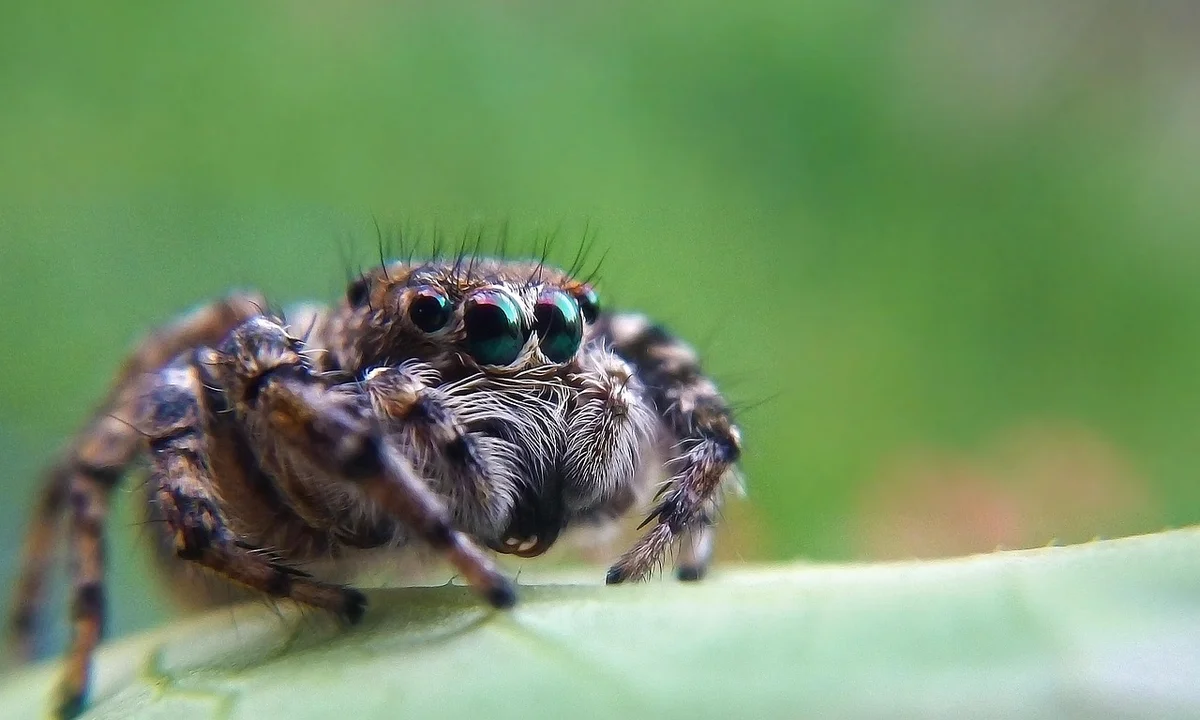
Early Behavioral Redflags
In its initial stages, cordyceps is a master of deception. The signs are subtle, easily mistaken for pre-molt lethargy or simple off-days. You must become a detective of small, inconsistent behaviors, as the fungus begins its work by manipulating the tarantula’s central nervous system. I learned this vigilance after an outbreak in my early breeding days.
Watch for a tarantula adopting a strange, fixed position for an unusually long time, like having its legs splayed awkwardly or its cephalothorax tilted. My old G. rosea, Rosie, is famously inactive, but a cordyceps-infected sling will display a different, vacant stillness. A normally defensive species, like an OBT, may become uncharacteristically docile and slow to react. Loss of coordination is a major red flag—a tarantula stumbling or unable to right itself is a grave sign. The most telling early symptom is often a complete and sudden refusal of food from a previously reliable eater, coupled with a progressive, overall weakness. These are early warning signs of illness in tarantulas. If they persist, consult an exotic veterinarian promptly.
The Definitive Signs: Post-Mortem Evidence
If the early stage passes unnoticed, the fungus reveals itself conclusively after the tarantula’s death. This is the graphic image most associated with cordyceps. Within 24 to 72 hours after death, you will see the fungal structures erupt from the tarantula’s body to release spores. It is a stark, natural process.
- Fruiting Bodies: Look for thin, white or orange filamentous stalks growing from the joints, mouth, or abdomen. These are the “fingers” of the fungus.
- Color Change: The carcass itself may become covered in a fuzzy, mold-like growth, often white or green.
- Spore Release: The tips of the fruiting bodies will darken as they mature and prepare to release microscopic spores into the surrounding environment.
Finding this in an enclosure is a definitive diagnosis. You must treat the entire enclosure and its contents as contaminated to protect your other tarantulas. If you notice signs your enclosure needs cleaning like a sour odor, mold, or slimy substrate, those are telltale indicators that your tarantula’s enclosure may need cleaning. Regular inspection helps prevent health problems.
Cordyceps in Captivity: Risk Factors and Prevention
How Spores Enter a Home Enclosure
Spores are microscopic and ubiquitous in the environment. The primary vectors for introducing cordyceps into your collection are almost always the materials you put into the enclosure yourself. Complacency is the biggest risk factor.
- Contaminated Substrate: This is the number one culprit. Unsterilized topsoil, peat, or coconut fiber harvested or stored outdoors can be laden with fungal spores.
- Live Feeder Insects: Crickets or roaches from suppliers with poor hygiene can carry spores on their bodies or in their frass.
- Cross-Contamination: Using the same tongs, brushes, or water dishes between enclosures without disinfecting them can transfer spores. I have a strict color-coded tool system after losing a sling to this mistake.
- Airborne Introduction: While less common, spores can enter through open windows or on clothing if you’ve been gardening.
Your Best Defense: Impeccable Husbandry
Prevention is your only weapon, and it hinges on creating an environment hostile to fungal growth. Sterilization and quarantine protocols are non-negotiable for preventing devastating outbreaks. My routine, built from hard experience, is rigorous.
- Sterilize All Substrate: Bake any soil, peat, or coconut fiber in an oven at 200°F (93°C) for at least 30-45 minutes to kill spores and eggs. Let it cool completely before use.
- Quarantine New Arrivals: Keep any new tarantula or feeder insect colony in a separate room for a minimum of 60-90 days. Observe closely for any abnormal behavior.
- Manage Moisture Intelligently: Cordyceps thrives in stagnant, wet conditions. Provide hydration via a water dish and careful, localized overflow for moisture-dependent species-never saturate the entire substrate. My T. stirmi, Goliath, gets a deep, moist corner while the rest of his enclosure stays drier.
- Maintain Clean Tools: Disinfect all feeding tongs, water dish scrubbers, and handling tools with a 10% bleach solution or isopropyl alcohol between uses on different enclosures.
- Immediate Isolation: At the first suspicion of illness, move the affected tarantula to a simple, sterile quarantine enclosure. This protects the rest of your collection.
Addressing an Infection: Treatment and Realistic Outcomes
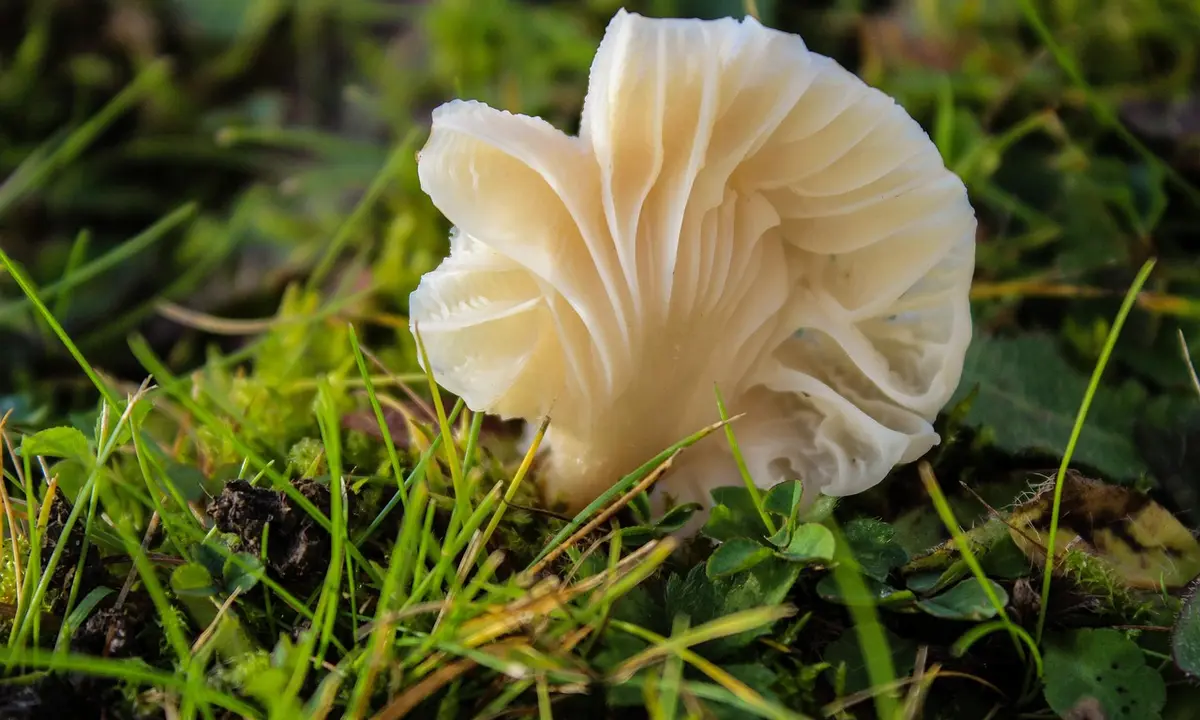
If you suspect Cordyceps in your tarantula’s enclosure, the immediate feeling is one of profound dread. Having faced this with a sling years ago, I recall the frantic search for a cure. The harsh truth every experienced keeper learns is that a true cure does not exist in a home setting. Once the fungal network is established inside the living tarantula, the progression is almost always fatal. Understanding your tarantula’s species is the first step in proper care, and a tarantula species identification and care guide lays out species-specific needs and warning signs. Keeping to that guide can help you catch infections early and tailor humidity, ventilation, and substrate choices to reduce risk.
Why Curative Treatment is Nearly Impossible
This fungus operates from the inside out. By the time we see external signs—the odd posture, the fuzzy growth—the mycelium has already colonized the internal tissues and hemolymph. Understanding how to prevent fungal growth in tarantula terrariums is essential, since enclosure conditions largely determine exposure. Regularly maintaining appropriate humidity, using clean substrates, and ensuring good airflow can dramatically reduce the risk of these infections. Think of it like trying to treat advanced internal mold in a house by only cleaning the visible walls. We cannot dose a tarantula with systemic antifungal medications without causing catastrophic harm. Their physiology is too delicate, and the precise, safe dosage is unknown.
Some keepers attempt isolation and substrate changes. In my experience, this only addresses environmental spores, not the internal infection. The tarantula is already a host. Any treatment is palliative at best, aiming only to prolong life for a short, and likely uncomfortable, period for the animal. Unfortunately, this is one of those conditions that falls under the category of common tarantula health problems that are difficult to manage.
The Responsible Course of Action
Compassionate care is our primary duty. Upon confirming suspicion-often through the classic “death grip” pose on the enclosure wall-you must act to prevent spread.
- Immediate and Total Isolation: Move the affected enclosure to a separate room, if possible. Handle it last during any daily checks.
- Humane Euthanasia: This is the most difficult, yet kindest, decision. The recommended method is freezing. Place the entire, sealed enclosure (with the tarantula inside) into a freezer for 24-48 hours. This ensures the parasite is also destroyed.
- Complete Sterilization: Nothing from that enclosure should be reused. After removal, discard all substrate, hides, and plants in a sealed bag. Scrub the empty enclosure with a 10% bleach solution, rinse thoroughly, and let it air dry for weeks before any future use.
This protocol is brutal but necessary. It protects the rest of your collection. Your responsibility extends beyond the infected individual to the community of animals in your care.
Context and Compassion: How Common is This Threat?
After reading this, it’s natural to view every patch of substrate mold with panic. Let’s restore perspective. In over a decade of keeping dozens of tarantulas, from my docile G. rosea to my humid-loving T. stirmi, I have only seen one confirmed case. That said, many mold scares come from heating and humidity mistakes rather than real problems. Understanding and avoiding these common heating-humidity mistakes will help keep your tarantula healthy and reduce unnecessary worry.
Perspective from the Breeding Community
Conversations with large-scale breeders reveal a consistent pattern: Cordyceps is a rare, though devastating, event. It is not a ubiquitous plague. It most often appears in collections where:
- High humidity is constant but ventilation is poor.
- Substrate is consistently waterlogged or made of overly organic, unsterilized materials.
- Feeder insects like crickets are sourced from questionable vendors and may act as vectors.
My orange bitey thing, P. murinus, lives in a bone-dry enclosure with cross-ventilation. My T. stirmi has a swampy corner but with a full-screen top for air exchange. Proper, species-specific husbandry is your strongest and most effective shield against all pathogens, including fungi.
Focus on Observation, Not Fear
Do not let the specter of Cordyceps steal your joy in the hobby. Instead, let it refine your observational skills. The quiet, daily check-in-noting how your tarantula rests, its feeding response, the condition of its home-is your primary tool. You are not looking for a monster under the cork bark. For complete beginners, this steady, observation-first approach is exactly how you learn tarantula care. It turns curiosity into practical practice and builds a confident foundation. You are practicing attentive stewardship.
Focus your energy on perfecting your enclosures: deep, drainable substrate for burrowers; measured moisture gradients; and clean, cross-ventilated air flow. Creating a biologically appropriate environment is a proactive act of care that minimizes all health risks. Watch the fascinating, silent life within the glass, respect its boundaries, and know that with diligent care, the threat of Cordyceps remains a distant, rare shadow.
Common Questions
Is Cordyceps the same as common enclosure mold?
No, they are fundamentally different. Common white mold is a saprophytic fungus that feeds on decaying organic matter like leftover prey or wet substrate. Cordyceps (Ophiocordyceps) is an obligate parasitic fungus that requires a living arthropod host to complete its life cycle. While both indicate excess moisture, the presence of a strange stalk growing from a deceased tarantula is a definitive sign of Cordyceps, not mere mold.
Can Cordyceps fungus spread from one tarantula enclosure to another?
Yes, it can spread indirectly if proper hygiene is not maintained. The primary risk is cross-contamination via tools, hands, or air currents carrying microscopic spores from an infected enclosure to a healthy one. This is why immediate isolation of a suspected case and disinfecting all equipment between enclosures is absolutely critical to protect your entire collection.
Is there any effective treatment for a tarantula infected with Cordyceps?
Unfortunately, there is no known cure once a tarantula is clinically infected. By the time behavioral symptoms appear, the fungal network is established internally. Treatment efforts are ineffective and only prolong suffering. The most responsible and compassionate course of action is humane euthanasia, followed by complete sterilization of the enclosure to prevent further spore dispersal—especially when handling and quarantining a tarantula during enclosure cleaning.
How likely is it that my tarantula will get Cordyceps?
Documented cases in captivity are considered rare. The risk increases significantly with poor husbandry, specifically chronically waterlogged substrate, inadequate ventilation, and the use of unsterilized materials or feeder insects. For keepers who practice clean, species-appropriate husbandry with proper moisture gradients and ventilation, the threat remains very low.
Can Cordyceps affect humans or other pets?
No, the specific species of Ophiocordyceps that target arthropods like tarantulas and insects are not a threat to mammals, including humans, cats, or dogs. These fungi are highly host-specific. However, you should always practice good hygiene, like washing hands after enclosure maintenance, to avoid transferring any potential general pathogens.
Long-Term Success
Through caring for my fifteen-year-old Grammostola rosea and my humidity-sensitive Theraphosa stirmi, one principle stands supreme. Maintaining a clean, well-ventilated enclosure with substrate humidity carefully matched to your species’ natural history is the most powerful action you can take to prevent Cordyceps and other fungal infections. For most species, this means aiming for a humidity range of 60-70% with dry areas, instantly removing uneaten prey, and using substrates like coconut fiber or topsoil that resist compaction and mold.
Your role as a keeper is best fulfilled through attentive observation, not intervention. Find fascination in your tarantula’s innate behaviors—the methodical webbing of an Pterinochilus murinus like my old world Flash, or the patient soil packing of a burrower. Patience grants you the insight to notice the slightest behavioral shift, a possible early signal of health issues, long before any physical symptoms of fungus appear. This vigilance helps prevent common issues beginners face, such as dehydration after molts or mold and mite problems in the enclosure, by catching red flags early. Respect the animal’s space, adhere to a ‘look, don’t touch’ philosophy, and you will be rewarded with a front-row seat to a captivating, silent world.
Further Reading & Sources
- Cordyceps – Wikipedia
- r/Damnthatsinteresting on Reddit: Tarantula infected by Cordyceps
- r/oddlyterrifying on Reddit: A tarantula infected with Ophiocordyceps
Arlo is a lifelong arachnid enthusiast who believes tarantulas are the world’s most misunderstood roommates. With years of hands-on experience in tarantula care, habitat setup, and species behavior, Arlo combines expert knowledge with a dash of humor to make spider ownership less scary and a lot more fascinating. From choosing the right enclosure to understanding why your eight-legged buddy is doing that weird little pose again, Arlo is here to help you become the best tarantula parent you can be, without getting tangled in the web of misinformation.
Common Diseases