
Why Does My Tarantula Have Bald Spots or Hair Loss?
A bald abdomen on your tarantula is not a fashion statement-it’s a fascinating clue into its behavior and health, most often signaling the perfectly normal use of urticating hairs. If you’ve noticed a patchy, bare spot where there once was a fuzzy coat, you’re likely witnessing a natural process, not a crisis. In the vast majority of cases, this hair loss is a benign side effect of your spider’s defensive toolkit, but understanding the ‘why’ is key to being a confident keeper. I’ve seen this countless times, from my docile Rosie kicking a bald patch to my defensive Flash barricading himself pre-molt.
- Primary Cause: Urticating hair flicking (New World species)
- Other Triggers: Premolt rubbing, enclosure stress, rare skin conditions
- Recovery Time: Full regrowth after a successful molt
This guide will walk you through the precise reasons for hair loss, how to assess your tarantula’s specific situation, and the husbandry adjustments that promote a healthy, full coat after its next molt.
The First Thing to Know: Hair Loss Is Often Normal
A shiny, bald patch on your tarantula’s abdomen can be alarming. I remember the first time I saw one on my Rosie; my heart sank thinking she was ill. In most cases, abdominal hair loss is a routine part of a tarantula’s life and not a sign of disease. Their urticating hairs are a multi-purpose tool, and using them-or preparing to shed them-changes their appearance. Your job is to learn the context.
Common, Harmless Reasons for Tarantula Hair Loss
Before you worry, run through this mental checklist. The cause is usually one of these three natural behaviors.
Pre-Molt Baldness: Preparing for a New Suit
The abdomen of a tarantula nearing a molt often takes on a darkened, glossy, and hairless appearance. This is especially obvious in species with lighter hairs, like my Grammostola rosea. This baldness occurs because the old exoskeleton, with the hairs attached, is detaching from the new one forming beneath it. The skin underneath looks dark and shiny.
Signs this is pre-molt baldness:
- A darkening, almost black abdomen with a noticeable sheen.
- Decreased appetite or total refusal of food (Rosie once fasted for 9 months!).
- Increased webbing or sealing off their hide.
- A bald patch that appears relatively even and symmetrical.
Do not offer food during this time. Just ensure water is available and minimize disturbances. The hairs will regrow on the fresh exoskeleton after the molt is complete.
Defensive Hair Kicking: A Loaded Weapon
New World tarantulas possess a remarkable defense: defense with urticating hairs. These barbed hairs are launched from the abdomen by rapid kicks from their back legs. This behavior creates a distinct, often uneven, bald patch where the hairs have been actively flung away. These hairs are a defensive irritant, not venom, and often deter threats without a bite. If danger persists, the tarantula may still bite and inject venom. My Theraphosa stirmi, Goliath, has a perpetually sparse abdomen from his frequent hair-barrage responses to vibrations.
How to identify defensive kicking:
- The bald area is typically localized to a specific section, not the whole abdomen.
- You may see a cloud of tiny hairs in the air or settled on the substrate.
- The tarantula will assume a threat posture, raising its front legs and abdomen.
- This is your tarantula communicating clear distress; respect it by backing off and assessing what caused the stress. Loud noises, heavy vibrations, or perceived threats can trigger it.
Enclosure Wear and Tear: Rubbing it Off
Tarantulas are not delicate furniture. They are active architects. A small, localized bald spot on the very top of the abdomen can simply be from the tarantula rubbing against the enclosure lid or decor while moving. This is common in tall enclosures where they explore upwards.
If you see this:
- Check the clearance between the substrate and the lid. There should be no more than 1.5 times the tarantula’s leg span to prevent a dangerous fall.
- Ensure any artificial plants or decor have soft edges.
- This type of hair loss is minor and will resolve after the next molt.
Observing which of these scenarios matches your tarantula’s situation turns concern into understanding. Watch their behavior, not just their appearance.
When Bald Spots Signal a Problem: Stress and Health
While many bald spots are benign, some reveal deeper issues with your tarantula’s well-being. Learning to distinguish between normal baldness and a stress signal is a critical skill for any keeper. The key is context: observe the spot’s location, the tarantula’s overall behavior, and the environment you’ve provided.
Stress-Induced Hair Loss: Listening to Your Tarantula
Tarantulas kick hairs defensively. If your tarantula is constantly balding its abdomen, it is telling you it feels threatened. My Burgundy Goliath, aptly named Goliath, kept a near-bare abdomen for his first year with me. Every enclosure cleaning triggered a storm of urticating hairs. The solution wasn’t medication, but meticulous husbandry adjustments to minimize his perceived threats. I stopped opening the top of his tank, started using side-opening doors, and provided a deeper burrow. His hair grew back. Chronic stress from excessive handling, loud vibrations, or an overly exposed enclosure can lead to persistent hair loss and a generally unhappy spider. These are some of the common signs your tarantula is stressed or aggressive.
Poor Habitat Conditions: The Silent Culprit
Sometimes the environment itself is the problem. An improper habitat acts as a constant, low-grade irritant, compromising your tarantula’s health from the outside in. By keeping the enclosure clean and stable, you help prevent common tarantula health problems. Regular checks and proper conditions are key to preventing them.
- Low Humidity & Dehydration: Arid species can handle low moisture, but all tarantulas need access to fresh water. Chronic dehydration leads to a dry, brittle exoskeleton. Hairs may fall out more easily, and the crucial molting process can fail. My moisture-dependent T. stirmi will show a dull, lackluster carapace if humidity dips too low for even a day.
- Wrong Substrate: Avoid cedar or pine shavings at all costs; their aromatic oils are toxic. Even overly abrasive materials can microscopically scratch the exoskeleton. I once used a overly rough cork bark piece and later noticed tiny abrasions on my Rosie’s legs. Stick with proven, safe materials like coconut fiber or pesticide-free topsoil.
- Improper Temperature: Tarantulas are ectotherms. Temperatures consistently below 70°F (21°C) slow their metabolism to a crawl. This hinders digestion, immune function, and the energy-intensive process of regenerating hair and preparing for a molt.
Signs of Illness: Parasites, Fungus, and Injury
True illness is rare in well-kept tarantulas, but it happens. Vigilant observation is your best tool for early detection of these more serious issues. Are you wondering what the early warning signs of a sick tarantula look like? Look for changes such as a sudden drop in appetite, lethargy, or trouble with molting.
- Mites or Parasites: Look for tiny, moving specks of pale color, often gathering around the mouthparts, joint membranes, or the book lungs on the underside of the abdomen. A few mites are normal, but an infestation requires action. Quarantine the tarantula, replace all substrate, and scrub the enclosure.
- Fungal or Bacterial Infection: This is not just a hairless patch. Look for discolored, black, green, or rusty lesions on the exoskeleton itself. The area may appear sunken or abnormal. These infections often follow an injury or occur in persistently soggy, filthy conditions.
- Physical Injury: A bad fall can crack the abdomen, damaging the hair follicles beneath. A defensive cricket bite can cause a localized wound. The spot will look like a clear wound or scar, not just a patch of missing hairs.
How to Respond: Treatment and Care for Hair Loss
Finding a bald spot requires a calm, methodical approach. Panic helps no one, least of all your sensitive tarantula. Your first job is to be a detective, not a surgeon.
Step-by-Step Health Check
- Observe Without Disturbance: Watch from outside the enclosure for 15 minutes. Is the tarantula moving normally? Drinking? Does it react to gentle stimuli?
- Assess the Habitat: Check temperature and humidity with a digital gauge. Is the water dish full? Is the substrate damp, dry, or moldy?
- Examine Carefully: Using a soft paintbrush, you can gently encourage movement to view the abdomen and legs. Look for the signs of illness mentioned above: moving parasites, discolored lesions, or obvious wounds.
In over 90% of cases, the issue is husbandry-related and fully correctable by you.
Improving the Habitat for Recovery
Create a sanctuary for healing. Optimal conditions give your tarantula the resources it needs to regenerate hairs and prepare for a healthy molt. For my OBT, Flash, who once lost hairs from a clumsy rehousing, I ensured his webbing retreat was dark and secure. I kept humidity stable and made sure prey was always removed if uneaten. Ensure perfect parameters for your species: a proper moisture gradient, a steady warm temperature, and plenty of hiding space. A stress-free tarantula in a correct environment will often resolve minor issues on its own with the next molt. In the days leading up to a molt, apply essential pre-molt care: maintain a slightly higher, stable humidity and a quiet, dim retreat with minimal disturbance. This focused prep helps ensure a successful shed and reduces the risk of stuck or injured molt.
When to Seek Expert Vet Care
Veterinary care for tarantulas is specialized. Seek an exotic vet experienced with arachnids if you confirm a persistent parasitic infestation, see a growing discolored lesion, or if your tarantula has a significant injury like a ruptured abdomen. In true emergencies—such as sudden weakness, an inability to move, or signs of severe trauma—seek emergency veterinary care for tarantulas immediately. If you suspect an emergency, call your exotic animal ER or nearest vet right away to confirm they can treat tarantulas. For most hair loss related to kicking or minor habitat tweaks, a vet visit is unnecessary and more stressful than helpful. Your informed care at home is the most powerful medicine. Trust your observations, correct the environment, and let the remarkable biology of your tarantula do the rest.
Will the Hair Grow Back? The Timeline for Regrowth
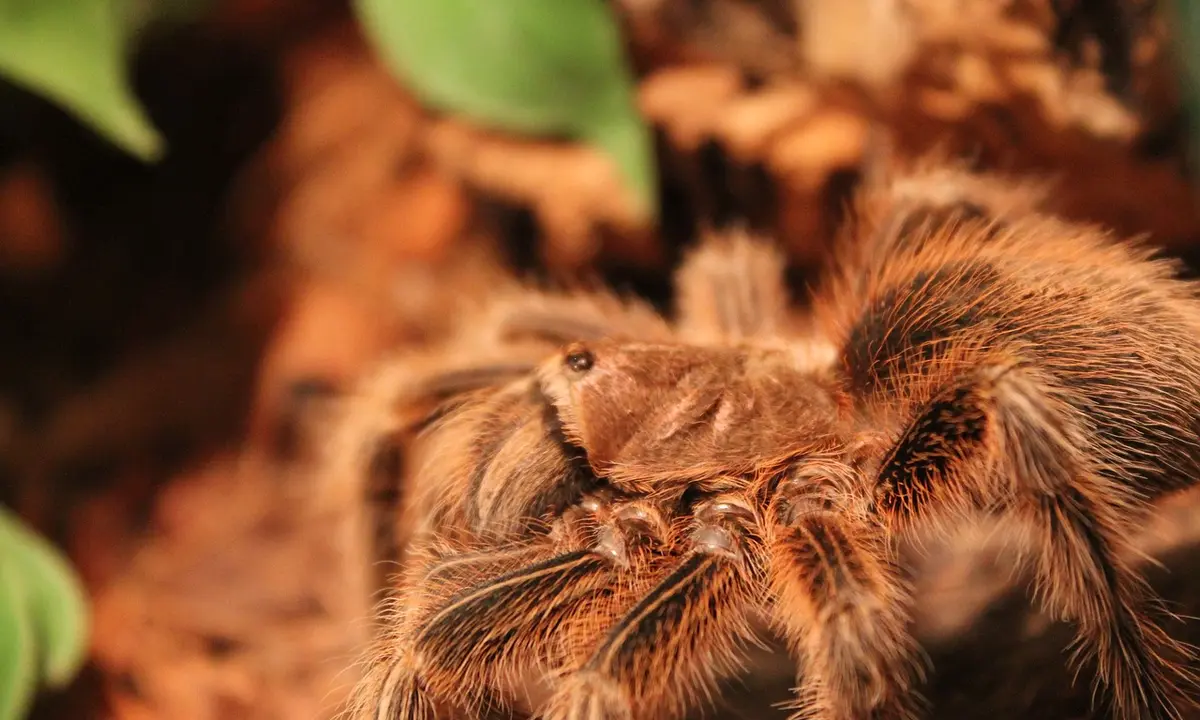
The good news is, yes, those bald patches will almost always regenerate. Complete regrowth is intrinsically tied to your tarantula’s molting cycle, as new hair and fresh urticating setae are only produced with a new exoskeleton. The timeline hinges entirely on your spider’s age and growth rate.
For a fast-growing juvenile like my OBT, Flash, a bald spot from kicking might disappear in just a few months after its next molt. For an adult female like my 15-year-old G. rosea, Rosie, who may only molt once every year or two, the wait can feel interminable. Patience is not just a virtue here; it’s a fundamental requirement of tarantula keeping. You cannot rush the biological process.
What to Expect During the Molt
The magic happens during ecdysis. As the tarantula extracts itself from its old skin, its new exoskeleton-including all bristles and hairs-is soft, pale, and perfect. In that vulnerable moment, the spider is completely reborn, its defenses physically renewed. The bald abdomen will now be covered in a lush, velvety layer of hair, and flickable urticating setae are fully recharged. I’ve watched my T. stirmi, Goliath, emerge with a breathtakingly dense, chocolate-brown coat where once there was a stark, bare patch.
Preventing Problematic Hair Loss: Best Practices
While defensive kicking is natural, excessive hair loss is a sign we can improve the husbandry. The goal is a content spider that feels secure enough to keep its defenses in reserve.
Prioritize Enclosure Hygiene
A clean home is a healthy home. I spot-clean boluses (prey remnants) and feces weekly. Stagnant water is a vector for bacteria and mold; I refresh the water dish with dechlorinated water every two days without fail. Every 6 to 12 months, depending on the species and enclosure size, I perform a full substrate replacement. This prevents mite blooms and fungal growth that can irritate a tarantula’s sensitive abdomen and legs.
Master Species-Specific Care
Generalizations cause stress. My moisture-dependent T. stirmi thrives at 75-80% humidity with damp substrate, while my arid-loving G. rosea would develop lesions in the same conditions. Research is your first and most important duty: know your pet’s exact humidity range, temperature gradient (usually 70-80°F for most), and space requirements. A cramped arboreal will web frantically and kick hairs; a terrestrial without enough substrate to dig will feel exposed and defensive.
Design a Low-Stress Home
Think like a shy, eight-legged architect. A proper hide is non-negotiable-cork bark, half-logs, or angled slate work perfectly. For burrowing species, provide substrate depth at least 1.5 times their leg span; my juvenile OBT uses every inch to construct intricate, felt-lined tunnels where it feels safe. Use gentle, ambient room lighting, never direct heat lamps or bright LEDs pointed into the enclosure. Their world should feel private and peaceful.
Respect Their Space
This is the cornerstone of “Look, Don’t Touch.” Limit opening the enclosure to feeding, watering, and necessary maintenance only. Constant intrusion for photography or rearrangement is a profound stressor. When you must interact, move slowly and deliberately. Use long tongs for debris removal to avoid startling vibrations. By honoring their need for quiet solitude, you build a foundation of security. A secure tarantula is far less likely to see you as a threat worth bombarding with urticating hairs. In quarantine, cleaning should be done with heightened care, keeping disturbance to a strict minimum. If you must intervene during enclosure cleaning, use long tools and move slowly and briefly to minimize stress and exposure.
FAQs
Is tarantula hair loss normal?
Yes, hair loss is often a normal part of a tarantula’s life, especially for New World species that use urticating hairs for defense. It can also occur naturally during the pre-molt phase as the old exoskeleton detaches. However, if hair loss is accompanied by other signs like discoloration or unusual behavior, it may warrant closer inspection.
Could bald spots be a sign of stress in my tarantula?
Definitely, bald spots frequently indicate stress, particularly from chronic defensive hair kicking triggered by perceived threats. Factors like excessive handling, loud vibrations, or an exposed enclosure can cause this stress response. Reducing disturbances and optimizing the habitat can help your tarantula feel more secure and minimize hair loss.
How can I treat my tarantula’s hair loss?
Focus on correcting husbandry issues by ensuring proper temperature, humidity, and safe substrate for your species. Minimize stress by limiting enclosure openings and providing ample hiding spots. For suspected illnesses like infections or parasites, consult an exotic vet, but most cases resolve with improved care and the next molt.
Will the hair on my tarantula grow back?
Yes, hair typically regrows completely after a successful molt, as new hairs are part of the fresh exoskeleton. The timing depends on your tarantula’s age and growth rate, with juveniles seeing faster regrowth than adults. Ensure optimal conditions to support a healthy molt and full recovery of its coat.
The Path to a Healthy, Hairy Tarantula
Successfully navigating hair loss in your tarantula boils down to one core principle: you are the steward of their environment. Your primary role is to identify and eliminate stressors-be it excessive handling, vibrations, incorrect humidity, or an ill-fitting enclosure-to create a space where your spider feels secure enough to simply exist. The bald abdomen of a chronic hair-kicker or the sparse carapace of a dehydrated specimen speaks directly to the conditions you provide. In particular, curly hair tarantulas thrive when you read their behavior and habitat details accordingly. This care guide links behavior, habitat, and routine to support their well-being and shedding cycles.
Watch them closely, not with worry, but with the quiet admiration of a naturalist. Observe the meticulous patching of a silken burrow entrance after a misting, or the patient, motionless ambush at the edge of their hide. These are the signs of a content tarantula. Growth and healing in this hobby are measured in molts, not days. That dusty pink ‘pet rock’ refusing food for months, or that brilliant orange whirlwind webbing its world shut-they each operate on a timeline written in their genes. Respect that rhythm, provide a stable foundation, and you will be rewarded with the profound privilege of witnessing their complete, unburdened lives.
Further Reading & Sources
- 2 Reasons Why Your Tarantula Is Losing Hair – Cute Monster Care
- Why Is My Tarantula Losing Hair? Expert Answers & Solutions
- Tarantula Hair Loss on abdomen | Arachnoboards
Arlo is a lifelong arachnid enthusiast who believes tarantulas are the world’s most misunderstood roommates. With years of hands-on experience in tarantula care, habitat setup, and species behavior, Arlo combines expert knowledge with a dash of humor to make spider ownership less scary and a lot more fascinating. From choosing the right enclosure to understanding why your eight-legged buddy is doing that weird little pose again, Arlo is here to help you become the best tarantula parent you can be, without getting tangled in the web of misinformation.
Common Diseases