
Why Is My Tarantula Not Webbing? A Diagnostic Checklist for Keepers
Published on: December 23, 2025 | Last Updated: December 23, 2025
Written By: Arlo
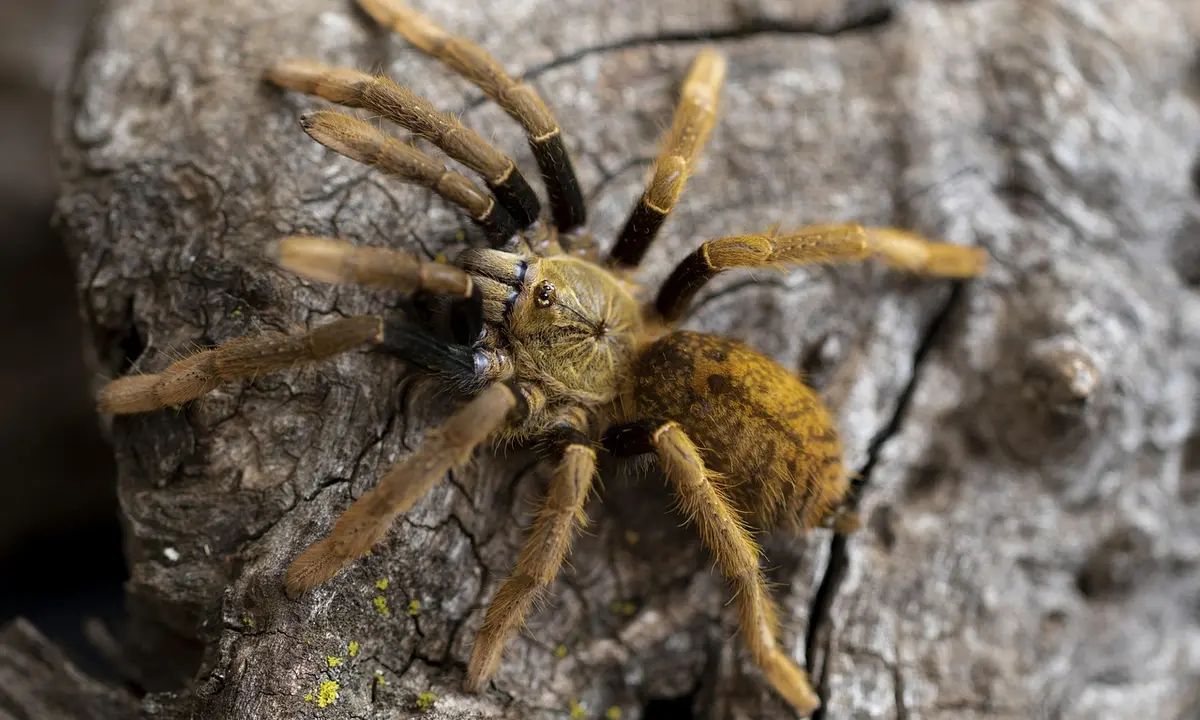
For species like the Orange Babbler Tarantula (Pterinochilus murinus), known for rapidly transforming their enclosures into dense silken tunnels, a sudden lack of webbing isn’t just unusual-it’s a clear signal from your pet. If your once-busy webber has gone quiet, this guide provides a clear diagnostic path. In some cases, like with my fifteen-year-old Chilean Rose Hair, a complete absence of webbing is perfectly normal behavior. For many others, a change in webbing habits is one of the clearest, non-invasive indicators of their internal state and environmental satisfaction.
- Quick Stats:
- Origin: Varies by species (e.g., OBTs from Africa, Avics from South America)
- Type: Both New World (often heavy webbers) and Old World (frequent webbers)
- Growth Rate: Fast-growing species typically web more actively
This guide will walk you through a systematic checklist to decode your tarantula’s silence, transforming concern into understanding.
Understanding Tarantula Webbing: Normal Behavior vs. Cause for Concern
To diagnose a lack of webbing, you must first grasp its purpose. Silk is a tarantula’s versatile survival kit, serving functions far beyond simple decoration. Observing my own collection reveals these roles in action.
- Shelter: Species like my OBT, Flash, weave dense, silken tunnels and retreats. This webbing creates a secure, darkened space that reduces stress and provides a defensive advantage.
- Prey Detection: Trip lines and sheet webbing act as a vibration-sensitive alarm system. The silence of the enclosure is broken by these subtle signals, triggering a sudden strike.
- Moisture Retention: For humidity-dependent species like my Burgundy Goliath (Theraphosa stirmi), webbing helps trap ambient moisture. This microclimate is critical for preventing fatal dehydration.
- Egg Sac Protection: A reproductive female will spin a thick, silken cradle for her eggs. This sac shields the developing spiderlings from physical damage and desiccation.
Normal webbing varies immensely. You cannot compare the webbing of a juvenile to an adult, or a terrestrial to an arboreal, and expect the same results. My 15-year-old Rosie (Grammostola rosea) has barely spun a web in her life, while Flash webs his entire world.
For different life stages:
- Spiderlings: Webbing is often minimal-maybe a few anchoring strands near a hide. Energy is directed toward growth and frequent molts.
- Juveniles: Webbing activity typically increases. Many will line burrows or construct more elaborate shelters as they establish territory.
- Adults: Mature females often have extensive, permanent web structures. Adult males may abandon webbing almost entirely to wander in search of a mate.
Discerning typical from concerning behavior is key. A lack of webbing is only a red flag when it represents a drastic change from the individual’s normal habits. Watch for these signs.
Signs a lack of webbing is likely normal:
- The species is known for terrestrial, non-web-heavy habits (e.g., many Grammostola).
- The tarantula is eating, drinking, and has a healthy body condition.
- It utilizes other provided hides and shows no visible stress postures.
Signs a lack of webbing may indicate a problem:
- A prolific webber (like an arboreal Psalmopoeus) suddenly stops all silk production.
- The tarantula appears lethargic, dehydrated, or has a shriveled abdomen.
- The enclosure humidity or temperature is outside the species’ preferred range.
First Steps: Key Questions for Your Diagnostic Checklist
Do not adjust your husbandry in panic. Systematically answer these five questions first; they form the cornerstone of responsible troubleshooting. I follow this checklist every time one of my tarantulas alters its routine.
- What is the species and its natural webbing propensity? Research is non-negotiable. An Old World arboreal like an OBT is expected to web heavily, while a New World fossorial might only web its burrow entrance. Compare your tarantula to its wild cousins.
- How old is the tarantula and what is its sex? Age and sex dramatically influence behavior. A mature male will likely web very little as his sole focus becomes finding a mate, a behavior I’ve seen in rehoused males that become restless.
- How long has it been in its current enclosure? Tarantulas need an adjustment period after a rehousing. A pause in webbing for a week or two is standard as they explore and settle. My Goliath took nearly a month to fully web his new, humid bioactive setup.
- When was its last successful molt? Premolt tarantulas often become reclusive and cease web maintenance. Post-molt, they are soft and vulnerable, avoiding silk work until their new exoskeleton hardens. This cycle can explain weeks of inactivity.
- What is its recent feeding history and body condition? A tarantula with a plump abdomen may feel no urgency to web for prey detection. Conversely, a skinny or dehydrated tarantula may lack the caloric resources to produce silk. Gently assess the abdomen’s size and shininess.
Common Husbandry Reasons for Lack of Webbing (And How to Fix Them)
Environmental Factors
Webbing is a physical product of your tarantula’s internal state, and the environment directly influences that. Incorrect humidity is a primary reason many tarantulas abandon web-building, as silk production is metabolically costly and sensitive to moisture. For moisture-dependent species like my Burgundy Goliath (Theraphosa stirmi), aim for 75-85% humidity; too low, and the silk becomes brittle and difficult to manipulate, too high, and the enclosure becomes a stagnant, stressful mold risk. For arid species like my Chilean Rose Hair (Grammostola rosea), keep it much drier, around 50-60%, as constant dampness can cause stress and reluctance to web.
Temperature dictates metabolism. Most tarantulas weave best within a stable range of 70-80°F (21-27°C), a zone where their digestive and silk glands operate efficiently. A tank that dips consistently below 70°F can slow your tarantula into a lethargic state where webbing seems like an unnecessary expenditure of energy. In scientific terms, a tarantula’s metabolic rate rises with temperature, which can increase appetite and support growth within safe limits. Conversely, cooler temperatures can blunt hunger and slow development.
Ventilation and lighting are about perceived security. Cross-ventilation prevents foul air but avoid direct drafts, which can make a tarantula feel exposed and unstable. Tarantulas are cryptic creatures; intense, direct lighting can inhibit the natural, confident behavior needed to web. I use indirect room light or very low-output LED strips for viewing my OBT, Flash, whose orange form practically glows in the dim.
Enclosure Setup Issues
Think of the enclosure as the loom. Without a proper frame, weaving cannot begin. Insufficient anchor points are the most common setup flaw I see in consultations; tarantulas need stable structures to secure the foundational lines of their web. Other critical problems include substrate that is too dry or sandy to hold a burrow, a lack of deep hides for security, and an oversized enclosure that feels vast and indefensible to a small animal. These are just a few of the common mistakes to avoid when setting up a tarantula enclosure.
Here is a step-by-step fix you can apply today:
- Add vertical and horizontal cork bark flats. This provides perfect, textured anchoring surfaces. I siliconed bark to the back wall of Flash’s tank, and within hours he had strung base lines across it.
- Adjust your substrate. For burrowers, use a moisture-retentive mix like coco fiber or topsoil, packed down to a depth of at least 1.5 times the tarantula’s leg span. This allows for secure excavation and tunnel lining with silk.
- Provide a proper hide. A cork bark round or half-log buried partly in the substrate creates a core shelter they will always web around.
- Clutter the space. Add silk or plastic leaves around the hide’s entrance. This creates “cover” that encourages them to venture out and connect these points with web lines, making the entire space feel safer and more usable.
Feeding and Nutrition
Webbing is work. A tarantula operating at a caloric deficit will conserve energy for vital functions, often sacrificing web construction first. Underfeeding, or offering prey that is too small to provide a meaningful meal, results in a low-energy animal with little drive to engineer its environment. I learned this early with skittish slings; a well-fed tarantula is a confident, active one.
Adopt a consistent schedule. For most juveniles, one appropriately-sized prey item (like a cricket no larger than the tarantula’s carapace) per week supports growth and webbing energy. Adults may eat less frequently. Recognize a healthy weight: the abdomen should be plump and rounded, but not so distended it resembles a grape and impedes movement. A shrunken, wrinkled abdomen is a clear sign of underfeeding.
How Molting Cycles Disrupt and Change Webbing Behavior
The molt cycle completely rewrites your tarantula’s behavior manual. In the weeks pre-molt, you may observe a dramatic increase in webbing as the tarantula spins a thick, security “curtain” around its hide to create a safe, controlled space for the vulnerable process of ecdysis.
That intense activity is followed by total silence. After emerging from the old exoskeleton, your tarantula will not web at all for a period while its new, soft cuticle hardens and its fangs darken and solidify. During this time, which can last 7-14 days for a larger spider, they are exceedingly fragile and will often remain motionless in a sheltered spot.
Webbing typically resumes within two weeks post-molt, starting with minor repairs to the existing structure. You should only become concerned if no webbing activity is seen a full month after a molt, especially if combined with refusal of food and general lethargy, which could point to deeper health issues. Patience is key; their internal clock, not ours, dictates this delicate timeline.
Species-Specific Webbing Habits: Setting Realistic Expectations
Not all tarantulas are master weavers, and their silk production is deeply tied to their ecology. Setting accurate expectations based on species prevents unnecessary worry and ensures you’re reading the right behavioral cues. If you’re new to tarantulas, this beginner-friendly introduction will help you know what to expect from different species. It covers basic care and common behavioral cues to look for.
Heavy Webbers (e.g., Arboreal and Some Fossorial Species)
-
Chromatopelma cyaneopubescens, the Greenbottle Blue, is a weaving virtuoso where a lack of dense, blue-tinged silk is a genuine health indicator. For these arid-loving terrestrials, a complex web mat is their castle, nursery, and tripwire system all in one.
-
Arboreal species like those in the Avicularia genus rely on webbing as a functional safety net and communication grid. They anchor themselves with silk to prevent falls and line their cork tubes to sense the slightest vibration.
-
My Pterinochilus murinus, Flash, exemplifies prolific fossorial webbing, transforming any enclosure into a silken funnel within days. His bright orange form is often just a shadow behind a thick, layered curtain of silk used for security and prey capture.
Light or Opportunistic Webbers (e.g., Many Terrestrial Species)
-
Grammostola rosea, like my 15-year-old Rosie, are famously minimalist webbers where sparse silk is completely normal. She might lay a temporary mat for molting or ignore webbing altogether for years, reflecting her sedentary, “pet rock” lifestyle.
-
Many New World terrestrial tarantulas, such as Brachypelma hamorii, use silk opportunistically rather than architecturally. You may only see a few strands securing their burrow entrance or a small patch where they digest their meals. These subtle silk traces hint at the purpose of their burrows. In the ultimate guide to tarantula burrows, we’ll explain why they dig and how their burrows support their survival.
-
A clean, open substrate is typical for species like Aphonopelma chalcodes. Their energy goes into digging and waiting, not spinning extensive web networks.
Adult Male Behavior
-
A mature male’s behavior shifts radically after his ultimate molt, leading to abandoned web maintenance as he wanders. This is a natural, irreversible life-stage change driven by the urge to find a mate.
-
This single-minded focus on patrolling means old web structures will decay and not be replaced. Do not misinterpret this as illness; it is a sign of a mature, healthy male fulfilling his biological purpose.
-
I’ve rehoused mature males that completely ignored perfect hides and water dishes. They paced the enclosure borders, tapping their pedipalps, consumed by a instinctual drive that overrides all other behaviors.
When Lack of Webbing Signals Stress or Health Problems
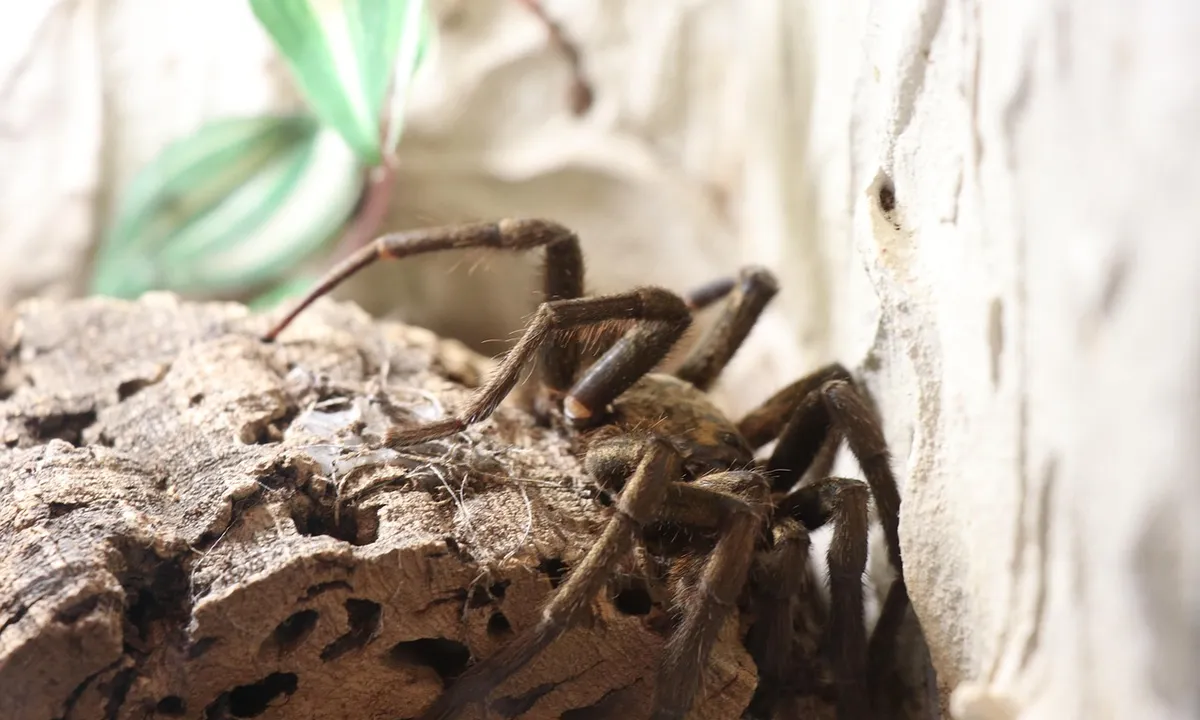
While often normal, a sudden cessation of webbing in a known webber, combined with other signs, can be a warning. Always cross-reference the absence of silk with other physical and behavioral symptoms.
-
Lethargy or abnormal posture paired with no webbing is a primary red flag. A tarantula sitting in a constant “death curl” or flat, legs splayed, for days needs careful assessment.
-
Refusal to eat for extended periods beyond your species’ normal fasting rhythm correlates with stress. My G. rosea fasts for months, but my juvenile T. stirmi refusing a meal would prompt an enclosure check.
-
Staying in the open constantly, especially for a burrowing species, can signal environmental dissatisfaction. If Goliath, my humidity-loving T. stirmi, is always exposed, I immediately verify his substrate moisture and hide security.
-
You must adopt a “Look, Don’t Touch” approach to minimize stress during observation. Never poke or handle a suspect tarantula; use a soft brush for only the gentlest guidance if a move is medically necessary.
-
Consult an exotic veterinarian or experienced breeder if you observe signs of injury or illness. Symptoms like a drooping abdomen, fluid leaks, discolored fangs, or a severely stuck molt require professional intervention beyond husbandry adjustments.
Optimizing Your Tarantula’s Habitat for Natural Webbing Behavior
Seeing an empty enclosure where silken tunnels should be can be puzzling. From my years keeping everything from pet rocks to defensive webbers, I’ve learned webbing is a sign of a tarantula feeling secure in its space. Webbing is a resource-intensive behavior, and your tarantula will only invest that energy if its core environmental needs are consistently met. Use this checklist to proactively tweak the habitat and encourage this natural instinct.
-
Ensure stable humidity and temperature gradients.
Tarantulas are exquisitely tuned to atmospheric conditions. A stable gradient allows them to thermoregulate, which directly influences metabolism and silk production. My Burgundy Goliath Bird Eater (T. stirmi), for instance, only began his extensive ground web mat when I dialed in his warm-end humidity to a steady 80-85% at 82°F. Invest in a digital hygrometer and thermometer placed at substrate level to eliminate guesswork, and adjust heating or ventilation slowly to avoid sudden swings. Having the ideal temperature and humidity ranges for a tarantula enclosure plumbed in will help maintain optimal conditions.
-
Use textured décor like cork bark and fake plants for anchor points.
Silk needs something to grip. Smooth glass walls are a barren landscape for a web-building tarantula. I use cork bark flats, cholla wood, and sturdy silk plants to create a three-dimensional framework. My OBT, Flash, went from occasional strands to a complete silken fortress within days of adding a vertically positioned cork slab. Anchor points should be securely placed and offer varied angles to stimulate the complex geometry of a natural web.
-
Maintain a clean enclosure with spot-cleaning to prevent mold and pests.
Decomposing prey remnants or waste can lead to mold blooms and mite infestations, creating a stressful environment. Stress is a primary suppressor of webbing. I use long, flexible tweezers for weekly spot-cleaning in my Chilean Rose Hair’s (G. rosea) enclosure, carefully removing boluses without disturbing her chosen hide. A meticulously clean substrate reduces pathogen load and allows your tarantula to direct its energy toward constructive behaviors like web-spinning.
-
Allow for an adjustment period after any rehousing or major change.
Tarantulas are neophobic; a new enclosure is a vast, unfamiliar territory they must methodically explore and claim. After rehousing my docile G. rosea, Rosie, she typically refuses to web or even eat for several weeks as she acclimates. Resist all temptation to rearrange décor or “check in” during this phase; constant disturbance tells your tarantula the area is not yet safe to invest in. Keeping the enclosure calm also helps prevent common health issues beginners see, like failed molts and dehydration. A stable, quiet setup supports regular eating and hydration.
Common Questions
How long after a molt should I expect my tarantula to start webbing again?
After a molt, your tarantula needs time for its new exoskeleton and fangs to harden completely. You should not expect any webbing activity for at least 7 to 14 days post-molt. Minor web repairs or new construction typically resume within two weeks as the tarantula regains strength and confidence. Only consider it a concern if no webbing activity is seen a full month after the molt, especially if paired with other issues like refusing food.
Can an enclosure be too big for my tarantula to web?
Yes, an oversized enclosure can feel vast and indefensible, discouraging a tarantula from investing energy in webbing. A spacious tank without adequate clutter or anchor points can stress the animal, as it cannot effectively establish a secure territory. To encourage webbing, ensure the enclosure is appropriately sized and filled with secure hides, cork bark, and foliage to break up the open space. This creates a “frame” that makes the area feel manageable and worth fortifying with silk.
When is a lack of webbing considered an emergency?
A lack of webbing alone is rarely an emergency, but it becomes urgent when paired with specific distress signals. Immediate red flags include a tarantula sitting in a constant “death curl,” showing a severely shriveled or leaking abdomen, or displaying obvious signs of injury. If the tarantula is a prolific webber and has stopped all activity while also refusing food and appearing lethargic for an extended period, it’s time to consult an experienced breeder or exotic veterinarian. Always prioritize observing other physical and behavioral symptoms alongside the absence of silk.
Do adult male tarantulas ever web?
After their ultimate molt, mature male tarantulas undergo a dramatic behavioral shift where web-building is almost always abandoned. Their biological drive becomes singular: to wander and find a mate. You may see them completely ignore and allow existing web structures to decay, which is a normal, healthy sign of maturity. This lack of web maintenance should not be mistaken for illness; it is a natural, irreversible stage of their life cycle focused on reproduction. Compared to females, mature males generally have shorter lifespans and a more restless temperament as they search for mates. Female tarantulas, by contrast, often live longer and display steadier temperaments, which can influence long-term care costs and enclosure planning for keepers.
What’s the best way to encourage webbing without stressing my tarantula?
The key is to optimize the habitat for security and resource availability, then exercise patience. Ensure stable temperature and humidity, provide ample textured anchor points like cork bark, and maintain a clean environment. For arboreal tarantulas, the quality and placement of anchor points for arboreal tarantulas are crucial, as secure anchors support natural webbing behavior. Choosing sturdy vertical structures helps simulate their arboreal lifestyle and promotes meaningful webbing. Most importantly, after making these adjustments, allow for a significant adjustment period without further disturbances. Your tarantula will only invest energy in webbing when it feels consistently safe, so minimizing handling and enclosure changes is crucial to encouraging this natural behavior.
Long-Term Success
The most vital takeaway from any webbing dilemma is straightforward. For a tarantula to build, it first needs something to build on; ensuring a clutter of branches, cork bark, or artificial plants creates the essential anchor points for silk. Without this foundational complexity, the instinct to web has nowhere to go.
Shift your focus from the absence of webbing to the quiet drama of your spider’s other behaviors. I find immense peace watching my old-world Flash methodically line her burrow with silk, or seeing Rosie rearrange substrate grains with her palps. These moments are the hobby’s true reward. Your patience in providing a proper setup will always be met, in time, with a fascinating display of natural instinct.
Further Reading & Sources
- 4 Reasons Why Your Tarantula Is Not Webbing – Cute Monster Care
- Do Tarantulas Make Webs? The Surprising Truth About Tarantula Webs – Dragon’s Diet
- r/tarantulas on Reddit: OBT not webbing
Arlo is a lifelong arachnid enthusiast who believes tarantulas are the world’s most misunderstood roommates. With years of hands-on experience in tarantula care, habitat setup, and species behavior, Arlo combines expert knowledge with a dash of humor to make spider ownership less scary and a lot more fascinating. From choosing the right enclosure to understanding why your eight-legged buddy is doing that weird little pose again, Arlo is here to help you become the best tarantula parent you can be, without getting tangled in the web of misinformation.
Understanding Tarantula Behavior