
Why Do Tarantulas Bite Humans? Causes and Prevention
Tarantulas bite humans only under extreme duress, viewing our large size as an insurmountable threat rather than prey. In my years of breeding everything from docile Grammostola to defensive OBTs, I’ve seen bites are rare events rooted in miscommunication. This article breaks down the science behind a tarantula’s decision to strike and the husbandry shifts that prevent it. Understanding that a bite is a last-ditch defense, not aggression, is the first step to safer keeping.
Quick Stats:
- Origin: Found on every continent except Antarctica, from arid scrublands to humid rainforests.
- Type: Broadly categorized as New World (Americas, often possessing urticating hairs) or Old World (Africa, Asia, typically more rapid and defensive).
- Bite Likelihood: Exceptionally low with proper, respectful enclosure management.
This guide will provide the specific behavioral insights and handling protocols to navigate your tarantula’s world without triggering a defensive response.
The Simple Truth About Tarantulas and Bites in Captivity
In fifteen years with Rosie, my Grammostola rosea, I have never been bitten. The simple truth is captive tarantulas bite humans only when they feel threatened with no other option. These are not aggressive pets but defensive animals that prefer flight over fight. A bite is a last resort, a costly waste of venom they need for prey.
Think of their enclosure as a kingdom with defined borders. Your hand entering that space is an invasion. My burgundy Goliath bird eater (Theraphosa stirmi) would much rather kick a cloud of irritating hairs than commit to a bite. Respecting this boundary is the foundation of safe, stress-free arachnoculture.
Common Causes: What Triggers a Defensive Tarantula Bite?
-
Direct Handling or Restraint
This is the top cause. A tarantula has no concept of being held. This taps into a common myth that holding shows affection or trust. In reality, tarantulas don’t interpret touch as care; they simply react to instability. Its world becomes unstable, triggering a panic response. The risk of a fatal fall is far greater than the venom, making handling a serious welfare issue. I practice “Look, Don’t Touch” because even a docile species like Rosie can suddenly bolt from a height.
-
Provocation During Enclosure Maintenance
Accidents happen when you clean or redecorate. Poking a hide to check if it’s occupied can startle a tarantula. Using your hands to move items instead of long tongs invites a defensive strike. Always use tools and work slowly, giving the animal clear space to retreat before you proceed.
-
Perceived Cornering or Invasion
A tarantula with no hide sees your approaching hand as a predator closing in. This is common in sparse enclosures. My OBT, Flash (Pterinochilus murinus), will assume a threat posture if I loom over her web. Providing a secure retreat eliminates this panic, making the enclosure feel safe.
-
Protection of Eggs or Burrow
A female with an eggsac is driven by pure instinct. Her burrow is a nursery, and she will defend it with startling ferocity. This maternal drive overrides normal reclusive behavior, making a bite much more likely. Never disturb a brooding female; observe in silence.
-
Mistaken Identity During Feeding
If your skin smells like feeder insects, a fast, food-motivated tarantula might strike. The heat and vibration of your hand can mimic prey. Always wash your hands before enclosure work and use feeding tongs to drop prey precisely. I learned this after Goliath once struck the tweezers with such force I felt the vibration up my arm.
Reading the Signs: Tarantula Body Language and Stress Cues
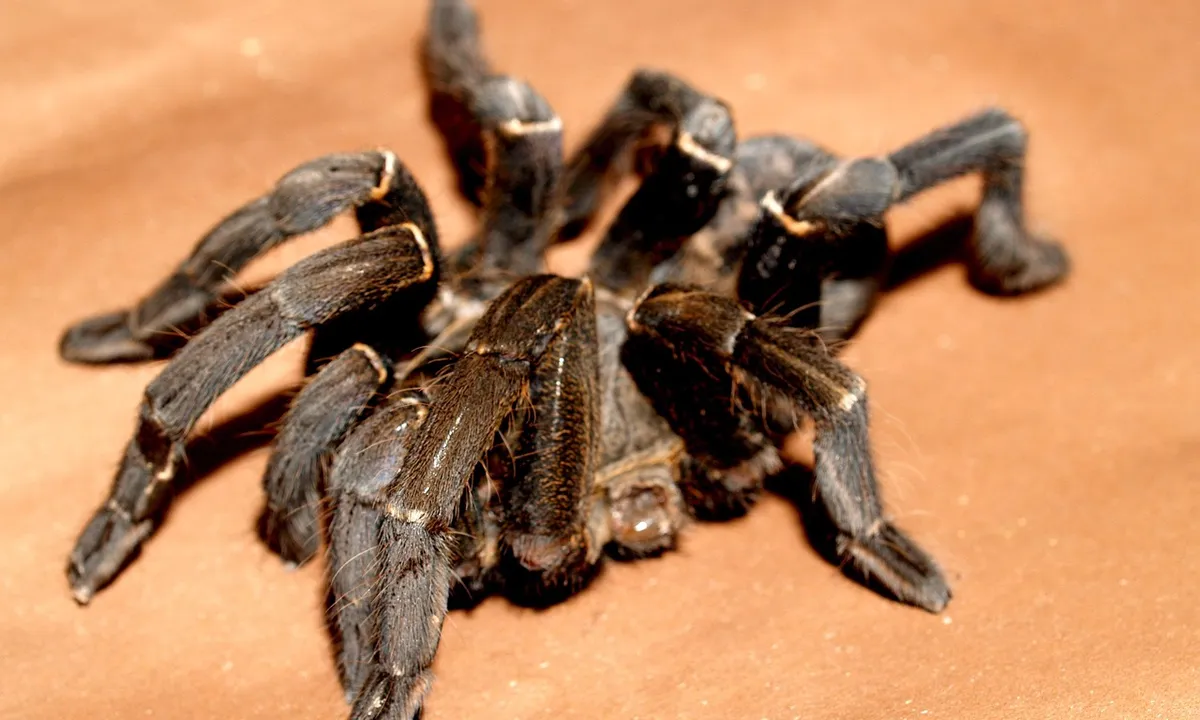
Observing your tarantula is a silent conversation. Their movements, posture, and speed tell you everything about their comfort level. Learning this non-verbal language is your most powerful tool for preventing a defensive bite. Methods such as stridulation and other signals play a key role in this communication. I have spent countless hours watching my three, and each has taught me distinct lessons in arachnid expression.
The Threat Posture: A Clear Warning
This is the tarantula’s definitive “stop” signal. The spider rears back, lifting its first two pairs of legs and cephalothorax high to expose the gleaming fangs. The abdomen may lower, and the pedipalps spread wide. This dramatic stance maximizes their apparent size and presents the venom delivery system directly toward the perceived threat. My OBT, Flash, assumes this posture with electric speed if I disturb his web during maintenance. The sudden display of that bright orange body and black fangs is a breathtaking, unambiguous command to back away.
Rapid Retreat or Defensive Hunch
Not all tarantulas confront. Many choose flight. A sudden, skittering dash into a hide is a clear sign of stress. Alternatively, some simply hunker down, pulling their legs in tightly against their body. This defensive hunch makes the tarantula a compact, protected object, often accompanied by a complete stillness that mimics a “pet rock” state. My old Chilean rose, Rosie, will do this for days if her enclosure is in a high-traffic area. It is not calmness, but frozen fear, and pushing further can shatter that tense silence. This isn’t calmness—it’s stress that may precede aggression. Other common signs of stress and potential aggression include a raised front with fangs exposed, a threat posture, or a sudden lunge when the enclosure is approached.
Increased Agitation and Speed
Watch for a shift in general tempo. A typically slow, deliberate tarantula that begins moving with hurried, jerky steps is broadcasting agitation. This heightened sensitivity often precedes a more dramatic defensive reaction, like a threat pose or a bolt for escape. I see this in Goliath, my bird eater, when humidity drops too low; his normally ponderous walks become quick, irritable taps across the substrate. It is a precursor to hair-flicking, a sign I use to adjust his environment immediately.
Species Matters: Understanding Higher-Defense Tarantulas
General advice fails here. A tarantula’s defensive strategy is deeply wired into its origin and anatomy. Your approach must be tailored, or you risk triggering the very behavior you hope to avoid. My own collection represents this spectrum perfectly, showcasing various temperaments species exhibit. Understanding species-specific temperament is essential in this context.
- Old World Terrestrials (e.g., P. murinus/OBT): These tarantulas, like my Flash, possess potent venom and lack urticating hairs. Their first line of defense is often a lightning-fast threat posture, not a retreat. They are wired to stand their ground. Their speed is not just for hunting; it is a defensive weapon that makes careless rehousing a serious risk. I have seen Flash move from a curled hide to a full threat pose in the blur of a shadow passing his tank.
- New World Heavyweight Tarantulas (e.g., T. stirmi): Species like my Goliath are hair-flicking champions. Their primary response is to kick a cloud of irritating urticating hairs from their abdomen. This is a long-range warning shot, and respecting it is paramount. However, if cornered or physically contacted, they can deliver a mechanically powerful, albeit less venomous, bite. Their size alone makes the experience memorable, as I learned when a missed prey item once prompted a defensive strike against his water dish.
- The “Pet Rocks” (e.g., G. rosea): Docile species like Rosie can create a false sense of security. Their default state is profound stillness. Bites from these tarantulas almost always result from prolonged, ignored stress or accidental pinching. Rosie once went eight months without eating, and during a cautious health check, a sudden move on my part resulted in a rare, slow-motion bite. It was a stark reminder that even the most placid animal has limits.
If a Bite Occurs: Venom Effects, First Aid, and Medical Care
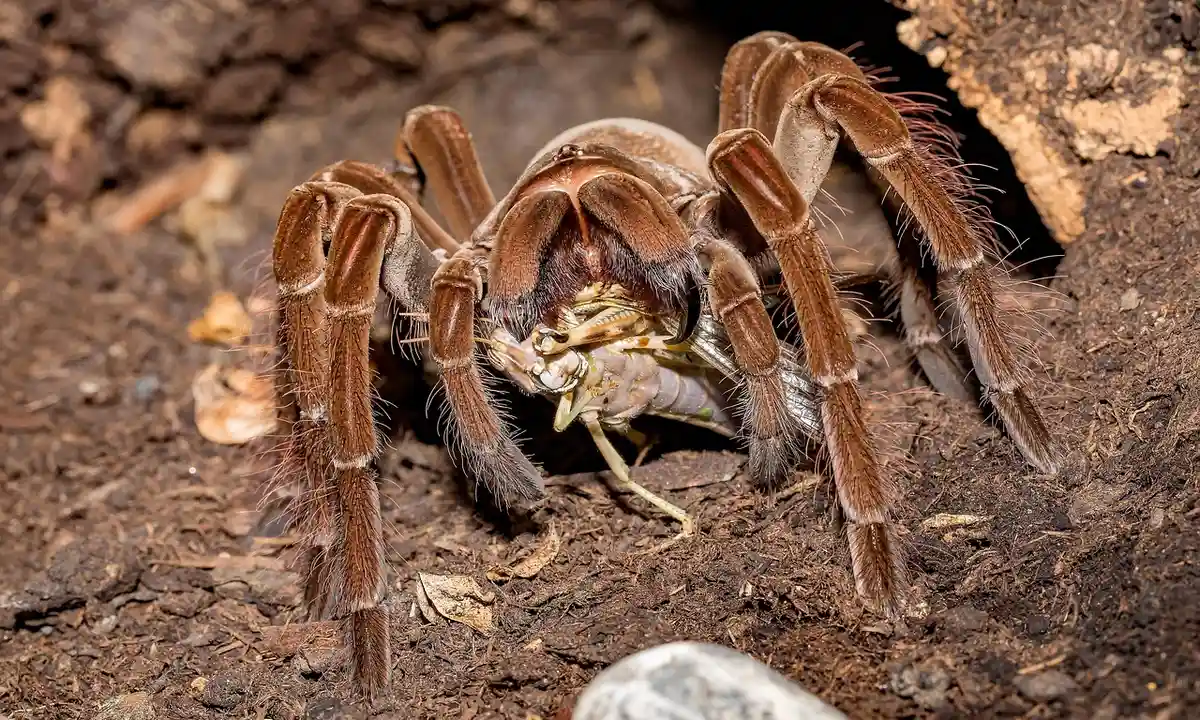
Understanding Tarantula Venom and Pain
A tarantula bite feels like a quick, sharp pinch followed by a deep, throbbing burn. The pain intensity depends entirely on the species, with most New World tarantulas like my old Rosie having venom no worse than a typical bee sting. Her bite would likely cause local pain and swelling for a few hours. That puts tarantula bite pain and symptoms on a familiar pain scale for most people. It also highlights the kinds of symptoms to watch for beyond the initial pain.
Old World tarantulas, such as my Pterinochilus murinus Flash, possess more medically significant venom. Their defensive bites can induce severe muscle cramps, nausea, and pain lasting days, which is why I never open Flash’s web fortress without a clear plan and deep respect. The silence of the enclosure before a defensive strike is a potent reminder of their power.
Immediate Wound Care Steps
If bitten, your priority is to stay calm and manage the wound promptly. Follow these steps in order.
- Wash the bite area thoroughly with soap and water.
- Apply a cold pack to reduce swelling and pain.
- Monitor closely for signs of infection or allergic reaction.
Use lukewarm water and mild soap, scrubbing gently for a full minute. Thorough cleansing removes bacteria and traces of venom from the skin’s surface, drastically cutting infection risk.
Wrap a cold pack or ice in a thin cloth and hold it against the bite. Apply cold for 10-minute intervals to numb the area and constrict blood vessels, slowing any venom spread.
Observe the site over the next 48 hours. Look for increasing redness, streaks, pus, or a fever, as these indicate a bacterial infection needing attention.
When to Seek Professional Medical Care
Most bites resolve with basic care, but certain symptoms demand a doctor’s visit. Seek immediate medical help if you experience difficulty breathing, a spreading rash, or dizziness, as these can signal a rare allergic reaction.
Intense pain that doesn’t subside with cold compresses or over-the-counter pain relievers is another red flag. For bites from Old World species or if you have a compromised immune system, err on the side of caution and get professional evaluation. I keep a note of my tarantulas’ scientific names in my phone for this very reason.
Proactive Prevention: Building a Bite-Free Care Practice
Mastering Safe Enclosure Interaction
Your hands should rarely, if ever, enter the tarantula’s space. I use 12-inch stainless steel feeding tongs for all tasks, from dropping crickets to adjusting water dishes, keeping my fingers far from fangs. Move with slow, predictable motions to avoid triggering a defense response. Equipping yourself with essential tarantula handling tools and safety gear is part of responsible care. Tools like long-handled tongs, forceps, secure enclosures, and protective eyewear help keep you and the tarantula safe.
During rehousing, I place the new enclosure directly against the old one and gently guide the tarantula with a soft brush. My Burgundy Goliath, who kicks irritating hairs, taught me to wear safety glasses and work over a large bin to contain any escapes. The goal is a calm transition, not a chase.
Choosing an Enclosure That Reduces Conflict
A good enclosure meets the tarantula’s needs so you disturb it less. For moisture-dependent species like my Theraphosa stirmi, a deep layer of moisture-retentive substrate like coconut fiber maintains high humidity without daily misting. This means fewer lid openings.
Ensure the enclosure is secure but accessible. Front-opening terrariums with multiple ports allow for feeding and watering without looming over the tarantula, which they perceive as a threat. For my heavy-webber Flash, I use an enclosure with a removable lid to avoid destroying her intricate funnel webs during maintenance.
Selecting a Species That Fits Your Comfort Level
Your first tarantula should be a calm, forgiving species. New World terrestrial tarantulas like the Grammostola rosea are ideal beginners because of their docile nature and mild venom. These traits make them among the best tarantula species for beginners. Starting with a calm, forgiving species helps first-timers learn care basics with less stress. My Rosie has been a steady, low-stress companion for 15 years.
Assess your tolerance for speed and defense. I recommend against Old World arboreals or defensive terrestrials like the OBT for newcomers; their rapid movement and potent venom require experienced, confident handling of care routines. Start with a “pet rock” to learn the rhythms of tarantula behavior before considering more advanced species.
FAQs
What are the most common situations that lead to a tarantula bite?
Bites usually occur when a tarantula feels trapped or threatened with no escape route, such as during direct handling or enclosure invasions. Accidental provocation during maintenance, like startling them with sudden movements, is another frequent cause. Protecting eggsacks or mistaking human contact for prey due to scent or vibration can also trigger a defensive strike. By avoiding these scenarios through mindful care, you significantly reduce bite risks.
Is a tarantula bite a sign of aggression?
No, a bite is never an aggressive act but a defensive response to perceived danger. This helps unpack the common misconception that tarantulas are aggressive. Tarantulas are typically shy and will retreat rather than engage, using bites only as a last resort when other defenses fail. They do not seek out humans as prey, so a bite reflects fear or stress. Understanding this helps foster a respectful and safe keeping approach.
How can I tell if my tarantula is stressed and likely to bite?
Watch for clear stress cues like rearing into a threat posture, skittering rapidly to hide, or displaying jerky, agitated movements. These behaviors indicate the tarantula feels threatened and may escalate to a bite if the stressor continues. Providing a secure environment with ample hides and minimizing disturbances can help calm them. Regular observation allows you to read their body language and intervene before defensive actions become necessary.
Are certain tarantula species more prone to biting than others?
Yes, species origin greatly influences bite likelihood. Old World tarantulas from Africa and Asia often have faster, more defensive temperaments and potent venom, making bites more probable if mishandled. New World species from the Americas tend to be slower and may prefer urticating hairs over biting. Selecting a docile, beginner-friendly species can lower bite chances as you gain experience.
The Keeper’s Path
Successful tarantula keeping hinges on one principle above all: respecting the animal’s space. The most effective bite prevention is a deliberate choice to minimize direct contact, understanding that your tarantula’s defensive behaviors are a natural response, not a personal slight. Prioritizing their need for security over our desire to handle them builds a foundation for their long-term health and your peace of mind. Designing a safe habitat with a secure enclosure, appropriate substrate, and ample hiding spots helps tarantulas feel secure and reduces bite risk. A stable, escape-proof environment supports both their safety and your own.
Shift your focus from touch to observation. The real reward lies in watching the engineering of a complex tunnel system, the meticulous repair of a silken funnel, or the sudden, precise strike at a passing cricket. I spend hours watching my OBT, Flash, add layers to her labyrinth, a far more fascinating spectacle than any brief hold could be. Cultivating this patience, this quiet appreciation for their natural behaviors, is the highest skill in our hobby. It transforms keeping from possession into a privileged study.
Further Reading & Sources
- Tarantula spider bite Information | Mount Sinai – New York
- Are Tarantulas Dangerous? | Poison Control
- Tarantula Spider Toxicity – StatPearls – NCBI Bookshelf
Arlo is a lifelong arachnid enthusiast who believes tarantulas are the world’s most misunderstood roommates. With years of hands-on experience in tarantula care, habitat setup, and species behavior, Arlo combines expert knowledge with a dash of humor to make spider ownership less scary and a lot more fascinating. From choosing the right enclosure to understanding why your eight-legged buddy is doing that weird little pose again, Arlo is here to help you become the best tarantula parent you can be, without getting tangled in the web of misinformation.
Handling and Interaction