
The Ultimate Guide to Tarantula Burrows: Why They Dig and How to Support It
Published on: November 27, 2025 | Last Updated: November 27, 2025
Written By: Arlo
For species like my 15-year-old Chilean Rose Hair, Rosie, the substrate is a realm to be sculpted-a instinctual drive that turns dirt into a sanctuary of humidity control and predator evasion. This guide deciphers that digging impulse, from the slow, deliberate excavations of New World fossorials to the rapid, web-reinforced tunnels of some Old World species. Success hinges not on interference, but on providing a deep, moist, and stable foundation that allows the tarantula to engineer its own safety.
Quick Stats: A Common Burrowing Exemplar (Grammostola rosea)
- Origin: Arid scrublands of Chile
- Type: New World, terrestrial with strong fossorial instincts
- Growth Rate: Very slow; a testament to patient husbandry
From the delicate first digs of a spiderling to the expansive tunnel systems of an adult, this guide delivers the precise husbandry to authentically support burrowing behavior at every life stage.
What is a Tarantula Burrow and How is it Built?
The Anatomy of a Sanctuary
Picture a tunnel that descends into cool, dark earth, its walls shimmering with a delicate silk lining. This is a tarantula burrow, a customized fortress built entirely with the spider’s body and instincts. From my years keeping everything from pet rocks like my G. rosea Rosie to heavy-bodied diggers like Goliath, the T. stirmi, I’ve seen burrows range from shallow scrapes to complex, multi-chambered networks. The architecture always serves one purpose: to create a perfect, controllable micro-environment where the tarantula is the master of its domain.
While each species has a style, most burrows share core components you can learn to recognize:
- The Entrance: Often camouflaged with substrate or a thick silk curtain. My OBT, Flash, weaves a dense funnel web that acts as both door and tripwire.
- The Silk Lining: This isn’t just decoration. The tarantula applies silk to the walls, which stabilizes the tunnel, detects vibrations from prey or threats, and helps maintain humidity.
- The Main Chamber: The primary living space, usually widened at a depth where temperature and humidity are most stable. This is where they rest, eat, and perform the vulnerable act of molting.
- The Bolthole: Many burrows feature a deeper, narrower escape route or a second chamber for extra security, a design I’ve seen in many fossorial species’ enclosures.
The Step-by-Step Digging Process
Watching a tarantula excavate its home is a lesson in patient, powerful engineering. They use their chelicerae (fangs) and pedipalps like tiny shovels and their rear legs to push substrate backward. The process is a silent, rhythmic dance of excavation and reinforcement that can take days or even weeks to complete. Here is the typical sequence I’ve observed in my captive tarantulas:
- Site Selection: The tarantula explores the enclosure, testing substrate moisture and firmness with its legs and palps. They often choose a corner or a spot near a cork bark piece for structural support.
- Initial Excavation: Using its fangs, it loosens compact substrate, then uses its front legs to gather and its back legs to push the dirt out in a growing pile behind it. My burgundy Goliath moves astonishing amounts of coconut fiber in a single night.
- Tunnel Shaping: As the hole deepens, the tarantula rotates its body, packing and smoothing the walls with its abdomen and legs to prevent collapse.
- Silk Application: This critical step turns a hole into a home. The spider deposits layers of silk from its spinnerets, creating a stable, sensory-lined tube. Fossorial species like many from Asia or Africa will line almost the entire tunnel.
- Finishing Touches: The entrance may be adorned with more silk, leaf litter, or substrate to create a discreet doorway. The tarantula then settles in, often facing outward, waiting in the perfect ambush position.
Why Burrowing is Non-Negotiable for Tarantula Health
Shelter from Stress and Predators
A burrow provides psychological safety we must respect. In the wild, exposure means death from birds, reptiles, or other spiders. In captivity, stress comes from constant light, enclosure vibrations, and our well-meaning but intrusive presence. Denying a burrowing species a proper opportunity to dig is like forcing you to live your entire life in the middle of a brightly lit, open field-it’s chronically stressful and unnatural. My defensive OBT, Flash, becomes significantly more reclusive and prone to threat posturing without sufficient web and burrow depth. This is why I fiercely advocate for a “Look, Don’t Touch” philosophy; it minimizes disturbance and lets the tarantula use its sanctuary as intended.
Precise Climate Control Inside the Burrow
The burrow acts as a natural HVAC system. As you dig down into substrate, humidity rises and temperature stabilizes. A tarantula can move up or down within its tunnel to find its perfect spot. For moisture-dependent species like the Theraphosa stirmi, a deep, humid burrow is not a preference-it is a physiological requirement for respiratory health and proper hydration. I maintain Goliath’s enclosure at 80-85% ambient humidity, but the humidity in his burrow is even higher, which he self-regulates by his depth. Conversely, my Chilean rose hair, Rosie, from arid scrubland, uses her shallow burrow to stay dry, which is why overly damp substrate can be dangerous for her species.
The Molting Sanctuary: Safety in Seclusion
Molting (ecdysis) is the most vulnerable time in a tarantula’s life. They must lie still on their backs, split their old exoskeleton, and slowly extract every limb, often over hours. During this time, they are soft, helpless, and cannot defend themselves. A secure, darkened burrow provides the essential privacy and physical protection needed for this delicate process to complete without injury or fatal interruption. I learned this early when Rosie, my normally visible rose hair, vanished for weeks only to reappear with a stunning new exoskeleton, having molted safely in a hidden chamber she’d dug. Disturbing a tarantula, especially when it has sealed its burrow entrance to molt, can cause catastrophic mismolts. Their burrow is their ultimate safe room.
Building the Ideal Burrowing Environment in Captivity
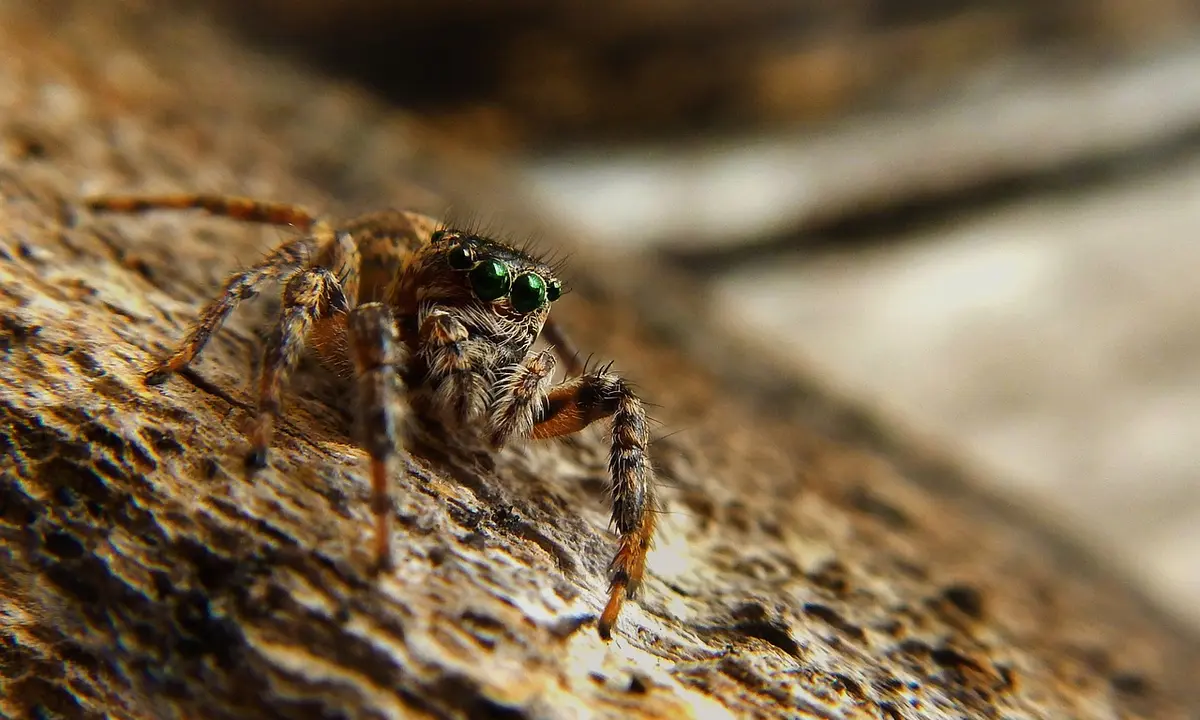
Creating a space where your tarantula feels secure enough to dig is a direct reflection of your care. A proper burrowing environment reduces stress, supports natural behaviors, and prevents health issues like desiccation or injury. Your goal is to replicate the structural integrity and microclimate of a natural burrow, which demands attention to three key elements: substrate, depth, and air flow.
Choosing and Preparing the Right Substrate
The substrate is the literal foundation of your tarantula’s world. It must be safe, retain shape, and hold moisture appropriately. I have tested many mixes over the years, and failure means a collapsed burrow or a stressed animal. When selecting the best substrate for a tarantula enclosure, look for a mix that holds its shape, drains well, and is easy to refresh. Regular monitoring and occasional topping up keep burrows intact and the spider thriving.
The best substrates are a balance of retention and stability, mimicking the packed earth a tarantula would encounter in the wild. Avoid anything with sharp edges, chemical additives, or loose fibers that can entangle legs.
Here are the most effective options I use:
- Topsoil or Peat Moss: A sterile, additive-free topsoil base is excellent. I combine it with sphagnum peat moss for my moisture-loving species like Goliath, my T. stirmi. This mix holds humidity well and packs firmly.
- Coconut Fiber (Coir): Widely available and affordable, coir is a fantastic all-purpose choice. It is pH neutral and retains water evenly. For my pet rock Rosie (G. rosea), I use a mostly dry coir mix, slightly dampened in one corner.
- Excavator Clay Mixes: These commercial blends create incredibly durable, tunnel-friendly structures. They are perfect for obligate burrowers. I learned their value after my OBT, Flash, kept having his intricate web tunnels collapse in standard substrate.
Preparation is simple but non-negotiable. You must always moisten and pack the substrate by hand before introducing your tarantula. For a typical mix, add water until a handful clumps together without dripping. This pre-packaging gives the burrow walls immediate stability, allowing your tarantula to start engineering its home right away. However, even with this initial moisture, it’s important to maintain a proper moisture gradient in the substrate to ensure your tarantula’s long-term health and comfort.
How Deep Should the Substrate Be?
Depth is not a one-size-fits-all measurement. It is dictated by your tarantula’s species, leg span, and instinct. Insufficient depth creates anxiety and prevents natural digging, while excessive depth can make it difficult for you to monitor your pet.
A good rule is to provide a substrate depth at least equal to your tarantula’s diagonal leg span (DLS), and often double that for dedicated diggers. Use this guide for specifics:
- For Terrestrial Species (e.g., Grammostola): A depth of 4 to 6 inches is usually sufficient. My Rosie has 5 inches in her enclosure, which she occasionally rearranges but rarely digs deeply into, true to her “pet rock” nature.
- For Opportunistic Burrowers (e.g., many Brachypelma): Offer 6 to 8 inches. They may use a hide or dig their own, and the option is key.
- For Obligate Burrowers (e.g., Pterinochilus, Haplocosmia): These species require 8 to 12 inches of packed substrate. My OBT Flash has 10 inches in his enclosure; he vanished into a complex tunnel system within hours and now only emerges at the entrance at night, a bright orange flash in the shadows.
- For Moisture-Dependent Giants (e.g., Theraphosa): Depth and humidity are linked. For Goliath, I maintain 8 inches of damp substrate to support both his bulk and his need for a humid microclimate below the surface.
Always pack the substrate down firmly. Loose, fluffy bedding cannot hold a tunnel’s shape and will frustrate your tarantula’s efforts.
Balancing Humidity and Ventilation for Burrow Health
A burrow has its own climate. The air inside is still, often more humid than the enclosure above, and critical for respiration and a successful molt. Getting this balance wrong is a common pitfall.
Stagnant, wet air fosters mold and bacterial growth, while dry, drafty air desiccates a sensitive molting tarantula. Your ventilation must be cross-flow, typically with vents on opposite sides of the enclosure, never directly blowing on the burrow area.
Manage humidity through the substrate, not the air. Here is my method:
- Identify Your Species’ Need: Research the natural habitat. My T. stirmi needs 75-85% humidity, while my G. rosea thrives at 40-50%.
- Create a Moisture Gradient: Do not soak the entire substrate. Pour water directly into one corner, down to the bottom layers. This creates a damp reservoir that slowly evaporates upward, keeping the burrow humid without surface wetness.
- Monitor the Burrow Entrance: Look for subtle signs. Webbing over the entrance often indicates your tarantula is sealing in moisture. A retreat from a bone-dry burrow is a sign to add water to that corner reservoir.
I learned the importance of gradient the hard way. Early on, I misted Flash’s enclosure, creating a soggy surface that collapsed his tunnels and a humid atmosphere that led to a mold outbreak. Now, I rely on the silent, steady evaporation from deep within the substrate to maintain the perfect burrow humidity, which I verify with a digital hygrometer placed near the enclosure floor. This method provides that crucial, stable microclimate your digging tarantula relies on for its most vulnerable moments.
Reading the Signs: Is Your Tarantula Happy in Its Burrow?
Observing your tarantula’s burrow is like reading a daily diary of its well-being. The architecture and usage of this space offer a transparent window into your spider’s physical and mental state. I’ve spent countless quiet evenings watching my Chilean Rose Hair, Rosie, reshuffle substrate at her entrance, a behavior that told me more about her mood than any textbook could.
Signs of a Content Burrower
A happy, digging tarantula exhibits clear, purposeful behaviors. You’ll witness regular maintenance, where your spider actively excavates, carries substrate, and reinforces tunnel walls. This isn’t random digging; it’s focused home improvement. In a tarantula boredom guide on environmental enrichment, such behaviors indicate engagement. These activities show your spider is exploring its world rather than being bored.
Look for these specific indicators of a thriving burrower:
- Strategic Webbing: Many species, like my Orange Bitey Thing, Flash, line their burrows with silk. This webbing stabilizes the walls and acts as a vibration sensor. A thick, well-maintained silken lining is a sign of security.
- The Ambush Posture: Seeing your tarantula waiting patiently at the burrow mouth, front legs resting lightly on the rim, signals a hunter at home. My Burgundy Goliath, Goliath, often assumes this pose in his humid hide, perfectly calm.
- Confident Feeding Response: A content burrower will readily strike prey that ventures near its domain, often dragging the meal inside to eat in privacy. This is a core sign of established territory.
- Choosing to Molt Underground: The ultimate sign of trust in its environment is when your tarantula seals itself in its burrow to molt. The burrow provides the secure, humid microclimate critical for a successful ecdysis.
- Gradual Expansion: Over weeks or months, a healthy tarantula may subtly enlarge its burrow, matching its growth. The entrance remains clean and clear of debris.
The silence of the enclosure, broken only by the occasional rustle of substrate, is the soundtrack of a tarantula that feels safe. My old-world Flash may be defensive, but deep in his intricate web tunnel, he is a picture of focused contentment.
Red Flags: When a Burrow is Abandoned or Unhealthy
Ignoring its burrow is one of the most significant signals your tarantula can give you. Prolonged abandonment of a previously used burrow often points to an environmental or health issue that demands your attention. If the enclosure smells off or the substrate looks dirty or moldy, that’s another clear sign it needs cleaning. Regular maintenance, including substrate refreshment, helps keep your tarantula healthy.
Be alert for these warning signs:
- Sudden and Permanent Exit: If your obligate burrower, like a juvenile Harpactira species, is now constantly sitting in the open, reassess your setup. Common culprits are incorrect humidity (often too wet) or substrate that collapses easily.
- Collapsed Tunnel Structures: Frequent cave-ins indicate substrate that is too dry, sandy, or lacks binding structure. A mix of 70% coconut fiber and 30% potting soil (no fertilizers) typically provides the right cohesion.
- Frantic, Surface-Level Digging: A tarantula scratching incessantly at the enclosure corners or glass, instead of digging down, is stressed. This can signal discomfort from pests, harmful chemicals, or vibrations.
- Burrow Used as a “Last Resort” Only: If the spider only retreats when frightened and bolts back out immediately, the burrow may not provide the right feel. For moisture-dependent species like Theraphosa stirmi, a burrow humidity below 80% can feel uncomfortably dry.
- Refusal to Enter After a Rehouse: While some adjustment time is normal, a tarantula that completely shuns a perfectly built starter burrow after a week might be in pre-molt or reacting to a foreign smell on your tools.
I learned this lesson when Rosie, my Grammostola rosea, abandoned her burrow for months; the problem was not illness, but a slight, constant draft from a nearby vent that I hadn’t noticed. Always correlate burrow behavior with other factors: appetite loss, excessive hair flicking, or a dulling carapace color. These red flags are your tarantula’s way of communicating-listening is the heart of respectful care.
Advanced Husbandry: Encouraging Natural Burrowing Behaviors
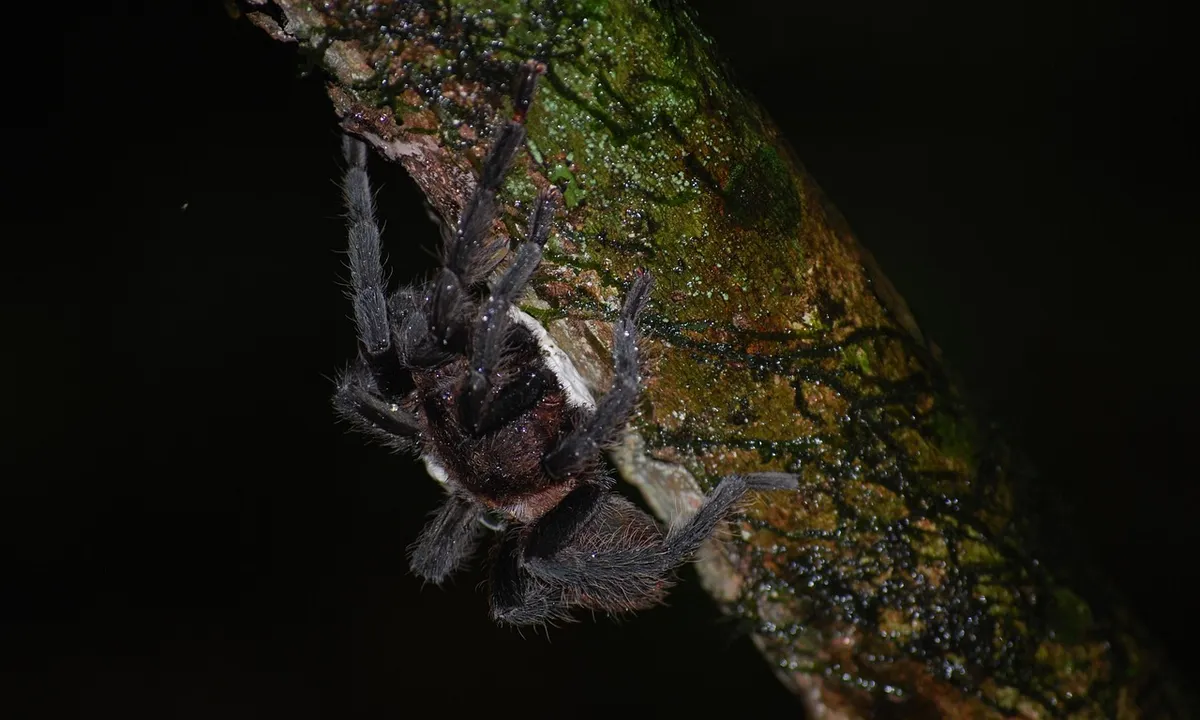
Moving beyond the basics means designing an environment that doesn’t just allow for burrowing, but actively invites it. Your goal is to make the tarantula feel so secure that its natural instincts override any hesitation caused by captivity. This requires observing their preferences and providing the right architectural prompts.
Creating Starter Burrows and Hides
Think of this as providing a blueprint instead of a finished house. A tarantula that receives a perfect, ready-made burrow may reject it, but one given a solid starting point will often eagerly customize it to their exact specifications.
I use this method for all my fossorial and obligate burrowers, like my P. murinus, Flash. The key is to create a secure, dark cavity that feels deeper than it is open, mimicking the initial stage of a wild burrow.
- Select a sturdy hide. A half-round of cork bark is ideal. Avoid lightweight plastic huts.
- Angle the hide against the side of the enclosure, preferably a back corner. This uses the enclosure wall as one side of the burrow.
- Pack a generous amount of slightly damp substrate tightly around and over the sides and top of the hide. Bury it until only the front opening is visible.
- Ensure the substrate inside the hide is deep and can be excavated. I often scoop some out to create a starter depression.
The result is a dark, earthen tunnel entrance. Most tarantulas will immediately investigate, then begin digging to extend the chamber downward or sideways. My OBT, Flash, took to a starter burrow within hours, webbing the entrance and gradually excavating a complex network I now only see with a flashlight.
For pet holes like my G. rosea, Rosie, a shallow starter burrow against a flat piece of slate can sometimes spark a rare digging session, a fascinating glimpse into their latent behaviors.
Considering a Bioactive Setup
A bioactive enclosure replicates a miniature ecosystem. For burrowing tarantulas, particularly moisture-dependent species like my Theraphosa stirmi, Goliath, it’s the pinnacle of supportive care. It manages waste, maintains stable humidity, and fosters a living substrate. In a guide to tarantula-safe plants and bioactive enclosures, you’ll learn which plants tolerate high humidity and stay safe for tarantulas. This knowledge helps you create a balanced, thriving habitat that supports natural behaviors.
The core components are simple:
- Substrate Foundation: A blend of coco fiber, organic topsoil, and sphagnum moss.
- Clean-Up Crew (CUC): Dwarf white isopods and tropical springtails. They consume leftover prey bits, mold, and waste.
- Botanical Layer: Leaf litter (oak, magnolia) on the surface. This provides food and cover for the CUC and enriches the substrate as it breaks down.
The living substrate acts like a slow-release humidity buffer, wicking moisture evenly and preventing the dangerous stagnation that can occur with simple wet spots. The isopods aerate the soil as they move, helping to prevent anaerobic pockets.
Setting one up requires patience. Establish your clean-up crew for a month before introducing the tarantula. This lets the microfauna population stabilize. For heavy burrowers like Goliath, I use a deeper substrate layer-10 to 12 inches-and ensure the leaf litter is plentiful. He has completely remodeled his bioactive enclosure, creating a vast, damp burrow system where the isopods help maintain cleanliness just outside his silk-lined chambers. It’s one of the best setups I’ve used; you can learn more about it here.
Remember, a bioactive tank is for observation, not interaction; you are curating a world for your tarantula, not a hands-on garden. It reduces your need to physically clean, thereby minimizing stress for an animal that thrives on quiet consistency.
Common Questions
How deep can tarantula burrows be?
In captivity, burrow depth depends on the species and the substrate depth you provide. For dedicated fossorial species, burrows can utilize the full 8 to 12 inches of offered substrate, creating extensive tunnel networks. In the wild, some species’ burrows can extend several feet deep to reach stable, cool humidity levels. The key in captivity is to provide enough packed, appropriate substrate to satisfy their instinct to dig down to a secure depth.
How long can a tarantula stay in its burrow during molting?
A tarantula may seal itself in its burrow for several weeks when preparing for and recovering from a molt. The pre-molt period alone, where they stop eating and become lethargic, can last weeks before the actual molt occurs. After molting, they remain vulnerable while their new exoskeleton hardens, often staying secluded for another week or more. It is crucial to never disturb a sealed burrow, as interruption can lead to a fatal mismolt. This sealing is a natural, protective behavior that signals the tarantula is preparing to molt or recover. Decoding this common behavior helps explain why it’s important to leave them alone during these times.
Do tarantulas share burrows with other spiders or animals?
No, tarantulas are solitary and cannibalistic creatures. They do not cohabitate or share burrows with other tarantulas or pets. A burrow is a solitary territory for a single spider. The only exceptions are during very brief mating encounters or when a female spiderling may stay with the mother for a short period after hatching. In captivity, housing tarantulas together always results in stress, injury, or death.
What are common signs that a tarantula’s burrow is unhealthy or abandoned?
Frequent tunnel collapse indicates substrate that is too dry or loose. Sudden, permanent abandonment by a burrowing species often points to incorrect humidity, chemical contamination, or underlying illness. A tarantula that only uses the burrow as a frantic escape route, rather than a home, suggests it does not find the environment suitable in terms of enclosure setup. Persistent surface-level scratching at the enclosure corners instead of digging is a sign of stress from an unsuitable setup.
How do you identify if a tarantula is using its burrow or actively exploring?
A tarantula actively using its burrow will maintain the entrance, often sitting just inside in an ambush posture, especially at night. You may see fresh substrate or silk webbing around the entrance from recent renovations. In contrast, a tarantula that is exploring or stressed will be seen walking the enclosure perimeter, on the walls, or in the open during the day, with no interest in retreating to its tunnel.
Can you create a naturalistic burrow with hides for tarantulas in captivity?
Yes, creating a “starter burrow” by partially burying a cork bark hide is an excellent way to encourage natural behavior. This provides a secure, dark cavity that the tarantula can then customize and excavate further. It is more effective than a fully pre-made burrow, as the tarantula prefers to finish the engineering itself. This method satisfies their instinct to sculpt their own sanctuary from a promising starting point.
The Long-Term Success
The single most critical parameter for a burrowing tarantula is providing a deep, stable substrate that holds a burrow’s shape and retains the correct moisture gradient, from damp at the bottom to dry at the surface. If this foundation is wrong, no amount of decoration or heating will compensate. Your spider’s natural digging instinct will be a source of stress, not enrichment, as it tries and fails to construct a safe home.
Beyond the substrate, your most powerful tool is patient observation. The joy of keeping a fossorial species is not in constant handling but in quiet witness. It is the sight of fresh, excavated soil at the burrow mouth at dawn. It is the sudden strike from the darkness when a cricket wanders too close. I have spent hours watching my old-world species like Flash meticulously line their tunnels with silk, a process of profound industry. Respect this privacy. Allow your tarantula the security to perform its natural behaviors, and you will be rewarded with a fascinating glimpse into a hidden life.
Further Reading & Sources
- r/tarantulas on Reddit: Question about burrowing?
- Tarantulas In Our Backyard – Sonoran Images
- How to identify a tarantula burrow – Quora
Arlo is a lifelong arachnid enthusiast who believes tarantulas are the world’s most misunderstood roommates. With years of hands-on experience in tarantula care, habitat setup, and species behavior, Arlo combines expert knowledge with a dash of humor to make spider ownership less scary and a lot more fascinating. From choosing the right enclosure to understanding why your eight-legged buddy is doing that weird little pose again, Arlo is here to help you become the best tarantula parent you can be, without getting tangled in the web of misinformation.
Substrates and Decor