
Behavioral Differences: Old World vs New World Tarantula Temperament
Published on: June 8, 2026 | Last Updated: June 8, 2026
Written By: Arlo
The most critical split in tarantula keeping isn’t size or color-it’s the profound behavioral gulf between Old World and New World species. I learned this the hard way during a rehousing, when my Old World OBT, Flash, became an orange bolt of lightning. My New World Rosie, in contrast, is a study in glacial patience. This article maps the why and how of these temperaments. Your ability to predict behavior is the single greatest factor in preventing escapes, reducing stress, and ensuring a long, healthy life for your spider.
Quick Stats:
- Old World Tarantulas: Origin: Africa, Asia, and surrounding regions. Type: Old World. General Growth Rate: Typically rapid. Defining Behavioral Hallmark: High-speed, defensive instincts with medically significant venom.
- New World Tarantulas: Origin: North, Central, and South America. Type: New World. General Growth Rate: Often slower. Defining Behavioral Hallmark: A greater tendency toward docility, primarily defending with urticating hairs.
We will explore these instincts in detail, giving you the framework to provide expert care at every life stage.
Defining the Divide: What Are Old World and New World Tarantulas?
This classification is a story of ancient geography written in silk and venom. Over 100 million years ago, the supercontinent Pangaea fractured. The tarantulas on the drifting landmasses evolved in isolation, leading to the two major groups we care for today.
New World tarantulas hail from the Americas, from the southern United States down through Chile. My Chilean Rose Hair, Rosie, is a classic example. Evolution in the New World equipped these spiders with a primary physical defense: urticating hairs on their abdomen. When threatened, they kick a cloud of these microscopic, barbed bristles that embed in skin and mucous membranes, causing intense irritation. This allows them to often rely on a threat display first.
Old World tarantulas come from Africa, Asia, Australia, and Europe. My Orange Baboon Tarantula, Flash, represents this group. These continents lack tarantulas with true urticating hairs. Without this ranged weapon, Old World species evolved differently. They often possess more potent venom and rely on speed, aggression, and a lightning-fast bite as their first line of defense. Their threat postures are less of a warning and more of a prelude to action.
The Core Temperament Contrast: A Keeper’s Overview
This evolutionary split creates a fundamental difference in how we interact with them. The contrast isn’t just about aggression; it’s about defensive strategy, reaction speed, and overall predictability.
Think of a New World tarantula’s temperament like a skunk-it gives clear, messy warning signs before resorting to a last-ditch bite. My Burgundy Goliath, for instance, will readily kick hairs if I disturb her burrow. Her bite is a secondary option. Many, like Rosie, adopt a “pet rock” strategy, staying motionless for days.
An Old World tarantula’s temperament is more akin to a hornet-direct, fast, and with a potent sting it will not hesitate to use. There is no itchy hair cloud warning. A perceived threat often triggers an immediate defensive posture and a blindingly fast charge or strike. Flash, my OBT, can teleport from his hide to the enclosure lid in the blink of an eye if provoked.
Key Behavioral Differences at a Glance
- Defensive Priority: New Worlds typically flick hairs first, bite last. Old Worlds typically bite first, often with no warning display.
- Venom Potency: While no tarantula venom is considered “deadly” to a healthy adult, Old World venom is generally more medically significant, causing severe pain, muscle cramps, or prolonged discomfort.
- Speed & Reflexes: Old World species are notoriously, breathtakingly fast. New World species can be quick, but their speed is generally more manageable.
- Propensity to Flee vs. Fight: Many New Worlds will retreat to a burrow. Many Old Worlds will stand their ground and challenge the threat.
- Webbing: Old World arboreal and some terrestrial species are prolific webbers, creating dense, complex “sock” or sheet webbing for security and sensing vibrations.
I learned this speed difference viscerally during a routine rehousing of Flash. The moment the catch cup was lifted, he was not in it-he was halfway up my arm, a blur of orange against my skin. It was a harmless but powerful lesson in respect. Contrast that with rehousing Goliath, a massive New World species: the process was slow, deliberate, and centered on managing her hair-flicking. The tools and mindset for each were completely different.
Anatomy of Defense: Urticating Hairs vs. Speed and Venom
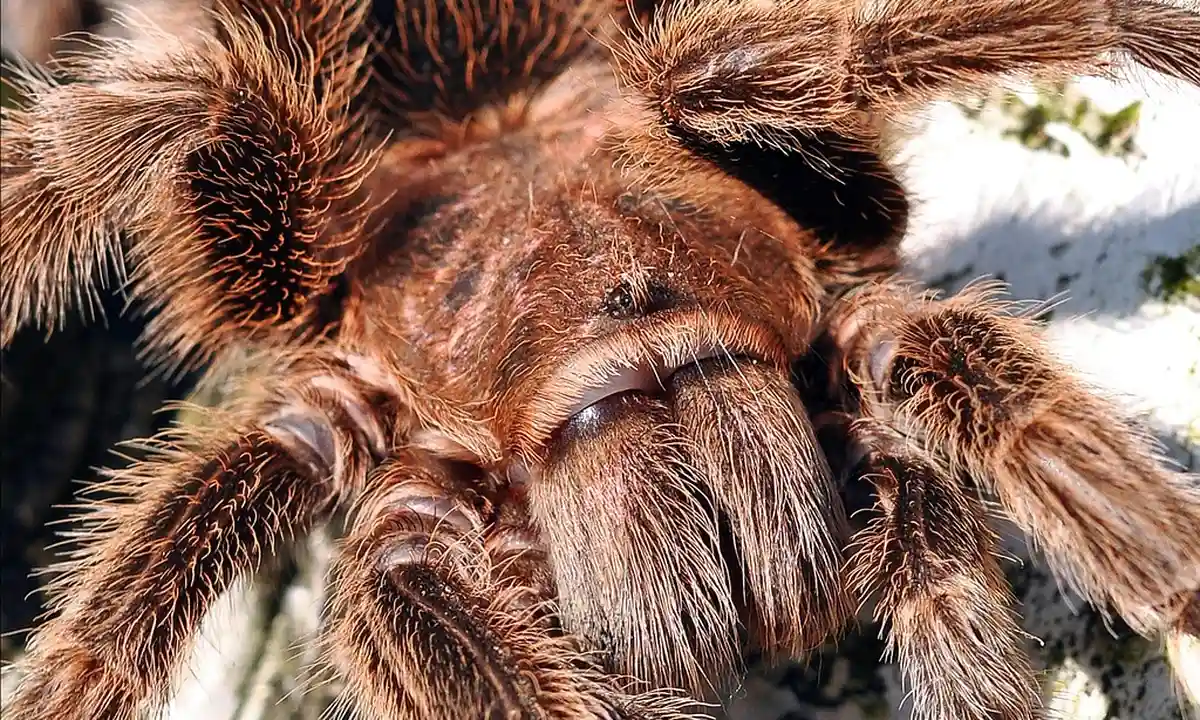
The most striking behavioral split between these two groups is how they say, “back off.” Their primary defense mechanisms are not just different; they are evolutionary masterpieces tailored to their worlds.
New World Tarantulas: Masters of the Itchy Barrage
Tarantulas from the Americas possess a unique weapon: urticating hairs. These are specialized bristles on their abdomen, designed to be launched.
When threatened, a New World tarantula will often face the perceived threat, lift its abdomen, and rapidly brush its back legs against the hair patches. This sends a cloud of microscopic, barbed hairs into the air, which are known as urticating hairs.
For a keeper, this is not a passive event; I’ve felt the result of Goliath’s hair-kicking habit, a lingering itch on my arms that serves as a constant reminder of their space.
The effect on mammals is a severe irritant. It affects eyes, skin, and respiratory systems. For the tarantula, it’s a brilliant stand-off weapon. It can deter a predator without close combat. Common species known for this include:
- The Brazilian Black (Grammostola pulchra)
- Mexican Redknee (Brachypelma hamorii)
- My own Burgundy Goliath (Theraphosa stirmi)
Their first line of defense is almost always this itchy barrage. A bite is typically a last resort.
Old World Tarantulas: The Lightning-Flash Response
Old World tarantulas lack urticating hairs entirely. Without this ranged option, evolution honed different traits: incredible speed, potent venom, and a far lower threat tolerance. Unlike their New World counterparts that rely on urticating hairs for defense, these tarantulas use direct means to deter predators.
Their behavior is starkly different. They rarely issue a warning. When startled, their response is immediate flight-often directly toward a burrow or, if cornered, toward the threat. A defensive strike is blindingly fast, a dry bite is rare, and their venom is typically more medically significant.
Witnessing my OBT, Flash, teleport from one side of its enclosure to the other during a rehousing is a humbling lesson in respecting their space and planning every move in advance.
They are architects of fortress-like burrows and dense web tunnels, preferring to vanish rather than confront. Handling is ill-advised and stressful for the animal. Iconic examples of this temperament are:
- Mombasa Golden Starburst (Heteroscodra maculata)
- King Baboon (Pelinobius muticus)
- Ornamental tarantulas from the Poecilotheria genus
Why the Difference? Habitat and Evolutionary Pressure
This dramatic split in behavior and arsenal is a direct result of millions of years of adaptation to different environmental pressures.
New World tarantulas often evolved in ecosystems teeming with mammalian predators like coatis and raccoons. Urticating hairs are a perfect defense against a nosey mammal. They create a painful, irritating zone of denial. The strategy is effective because it stops a predator before it makes physical contact, conserving the tarantula’s energy and minimizing injury risk.
Old World habitats, like the savannas of Africa or the forests of Asia, presented different challenges. Here, predators were more likely to be reptiles, birds, or arthropods against which itchy hairs are less effective. Speed became the ultimate survival tool.
The need to quickly escape a bird strike or a predatory wasp favored individuals that were faster, more agile, and had a venom capable of swiftly subduing insect prey (and deterring anything larger). Their defensive posture is not to warn, but to be ready to flee or deliver a decisive, memorable counterattack. In the silence of an Old World tarantula’s enclosure, you learn their language is not of warning shots, but of immediate, decisive action.
Reading the Eight-Legged Script: Signs of Stress and Aggression
Your tarantula’s behavior is a constant dialogue written in movement and posture. Learning to read it prevents stress and builds respect. Old World and New World species often use different dialects in this silent conversation.
New World tarantulas, like my docile Rosie, typically give clear warning signs before escalating to defense. A common first signal is a slow, deliberate retreat into their hide. If pressured further, they will adopt a threat posture: rearing back on their hind legs to expose their fangs and, crucially, their abdomen. This exposes the urticating hair patch. The next step is a swift kick of these barbed hairs into the air, creating an irritating cloud. I’ve seen my Burgundy Goliath, a New World species, do this often when his humid enclosure is disturbed for maintenance. These signals are common signs your tarantula is stressed or gearing up for aggression. Recognizing them early helps you adjust enclosure conditions or handling to prevent escalation.
Old World tarantulas, lacking urticating hairs, communicate with lethal efficiency. A defensive Old World tarantula like my OBT, Flash, will often forego posturing for immediate, lightning-fast action. Their threat display is usually a high-speed pivot to face a threat, followed by a raised front legs and fangs. There is rarely a “second warning.” From this position, they are poised to strike or bolt with shocking speed. The silence of the enclosure is broken only by the sudden scratch of feet on acrylic.
Universal signs of stress include:
- Excessive climbing on enclosure walls, often indicating unsuitable substrate or humidity.
- Prolonged hiding during typical activity hours.
- Refusing food for extended periods, though some species like Grammostola rosea are notorious for year-long fasts.
- Abnormally rapid, jerky movements.
Recognizing these signs allows you to adjust care before a defensive incident occurs. A stressed tarantula is more likely to bolt or bite, turning routine maintenance into a risky situation for both of you.
Care Shaped by Temperament: Practical Husbandry Adjustments
You cannot change a tarantula’s instinct, but you can design its world to minimize conflict. Your setup choices are the first line of defense in preventing stress responses.
Enclosure Setup for Safety and Security
The enclosure must serve two masters: the tarantula’s biological needs and your safety during interaction. For fast, defensive species, this means prioritizing security above all else.
For Old World tarantulas like Pterinochilus murinus, I use enclosures with secure, locking lids and ventilation placed on the sides, not the top. A top-opening cage with a loose lid is an invitation for escape. Flash has webbed every corner of his home, anchoring lines to the lid; a top opening would destroy his web and send him sprinting. I provide deep, dry substrate and multiple cork bark slabs to encourage burrowing and webbing, which makes them feel secure and less likely to be defensive at the surface.
New World heavy-bodied burrowers, like Theraphosa stirmi, require a focus on microclimate and space. My Goliath’s enclosure is all about retaining that 80% humidity he loves. I use a deep layer of moisture-retentive substrate like coconut fiber and sphagnum moss. A large, shallow water dish is mandatory. The hide is oversized to accommodate his full leg span, reducing the chance he feels cornered during spot-cleaning.
Key adjustments based on temperament:
- Defensive/Old World Focus: Secure locking mechanisms, side ventilation, minimal front-opening gaps, tools like long tweezers for feeding.
- Calm/New World Focus: Appropriate substrate depth for burrowing, correct humidity gradients, stable hides that won’t collapse.
- Universal Rule: All enclosures must have no sharp edges or excessive height to prevent fall injuries.
The Absolute Truth About Handling
Let’s be unequivocal: handling provides no benefit to the tarantula and carries real risk for you. I advocate for a “Look, Don’t Touch” philosophy. These are not domesticated animals; they are fragile, venomous predators that experience handling as a seismic, stressful event. A common myth is that holding a tarantula shows affection. True care is giving them space and avoiding unnecessary handling.
A falling tarantula can rupture its abdomen, resulting in a fatal injury, from any height over a few inches. Even a calm specimen like Rosie can be spooked by a sudden sound or movement. Medically significant venom from Old World species or a cloud of urticating hairs from New World ones are genuine health concerns. I once had a close call during a necessary rehousing of Flash; his speed transformed a controlled transfer into a heart-pounding minute of guiding him with a soft brush.
If a medical or emergency situation makes contact unavoidable, follow this protocol:
- Clear a large, padded area on the floor. Have a clear plastic cup and a stiff piece of card ready.
- Using calm, slow movements, gently guide the tarantula into the cup using a soft brush.
- Slide the card under the cup to fully contain it.
- Transfer directly to the new, prepared enclosure. Do not hold the cup aloft.
The greatest sign of care is creating an environment so secure that your tarantula never feels the need to defend itself from you. The joy comes from observation-watching the meticulous construction of a web, the patient ambush of a cricket, the iridescent sheen of a fresh molt. That is where the true hobby resides.
Dispelling the Myths: Setting the Record Straight on Temperament
Many believe Old World tarantulas are inherently aggressive and New World species are universally calm. This oversimplification ignores the complex, individual nature of these animals and leads to improper care. Are tarantulas aggressive? The answer varies by species and individual species-specific temperament, not just geographic origin. Temperament is a blend of evolution, environment, and unique personality.
Speed Does Not Equal Aggression
Old World tarantulas, like my P. murinus Flash, possess breathtaking speed. This is a survival trait for open habitats, not a sign of malice. Labeling them as ‘aggressive’ misunderstands their defensive flight response to perceived threats. In contrast, many New World tarantulas, like my G. rosea Rosie, move with deliberate slowness, a trait that fools keepers into a false sense of security.
The Venom and Hair Reality
A critical difference lies in their primary defenses. Old World tarantulas lack urticating hairs and rely on potent venom and rapid escape. Their venom is often medically significant, making a ‘Look, Don’t Touch’ philosophy non-negotiable for keeper safety. New World tarantulas, such as my T. stirmi Goliath, sport urticating hairs on their abdomen. These barbed hairs cause intense irritation when kicked into the air. Goliath uses this defense readily, clouding her enclosure with them during cage maintenance. This contrast prompts the question of tarantula urticating hairs vs bites—what’s more dangerous? For people, hairs can cause persistent irritation and allergic reactions, while bites, though painful, are often serious enough to require medical care.
- Old World: Fast, potent venom, typically no urticating hairs.
- New World: Generally slower, milder venom, primary defense is urticating hairs.
Individuality Within the Categories
Generalizations fail at the enclosure door. I have seen a typically docile New World species threat posture over a cricket, and an Old World tarantula sit placidly for a water dish refill. Your tarantula’s behavior is a personal history, not a Wikipedia entry. Rosie, a classic ‘beginner’ species, has gone on year-long hunger strikes, while Flash, the ‘orange bitey thing,’ spends weeks in silent, intricate web construction.
Why Handling is a Misguided Metric
Judging temperament by how ‘handleable’ a tarantula is places human curiosity over animal welfare. Handling induces immense stress, risks falls that can rupture their abdomen, and provokes defensive behaviors we mistakenly label as temperament. The quiet focus of observing a tarantula’s natural behaviors—the iridescent sheen of the carapace in the light, the sudden strike at prey—is far more rewarding than holding it. Arboreal vs terrestrial tarantula temperament can be further explored in the context of their respective ecological habits, as arboreal species, living on vertical surfaces, can bolt or react strongly when approached, while terrestrial tarantulas may show different defensive patterns. These distinctions emphasize that temperament is shaped by the interaction of species ecology and handling, not a fixed trait. Arboreal vs terrestrial tarantula temperament highlights these differences.
Safe Observation Practices
Respectful care means working around their instincts. Follow these steps during enclosure maintenance:
- Move slowly and deliberately to avoid sudden vibrations.
- Use long tongs for feeding and decor adjustment to maintain distance.
- Always have a catch cup ready, especially for faster species. I learned this after a rehousing with Flash turned into a delicate, heart-pounding interception.
- Interpret behaviors like raised front legs (threat posture) or abdominal hair flicking as clear requests for space.
Understanding these behavioral differences is not about fear, but about profound respect. Providing a secure, species-appropriate enclosure where your tarantula feels safe is the ultimate expression of skilled keepership. You become a witness to their natural world, not an intruder in it.
Common Questions
What are the general temperament differences between Old World and New World tarantulas?
Old World tarantulas (from Africa, Asia, etc.) are generally faster, more defensive, and possess medically significant venom. They rely on speed and a potent bite as a primary defense. New World tarantulas (from the Americas) are often more inclined to be docile or retreat, using urticating hairs as their first line of defense. While notable exceptions exist, this split in defensive strategy is the fundamental behavioral divide. That difference invites the question of why Old World tarantulas are more dangerous than their New World counterparts. The combination of potent venom and more direct defensive behavior makes encounters with Old World species potentially riskier.
How do New World tarantulas typically react when threatened compared to Old World species?
A threatened New World tarantula will typically give clear warnings before escalating. This often includes rearing into a threat posture and then kicking a cloud of irritating urticating hairs. A bite is usually a last resort. In stark contrast, an Old World tarantula often reacts with immediate, lightning-fast action, such as fleeing or striking, with little to no visible warning.
What role do urticating hairs play in the defensive behavior of New World tarantulas?
Urticating hairs are a unique, long-range physical defense found only in New World species. When kicked from the abdomen, these barbed bristles create an irritating cloud that deters predators from making physical contact. This allows the tarantula to defend itself without risking a close-quarters confrontation. It is their primary defensive weapon, making a bite less likely. These hairs are a non-venomous deterrent that often stops an attack before it reaches contact. If a threat persists, the tarantula may bite and use venom as a secondary defense. For more information on this fascinating aspect of tarantula behavior, check out their defense by urticating hairs.
How does the speed and aggression of Old World tarantulas impact their care requirements?
Their speed and defensive nature necessitate enclosures with extremely secure, locking lids, often with side ventilation to prevent escapes through a top opening. Long handling tools are essential for all maintenance to maintain a safe distance. Every interaction, from feeding to rehousing, requires meticulous planning and preparation to ensure both keeper and tarantula safety.
How do handling recommendations differ between Old World and New World tarantulas?
Handling is strongly discouraged for all tarantulas, but the reasons differ by group. For New World species, the primary risk is the distressing effects of urticating hairs and the potential for a fall. For Old World species, the primary risk is a fast, defensive bite with more medically significant venom. A “look, don’t touch” philosophy is a critical safety standard for responsible keepership of both types, as discussed in why handling tarantulas is not safe or recommended for beginners.
The Final Adjustment
The single greatest factor in your success isn’t humidity or heat-it’s your management of stress. For both Old and New World tarantulas, designing husbandry around minimizing stress prevents more problems than any other single action. Build a secure home, limit vibrations, and respect their space.
Watch them. My OBT, Flash, creates a silken fortress I admire from outside. My gentle G. rosea, Rosie, sits in regal stillness for weeks. Both are captivating. Patience reveals their true nature: the careful architecture of a burrow, the precision of a feeding strike. Your reward is not a pet you hold, but a fascinating animal you come to understand.
Further Reading & Sources
- Old World Tarantulas | My Monsters
- Old World Tarantulas vs. New World Tarantulas: How are they Different? – A-Z Animals
- Bug Bytes: Old World Vs. New World Tarantulas | Montana Public Radio
Arlo is a lifelong arachnid enthusiast who believes tarantulas are the world’s most misunderstood roommates. With years of hands-on experience in tarantula care, habitat setup, and species behavior, Arlo combines expert knowledge with a dash of humor to make spider ownership less scary and a lot more fascinating. From choosing the right enclosure to understanding why your eight-legged buddy is doing that weird little pose again, Arlo is here to help you become the best tarantula parent you can be, without getting tangled in the web of misinformation.
Understanding Tarantula Behavior