
How to Create a Comprehensive Breeding Plan for Your Tarantulas
Tarantula breeding is not a casual endeavor; it is a deliberate, multi-year project that demands meticulous planning, precise timing, and a deep respect for the biology of these silent predators. This article will guide you through assembling a true breeding plan, moving beyond simple pairings to a structured timeline covering everything from species selection and health verification to sac incubation and sling care.
Quick Stats:
- Origin: Varies by species (e.g., Brazilian rainforests, African savannas).
- Type: New World or Old World strategies differ drastically.
- Growth Rate: A pivotal factor in planning maturation timelines.
This guide promises a framework to navigate the entire process, from assessing a mature female’s readiness to safely introducing a male and managing the delicate post-breeding phases.
Understanding the Purpose of a Tarantula Breeding Plan
A breeding plan is your formal blueprint. It is a documented strategy that outlines your specific goals, step-by-step procedures, and a permanent system for keeping records. This is not a casual notebook scribble. It is the framework for responsible and successful propagation.
Creating one serves several vital functions. It moves the process beyond mere chance. Your primary goal is responsible population management, ensuring every resulting sling has a committed home before breeding even begins. A plan also helps maintain genetic diversity by tracking lineages, preventing overused bloodlines. Most importantly, it is a tool for ensuring animal welfare, forcing you to consider every stage from introduction to sling care well in advance.
There is an undeniable ethical imperative here. Breeding should never be done casually or for simple curiosity. We advocate for a “look, don’t touch” philosophy that extends to breeding; the animals’ comfort and safety are paramount. Overproduction floods the market and leads to neglected animals, a direct contradiction to the respectful care we champion. My own plan for Rosie, my *G. rosea*, is archived indefinitely-at her age, breeding would be an unacceptable stress, a clear example of ethics overriding possibility.
Evaluating Candidate Tarantulas for Breeding
Health and Husbandry Assessment
You must only breed from peak-condition animals. A pre-breeding health check is non-negotiable. Look for ideal body condition: a plump, rounded abdomen, but not obese. The tarantula should show a consistent, strong feeding response. Inspect carefully for any signs of injury, such as a damaged limb or leaking fluids, or illness like persistent lethargy or a shriveled abdomen. Preventing these issues early helps beginners avoid common health problems such as dehydration, failed molts, and infections.
Any new animal intended for breeding must undergo a strict quarantine period of at least 60-90 days in a separate room. I learned this the hard way early on; a seemingly healthy new arrival once passed mites to an established collection, a nightmare scenario that can doom a breeding project and endanger your entire colony. Quarantine prevents the spread of parasites and pathogens.
Age, Molt History, and Sexing
Determining sexual maturity is your first concrete step. Males are sexually mature after their ultimate molt, developing emboli on their pedipalps and tibial hooks in some species. They have a limited breeding window, often just months. Females mature based on size and age, which varies dramatically by species-a *T. stirmi* like Goliath may be ready at 4-5 years, while a *G. rosea* can take a decade.
Accurate sexing is fundamental. The most reliable method is examining a recent, intact molt under good light, looking for the spermathecae in females. Physical characteristics in mature males, like modified pedipalps, are definitive, but sexing a live animal by ventral scrutiny is less reliable and highly stressful for the specimen. I keep a digital folder of my tarantulas’ molts, each labeled with name, date, and confirmed sex. If you’re following a step-by-step guide to determine your tarantula’s sex, start with the molt-based checks outlined here. The full guide then walks you through confirming with mature male features and safe, non-invasive observations.
Interpreting the female’s molt cycle is critical for timing. A newly molted female is soft and vulnerable for weeks. The ideal breeding window is typically 4-8 weeks after her molt, when her new exoskeleton is fully hardened but her spermathecae are fresh and receptive. Introducing a male too soon risks injury; too late wastes his limited time. Tracking her molt history in your plan allows you to predict and prepare for this perfect timing.
Designing the Optimal Breeding Environment
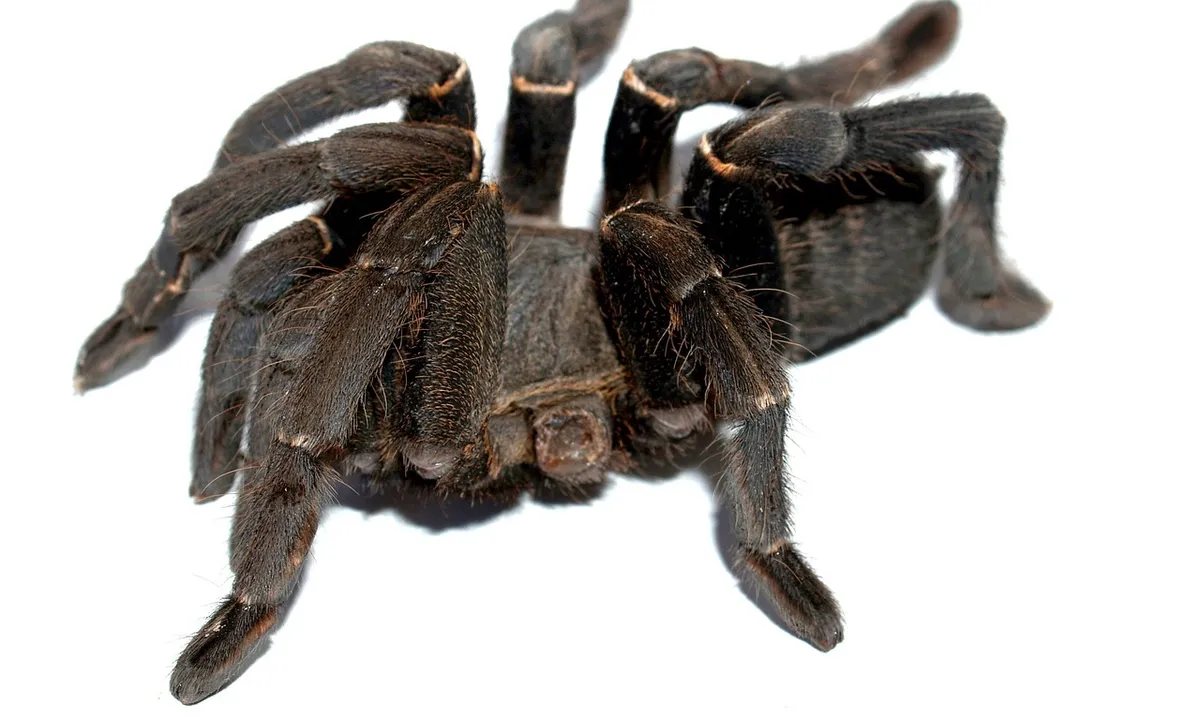
Successful breeding starts long before the spiders meet. You must craft a space that minimizes stress and maximizes natural behavior. A proper breeding enclosure is a secure, species-appropriate habitat that encourages courtship while keeping both animals safe. Ethical tarantula breeding asks whether these core principles truly prioritize the spiders’ welfare over novelty or profit. They should be evaluated on welfare, safety, and the long-term sustainability of the species.
Essential Enclosure Setup
Three factors form the foundation of your breeding setup. Neglect any one, and your efforts may fail.
- Secure Lid: A tightly fitting, ventilated lid is non-negotiable. Males, driven by instinct, will seek to wander and can be expert escape artists.
- Appropriate Size: The enclosure should be large enough for the male to perform courtship rituals but not so vast that the female cannot easily detect his signals. For most medium-sized species, a 10-gallon tank or similar is ideal.
- Species-Specific Retreats: Provide a secure hide for the female. This gives her a confidence anchor. For my Burgundy Goliath (T. stirmi), a half-log buried in damp substrate works perfectly. For an OBT like Flash, allow ample anchor points for webbing.
Precise Husbandry Parameters
Conditioning breeders means dialing in their environment for weeks prior. Slight adjustments trigger reproductive readiness.
I maintain a dedicated breeding room. Temperatures are held between 78-82°F (25-28°C) for most species. This warm, stable heat accelerates metabolism and supports sperm and egg development. For humidity, I use hygrometers and tailor the levels. My T. stirmi, Goliath, gets 80-85% humidity. My Chilean Rose (G. rosea), Rosie, receives a much drier 50-60%. Research your species’ exact needs.
Substrate and Bioactive Benefits
Substrate choice directly impacts humidity and egg sac health. Not all options are equal.
- Coconut Fiber (Coir): Retains humidity well, is affordable, and is neutral. It’s my general-use choice.
- Peat Moss: Holds even more moisture but can compact. I mix it with coir for moisture-loving species.
- Topsoil: A great base for bioactive setups. Ensure it is fertilizer and pesticide-free.
Beyond moisture, consider a bioactive setup with springtails and isopods. These clean-up crews manage waste and mold, creating a stable microenvironment for a vulnerable egg sac. I’ve found bioactive enclosures significantly reduce my need to disturb a brooding female.
Conditioning Feeding Schedule
Breeding is energetically costly. Build nutritional reserves with a strategic feeding plan.
- Weeks 1-4 Pre-Conditioning: Offer one appropriately-sized feeder insect every 5-7 days. For my large T. stirmi, that means an adult dubia roach.
- Week 5: Increase feeding to every 4-5 days. The goal is a slightly plump abdomen, not obesity.
- Week 6 (Pre-Pairing): Cease feeding the female 7-10 days before introduction. A hungry female is more likely to view the male as a mate, not a meal.
The male should be well-fed but not recently molted. A mature male’s ultimate molt should have occurred at least 4 weeks prior to ensure his pedipalps are fully charged with sperm.
Executing the Pairing and Courtship Process
Pre-Pairing Preparations
This is a controlled procedure, not a casual meeting. Your preparation dictates safety.
Gather every tool you need before you even open an enclosure. My kit always includes:
- Extra-long, soft-tipped tweezers (12 inches minimum).
- Multiple clear plastic catch cups of various sizes.
- A large, flat, and completely clear workspace like a kitchen table.
- A headlamp for clear observation without casting shadows.
Follow this protocol rigidly when introducing the male:
- Feed the female one last time 10 days prior, then do not disturb her.
- On pairing day, gently remove any uneaten prey or major webbing from the female’s enclosure to clear the “stage.”
- Place the female’s enclosure in the center of your clear workspace.
- Using a catch cup, gently guide the male from his enclosure and into the female’s territory. Never use your hands.
- Set the male near the opposite side of the enclosure from the female’s hide. Close the lid securely.
Observing Courtship and Ensuring Safety
Now, you become a silent observer. Courtship is a delicate dialogue of vibration and touch.
The male will often begin by drumming, rapidly tapping his front legs and pedipalps on the substrate to transmit vibrations. If receptive, the female may tap back or emerge slowly. The male will approach, using his pedipalps to palpate her, testing her stance. A receptive female raises her front legs and carapace, allowing access.
You must watch every second without looking away. Have your catch cup and tweezers poised. If the female adopts a threat posture or lunges, you must act. Gently use the tweezers to guide the male toward a catch cup, or use the cup to create a barrier between them. Never grab either spider; handling them with care is crucial.
I learned this vigilance pairing my OBT, Flash. His bright orange body was a stark warning. During one attempt, the female surged forward with shocking speed, and I had to use a cup to deflect her and another to secure the male. It was a tense silence broken only by the scrape of plastic on glass. No animals were harmed, but it reinforced why “Look, Don’t Touch” is the only ethical rule during breeding.
Managing Post-Breeding Care and Offspring
Female Care and Egg Sac Management
The male’s role is complete, but your work intensifies. The female now requires a period of undisturbed focus. I immediately cease all feedings and close any viewing windows on the enclosure with dark paper. This replicates the deep burrow or sealed retreat she would seek in the wild. Providing absolute privacy is non-negotiable, as stress can lead to a consumed or abandoned egg sac.
After 4-12 weeks, signs appear. She may become reclusive, her abdomen swelling. You might hear soft rustling at night as she weaves. The construction of a silken egg sac, often a pearlescent orb, is the moment of truth. Now, you must decide: leave it with her or pull it for artificial incubation. I only pull sacs from species known to be prone to eating them, or if the female seems overly disturbed. My T. stirmi, Goliath, is an excellent mother; I leave hers be.
Artificial incubation requires a sterile, humidified container. I use a large deli cup lined with slightly damp paper towel, with the sac suspended on a cotton-free cushion. Parameters are species-specific, but generally mimic the adult’s preferred climate.
- Temperature: A stable 75-80°F (24-27°C) is ideal for most species.
- Humidity: Maintain 80-90% relative humidity via the damp liner, avoiding direct water contact.
- Rotation: Gently, by hand, rotate the sac 90 degrees once daily to prevent embryos from sticking to one side. This mimics the mother’s careful manipulation.
Rearing Spiderlings (Slings)
The tiny, translucent spiderlings that emerge are both delicate and voracious. Separating them early is generally the safest approach to prevent cannibalism. It keeps them from injuring each other during their rapid growth. Their housing must balance moisture retention with preventing mold. I house them individually in 2-4oz deli cups from day one. This prevents cannibalism and allows for precise monitoring.
- Ventilation: I melt small holes in the lid and sides using a soldering iron. Cross-ventilation is key.
- Substrate: A shallow layer of damp coconut fiber or sterile potting soil, packed down. It should be moist, not wet.
- Furnishings: A curled leaf or tiny cork bark piece provides a security hide.
Feeding begins after their first molt, which usually happens within the sac or shortly after emergence. Their prey must be appropriately tiny.
- Prey Options: Pinhead crickets, pre-killed small mealworm segments, or flightless fruit flies (Drosophila hydei).
- Schedule: Offer one appropriately-sized prey item twice per week. Remove any uneaten prey within 24 hours to prevent stress.
The first few molts outside the sac are transformative. You can attempt initial sexing around the 3rd or 4th instar by examining the shed molt under magnification, looking for the presence of spermathecae in females. This early data is invaluable for planning your future breeding projects or managing colony size.
Maintaining Detailed Records and Genetic Goals
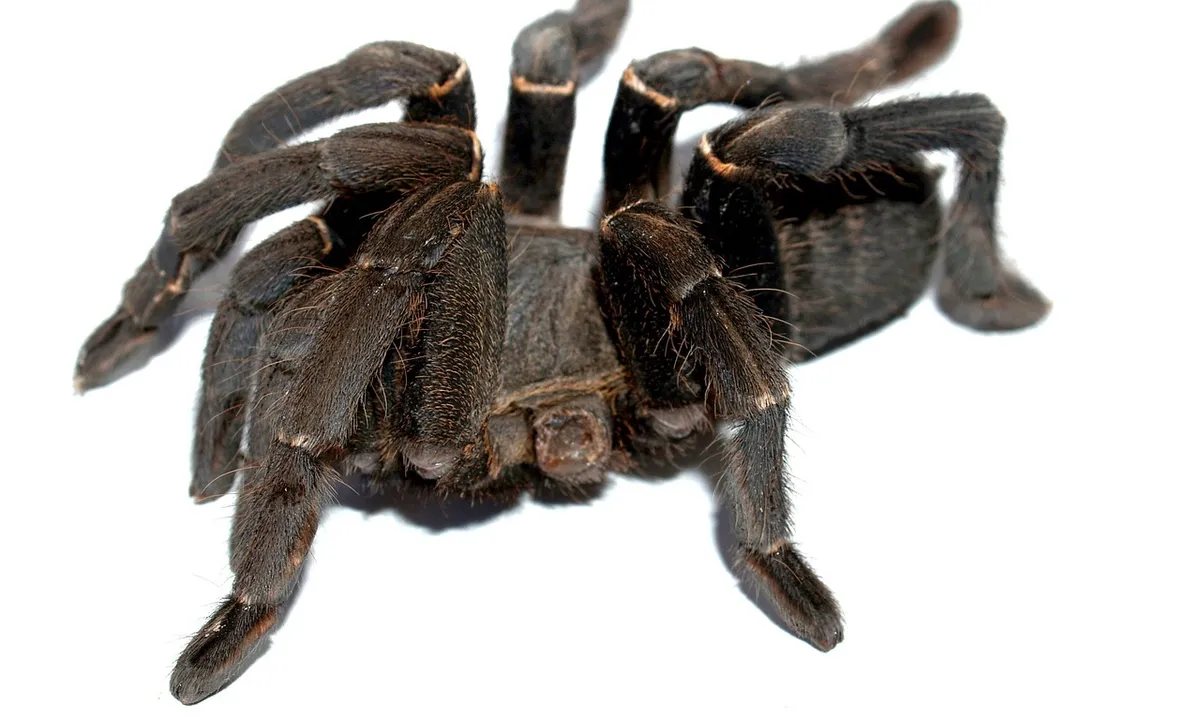
Breeding is a multi-generational commitment. Meticulous records are the backbone of ethical and successful arachnoculture. A simple notebook or spreadsheet becomes a crucial tool.
For every breeding project, log these critical data points:
- Species & Locality Data (e.g., Brachypelma hamorii “True Mexican Redknee”)
- Parental IDs (e.g., “Female #1 from Smith 2020 import”)
- Pairing Dates and Observed Behaviors (insertion witnessed, female’s receptivity)
- Egg Sac Pull Date (or observed construction date)
- Number of Spiderlings (1st instar count and 2nd instar count after first molt)
- Growth Milestones and Molt Dates for offspring
This log does more than track numbers. It allows you to track genetics to prevent sibling matings in future generations, which can weaken bloodlines. If you are working with a rare color morph, like a high-yellow Caribena versicolor, records prove lineage and maintain the morph’s integrity for the community.
A simple table format helps visualize health and growth across a clutch:
| Sling ID | Molts Recorded | Growth Rate (Fast/Moderate/Slow) | Notes (Feeding Response, Unique Markings) |
|---|---|---|---|
| B.ham-F1-01 | M1: 05/15, M2: 07/01 | Moderate | Strong feeder, vibrant red on patella |
| B.ham-F1-02 | M1: 05/20 | Slow | Shy, prefers pre-killed |
This granular data lets you make informed decisions about which individuals to keep for future projects and provides a fascinating lifetime history for each animal you raise from a pinhead-sized sling.
Solving Common Tarantula Breeding Challenges
Even with a flawless plan, breeding tarantulas is a practice in managed uncertainty. Success hinges not on forcing events, but on calmly navigating the biological roadblocks each spider presents. Breeding challenges differ between arboreal and terrestrial tarantulas, shaping how we approach mating and egg care. Recognizing those differences is essential for predicting outcomes and refining techniques. These are the hurdles I’ve faced most often and the strategies that have saved my projects.
Male Disinterest: The Reluctant Bachelor
You’ve introduced a mature male, but he wanders aimlessly or simply curls up. This is profoundly frustrating. Male disinterest is frequently environmental, not behavioral. My OBT, Flash, once ignored a pristine web for weeks.
- Check Temperatures: Males are often more active and driven in the higher end of their species’ range. A slight bump of 2-3°F can trigger instinct.
- Assess Female Cues: Ensure the female’s enclosure has ample pheromone-laden silk for him to “read.” A recent rehouse can erase these chemical signals.
- Provide a Refuge: A small cork bark hide on the female’s side gives the male a safe zone to retreat and observe, building his confidence.
- The Final Option: Separate them for a week, then reattempt. Sometimes, a brief reset is all it takes.
Female Aggression: When the Dance Turns Deadly
A defensive female is the greatest risk to your male. My primary rule is to never use my hands; I use long, soft-tipped forceps to gently guide the male and block lunges. For my hair-kicking T. stirmi, Goliath, I employed a simple trick.
- Pre-Feed the Female: Introduce a well-fed, even slightly plump female. A hungry tarantula is a predatory tarantula.
- Use a Distraction: Just before introducing the male, drop a pre-killed prey item on the opposite side of the enclosure. The female may focus on that.
- Be Ready to Separate: Have a clear catch cup and lid ready. At the first sign of a predatory strike, intervene. A live male is a male that can try again another day.
Egg Sac Abandonment: The Heartbreaking Turn
A female dropping or destroying her egg sac is a breeder’s nightmare. This is almost always caused by keeper-induced stress or suboptimal conditions. Vibration is a key culprit.
- Enforce a “Hands-Off” Zone: No cleaning, no feeding, no unnecessary movement near the enclosure. Treat it like a library.
- Verify Humidity: For species requiring it, a slight increase in moisture is vital once the sac is woven. For arid species like my G. rosea, Rosie, I simply overflow the water dish slightly to create a local humidity gradient.
- Do Not “Check” the Sac: The urge to see if it’s good is immense. Resist. Disturbing the female is the fastest way to make her eat it.
Spiderling Mortality: The Delicate First Instar
Losing spiderlings after they emerge is a quiet, discouraging loss. High mortality in the first few days is often due to dehydration or poor ventilation. For tarantula keepers, the first 30 days are critical. A week-by-week survival guide helps you manage humidity, ventilation, and feeding to boost survival.
- Micro-Droplet Hydration: I never mist. Instead, I use a syringe to place tiny water droplets on the sides of the vial or deli cup. The spiderlings can drink without risk of drowning.
- Cross-Ventilation is Non-Negotiable: Stagnant air kills. Provide multiple small air holes on opposing sides to encourage gentle airflow.
- Accept Natural Attrition: Not every egg becomes a thriving sling. A 70-80% survival rate from a healthy sac is often a great success. Focus on providing a stable foundation for the survivors.
FAQs
Is a written breeding plan really necessary, or can I just introduce my spiders when they look ready?
A formal, written plan is strongly advised and goes far beyond casual introduction. It serves as a critical blueprint for responsible population management, ensuring you have homes lined up for potential offspring. This documented strategy helps maintain genetic diversity and prioritizes animal welfare by forcing you to consider every stage in advance, from quarantine to sling care.
Do I need to add live plants to my tarantula’s enclosure for breeding success?
No, live plants are not a requirement for tarantula breeding. While a bioactive setup with a clean-up crew (like springtails) is beneficial for managing waste and mold, tarantulas do not need live flora. Focus instead on providing correct humidity via substrate choice, secure hides, and stable temperature parameters, which are far more critical for encouraging courtship and egg sac health. That said, heating and humidity needs are species-specific. For popular tropical tarantula species, a gentle heat source and careful humidity control help recreate their native microhabitats and support successful mating and egg sac development.
How long does the entire breeding process take, from pairing to independent spiderlings?
The timeline varies significantly by species but is always a long-term commitment. After a successful pairing, it can take 4 to 12 weeks for the female to produce an egg sac. The incubation period for the sac itself can last several weeks to months. Once the spiderlings emerge, they will require careful rearing through multiple molts before they are stable enough to be rehomed, spanning several more months.
What is the single most important factor in ensuring the male’s safety during pairing?
Undivided, vigilant observation is the most critical factor for the male’s safety. You must watch the entire interaction with tools like catch cups and long tweezers ready to intervene instantly. A female’s aggression can be sudden, and the keeper’s ability to calmly and quickly separate them without using hands is what prevents a successful courtship from turning fatal.
When should I definitely NOT attempt to breed my tarantula?
You should not breed if you have not secured future homes for the offspring, if either animal is not in peak health, or if the female has recently molted (within 4 weeks). Breeding is also unethical if done out of simple curiosity without a purpose, as it contributes to overpopulation and potential neglect. The animal’s welfare must always override the desire to breed.
What happens to the spiderlings right after they leave the egg sac?
Upon emerging, the spiderlings (1st instar) are very delicate and often remain clustered. Understanding tarantula molting cycles in spiderlings helps explain their fragility during these early days. They will typically molt into their 2nd instar stage within the sac or very shortly after, at which point they become more independent and require individual housing to prevent cannibalism. Knowing when molts occur allows caregivers to anticipate changes in behavior and adjust housing and feeding accordingly. Their first meals will consist of microscopic prey like pinhead crickets or fruit flies.
The Final Stretch
Your plan is complete. The pairing is done. Now, the true test of a keeper begins. For the next four to ten weeks, your focus shifts from active intervention to vigilant, patient husbandry. Your single most important task now is providing consistent, reliable hydration for the female without creating stagnant, moldy conditions in her enclosure. Her body is using immense resources to develop eggs. A shallow, clean water dish and a slightly damp corner of substrate are her lifelines.
This is the time to become an observer. Watch her movements. A well-fed female may begin to web heavily, creating a silken nursery retreat. My female T. stirmi sealed her burrow entrance for weeks, a clear sign she was guarding her egg sac. This period is not empty; it is full of quiet anticipation. You are caring for two generations at once. The spider’s natural rhythms—her rest, her occasional drink, the meticulous repair of her web—are the only progress reports you will get. Embrace this slow pace. Success in breeding is not measured in days, but in the eventual sight of dozens of tiny spiderlings beginning their own lives, a direct result of your thoughtful preparation and respectful care. This is especially rewarding when observing how tarantulas give birth and care for their spiderlings.
Further Reading & Sources
Arlo is a lifelong arachnid enthusiast who believes tarantulas are the world’s most misunderstood roommates. With years of hands-on experience in tarantula care, habitat setup, and species behavior, Arlo combines expert knowledge with a dash of humor to make spider ownership less scary and a lot more fascinating. From choosing the right enclosure to understanding why your eight-legged buddy is doing that weird little pose again, Arlo is here to help you become the best tarantula parent you can be, without getting tangled in the web of misinformation.
Breeding Tarantulas