
How Habitat Requirements Differ Between Old World and New World Tarantulas
The most critical piece of tarantula husbandry isn’t a fancy light or a specific brand of water dish; it’s understanding the deep evolutionary divide between Old World and New World species, a biological fact that dictates every aspect of their care and your safety. This guide won’t just list humidity percentages. It will explain why an OBT from Africa needs bone-dry anchor points for its dense web fortress, while a Goliath from South America requires saturated substrate to mimic its swampy home. Getting this wrong means a stressed, reclusive, or dangerously defensive animal. Getting it right means witnessing the full, fascinating scope of natural behaviors in a thriving spider.
Quick Stats:
| Trait | New World Tarantulas | Old World Tarantulas |
|---|---|---|
| Origin | The Americas | Africa, Asia, Australia |
| Primary Defense | Flicking Urticating Hairs | Potent Venom & Defensive Posture |
| Typical Demeanor | Often Slower, More Docile | Faster, More Defensive or Skittish |
| Growth Rate | Variable, Often Slower | Generally Faster |
My years of breeding and keeping both groups, from my placid ‘pet rock’ Rosie to my lightning-fast Flash, have taught me one non-negotiable rule: their habitat is not an aesthetic choice, it’s a physiological necessity. This guide translates their wild biology into the specific setups, from substrate depth to ventilation, that will support a healthy molt and a calm spider.
The Geographic and Biological Divide
You cannot discuss habitat needs without first understanding the map. Old World tarantulas, hailing from Africa and Asia, evolved without the primary defense mechanism of their New World cousins. They lack functional urticating hairs. This singular fact shapes their entire being-and your care strategy. Confronted by a threat, a New World tarantula from the Americas will typically perform a threat pose and kick a cloud of irritating hairs. An Old World specimen, like my P. murinus Flash, relies on speed, potent venom, and a readiness to bite. Their environment reflects this intensity.
Old World species are often opportunistic hunters in complex landscapes. Think of the labyrinthine termite mounds housing Heteroscodra maculata or the arid, rocky scrubland of an Ceratogyrus species. New World tarantulas occupy an immense range, from the bone-dry Atacama foothills (home to Grammostola species like my Rosie) to the perpetually steaming Amazonian floor where giants like my Theraphosa stirmi Goliath roam. This biological divide means your approach must shift from generalized care to biogeographically-informed husbandry.
Mastering Moisture: Humidity and Water Needs
Water is the most volatile element in tarantula care. Get it wrong, and consequences range from a failed molt to a fatal respiratory infection. I’ve seen both. Your goal isn’t to replicate a rainforest in a box, but to create a stable moisture regime that allows the spider to self-regulate.
Rainforest Dwellers vs. Arid Specialists
For species like the Burgundy Goliath Bird Eater (Theraphosa stirmi), moisture is non-negotiable. Their lungs require humid air, and they will often soak their water dish or dig down to cooler, damper substrate.
- Rainforest Dwellers (e.g., Theraphosa, Megaphobema, Psalmopoeus): Aim for 75-85% relative humidity. I maintain this by pouring water directly into one corner of the substrate until the bottom third is saturated. The surface can appear dry, but the gradient exists below. A large, full water dish is mandatory.
- Arid Specialists (e.g., Grammostola, Brachypelma, many Aphonopelma): Humidity should stay between 50-65%. I provide moisture through a modest water dish only. The substrate remains dry throughout, perhaps with a slight dampening in a single corner once a month. My G. rosea Rosie would outright reject a damp enclosure.
- The Old World Complication: Many Asian arboreals (Poecilotheria) and African fossorials (Heteroscodra, Pterinochilus) thrive in what I call “humid-arid” conditions. They need a deep, slightly moist substrate layer for burrow integrity and a dry surface to prevent mold. Flash’s enclosure has a swampy bottom beneath 8 inches of bone-dry topsoil.
Invest in a digital hygrometer placed at substrate level; the analog dials sold in pet stores are notoriously unreliable. Watch your tarantula’s behavior. If it’s constantly perched high above the substrate avoiding moisture, it’s too wet. If it’s plastered against the water dish for days, it’s too dry. Knowing what to look for can save your spider’s life.
Creating a Safe Humidity Gradient
Static, uniform humidity is dangerous. A gradient allows choice. Here is my method, refined after years of trial and significant error.
- Choose Your Substrate Wisely: A moisture-retentive mix of coconut fiber, peat, and vermiculite is my go-to for humid species. For arid setups, I use a mostly soil-based, sandy mix that will not clump or retain standing water.
- Water from Below: Never mist the enclosure. Spraying only wets the surface, spikes humidity temporarily, and encourages mold. Instead, slowly pour dechlorinated water into one designated corner. Let it seep down. This creates that crucial damp core.
- Ventilation is the Regulator: Cross-ventilation is key, especially for humid setups. More airflow lowers humidity and prevents stagnant air. For my Goliath’s tank, I have vents on the lower sides and the lid to allow moist air to rise and cycle out.
- Provide a True Oasis: The water dish is not decorative. Use one the tarantula can fully substrate its chelicerae in. Keep it clean and full. I’ve watched my thirstiest species sit for half an hour, methodically drinking.
The silence of a properly humidified enclosure is profound-no wheezing, no desperate climbing, just the quiet industry of a hydrated animal. Getting this right is the cornerstone of preventing the most common health crises in captive tarantulas.
Temperature Ranges and Thermal Management

Thermoregulation is a silent, constant need for your tarantula. Their metabolism and digestion are directly tied to ambient warmth. Science shows temperature-dependent tarantula metabolism is temperature-dependent, shaping appetite and growth. Stable warmth supports consistent feeding and development. Providing the correct thermal gradient is less about replicating a desert or jungle peak and more about offering a safe, consistent range that allows for natural behavior.
Warmth Without Hazard
I never use heat rocks, heat lamps, or ceramic heat emitters inside an enclosure. These create dangerous hot spots that can literally cook a tarantula, which cannot quickly move away from the source. My method, honed from years of keeping everything from pet rocks to defensive speedsters, is ambient room heating.
- Target Range: For most species, maintain an ambient room temperature between 70°F (21°C) and 80°F (27°C).
- New World Subtleties: My Goliath (T. stirmi) thrives at the warmer, more humid end of this range. My Chilean Rose Hair, Rosie, is perfectly content at 72°F (22°C).
- Old World Needs: My OBT, Flash, prefers it consistently warmer, around 78-80°F (26-27°C), which supports his high metabolism.
- Safe Heating Tools: Use a space heater for the entire room or a thermostat-controlled heat mat placed on the side of the enclosure glass, never underneath. This creates a gentle, rising warmth.
A digital thermometer is non-negotiable. I place the probe mid-height on the enclosure’s warm side. If you are comfortable in a t-shirt, your tarantula likely is too; this simple test has guided my husbandry for over a decade.
Substrate: The Foundation of Every Habitat
Substrate is not just dirt. It is landscape, humidity bank, and security system. The wrong choice can lead to mold, injury, or chronic stress. I think of it as the first and most important piece of enclosure furniture.
Depth for Burrowing and Stability
Depth requirements are dictated by lifestyle. A terrestrial tarantula’s weight needs a stable, compactable base to prevent dangerous collapses. Whether deeper or shallower substrate is better depends on your species’ digging habits: burrowers benefit from more depth, while non-burrowers may thrive with a shallower layer.
- For Obligate Burrowers (like many Old World species): Provide substrate depth at least equal to the tarantula’s diagonal leg span, plus several extra inches. My OBT, Flash, has 10 inches of a dry, deep-digging mix. He vanished into it on day one, engineering a complex tunnel network.
- For Opportunistic Burrowers & Terrestrials (like T. stirmi or G. rosea): A minimum of 4-6 inches is crucial. This allows for natural digging, provides a moisture reservoir for humidity-dependent species, and creates a critical safety feature: a fall buffer. My Goliath is a heavy, clumsy climber; the deep, soft substrate prevents injury from falls.
Choosing Your Blend: Moisture Retention vs. Dryness
Your substrate blend is your primary tool for managing microclimates. I mix my own, and the recipes differ drastically.
For Arid & Dry Species (e.g., Grammostola like my Rosie):
- Base: Coco fiber or peat moss.
- Additives: Playsand and sterile topsoil (no fertilizers).
- Ratio: A 60:40 or 50:50 blend of coco fiber to sand/topsoil.
- Texture: This creates a light, friable soil that holds a burrow’s shape without clumping or staying wet. It should feel barely damp to the touch at most.
For Humid/Tropical Species (e.g., Theraphosa like my Goliath):
- Base: Coco fiber or peat moss.
- Additives: Vermiculite (excellent for moisture retention) and a smaller amount of organic, fertilizer-free topsoil.
- Ratio: A 70:30 blend of coco fiber to vermiculite/topsoil.
- Texture: This mix should be moistened until it clumps lightly in your hand without dripping water. I pour water directly into a corner of Goliath’s enclosure to create a damp zone, which he seeks out before a molt.
Avoid pure potting soil, pine or cedar shavings, gravel, or anything with chemical additives. The silence of a healthy enclosure-no foul smells, no mite blooms-starts with a clean, appropriate substrate foundation.
Enclosure Design: Security and Species-Specific Layout
The starkest difference between Old and New World tarantula enclosures isn’t just size; it’s philosophy. For New Worlds, we build a habitat, but for Old Worlds, we construct a secure fortress that accounts for their speed and defensiveness. My OBT, Flash, lives in an enclosure where every opening is meticulously measured against his leg span.
Ventilation: Balancing Airflow and Humidity
This is where many keepers falter. Ventilation directly controls the microclimate your tarantula breathes and lives within. Get it wrong, and you invite mold or respiratory stress. Proper ventilation for a secure tarantula enclosure means balancing airflow with humidity to prevent mold and respiratory issues. It should stay escape-proof while providing steady, gentle air exchange.
Old World species from arid regions, like many from Africa or the Middle East, demand extensive cross-ventilation. My P. murinus enclosure has a long vent on the lower front and another on the upper back, creating a dry, breezy airflow that prevents stagnant, humid pockets. They thrive at 40-50% humidity with perfect airflow.
Moisture-dependent New Worlds, like my T. stirmi, need a different approach: moderate, strategic ventilation. Goliath’s enclosure has upper-side vents only, preventing his damp substrate from drying out too fast while still allowing gas exchange. His humidity stays between 75-85%. A soggy, stagnant tank is as dangerous as a bone-dry one for these giants.
Furnishings: Hiding Spots, Crevices, and Climbing Structures
Furnishings are not decorations; they are functional architecture that reduces stress. The goal is to offer immediate, secure hiding.
- Old World Priority: Anchored cork bark slabs, creating tight, dark crevices against the glass. They provide a retreat and a starting point for extensive web tunnels. I silicon these to the back or sides. No loose, toppling decorations.
- New World Priority: A generous, deep burrow starter. I use a slanted cork bark hollow half-buried in substrate for my G. rosea. For heavy-bodied terrestrials, all climbing elements must be low and secure to prevent fatal falls.
- Universal Rule: All water dishes are shallow, tip-proof, and placed away from the primary hide to avoid flooding it. I use bottle caps for slings and small ceramic dishes for adults.
Behavioral Blueprints: Building for Burrowing, Webbing, and Climbing
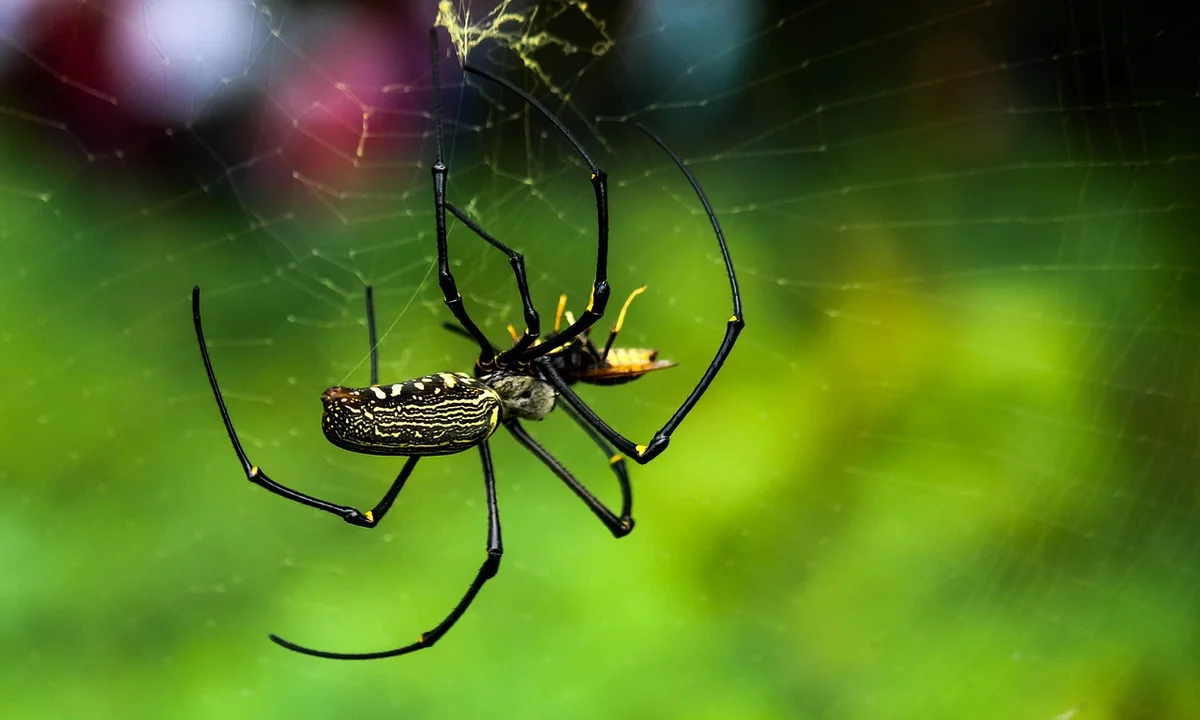
Observing your tarantula’s natural behavior is the ultimate guide. Your enclosure should be a blank canvas that invites them to express their innate instincts safely. Forcing a burrower to be a display animal creates a stressed, reclusive pet. Choosing the right substrate is part of maintaining that enclosure. For many tarantula species, a breathable, moisture-retentive substrate like coconut fiber helps humidity stay stable and supports natural burrowing.
Accommodating the Fossil Diggers and Silk Architects
I group species by their construction habits. This dictates substrate depth and anchor points.
The Obligate Burrower (e.g., many Asian fossorials): These tarantulas are fossil diggers. They require a substrate depth of at least 1.5 times their leg span, packed firmly to hold a burrow shape. I use a mix of coco fiber and topsoil for integrity. You provide a starter hole, and they will engineer an elaborate, hidden tunnel system you may rarely see.
The Silk Architect (e.g., OBTs, other African arboreals): These are weavers. They need sturdy anchor points at various heights-cork bark, branches, or faux plants-to spin their dense, silken retreats. Flash has webbed every surface of his enclosure into a defensive funnel. For these species, the enclosure itself becomes part of their web.
The Opportunistic Dweller (e.g., many New World terrestrials): Like my G. rosea, they may use a provided hide or occasionally dig. Substrate depth here is for moisture retention and cushioning, not deep burrowing. 3-4 inches suffices, focusing more on floor space than vertical depth.
Biome-Specific Setup Examples
Translating biome data into a physical enclosure is the arachnoculturist’s craft. The goal is to replicate the functional aspects of a climate, not to create a postcard-perfect diorama. Here is how I build for three distinct biomes.
Tropical Rainforest Setup (e.g., Theraphosa stirmi)
My Burgundy Goliath, Goliath, lives in a world of damp earth and still, heavy air. His setup is a study in humidity management and providing security for a large, often nervous, spider.
- Enclosure: A large, front-opening terrestrial tank. Height is secondary to floor space; a fall from even a moderate height can be fatal for these heavy-bodied spiders.
- Substrate Core: A deep, packed block of moisture-retentive coconut fiber or peat moss, at least 8 inches deep. I mix in sterilized leaf litter and sphagnum moss to mimic the forest floor’s texture and to prevent the substrate from compacting into a muddy brick.
- Humidity Mechanics: I never spray the substrate surface directly. Instead, I pour dechlorinated water into one corner, saturating the bottom layers while leaving the top barely damp. This creates a moisture gradient. A wide, shallow water dish is mandatory and is kept full.
- Furnishings: A large, half-buried cork bark hide is the centerpiece. Live or artificial plants (like pothos) help stabilize the microclimate. The ambient room temperature is kept at 75-80°F (24-27°C).
The silence of this enclosure is broken only by the soft rustle of Goliath moving across his damp leaves. The air smells earthy. Maintaining this environment prevents the respiratory issues and fatal dehydration these giants are prone to.
Arid Desert Setup (e.g., Grammostola rosea)
My Chilean Rose Hair, Rosie, exemplifies the “less is more” philosophy. Her needs are simple but non-negotiable. Forcing humidity on a desert species is a slow, dangerous form of stress.
- Enclosure: A terrestrial tank with excellent cross-ventilation. Screen tops are fine here, as we want air exchange.
- Substrate Core: A mixture of dry, sandy potting soil (no fertilizers) and excavator clay. It should be deep enough for light burrowing, about 4-5 inches, and hold its shape if Rosie decides to dig.
- Hydration Protocol: The substrate must be bone-dry. Humidity levels should sit at 40-50%. Hydration comes solely from a small, always-available water dish. I overflow it slightly every few weeks to create one damp corner, which she can use or ignore.
- Furnishings: A simple, snug hide. A few pieces of smooth rock or driftwood for texture. Temperatures can be cooler, from 70-78°F (21-26°C).
Rosie’s world is one of dust and patience. Over-misting a Grammostola can lead to fungal growth and a condition called “dyskinetic syndrome,” a tragic neurological shutdown. I learned early on that her months-long fasts are normal; a wet environment would only compound the worry.
Seasonal Savanna Setup
This biome, home to many Pterinochilus and Ceratogyrus species, is a dynamic middle ground. It experiences a distinct wet and dry season, which we can simulate to encourage natural behaviors.
- Enclosure: An arboreal or semi-arboreal tank for web-dwellers, terrestrial for burrowers. Cross-ventilation is critical to prevent stagnant air during wet cycles.
- Substrate Core: A well-draining mix of coconut fiber, vermiculite, and topsoil. Depth varies by species, but it should support both burrowing and plant roots if going bioactive.
- Seasonal Cycling: For 3-4 months, I keep the substrate slightly damp (not wet) and provide a full water dish (“wet season”). This is followed by 2-3 months where I allow the enclosure to dry out completely except for the water dish (“dry season”). This cycle can trigger feeding responses and breeding behavior in mature specimens.
- Furnishings: Ample anchor points for webbing, like cork bark flats and branches. A secure hide is essential. Temperatures are warm, 78-85°F (26-29°C).
Avoiding Common Habitat Pitfalls
Years of rehousing jittery spiders and fixing my own mistakes have taught me more than any guide. The most common errors stem from applying mammal or reptile logic to an arachnid’s world.
Cross-Contamination and Chemicals
I have a dedicated set of tongs, brushes, and water dishes for each spider. Using the same tools between enclosures can spread mites, mold spores, or chemical residues. Never use cleaning products like bleach or soap inside an active habitat. For disinfection during full clean-outs, use a diluted vinegar solution or specialized reptile/arachnid cleaners, followed by a thorough rinse and complete drying.
Insufficient Substrate Depth
This is a safety issue, not an aesthetic one. A terrestrial tarantula needs enough substrate to cushion a fall from the top of its enclosure. A rule I follow is that the distance from the substrate to the lid should be no more than 1.5 times the spider’s diagonal leg span. For my OBT, Flash, this means packing in substrate to limit vertical climbing space, reducing the risk of a dangerous fall.
Misunderstanding Humidity
Humidity is not achieved by daily misting. That only wets the surface and spikes humidity briefly before plummeting. True humidity stability comes from the moisture content deep within the substrate and the size of the water surface area in the dish. I measure humidity at the substrate level, not the top of the tank. A digital hygrometer is a wise investment.
Overcomplicating the Space
Tarantulas are not interior decorators. Sharp ornaments, heavy rocks that can shift, and clutter that limits your view of the spider are all hazards. An enclosure should be secure, functional, and easy for you to service without a complex deconstruction. Every item you add is a potential hiding spot for a prey item that could later bother your tarantula during a vulnerable molt. Keep it simple, clean, and observable. These décor dangers include five common enclosure items that harm tarantulas: sharp ornaments, heavy rocks that shift, clutter that blocks visibility, cramped hides, and unsecured lids. Avoid these to keep your tarantula safe and comfortable.
## Common Questions
Can I use the same type of enclosure for both Old World and New World tarantulas?
While enclosures can be similar in basic form, the design philosophy must differ significantly. For New World species, the focus is often on providing adequate floor space and safe burrowing depth. For faster, more defensive Old World tarantulas, the enclosure must be a secure fortress with meticulous attention to lid security, ventilation placement, and minimizing any escape routes, as their speed and potent venom make safe containment paramount. These differences are exactly what an enclosure setup guide contrasts when comparing arboreal versus terrestrial tarantula tanks. In arboreal setups, vertical height and secure climbing structures are key, while terrestrial tanks prioritize broad floor space and deep substrate for natural burrowing.
Why is ventilation so much more critical for Old World tarantula habitats?
This stems from their typical arid to semi-arid origins and their need for stable, low-humidity environments to prevent respiratory issues. Extensive cross-ventilation prevents the stagnant, moist air pockets that can foster mold and bacteria. This airflow mimics the breezy conditions of their native scrublands and savannas, making it a non-negotiable aspect of their husbandry, especially for African and Middle Eastern species.
Do I need to provide a heat source for my tarantula’s habitat?
This depends more on your room’s ambient temperature than the tarantula’s origin. Both groups generally thrive between 70-80°F (21-27°C). The key is providing this warmth safely through ambient room heating or a thermostat-controlled heat mat on the side of the enclosure, never from internal heat sources like lamps or rocks. Old World species often appreciate the warmer end of this range due to their faster metabolisms.
How does substrate depth really differ between the two groups?
It is dictated by lifestyle and defense strategy. Many Old World species are obligate burrowers or heavy webbers, requiring significant substrate depth (often 1.5x their leg span) to construct deep, stable burrows or anchor extensive web tunnels. For many heavier-bodied New World terrestrials, substrate depth is crucial primarily as a moisture reservoir (for humid species) and a vital safety cushion to prevent injury from falls.
Why are anchor points like cork bark so important for Old World enclosures?
Many Old World tarantulas, especially from Africa and Asia, are prolific “silk architects.” They utilize every available surface to construct dense, felt-like webbing for retreats, trip lines, and hunting grounds. Securely anchored cork bark flats, branches, and other structures provide the necessary framework for this natural webbing behavior, which is essential for their sense of security and overall well-being in captivity. In arboreal tarantulas, anchor points for arboreal tarantulas—branch junctions, cork flats, and sturdy stems—directly influence where and how their webs form. For keepers, arranging these anchor points to mimic natural vertical networks helps promote authentic webbing and reduce stress.
Long-Term Success in Tarantula Keeping
The bedrock of lifelong care is honoring the fundamental moisture divide: for New World tarantulas like my Goliath, you must maintain damp, humidity-retentive substrate, while for Old World tarantulas like Flash, you must provide arid, breathable substrate with exceptional cross-ventilation to prevent respiratory issues. Getting this environmental axis correct prevents the most common health crises and allows your spider to express its natural behaviors fully. This balance is exactly what informs the discussion of the five biggest humidity-ventilation mistakes tarantula caretakers commonly make. By recognizing these pitfalls, you can tune substrate, humidity, and airflow to keep your tarantula thriving.
Once the habitat is set, the true reward begins-quiet observation. I learn more from watching Rosie’s months of peaceful stillness than from any frantic activity. Enjoy the engineering prowess of a webbing species, the dedicated sculpture of a burrow, the sudden, precise ambush. Patience is your most valuable tool; it reveals the animal’s world on its own terms, from a successful molt to the deliberate patrol of its territory. This respectful, watchful approach is what transforms keeping into a deeply rewarding practice.
Further Reading & Sources
- Tarantula – Wikipedia
- Tarantula | San Diego Zoo Animals & Plants
- Tarantula Habitats Explained, From Tree Tops to Tunnels – A-Z Animals
Arlo is a lifelong arachnid enthusiast who believes tarantulas are the world’s most misunderstood roommates. With years of hands-on experience in tarantula care, habitat setup, and species behavior, Arlo combines expert knowledge with a dash of humor to make spider ownership less scary and a lot more fascinating. From choosing the right enclosure to understanding why your eight-legged buddy is doing that weird little pose again, Arlo is here to help you become the best tarantula parent you can be, without getting tangled in the web of misinformation.
Enclosures and Sizes