
What is the Best Diet and Feeding Schedule for a Healthy Tarantula?
Tarantulas are not the insatiable eating machines of folklore but precise, efficient predators with metabolisms fine-tuned by millions of years of evolution. Feeding your tarantula correctly is less about frequency and more about strategic, observant care that matches prey to predator in a silent, ancient dance. Drawing on my years of breeding everything from docile ‘pet rocks’ to defensive speed demons, this article will break down the science and art of tarantula nutrition. Start with this rule: offer one live prey item, no larger than your tarantula’s carapace, every 1-2 weeks for an adult, but always let the spider’s abdomen size and behavior be your final guide.
Quick Stats:
- Origin: Worldwide; diet must reflect native habitat, from the dry scrub my Grammostola rosea calls home to the humid burrows of my Theraphosa stirmi.
- Type: New World (e.g., Grammostola, Theraphosa) or Old World (e.g., Psalmopoeus), a key divider influencing venom potency and stress levels during feeding.
- Growth Rate: Wildly variable; my Psalmopoeus murinus sling grew explosively, requiring weekly feeds, while my mature G. rosea may refuse food for months without issue.
This guide will translate these stats into actionable steps, giving you the confidence to feed your tarantula perfectly from its delicate sling stage all the way to a content, full-grown adult.
Understanding the Core Principles of Tarantula Nutrition
A tarantula’s nutritional needs are nothing like a dog’s or a hamster’s. Their physiology is alien and efficient. They are hyper-carnivorous, opportunistic predators built to capitalize on a meal when it stumbles by, not to graze daily. Their incredibly slow metabolism means their primary food source is time itself, converting a single cricket into weeks of energy.
I learned this principle through my Chilean Rose Hair, Rosie, who once fasted for a solid 14 months. Panic is a common new-keeper reaction, but it’s usually unnecessary. Fasting is a normal part of their rhythm, especially before a molt or during cooler periods. Observing your tarantula’s abdomen is your best guide; a plump, rounded opisthosoma means it’s well-fed, while a shriveled one signals it’s time to offer food.
Nutrition is also about hydration. Tarantulas derive moisture from their prey. A well-hydrated feeder insect is a two-in-one package. This is why I always provide a clean, shallow water dish in every enclosure, from my moisture-loving Goliath to my arid-adapted Rosie. A drink is often more critical than a meal, especially since not all tarantula species have the same hydration needs.
The Tarantula’s Menu: Safe and Appropriate Prey
The foundation of captive tarantula feeding is cultured feeder insects. Wild-caught prey is a dangerous gamble, potentially carrying pesticides, parasites, or diseases that can devastate your spider. Stick to reliably bred feeders; your tarantula’s health is not worth the risk of a free cricket from the garden.
Here is a breakdown of the most common and suitable prey items:
| Feeder Insect | Best For | Notes from Experience |
|---|---|---|
| Gut-loaded Crickets | Standard staple for most species. | Noisy and can bother a molting tarantula. Remove uneaten ones promptly. |
| Dubia Roach Nymphs | Excellent nutritional profile, quiet, can’t climb smooth walls. | My preferred feeder for my T. stirmi. They are meaty and stimulate a feeding response well. |
| Red Runner Roaches | Fast movement triggers hunting in picky eaters. | I use these for my OBT, Flash. Their speed mimics natural prey, but ensure the enclosure is secure! |
| Mealworms/Superworms | Good for variety. Best offered pre-killed or head-crushed. | They burrow quickly and can bite a molting tarantula. I use tongs to offer them directly. |
| Discoid Roaches | Perfect alternative to dubias where they are legal. | Similar benefits: nutritious, quiet, and less odor than crickets. |
Live Prey vs. Pre-Killed: Weighing Your Options
This choice hinges on your tarantula’s temperament and life stage. Live prey stimulates natural hunting behaviors—the stalk, the sudden strike. My defensive OBT, Flash, will only take live, moving prey. For a healthy, established juvenile or adult, live prey is typically the best and most engaging option. Do tarantulas hunt and capture their prey? Most tarantulas are ambush or stalking hunters that actively seek out live prey, then seize it with a swift bite.
Pre-killed or incapacitated prey is a vital tool in certain situations. For slings (spiderlings), a live cricket can be a threat. I always pre-kill for tiny tarantulas. It is also safer for a tarantula that is in pre-molt, showing a bald, darkening abdomen. A burrowing mealworm left alive in the enclosure can fatally injure a soft, vulnerable tarantula during its molt. When in doubt, pre-kill.
A Practical Guide to Feeder Insects
Simply buying crickets and dropping them in is not optimal husbandry. You must think about what the feeder has eaten-a process called gut-loading. Feed your crickets or roaches nutrient-rich vegetables (carrots, sweet potato, leafy greens) and a quality commercial feed 24-48 hours before offering them. A well-nourished feeder passes that nutrition on to your tarantula.
Variety is beneficial. Rotating between two or three feeder types, like dubias and the occasional superworm, provides a broader spectrum of nutrients. It also prevents your tarantula from imprinting on a single food source and refusing others.
The Critical Rule of Prey Size
This is the single most important safety rule in feeding. The prey item should never be larger than your tarantula’s abdomen, and ideally should be smaller. I follow the “one-half to one-third” rule: the prey’s body length should be no more than half to one-third the length of the tarantula’s carapace (the hard head-body section).
An oversized prey insect can injure or fatally stress your tarantula. It can fight back. I learned this early on with a too-large cricket that a juvenile tarantula struggled to subdue for hours, causing immense stress. When my 4-inch Goliath sling took down a full-sized dubia, the victory was impressive but the distended abdomen afterwards made me adjust my offerings. Smaller, more frequent meals are always safer than one massive feast.
Building Your Tarantula’s Feeding Schedule
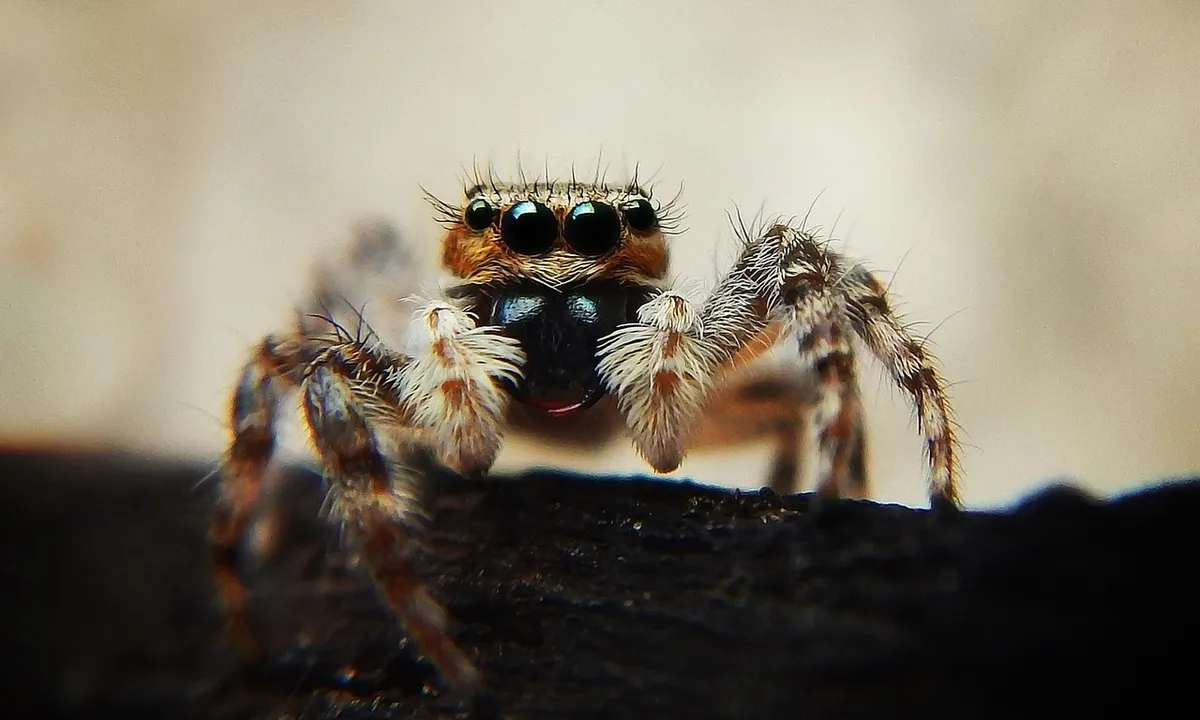
Your tarantula’s feeding schedule is not a one-size-fits-all calendar but a flexible rhythm tuned to its biology. Crafting this rhythm requires observing both the universal rules of arachnid growth and the peculiarities of your individual spider. I adjust schedules for my three tarantulas constantly, from Rosie’s glacial pace to Flash’s explosive feeds.
How Species and Age Dictate Feeding Frequency
Metabolism in tarantulas varies wildly between a docile terrestrial and a fast-moving arboreal. Young spiderlings, or slings, are eating machines that may require food every two to three days to support rapid growth. Their bodies are building mass at an incredible rate.
Adult tarantulas, especially females, settle into a slower pace. My 15-year-old Grammostola rosea, Rosie, might eat one large cricket every month or two, then fast for half a year without concern. This is normal for many mature New World species.
Compare that to my Theraphosa stirmi, Goliath. As a heavy-bodied, humidity-loving species, he maintains a faster metabolism and readily accepts food weekly, which helps support his massive size. His appetite is a constant.
Here is a simple guide based on my experience:
- Spiderlings (Under 1 inch): Offer prey every 2 to 4 days. Their abdomens should look plump but not stretched.
- Juveniles (1 inch to 3 inches): Feed once every 7 to 10 days. This is a period of steady growth.
- Sub Adults and Adults: Feed every 10 to 14 days for most species, but be prepared for long fasts, especially in Grammostola and Brachypelma genera.
Species-specific needs override general age rules. An old Psalmopoeus murinus like Flash will still strike with speed and eat weekly, while a young G. rosea might start its infamous fasts early. Always research your specific tarantula’s origin.
Recognizing Hunger and Fullness
Tarantulas communicate through posture and behavior, not sound. A hungry tarantula often patrols the enclosure at night, sits poised at the entrance of its hide, or immediately investigates vibrations from prey. My OBT, Flash, weaves a dense mat of web that acts as a vibration sensor, triggering a lightning strike.
Avoid the common mistake of overfeeding. An overfed tarantula sports a dangerously distended, shiny abdomen that can split during a fall, a fatal injury. The abdomen should be rounded, not balloon-like.
Signs of fullness or disinterest include:
- Ignoring prey: A live cricket wanders untouched for over 24 hours.
- Threat posture: The tarantula flicks urticating hairs or raises its front legs to ward off the food, as Goliath often does when he’s had enough.
- Retreat: It simply moves away from the prey item and seals itself in its hide.
Remove uneaten prey to prevent stress or injury. I once left a cricket in with a pre-molt Rosie, and the constant harassment delayed her shedding for days. This observation is key to respectful care.
During pre-molt, all feeding should stop. Your tarantula will become lethargic, its abdomen darken, and it will refuse all food as its body prepares for the vulnerable process of ecdysis. This fasting period can last weeks. These pre-molt guidelines are part of the broader when not to feed your tarantula guide, which covers other fasting periods as well. It explains when to pause feeding during post-molt recovery and similar temporary fasts.
Special Considerations and Feeding Adjustments
Feeding a tarantula is not a rigid weekly calendar event. Your tarantula’s life cycle and individual behavior demand flexible adjustments, turning feeding from a routine into a form of attentive observation. Our Hungry or stressed tarantula guide helps you identify hunger and stress cues. It translates those signals into practical feeding steps tailored to your tarantula. Ignoring these rhythms can lead to stress, injury, or wasted food.
Feeding Through the Molt Cycle
The molt, or ecdysis, is the most critical and vulnerable period in your tarantula’s life. Feeding must align with this process. In the weeks leading to a molt (pre-molt), your tarantula will build a new exoskeleton underneath the old, exhibiting certain signs. Its appetite will vanish.
You must stop offering food the moment you suspect pre-molt; a live insect near a soft, defenseless tarantula is a severe hazard. Key pre-molt signs include a darkening bald spot on the abdomen, lethargy, and webbing itself into a silken “mat.” My OBT, Flash, seals his burrow completely.
- Pre-Molt Fast: Cease all feeding. Ensure a full water dish is available. Do not disturb.
- During the Molt: This can take hours. Maintain high humidity through substrate moisture, but never mist directly on the animal. Absolute silence is required.
- Post-Molt Recovery: After flipping right-side up, your tarantula is soft and fragile. Wait a minimum of one week for slings, and 10-14 days for large adults like my Goliath, before offering a smaller, pre-killed prey item. The new fangs need time to harden from white to deep black.
Managing Weight: Avoiding Overfeeding and Underfeeding
A tarantula’s abdomen is its fuel tank. Your goal is a plump, rounded abdomen, not a distended, shiny balloon. An overfed abdomen can split during a fall, a fatal injury. An underfed tarantula appears shriveled and lethargic.
- The Overfed Tarantula: Abdomen is disproportionately large, taut, and may appear shiny. The tarantula may struggle to climb. Solution: Immediately stop feeding until the abdomen reduces to a normal size, which can take many months. This is not starvation; it’s necessary correction.
- The Underfed Tarantula: Abdomen is small, wrinkled, or shriveled. The pedipalps and legs may appear overly thin. This is common in new, imported specimens. Solution: Offer smaller, more frequent meals (every 4-5 days) until body condition improves.
- The Ideal Weight: The abdomen should be roughly 1 to 1.5 times the size of the carapace. My G. rosea, Rosie, maintains this for months between meals. It’s a slow, patient balance.
The Long Fast: When Your Tarantula Refuses Food
This tests a keeper’s nerve. A mature female Grammostola rosea like my Rosie can fast for over 18 months without harm. Other species may fast for seasons. Panic-feeding or prodding causes immense stress.
A healthy fasting tarantula will still drink water and move occasionally; a sick one will often assume a “death curl” or lie listlessly. To assess a fast:
- Check Enclosure Parameters: Is the temperature between 70-80°F? Is humidity appropriate? For my moisture-dependent T. stirmi, a dry spell triggers hunger strikes.
- Offer, Then Remove: Present a live prey item every 3-4 weeks. If uneaten after 24 hours, remove it.
- Trust the Process: Provided the abdomen isn’t severely shrunken, your tarantula knows its biology better than you do. It is conserving energy. My Rosie’s epic fasts taught me that patience is the most crucial tool in the hobby.
Record the date of its last successful meal. This log is invaluable for vet visits and your own peace of mind. The silence of the enclosure isn’t emptiness; it’s a lesson in a different pace of life.
Advanced Husbandry for Optimal Nutrition
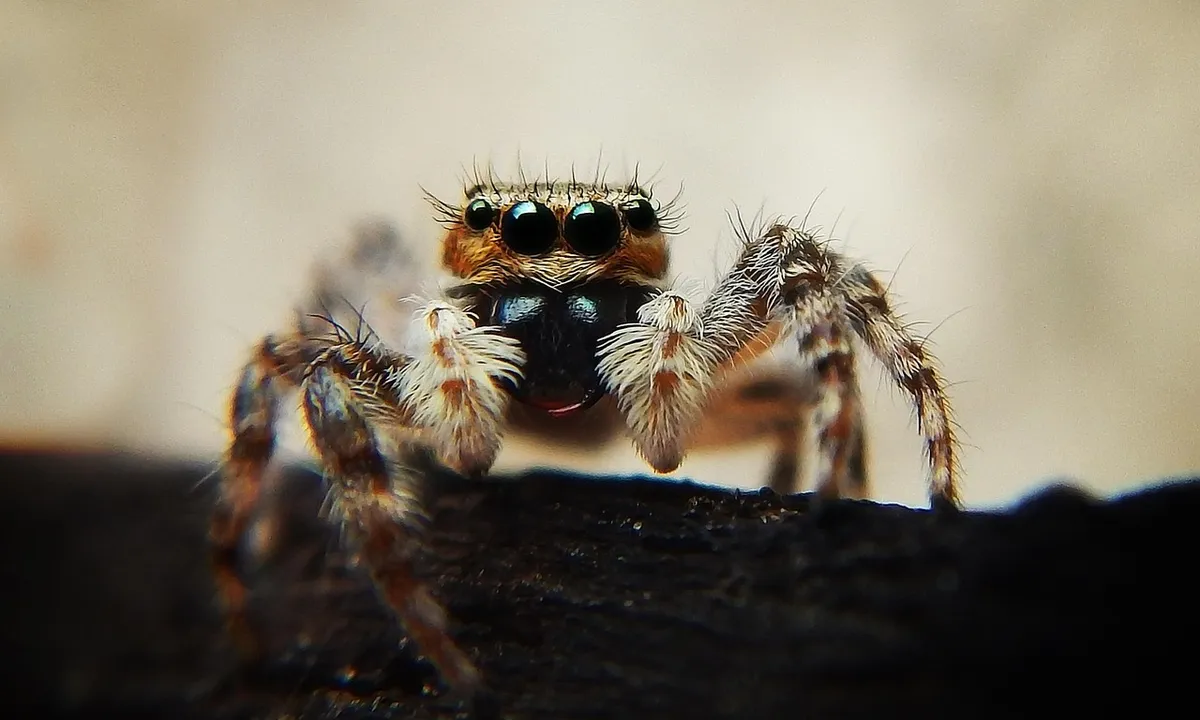
Feeding is more than dropping a cricket into an enclosure. It is the cornerstone of a proactive care philosophy. True nutrition extends beyond the prey item itself, encompassing the entire chain of husbandry that leads to a thriving spider. Master these elements, and you transform routine feedings into a powerful tool for longevity and vitality.
The Importance of Hydration Beyond Prey
A tarantula’s water bowl is its lifeline. Prey alone provides very little moisture. Dehydration is a silent killer, leading to failed molts, kidney failure, and a slow, preventable decline. I learned this early with my Goliath Bird Eater (T. stirmi). Her health directly correlates with the humidity in her deep, moist substrate and the full state of her large, shallow water dish. That raises the question of how long a tarantula can go without a direct water source. While moisture from substrate and prey helps, extended dehydration is still dangerous, so even long-lived pets need reliable access to water.
Different species require different hydration strategies.
- Always Provide a Water Dish: Use a shallow, tip-proof dish. Even my desert-dwelling Chilean Rose Hair (G. rosea) has one, though she may ignore it for months.
- Misting Versus Moisture: Lightly misting one corner of an enclosure provides drinking droplets for arboreal species. For moisture-dependent tarantulas like Goliath, pour water directly into the substrate to create a damp, cool lower layer.
- Monitor for Signs: A shriveled abdomen or a tarantula sitting over its water dish for days are urgent signs. A plump abdomen and regular activity indicate good hydration.
A well-hydrated tarantula will molt more cleanly, digest food more efficiently, and exhibit noticeably better overall condition. To tell if your tarantula is dehydrated, look for a sunken or wrinkled abdomen and reduced activity. If dehydration is suspected, provide a shallow water dish and maintain appropriate humidity. This is non-negotiable husbandry.
Gut-Loading and Feeder Care
The insect you feed is only as nutritious as what it last ate. Feeding a starving, dehydrated cricket to your tarantula offers little more than chitin and water. Gut-loading is the practice of feeding your feeder insects a nutrient-rich diet for 24-48 hours before offering them.
I keep my feeder crickets and roaches on a simple but effective diet.
- High-Quality Commercial Gut-Load: A primary staple, formulated with vitamins, minerals, and calcium.
- Fresh Vegetables: Slices of carrot, potato, or collard greens provide moisture and micronutrients. Avoid citrus and onion.
- Water Source: Use water gel crystals or fresh veggies. A dish of water will drown small feeders.
This process pumps the feeder full of digestible goodness that transfers directly to your tarantula. The difference is visible. Gut-loading is the single biggest upgrade you can make to a basic feeding routine, turning empty calories into a complete nutritional package. Your tarantula’s growth rate, molting success, and energy reserves will reflect this diligent effort. Never offer a feeder you would not be willing to eat yourself; their internal condition is now your pet’s sustenance.
FAQs
What is a tarantula diet schedule?
A tarantula diet schedule is a flexible feeding plan based on your spider’s age, species, and physical condition. It is not a rigid daily or weekly calendar but a rhythm you establish by observing your pet. The core principle is to offer appropriately sized prey on a routine basis, then adjust based on your tarantula’s appetite and abdomen size. To help tailor this rhythm, you can use a tarantula feeding schedule calculator. It lets you input your spider’s age, species, and abdomen size to estimate feeding frequency and prey size.
How often should a tarantula be fed?
Feeding frequency depends greatly on life stage. Fast-growing spiderlings may eat every 2-4 days, while juveniles typically do well with a meal every 7-10 days. Most healthy adults only require food every 10-14 days, and some species are known for fasting for several months. Always let the spider’s rounded abdomen, not a calendar, be your primary guide.
What foods are safe and appropriate for tarantulas?
Safe foods are captive-bred feeder insects to avoid pesticides and parasites. The most common and appropriate staples include gut-loaded crickets, dubia roach nymphs, and red runner roaches. Mealworms or superworms can be offered occasionally for variety, but are best given pre-killed to prevent them from burrowing or harming a molting tarantula.
Should tarantulas be fed live prey, frozen prey, or both?
Most healthy juvenile and adult tarantulas thrive on live prey, which stimulates their natural hunting instincts. Pre-killed or incapacitated prey is highly recommended for tiny spiderlings and is a safer option for tarantulas in pre-molt. Frozen prey is not typically used, as the movement of live or freshly killed prey is what triggers a feeding response. For a detailed comparison, check out this guide to feeding methods.
Does diet vary by tarantula species or age?
Yes, both species and age cause significant variation. Fast-moving arboreal species often have higher metabolisms than slow-moving terrestrial ones. The most dramatic difference is with age: spiderlings need frequent, small meals for growth, while adults eat much less often. Always research the natural history of your specific tarantula species to inform its care.
What signs indicate overfeeding or underfeeding in tarantulas?
An overfed tarantula will have a dangerously large, shiny, and taut abdomen that is at risk of splitting. An underfed tarantula will have a shriveled, wrinkled abdomen and may appear lethargic. A healthy tarantula maintains a plump, rounded abdomen that is roughly 1 to 1.5 times the size of its carapace.
The Final Molt
Throughout their long lives, from spiderling to mature adult, a tarantula’s nutritional needs are elegantly simple. The single most important husbandry parameter is not a specific feeder, but a consistent feeding rhythm that maintains robust hydration and body mass without promoting obesity. Feed juveniles weekly, adults every 10-14 days, and always respect a fast-it’s your spider’s most powerful signal.
Beyond the schedule, find joy in the silent theatre of the hunt. Watch the patient ambush of my Grammostola rosea, Rosie, or the dramatic, booming strike of my Theraphosa stirmi, Goliath. Observe the intricate silk larders of an Pterinochilus murinus like Flash. This hobby thrives on patient observation, not constant intervention. Your greatest tool is your own quiet attention, watching as your careful feeding supports the magnificent, slow-motion biology unfolding in your care.
Further Reading & Sources
- Tarantula Feeding – What, when, and how much to feed | Tom’s Big Spiders
- How To Create A Tarantula Feeding Schedule
- How to Feed a Tarantula: 12 Steps (with Pictures) – wikiHow
Arlo is a lifelong arachnid enthusiast who believes tarantulas are the world’s most misunderstood roommates. With years of hands-on experience in tarantula care, habitat setup, and species behavior, Arlo combines expert knowledge with a dash of humor to make spider ownership less scary and a lot more fascinating. From choosing the right enclosure to understanding why your eight-legged buddy is doing that weird little pose again, Arlo is here to help you become the best tarantula parent you can be, without getting tangled in the web of misinformation.
Feeding Frequency