
Pet Store vs. Reputable Breeder: Where Should You Really Get Your Tarantula?
Published on: December 25, 2025 | Last Updated: December 25, 2025
Written By: Arlo
Your choice of source for a tarantula fundamentally shapes the animal’s long-term health and your entire keeping journey. Having raised everything from my docile, fifteen-year-old Grammostola rosea to my fast, defensive Pterinochilus murinus, I’ve seen how origin stories written in pet stores versus breeding projects play out over years. This guide cuts through the noise with direct comparisons and hard-won advice from the breeding room. For a thriving spider and a supported keeper, a dedicated breeder is the clear, ethical choice.
Quick Stats:
- Common Source: Pet Store (large-scale distributor) vs. Reputable Breeder (specialized, small-scale).
- Spider Type: Often wild-caught or unknown-captive-bred vs. Almost always captive-bred with known lineage.
- Keeper Growth: Trial-and-error isolation vs. Mentored learning with ongoing support.
This guide will give you the specific criteria to evaluate any source, ensuring your new tarantula begins its life in your care with the best possible chance of a silent, stress-free existence.
Your First Tarantula: A Crucial Crossroad
Choosing where to acquire your first tarantula sets the stage for everything that follows. This decision impacts the animal’s long-term health and your entire journey into the hobby. I remember the nervous excitement of getting my first tarantula, Rosie, and how much I didn’t know. Your source determines the quality of life you can provide from day one. A stressed, ill, or wild-caught specimen from a questionable origin can lead to immediate challenges, while a healthy, captive-bred animal from a knowledgeable source offers a stable foundation. This isn’t just about buying a pet; it’s about becoming a responsible keeper.
Consider the sheer lifespan of these animals. My Chilean Rose Hair, Rosie, has been with me for 15 years. That’s a long-term commitment shaped by her initial health. Starting with a compromised tarantula often means facing unexplained molting problems, refusal to eat, or chronic stress behaviors that could have been avoided. The initial price tag is the smallest part of the equation. Your choice here dictates years of observation, care, and success.
Decoding the Pet Store Tarantula Experience
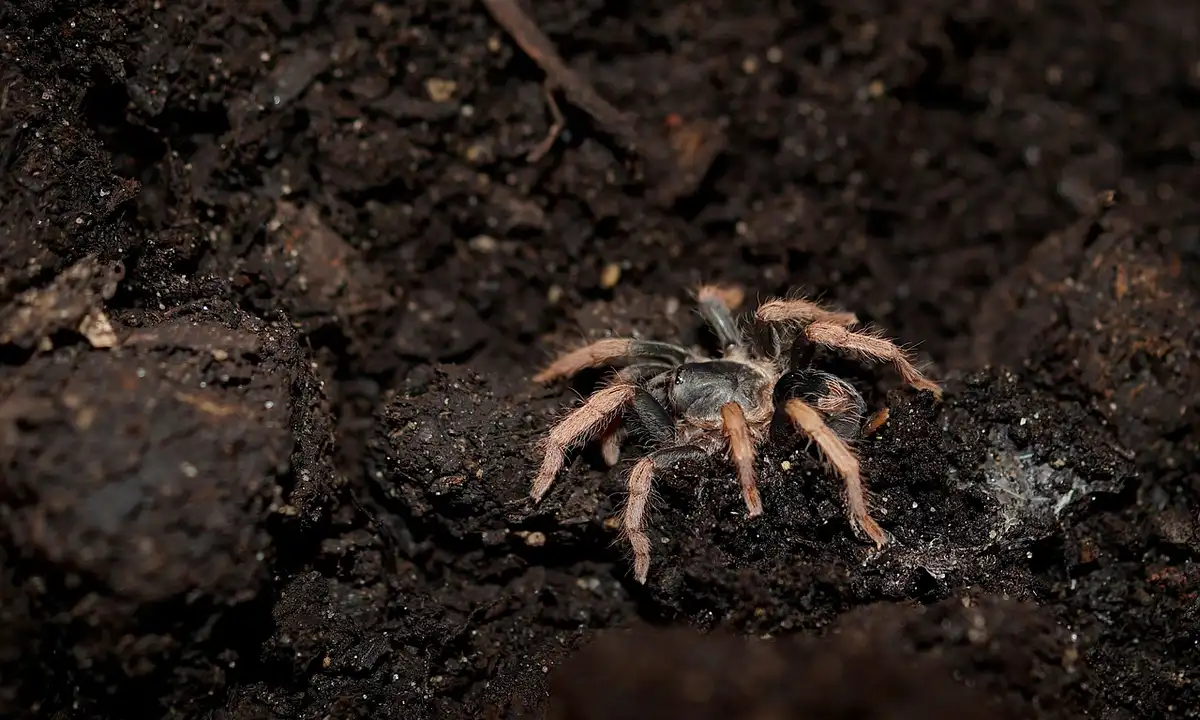
Walking into a large chain pet store, the tarantula is often a curiosity in the reptile aisle. The setup looks simple, but a practiced eye sees the red flags. I’ve spent years rehabilitating tarantulas from these very conditions. The convenience of an impulse buy masks a complex reality of compromised welfare and incomplete information. Beyond welfare, legal and ethical considerations govern what you can legally own and how those animals are obtained. For rare tarantulas, proper sourcing and compliance with permits matter as much as welfare. Let’s break down what you’re actually seeing on those shelves.
The Reality of Big-Box Retail Enclosures
The typical display is a small, barren kritter keeper with a sponge in a water dish and maybe a single stick. This is a housing unit, not a habitat. For a moisture-dependent species like my Burgundy Goliath Bird Eater (Theraphosa stirmi), which requires 75-85% humidity, a dry enclosure with a sponge is a direct health risk. Sponges breed bacteria and provide negligible humidity. Proper substrate depth for burrowing or humidity retention is almost always absent, forcing the tarantula into a state of constant environmental stress.
Here is what a proper enclosure provides that a retail setup lacks:
- Deep, packable substrate (like coconut fiber or topsoil mix) for burrowing and humidity control.
- A full water dish with fresh, clean water-no sponges ever.
- Appropriate ventilation to prevent stagnant air without creating arid conditions.
- Anchor points for webbing and secure hides that make the tarantula feel safe.
The silence of a stressed tarantula pressed against the thin plastic walls is a stark contrast to the quiet activity of one digging a burrow in a proper home.
Unknown Origins and Hidden Health Costs
Pet store tarantulas frequently come from wholesale distributors who may source from wild-caught populations or large-scale breeding mills. The animal’s history is a blank slate. Wild-caught adults can arrive with internal parasites, heavy mite loads, or dehydration that isn’t immediately visible. I’ve seen “bargain” tarantulas that later required veterinary-grade mite treatments, a stressful process for both keeper and spider. That’s why beginner tarantula keepers emphasize prevention—quarantining new arrivals and maintaining clean, stable enclosures. Regular checks for signs of dehydration, mites, or parasites help catch problems early and keep spiders healthy.
Consider the molt cycle. A tarantula about to molt is incredibly vulnerable. In a wholesale chain, it may be shipped or housed incorrectly during this time, leading to fatal complications. My OBT, Flash, came from a breeder as a sling; I witnessed every healthy molt. With a pet store tarantula, you might inherit the consequences of unknown trauma, leading to a sudden, confusing death weeks after purchase. The hidden cost isn’t just money-it’s the emotional toll of losing an animal to preventable circumstances.
The Limitations of General Pet Store Knowledge
While some individual employees are passionate, the store’s training is generalized. I’ve overheard advice like “they only need crickets once a month” or “they’re fine on sand.” This misinformation stems from a lack of species-specific expertise. Tarantula care is nuanced; a Chilean Rose Hair’s arid needs are the opposite of a Goliath Bird Eater’s tropical requirements. Applying one guideline to all species is a recipe for failure.
Ask a pet store associate these questions. The answers often reveal the gap:
- Is this specimen captive-bred or wild-caught?
- What is its last molt date or confirmed sex?
- What are the ideal humidity and temperature ranges for this exact species?
My Goliath kicks urticating hairs if his humidity dips too low-a behavior a generalist might mistake for simple defensiveness. Without specialized knowledge, staff cannot guide you on critical signs of stress, pre-molt behavior, or safe rehousing techniques for fast species like the OBT. You are left to decode complex care on your own, often after the animal is already in distress.
The Reputable Breeder Advantage: Beyond the Price Tag
While a pet store price tag might seem lower, the true value of a tarantula from a dedicated breeder is measured in information, health, and ethical certainty. You are not just buying an animal; you are investing in its entire life history and a direct line to its caretaker.
Captive-Bred Certainty and Lineage
When you acquire a captive-bred specimen, you know its exact age and origin. This is profound for planning its care. A “3-inch unsexed” tarantula could be a fast-growing male nearing his final molt or a slow-growing female with decades ahead. Breeders often know. This knowledge transforms your planning from a guessing game into a structured, long-term commitment. My OBT, Flash, came to me as a confirmed female sling from a documented breeding—I know her explosive growth is normal and can prepare for her adult enclosure needs years in advance, especially by closely following her growth month by month.
Expert Husbandry from Day One
Reputable breeders raise their slings in conditions mirroring optimal adult parameters. A pet store tarantula may arrive dehydrated, having been kept on bone-dry wood chips for weeks. A breeder-raised sling has known only correct humidity and proper substrate. The spider in your hands is a product of its environment from its first instar, setting it up for a resilient life. In tarantula sling spiderling care terms, those early conditions translate to precise humidity and a safe, appropriately sized enclosure from the start. Proper sling care continues by maintaining stable microhabitats through molts, with careful feeding and minimal disturbance. Think of it this way:
- Pet Store: Unknown history. Possible dehydration, stress, improper feeding schedule.
- Breeder: Documented care. Started in humid deli cups, transitioned to terrestrial set-ups, fed consistently on quality prey.
A Wealth of Species-Specific Knowledge
This is the breeder’s superpower. They don’t just sell you Pterinochilus murinus; they tell you how their particular line behaves, what triggers their web-building, and their preferred burrow design. A good breeder delivers a miniature masterclass with every spider they place. They provide the nuanced data generic care sheets lack:
- Exact temperature and humidity percentages they’ve found success with.
- Growth rates observed in their brood.
- Personality quirks common to the species (like my Goliath’s predictable hair-kicking when the water dish is refilled).
- Post-molt recovery tips specific to that tarantula’s lineage.
Doing proper care for advanced rare tarantula care means following lineage-specific husbandry and staying current with best practices. A top breeder isn’t just selling spiders — they’re guiding you on the ongoing, meticulous care those exceptional tarantulas require.
Health and Ethics: The Invisible Factors
The physical journey a tarantula takes before reaching you is a major determinant of its health. The stress footprint of a wild-caught import is a hidden tax on the animal’s long-term well-being. Safe transport and careful rehousing are essential to protect its health. Use a secure travel container and a suitable enclosure to minimize stress during and after the move.
Stress Footprint: Import Chain vs. Captive Nursery
Visualize the path of a wild-caught tarantula: snatched from its burrow, packed in a container with dozens of others, shipped internationally, held in wholesale facilities, and finally placed on a retail shelf under bright lights. Each step depletes the animal’s resources, leaving it vulnerable to disease and chronic stress. A breeder-raised sling, however, knows only the quiet transition from its natal vial to a shipping container to your prepared enclosure. The silence of the enclosure you provide is familiar, not frightening. It’s just one part of responsible handling and care that ensures their well-being.
Quarantine and Health Guarantees
Responsible breeders quarantine new stock and maintain clean, segregated collections. They observe for mites, fungal issues, or poor appetite long before offering an animal for sale. Many offer short health guarantees-a testament to their confidence in the animal’s condition. This proactive care is absent in the high-turnover pet store model, where a sick tarantula might simply be written off as “lethargic.”
Supporting Ethical Practices in Arachnoculture
Choosing a breeder is a vote for the hobby’s sustainable future. It supports individuals who meticulously pair animals, document bloodlines, and prioritize welfare over volume. You become part of a conservation-minded community that values preservation over depletion. This ethical layer adds immense satisfaction to the hobby. You are not taking from wild populations; you are stewarding a captive-born life, much like my 15-year-old Rosie, whose entire existence has been in dedicated, careful captivity.
Making Your Choice: Key Questions to Ask
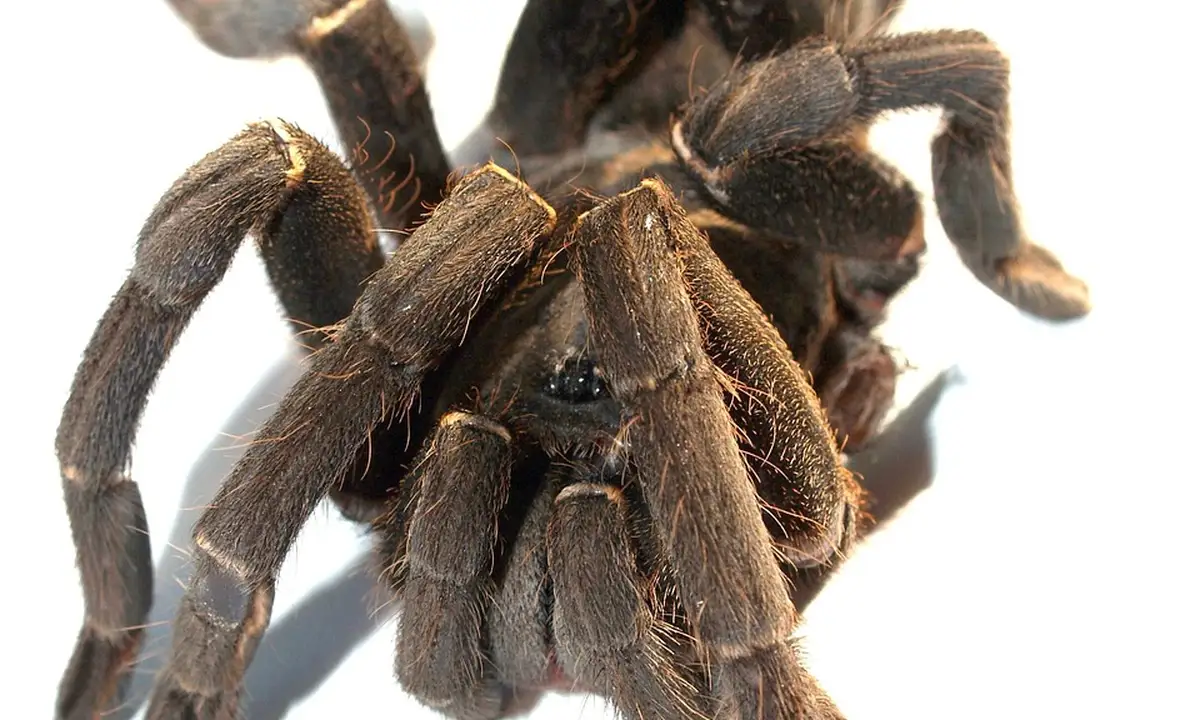
Before any money changes hands, your responsibility is to gather information. Asking pointed questions separates a casual salesperson from a true source of healthy animals. Walk in with this list.
-
Can they provide the species’ scientific name and origin (WC/CB)?
A clerk saying “rose hair” is not enough. You need Grammostola rosea or G. porteri-they are different. The Latin name is non-negotiable. You must also ask if the animal is wild-caught (WC) or captive-bred (CB). Always insist on captive-bred; wild-caught individuals often carry hidden parasites and immense stress from their traumatic journey. My old-world tarantula, Flash, is captive-bred, and his predictable health is a testament to this practice.
-
What is the current feeding schedule and last meal?
A tarantula that hasn’t eaten in a month could be healthy and premolt, or it could be failing. A knowledgeable keeper will know. My G. rosea, Rosie, famously fasts, but I track every refused cricket. If your tarantula refuses to eat, identify potential causes like a recent molt, stress, or enclosure conditions. Then try practical fixes such as offering appropriately sized live prey and ensuring proper temperature and humidity. This question tests the seller’s basic husbandry awareness and gives you a baseline for your new pet’s routine. A vague answer like “we feed them sometimes” is a major red flag.
-
Can you see the animal’s full enclosure before purchase?
Look at the setup. Is the substrate bone-dry for a moisture-dependent species like my T. stirmi? Is it a swamp for a desert species? Are there mold spots or mite infestations? The condition of the temporary enclosure directly reflects the care the animal has received and the seller’s fundamental knowledge. I once passed on a beautiful specimen because its water dish was filled with green algae-a sign of chronic neglect.
-
What is their policy if the tarantula has health issues post-purchase?
Reputable sellers stand by their livestock. A good breeder will often offer a short health guarantee or be available for advice. A big-box store will likely offer nothing. You are not just buying an animal; you are investing in the seller’s expertise and ethical backing. Know their position before a problem, like a leaking molt or sudden lethargy, leaves you alone.
Your Next Steps After Deciding
Your choice is made. Now, action shifts from investigation to preparation. The steps you take next are critically different based on your source.
If You Choose a Reputable Breeder
Communication is your greatest tool. A good breeder is a partner.
- Discuss shipping dates to ensure you are home to receive the package immediately.
- Confirm the exact setup-substrate depth, humidity, hide type-they use for that species’ life stage. Mimic it.
- Prepare the permanent enclosure completely before the spider arrives. Have it warmed and settled.
- When the spider arrives, record a calm, well-lit unboxing video. This documents the animal’s condition upon arrival for both you and the breeder.
This partnership is the gold standard, turning a purchase into an apprenticeship for that specific spider’s needs.
If a Pet Store is Your Only Option
You must become a detective and a nurse. Assume the spider needs rehabilitation.
- Practice strict quarantine. Keep the new tarantula in a separate room from your existing collection for at least two months.
- Plan a full substrate change immediately. The store’s substrate is often incorrect and may harbor pests.
- Do not feed it for the first 5-7 days after rehousing. Let it destress and settle into its clean, proper environment.
- Observe with extreme patience. Note every movement, refuse every urge to “check on it.” Your goal is to provide silent, stable conditions so it can recover from the chaos of retail life.
Choosing this path requires extra vigilance, transforming you from a simple owner into a conscientious rehabilitator. It is more work, but it can be a profoundly rewarding act of rescue.
Frequently Asked Questions
How do I actually find a reputable tarantula breeder?
Start by searching on dedicated arachnid forums and classified sites, where established breeders have reputations built over years. Attend local reptile and invertebrate expos, as these are excellent places to meet breeders in person and see their animals. A truly reputable breeder will be transparent, answering all your questions about lineage, care, and health without hesitation.
What are the immediate red flags for a pet store tarantula?
Be wary of a tarantula pressed flat against the enclosure glass, as this is a classic sign of stress. A bone-dry enclosure for a moisture-dependent species, or a soggy one for a desert species, indicates a lack of species-specific care. Also, avoid any enclosure with visible mites crawling on the spider or mold growing in the substrate, as these are direct health hazards. Signs of incorrect humidity include condensation on the glass and a substrate that is too dry or too damp. If you see these cues, reassess and adjust humidity targets for your tarantula’s species by tweaking misting, ventilation, or substrate moisture.
Is it safe to buy a tarantula online from a breeder?
Yes, purchasing from a trusted online breeder is very common and safe within the hobby. Reputable breeders are experts in packaging and shipping live arachnids safely, using insulated boxes and timing deliveries. Always check the breeder’s reviews and policies on their website or forum feedback threads before placing an order to ensure they have a proven track record.
Why are tarantulas from breeders sometimes more expensive than pet stores?
The higher initial cost reflects the investment in captive breeding, proper husbandry, and genetic documentation you are buying into. You are paying for a healthy animal with a known history, free from the parasites and stress of the import chain. This cost also includes the breeder’s expertise and ongoing support, which is invaluable for your success.
What if a reputable breeder isn’t located near me?
Shipping is a standard and reliable practice. Most dedicated breeders ship nationally using overnight carriers with live animal guarantees. The key is to communicate with the breeder to schedule the shipment for a day you can be home to receive it. Your focus should then shift to preparing the perfect, ready-to-go enclosure before the spider arrives.
Your Journey Begins
Whether you choose a breeder’s vial or a pet store’s cup, the most critical parameter is the health of the spider you bring home. Your long-term success is built upon a single, non-negotiable foundation: acquiring a specimen free of injury, parasites, and the deep-seated stress that often plagues mass-market animals. Everything else-enclosure size, humidity, feeding schedules-is a variable you can control, but you cannot undo a poor start.
Beyond the setup, your true reward is observation. Watch the careful excavation of a burrow. Marvel at the silent, precise engineering of a trapdoor or funnel web. Witness the sudden, explosive strike at a cricket. I have spent hours simply watching my old Chilean rose, Rosie, sit in perfect, dusty-pink stillness. This hobby cultivates patience, not interaction. The greatest tool on your shelf is your own quiet attention, rewarded by glimpses into a secret, eight-legged world.
Further Reading & Sources
- Best place to buy tarantulas! Over 11 years breeding and shipping! – Fear Not Tarantulas, Inc.
- Tarantulas for Sale – Internet’s Largest Selection
- The Spider Room
Arlo is a lifelong arachnid enthusiast who believes tarantulas are the world’s most misunderstood roommates. With years of hands-on experience in tarantula care, habitat setup, and species behavior, Arlo combines expert knowledge with a dash of humor to make spider ownership less scary and a lot more fascinating. From choosing the right enclosure to understanding why your eight-legged buddy is doing that weird little pose again, Arlo is here to help you become the best tarantula parent you can be, without getting tangled in the web of misinformation.
Breeding Tarantulas