
Shipping and Receiving Tarantulas: A Complete Guide to Safe Mail-Order Pets
Receiving a tarantula via mail is a unique blend of modern logistics and ancient biology, where a living creature’s safe passage depends entirely on your preparation and the sender’s skill. This process, while common in the hobby, is often the source of great anxiety for new and experienced keepers alike. My years of breeding and shipping hundreds of spiders, from docile Grammostola to defensive Old Worlds, have taught me that consistent success comes from treating each shipment as a vital scientific specimen, not just a package.
Quick Stats:
- Standard Transit: Overnight or 2-day service is the universal benchmark for health.
- Core Challenge: Mitigating temperature swings and physical shock during journey.
- Success Rate: When protocols are followed, safe arrival approaches 99%.
This guide translates hard-earned, practical experience into clear steps that will ensure your new arachnid arrives secure, calm, and ready for a seamless transition to its enclosure.
The Decision to Buy: Is Mail-Order Right for Your Pet Tarantula?
The quiet of a local pet store is broken only by the rustle of crickets. You peer into enclosures, but the selection is often limited to a few common species. To find the true jewels of the arachnid world, you must look online. Mail-ordering a tarantula opens a global catalog of color, behavior, and rarity you simply cannot find locally.
My first mail-order was a tiny Chromatopelma cyaneopubescens sling, a dazzling blue and green species unavailable anywhere near me. The anticipation of its arrival was a unique thrill, but it came with real responsibilities.
Weighing the Pros and Cons
Consider these points carefully before you click “checkout.”
- Pros:
- Access to Rare Species: Find specific color morphs, difficult-to-breed tarantulas, or newly available scientific discoveries.
- Direct from Ethical Breeders: Purchase from dedicated hobbyists who prioritize health and genetics over mass supply.
- Often Healthier Stock: Breeders typically raise tarantulas in optimal, controlled conditions from egg to sale.
- Cons:
- Transit Stress: The journey is jarring, even under the best conditions, and can be risky during temperature extremes.
- Higher Immediate Cost: You pay for shipping, packaging, and sometimes insurance, which can double the price of the animal itself.
- No Physical Preview: You rely entirely on the seller’s photos and description; you cannot observe the tarantula’s health and vigor in person.
The single most critical factor for success is having a completed, fully functional enclosure ready the moment the package arrives. Your new pet will need immediate placement into a stable, correct environment to recover from its journey. I never order a tarantula until its future home is set up, heated, and waiting.
Navigating the Rules: Legal and Ethical Exotic Pet Transport
Shipping live animals is a tightly regulated process. A reputable seller will manage the complex logistics, but an informed buyer understands the framework.
Understanding Carrier Regulations and Permits
Not all shipping methods are created equal. Overnight delivery is non-negotiable for live tarantulas.
- FedEx: They are the most common carrier for live, harmless invertebrates. Sellers must complete a certification process and use specific “Live Animal” labeling.
- UPS: Similar to FedEx, they have a formal live animal acceptance program for approved shippers. They do not accept shipments from private individuals.
- USPS: Do not use. The United States Postal Service strictly prohibits shipping live spiders and scorpions.
State and international laws add another layer. Some states, like Hawaii, prohibit importation entirely. International shipping involves CITES permits for protected species and complex customs declarations. A trustworthy seller will clearly state these restrictions and will refuse to ship where it is illegal or unsafe. Always confirm your location is serviceable before purchasing.
The Foundation of Trust: Seller Guidelines and Live Arrival Guarantees
Your relationship with the seller is a pact of trust. Their policies are your safety net.
A robust Live Arrival Guarantee (LAG) requires you to be present to receive the package, open it immediately upon delivery (often on video), and report any issues within a short, defined window-typically one to two hours. This protects both parties.
Spotting a reputable vendor is straightforward if you know the signs.
- Green Flags:
- Clear, detailed LAG policy listed publicly.
- Transparent communication about current weather delays or holds.
- Use of professional, insulated packaging with heat or cool packs as needed.
- Willingness to answer specific care questions about the animal they produced.
- Red Flags:
- Vague or non-existent guarantees.
- Pressure to ship during forecasted temperature extremes.
- Requests to use unapproved carriers or methods.
- Stock photos instead of actual images of the animal for sale.
For high-value shipments, like adult females of rare species, discuss insurance options with the seller. This added cost is a prudent investment, transforming a potential total financial loss into a manageable inconvenience if the worst occurs in transit. My rule is simple: if I cannot afford to insure the animal, I cannot afford to ship it.
Inside the Box: Crate Design and Packaging for Live Arrival
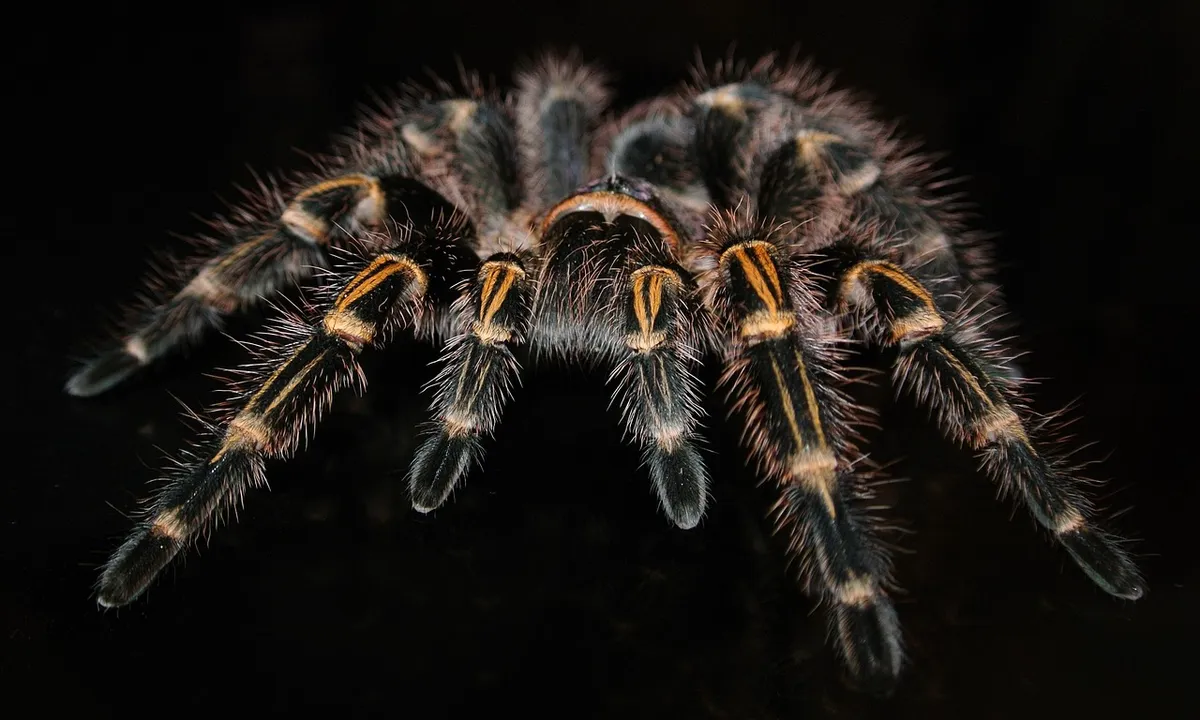
Peeling back the layers of a well-packed tarantula shipment reveals a careful, multi-step security protocol. The goal is a single, non-negotiable outcome: a calm, unharmed animal arriving at your door. Every element, from the primary cup to the final label, serves this purpose. This is especially crucial when handling tarantulas requires proper tools and safety measures.
Core Container: The Vented Cup and Cushioning System
The tarantula’s personal space for the journey is a simple yet effective design. They are housed in a clear, plastic deli cup, its walls perforated with small ventilation holes. A slightly dampened paper towel lines the bottom, offering a foothold and a touch of humidity. The cup is then carefully sealed with tape to prevent any escape during transit, a lesson learned after a juvenile OBT once proved my initial fold-top lid inadequate. For a budget-minded, do-it-yourself tarantula enclosure, you can reuse affordable containers and ventilation options to keep costs down. This approach lets you tailor the setup to your tarantula’s needs without breaking the bank.
This primary cup never travels alone. It is nestled within a larger shipping box, surrounded by a buffer of packing peanuts, crumpled paper, or air pillows. The fit must be snug.
- The primary cup should not shift, roll, or be crushed when the box is gently shaken.
- This cushioning absorbs shocks from handling and prevents the cup from contacting the box walls, which could transfer extreme temperatures.
- I always double-box for larger, heavier species like my T. stirmi Goliath, placing the cushioned inner box into a slightly larger outer one for an extra layer of insulation and impact protection.
Climate Control: Managing Heat Packs, Cold Packs, and Humidity
Tarantulas are ectothermic; their body temperature matches their environment. Shipping them requires us to manage that environment actively. The safe temperature range for shipping most species is a narrow band between 50°F (10°C) and 85°F (29.5°C), which is similar to the ideal temperature ranges for a tarantula enclosure.
- Heat Packs (40-hour UniHeat): Used in cool or cold weather. They are never placed directly against the deli cup. We wrap them in cardboard or bubble wrap and position them within the cushioning layers, creating a gentle, ambient warmth. A heat pack touching the cup can cook a tarantula in hours.
- Cold Packs: Used sparingly in extreme summer heat. The same indirect-contact rule applies, as a direct cold pack can cause fatal chilling. Often, strategic timing of drop-off and insisting on climate-controlled sorting facilities is safer.
- Humidity: For moisture-dependent species, a few drops of water on the paper towel substrate or a small, sealed vial of damp moss inside the cup can create a sufficient microclimate for a 24-48 hour journey.
Clear Communication: Proper Package Labeling
The box must speak for its contents when you cannot. Clear labeling instructs every person who handles it.
- LIVE HARMLESS INVERTEBRATE: This precise phrase alerts handlers to living contents without causing undue alarm with words like “venomous.”
- THIS SIDE UP & PERISHABLE: These are visual cues for proper orientation and careful handling.
- Recipient Contact Information: Your phone number should be on the label. If the driver has trouble finding the address, a quick call can prevent the package from being returned to the depot.
A properly labeled package navigates the shipping system with clear instructions, significantly reducing the risk of being left in a hot truck or handled roughly.
Logistics and Timing: Choosing Overnight Delivery and Monitoring
Why Overnight is Non-Negotiable
Choosing a shipping service is not about cost; it is an ethical decision about animal welfare. Overnight (or Next Day) delivery is the only acceptable method. This limits the animal’s time in transit, exposed to uncontrolled variables, to under 30 hours.
Two-day or “priority” shipping often involves multiple sorting facility stops and sits in unclimate-controlled trucks or warehouses for extended periods. The modest financial saving comes with a staggering increase in risk. I view the cost of overnight shipping as an essential, non-negotiable part of the animal’s price, as fundamental as the enclosure it will live in.
Active Tracking and Contingency Planning
Once the box is in the system, your job shifts from packer to mission control. The tracking number is your live feed.
- Monitor the tracking progress. You should see scans at each major facility as it travels.
- Ensure someone is home to receive the package immediately. Do not let it sit on a porch in the sun or cold.
- If a scan is missed or the package is delayed, contact the carrier immediately. Have the tracking number and details ready.
A proactive buyer will alert the seller the moment the package arrives, confirming a safe landing, while a responsible seller will already be monitoring the tracking and initiating contact if something seems amiss. This partnership between shipper and receiver is the final, critical safety net. I always provide my personal contact to buyers for this exact reason-if Flash the OBT’s shipment is stuck, I want to know so I can start making calls before the situation becomes dire.
The Moment of Arrival: Receiving and Acclimation Protocol
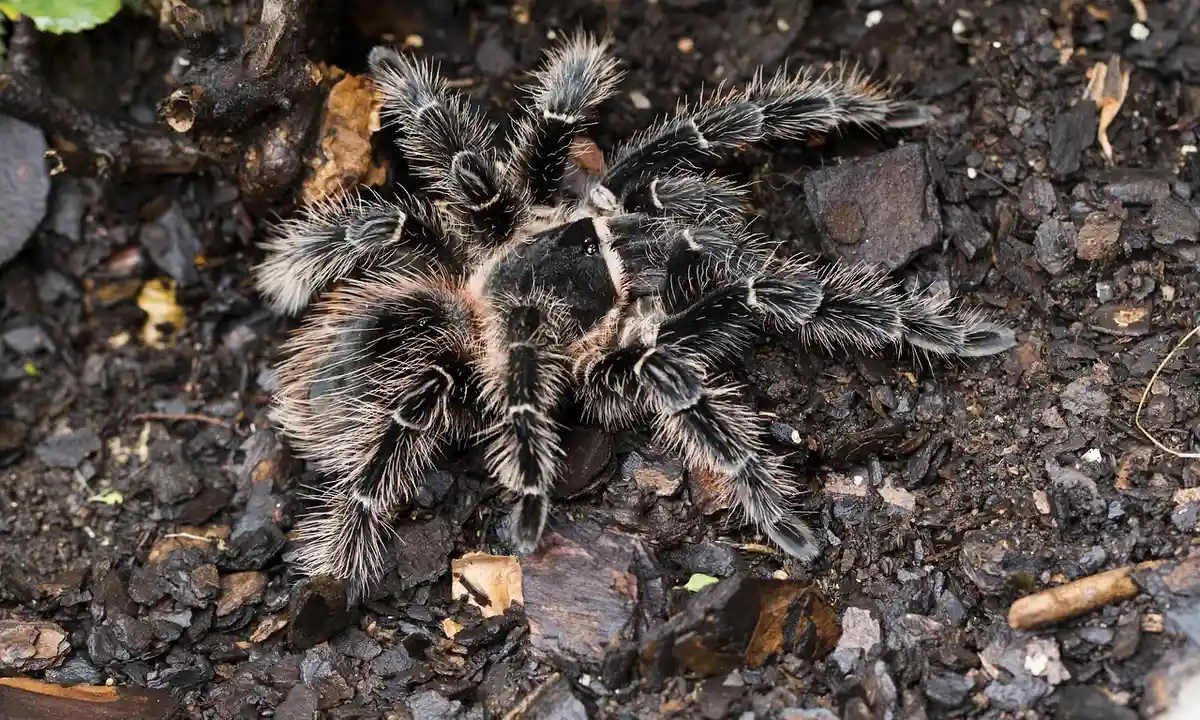
That moment the delivery driver hands you the box is electric. You are holding a fragile, living creature that has traveled across the country. Your actions in the next hour set the stage for its health. I still feel this mix of excitement and solemn responsibility every single time.
Step-by-Step: Unboxing Your New Tarantula
- Inspect the external package for damage. Look for crushing, punctures, or excessive moisture. Document any major issues with photos before you proceed.
- Open the outer box in a secure, enclosed room. I always unpack in my bathroom with the door closed and the drain covered. A large plastic storage bin makes a perfect unpacking arena. If a fast sling like an OBT bolts, it has nowhere to go.
- Carefully unpack the inner container, checking for any escapees. Sellers pack meticulously, but jostling can loosen lids. Gently remove packing peanuts or paper, feeling for any small, hidden spiders.
- Photograph the unopened inner cup for the seller’s records. This proves the animal arrived safely sealed. It protects both you and the breeder. This single photo is your most important piece of documentation if a problem arises later.
- Gently open the primary container over the prepared enclosure. Do this inside your secure space. Often, you can simply let the tarantula walk out on its own. For reluctant travelers, use a soft paintbrush to encourage movement. Never shake or tap the vial.
Post-Transit Care: The Essential Quarantine Period
Quarantine is not an option; it is a fundamental pillar of responsible collection management. This means housing the new arrival in a simple, separate enclosure for 2-4 weeks, away from your other spiders.
- It allows you to monitor for hidden health issues like parasites or a poor feeding response.
- It prevents the introduction of mites or pathogens to your established collection. I learned this the hard way years ago, and a mite outbreak is a nightmare to resolve.
- Offer a shallow water dish immediately. Wait 5-7 days before offering the first small, pre-killed meal. A tarantula fresh from shipping is stressed and may not be in “hunt mode,” and a live cricket can injure a vulnerable spider.
- Observe quietly. Give it darkness, peace, and time. This period is about observation, not interaction.
Risk Management: Troubleshooting Common Shipping Problems
Identifying and Responding to Transit Stress
Shipping is taxing. Signs of stress include prolonged lethargy, tucking legs tightly underneath (a stress pose, not to be confused with a death curl), or refusing to move when gently prompted.
Your first intervention is always to provide a quiet, dark space with fresh water and then walk away. In your new tarantula’s first 24 hours, follow a step-by-step acclimation guide. Use this quiet period to observe and confirm there are no obvious issues before moving to the next steps. Most tarantulas simply need 24-48 hours of absolute stillness to recover. Contact the seller immediately if you find a true death curl (legs curled under and inward toward the sternum) or obvious serious injury. For simple lethargy, wait and observe. My old G. rosea, Rosie, once didn’t move from her shipping cup spot for four full days before she finally explored her new home.
Mitigating Temperature Extremes and Physical Damage
A package left on a freezing porch or a hot mailbox is an emergency. If it’s too cold, the tarantula will be motionless. Do not rapidly warm it. Move the sealed inner container to a room-temperature area (70-72°F) and let it warm gradually over several hours. Sudden heat shock is deadly and one of the common heating mistakes that can harm your tarantula.
For an overheated package, place the inner container in a slightly cooler, shaded area. Offer a drop of water on the vial’s lid or a moist cotton swab near the spider’s mouthparts once it’s stabilized. Minor physical damage, like a lost leg from rough handling, is not a crisis. Tarantulas regenerate limbs through subsequent molts. Ensure the enclosure is clean to prevent infection and provide ample hydration. For safely handling your pet tarantula, follow a simple step-by-step guide: approach calmly, allow the tarantula to crawl onto your hand, and support its body without squeezing. Always handle briefly with clean, dry hands, and return it to the enclosure once it’s settled. The animal’s resilience will often astound you.
Common Questions
What are the legal requirements for shipping tarantulas?
Legal requirements exist at multiple levels. Federally, using approved carriers like FedEx that have live animal programs is essential, as the USPS strictly prohibits shipping spiders. State and international laws vary greatly, with some regions like Hawaii banning importation entirely, while international shipments may require CITES permits. A reputable seller will verify all applicable laws and will not ship to prohibited locations.
What packaging materials are needed for safe tarantula transport?
Essential materials include a secure, ventilated primary deli cup lined with a damp paper towel, placed within a larger insulated shipping box. The space between must be filled with cushioning like packing peanuts or crumpled paper to prevent movement. For temperature control, 40-hour heat packs or cold packs are used indirectly, wrapped in cardboard to prevent direct contact with the animal’s container.
How do you prepare a tarantula for shipping?
Preparation involves placing the tarantula in a secure, ventilated deli cup with a slightly damp paper towel substrate. The cup must be meticulously sealed with tape to prevent any escape during transit. It is also advised to not feed the tarantula for several days prior to shipping to reduce waste and stress during the journey. Upon arrival, transfer the tarantula to a properly ventilated, secure enclosure. Make sure the enclosure has small vents to maintain airflow and humidity without compromising containment.
What temperatures are safe for shipping tarantulas?
The safe temperature range for shipping most tarantulas is between 50°F (10°C) and 85°F (29.5°C). This range is actively managed using heat packs in cold weather or cold packs in extreme heat, always positioned indirectly within the packaging. Shipping is typically suspended during forecasted temperature extremes outside this window. These safety measures also apply when safely transporting and rehousing your tarantula. When moving, keep the animal within the same 50–85°F (10–29.5°C) window and use indirect heat sources to minimize stress.
How long can a tarantula safely stay in transit?
Tarantulas should be in transit for the shortest time possible, making overnight or next-day delivery non-negotiable. A safe transit window is generally under 30 hours from pickup to delivery. Longer shipping times, such as 2-day services, drastically increase risks from temperature swings, dehydration, and physical stress.
How do you acclimate a tarantula after shipping?
Acclimation begins with a mandatory quarantine period of 2-4 weeks in a separate, simple enclosure. Provide a shallow water dish immediately but wait 5-7 days before offering a small, pre-killed meal to avoid stress. The key is to place the tarantula in its prepared, quiet enclosure and provide darkness and peace with minimal disturbance for several days. This is the essence of properly quarantining a new tarantula: keep it isolated from other spiders and gear for the full quarantine period. Monitor its health and behavior during this time and avoid handling.
From Package to Perpetuity
Your new tarantula has completed its most perilous journey, but your role as steward is just beginning. The single most vital act now is to ensure your spider has access to a clean, shallow water dish and a suitably humid environment to fully rehydrate after the stresses of transit. Dehydration is a far greater immediate threat than hunger for a freshly shipped animal. To tell if your tarantula is dehydrated, watch for a wrinkled or shriveled abdomen and reduced activity. If you notice these signs, increase humidity and keep the water dish accessible as you monitor its recovery.
Beyond the substrate, the real reward begins. Watch. A web mat will slowly form. A burrow will be excavated with silent, deliberate purpose. In time, you will witness the patient ambush, the sudden strike, and the careful grooming of fangs after a meal. This hobby thrives on quiet observation, not interaction. Provide the correct parameters, then step back and let the animal express its natural behaviors. Your patience will be repaid with a fascinating window into a life lived entirely on its own, perfect terms.
Further Reading & Sources
- Shipping tarantula | Arachnoboards
- How to pack spiders for shipping – Fear Not Tarantulas, Inc
- r/tarantulas on Reddit: Tarantula Shipping Guide?
Arlo is a lifelong arachnid enthusiast who believes tarantulas are the world’s most misunderstood roommates. With years of hands-on experience in tarantula care, habitat setup, and species behavior, Arlo combines expert knowledge with a dash of humor to make spider ownership less scary and a lot more fascinating. From choosing the right enclosure to understanding why your eight-legged buddy is doing that weird little pose again, Arlo is here to help you become the best tarantula parent you can be, without getting tangled in the web of misinformation.
Veterinary Care