
Tarantula-Proofing Your Home: An Essential Guide for Every Keeper
Tarantula-proofing is the silent, non-negotiable foundation of responsible arachnoculture, a practice born from respecting an animal’s innate drive to explore its boundaries-and sometimes break them. I still remember the cold dread when my OBT, Flash, used a millisecond of distraction to bolt up my arm and into the curtains during a routine rehousing. This guide exists so you never feel that panic. We will move beyond basic advice into the nuanced, species-specific strategies that actually work, transforming your space into a secure habitat.
Quick Stats:
- Scope: All tarantulas, from pet-rock Grammostola to teleporting Old Worlds
- Core Principle: Prevention through enclosure integrity and procedural calm
- Critical Focus: Lid security, gap elimination, and safe handling protocols
This guide provides the precise, step-by-step framework to systematically secure your enclosures and routines, ensuring your tarantulas thrive in safety from sling to adult.
What Tarantula-Proofing Really Means
Tarantula-proofing is not about reinforcing your home against a marauding monster. It is the practice of deliberate, proactive risk-assessment applied to your living space. Its sole purpose is to create a secure, layered environment that contains your animal and neutralizes household dangers before an incident can occur.
This concept serves two equally critical masters. First, it protects a lost tarantula from a terrifying world of drying air vents, toxic chemical residues, and hungry pets. Second, it shields you and your household from the profound stress of a missing animal-especially one with medically significant venom or defensive urticating hairs.
From my own quiet panic during a P. murinus rehousing mishap, I learned proofing is about respecting the animal’s biology. A fast species sees an open door not as a threat, but as a path. Your job is to ensure that path leads only to security.
Common Tarantula Escape Routes and How to Block Them
Escape almost never involves brute force. It exploits oversight. The silence of a misplaced tarantula is far more unnerving than any threat display. Here are the primary points of failure and how to address them systematically.
Enclosure Lid Failures and Gaps
The lid is the primary barrier. A poorly secured top is an invitation. For my old world species like Flash, the OBT, I treat every enclosure like a high-security facility.
- Mesh Screen Lids: Avoid lightweight, flimsy mesh. Ts can hook their claws and tear it. Opt for heavy-duty stainless steel mesh, or better yet, use a solid acrylic lid with drilled ventilation holes.
- Sliding Glass Tracks: Gaps here are perfect for a slender carapace. Apply thin foam weather-stripping along the inner track to create a snug seal. Test by trying to slide a piece of paper through; if it fits, so could a leg.
- Hinged or Drop-Down Lids: These must have positive, mechanical latches. Simple friction or magnetic catches can be pushed open by a determined, heavy-bodied tarantula like a T. stirmi. Use suitcase-style clips or sliding cabinet locks.
- The Weight Method: For a temporary fix or extra security, a clean, heavy book or weight placed centrally on a lid can prevent lifting. This is a backup, never a primary security measure.
Household Vents, Ducts, and Crevices
If an escape occurs, your goal is to limit its range instantly. A tarantula can vanish into shockingly small spaces.
Seal the room. Close all doors and block the gap under the door with a towel. Then, address these common hideouts:
- Floor and Wall Vents: Cover intake and output vents in the room with fine mesh, secured with painter’s tape (which leaves less residue). This prevents a journey into your ductwork.
- Cable and Plumbing Holes: Check behind entertainment centers, desks, and under sinks. Use foam sealant or steel wool (for smaller gaps pests can’t chew) to plug any openings larger than a dime.
- Furniture Cavities: Upholstered furniture and box springs are dark, cave-like spaces. Block access to the underside of beds and sofas temporarily.
- Clutter: Reduce the number of cardboard boxes, piles of clothing, or stacks of papers on the floor. These provide immediate shelter and make recovery a nightmare.
Remember, the goal is containment and safety. A calm, systematic search with a clear cup and a piece of stiff cardstock is your best tool. Patience and a proofed room turn a crisis into a recoverable situation.
Choosing an Escape-Proof Tarantula Enclosure
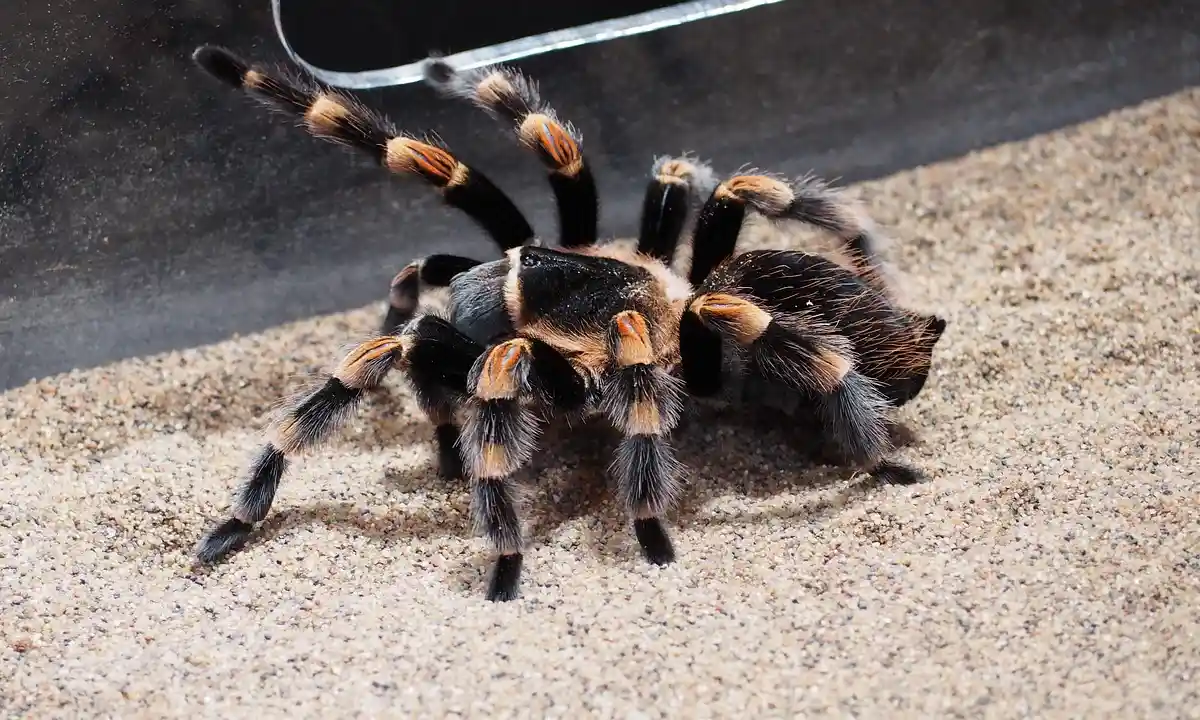
Your tarantula’s enclosure is its fortress and your primary defense against an escape. A secure habitat is non-negotiable, built not just to contain but to comfort, directly reducing the animal’s desire to explore beyond its walls. The goal is to eliminate failure points before your tarantula, a master of patience and pressure, finds them. Choosing the best substrate is a key maintenance decision: it supports humidity, stability, and ease of cleaning. With the right substrate, ongoing upkeep is simpler and the enclosure stays secure.
I categorize enclosures into three main types: glass terrariums, acrylic display cages, and modified plastic containers. Each has its place. Glass is heavy and durable, excellent for maintaining humidity for species like my T. stirmi, Goliath. Acrylic is lighter with excellent clarity, but can scratch and requires careful assembly. For most of my collection, I use simple, clear plastic containers with drilled ventilation-they’re lightweight, cheap, and incredibly effective when modified correctly.
An enclosure must be the Goldilocks size—not too big, not too small. An excessively large space can stress a tarantula, encouraging frantic climbing and escape attempts, while a cramped one leads to the same anxious behavior. A good rule is an enclosure length and width 2-3 times the tarantula’s leg span, with height carefully considered based on behavior. How much space do you actually need? In most cases, roughly 2-3 times the leg span in length and width, with height allowing vertical movement but not giving space for dangerous climbing.
Lid Locks, Ventilation, and Material Safety
The lid is the most common point of failure. A simple friction-fit is an invitation for disaster. You need a positive locking mechanism, such as sturdy latches, sliding bolt locks, or a lid that screws into place. I learned this the hard way when a juvenile tarantula lifted a poorly-secured mesh lid-an event that prompted a frantic, gentle recapture.
Ventilation is critical for health but a vector for escape. Avoid wide-weave mesh or metal screen; a determined tarantula can hook its claws through and chew or force its way out. Instead, use fine cross-ventilation holes drilled into acrylic or plastic, or specialized micro-mesh panels. Hinges are another weak spot; metal hinges can fatigue and plastic ones can be pried apart. A fully removable lid is often safer than one that swings open.
The material itself must be chew-proof and impervious to moisture. Tarantulas cannot chew through glass, acrylic, or quality polypropylene plastic. Avoid thin, brittle plastics that could crack from a fall or from you applying pressure during maintenance.
Matching Enclosure to Tarantula Behavior
Selecting an enclosure isn’t one-size-fits-all; it’s about matching the design to the tarantula’s instinctual needs. For instance, terrestrial tarantulas benefit from a broad, secure floor and hiding spots. Arboreal species, by contrast, require vertical space and climbing structures.
- For Burrowers (like many Grammostola species such as my Rosie): Prioritize floor space over height. You need enough depth for 6-8 inches of damp, packable substrate so they can construct a secure tunnel. A stressed burrower that cannot dig is an escape artist waiting for an opportunity.
- For Climbers & Webbers (like arboreal species and many Old Worlds like my OBT, Flash): Height is key. They need anchor points for prolific webbing. The lid must be absolutely secure, as they will spend their time testing its perimeter. For my OBT’s enclosure, I use multiple latch points and ensure all ventilation is flush with the interior walls, leaving no lip for its tarsi to grip.
- For High-Humidity Species (like my T. stirmi, Goliath): Enclosure material matters greatly. Glass or acrylic retains the 75-85% humidity he requires far better than a ventilated plastic tub. The design must balance moisture retention with enough airflow to prevent stagnant, moldy conditions.
Regular Enclosure Inspection and Maintenance
Security degrades over time. Latches wear, plastic can warp, and silicone seals dry out. A proactive inspection routine is the hallmark of a responsible keeper, turning potential disasters into simple five-minute fixes.
I follow a two-tier schedule:
- Weekly Visual Check: During feeding or watering, quickly assess the lid’s seal. Gently test latches for smooth operation. Look for any new gaps, cracks, or signs of wear on the enclosure’s edges.
- Monthly Detailed Inspection: This is a hands-on check. Remove the tarantula to a secure holding container. Inspect every millimeter of the enclosure. Run your finger along seals. Check that ventilation holes are not enlarged from wear. Ensure substrate moisture hasn’t warped the bottom of a plastic tub.
Common failure points to scrutinize include lid alignment, the integrity of drilled ventilation holes (which can develop micro-cracks), and the stability of any glued or sealed joints. Keep a tube of aquarium-safe silicone sealant in your supplies; it is perfect for safely repairing small gaps or reinforcing vulnerable seams before they become a problem. Remember, your tarantula’s safety and your peace of mind depend on the integrity of its world.
Safe Handling and the Risk of Bolting
My firmest husbandry advice, forged from years of breeding and rehousing hundreds of tarantulas, is to adopt a Look, Don’t Touch philosophy. This respects the animal’s nature and prioritizes your safety. These ideas reflect the core principles of ethical tarantula breeding: welfare-first care and minimal handling. Ethics here means transparency, responsible sourcing, and respect for the animal’s needs.
Even a docile species like my old Chilean Rose, Rosie, can unpredictably bolt. I once needed to move her to a clean enclosure. Confident in her calm history, I gently guided her. In a silent, startling burst of speed, she dashed over my hand, hit the table, and vanished under a cabinet. That heart-stopping moment, the sheer speed of a creature we label ‘slow,’ taught me that no tarantula is ever truly predictable.
For necessary interactions like rehousing or enclosure maintenance, a strict protocol is non-negotiable.
- Prepare all new enclosures and tools before opening the current one.
- Always work over a large, soft surface like a bed or a towel-filled bathtub to cushion any fall.
- Use a large, clear plastic catch cup and a soft paintbrush or long tweezers to gently guide the tarantula.
- Move deliberately and calmly. Minimize the time the tarantula is outside its home to reduce stress.
- Never handle a tarantula while standing or positioned high above the floor.
Remember, tarantulas do not bond with us. Handling is a high-stress event for them, risking fatal falls, urticating hair kicking, or defensive bites. A common myth is that holding them shows affection, but tarantulas don’t perceive touch as care. True care means stable housing, proper humidity, and minimizing stress. Our role as keepers is to provide impeccable care from the other side of the glass, not to force an interaction that benefits only us.
Immediate Steps if Your Tarantula Escapes
Panic is the enemy of recovery. If your tarantula is out, your first actions are critical. Follow this prioritized list.
- Stay Calm and Close the Room: Immediately shut all doors to contain the search area. Block gaps under doors with towels.
- Dim the Lights: Tarantulas are often nocturnal and will freeze in bright light. Dimming the room may encourage movement.
- Methodical Search: At night, use a flashlight. The light will catch the gleam of eyes or carapace. Check warm, dark, tight spaces: along baseboards, behind furniture, in shoes, and in curtain folds.
- The Capture: Have your catch cup and a stiff piece of card ready. Gently coax the tarantula into the cup and slide the card underneath. Avoid grabbing or pinching.
My OBT, Flash, is an escape artist of the highest order. I once found her halfway up a wall, perfectly still, after a lid wasn’t fully secured. The silence of their movement makes them masters of evasion; you must become a patient, observant hunter.
If you find an injured tarantula, perhaps from a fall, first-aid is simple but vital.
- Immediately place it in a small, secure, and bare container (like a deli cup) with a slightly damp paper towel.
- Puncture small air holes in the lid. This humid, quiet, and confined space minimizes stress and prevents further injury.
- Do not offer food. Simply place the container in a warm, dark spot and monitor. Many can recover from surprising abdominal ruptures if kept clean and calm.
The goal is always prevention through secure enclosures and mindful practices. But a calm, prepared response can turn a potential disaster into a successful recovery mission.
Household Hazards to Remove or Secure
An escaped tarantula doesn’t understand the human world is toxic. Your primary defense is a proactive audit of your tarantula’s potential path, removing invisible chemical threats before an escape ever happens. I learned this the hard way when Flash, my OBT, vanished for 48 terrifying hours behind a bookcase that had been sprayed for pests months prior.
Create a dedicated safe zone. Within a five-foot radius of your tarantula enclosures, enforce a strict ban on these items. These measures help prevent décor dangers—five common enclosure items that can harm your tarantula. By banning these items, you protect your tarantula from unnecessary stress and possible injury.
- Chemical Cleaners & Aerosols: Glass cleaner, carpet shampoo, disinfectant sprays. Residue on surfaces can transfer to a tarantula’s delicate setae and book lungs.
- Insecticides & Pest Control: Fly spray, ant baits, roach motels, flea treatments for mammals. These are designed to kill arthropods and will kill your tarantula.
- Essential Oils & Diffusers: Many are potent neurotoxins to invertebrates. Citronella, eucalyptus, and tea tree oils are particularly hazardous.
- Medications & Topicals: Prescription pills, antibiotic creams, even hand sanitizer. A tiny amount ingested or absorbed can be fatal.
- Direct Heat Sources: Space heaters, radiator fins, heating vents. Tarantulas seek warmth but cannot regulate exposure and will literally cook themselves.
- Electrical Cords & Outlets: A curious tarantula may seek a dark cavity, like an open outlet, or get pinched in a power strip.
- Floor Clutter: Shoes, bags, laundry piles. These are perfect, shadowy hiding spots where a tarantula can be accidentally crushed.
Pre-Escape Security Checklist
Run through this now, not during a panic:
- Store all chemicals in a sealed cabinet, never on the floor.
- Relocate diffusers and scent plug-ins to another room entirely.
- Place protective covers on unused electrical outlets.
- Secure loose cords with ties and elevate them off the floor.
- Position space heaters behind a physical barrier or use central heating.
- Implement a “clean floor” policy around your tarantula room. It’s good for you, and safe for them.
Making Your Home Less Inviting to a Loose Tarantula
Tarantulas escape to find a better habitat. By making the world outside their enclosure less suitable than the world inside, you remove their motivation to explore. This philosophy starts with perfecting husbandry but extends to your room design. For complete beginners, this is your gentle introduction to tarantulas. We’ll cover the basics you need to start safely.
Start from the ground up. A tarantula on the floor seeks three things: shelter, humidity, and stability. Deny them.
- Reduce Floor-Level Hideaways: Move boxes, stacks of magazines, and decorative baskets. Under sofas and beds are major attractions; use plastic under-bed storage bins to block access.
- Seal the Perimeter: Use silicone caulk or foam sealant to close gaps in baseboards, around pipe entries, and in cabinetry. A gap the width of a pencil is a highway for a juvenile tarantula.
- Manage Ambient Humidity & Temperature: My Goliath’s room is kept at 78°F and 80% humidity. The hallway is 70°F and 40% humidity. That drastic drop is a powerful deterrent. Use a dehumidifier or air conditioner in adjacent areas to create a less appealing climate barrier.
- Control Lighting: Tarantulas are largely nocturnal. Avoid leaving dim, indirect night lights on in the tarantula room, as this can encourage nighttime cruising.
A consistent, correct environment inside the enclosure is your strongest homeproofing tool. A well-fed, perfectly-humid tarantula in deep substrate is a content tarantula. Curiosity spikes when conditions are off—a dry water dish, a missing hide, or vibration from loud speakers. Your home’s first line of defense is a happy, settled animal. The silence of a proper enclosure, broken only by the gentle scratch of substrate movement, is the sound of security. To prevent these missteps, avoid common tarantula enclosure setup mistakes. Simple checks—keep a clean, adequately sized water dish, provide a secure hide, and maintain proper humidity—help keep your tarantula calm and settled.
Recognizing Stress to Prevent Escape Attempts
A tarantula that is constantly seeking an exit is a tarantula communicating a problem. Escape attempts are rarely random; they are a direct behavioral response to suboptimal or stressful conditions in the enclosure. By learning to read these subtle signs, you can address the root cause and create a home where your spider feels secure enough to stay put.
Think of their enclosure as their entire world. If that world is uncomfortable, their instinct is to find a new one. Here are the key behavioral red flags and the environmental fixes they point to.
-
Constant Pacing or Climbing the Walls: This is the most obvious “I want out” signal. A tarantula walking the perimeter, frequently tapping at the lid or glass, is actively exploring for weaknesses. This often stems from an enclosure that is too small, lacks sufficient cover, or has incorrect temperature gradients. Provide more floor space, add multiple cork bark hides at both the warm and cool ends, and ensure your heat source (like a space heater for the room) is creating a proper thermal gradient for them to choose from. My Burgundy Goliath, Goliath, did this incessantly in a temporary tub before I moved him into a vast, humid terrarium with deep substrate to burrow in.
-
Excessive, Frantic Webbing Around the Enclosure Lid: Some webbing is normal, especially for arboreal or heavy webbers like my OBT, Flash. But dense, matted webbing concentrated *only* at the top is a barricade behavior. It indicates the spider finds the upper area of the enclosure the only tolerable spot, usually due to incorrect substrate moisture or poor ventilation below. Check that your substrate is appropriately damp or dry for the species and that cross-ventilation is adequate to prevent stagnant, humid air from pooling at the bottom.
-
Prolonged Refusal to Eat (Beyond Normal Fasting): While many tarantulas fast for months, especially pre-molt, a sudden loss of appetite in a normally good eater can signal stress. Common culprits are vibrations from loud electronics, excessive light, or traffic near the enclosure. Relocate the enclosure to a quieter, low-traffic area of your home and ensure it is not in direct sunlight or under bright room lights for extended periods. My Chilean Rose Hair, Rosie, is a champion faster, but I learned her strikes were more frequent when her tank was moved away from the living room TV. You can find more stress-related reasons why your tarantula might refuse food.
-
Chronic Defensive Postures or Hair Kicking: If your tarantula consistently raises its front legs (a threat posture) or flicks urticating hairs at the slightest disturbance, it feels perpetually threatened. This is a sign of insufficient hide options or an overly exposed enclosure. Immediately add more clutter-fake plants, leaf litter, and cork bark tunnels-to break up sight lines and create a complex, secure environment. A spider that can hide effectively feels no need to stand and fight.
Addressing these stressors does more than prevent escapes; it fosters a resilient, observable animal. A content tarantula will spend its time in characteristic, relaxed postures-curled quietly in its hide, methodically maintaining its burrow, or sitting calmly in the open-presenting you with the fascinating natural behaviors we keep them to see. The philosophy of “Look, Don’t Touch” is founded on this very principle: our primary job is to engineer a perfect, secure micro-habitat where the desire to escape never crosses their eight-legged mind.
Quick Answers
What immediate steps should I take if my tarantula escapes its enclosure?
Your first priority is to stay calm and immediately contain the search area by closing all room doors and blocking the gap underneath with a towel. Dim the lights, as this may encourage the nocturnal tarantula to move, and begin a slow, methodical search with a flashlight at night to catch the gleam of its eyes or carapace. Always have a clear catch cup and a stiff piece of cardstock ready to safely guide and capture the spider without grabbing or pinching it.
Are there any household items or substances that are particularly dangerous to a loose tarantula that I should secure or remove?
Yes, common household chemicals like aerosol sprays, insecticide residues, and even essential oil diffusers are potent neurotoxins to tarantulas and must be kept away from their area. Direct heat sources like space heaters or radiator vents pose a severe risk of fatal dehydration or burning, and open electrical outlets or loose power cords present a risk of electrocution or crushing. Proactively create a safe zone by storing all chemicals securely, using outlet covers, and managing cord clutter to mitigate these hidden dangers.
How can I make my home less appealing or accessible for a tarantula on the loose (e.g., sealing gaps, managing clutter)?
Start by dramatically reducing floor-level hiding spots such as piles of clothing, boxes, and ensuring access under furniture is blocked with storage bins or boards. Seal any gaps in baseboards, around pipes, or in cabinetry with silicone caulk, as a tarantula can fit through a space no wider than a pencil. You can also create an environmental deterrent by ensuring the room outside the enclosure is slightly cooler and less humid than the tarantula’s ideal habitat inside its tank.
What are the signs that my tarantula might be stressed and more likely to try to escape, and how can I address its environment?
Constant pacing or climbing the walls, especially focused on the lid, is a primary sign of an enclosure that is too small, too exposed, or has incorrect temperature or humidity. Excessive, frantic webbing only at the top of the enclosure can indicate the spider finds the lower levels unsuitable, often due to poor substrate moisture or ventilation. Address this by ensuring proper enclosure size, adding ample hides and clutter like cork bark and leaves, and verifying your temperature and humidity gradients are species-appropriate.
The Final Molt
For a spider like my OBT, Flash, the most critical security parameter is hydration. An over-flowing water dish and a damp corner of substrate are non-negotiable for species like this; a dehydrated tarantula becomes stressed, more prone to escape attempts, and can suffer fatal complications during molting. A well-hydrated spider is a calmer spider, more content within the boundaries of its carefully prepared world.
Your ultimate tool in tarantula-proofing is patient observation. Sit with your spider. Watch the intricate geometry of its web, the deliberate cleaning of its pedipalps, the sudden, silent strike at a passing cricket. This quiet study teaches you its rhythms and tells you when something is wrong before an escape even becomes a thought. The hobby’s greatest joy is not in handling, but in witnessing the complete, self-contained life of a fascinating animal. Provide the security, then enjoy the show.
Further Reading & Sources
- New Tarantula Keeper Guide – The Tarantula Collective
- Tarantula Habitat: 20+ Awesome Tarantula Enclosures To Inspire You (IMAGES) – Tarantula Heaven
- Tarantula Cribs
Arlo is a lifelong arachnid enthusiast who believes tarantulas are the world’s most misunderstood roommates. With years of hands-on experience in tarantula care, habitat setup, and species behavior, Arlo combines expert knowledge with a dash of humor to make spider ownership less scary and a lot more fascinating. From choosing the right enclosure to understanding why your eight-legged buddy is doing that weird little pose again, Arlo is here to help you become the best tarantula parent you can be, without getting tangled in the web of misinformation.
Enclosures and Sizes