
Dealing with Pest Infestations in Your Tarantula Enclosure (Mites, Fungus Gnats)
A sudden bloom of tiny white dots in the substrate or the silent, persistent hum of a small fly are signs that your tarantula’s world has been breached by common but manageable invaders. These pests, while rarely an immediate crisis, can stress your spider and disrupt the careful balance of its enclosure. Based on years of troubleshooting in my own collection-from Rosie’s dry setup to Goliath’s humidity-loving biome-this guide will help you identify, prevent, and safely eliminate these unwelcome guests. The key is swift, informed action that prioritizes your tarantula’s safety over harsh chemical treatments.
Quick Pest Profiles:
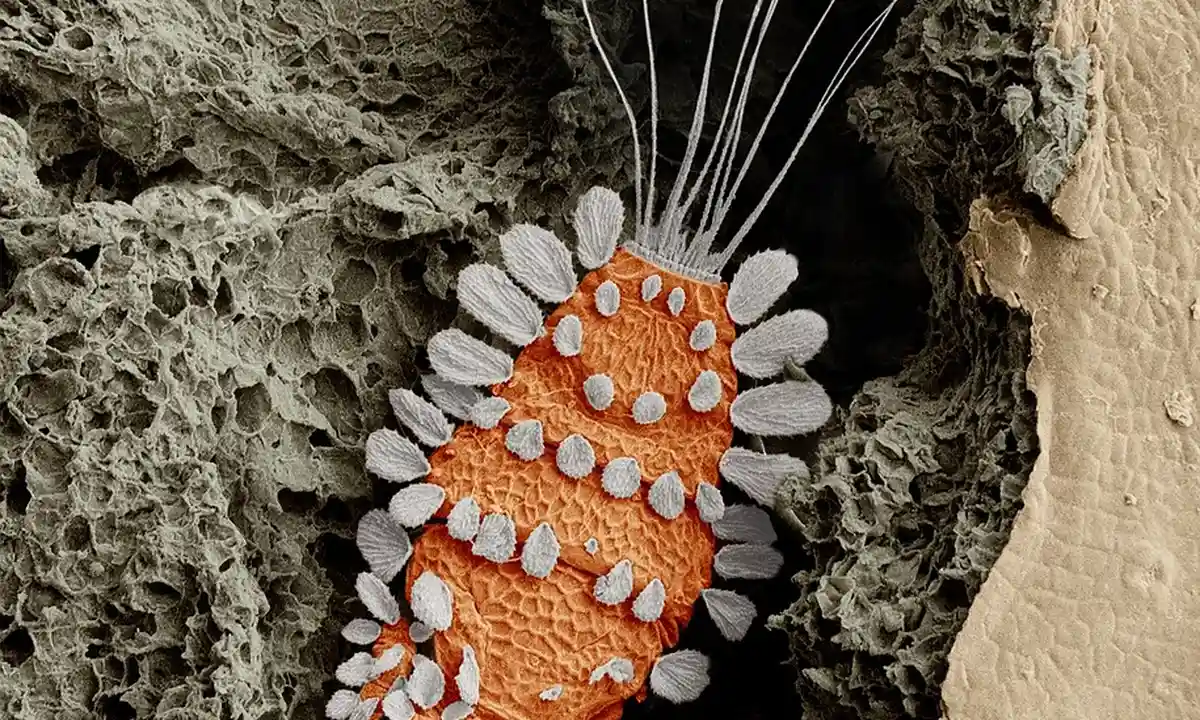
- Mites: Microscopic arachnids that appear as moving dust, often exploding in population due to excess moisture and organic decay.
- Fungus Gnats: Small, dark flies whose larvae live in damp substrate, potentially disturbing a tarantula during its vulnerable molt.
This guide will walk you through the precise, keeper-tested steps to reclaim your enclosure’s health, drawing directly from lessons learned when fungus gnats found Flash’s dense webbing or mites speckled Goliath’s water dish.
Identifying the Intruders: Common Pests in Tarantula Tanks
Two main offenders invade our carefully curated micro-habitats: soil mites and fungus gnats. Recognizing which pest you’re facing is the critical first step toward a targeted solution.
- Soil Mites (Often of the genus Hypoaspis): These are tiny, pale, fast-moving specks, often seen darting across the substrate surface or the sides of the water dish. They are decomposers, attracted by moist organic material like leftover prey boluses, feces, or mold.
- Fungus Gnats (Sciaridae family): These are small, delicate, black flies with a distinctive silent flutter. The real issue is their larvae-tiny, translucent worms with black heads that live in the top layer of damp substrate, feeding on fungi and organic matter.
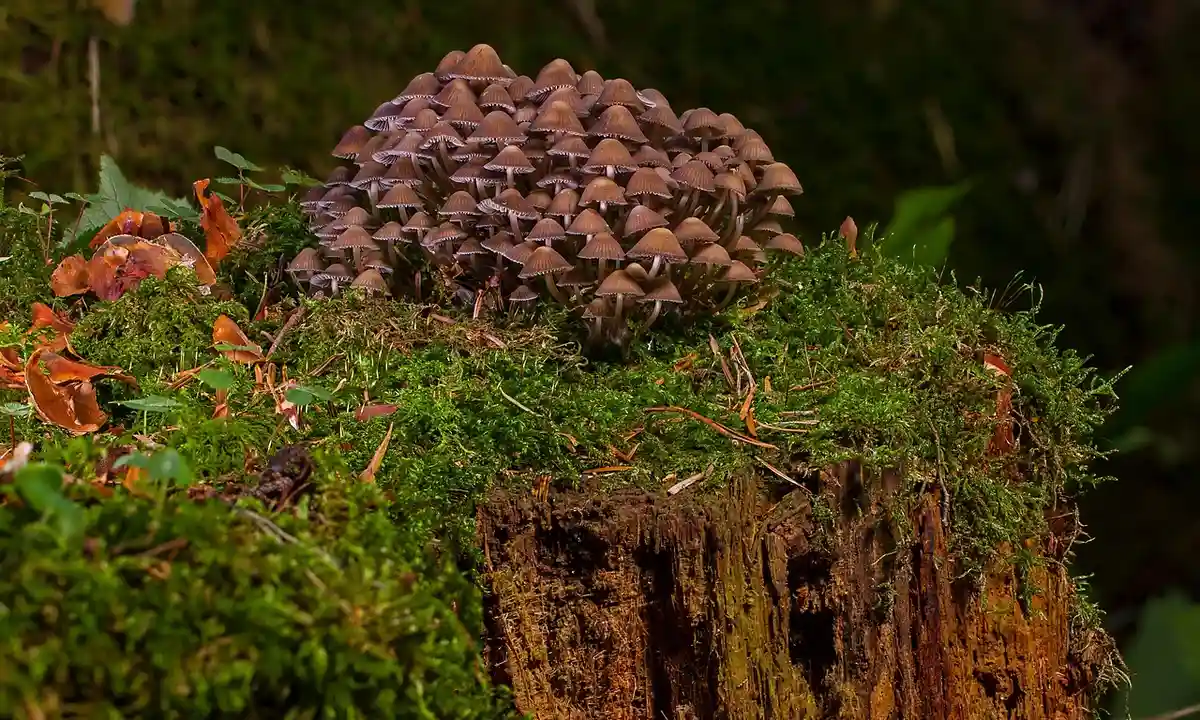
Both pests exploit the same flaw: excess moisture and available organic debris. The moist, warm environment of a tarantula enclosure, especially those for tropical species like my Theraphosa stirmi, is a perfect incubator for these unwanted guests. Their life cycles are rapid, with eggs and larvae thriving in the substrate, leading to sudden population explosions. Mold and fungal growth, appearing as white or green fuzzy patches, is a related issue signaling the same overly damp, stagnant conditions that these pests adore.
Spotting the Signs of an Infestation
Signs of a Mite Problem
Vigilance is your best tool. During your regular observations, look for these clues.
- Visual Cues: Look for collections of pinpoint-sized, pale dots moving with purpose. Check the substrate near waste, the water dish rim, and-distressingly-on the tarantula itself, particularly around the mouthparts, book lungs (ventral abdomen), or at leg joints.
- Behavioral Signs: A tarantula bothered by mites may appear unusually restless, frequently rubbing its palps or legs against its body or the enclosure walls in an attempt to dislodge them. You might see it assume a peculiar, elevated stance.
It is vital to note that most mites found are harmless soil mites, not true parasites. True parasitic mites, which attach to the spider, are exceedingly rare in captivity. The common soil mite is a nuisance, not a direct predator, but a heavy infestation can cause severe stress to your animal.
Signs of a Fungus Gnat Problem
This invasion announces itself in stages, from the air to the earth.
- Visual Cues: The adult flies are the first obvious sign-small, dark insects hovering lazily above the substrate or caught in webbing. To confirm, gently disturb the top layer of substrate; you may see the slender, nearly transparent larvae wriggling away from the light.
- The Root Cause Connection: Fungus gnats are a living indicator of overwatering. Their presence almost always means your substrate is staying too wet for too long, creating a paradise for the fungi their larvae eat.
While the adults are merely a nuisance and the larvae rarely harm a healthy tarantula directly, they are a symptom of poor moisture management. In large numbers, they can disrupt a tarantula’s sense of security and, for slings, could theoretically compete for minute food items. Addressing moisture and enclosure cleanliness helps beginners prevent common health issues, such as dehydration and fungal infections.
Immediate Action: Safe Removal and Control Tactics
Discovering pests in your tarantula’s home demands calm, immediate steps. Common tarantula health problems often stem from enclosure conditions or pests. Addressing pests promptly helps prevent these issues and keeps your spider healthy. Your reaction must prioritize the animal’s safety, avoiding any chemical treatments that could prove fatal.
How to Clear a Mite Infestation
Mites look like slow-moving dust, often gathering near the tarantula’s mouthparts or in moist substrate corners. I once spotted them in Goliath’s enclosure after a period of sustained high humidity, a reminder that even well-maintained tanks can be vulnerable. Follow this sequence to eradicate them safely.
- Remove the tarantula to a temporary, bare quarantine container. Use a ventilated deli cup with a dry paper towel liner. Gently guide your tarantula using a soft paintbrush-this is a classic ‘look, don’t touch’ moment that minimizes stress for both of you.
- Complete substrate replacement and deep cleaning of the main enclosure. Dump all old substrate. Wash the empty tank with hot water; a tiny amount of vinegar is safe for scrubbing, but rinse it thoroughly until no odor remains.
- Sanitize décor; bake or freeze new substrate before use. I bake all cork bark and wood at 120°C for 45 minutes. For new substrate, spread coco fiber on a tray and bake at 95°C for an hour to kill any hidden eggs.
- Carefully inspect the tarantula before reintroduction. Under a bright light, examine the leg joints, carapace, and spinnerets. A slightly dampened cotton bud can dislodge any persistent mites without harming your spider.
Keep the tarantula in quarantine for several days to ensure the main enclosure is fully reset. This pause also lets you observe your pet for any signs of stress or lingering issues from the infestation. If you must handle the tarantula during enclosure cleaning, use a secure containment and minimize handling. Return it to quarantine promptly after the work is done.
How to Eliminate Fungus Gnats
These small, flying insects signal overly damp conditions. Their larvae live in the substrate, and an outbreak can disturb a tarantula’s sense of security, as I observed with my usually placid Rosie during a humid summer. Target both adults and larvae to break their cycle.
- Let the substrate surface dry out completely. For species like Grammostola rosea, this is natural. For moisture-dependent tarantulas like Theraphosa stirmi, keep the deep layers moist via a full water dish but allow the top inch to become dry and loose.
- Deploy yellow sticky traps to catch adults. Place these cards upright near ventilation. They are non-toxic and remarkably effective, often catching dozens of gnats within the first 48 hours.
- Introduce beneficial predators like Hypoaspis mites or beneficial nematodes. These are harmless to tarantulas. I add Hypoaspis mites to my bioactive enclosures; they patrol the substrate and consume gnat larvae unseen.
- Correct long-term watering habits to prevent recurrence. Water directly into the dish or soak only a corner of the substrate. This method maintains necessary humidity gradients while leaving most of the surface area dry and uninviting.
Combining physical traps with biological controls is highly effective. Sticky traps reduce the adult population immediately, while predators handle the next generation in the soil.
Building a Fortress: Prevention is Your Best Strategy
Routine care habits form the strongest defense against pest problems. Creating a stable, clean microenvironment is the core of respectful tarantula husbandry. Integrate these practices into your weekly routine. These daily, weekly, and monthly tarantula maintenance tasks are essential for keeping the enclosure healthy. Consistency in checks helps catch issues before they escalate.
- Establish a strict sanitation schedule for debris removal. Every seven days, use forceps to extract prey remnants and boluses. This simple act removes the primary food source for pests like mites and gnats.
- Advocate for dry spot management and proper drainage layers. In humid setups for spiders like Goliath, a layer of expanded clay pellets at the tank bottom prevents saturated substrate, a common cause of fungus gnat explosions.
- Recommend using a humidity gauge to avoid overwatering. I rely on digital hygrometers. My T. stirmi enclosure stays at 80-85%, while my P. murinus container remains below 60%. Guessing leads to mistakes.
- Stress the importance of quarantining new plants, substrates, and feeders. Any item from outside should be considered suspect. I freeze all new cork and potting soil for a minimum of 72 hours before it ever nears an enclosure.
- Briefly introduce bioactive cleanup crews (springtails, isopods) as a preventive measure. These organisms consume mold and waste. In my bioactive tanks, springtails create a living barrier that outcompetes pest larvae for resources.
Prevention is a continuous process. The quiet observation you practice during normal feedings and maintenance is your most powerful tool for early detection.
Substrate and Environment: Creating a Hostile Zone for Pests
The foundation of pest prevention lies in your choice of bedding. Some substrates are pest magnets. Overly rich soils, compost, or manure-based mixes often contain dormant fungus gnat eggs or mite larvae. Their high organic content provides a perfect banquet for decomposers you don’t want. I learned this early on with a bagged “jungle mix” that introduced a cloud of gnats to my collection.
Your best defense is a simple, inert substrate that offers little for pests to consume.
- Coconut Fiber (Coir): This is my go-to base. It’s durable, affordable, and retains humidity without becoming a soupy mess. It’s also biologically inert, meaning it doesn’t provide nutrients for mold or pests.
- Sterilized Topsoil: A great additive for burrowing species. Ensure it is pure, additive-free, and has been heat-treated to kill any eggs or spores. I mix this with coir for my Burgundy Goliath Bird Eater’s deep, humid burrow.
- Avoidance List: Steer clear of potting soil with fertilizers, vermiculite (it can stick to a tarantula’s feet), and any product labeled for garden use without sterilization.
Beyond the substrate, air movement is your silent ally. Stagnant, humid air is a paradise for mold and fungus gnats. Optimizing airflow doesn’t mean creating a draft; it means ensuring gentle ventilation.
Cross-ventilation, with holes on opposite sides of the enclosure, encourages air exchange and discourages pest settlement. For my OBT Flash’s web fortress, I use an enclosure with ample ventilation to prevent moisture from being trapped in the dense silk. Even for humidity-loving species like T. stirmi, balance is key—moist substrate yes, but with air moving above it. Equally important is keeping the enclosure secure while ventilating: ensure the lid is tightly latched and the mesh is escape-proof. Gentle, consistent airflow prevents moisture buildup and minimizes stress on the tarantula.
Common Questions
Are certain substrate types more prone to attracting pests like mites or fungus gnats?
Yes, some substrates are more prone to harboring pests. Rich, organic soils, compost, or manure-based mixes can contain dormant eggs and provide a food source for decomposers. Inert substrates like coconut coir or sterilized topsoil are far less attractive to pests as they offer little nutritional value. Always avoid any potting soil containing fertilizers or moisture-retaining crystals.
Is it safe to use commercial pesticides or insecticides in or near my tarantula’s enclosure?
No, it is never safe to use commercial chemical treatments. Tarantulas are arthropods and are exquisitely sensitive to these toxins, which can be absorbed through their book lungs or exoskeleton. Even fumes or residues on your hands can be fatal. Pest control must always rely on physical, environmental, and biological methods that are safe for your spider, especially when handling tarantulas.
Can pests like mites or fungus gnats harm my tarantula directly?
Direct physical harm is rare but possible from severe stress or secondary issues. A massive infestation can cause significant stress, leading to refusal to eat or erratic behavior. In extreme cases, mites could cause minor lesions, and fungus gnat larvae may theoretically compete with tiny spiderlings for food. Their primary threat is as a symptom of poor enclosure conditions.
What should I do if I find pests on my tarantula itself?
Remain calm and prioritize the tarantula’s safety. Are you noticing signs that the enclosure needs cleaning? Common indicators include a sour odor, visible mold or algae growth, excessive waste buildup, damp substrate, or lingering prey remnants. Gently use a soft, dry brush to attempt to dislodge the pests. If necessary, a very brief, shallow bath in lukewarm water can be used with extreme caution, but the risk of stress or drowning is high. Most importantly, you must completely clean and reset the enclosure to remove the source of the infestation.
The Art of the Clean Enclosure
Ultimately, preventing pests is simpler than eradicating them. The single most powerful tool against mites and fungus gnats is controlling moisture; for the vast majority of tarantula species, this means keeping the substrate dry with a water dish present. My old Chilean Rose, Rosie, has lived on bone-dry substrate for fifteen years, a testament to the resilience of arid setups. The exception proves the rule-my moisture-dependent Goliath requires vigilant spot-cleaning and springtail cultures to maintain balance.
Beyond the substrate, your greatest asset is your own patience and observation. Watch the silence of the enclosure after a prey item is taken. Study the intricate geometry of a new web tunnel. A clean tank is not just about pest control; it creates a clear window into their secretive world. True success in arachnoculture is measured not in a sterile container, but in the moments of natural behavior you are privileged to witness, from a subtle cleaning ritual to the sudden, precise strike. Your care provides the stage. Their performance is the reward.
Further Reading & Sources
- Everything You Need To Make A Great Tarantula Enclosure (Tarantula Starter Kit)
- Pests | British Tarantula Society
- Things To Look Out For In Your Tarantula Enclosures
Arlo is a lifelong arachnid enthusiast who believes tarantulas are the world’s most misunderstood roommates. With years of hands-on experience in tarantula care, habitat setup, and species behavior, Arlo combines expert knowledge with a dash of humor to make spider ownership less scary and a lot more fascinating. From choosing the right enclosure to understanding why your eight-legged buddy is doing that weird little pose again, Arlo is here to help you become the best tarantula parent you can be, without getting tangled in the web of misinformation.
Common Diseases