
Moving to a New Home With Your Tarantula: A Step-by-Step Relocation Plan for the Chilean Rose Hair (G. rosea)
Published on: February 15, 2026 | Last Updated: February 15, 2026
Written By: Arlo
The Chilean Rose Hair (Grammostola rosea) earns its reputation as the ‘pet rock’ of the hobby, a creature of serene stillness clad in dusty pink. Moving this or any tarantula is a critical husbandry skill, one that demands respect for the animal’s space and a clear plan to prevent stress. Based on countless rehousings, from my docile Rosie to fast Old Worlds, I can assure you that a calm, prepared keeper is the single most important tool for a safe move.
Quick Stats:
- Origin: Arid scrubland of Chile
- Type: New World tarantula
- Growth Rate: Exceptionally slow; a female can be a lifelong companion
This guide provides the specific, practiced techniques to transfer your spider securely, whether it’s a fragile sling or a hefty adult, following a “look, don’t touch” philosophy.
Pre-Move Planning and Preparation
The difference between a smooth move and a panicked scramble lies in your preparation. I treat every tarantula relocation like a tactical operation, mapping each step to minimize surprises for both me and the spider. Your first actions set the stage for everything that follows.
- Cease Feeding: Stop offering food at least five to seven days before the move for slower-growing adults, and a solid 48 hours for fast-growing slings or juveniles like my OBT, Flash. This is non-negotiable.
- Plan Your Route and Timing: Choose the most direct, temperature-controlled path. Avoid leaving your tarantula in a parked car. Aim to complete the transfer in a single, calm session.
- Assemble a Dedicated Kit: Gather every single supply you will need before you even open the current enclosure. This prevents frantic searches with an exposed tarantula.
- Prepare the Destination: The new, permanent enclosure should be fully set up with substrate, hides, and a water dish at the destination before you attempt to catch your tarantula.
When to Stop Feeding Before the Move
A tarantula with a full abdomen is a liability during transport. The physical jostling of travel can cause a stressed tarantula to regurgitate its meal, creating a messy and unhealthy situation in the tight confines of a travel cup. A pre-move fast ensures the abdomen is empty, drastically reducing this risk and keeping the temporary container clean. My 15-year-old G. rosea, Rosie, gets her last meal a full week prior, as her metabolism is glacial. My more voracious T. stirmi, Goliath, gets fed four to five days out. For tiny spiderlings, 48 hours is sufficient. This fast also reduces the chance they will molt unexpectedly during the stressful transition period. Similar guidelines apply when deciding not to feed your tarantula—pre-molt fasts or other short fasts are sometimes recommended in care guides. Always tailor the fasting length to the individual tarantula and its molt schedule.
Assembling Your Tarantula Relocation Kit
Have this kit ready and waiting. I keep mine in a dedicated toolbox. Forgetting one item can turn a simple transfer into a high-stakes emergency.
- Secure Travel Containers: Multiple sizes of clear, lidded plastic deli cups or small, secure kritter keepers.
- Gentle Transfer Tools: Long, soft-bristled paintbrushes and flexible plastic tongs over 10 inches long.
- Security Supplies: Rolls of packing tape and duct tape to reinforce lids.
- Labeling: A permanent marker to write the species and “LIVE ANIMAL – FRAGILE” on the container.
- Padding: A roll of paper towels to create a secure, cushioned interior and to manage any moisture.
- Safety: A pair of thick gloves for working with defensive species or for adding an extra layer of confidence.
- Monitoring: A small digital thermometer/hygrometer to place near the travel container to monitor conditions.
Choosing and Preparing the Travel Container
This temporary housing is your tarantula’s personal armored car. Its sole purposes are security and short-term safety. Comfort and aesthetics are irrelevant here; function and escape-proofing are everything. A tarantula can safely reside in a properly prepared temporary container for 24-48 hours if necessary.
Selecting a Secure Temporary Enclosure
The container must be clear, rigid, and have a securely fitting lid. I have a strong preference for clear plastic deli cups with snap-on lids for most of my tarantulas. The smooth, vertical walls offer no footholds for climbing, and the clear plastic lets me monitor the animal without opening the lid. For larger specimens like Goliath, I use a small, simple kritter keeper, but I immediately tape the plastic lid seams shut as a redundancy. The material must be inert-no strange smells or chemical residues. Always test the lid’s security by shaking the empty container upside down over a soft surface.
Ventilation and Short-Term Climate Control
Ventilation holes are critical, but their placement is a art. Using a small soldering iron or a hot nail, I melt a series of small holes around the upper third of the container. Punching holes low on the sides or in the lid invites a curious tarantula’s leg to get snagged, which can lead to injury. For most species, the brief travel period in ambient car or room temperature is fine. For moisture-dependent species like Theraphosa stirmi, I line the bottom with slightly damp-not wet-paper towel to create a localized humidity pocket. For arid species like Grammostola rosea, I use completely dry paper towel. The goal is to prevent desiccation or condensation, not to recreate their full habitat.
Securing the Tarantula and Its Primary Enclosure
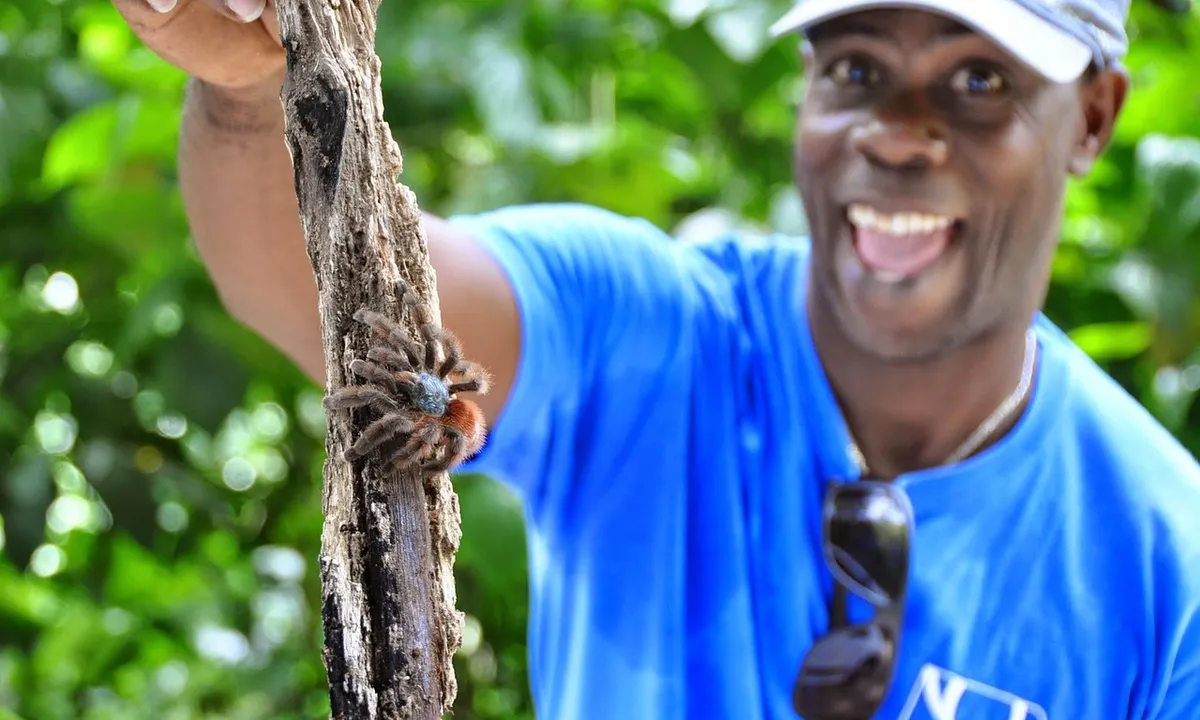
Moving day requires a calm, methodical strategy to ensure your tarantula’s safety. The goal is to orchestrate the move with minimal interaction, reducing stress for both you and your eight-legged companion. I’ve learned through moves with my own collection that a hurried approach often leads to escape attempts or defensive displays.
The Safe Removal and Transfer Process
Your first task is to guide the tarantula from its main enclosure into a secure travel container. Always have your tools ready before you open the habitat: a large, clear deli cup or plastic container with air holes, and a soft, long-handled paintbrush. These are among the essential tarantula handling tools and safety equipment you should have ready. A quick safety check of your gear before use helps prevent accidents and reduces stress for the tarantula. The technique varies by temperament and size.
For docile, slow-moving species like my G. rosea Rosie, you can often gently nudge her legs with the brush to encourage her to walk into the waiting cup. The key is patience; let the animal move at its own pace to avoid a sudden, startled reaction.
For fast, defensive tarantulas like my OBT Flash, I use a two-cup method. I place the catch cup over him, then slide a sturdy piece of cardboard underneath to trap him securely before sealing the lid. This technique keeps your hands a safe distance from a potentially medically significant bite or a cloud of irritating hairs. If you’re following a safe, step-by-step tarantula handling guide to handling your pet tarantula, this method is a common, beginner-friendly starting point. Move slowly and steadily to reduce stress for both you and the spider.
For heavy-bodied, powerful species like my T. stirmi Goliath, the sheer size and propensity to kick hairs demand extra caution. I use an extra-large container and guide him with the brush from the side, never from above, to prevent a startling defensive strike.
- Assemble your catch cup and brush near the enclosure.
- Open the enclosure lid slowly and calmly.
- Gently introduce the brush behind the tarantula to guide its forward movement into the cup.
- For defensive species, use the two-cup capture method for safety.
- Immediately secure the travel container’s lid with ventilation holes.
Preparing the Main Habitat for Transport
With your tarantula secured, turn your attention to its empty home. An unsecured terrarium can become a projectile hazard, and shifting decor can shatter glass or injure you during unpacking. I once had a heavy cork bark tube roll and crack a side pane during a short trip—a lesson learned. These are common tarantula enclosure mistakes to avoid. Secure heavy décor and test stability before handling the terrarium.
- Secure the Lid: Use strong packing tape to fix the main enclosure lid in place. For screen lids, criss-cross the tape to prevent any flexing or popping open.
- Remove Unstable Decor: Take out all heavy hides, water dishes, and climbing branches. Pack these separately wrapped in bubble wrap or newspaper.
- Cushion the Enclosure: Place the entire terrarium inside a sturdy box, padding the bottom, sides, and top with crumpled paper, packing peanuts, or foam. This buffers against vibrations and shocks.
- Label Clearly: Mark the box “FRAGILE” and “LIVE ANIMAL – ENCLOSURE” to ensure careful handling.
Transporting Your Tarantula Safely
The journey itself is a critical period where environmental control is out of your hands. Your focus shifts to creating a stable, quiet microclimate for the travel container, isolating your tarantula from the chaos of the move. Think of it as a mobile burrow.
Maintaining a Stable Transport Temperature
Tarantulas are highly sensitive to temperature extremes. Aim to keep the air around the travel container between 68°F and 75°F (20°C – 24°C), which is a safe, room-temperature range for most species. Avoid direct sunlight, car heaters, or air conditioning vents. In addition to temperature, maintaining appropriate humidity is essential for tarantula health. Humidity needs vary by species, so tailor the enclosure accordingly.
For longer moves or extreme weather, I use an insulated cooler without ice packs. The cooler’s walls provide excellent insulation against external heat or cold, maintaining a much more consistent internal temperature than the open car air. Just ensure the lid is slightly ajar or has air holes for ventilation.
Minimizing Stress and Risk During the Journey
Vibration and noise are significant stressors. Place the secured travel container in a padded box or cooler, then wedge this box firmly on the car floor behind the front seat or in the footwell. This dark, low spot prevents rolling and minimizes bumps.
Resist the urge to check on them frequently. Every peek introduces light and disturbance, which can trigger a stress response like hair-flicking or frantic movement. Trust your preparation. On a three-hour move with Goliath, I left him in his dark, secured cooler the entire time; he was calm and undisturbed upon arrival.
- Keep the container in darkness to simulate a secure hide.
- Do not play loud music; keep the car environment as quiet as possible.
- Secure the container’s box with a seatbelt or other restraints to prevent sliding.
- Drive smoothly, avoiding sudden stops or sharp turns.
Setting Up the New Enclosure Upon Arrival
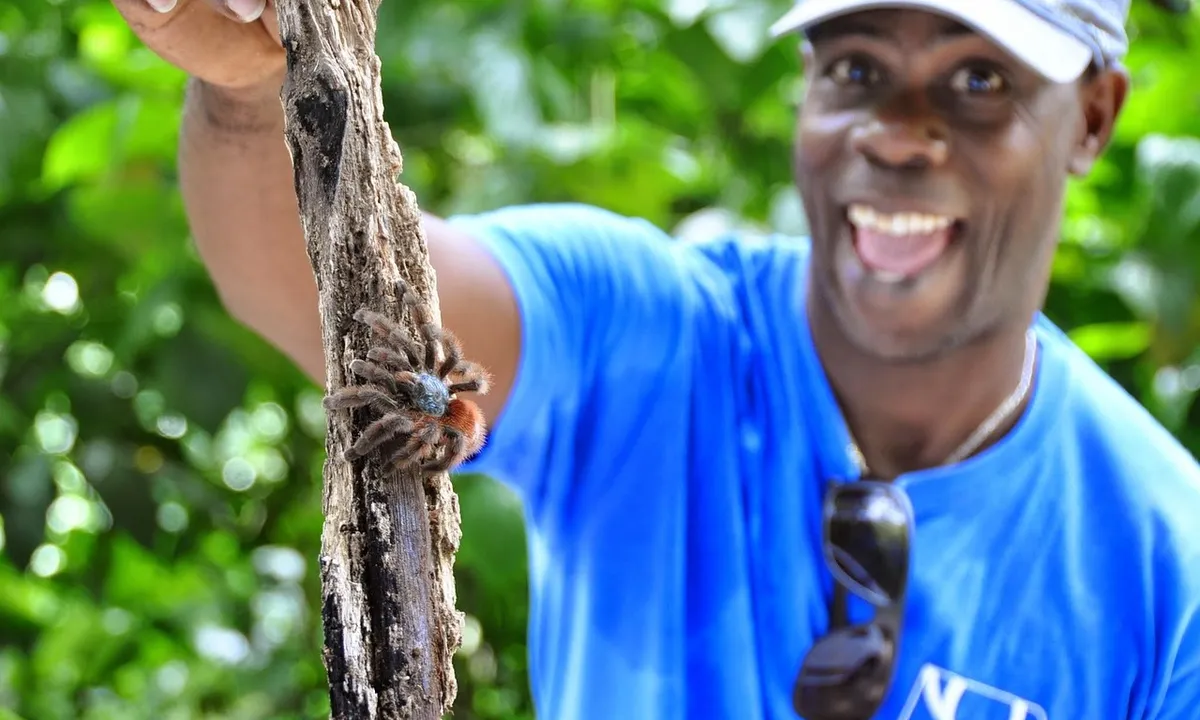
Your primary goal is to transition from temporary travel housing to the permanent enclosure as smoothly as possible. This first hour in the new home sets the tone for your tarantula’s entire acclimation period, so prioritize a calm, methodical process over speed. Have the prepared habitat ready and waiting in a cleared, stable area before you even bring the travel container inside. To support a smooth start, follow a 24-hour, step-by-step acclimation guide for your new tarantula’s first day. This early plan helps you pace checks on humidity, temperature, and enclosure readiness.
Selecting the Optimal Location in Your New Home
Where you place the enclosure is a long-term husbandry decision that impacts health and behavior. I learned this the hard way when a drafty window ledge made my Goliath (T. stirmi) restless and prone to hair-flicking. Permanent placement requires balancing four key factors: light, temperature, traffic, and airflow.
- Light: Use ambient, indirect light. Never place an enclosure in direct sunlight, which can rapidly overheat and kill a tarantula. A naturally lit room is fine, but avoid windowsills.
- Temperature: Choose a room with stable, room-temperature conditions (70-78°F or 21-26°C is ideal for most species). Keep enclosures away from radiators, air conditioners, and heating vents.
- Traffic: Select a low-traffic area. A quiet corner of a bedroom or office is superior to a bustling living room. Constant vibration and movement can cause chronic stress.
- Airflow: Protect from drafts. A steady, mild cross-ventilation from enclosure vents is good, but direct drafts from doors, windows, or HVAC ducts are not.
Acclimating and Introducing Your Tarantula
With the enclosure in its perfect spot, it’s time for the transfer. Work on a large, clear table with a soft towel laid down to cushion any falls. Your tools-long soft paintbrushes, large plastic catch cups, and clear acrylic guiding tubes-should be within arm’s reach before you open any container.
For terrestrial species like my Rosie (G. rosea), I gently coax them from the deli cup into the main enclosure’s open door using a brush. For defensive or fast species like my OBT (P. murinus), I often perform the entire transfer within a large, clear storage bin to create a secondary containment field. For heavy-bodied spiders like my Goliath, I guide them directly into their burrow or hide to minimize clumsy climbing. The principle is universal: guide, never grab, and let the animal move at its own pace into its fresh, familiar digs.
Post-Move Monitoring and Acclimation
Relocation doesn’t end when the lid closes. The following days are a critical observation window. Resist the urge to fuss over your tarantula; your most important job now is to be a quiet, patient observer. Dim the lights, keep the room quiet, and limit vibrations near the enclosure.
Identifying Signs of Relocation Stress
Some stress behaviors are normal and transient. Others warrant closer attention. A tarantula that sits in a death curl or has a shriveled abdomen is an emergency, while one that simply hides for a week is just being sensible. By learning to read your tarantula’s body language, you can spot stress, defensive signs, and other warning cues. Being attentive to these signals helps you respond appropriately. Common signs include:
- Prolonged Hiding: Refusing to leave its hide or burrow for 5-10 days is typical, especially for docile species like Rose Hairs.
- Refusal of Food: Do not offer food immediately. A lack of appetite is expected and offering prey too soon can increase stress.
- Lethargy or Hyperactivity: Remaining motionless for extended periods is common. Conversely, constant, frantic pacing the glass may indicate an unsuitable location (e.g., too much vibration).
- Abnormal Posture: A tarantula sitting very high on its toes, with its abdomen tucked, or constantly flicking hairs without a visible threat can signal ongoing discomfort.
Resuming Feeding and Normal Care Schedules
Patience with feeding is a cornerstone of post-move care. I wait a minimum of five to seven full days after relocation before even considering offering prey, and I often wait longer for known finicky eaters like my Rose Hair. This allows the tarantula to fully explore and accept its new territory under the cover of darkness, establishing a sense of security. When you do offer food, use a smaller prey item than usual and remove it immediately if uneaten after 24 hours.
When to Consider Interaction After the Move
The “Look, Don’t Touch” philosophy is never more relevant than after a major life change like a move. Handling is a massive source of stress and risk, with zero benefit to the animal, and should be avoided for at least a month after relocation. Your tarantula needs to rebuild its web, re-establish feeding responses, and simply exist without further interruption. The first interaction should be routine maintenance, like refilling the water dish, done slowly and predictably. True bonding comes from observing natural behaviors in a secure animal, not from forcing physical contact.
FAQs
How long before the move should I stop feeding my tarantula?
You should stop feeding at least five to seven days before the move for most adult tarantulas. For faster-growing spiderlings or juveniles, a 48-hour fast is typically sufficient. This ensures their abdomen is empty, preventing regurgitation and keeping the travel container clean. The exact timing can vary slightly based on the individual tarantula’s metabolism and species. Adhering to the best diet feeding schedule for a healthy tarantula supports ongoing health and resiliency during transport. Regular, species-appropriate meals with properly sized prey are part of that schedule.
What is the best way to secure the tarantula’s enclosure for transport?
First, use strong packing or duct tape to securely fix the main enclosure’s lid in place. Remove all heavy decor, water dishes, and unstable items to pack them separately. Place the entire, emptied terrarium inside a sturdy box, generously padded on all sides with crumpled paper or foam. Clearly label the box as “FRAGILE” to ensure careful handling during the move.
What temperature range should I maintain during transport?
Aim to keep the ambient temperature around the travel container between 68°F and 75°F (20°C – 24°C). Avoid placing the container in direct sunlight, near car heating vents, or in the path of strong air conditioning. For added stability in extreme weather, placing the secured container inside an insulated cooler (without ice packs) is an excellent method to buffer against external temperature swings.
How long can my tarantula safely stay in its travel container?
A properly prepared travel container is designed for security over short periods. Your tarantula can safely remain in this temporary housing for 24 to 48 hours if necessary. The priority is a secure, escape-proof container with adequate ventilation and appropriate padding. This timeframe allows for a long journey or a delayed setup at the new home without compromising the animal’s immediate welfare. However, it is always best to rehouse your tarantula as soon as possible after transport.
What are the signs of stress in a tarantula after a move?
Common signs include prolonged hiding for over a week, a complete refusal of food, and unusual lethargy or constant, frantic pacing. More concerning signs include adopting an abnormal posture, such as sitting very high on its toes or constantly flicking urticating hairs without provocation. While some hiding is normal, a death curl or a severely shriveled abdomen constitutes an emergency requiring immediate attention.
How long should I wait before handling my tarantula after the relocation?
You should avoid all handling for at least one full month after the relocation. Handling is a significant source of stress and offers no benefit to the tarantula during this sensitive acclimation period. Your focus should be on allowing the animal to settle and resume normal behaviors in its new environment without interruption. Bonding is best achieved through quiet observation rather than physical contact.
Settling In: The Real Work Begins
The enclosure is set. Your tarantula is inside. The move is complete, but the most critical phase has just started. Your primary job now is vigilant observation. The single most important parameter in the days and weeks after a relocation is your tarantula’s behavioral response to its new environment, which tells you more than any hygrometer ever could. A successful move is not just about physical placement; it’s about recognizing a return to normal, confident behavior.
This is where the quiet magic of arachnoculture unfolds. Watch for the first tentative exploration of the cork bark, the meticulous patting-down of substrate at a burrow entrance, or the silent, patient sit at the water dish. My OBT, Flash, spent three days motionless after his last rehouse before erupting in a frenzy of orange silk, webbing every corner into a defensive funnel. My Goliath will often fast for a week post-move, only to accept a roach with startling ferocity when she feels secure. This patience, this willingness to let the animal set the pace, is your greatest tool. Your reward is witnessing a creature truly at home-the iridescent sheen of a carapace under the lamp, the absolute silence of a content spider, the intricate architecture of a completed burrow. That is the heart of the hobby.
Further Reading & Sources
- Chilean Rose Hair Care – The Tarantula Collective
- Chilean rose lifespan? : r/tarantulas
- Chilean Rose Hair Tarantula | Alexandria Zoo
Arlo is a lifelong arachnid enthusiast who believes tarantulas are the world’s most misunderstood roommates. With years of hands-on experience in tarantula care, habitat setup, and species behavior, Arlo combines expert knowledge with a dash of humor to make spider ownership less scary and a lot more fascinating. From choosing the right enclosure to understanding why your eight-legged buddy is doing that weird little pose again, Arlo is here to help you become the best tarantula parent you can be, without getting tangled in the web of misinformation.
Enclosures and Sizes