
The 7 Deadly Sins of Tarantula Rehousing: How to Avoid a Catastrophe
Published on: February 18, 2026 | Last Updated: February 18, 2026
Written By: Arlo
For tarantula keepers, rehousing is the great equalizer-a silent, high-stakes ritual where a single miscalculation can unravel months of perfect care. Whether you’re transferring a tiny, jewel-like sling or a formidable adult like my T. stirmi ‘Goliath’, the principles of safe practice are universal. This guide dissects the critical errors that turn a routine move into an emergency.
- Quick Stats on Common Rehousing Failures:
- Origin of Error: Haste, Poor Prep, Overconfidence
- Type: New World (Hair-Flinging) & Old World (Speed/Defensiveness)
- Growth Rate of Problem: Instantaneous
Master these steps, and you’ll navigate every transfer from a frantic P. murinus to a placid G. rosea with confidence, ensuring your spider’s safety and your own sanity.
Introduction: The Risks of Rehousing Your Tarantula
Rehousing is one of the most delicate tasks a keeper performs. A tarantula’s world is defined by vibration, scent, and the exact texture of its silk. Moving them shatters that world. This sudden environmental shift is a profound stressor that can trigger defensive behavior, fasting, or a panicked escape attempt.
I learned this early on with Rosie, my Chilean Rose Hair. During a routine transfer, a slight tremor from a closing door sent her scuttling up the side of my catch cup, over the rim, and onto the floor in a silent, dusty-pink blur. The heart-stopping minutes that followed cemented my respect for the process.
Our goal here is to steer you clear of similar panics. By outlining the seven most catastrophic rehousing mistakes, we provide a clear map for a safe, low-stress transfer for both you and your eight-legged charge.
The 7 Deadly Sins of Tarantula Rehousing
These are the critical errors that turn a simple upgrade into a crisis. Understand them, and you transform rehousing from a nerve-wracking event into a calm, routine procedure.
Sin 1: Skipping the New Enclosure Setup
The mistake is attempting to move the tarantula before its new home is fully ready. This forces the animal into an unsuitable, often destabilizing environment. These are common tarantula enclosure setup mistakes to avoid. Taking time to set up properly helps ensure a safe, stable home for the tarantula.
Pouring a tarantula into a dry, unprepared tank creates immediate stress and can dangerously dehydrate species with specific moisture needs. You cannot adjust substrate depth or rearrange decor with a nervous spider already on the loose.
From my experience, I always prepare the new enclosure at least a day prior. For my Burgundy Goliath Bird Eater (Theraphosa stirmi), this means packing down several inches of pre-moistened substrate to hold a burrow, setting the humidity over 80%, and ensuring the water dish is full. The transfer then becomes a simple upgrade, not an emergency relocation.
Sin 2: Providing Inadequate Hiding and Enrichment
This sin is placing a tarantula into a barren, featureless container. Even a temporary holding tub needs a simple hide.
A tarantula without a secure retreat feels exposed and vulnerable, which heightens stress and the likelihood of a defensive reaction. Species needs vary dramatically. A fossorial species like a Mexican Red Knee requires deep, packable substrate. An arboreal like a Pink Toe needs vertical cork bark. A deeper look at fossorial versus terrestrial ground dwellers reveals how retreat type and substrate depth shape behavior and care. Terrestrial tarantulas, while not burrowing, still rely on ground cover or shallow burrows to feel secure.
I provide a hide and anchor points in every single enclosure, even for juveniles. My OBT, Flash, will immediately begin throwing up dense layers of silk around any cork bark or fake leaves I provide. This webbing activity is a sign of a spider settling in and claiming its space.
Sin 3: Neglecting Your Rehousing Tool and Safety Kit
Using improvised or poor-quality tools is a recipe for disaster. Flimsy deli cups, short tweezers, and bare hands are insufficient.
Your kit must prioritize control and safety. Proper tools act as an extension of your intent, allowing for gentle guidance without direct contact or sudden grabs. Essential items include long, soft-tipped paintbrushes, long feeding tweezers (12+ inches), clear plastic deli cups or food containers with lids, and a large catch cup. For larger New World species, safety glasses are non-negotiable to protect your eyes from kicked urticating hairs.
Sin 4: Rushing the Transfer Process
Haste causes fumbles, drops, and catastrophic escapes. Moving quickly out of anxiety or impatience directly compromises the tarantula’s safety.
Rehousing requires the opposite mindset. Slow, deliberate, and predictable movements are far less threatening to a tarantula than fast, jerky ones. Plan your steps. Have your catch cup within reach before you open the old enclosure. If the spider bolts, a slow, calm placement of the cup is more effective than a frantic swipe.
I practice the motions of placing a catch cup or guiding with a brush before I even open an enclosure. This muscle memory prevents panic if my OBT decides to make a lightning-fast run for it.
Sin 5: Attempting Direct Handling During the Move
This is the cardinal sin for new keepers: using your hands to pick up and carry the tarantula between enclosures.
Handling during a stressful transfer multiplies the risks of a fall, a defensive bite, or the spider leaping into the void. A tarantula is not a pet you “carry.” There’s a common myth that holding your tarantula shows affection, but tarantulas don’t interpret touch as bonding. In fact, handling is more about stress and risk than affection. My “look, don’t touch” philosophy is about respect for the animal’s nature. Use your tools to gently guide the spider into a catch cup, then move the cup. The goal is a secure, uneventful transit, not interaction.
Sin 6: Failing to Plan for an Escape or Bolt
Assuming everything will go perfectly is the fastest way to disaster. Every single rehousing must have an escape containment strategy.
Your primary containment zone is your first and best defense. Always work in a secure, enclosed area. A dry bathtub is ideal. Failing that, work in the center of a large room with all doors closed, vents covered, and furniture gaps blocked. Have your large catch cup and a stiff piece of card or magazine ready to slide underneath.
I learned this the hard way with a fast Old World sling. It teleported from its vial to the underside of my desk. Because I was in a small, sealed room, I contained the situation. If I had been at a kitchen table, it would have been gone.
Sin 7: Ignoring Post-Transfer Acclimation and Monitoring
The sin is walking away the moment the lid closes on the new enclosure. The rehousing process is not complete until the spider has accepted its new home.
Close observation for the first hour tells you everything about the success of your transfer. Watch for positive signs like investigating the hide or laying down silk. Note stress signals like remaining motionless in the open, holding a threat posture, or repeatedly climbing the walls.
After moving Rosie, I once saw her sit statue-still in a corner for two full days. This was a clear sign of stress, so I dimmed the lights and left her completely alone for a week, after which she finally settled. This monitoring period is when you vow not to disturb them, no matter how curious you are.
Preparing for Success: Your Pre-Rehousing Checklist
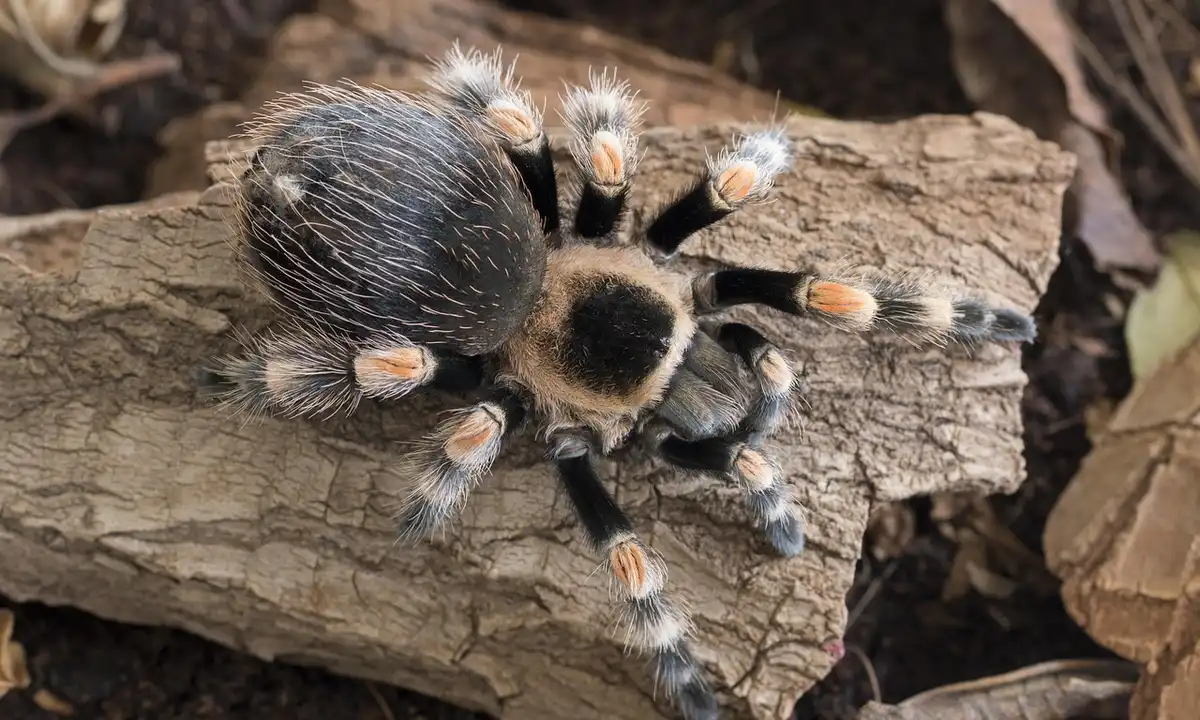
Rushing leads to escapes. A methodical setup is your greatest weapon against panic. Investing twenty minutes in preparation can prevent hours of frantic searching under furniture.
- Assemble all tools within arm’s reach: a primary catch cup (clear deli container), a larger secondary tub for containment, soft long-handled paintbrushes, long plastic tongs, a sturdy piece of cardboard, and a flashlight.
- Prepare the new enclosure completely before the old one is opened. This means substrate packed to the correct depth-at least 1.5 times the leg span for terrestrial species-and lightly moistened to the species’ requirement.
- Ensure all ventilation is securely glued or fastened and that the lid locks or latches firmly. A gentle push-test should confirm no gaps exist.
- Choose a small, enclosed workspace like a dry bathtub, a large plastic storage tote on its side, or a cleared table against a wall. This creates a primary barrier against a sprinter.
- Conduct a dry run with your tools in the workspace. Practice moving the catch cup over a dummy object to ensure your motions are smooth and confident.
- Have a damp paper towel ready in a plastic bag. If your Goliath kicks urticating hairs, you can carefully seal the contaminated towel to prevent airborne fibers.
- Turn off ceiling fans, close windows, and ensure pets and bystanders are out of the room. The silence of the enclosure is your focus.
The Step-by-Step Safe Rehousing Guide
This process is a dance of patience and precision. You are not handling the animal; you are managing its environment to guide it safely.
Step 1: Secure the Workspace and Assemble Tools
Bring your fully-prepared new enclosure and the old one into your chosen secure area. I always line the bottom of my bathtub with a towel to prevent sliding and to cushion any potential falls. Position your tools in the order you will use them: catch cup and lid first, then guiding brush, then cardboard. Double-check that your new enclosure’s lid is off and leaning nearby, ready for immediate use.
Step 2: Gently Encourage the Tarantula into a Transfer Container
Open the old enclosure slowly. For a docile species like my rose hair, Rosie, I use a soft brush to gently nudge her legs from behind, guiding her forward into the waiting cup. For defensive or fast species like my OBT, Flash, I never use a brush near them-it’s seen as a threat. Instead, I use the cup itself, slowly lowering it over them if they are out in the open, or I place it at the burrow entrance and use the brush on the far side to encourage them to run into the cup’s darkness. The goal is one smooth movement into the container, followed by an immediate slide of cardboard or the lid to secure it.
Step 3: Swiftly Move the Tarantula to the New Enclosure
With the tarantula secured in the catch cup, place the entire container gently into the center of the new terrarium. The most peaceful method is to simply remove the lid or cardboard and let the animal choose to walk out on its own terms. You can angle the container slightly or give it a faint tap. Never shake or tip the cup to force them out-this causes immense stress and may provoke a defensive pose. For a stubborn pet rock like Rosie, patience is key; she may sit for ten minutes before deciding to explore.
Step 4: Secure the Lid and Initial Observation
The moment the tarantula is fully clear of the transfer cup, use your tongs to remove the cup and immediately secure the new enclosure’s lid. This is the single most critical action. Take a deep breath and watch for just sixty seconds: ensure all limbs are free and the animal is moving normally, not trapped or injured. Then, place the enclosure in its final location and walk away. Your tarantula needs complete privacy, often for several days, to acclimate and begin mapping its new world without a giant predator staring down at it. To properly quarantine the new tarantula, set up a dedicated quarantine enclosure for the arrival, kept separate from the rest of your collection for 4–8 weeks. Monitor for signs of illness, mites, or unusual behavior during that period.
Troubleshooting Common Rehousing Catastrophes
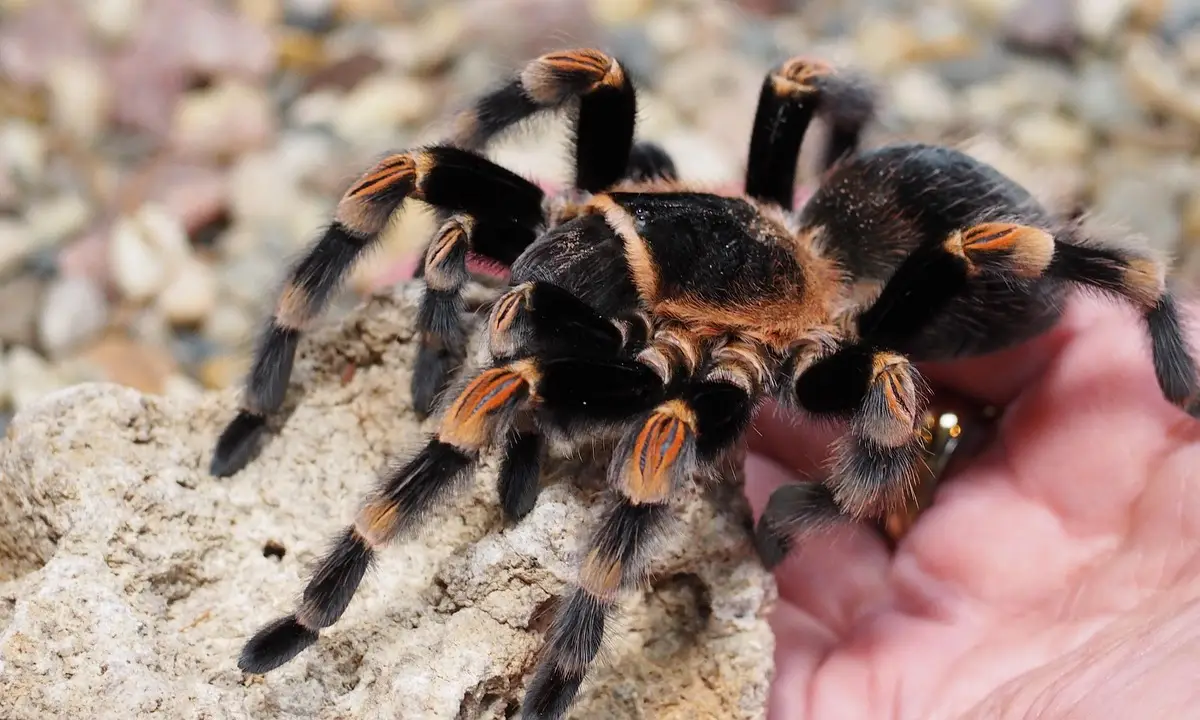
If Your Tarantula Bolts or Escapes
The sudden scuttle of eight legs across your floor is a heart-stopping moment. Your immediate reaction must be calm and methodical, not frantic, to prevent injury to the tarantula or a dangerous situation for you. First, contain the area by closing doors and blocking gaps under furniture. Have a large clear plastic cup and a stiff piece of cardboard or a magazine ready. Gently guide the tarantula toward an open wall or corner using the cardboard, then lower the cup over it. Slide the cardboard underneath to fully trap the animal, then carefully transfer it to its enclosure.
I recall the time my P. murinus, Flash, decided his rehousing tub was a starting block. His bright orange body became a blur against the dark floor, a testament to the incredible speed of Old World species. I used the cup-and-guide method, herding him slowly from behind with a magazine until he paused against a baseboard, allowing for a smooth recapture. This experience reinforced my commitment to always performing rehousings in a secure, enclosed room with all my tools within arm’s reach.
If Mold Appears in the New Enclosure
Discovering fuzzy white or green patches in your fresh setup is disheartening but often manageable. Not all mold is a crisis; harmless, fluffy white mold is common in moist substrates and can often be left alone if minimal. More concerning is slimy, black, or rapidly spreading mold, which indicates excessive moisture and poor ventilation. For spot treatment, use long tweezers to remove the moldy substrate patch and a small area around it.
With my moisture-loving T. stirmi, Goliath, I’ve learned to balance his need for 80% humidity with mold prevention. Adjusting your routine is key: reduce direct watering of the substrate, mist only the enclosure walls, and ensure cross-ventilation holes are clear. These adjustments address two of the five biggest humidity-ventilation mistakes tarantula keepers often make. Understanding the other three can help you prevent mold and stress in your enclosure. In bioactive setups, introducing a clean-up crew like springtails can naturally manage mold, creating a more stable ecosystem for your tarantula.
If Your Tarantula Refuses to Eat or Use Hides Post-Rehousing
A tarantula sitting motionless in the open or ignoring a plump cricket is displaying a classic stress response to relocation. This fasting and hide-avoidance is perfectly normal and can last from a few days to several weeks, depending on the individual’s temperament. My 15-year-old G. rosea, Rosie, is a champion faster, once refusing meals for nine months after a simple enclosure upgrade. Patience is your most important tool.
Ensure the enclosure’s parameters are perfect—double-check temperature gradients and species-specific humidity levels with a digital hygrometer. Do not attempt to feed again for at least 5-7 days, offering a pre-killed prey item to eliminate the stress of a live insect harassing your pet. Provide a proper hide and a full water dish, then simply leave the tarantula alone. Consistent, quiet observation is the best way to encourage acclimation. During your new tarantula’s first 24 hours, follow a step-by-step acclimation guide to ease the transition. Keep the environment quiet and stable during this initial window to minimize stress.
Post-Rehousing Husbandry: Monitoring for a Smooth Transition
The days following a move require a shift from active management to passive, vigilant observation. Successful acclimation is signaled by species-specific behaviors: a web curtain across a burrow entrance for a P. murinus, deep substrate excavation for a T. stirmi, or simply resuming a typical resting pose for a G. rosea. These actions mean your tarantula is claiming its new space. You will notice a distinct change in posture from a defensive, hunched position to a more relaxed and settled stance.
Resume feeding only when these behavioral cues are present. I wait until I see my tarantula actively roaming at night or has clearly established a home base before offering a meal, which prevents food waste and reduces stress. For the first few feeds, consider using pre-killed or slightly disabled prey to ensure the tarantula can eat without a struggle, especially if it is still feeling vulnerable. Many keepers balance live prey and pre-killed prey depending on the tarantula’s confidence and safety. This guide explains when to use each method and how to transition smoothly between them.
Maintaining stable humidity and temperature is critical, but it must be done with minimal intrusion. Use a shallow water dish for primary humidity and lightly mist only the sides of the enclosure opposite the ventilation if needed, avoiding spraying the tarantula or its main hide. Trust your tools—a reliable digital thermometer/hygrometer placed at the enclosure’s mid-level will give you accurate readings without you having to open the lid. The goal is to create a silent, stable environment where your tarantula can feel secure without your direct interference. Equally important is proper ventilation for tarantula enclosures: use discreet, adjustable vents to promote gentle airflow without drafts. This helps maintain air quality and prevents stagnation, keeping the tarantula secure and comfortable.
## Common Questions
What are the absolute worst mistakes to avoid when rehousing?
The most critical errors are rushing the process and being unprepared. Attempting to handle the tarantula directly or rehousing it into an unready enclosure are primary causes of escapes and stress. Always have your tools and a secure workspace ready before you even open the old enclosure.
What is the single most important tool for a safe rehousing?
A clear, appropriately sized catch cup with a lid is indispensable. It allows you to securely contain the tarantula for transfer without any direct contact or risk of a fall. Combined with a long, soft paintbrush for gentle guidance, this tool forms the foundation of a controlled and safe move.
How do I know if my tarantula is stressed after the move?
Common signs include refusing food, remaining motionless in an exposed area for extended periods, or repeatedly climbing the walls. Some species may adopt a defensive threat posture. This is normal; the best response is to ensure the enclosure is correct and then leave the tarantula completely alone to acclimate without further disturbance. These behaviors can be signs that your tarantula is stressed or aggressive tarantula signs, so recognizing them helps you respond appropriately.
Is it ever okay to handle my tarantula during the rehousing process?
No, handling during the high-stress transition between enclosures is strongly discouraged. It significantly increases the risk of a fall, a defensive bite, or a panicked leap. The goal is a secure, uneventful transfer using tools, not interaction, to ensure safety for both keeper and spider.
My tarantula won’t leave the catch cup. What should I do?
Patience is key. Place the entire catch cup into the new enclosure, remove the lid, and simply wait. You can angle the cup slightly or give it a very gentle tap. Never shake or forcibly tip the tarantula out, as this causes extreme stress. Allow it to exit on its own terms, which may take several minutes.
The Final Molt: Growing Beyond the Rehousing Event
When the spider is secure and the enclosure is settled, your focus must shift from procedure to consistency. The single most critical factor for long-term success is providing a stable environment that matches your species’ needs, where the correct moisture gradient in the substrate is non-negotiable for hydration and microclimate. An incorrect setup will undo even the smoothest rehousing effort, leading to stress that manifests in refusal to eat, excessive webbing, or a constant attempt to escape.
Beyond the rehousing event itself, the true reward of the hobby begins. Watch as your tarantula lays down the first exploratory strands of silk, slowly reclaiming the space as its own. I measure success not by a flawless transfer, but by the behaviors that follow: Goliath digging a shallow trench, Flash feverishly fencing off her cork bark, or Rosie finally settling into her characteristic, contented stillness. Patience is your most valuable tool, granting you a front-row seat to a hidden world of instinct and adaptation, all from the other side of the glass.
Further Reading & Sources
- Tarantula Rehousing: Best Practises for a Smooth Transition to a New Enclosure | Spiders Web HQ
- Tarantula Rehousing Tips … With Videos! | Tom’s Big Spiders
- Rehousing Your Tarantula Tips
Arlo is a lifelong arachnid enthusiast who believes tarantulas are the world’s most misunderstood roommates. With years of hands-on experience in tarantula care, habitat setup, and species behavior, Arlo combines expert knowledge with a dash of humor to make spider ownership less scary and a lot more fascinating. From choosing the right enclosure to understanding why your eight-legged buddy is doing that weird little pose again, Arlo is here to help you become the best tarantula parent you can be, without getting tangled in the web of misinformation.
Enclosures and Sizes