
What is Dyskinetic Syndrome (DKS) in Tarantulas?
Dyskinetic Syndrome is the haunting enigma of the tarantula world, a sudden neurological breakdown that transforms a spider’s precise, silent movements into a helpless, jerking dance. This condition, often called “the wobbles,” strikes without clear cause and presents a profound challenge for keepers. While there is no known cure, recognizing DKS early can help you provide compassionate end-of-life care and rule out other, treatable issues.
Quick Stats:
- Also Known As: DKS, “the wobbles,” discoordination syndrome
- Primary Symptom: Total loss of coordinated motor function
- Suspected Triggers: Neurotoxin exposure (e.g., pesticides), genetic factors, extreme stress
- Typical Outcome: Almost always fatal; documented recoveries are exceptionally rare
Drawing from years of breeding and the heartbreak of watching a beloved Grammostola rosea succumb, this guide will help you identify the unmistakable signs of DKS and navigate the difficult decisions it forces upon a keeper.
Understanding the Neuromuscular Disorder: Defining DKS
Dyskinetic Syndrome (DKS) describes a set of neurological symptoms where a tarantula loses control of its own body. Its movements become involuntary, uncoordinated, and often repetitive. Think of it like a severe short circuit in a complex system. The signals from the brain to the legs and fangs get scrambled, leading to a constant, distressing misfire of commands. This isn’t a clumsy molt or a simple stumble. It is a profound loss of neuromuscular coordination. DKS is primarily observed in captive tarantulas, leading many experienced keepers, including myself, to scrutinize our husbandry practices when we see it.
In biological terms, it involves uncontrolled contractions of the muscles, particularly in the limbs and chelicerae (the fang-bearing appendages). A healthy tarantula moves with a quiet, fluid grace. Each step is deliberate. A tarantula with DKS moves with a jarring, jerky agitation, as if fighting against its own skeleton. Critically, DKS is a clinical diagnosis based on a constellation of observed signs; it is not a single, proven disease with a known pathogen or definitive test.
Key Characteristics of the Syndrome
- Chronic Progression: Symptoms typically worsen over time, from subtle twitches to debilitating full-body tremors.
- Non-Contagious Nature: It does not spread between individuals in a collection, pointing to internal or environmental causes.
- Profound Impact on Quality of Life: It severely compromises the animal’s ability to perform essential life functions like walking, feeding, and drinking.
Recognizing DKS: Clinical Signs and Symptoms
Spotting DKS requires a keeper’s keen eye for deviation from normal behavior. You must know how your tarantula rests, grooms, and explores its enclosure. The shift is often gradual. Early detection hinges on noticing those slight, off-kilter changes in grooming rituals or an unusual resting posture that persists.
Motor Dysfunction and Tremors
This is the most visually arresting set of symptoms. Contrast it with your tarantula’s normal locomotion. My Burgundy Goliath, for instance, moves with a heavy, deliberate pace. In DKS, that controlled movement shatters. These abrupt changes can be early warning signs that your tarantula is sick. If you notice them, reassess your husbandry and consider seeking advice from a seasoned keeper.
- Erratic, jerky leg waving while the tarantula is at rest, as if tapping to a frantic, silent beat.
- A staggering, uncoordinated gait where legs slip and slide, unable to support the body’s weight.
- Constant, small tremors or spasms in the legs, pedipalps, or chelicerae.
- An inability to right itself if placed on its back, often with legs cycling helplessly in the air.
Behavioral and Absorptive Changes
The neurological misfiring disrupts fundamental behaviors. Feeding becomes a tragic spectacle. Instead of the precise, lightning strike of my OBT, Flash, a DKS-affected tarantula may repeatedly slap at prey it cannot grasp.
- Strange, contorted feeding positions with no successful bite.
- Complete refusal to eat, potentially from an inability to coordinate the strike.
- Abnormal, repetitive grooming attempts where the tarantula seems unable to complete the brushing motion.
- Signs of dehydration, as impaired coordination prevents effective drinking from the water dish.
Investigating Potential Causes and Risk Factors
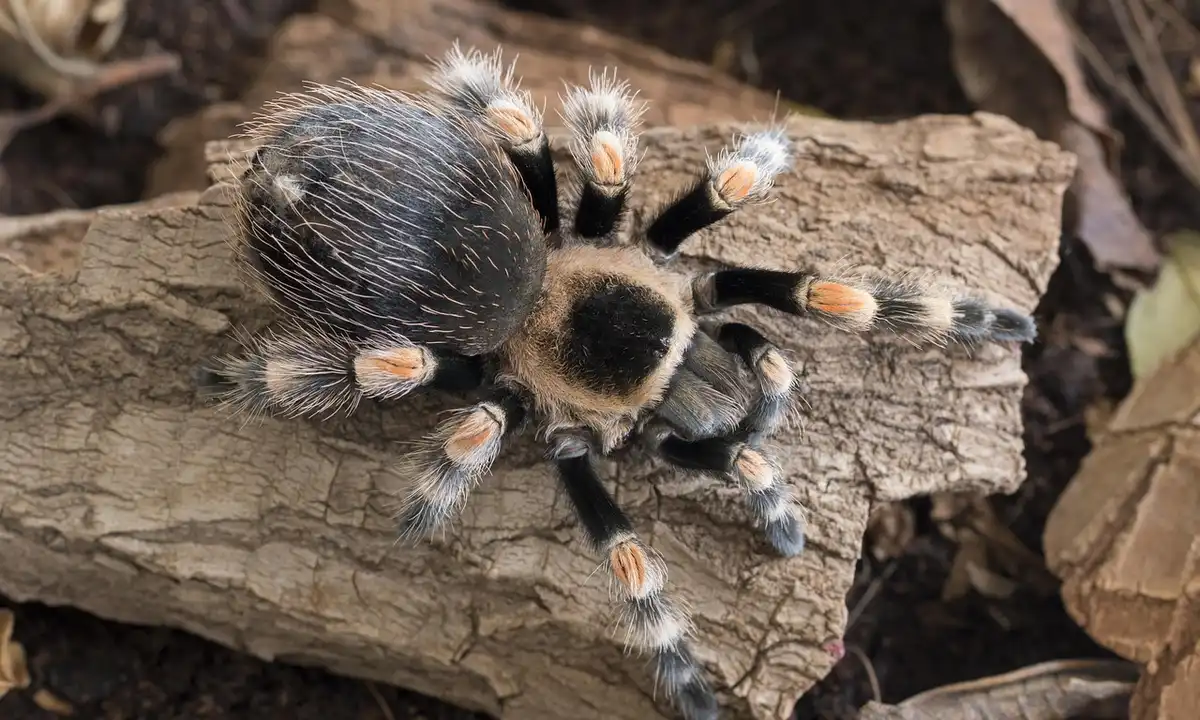
The precise origin of DKS remains one of the most frustrating mysteries in arachnoculture. We see the shocking symptoms but lack a clear, single pathogen or toxin to blame. Current thought points toward a multifactorial “perfect storm” where environmental stress and physiological imbalance converge to trigger neurological disruption. Most theories focus on insults to the tarantula’s delicate nervous system.
Environmental Stressors in Captive Care
Years of observation point directly to suboptimal living conditions as a common thread in many suspected DKS cases. Think of a tarantula’s enclosure as its entire world; if that world is toxic or unstable, the animal pays a price. I’ve seen the effects of stress firsthand, like when my OBT, Flash, webbed over its water dish in a defensive frenzy after a too-noisy room change.
- Chemical Contaminants: Pesticides, herbicides, or cleaning residues on decor, hands, or in substrate are a prime suspect. Even trace amounts we can’t smell can be devastating.
- Extreme or Fluctuating Parameters: A cage that’s a soggy swamp one week and a bone-dry desert the next creates immense physiological stress. My T. stirmi, Goliath, visibly slows and refuses food if his humidity drops.
- Temperature Shock: Prolonged exposure to temperatures far outside a species’ range, or sudden drastic changes, can disrupt metabolic processes.
- Chronic Disturbance: Constant vibrations, loud noises, or excessive light disrupting the tarantula’s circadian rhythm. They thrive on predictable quiet.
Nutritional and Metabolic Links
What goes into a tarantula matters immensely. The theory here isn’t about vitamin deficiency in the way mammals experience it, but about the introduction of toxins or the disruption of critical, unseen balances.
Feeder insects from unreliable sources are a significant risk. Crickets or roaches fed on pesticide-treated plant matter can retain those compounds, passing them directly to your spider. Tarantulas readily eat roaches that wander into your home, but wild-caught feeders can carry parasites or toxins, making it essential to understand the dangers of wild-caught feeders. Home-bred feeders help you control exposure to contaminants from household sources. I now breed my own feeder roaches for this exact reason.
Another hypothesis involves mineral imbalances, particularly calcium. An oversupply from gut-loaded prey might interfere with neuromuscular function. The internal chemistry of an invertebrate is a delicate, ancient system we are only beginning to understand.
Diagnosing Dyskinetic Syndrome in Your Tarantula
You cannot run a blood test on a tarantula. Diagnosis is a careful, logical process of elimination conducted by an observant keeper, ideally with professional backup. Your first and most powerful tool is systematic observation, ruling out all other possibilities before settling on a DKS presumption. If your tarantula isn’t webbing, a diagnostic checklist for keepers can help you pinpoint likely causes. This keeps your observations structured and makes it easier to communicate with professionals when needed.
- Document Everything. Use your phone to take clear video of the abnormal movements. Note the time of day, recent feedings, enclosure conditions, and the exact nature of the twitches or falls. This record is vital for any vet consultation.
- Conduct a Husbandry Audit. Check every physical parameter. Measure temperature and humidity with a digital gauge. Inspect the substrate for mold or mites. Ensure fresh water is available. Compare your setup against verified care sheets for that specific species.
- Isolate the Tarantula. Move the enclosure to a quiet, dim, stable location. While DKS is not considered contagious, quarantine prevents stress from cage mates and allows you to monitor food and water intake closely without disturbance.
- Seek Expert Veterinary Consultation. This is the critical step. A veterinarian specializing in invertebrates can sometimes identify other issues, like parasites or internal injuries, that mimic DKS. A definitive diagnosis often requires this professional lens, as the untrained eye can easily mistake other serious problems for DKS.
Treatment, Management, and Prognosis
Let’s be clear: there is no proven cure for Dyskinetic Syndrome. The neurological damage appears irreversible. Our role shifts from treatment to palliative care, aiming to alleviate suffering and provide comfort. Some tarantulas may stabilize for months, while others decline rapidly. I once cared for an old Grammostola porteri that began showing subtle twitches. Instead of invasive interventions, I focused on observation. I lowered the water dish to substrate level and offered pre-killed crickets. She lived for another nine months, passing quietly. That experience taught me the value of humble, attentive care over desperate fixes. When facing DKS, your goal is to support the tarantula’s basic needs with minimal stress.
Supportive Care Guidelines
Management revolves around compensating for lost motor function. Implement these steps to improve quality of life:
- Ensure constant, easy access to water. Use a shallow, heavy dish placed directly on the substrate.
- Offer pre-killed prey. Live insects can injure a disoriented tarantula.
- Eliminate all handling. Even gentle moves can cause catastrophic falls.
- Maintain perfect enclosure stability. Keep temperature and humidity within the species’ ideal range without fluctuation.
- Reduce decor to essentials. Remove climbing branches or sharp objects that could cause injury during spasms.
Consistency in the environment is the single greatest gift you can give a neurologically compromised tarantula. In tarantula rehousing, avoid the seven deadly sins—hasty relocation, drastic temperature shifts, and abrupt substrate changes—to prevent catastrophe. Keep transitions gradual and conditions stable.
Understanding the Likely Outcome
DKS typically leads to death from starvation or dehydration. The tarantula cannot coordinate movements to eat or drink. While some individuals persist for a surprisingly long time, the progression is often relentless. Your focus must be on quality of life, not longevity. Watch for signs of suffering: prolonged inability to right itself, complete refusal of food, or severe weight loss. Making the decision to euthanize is a personal and difficult one, but it is a responsible option when suffering is evident. Accepting the likely fatal outcome allows you to provide compassionate end-of-life care.
Prevention: Reducing Risk Through Optimal Husbandry
Since we cannot cure DKS, prevention is our most powerful tool. Every husbandry choice either increases or decreases neurological risk. This means moving from reactive care to a proactive, holistic approach. I advocate fiercely for “Look, Don’t Touch” handling—your tarantula is a display animal, not a toy. Bioactive setups, with live plants and clean-up crews, create stable microclimates that buffer against environmental shocks. Think of it as building a fortress of wellness around your spider. Common tarantula health problems—dehydration, improper molts, and fungal or respiratory infections—are largely preventable with steady, preventive care. By investing in prevention, you stop problems before they start and keep your spider thriving. Prevention isn’t a single action; it’s a philosophy woven into every aspect of care.
Essential Care Practices for DKS Prevention
Use this checklist to build a defensive wall against potential causes:
- Source feeder insects from reputable breeders. Wild-caught prey can carry pesticide residues.
- Use only chemical-free substrate. Coconut fiber, peat moss, or sterile topsoil are safe choices.
- Select decor carefully. Avoid painted wood or dyed moss that may leach toxins.
- Maintain species-specific parameters. For example, my T. stirmi ‘Goliath’ needs 80-85% humidity, while my P. murinus ‘Flash’ requires bone-dry conditions.
- Quarantine new arrivals for at least 60 days in a separate room. Observe for any abnormal behaviors before introducing them to your collection.
- Clean tools and wash hands between enclosures to prevent cross-contamination.
Meticulous attention to these details drastically reduces the environmental stressors linked to DKS.
Creating a Low-Stress Environment
Stress taxes the nervous system. A proper enclosure acts as a buffer. Choose a size that allows for natural behaviors without excessive space that feels exposed. For terrestrial species, length and width are more important than height. Provide multiple hiding spots—cork bark flats, half-logs, or artificial caves. Maintain consistent routines for feeding and maintenance; avoid sudden changes in light or noise. I keep my tarantula room on a strict schedule, and the calm is palpable. The silence of the enclosure is broken only by the occasional scrape of a leg on substrate. A predictable, enriched environment minimizes metabolic stress and supports long-term neurological health. It’s important to understand what features are essential for a terrestrial vs. arboreal tarantula enclosure to ensure the best care.
## Common Questions
Can a tarantula with DKS still bite, and is the venom affected?
A tarantula with DKS may attempt to bite but will struggle to coordinate an accurate strike or proper envenomation. The venom itself is not altered by the syndrome, but the spider’s inability to control its chelicerae makes a defensive bite highly unlikely and ineffective. The primary risk is the tarantula injuring itself during uncontrolled spasms, not a heightened danger to the keeper. Unlike venomous bites from other tarantula species, bites from a spider with DKS lack functional envenomation.
How does DKS affect a tarantula’s lifespan?
Dyskinetic Syndrome almost always significantly shortens a tarantula’s lifespan due to the inability to eat and drink effectively. The prognosis is grave, with most individuals succumbing to starvation, dehydration, or related complications within weeks to months after symptom onset. While rare cases may see a plateau of symptoms, a full recovery to a normal lifespan is exceptionally undocumented. In captivity, species-specific care and environmental conditions influence tarantula lifespan. Proper husbandry—stable temperature and humidity, appropriate enclosure, and nutrition—is essential for longevity, especially with illnesses like dyskinetic syndrome.
Is there a specific treatment guide or protocol available as a PDF?
There is no official, standardized treatment PDF for DKS, as no cure exists. Reliable care resources from experienced breeders or invertebrate veterinary sites may offer palliative care guides. Any source claiming a guaranteed cure or treatment protocol should be viewed with extreme skepticism, as management focuses solely on supportive, end-of-life care.
Can the causes of DKS in tarantulas affect humans or other pets?
The suspected causes of DKS, such as pesticide exposure or genetic factors, are specific to the tarantula’s physiology and do not pose a direct neurological risk to humans or other mammals. However, the underlying chemical contaminants (e.g., pesticides on decor) that may trigger DKS in a spider could be harmful if ingested or touched, emphasizing the need for safe, chemical-free husbandry practices for all pets.
Long-Term Success in Tarantula Care
The foundation of preventing Dyskinetic Syndrome is impeccable enclosure hygiene. Your tarantula’s long-term health depends entirely on you providing a habitat utterly free from insecticides, pesticide drift, or chemical residues in its substrate, cork bark, or water dish. Decor choices can pose hidden risks as well. Be wary of five common decor dangers: painted or chemically treated decorations, metal accents, loose gravel, scented or resin-based ornaments, and cork treated with pesticides. I learned this through careful sourcing for my moisture-dependent Goliath; even a treated plant nearby can pose a risk. Scrutinize every element that enters the enclosure, opting for trusted, bioactive-safe brands to safeguard your spider’s nervous system.
When your tarantula is secure in a clean environment, the real joy of keeping begins. Patience is not just a virtue in this hobby-it is the primary tool for understanding your animal and witnessing its full behavioral repertoire, from Flash’s meticulous webbing to Rosie’s quiet stillness. Observe the deliberate pace of a hunt or the silent engineering of a burrow. This respectful, watchful care fosters well-being far more effectively than any interaction, allowing you to ensure a thriving life for your eight-legged charge. It also helps in understanding how fast tarantulas move and their unique behaviors during different activities.
Further Reading & Sources
- DKS (Dyskinetic Syndrome) in Tarantulas | Tom’s Big Spiders
- Dyskinetic syndrome in tarantula spiders (Theraphosidae) by Emily Draper and Steven A. Trim – British Veterinary Nursing AssociationBritish Veterinary Nursing Association
- DKS – Dyskinetic Syndrome in Tarantulas – Jamie’s Tarantula Blog
Arlo is a lifelong arachnid enthusiast who believes tarantulas are the world’s most misunderstood roommates. With years of hands-on experience in tarantula care, habitat setup, and species behavior, Arlo combines expert knowledge with a dash of humor to make spider ownership less scary and a lot more fascinating. From choosing the right enclosure to understanding why your eight-legged buddy is doing that weird little pose again, Arlo is here to help you become the best tarantula parent you can be, without getting tangled in the web of misinformation.
Common Diseases