
What is the ‘Death Curl’? Distinguishing Dying from Molting in Tarantulas
The ‘death curl’ is the tarantula hobby’s most dreaded sight, a tight, inward curling of the legs that signals a life-threatening crisis, often mistaken for the peaceful posture of molting. This guide will give you the clear, visual differences between these two states, backed by years of breeding experience and a ‘look, don’t touch’ philosophy. Knowing these signs lets you act swiftly to save a spider in distress or grant peaceful solitude for a successful molt.
Quick Stats:
- Behavior Manifestation: Death curl indicates severe physiological stress; molting is a necessary, vulnerable growth phase.
- Typical Posture: Death curl: legs folded tightly beneath the cephalothorax. Molting: spider is on its back or side, often with legs splayed.
- Keeper Action: Death curl may require emergency rehydration; molting demands zero disturbance for hours or days.
Using precise comparisons and stories from my own collection-like the time my Chilean Rose Hair, Rosie, lay motionless for days before a perfect molt-this guide will help you interpret your tarantula’s silence with confidence.
Understanding the Tarantula Death Curl
The tarantula death curl is a specific, lethal posturing. The spider’s legs curl tightly underneath its body, tucking inward toward the sternum. This creates a contracted, ball-like silhouette. This posture is a sign of severe neuromuscular failure, often from fluid loss or systemic shutdown. The tarantula cannot extend its legs to support its weight, leaving it collapsed. It is distinct from the relaxed, sprawled position of a healthy, resting tarantula.
Why Tarantulas Curl Their Legs: Causes Beyond Dying
Not every curled leg signals the end. Context is your most vital tool. You must observe the entire scene: the tarantula’s position, its environment, and recent history to decode the message. Do tarantulas communicate—in particular, through stridulation or other signals? Understanding these signals can help you interpret what the scene is saying. Here are the critical causes to investigate.
Dehydration and Humidity Imbalance
This is the most common cause of a non-fatal curl I encounter. A tarantula’s hydraulic leg system requires internal fluid pressure. Without it, legs contract. My Burgundy Goliath (T. stirmi) will tuck slightly if her swamp-like 80% humidity drops.
- Symptoms: Shrunken abdomen, legs curled inward but not tightly under, sitting in or over water dish.
- Immediate Fix: Gently place the tarantula’s mouthparts near fresh water. I’ve used a damp paintbrush to dab water on my Chilean Rose Hair’s (G. rosea) chelicerae during a scare.
- Long-Term Fix: Provide a large, clean water dish always. Adjust substrate moisture for your species-bone dry for arid types like G. rosea, damp for tropicals like T. stirmi.
Acute Stress or Fright
A sudden, dramatic threat can cause a temporary defensive curl. This is a freeze response. My OBT (P. murinus) “Flash” has done this during rehousing before exploding into a lightning-fast bolt.
- Triggers: Loud vibrations, excessive light, predatory pets near the enclosure, or clumsy attempts at handling.
- Identification: The curl is often looser. The tarantula may slowly uncurl once the threat passes and stillness returns, unlike the irreversible death curl.
- Action: Immediately remove the stress source, darken the room, and leave the spider entirely alone for hours. Do not poke or prod.
Underlying Illness or Injury
Internal problems or physical damage can manifest as curling. This is a grave sign.
- Possible Causes: A bad fall causing internal hemorrhage, pesticide exposure, or a bacterial infection from contaminated food or substrate.
- Observations: Look for discharge, a strangely discolored abdomen, or a lingering odd smell from the enclosure. The curl from injury is often lopsided.
- Reality Check: Veterinary care for invertebrates is extremely limited, and many illnesses are not treatable by keepers. Prevention through pristine hygiene, safe enclosure design (minimizing fall height), and using trusted feeder sources is paramount.
Recognizing the Signs of a Healthy Molt
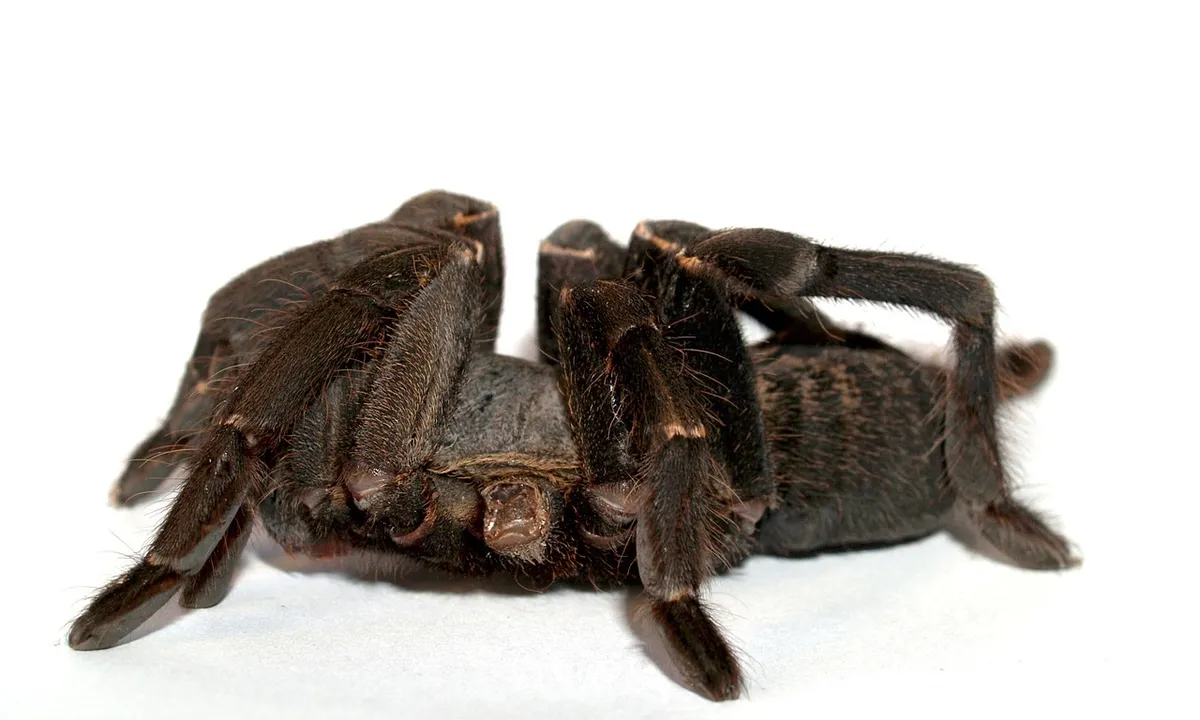
Witnessing a successful molt is one of the most rewarding moments in arachnoculture. It’s a silent, vulnerable rebirth. Recognizing the stages prepares you to be a supportive keeper.
Pre-Molt Indicators
Your tarantula will broadcast its intentions weeks in advance. The first signal is often a complete loss of appetite. My old Chilean Rose Hair, Rosie, once refused food for eight months before a molt—a nerve-wracking but normal fast for her species, especially when it’s pre-molt.
- Fasting: They stop eating. The timeframe varies from weeks for slings to many months for large, mature females.
- Lethargy and Web Fortification: Many species seal themselves in a silken retreat or heavily web over their burrow entrance.
- Physical Changes: The abdomen darkens and appears glossy as the new exoskeleton develops beneath. The bald patch on New World species often turns from pink to a deep, inky black.
- Dulling of Colors: Their overall color fades, like a photograph left in the sun, as the old setae (hairs) detach.
The pre-molt period is a time for absolute peace-no cage cleaning, no rehousing, and absolutely no attempts to feed.
The Molting Event Itself
The main event is swift, usually lasting a few hours. You’ll find your tarantula on its back or side, a posture that sends a new keeper into panic but is perfectly natural. They are not dead. If you’re worried you’re seeing molting versus dying, there are clues. During a molt the tarantula stays on its back and is mostly still for hours, then sheds its skin and resumes activity.
- The Position: They flip over. Legs may curl gently toward the cephalothorax, but the movement is controlled.
- The Split: The carapace cracks along the front. You’ll see subtle pulsations as they push fluid to expand the new body.
- The Extraction: With slow, deliberate effort, they withdraw each leg and finally the swollen abdomen from the old skin. This is a critical, exhausting phase.
- The Recovery: Post-molt, they remain still, often upside-down, as their new exoskeleton hardens and darkens. They are extremely fragile for days or weeks.
The silence of the enclosure during a molt is profound; any disturbance can be fatal, causing them to become trapped in their old skin.
Identifying Symptoms of a Dying Tarantula
Distress manifests in subtle, progressive ways. A dying tarantula often exhibits a constellation of symptoms over time, typically rooted in environmental failure.
Early and Late-Stage Warning Signs
Early signs can be mistaken for pre-molt, but key differences exist. Watch for a persistent, unusual posture even when upright-legs tucked too tightly underneath, or a constant, shaky elevation of the abdomen.
- Loss of Coordination: Stumbling, inability to climb smooth surfaces, or legs slipping on substrate.
- Weak Reflexes: No reaction to a gentle puff of air or a very slight vibration on the enclosure wall.
- Prolonged, Awkward Curling: Legs are curled inward in a weak, spidery fashion while the tarantula is upright or on its feet.
The late-stage, critical sign is the true death curl. The tarantula tucks all legs directly underneath its body, often with the tips touching the sternum. It may be upright or collapse onto its ventrum. This is a sign of severe neurological or muscular failure, often from dehydration. For a deeper, step-by-step explanation of this final posture, see our death curl explained depth guide. It covers causes, variations, and what to do when you observe it in tarantulas.
A shriveled, wrinkled abdomen is the most telling companion symptom to the death curl, pointing directly to catastrophic dehydration.
The Role of Environmental Stress
Rarely does a tarantula simply “die of old age” without prior husbandry-linked stress. The environment is everything. Various factors—species-specific needs, enclosure design, humidity and temperature, diet, and handling—[shape lifespan and overall health](https://eightleggedlife.com/what-factors-influence-a-tarantulas-lifespan-care-species-and-environment). By aligning care with these variables, keepers can support a tarantula’s longevity within its natural life span.
- Dehydration: The number one killer. Bone-dry substrate for moisture-dependent species like my Goliath (T. stirmi) is a death sentence. Always provide a full, clean water dish.
- Chemical Exposure: Pesticides on feeder insects, airborne cleaners, or painted decorations can cause rapid neurological decline.
- Trauma: Falls from a great height can cause fatal internal ruptures, especially in heavy-bodied specimens.
- Temperature Extremes: Sustained cold halts digestion and weakens the immune system; extreme heat cooks them from the inside.
I learned the hard way with an early, tragic loss that assuming “one size fits all” for humidity needs is a fundamental mistake in this hobby.
Side-by-Side Comparison: Molting vs. Dying
| Behavior/Sign | Healthy Molt | Dying Tarantula |
|---|---|---|
| Body Position | On back or side for the event; controlled leg positioning. | Upright or collapsed with legs tightly curled under body (death curl). |
| Abdomen Appearance | Dark, glossy pre-molt; post-molt it is full, smooth, and vibrant. | Often shriveled, wrinkled, or drastically shrunken. |
| Movement | Deliberate, rhythmic pulsations during the shed. Still before/after. | Uncoordinated, twitchy, weak, or completely absent. |
| Timeline | Pre-molt signs appear weeks/months prior. The event is a discrete process. | Symptoms often worsen progressively over days, with sudden decline possible. |
| Response to Stimuli | Will react to major disturbances pre- and post-molt (a stress response). | Little to no reaction to gentle stimuli like air puffs. |
| Environmental Cause | A natural, cyclical biological process. | Typically linked to husbandry failure: dehydration, toxins, trauma. |
The most vital distinction is this: a molting tarantula is engaged in a vigorous, life-sustaining process, while a dying tarantula is shutting down from a place of profound weakness.
Immediate Steps for a Tarantula in Distress
Finding a tarantula in an abnormal posture is an immediate call to action. Your first priority is to halt further decline.
Assessment and Stabilization
Move slowly and avoid vibrations. Your goal is to gather information without causing stress. Gently tap the enclosure side with a soft brush. A healthy, premolt tarantula may twitch or shift slightly; a severely dehydrated or dying one will be unresponsive or struggle to move.
Use this quick checklist to assess the situation before you touch anything.
| Sign | Possible Cause | Urgency |
|---|---|---|
| Legs tightly curled under body, unresponsive to gentle stimulus | Severe dehydration, systemic failure | Critical |
| Legs splayed awkwardly, abdomen shriveled | Dehydration | High |
| On its back or side, moving slightly | Molting (normal) | Do not disturb |
| Curled but near a full water dish | Possible injury or inability to drink | High |
If dehydration is suspected, your single best tool is a shallow water dish. If you’re unsure whether your tarantula is dehydrated, look for signs like a sunken or wrinkled abdomen. Lethargy and reduced appetite can also indicate dehydration. For a large terrestrial like my T. stirmi Goliath, I use a ceramic pot saucer. Gently place the tarantula’s mouthparts near the water’s edge. Sometimes, they can still drink if helped into position.
When and How to Intervene
Direct physical intervention is a last resort. It risks injury to you and your pet. I only do this if the tarantula is completely unresponsive and I am certain it is not molting.
The “ICU” method is controversial but can be a last-ditch effort for severe dehydration; it is a temporary stabilizer, not a hospital.
- Prepare a small, ventilated container (like a deli cup) with a damp paper towel substrate.
- Very gently, using a soft paintbrush, guide the tarantula into the container.
- Place a small bottle cap of water inside. Do not soak the towel or create standing water.
- Keep the container warm and quiet. Check every few hours.
I’ve used this once for an old G. rosea that refused to drink for months. After 12 hours in a quiet ICU, she slowly uncurled and drank. She lived another two years. But remember: for a molting tarantula, this would be fatal. When in doubt, provide a water dish and quiet observation instead of frantic action.
Preventative Care to Avoid Health Crises
The true mark of expert care is creating an environment where the “death curl” is never seen. This comes from consistent, respectful husbandry.
Optimizing the Enclosure Environment
Your tarantula’s home is its entire world. Every element must serve a purpose for its species.
- Substrate Depth: For burrowers like my OBT Flash, provide substrate at least 1.5 times their leg span deep. For heavy terrestrials like Goliath, a firm, packable mix prevents collapses.
- Moisture Gradients: Never soak an entire enclosure. Pour water into one corner to create a damp zone, leaving the rest dry. My moisture-dependent T. stirmi gets a swampy corner, while my G. rosea Rosie’s enclosure is bone dry save for her dish.
- Cross-Ventilation: Stagnant air kills. You need air flow across the enclosure, not just top vents. This prevents mold and respiratory issues.
- Anchor Points: Provide ample anchor points for webbing. A well-webbed environment, like Flash’s intricate tunnel network, is a sign of a secure, happy tarantula.
Mimicking the natural microclimate of your tarantula’s origin is the single most effective way to prevent hydration-related stress. Create a substrate moisture gradient in the enclosure with damp zones for hydration and drier zones for activity. Regularly monitor and adjust humidity to keep the gradient stable for your tarantula’s needs.
Respectful Daily Husbandry Practices
Routine is done for the tarantula’s benefit, not our amusement. I follow a simple, non-invasive checklist.
- The Silent Observation: Spend five minutes just watching. Note posture, web maintenance, and location. This baseline helps you spot subtle changes.
- Water Dish Check: Refill with fresh, dechlorinated water daily. Scrub it weekly to prevent bacterial slime.
- Prey Management: Never leave live prey unattended. Crickets can harass a molting tarantula. Remove uneaten prey within 24 hours.
- Hands-Off Philosophy: I adhere to a strict “Look, Don’t Touch” rule. Handling induces stress, risks falls, and can trigger hair-flicking or bites. The hobby is about observation, not cuddling.
I learned this after my speedy OBT Flash made a daring escape during a rehousing. The frantic chase stressed us both immensely. Your tarantula’s health is demonstrated by its natural behaviors in a secure enclosure, not by its tolerance for being held.
FAQs
Can a tarantula recover from a death curl?
Yes, recovery is possible if the cause is addressed immediately, most commonly severe dehydration. If caught early, gently placing the tarantula’s mouthparts near fresh water can allow it to drink and regain hydraulic pressure. However, if the curl is due to advanced systemic failure, injury, or illness, recovery becomes much less likely.
How long should I wait if I think my tarantula is molting?
You should wait with zero disturbance for the entire process, which can take from a few hours to over a day. Do not touch, offer food, or attempt to move a tarantula on its back. The only action is to ensure the environment is quiet, warm, and humid, and to remove any live prey immediately if present. After the molt is complete, confirm that the new exoskeleton has hardened and the tarantula is moving normally. Then resume normal care, but avoid handling and feeding for at least 24-48 hours to let the spider recover from the molt.
What’s the main visual difference between a stress curl and a death curl?
A stress curl from fright is often looser, and the tarantula will typically uncurl once the threat is removed and peace returns. The true death curl is a tight, irreversible contraction of the legs tightly underneath the body, often accompanied by a complete lack of movement and a shriveled abdomen. Other common signs your tarantula is stressed or feeling aggressive include a raised front-leg threat posture and rapid leg movements. Recognizing these cues can help you minimize handling and keep the tarantula calm.
Why is dehydration such a common cause of the death curl?
Tarantulas use internal fluid pressure to extend their legs via a hydraulic system. When critically dehydrated, they lose this pressure, causing the legs to contract uncontrollably. This is why providing a full, clean water dish and correct humidity for the species is the most fundamental aspect of preventative care.
Can I help a tarantula that is stuck while molting?
No, you should never manually assist a molting tarantula. Any interference risks catastrophic injury, as they are extremely soft and fragile. The process is delicate and internal; pulling on the exuviae (old skin) can cause severe harm or death. The best help is perfect pre-molt husbandry and absolute non-intervention. For a complete guide on tarantula molting problems and solutions, see the rest of this guide. It covers common signs of trouble and practical steps to take.
Long-Term Success
After decades in the hobby, from my docile G. rosea Rosie to my humid-loving T. stirmi Goliath, one husbandry principle stands supreme. Guaranteeing constant access to a clean, shallow water dish is the most effective way to prevent dehydration, the leading cause of the death curl that is often mistaken for molting. This simple, vigilant act supports vital functions and can save your tarantula’s life.
The deepest fulfillment in arachnoculture comes from patient observation. Cherish the natural rhythms: the meticulous silken architecture of an OBT like Flash, the deliberate soil sculpture of a burrower, the silent, poised hunt. I’ve rehoused dozens of tarantulas, and each time, waiting for them to move on their own terms taught me respect. Your patience allows their world to unfold, revealing a captivating creature thriving under your care.
Further Reading & Sources
- The Tarantula “Death Curl” | Tom’s Big Spiders
- r/tarantulas on Reddit: Is this the death curl?
- Is My Tarantula In A Death Curl?
Arlo is a lifelong arachnid enthusiast who believes tarantulas are the world’s most misunderstood roommates. With years of hands-on experience in tarantula care, habitat setup, and species behavior, Arlo combines expert knowledge with a dash of humor to make spider ownership less scary and a lot more fascinating. From choosing the right enclosure to understanding why your eight-legged buddy is doing that weird little pose again, Arlo is here to help you become the best tarantula parent you can be, without getting tangled in the web of misinformation.
Molting Process