
How to Catch an Escaped Cricket or Roach in Your House
The sudden chirp of a cricket in the night or the silent scuttle of a roach under the fridge transforms your home into an unintended hunting ground, a scenario every tarantula keeper faces. These escaped feeder insects are not just pests; they can disrupt your spider’s feeding, introduce stress, and challenge your husbandry skills. Based on my years of breeding tarantulas like Rosie and Goliath, I will share immediate, effective tactics to reclaim your space.
Quick Stats:
- Common Origin: Feeder containers from pet stores or home breeding colonies.
- Primary Types: Crickets (Acheta domesticus) and Dubia Roaches (Blaptica dubia).
- Key Behavior: Nocturnal, fast, and drawn to warm, dark crevices.
This guide provides the specific, step-by-step strategies you need to safely and quickly recapture these elusive insects.
Why Catching Escaped Feeder Insects Matters
An escaped cricket is not just a nuisance; it’s a potential husbandry failure with real consequences. That soft scuttle in the night is a problem you need to solve.
Your tarantula’s health depends on a clean, controlled environment, and a rogue feeder insect directly undermines that. An adult cricket left in an enclosure can, in a worst-case scenario, nibble on a molting tarantula, which is completely defenseless. I’ve seen the damage from a single opportunistic cricket on a freshly molted sling, and it’s a heartbreaking, preventable wound. After a molt, wait until the new exoskeleton has hardened before feeding; this recovery period usually lasts 24–72 hours depending on the species. During this time, ensure no live prey is present in the enclosure and minimize handling.
Beyond your pet’s safety, consider your home. Crickets chirp. Dubia roaches, while silent, can establish themselves in warm appliances if a breeding female gets loose. Their frass (waste) can soil furniture and create an unhygienic situation. It’s about respecting all creatures in your care, including the feeders, by not letting them die slowly in a wall void or behind your bookshelf. Leaving live feeders uncontained is a critical mistake to avoid, as it can lead to escapes and ongoing hygiene problems.
Understanding Cricket and Roach Behavior for Easier Capture
To catch an escapee, think like one. These are prey animals driven by simple instincts: find darkness, find moisture, and stay out of the open. Their behavior is predictable, and that’s your biggest advantage.
Typical Cricket Hideouts and Habits
Crickets are attracted to warmth, humidity, and vertical spaces. They are surprisingly adept climbers. Your search should be systematic and quiet; loud noises will send them scrambling.
- Primary Zones: Check along baseboards, the warm cracks behind electronics and refrigerators, inside potted plants, and within any clutter on the floor like bags or shoes.
- Climbing Tendencies: Look upwards. They cling to curtains, the backs of furniture, and even walls. A sudden rustle near a curtain rod is often a cricket.
- Auditory Clues: At night, stop and listen. The chirping of a male is a perfect homing beacon. Move slowly toward the sound before switching on a light.
From personal experience, my old Chilean Rose, Rosie, once had a cricket escape that I found two days later, perfectly content inside a nearby, slightly damp hiking boot. They seek enclosed, textured spaces that feel like a burrow.
Common Roach Refuge Points and Movements
Dubia roaches and other common feeders are less inclined to climb smooth surfaces like glass but are masters of flat, tight crevices. They seek sustained warmth and will often move in short, quick bursts from one covered spot to another.
- Ground-Level Focus: They rarely climb walls. Concentrate your search on floor-level hideouts: under appliances, inside cardboard boxes, under the lip of cabinets, and within utility closets.
- Warmth Seekers: The motor compartments of fridges, game consoles, and AV receivers are magnetic for them. Check these areas carefully.
- Capture Tactics: They are less jumpy than crickets but faster in a straight line. Corral them gently into a corner using a piece of paper or cardboard, then slide a cup over them. A tiny smear of banana or carrot in a deli cup can make an effective trap.
Their preference for clustering in darkness means if you find one, carefully check the immediate area for others, as they are often kept in groups. A calm, patient approach prevents them from scattering further into your home’s infrastructure.
Systematic Search: How to Locate the Escaped Insect
Step 1: Secure the Immediate Area
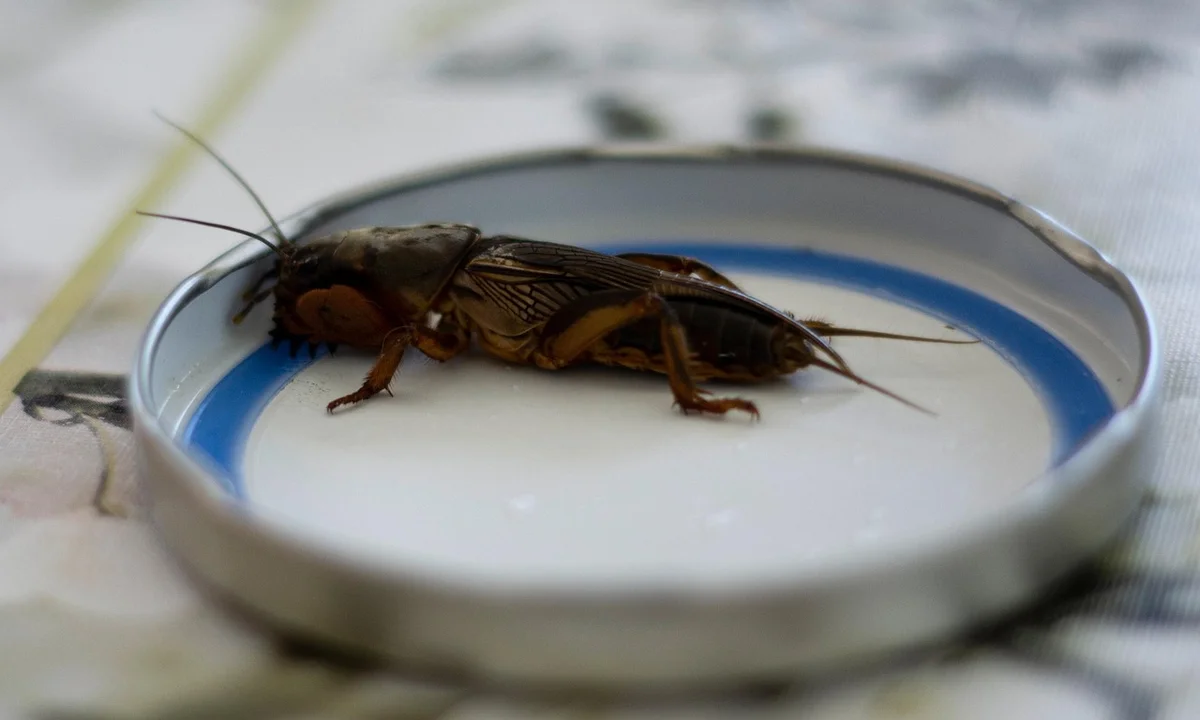
When a cricket bolts during a feeding for my Goliath bird eater, my first move is to freeze. Immediately close all doors to the room and block the gap under the door with a towel. This simple action prevents the insect from exploring your entire home. I learned this after a roach feeder vanished into my living room, leading to a week-long game of hide-and-seek. Check that windows are shut and seal any obvious vents or crevices with tape. Your goal is to make the search zone as small and manageable as possible.
Step 2: Methodically Check Key Hiding Spots
Insects seek darkness, moisture, and tight spaces. Move slowly and use a bright flashlight, shining it parallel to floors and walls to cast long shadows that reveal hidden shapes. Start your search in a grid pattern, focusing on these high-probability areas:
- Under and behind furniture: Couches, bookshelves, and cabinets are prime real estate.
- Along baseboards and molding: Crickets will cling to these edges.
- Near heat sources and appliances: The warm motors of refrigerators or computers are attractive.
- Among clutter: Stacks of paper, cardboard boxes, or laundry on the floor.
- In potted plants: The damp soil is a magnet for thirsty escapees.
Step 3: Employ Sensory Cues After Dark
If your initial visual search fails, wait for nighttime. Turn off all lights, sit quietly in the room, and listen for the distinctive chirp of a male cricket-a clear auditory beacon in the silence. For silent roaches or nymphs, use a red-light flashlight if you have one; many insects are less disturbed by red light. Slowly scan the room again. The sudden skitter of legs on a hardwood floor or the faint silhouette against a wall often gives away their position when they feel safest to move.
Gathering Your Capture Toolkit
Containment: Cups, Jars, and Secure Lids
Never attempt a bare-handed catch. A clear plastic deli cup and a stiff piece of cardstock are the cornerstone of any effective capture kit. The transparency lets you monitor the insect without lifting the cup. I keep a dedicated “bug cup” on my tarantula shelf for this exact reason. Small glass jars with screw-top lids are excellent for sturdier roaches. Ensure every container has a secure, snap-tight lid; a determined cricket can lift a poorly seated cover.
Tools for Guidance and Cornering
Your hands are poor tools for herding small, fast creatures. Use a large, soft paintbrush or a paper plate to gently guide an insect out from behind a bookshelf or from under a couch. The brush mimics a natural obstacle, encouraging movement without causing panic. For cornering on flat surfaces, an index card or a flexible piece of plastic can be slid behind the cup to create a seamless seal. This minimizes stress for the animal and prevents you from accidentally harming it.
Proven Capture Methods: Step-by-Step Techniques
Method 1: The Cup and Slide Technique
This is my go-to method for a visible insect on a flat surface. Approach slowly from above to avoid casting a startling shadow, then lower the cup decisively over the cricket or roach. Do not slam it down. Once contained, take your cardstock and slowly slide it between the cup’s rim and the surface. Lift the entire assembly, flip it right-side-up, and secure the card with your hand or tape over the top. I’ve used this to reclaim dozens of feeder crickets from my tarantula room floor.
Method 2: Bait and Trap in a Container
For an insect you hear but cannot see, set a simple trap. Place a shallow container, like a jar lid or small bowl, with a juicy bait-a slice of carrot, apple, or a damp paper towel-against a wall. Prop a makeshift ramp (a piece of cardboard or a book) leading into a deeper container, like a wide-mouth jar. The insect will climb for the food and moisture and fall in, unable to climb back out the smooth sides. Check traps every few hours.
Method 3: Containing Insects in Sinks or Tubs
If the escapee is spotted in a bathroom or kitchen sink, you’re in luck. The porcelain walls create a natural containment area that drastically limits escape routes. Slowly place your cup over the insect in the basin. If it runs toward the drain, use your card to block it. The smooth surface makes the subsequent slide-and-capture maneuver very easy. Just ensure the drain is plugged first! This method saved me when a rogue roach startled me during a late-night kitchen visit.
Preventing Feeder Insect Escapes in Your Tarantula Room
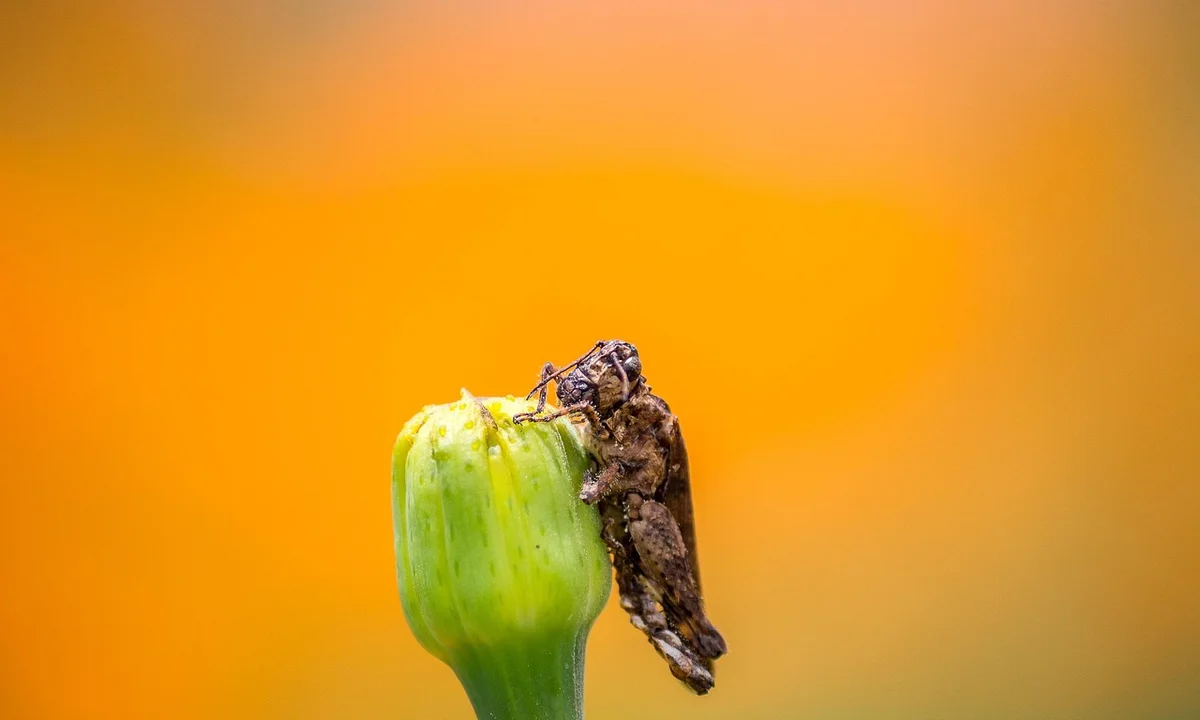
An escaped cricket chirping at 2 AM or a roach scurrying under the fridge can turn a peaceful hobby room into a nuisance. Proactive containment transforms your tarantula space from a potential bug highway back into a controlled, serene environment for both you and your spiders. I learned this after a juvenile Dubai roach, destined for my Goliath, vanished for a week and reappeared in my kitchen utensil drawer. It’s just one of the reasons why tarantula-proofing your home is essential for every keeper.
Secure Feeder Insect Containers
Your primary storage is the first line of defense. Flimsy deli cups with warped lids are a common failure point. I now swear by deep, smooth-sided plastic bins with locking lids, drilled with tiny air holes too small for the smallest nymph to squeeze through.
Consider these container upgrades:
- Material: Use rigid plastic or glass. Avoid thin, flexible plastic that warps.
- Lid Security: Opt for snap-lock or screw-top lids. A layer of petroleum jelly around the inner rim top creates a slippery barrier for climbers like roaches.
- Housing: Keep the container inside a larger, secondary tub. This “bin within a bin” method catches any daring escapees before they reach your room.
- Maintenance: Immediately transfer new feeders from store packaging into your secure container. Check for and remove any egg carton pieces that might bridge to the lid.
For my colony, I use a 10-gallon glass aquarium with a custom-cut acrylic lid sealed with clips. The silence of a truly secure enclosure is a stark contrast to the faint scratching of insects testing their limits.
Modify Your Tarantula Feeding Routine
How you deliver prey is just as critical as how you store it. Rushed or careless feeding is a top cause of escapes. Some keepers favor live prey for a natural hunt, while others use pre-killed prey to reduce risk. Adjust your technique to match the feeding style and speed of your individual tarantula to minimize opportunity.
Implement these routine changes:
- Prepare the Enclosure: Before opening any feeder container, ensure the tarantula’s enclosure is fully ready. Have your long tongs handy and the lid easy to remove.
- Use the Right Tools: Always use 12-inch feeding tongs. My fast old-world Flash (P. murinus) taught me that fingers are too slow and put me at risk.
- Control the Prey: For particularly quick tarantulas or insects, slightly injure the feeder by removing a jumping leg from a cricket or pre-killing it. This reduces the chase.
- Direct Delivery: Do not drop the insect in. Gently place it directly in front of the tarantula using tongs, then immediately secure the enclosure lid.
- Supervise: Never walk away during feeding. My Rosie (G. rosea) might ignore a cricket for hours, but that cricket will explore every corner seeking an exit.
A deliberate, calm feeding session protects your home and drastically reduces stress for your tarantula, who won’t appreciate a game of hide-and-seek in its territory. In our guide to tell if your tarantula is hungry or stressed, you’ll learn the key feeding cues. This helps you time feedings and keep your tarantula calm.
Assessing Recaptured Insects: Safe to Feed or Not?
You’ve captured the escapee. The immediate urge is to return it to the feeder bin, but pause. A recaptured insect is a potential vector for hidden dangers that could seriously harm your tarantula. I once had to discard a prized, large cricket because it was recovered from a bathroom where cleaning sprays are used. If your tarantula bites or escapes, pause and secure the enclosure. Then follow a basic safety plan: wash the bite area with soap and water and contact a vet if you notice persistent symptoms.
Use this quick assessment checklist before considering re-feeding:
- Location Found: Was it in the kitchen (food grease, cleaners), garage (chemicals, oils), or bathroom? Any area with human food, moisture, or cleaners is an automatic disqualifier.
- Contact Surfaces: Did it crawl on painted baseboards, vinyl flooring, or carpet? These can harbor residues of insecticides, adhesives, or mold.
- Duration Missing: An insect missing for over 24 hours has likely consumed unknown substances and should not be fed.
- Physical Condition: Is it lethargic, oddly colored, or injured? This can indicate poisoning or disease.
When in doubt, the safest protocol is to humanely euthanize the recaptured insect and use a fresh one from your secure stock. The cost of a single cricket is trivial compared to the vet bill for a poisoned tarantula. For larger, more valuable feeders like adult roaches, I maintain a separate “quarantine” container for observed recaptures from safe, dry areas like a tarantula room floor, but they are only fed to my hardiest species like Goliath after a week of monitoring. Many keepers find dubia roaches to be the superior tarantula feeder due to their lower moisture content and more reliable gut-loading. Crickets, by contrast, can carry pathogens and introduce more moisture, which can complicate feeding for some tarantula species.
FAQs
How can I quickly locate a cricket I can hear but not see?
Wait for nighttime and sit quietly in the dark room. The chirping of a male cricket is a perfect homing beacon. Move slowly toward the sound before switching on a flashlight, holding it parallel to the floor to cast revealing shadows. Focus your search on warm, dark vertical spaces like curtains, furniture backs, and potted plants where they naturally hide.
What are the absolute essential items I need for capture?
Your core toolkit is a clear plastic cup or jar and a stiff piece of cardstock for the cup-and-slide technique. A bright flashlight and a soft paintbrush or paper plate for gentle guidance are incredibly helpful. For baiting, have a small container and a piece of fruit or vegetable ready. Always ensure your containers have secure, snap-tight lids.
What’s the safest way to catch an insect without harming it or my tarantula later?
The cup-and-slide method is safest, as it avoids direct contact and prevents injury to the insect. Never attempt to catch it with your bare hands. After capture, critically assess where it was found; if it was in any area with chemicals, moisture, or food residues, do not feed it to your tarantula to avoid poisoning. Also, make sure to handle your tarantula with care when offering any prey.
How do I prevent escapes during the actual feeding process?
Always use long feeding tongs and have the enclosure ready before opening any feeder container. Place the insect directly in front of your tarantula instead of dropping it in, and immediately resecure the lid. Supervise the feeding session, as an uneaten cricket will actively search for an escape route from the terrarium. To avoid common tarantula enclosure setup mistakes, ensure the lid is securely fastened and the enclosure size and conditions meet the tarantula’s needs. Proper setup helps prevent escapes and stress during feeding.
Are there any quick traps I can set if a search fails?
Yes. Place a shallow dish with a juicy bait like carrot or apple against a wall. Prop a small ramp leading into a deeper, smooth-sided container like a jar. The insect will climb for the food and moisture but will be unable to climb back out. Check these traps every few hours, especially at night.
What is the most important step for long-term escape prevention?
Invest in secure primary storage. Use deep, smooth-sided plastic bins or glass aquariums with locking, escape-proof lids. Implement a “bin within a bin” system as a secondary containment measure. This proactive approach at the storage stage is far more effective than constantly recapturing escapees.
The Final Hunt
The most reliable method to catch an escaped feeder is to ensure it never escapes in the first place. Secure, deep-sided storage containers and a meticulous “cup-to-cup” transfer protocol during feeding are your primary defense against midnight chases. Treat every feeder insect as an escape artist waiting for an opportunity; your diligence is the lock on their cage.
Beyond the container, learn to appreciate the natural hunt. Watch your tarantula from across the room as it detects vibrations through its legs. See my Rosie, motionless for weeks, suddenly pivot with eerie precision toward a cricket’s faint scratch. Observe Goliath’s thunderous strike, a blur of dark brown, or Flash’s lightning-fast ambush from his silken fortress. These moments of wild grace are the hobby’s true reward. Patience, both in preventing escapes and in witnessing nature’s silent drama, is the thread that weaves successful keeping together. Read the food dance—the tarantula’s leg tenses, abdomen sways, and a final, patient stillness signaling it’s ready to eat. In those cues you glimpse the predator’s hunger language and the rhythm of the hunt.
Further Reading & Sources
- Pet-Safe Cricket and Roach Control for Reptile and Amphibian Owners
- Help with escaped Crickets | Arachnoboards
- How to catch an escaped cricket? | Reptile Forums
Arlo is a lifelong arachnid enthusiast who believes tarantulas are the world’s most misunderstood roommates. With years of hands-on experience in tarantula care, habitat setup, and species behavior, Arlo combines expert knowledge with a dash of humor to make spider ownership less scary and a lot more fascinating. From choosing the right enclosure to understanding why your eight-legged buddy is doing that weird little pose again, Arlo is here to help you become the best tarantula parent you can be, without getting tangled in the web of misinformation.
Handling and Interaction