
Why Is My Tarantula Hiding in the Corner of the Glass?
Published on: March 28, 2026 | Last Updated: March 28, 2026
Written By: Arlo
A tarantula’s reputation is built on stillness and secrecy. To an inexperienced keeper, finding your pet pressed into a transparent corner can feel alarming, a silent plea for help. Hiding is not a sign of illness or poor care-it is the baseline, default setting for a healthy tarantula. This guide breaks down the precise reasons, from the predictable cycle of molting to subtle environmental stress, so you can understand the silent language of your spider.
- Quick Stats:
- Origin: Behavior observed across all habitats, from arid scrubland to humid forest floor.
- Type: A universal stress-response and self-preservation instinct, not limited by New or Old World classification.
- Growth Rate: Spiderlings and juveniles hide almost perpetually; frequency often decreases (but never fully stops) in settled adults.
Whether you have a skittish sling or a veteran like my 15-year-old Grammostola rosea who vanishes for months, this guide will help you decode this behavior and provide the respectful, hands-off care that lets your tarantula thrive.
Understanding Tarantula Hiding Behavior
Hiding is not a sign of a problem. It is a fundamental survival instinct written into every tarantula’s behavior. In the wild, visibility equals vulnerability, so a hidden tarantula is often a content tarantula. Normal hiding means using provided shelters, burrowing into substrate, or retreating into a silken retreat. Corner-specific hiding, where the spider presses itself into the junction of two glass walls, is a more nuanced behavior that warrants a closer look.
Species temperament dictates baseline hiding. My old Chilean Rose Hair, Rosie, exemplifies the terrestrial “pet rock.” She will sit motionless in the open for weeks, then vanish into her hide for months, refusing food. This is normal for Grammostola rosea. In contrast, my Burgundy Goliath Bird Eater, Goliath, is a heavy-bodied opportunistic burrower who prefers the damp seclusion of cork bark. My OBT, Flash, is a webber; he creates a dense funnel of silk in one corner, from which he watches the world. Comparing these behaviors shows that “hiding” is a spectrum, from casual sheltering to total enclosure.
Finding your tarantula in a glass corner specifically can signal two things. First, it can be a brief phase of acclimation to a new home, as the spider maps its territory. Second, it can be a stress response, a sign that its primary needs are not being met in the center of its enclosure. The glass corner can feel like the only secure option.
Decoding the Corner: Common Reasons for Glass-Corner Hiding
Environmental Stress Factors
Glass corners can create microclimates-small pockets of air that are hotter, colder, wetter, or drier than the rest of the tank. A stressed tarantula may seek these out to self-regulate. Here are the key factors to audit.
- Improper Humidity: This is a major trigger. Species like my Theraphosa stirmi require humidity levels of 75-85%. In a dry tank, he will seek the corner where condensation might form. Conversely, a dry-loving species like G. rosea will flee to a corner to escape a soggy substrate. Use a digital hygrometer placed at substrate level, not the wall, for an accurate read.
- Incorrect Temperature: Tarantulas are ectotherms. Most thrive between 70-80°F. A cold spider becomes lethargic and may retreat to a corner. A corner near a heat source can become dangerously hot, causing stress and dehydration.
- Inadequate Substrate Depth: For terrestrial and burrowing species, shallow substrate is profoundly stressful. Without enough dirt to dig or feel insulated, the glass corner becomes a poor substitute for a burrow. A good rule is a depth at least 1.5 times the spider’s leg span.
- Poor Ventilation: Stagnant, stale air fosters mold and bacteria. A tarantula may climb or sit in a corner seeking fresh air flow. Cross-ventilation (vents on opposite sides) is superior to top-only ventilation.
- Excessive Lighting: Tarantulas are cryptic and nocturnal. Constant bright room light or direct sunlight will cause them to seek the darkest available spot, which is often a bottom corner. Use ambient room light only.
Behavioral and Life Cycle Causes
Sometimes, the environment is perfect, and the hiding is driven by internal rhythms or instinctual reactions.
- Pre-Molt Behavior: As a tarantula prepares to molt (ecdysis), it becomes lethargic and stops eating. It seeks the most secure, quiet place to undergo this vulnerable process. The glass corner might be chosen if no better, enclosed hide is available. My OBT, Flash, always seals himself into his corner web tent days before a molt.
- Post-Acclimation in a New Enclosure: After a rehousing, it is completely normal for a tarantula to hug a corner for several days. It is learning the new boundaries. I once rehoused Goliath and found him statue-still in a corner for a week before he finally explored and dug a proper burrow.
- Defensive Positioning: A corner offers two solid walls at the spider’s back, reducing the directions of perceived threat. A stressed or scared tarantula, like my Goliath when he kicks urticating hairs, will often assume this defensive posture. It is a clear “leave me alone” signal.
- Boredom or Lack of Enrichment: A barren enclosure with just a water dish and empty floor is not a home. It offers no choice. Providing a proper hide, cork bark flats, and leaf litter gives your tarantula options for security beyond a bare corner. This encourages natural behaviors and reduces stress.
In all cases, corner hiding linked to seeking darkness or security is a message. Your job is to listen by observing and adjusting the enclosure, not by disturbing the animal. Respect this need for privacy, and you will see more natural behaviors emerge.
Assessing Health and Stress Signals
Signs of Stress or Anxiety
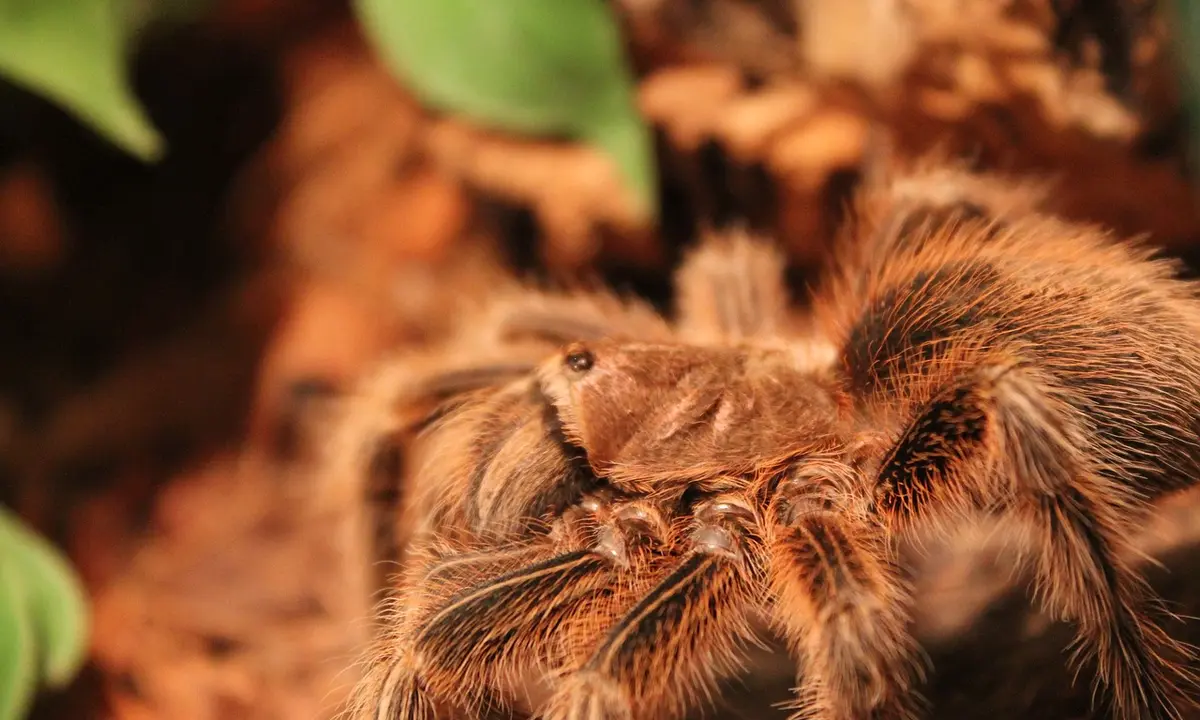
Watch your tarantula’s posture and actions closely. Persistent pressing into a glass corner is rarely curiosity; it is a common distress signal urging you to check its world. Other common signs your tarantula is stressed or aggressive include raised front legs and a quick, defensive posture when you approach.
- Raised Front Legs: This defensive stance, with the first pair of legs and pedipalps high, shouts alarm. My Orange Bitey Thing, Flash, strikes this pose if I move near his web too suddenly.
- Excessive Webbing Over Self: While web tunnels are normal, a frantic, thick silking over the body tries to create a sensory shield. It is a clear sign of feeling overwhelmed.
- Bald Spots from Hair Kicking: New World tarantulas like my T. stirmi, Goliath, release abdominal hairs when stressed. A sudden bald patch, unrelated to molting, points to repeated anxiety episodes.
- Refusing Prey: A tarantula that consistently ignores food outside its pre-molt fast may be stressed. My G. rosea, Rosie, is a chronic faster, but for most species, this is a warning bell.
- Prolonged Immobility: The silent, rigid stillness of stress differs from peaceful rest. A tense hunched in the corner for days shows unease, not relaxation.
Normal hiding is loose and casual. Stress hiding is tight, urgent, and often paired with other anxious behaviors like frequent repositioning against the glass.
When Hiding Indicates Illness or Injury
Hiding can mask critical health declines. Specific physical symptoms separate simple stress from potential medical emergencies that need swift care.
- Curled Legs: Legs tucked tightly underneath the body, especially if the tarantula is on its side, signal severe weakness or the onset of a death curl. This often relates to dehydration or systemic failure.
- Fluid Leaks: Any visible clear or milky fluid from the body or joints indicates a serious injury. A leak from the abdomen is particularly dire and requires an exotic vet immediately.
- Inability to Right Itself: A tarantula that falls and cannot flip back over may have nerve damage or critical weakness. This loss of motor control is a major red flag.
- Drastic Weight Loss: A severely shriveled, papery abdomen suggests advanced dehydration or starvation beyond typical pre-molt thinning. The carapace may appear too large for the body.
For any of these symptoms, contact a specialized veterinarian without delay. Safe observation means using a small flashlight to check from outside the enclosure, avoiding any physical disturbance that could worsen its condition.
Immediate Actions to Take
Step-by-Step Environmental Check
Begin with a calm, systematic audit of the enclosure conditions. Accurate data from digital tools beats assumptions every time and reveals the root of the problem.
- Measure Humidity and Temperature: Use digital hygrometers and thermometers. Target 75-85% humidity for tropical species like Theraphosa stirmi, and 40-50% for arid ones like Grammostola rosea. Temperatures should sit between 75-80°F for most. Incorrect gradients force tarantulas into uncomfortable corners.
- Inspect Substrate: Feel the bedding depth. It should be slightly damp for moisture-loving species but never soggy or moldy. For desert types, it must be dry. Packed or foul substrate stresses them.
- Ensure Proper Ventilation: Verify cross-ventilation holes are clear and not blocked. Stagnant air promotes mold, while excessive draft dries out the enclosure. Good airflow is a balance.
- Check for Direct Light Sources or Vibrations: Move the enclosure away from windows, speakers, or high-traffic areas. Tarantulas sense constant vibrations and bright light as threats, leading to chronic corner-hiding.
- Verify Enclosure Size: An enclosure too large lacks security, while one too small prevents thermoregulation. Aim for a footprint 1.5 to 2 times the tarantula’s diagonal leg span for comfort.
When and How to Intervene Safely
Always prioritize the tarantula’s peace over your curiosity. The “Look, Don’t Touch” rule respects their nature and minimizes risk from medically significant venom or stressful encounters. Many people mistake handling for affection, but tarantulas interpret touch as stress. True care means giving them space and observing from a respectful distance.
Only move a tarantula for imminent threats like mold outbreaks or enclosure failure. Never disturb one in pre-molt or actively molting. For necessary rehousing, I use a clear deli cup and a soft paintbrush to gently guide them. I once rushed with Flash, and his explosive sprint across my desk was a tense lesson in patience and precision. If you’re looking for a safe, step-by-step way to handle your tarantula, keep movements calm and brief. A proper guide emphasizes minimal handling, patience, and using tools to guide rather than grab.
- For Environmental Stress: Correct the humidity, temperature, or layout first. Often, fixing these issues lets the tarantula retreat to a proper hide on its own within hours or days.
- For Injury or Illness: Do not handle. If a vet visit is needed, prepare a temporary intensive care unit: a small, ventilated container with lightly damp paper towels. Use a cup to gently contain the tarantula for transfer, avoiding direct contact.
Your calm demeanor directly influences your tarantula’s stress levels. Reading your tarantula’s body language—watching for signs of stress or a defensive posture—lets you adjust care in real time. By noticing these cues early, you can minimize stress and prevent defensive responses. Successful care often means doing less, watching more, and trusting the animal to recover once its environment is correctly tuned.
Optimizing the Enclosure for Comfort
Substrate and Hiding Spot Essentials
The foundation of any tarantula’s confidence is the substrate under its feet. Choose a moisture-retentive, packable material like coconut fiber or organic topsoil to mimic the natural floor of their habitat. These substrates hold humidity for species like my T. stirmi Goliath and allow for burrowing, which is a fundamental security behavior. For terrestrial species, the substrate depth is non-negotiable. When deciding between deep vs shallow substrates, consider your tarantula’s natural digging behavior: fossorial species benefit from a deeper, looser layer that supports burrowing, while more ground-dwelling species often thrive on a shallower bed that still maintains humidity. Matching depth to species biology helps ensure security and comfort.
I aim for a minimum depth of 1.5 times the tarantula’s leg span. This allows them to construct proper burrows or at least dig a shallow depression, which drastically reduces stress-induced glass climbing. This approach fits with the ultimate guide to tarantula burrows, which explains why tarantulas dig and how to support that natural behavior. Understanding this digging behavior helps keep their homes safer and less stressful. My old Chilean rose hair, Rosie, may be a pet rock, but she still appreciates a good 5-6 inches of substrate to root around in on her rare active days.
A hide is not just decoration; it’s a secure retreat. Use cork bark rounds, half-logs, or even a simple clay pot with a smoothed entrance. Critical placement is key: position the hide centrally or along a wall, but never shoved directly into a corner. Corners can feel like traps. Placing it slightly away encourages use and gives the tarantula a wide field of view from its doorway, making it feel safer.
Climate and Lighting Adjustments
Tarantulas are masters of sensing minute environmental shifts. Avoid under-tank heat mats at all costs, as they drive tarantulas to climb or burrow desperately to escape the unnatural warmth. I use a small room space heater or a cooling fan to regulate the ambient air temperature for my collection, keeping it between 70-80°F for most species. Humidity is equally important; most tarantulas do best with about 50-60% humidity, though preferences vary by species. Monitor both temperature and humidity to keep the enclosure within its ideal range.
Lighting should be indirect and ambient. Think of the dim, dappled light of a forest floor, not a bright aquarium lamp. Direct light is stressful and can overheat the enclosure. If your tarantula is fixated on the glass, reflections might be the culprit. I apply a static-cling background or a simple poster to three sides of the enclosure. This shading reduces mirror-like anxiety and makes the space feel more enclosed and secure, a trick that helped calm my defensive OBT, Flash, when he was younger.
Long-Term Habitat Improvements
Bioactive Setup Considerations
For a truly self-sustaining and low-stress environment, consider a bioactive setup. This involves introducing a clean-up crew, like springtails, to break down waste, mold, and leftover prey. It creates a tiny, functioning ecosystem that manages itself, which means less intrusion from you during maintenance.
The layering is simple but effective. Start with a drainage layer of clay balls or gravel, separate it with a mesh screen, then add your main substrate mix. Top it all with leaf litter like magnolia or oak, which provides hiding spots for clean-up crews and enhances humidity retention. This setup is excellent for moisture-loving species like the Burgundy Goliath Bird Eater. My Goliath’s bioactive enclosure maintains a steady 80% humidity with minimal misting, and the springtails keep the substrate fresh between deep cleanings.
Enrichment and Reduced Conflict
Enrichment is about providing choice and occupation. Add silk plants, twisted vines, or pieces of driftwood to create climbing opportunities and web anchor points. My OBT, Flash, has turned his piece of cholla wood into a intricate silken fortress, which gives him a complex habitat to patrol and feels more secure than bare glass.
Vary your feeding routine to stimulate natural hunting behaviors. Rotate between gut-loaded crickets, dubia roaches, and the occasional hornworm based on your tarantula’s metabolism and life stage. My sedentary Rosie might get a prey item every few weeks, while Flash and Goliath are offered food weekly. This variation prevents boredom and encourages natural activity.
Finally, place the enclosure in a quiet, low-traffic area of your home. Constant foot traffic and vibrations can keep a tarantula in a perpetual state of alert, pushing it into that corner seeking an escape. Respectful care means observing their fascinating behaviors without forcing interaction. The “Look, Don’t Touch” philosophy minimizes stress for the animal and keeps both of you safe from accidental falls or defensive reactions.
Common Questions
How long is too long for my tarantula to hide in the corner?
There’s no single timeframe, as it depends heavily on the cause. Hiding for a few days post-rehousing or during pre-molt is completely normal and can last weeks. However, if your tarantula is pressed tightly into the same corner for several weeks while otherwise healthy (not in pre-molt), it’s a strong signal to audit the enclosure. Persistent corner-hiding, especially when paired with other stress signs, means the environment needs adjustment.
Can an enclosure be too big, causing my tarantula to hide in the corner?
Yes, an excessively large enclosure can cause stress and lead to corner-hiding. A tarantula feels secure in a space it can comprehend and patrol. Too much open space can feel exposed and threatening, forcing it to seek the smallest, most defined area-often a corner. The ideal footprint is typically 1.5 to 2 times the spider’s diagonal leg span, providing room without overwhelming it.
What’s the difference between climbing the glass and hiding in the corner?
Climbing the walls, especially for terrestrial species, is often a more urgent sign of environmental dissatisfaction, like incorrect substrate, humidity, or temperature. Hiding pressed *into* a bottom corner is more frequently a defensive or security-seeking behavior. Both indicate stress, but climbing is a stronger, more active attempt to escape unfavorable conditions.
What should I do if my tarantula hides in the corner because I didn’t provide a hide?
Immediately add an appropriate hide, such as cork bark or a half-flower pot, placed against a wall (not in the corner). Ensure you have proper, packable substrate at the correct depth. Once a secure, dark retreat is available, your tarantula will likely abandon the bare glass corner for the better shelter. Always provide a hide from the start. For more detailed advice, follow our step-by-step guide on the best enclosure setup for a tarantula.
My tarantula moves between corners. Is this normal?
This can be part of normal exploration or territory mapping, especially in a new enclosure. However, frequent, restless movement between corners, especially if paired with a raised posture, can indicate ongoing stress. It suggests the spider is searching for a suitable microclimate or secure spot it cannot find, so a full environmental check is recommended.
A Keeper’s Perspective
Whether your tarantula is a shy new world terrestrial or a reclusive old world fossorial, the core principle is the same: they hide because they need to feel secure. The single most impactful action you can take is to provide a suitable, snug retreat that satisfies their instinct for a dark, enclosed space, fundamentally changing their relationship with their enclosure. An appropriate hide reduces stress, which directly impacts feeding response, molting success, and overall longevity. Should you need to move or rehouse your tarantula, use a secure, escape-proof container and handle as little as possible. Afterward, return them to their snug retreat to help them acclimate quickly and safely.
Shifting your focus from their absence to their activity is the heart of advanced husbandry. Enjoy the slow architecture of a burrow’s entrance, the meticulous placement of silk, the patient ambush from a tunnel’s shadow. For advanced rare tarantula species, proper care means tailoring enclosure conditions—humidity, temperature, and substrate—to the needs of each lineage. Patience becomes active stewardship, guiding you to observe and respond rather than chase results. The hobby’s greatest rewards are observed in silence—the iridescent sheen of a fresh carapace, the careful rearrangement of substrate by delicate pedipalps. Your patience is not passive; it is the respectful space in which your tarantula’s natural, fascinating behaviors can fully unfold.
Further Reading & Sources
- Why is my true zebra tarantula climbing on glass tank & out of her hide | Arachnoboards
- r/tarantulas on Reddit: my tarantula spends most of its day pressing up against the glass like its trying to get out.Any suggestions or advice?
- Tarantula Supplies – The Tarantula Collective
Arlo is a lifelong arachnid enthusiast who believes tarantulas are the world’s most misunderstood roommates. With years of hands-on experience in tarantula care, habitat setup, and species behavior, Arlo combines expert knowledge with a dash of humor to make spider ownership less scary and a lot more fascinating. From choosing the right enclosure to understanding why your eight-legged buddy is doing that weird little pose again, Arlo is here to help you become the best tarantula parent you can be, without getting tangled in the web of misinformation.
Understanding Tarantula Behavior