
Are There Tarantulas in the United States? A Complete State-by-State Guide
Far from being mere imports in a hobbyist’s enclosure, multiple species of tarantulas are enduring native residents across vast stretches of American soil. This guide answers the burning question with a definitive yes and maps their precise locations. You will find them not only in the expected deserts but in grasslands, forests, and even some surprising coastal areas.
-
Quick Stats:
- Origin: Native to the Americas; U.S. populations are indigenous.
- Type: Exclusively New World tarantulas, possessing urticating hairs.
- Diversity: Approximately 14 genera and over 50 species recorded nationwide.
Drawing from my own field observations and countless conversations with local enthusiasts, this guide will systematically detail every state where these charismatic arachnids dig their burrows and spin their silken retreats.
The Truth About Tarantulas in America
Defining Our Native Theraphosids
When we talk about tarantulas in the United States, we are speaking almost exclusively of one remarkable genus: Aphonopelma. These are New World terrestrial tarantulas, a lineage sculpted by the harsh, beautiful landscapes of the American Southwest and South. Our native spiders are ecological specialists, perfectly adapted to survive seasonal extremes that would challenge many exotic species. They are not the giant, rainforest-dwelling tarantulas of popular media, but something arguably more fascinating: resilient, long-lived architects of simple silk-lined burrows.
All US natives possess the characteristic New World defenses of urticating hairs on their abdomens, which they kick into the air when threatened. Their venom is typically considered mild to humans, comparable to a bee sting for most, but reactions vary. Their primary strategy is not confrontation, but patience and retreat, a temperament I’ve seen mirrored in my own Grammostola rosea, Rosie, during her famous multi-month fasting periods. Understanding this “sit and wait” ecology is the first step to appreciating-and properly caring for-these domestic theraphosids.
Native US Tarantula Species: A Closer Look
Aphonopelma chalcodes: The Arizona Blonde Tarantula
This species is the archetype of the Southwestern tarantula. Mature males and females are stunning, clad in a uniform, dusty blonde color that seems to hold the desert sun. They are obligate burrowers in the wild, a behavior that continues in captivity. I always provide a deep, dry substrate mix of coconut fiber and sand, at least 6-8 inches deep, to allow for proper burrow construction, which dramatically reduces stress.
Their husbandry reflects a dryland existence. Ambient room temperature (70-78°F) is perfect, with a gentle heat gradient if needed. Humidity is practically a non-issue; I maintain a barely-damp corner of the enclosure once a month. These are famously long-lived, especially females, who can easily reach 25-30 years. Their calm demeanor is legendary, but like all tarantulas, they are for observation. A startled blonde can still deploy a cloud of irritating hairs.
Aphonopelma hentzi: The Texas Brown Tarantula
If the Arizona Blonde is the star of the desert, A. hentzi is the hardy survivor of the plains. Its coloration is a variable, rich brown, often with darker carapaces and subtle russet hues on the legs. This species has the widest natural range of any US tarantula, from Missouri to Texas. This adaptability makes them an excellent choice for a first-time keeper interested in a native species, as they tolerate a wider range of conditions.
In my care, I treat them as semi-arid specimens. I use a moisture-retentive substrate like organic topsoil or coconut fiber, but I only overflow the water dish to dampen one-third of it every few weeks. They appreciate a modest hide and will often excavate beneath it. During the famous “Texas tarantula migrations,” it is primarily mature males of this species you see wandering in search of mates-a poignant reminder of their brief, final life stage.
Other Notable Native Aphonopelma
The diversity within our native genus is subtle but captivating. Here are two more that capture a keeper’s attention:
- Aphonopelma marxi (Grand Canyon Black): Found in high-desert scrub, this is a smaller, jet-black species. They are secretive and require a very dry setup with ample hiding spots. Their striking dark color is a beautiful contrast to typical desert tans.
- Aphonopelma moderatum (Rio Grande Gold): This tarantula is a localized gem. As the name suggests, mature specimens have remarkable golden hues on their carapace and legs. Their care is similar to A. hentzi, but they are less commonly seen in the hobby. Securing one usually means connecting with a specialized breeder who works with wild-collected specimens responsibly.
Keeping any native tarantula is an exercise in respecting a slow, natural rhythm, a stark contrast to the frantic energy of my P. murinus, Flash. You are providing a window into an ancient American ecology, one burrow at a time. Always source captive-bred specimens from reputable breeders to protect wild populations and ensure you get a healthy, settled animal.
Tarantula Hotspots: A State-by-State Distribution Guide
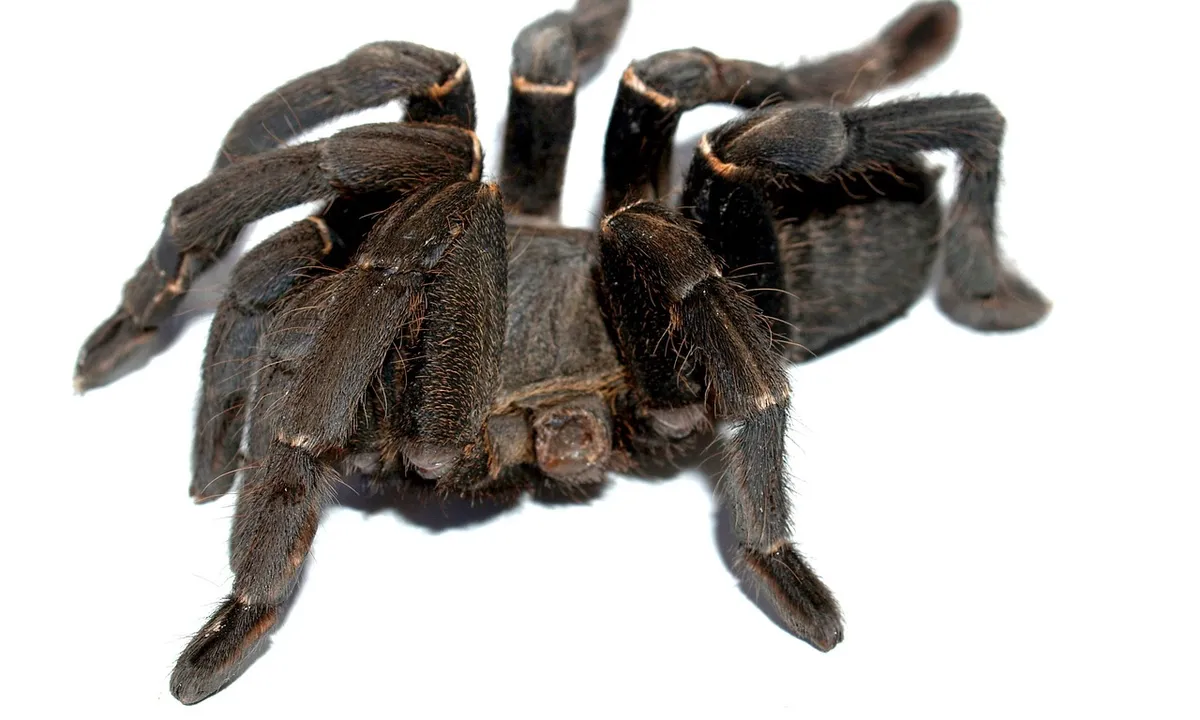
The United States is home to over 50 native tarantula species, all belonging to the genus Aphonopelma. Their distribution paints a clear map across arid and semi-arid regions, with a stunning concentration in the southwestern deserts. Are there native tarantulas in Florida? Florida’s climate is not typical tarantula habitat, so native populations are far less common there than in the Southwest.
The Southwest Core: Desert Dwellers
This region is the heart of U.S. tarantula diversity. These are obligate burrowers, evolved for silty soils and extreme temperature shifts between day and night.
Arizona
Arizona is a premier destination for enthusiasts. The iconic Arizona Blonde Tarantula (Aphonopelma chalcodes) is a dusty gold resident of the Sonoran Desert, a species I’ve watched patiently at burrow entrances at dusk. They share the state with the Grand Canyon Black (A. marxi). Humidity needs here are virtually zero; these spiders pull all required moisture from prey.
California, Texas, New Mexico
These states form a contiguous belt of tarantula habitat.
- California: Look for the California Ebony Tarantula (Aphonopelma eutylenum) in coastal foothills. Central valley species face habitat loss.
- Texas: The Texas Brown Tarantula (Aphonopelma hentzi) is widespread and hardy. In the Big Bend region, the massive Texas Tan (A. anax) thrives, a reminder of my own Burgundy Goliath’s need for space.
- New Mexico: Hosts several species, including the Oklahoma Brown (A. hentzi), often found in prairie dog towns where burrows are repurposed.
Peripheral and Northern States
Populations here are often isolated, clinging to specific river valleys or dry grasslands. Finding them requires knowing the precise microclimates they inhabit.
Colorado, Utah, Nevada, Oregon, Washington
Tarantulas here live at the edge of their climatic tolerance.
- Colorado: The Colorado Tarantula (Aphonopelma coloradanum) is found in the southeastern prairies. Late summer male wanderings are famous in places like Comanche National Grassland.
- Utah & Nevada: Sparse populations exist in the southernmost basins. These spiders endure colder winters with deeper burrows.
- Oregon & Washington: Only the driest eastern slopes host tarantulas, like Aphonopelma behlei in Oregon. Their scarcity makes any sighting a special event, much like my Chilean Rose Hair’s rare feeding days.
Florida and the Southeast
This region tells a different story. No native Aphonopelma exist here; any wild tarantulas are almost certainly released or escaped pets. I’ve responded to calls about “wild” Brazilian Black and Whites (Nhandu coloratovillosus) in Florida, which cannot survive northern winters but persist in subtropical zones. It’s a stark lesson in responsible pet keeping.
Understanding Wild Tarantula Behavior: Mating, Migration, and Lifecycle
Observing wild tarantulas reveals the natural behaviors behind our captive care routines. Every husbandry choice we make—from enclosure depth to temperature gradients—mimics a survival strategy forged in these habitats. These factors also influence a tarantula’s lifespan in captivity, so care should be tailored to each species’ environmental needs. By aligning humidity, substrate, and prey with that species’ needs, we can promote longer, healthier lifespans.
When is Tarantula Mating Season in the U.S.?
Mating season is primarily a late summer to fall phenomenon, triggered by warmer temperatures and often preceded by summer rains. For most U.S. species, peak activity occurs from August through October, though in southern Texas and Florida it can start as early as July. This is when mature males, driven by pheromones, abandon their burrows. Their frantic, wandering search is why people see them most often. After mating, males typically die by winter, while females return to their burrows, sometimes for decades.
Why Do Tarantulas “Migrate” in Some States?
This so-called migration is actually a mass dispersal of mature males during the mating season. It is not a directed journey but a desperate, population-wide search for receptive females. In states like Colorado and Kansas, where tarantulas are locally abundant but females are scattered, dozens of males may be seen crossing roads in a short period. This behavior underscores why “Look, Don’t Touch” is vital; these males are already stressed and at the end of their lives. Disturbing them wastes their precious energy. In captivity, we see echoes of this restless energy in males like my OBT, Flash, who constantly patrols his enclosure when mature.
Are U.S. Tarantulas Dangerous to Humans?
This question often carries more cultural fear than factual weight. The reality is far less dramatic than movie portrayals suggest.
Venom Potency and Defensive Traits
Let’s separate Hollywood fiction from arachnological fact. No tarantula in the United States possesses venom considered medically significant to a healthy adult human. Yet sensational stories about tarantula bites persist. This piece separates myth from fact about tarantula venom and human danger.
A bite from a native species like an Aphonopelma is often compared to a bee sting in terms of pain and potential local reaction-sharp initial pain, possible swelling, and itching for a few hours. The primary risk with any tarantula bite is bacterial infection, not the venom itself, so thorough cleaning is the most important step.
Their first line of defense is never their fangs. U.S. tarantulas, like my Goliath, are equipped with urticating hairs on their abdomen. When threatened, they use their back legs to kick a cloud of these microscopic, barbed hairs toward a perceived threat to defend themselves.
- Contact with skin causes intense itching and rash.
- In eyes or respiratory tracts, they can cause serious injury and require medical attention.
- This is a far more common and effective deterrent than a bite.
In my years of keeping, I’ve been haired by my Theraphosa stirmi more times than I care to remember-the itching is memorable-but I have never been bitten by a New World species. Their behavior screams “leave me alone” long before a bite is considered.
To put their venom into a global perspective, see this comparison:
| Tarantula Type | Example Genus | Venom Potency (Relative) | Primary Defense |
|---|---|---|---|
| U.S. Native | Aphonopelma | Very Low (bee-sting level) | Urticating hairs, threat posture |
| Other New World | Brachypelma, Grammostola | Low | Urticating hairs |
| Old World | Pterinochilus (like my OBT) | Moderate to High | Potent venom, speed, aggression |
Respect their space, and a defensive encounter becomes an extraordinary rarity. Their stillness is a language of peace, not plotting.
From Wild to Captivity: Ethical Considerations for Pet Keepers
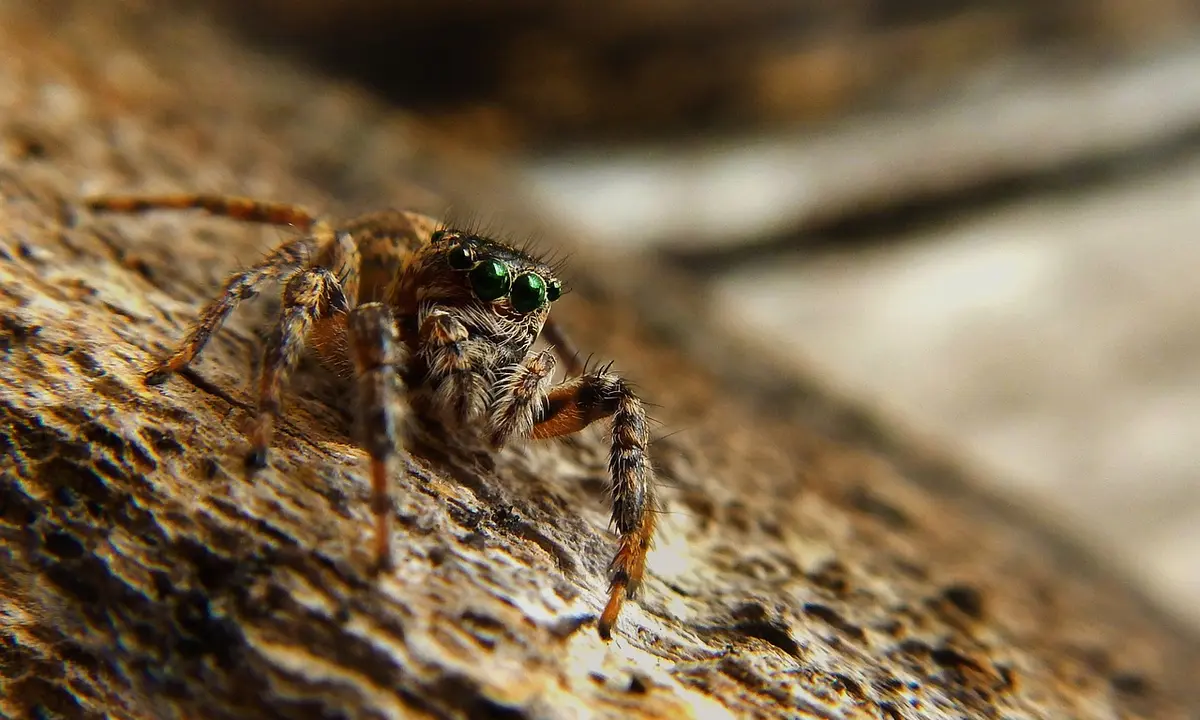
Finding a tarantula in the wild sparks wonder. The ethical path from that moment, however, requires careful thought.
Can You Keep Native U.S. Tarantulas as Pets?
Technically, yes. Species like the Texas Tan (Aphonopelma hentzi) are kept in captivity. But ‘can’ and ‘should’ are different questions.
Wild-caught tarantulas come with significant drawbacks for the keeper and the animal. They often carry a heavy parasite load, which can devastate a captive collection. Their age is a complete mystery—you could be taking in an elderly animal with little time left. The stress of captivity on an animal adapted to a vast, specific territory is immense and often shortens its life. This also raises the question of how long tarantulas live in the wild versus captivity. With careful husbandry and appropriate species, captivity can offer predictable, often longer lifespans, but only when sourced responsibly.
The superior alternative is a captive-bred individual. Captive-bred tarantulas are:
- Healthier and parasite-free.
- Accustomed to enclosure life from birth.
- Of known age and lineage.
- Supporting a sustainable hobby that does not deplete wild populations.
My old ‘pet rock’ Rosie, a Grammostola rosea, is captive-bred. Her predictable, docile nature is a product of generations in captivity. A wild-caught adult may never settle in.
Legal and Conservation Notes
Laws protecting wildlife are strict and exist for good reason. In nearly every state, collecting tarantulas from the wild without specific permits is illegal. When keeping tarantulas as pets in the USA, it’s important to navigate local state and municipal laws, permits, and housing requirements to stay compliant. Always check your local rules and obtain any needed permits before bringing a tarantula home.
These permits are for scientific research, not for personal pet collections. Fines for illegal collection can be severe. Always verify your state’s Department of Natural Resources or Fish and Wildlife regulations before considering any interaction with native arachnids.
From a conservation view, many U.S. Aphonopelma species are long-lived and slow to mature. Removing even a few females from a population can have a lasting negative impact on their local ecology. Appreciating them in their habitat, through photography or simple observation, is the most ethical choice. The hobby thrives on the availability of stunning, captive-bred species from around the world-there is no need to take from our own native landscapes.
Encountering Tarantulas: Safe Observation and Coexistence
How to Safely Observe Tarantulas in the Wild
Witnessing a tarantula in its native landscape, like the grassy plains where Aphonopelma hentzi roams, is a lesson in quiet precision. The key to ethical observation is minimizing your footprint while maximizing your awe.
I apply the same “Look, Don’t Touch” principle here as I do with my own collection. Your quiet presence is a gift, not an intrusion, to the spider going about its life.
Follow these steps for a rewarding and safe encounter:
- Keep a respectful distance. Stay at least three to five feet away. This prevents stress-induced behaviors like hair flicking or rapid retreat.
- Use magnification tools. A good camera with a zoom lens or compact binoculars lets you admire the iridescent sheen of the carapace without encroaching.
- Move with deliberate slowness. Sudden shadows or vibrations will send most tarantulas scrambling. I’ve learned to mimic the patience of my G. rosea, Rosie, moving only when necessary.
- Identify the micro-habitat. Note if the tarantula is at a burrow entrance, on a silk mat, or walking a scent trail. This context is more valuable than any photo.
- Time your exploration. Most U.S. species in genera like Aphonopelma are crepuscular, becoming active at dusk during warm seasons.
On a past field trip, I watched a male tarantula tap the ground with his palps, sensing the world in a way we can only imagine. Wild observation teaches humility and deepens our respect for these ancient invertebrates.
What to Do If You Find a Tarantula in Your House
A tarantula indoors is typically a disoriented male searching for a mate or, as I know too well, an escaped pet. My OBT, Flash, once turned a kitchen cabinet into a silken fortress. Your calm response determines the outcome for both of you.
Tarantulas enter homes by accident, not malice. They pose little threat but can be harmed by frantic reactions. Safe removal is a simple, stress-free process for the handler and the spider. If a tarantula bites or escapes, stay calm and gently guide it back into a secure container. For any bite, wash the area with soap and water and monitor for swelling, seeking medical advice if symptoms worsen.
Use this proven method for capture and release:
- Isolate the area. Gently close doors to confine the tarantula to one room. This prevents a chase scenario.
- Gather two items: a large, clear plastic container and a stiff piece of cardboard or a magazine. The clear container lets you monitor the spider’s position.
- Approach slowly from behind. Moving in a steady, predictable arc avoids triggering a defensive strike or a burst of speed.
- Place the container over the tarantula. Firmly slide the cardboard underneath to create a secure lid. Lift the entire assembly with confidence.
- Relocate the tarantula outdoors. Choose a sheltered release site, like a wooded area or dense shrubbery, away from high foot traffic. Set the container on its side and carefully remove the cardboard.
If the tarantula is a vibrantly colored non-native species, it may be someone’s lost pet. Contacting local exotic pet forums or animal control can help reunite it with its owner. Never use insecticides or attempt to handle it directly; the risk of a defensive bite or harmful stress is too great. For anyone unsure of the exact species, a tarantula species identification care guide can aid in correct identification and tailored care recommendations. This knowledge helps ensure proper husbandry if the spider must be housed temporarily.
I’ve safely rehoused dozens of tarantulas using this cup method, from docile types like Rosie to fast, defensive species like Flash. This technique respects the animal’s biology and ensures everyone walks away unharmed.
Common Questions
Are US tarantulas dangerous to humans?
No, native U.S. tarantulas are not considered dangerous. Their venom is mild, comparable to a bee sting for most healthy adults. Their primary defense is kicking irritating urticating hairs, which can cause a rash or more serious issues if they get in eyes or lungs. Respectful observation and avoiding handling especially for beginners is the best practice for both human and spider safety.
How can I safely observe tarantulas in the US?
The best method is to observe from a quiet distance of several feet using a camera zoom or binoculars. Move slowly to avoid startling them, as sudden movements can cause stress. Focus on watching their natural behaviors, especially at dusk during the late summer and fall mating season. Remember, they are wild animals and should not be pursued or collected.
What should I do if I find a tarantula in my house in the US?
Stay calm; it is likely a lost male wandering during mating season or an escaped pet. Safely guide it into a large container using a cup and piece of cardboard, then release it outdoors in a sheltered area away from traffic. Do not attempt to handle it directly or use pesticides. If it appears to be a non-native, colorful species, consider contacting local pet groups as it may be someone’s lost pet.
Can I keep a tarantula I find in the wild as a pet?
It is strongly discouraged and often illegal to collect tarantulas from the wild without a permit. Wild-caught tarantulas can be stressed, carry parasites, and their age is unknown, making them poor pet candidates. For the hobbyist, sourcing a captive-bred spider from a reputable breeder is the ethical and responsible choice, ensuring a healthier animal and protecting wild populations.
The Final Molt
Whether you are observing a Aphonopelma hentzi in Oklahoma or hoping to glimpse a Aphonopelma johnnycashi in California, the single most important rule is to minimize your impact.Observe from a respectful distance, leave their habitat undisturbed, and never remove a tarantula from the wild. Their survival depends on the integrity of the fragile ecosystems they call home.
Finding a tarantula in the wild is a gift of quiet observation. Watch for the meticulous repair of a burrow’s silk rim, or the patient, motionless wait at an entrance at dusk. Appreciate the sudden, efficient strike at a passing beetle. This hobby, at its core, is built on patience. Rushing or forcing an interaction, whether with a wild specimen or a captive one, shatters the trust we seek to build. The greatest successes come from sitting still, watching, and learning from their silent world.
Further Reading & Sources
- Tens of thousands of tarantulas set to crawl across parts of US soon
- Where Do Tarantulas Live in North America? Your Guide to Tarantulas in – Dragon’s Diet
- Beware of Tarantulas in These 13 States – A-Z Animals
Arlo is a lifelong arachnid enthusiast who believes tarantulas are the world’s most misunderstood roommates. With years of hands-on experience in tarantula care, habitat setup, and species behavior, Arlo combines expert knowledge with a dash of humor to make spider ownership less scary and a lot more fascinating. From choosing the right enclosure to understanding why your eight-legged buddy is doing that weird little pose again, Arlo is here to help you become the best tarantula parent you can be, without getting tangled in the web of misinformation.
Popular Species