
Décor Dangers: 5 Common Enclosure Items That Can Harm Your Tarantula
The serene landscape of a tarantula’s enclosure is a carefully balanced micro-habitat, where every vine, hide, and bowl plays a role in its well-being or its downfall. From my time with a moisture-loving Theraphosa stirmi to a reclusive Grammostola rosea, I’ve learned that even popular pet store items can pose silent threats. This guide details five specific décor pieces I’ve removed from my own collections after witnessing stress, injury, or near-misses.
- Quick Stats:
- Relevance: Critical for all keeper experience levels and tarantula types
- Core Principle: Safety and low-stress design over decorative appeal
- Outcome: Enclosures that support natural behaviors without risk
This breakdown will equip you to critically evaluate every item in your tarantula’s space, ensuring their home is a secure sanctuary.
Why Your Tarantula’s Décor Choices Matter
To the untrained eye, a tarantula enclosure is a simple box with dirt and a few sticks. But for the animal inside, it is an entire world. Every item you introduce becomes part of its physical landscape and directly impacts its safety, stress levels, and long-term health. A tarantula’s body is not soft and pliable; it is a fragile, pressurized exoskeleton. A fall from a height it cannot climb, a pinch from a sharp edge, or contact with a toxic residue can lead to fatal ruptures or debilitating injuries.
My Burgundy Goliath, a hefty terrestrial species, once slipped on a piece of overly smooth cork bark I’d placed at an angle. The resulting tumble, though short, was terrifyingly loud. He was fine, but the lesson was immediate. These are not mammals that heal quickly; an injury during a molt or a ruptured abdomen is often a death sentence. Your décor choices are the primary defense against such preventable tragedies.
Five Common Tarantula Enclosure Hazards
Based on years of rehousing hundreds of tarantulas, from slings to adults, these are the items I see cause the most frequent concern. Preventing these common tarantula health problems is essential for keeping them healthy. Avoiding them is the simplest way to build a secure home.
1. Sticky Adhesives and Tape
This is arguably the most urgent hazard. Tarantulas do not understand sticky surfaces. A leg contacting exposed tape or a loose glue line from a background can result in desperate pulling, leading to autotomy (leg loss) or severe bodily damage. Any adhesive inside the enclosure must be fully sealed, cured, and completely inaccessible. I use silicone sealant for backgrounds and allow it to cure for a full week with thorough ventilation before introducing any animal.
- The Risk: Entrapment, leg loss, cuticular damage, death from stress or injury.
- Common Culprits: Double-sided tape for gauges, sticky-back thermometers/hygrometers, loose edges of foam backgrounds, repaired decorations with glue.
- Safer Alternative: Use digital gauges placed outside the enclosure, silicone backgrounds, and heavy ornaments that don’t require adhesive. If you must glue, use aquarium-safe silicone and cure it completely.
2. Sharp Edges and Points
Metal mesh lids are the classic offender, but drilled holes in plastic or jagged stone can be just as dangerous. A tarantula’s tarsal claws are designed to grip rough surfaces like bark, not metal wire. A claw can catch in a mesh hole, leading to a dangling, trapped tarantula that may fall and rupture. For my fast, heavy-webbing OBT, Flash, I only use acrylic lids with drilled ventilation holes.
- The Risk: Snagged claws, falls, leg injury, abdominal rupture.
- Common Culprits: Metal mesh/creen lids, un-sanded drilled plastic, broken pieces of pottery or shale, certain artificial plants with stiff, pointed leaves.
- Safer Alternative: Opt for acrylic or plastic lids with drilled holes. Sand any plastic edges smooth. Choose rounded stones and sand any decorative pottery thoroughly.
3. Unstable or Excessively Heavy Ornaments
Tarantulas are surprisingly powerful bulldozers. A seemingly stable decoration can be toppled during nightly excavations. A heavy hide collapsing on a burrowing tarantula is a crushing disaster waiting to happen. I learned this watching my docile G. rosea, Rosie, relentlessly undermine a half-buried coconut hide until it tipped over.
- The Risk: Crushing injuries, entrapment, sudden collapse causing a fall.
- Common Culprits: Tall, narrow ornaments, heavy rocks not set on the enclosure floor, hides placed on loosely packed substrate.
- Safer Alternative: Place all heavy items directly on the bottom of the enclosure before adding substrate around them. Bury the base of cork rounds and hides slightly for stability. Keep climbing décor low and secure.
4. Toxic or Pesticide-Treated Materials
Wood and plants from outdoors can carry invisible threats. Pesticides, herbicides, or natural tree saps can be toxic to invertebrates. A tarantula absorbs chemicals directly through its cuticle; there is no skin barrier to protect it. I only use cork bark and driftwood purchased from reputable reptile or arachnid suppliers, as it is baked and treated for safety. For a guide on tarantula-safe plants and bioactive enclosures, I also select tarantula-safe live plants and maintain a clean, pesticide-free substrate to foster beneficial microfauna.
- The Risk: Neurological damage, paralysis, death from toxicity.
- Common Culprits: Yard-collected sticks, pine or cedar wood (which contain aromatic oils), decorative moss of unknown origin, stones cleaned with chemical cleaners.
- Safer Alternative: Purchase décor from pet-specific brands. If collecting natural items, use hardwood like oak, bake it at a low temperature (200°F for an hour), and avoid all chemically treated areas.
5. Abrasive or Desiccating Surfaces
This hazard is subtle but significant over time. Rough materials like harsh lava rock or certain coarse sands can cause micro-abrasions on the tarantula’s exoskeleton and leg tips. For a tarantula like my moisture-loving T. stirmi, Goliath, constant contact with overly dry, abrasive décor can damage the delicate setae and contribute to dehydration.
- The Risk: Worn cuticle, damaged sensory hairs, increased water loss.
- Common Culprits: Sharp-edged gravel substrates, rough lava rock hides, sandpaper-like background materials.
- Safer Alternative: Use soft, moisture-retentive substrates like coconut fiber or topsoil mixes. Choose smooth cork bark and rounded stones. The enclosure interior should feel gentle to your own skin.
1. Sharp Edges and Abrasive Surfaces
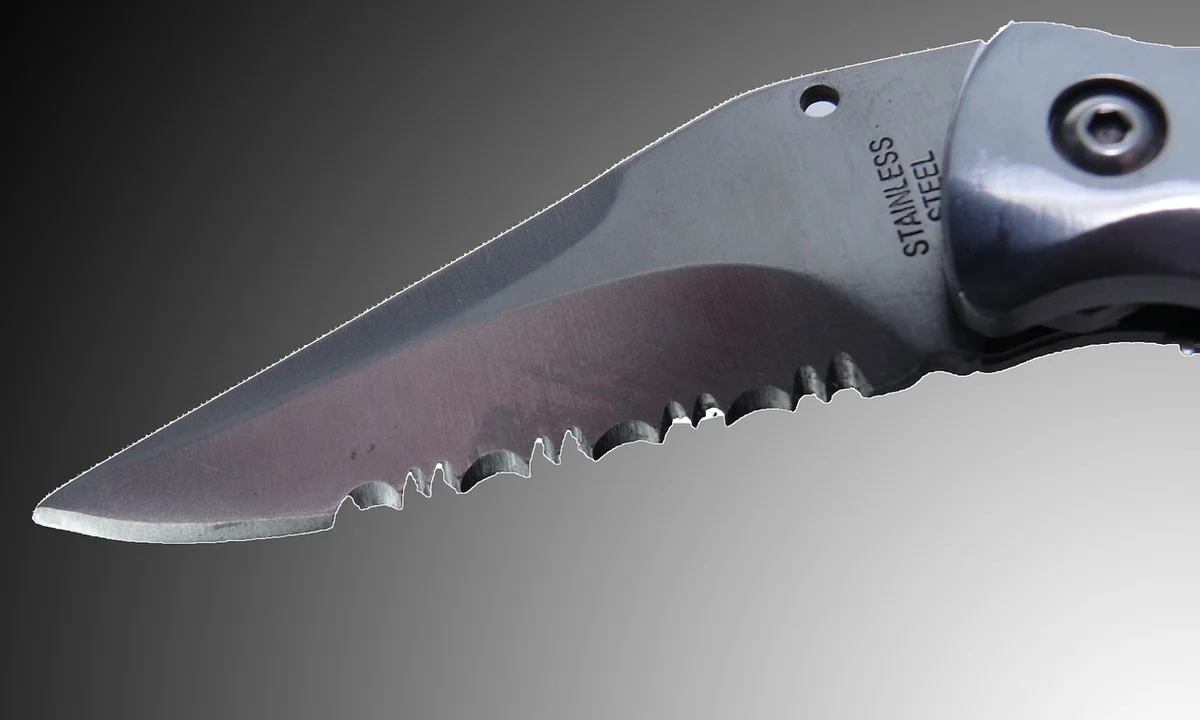
Inside an enclosure, every surface is part of your tarantula’s world. Their exoskeleton is tough but not armor; it’s more like a delicate, pressurized suit. The soft, stretchable membrane between hard plates, especially on the abdomen, is incredibly vulnerable.
How Sharp Décor Injures a Tarantula
Injury rarely happens during calm walks. It occurs during moments of stress or instinctual behavior. A startled tarantula may drop quickly, dragging its abdomen. During molting, when the new skin is wet and paper-soft, even a slight snag can be catastrophic. A torn abdomen can lead to fatal hemolymph loss, a risk far greater than any predator they’d face in your care.
I learned this vigilance after rehousing my older Chilean Rose, Rosie. Her slower movements meant she’d often press her abdomen firmly against enclosure walls. A small, unseen burr on a piece of cork bark could have easily punctured her. This is not hypothetical; I’ve seen the tragic photos from other keepers-a stark reminder that a habitat must be smooth.
Identifying and Fixing Hazardous Items
Run your fingers over every item. If it feels sharp or rough to you, it’s a potential hazard. Pay special attention to:
- Cut ends of bamboo or cholla wood. These often have splintered, sharp edges.
- Rough, un-sanded edges on artificial rock backgrounds or resin hides.
- Some natural stones like lava rock or shale, which can be razor-sharp.
- Cheap plastic plants with stiff, pointed leaves.
Fixing these issues is straightforward. Use sandpaper to smooth all wood cuts and any questionable edges. For resin or ceramic decor, a nail file works perfectly. When in doubt, submerge the item in water; if it can catch and pull a single thread from a piece of silk or pantyhose, it can injure your tarantula. Replace questionable items entirely. Your pet’s safety is worth more than a five-dollar decoration.
2. Painted, Varnished, or Glued Decorations
The vibrant, moss-covered castle or the colorful plastic skull might look cool, but it represents a hidden chemical battlefield. Tarantulas are surprisingly sensitive to chemical leaching and off-gassing, interacting with their world in ways we don’t.
The Hidden Threat of Toxic Coatings
Paints, varnishes, and adhesives can release fumes or slowly dissolve in a humid environment. Your tarantula doesn’t just walk on these surfaces; they press their mouthparts and sensitive book lungs against them. They may drink condensation beaded on them. My Orange Babbling Tarantula, Flash, webs everything. His dense silk mat would be in constant direct contact with any coated ornament, potentially wicking toxins right into his retreat. Chronic exposure to these chemicals can lead to unexplained lethargy, refusal to eat, and a slow, irreversible decline—symptoms often misattributed to “old age” or mystery illness. If you notice early warning signs that your tarantula might be sick—unusual lethargy, slower movements, or a sudden drop in appetite—reassess the enclosure for toxins. Early detection can prevent a slow decline.
Safe Sourcing for Artificial Plants and Ornaments
The rule is simple: if it wasn’t made for a humid, animal-inhabited vivarium, don’t use it. Here is your safe sourcing checklist:
- Choose aquarium-safe or reptile-specific decorations. These are tested for non-toxicity in warm, wet environments.
- For fake plants, select those designed for herpetoculture. Bend the leaves; safe ones are typically soft and pliable.
- When using natural wood (like grapevine or manzanita), ensure it is unfinished and untreated. Bake it in the oven at 200°F for an hour to sterilize, don’t varnish it.
- If you must craft something, use 100% silicone sealant (the kind for aquariums) as an adhesive. Let it cure fully for at least 48 hours before introducing it to humidity.
Before any new item enters an enclosure, wash it in hot water and quarantine it in a separate, humid container for a week. This “test run” can reveal if colors bleed, coatings become sticky, or a chemical smell emerges—all clear red flags. Your tarantula’s health is built on the invisible foundations of a chemically stable home. The same quarantine approach should be used for a new tarantula: place it in a separate quarantine enclosure for at least two weeks and monitor its health before introducing it to the main enclosure. Only when it shows normal feeding, behavior, and molts should you integrate it with existing tarantulas.
3. Loose or Unstable Décor and Small Parts
The Risk of Collapse and Ingestion
An enclosure is a dynamic space. A tarantula’s sheer weight, often underestimated, can shift seemingly solid objects. I learned this when my T. stirmi, Goliath, casually bulldozed a heavy water dish, proving nothing is truly immovable to a determined spider. A collapsing hide or toppling decoration can crush a molting tarantula, an event almost always fatal during that vulnerable state. Beyond collapse, small, loose parts pose a silent threat. Gravel, moss balls that unravel, or decorative beads can be mistaken for substrate and accidentally ingested during feeding or exploration. Equally important is proper ventilation: good airflow helps prevent moisture buildup that can loosen substrates and encourage mold. Make sure vents and lids are secure so the spider can’t exploit gaps while still allowing air exchange.
This internal blockage, or impaction, is a severe digestive issue. Arboreal species, like my old P. murinus Flash, face a different peril: the long fall. An unsecured branch or a wobbly vertical cork slab can lead to a ruptured abdomen upon impact. The silence of the enclosure can be shattered in an instant by a single, poorly-placed item giving way. Your goal is to create a stable, predictable landscape where the only surprises come from the tarantula’s natural behaviors, not from faulty interior design.
Securing Your Enclosure Layout
Transforming hazardous décor into safe habitat features requires a mix of strategy and simple materials. I treat every rehousing as a structural engineering project for a single, eight-legged client.
- Anchor Everything: Use non-toxic, aquarium-safe silicone or hot glue (cooled before introduction) to firmly attach cork bark flats to the enclosure walls. Bury the base of heavy wood pieces several inches into the substrate to create a solid foundation.
- Eliminate Loose Small Items: Avoid decorative gravel, small stones, or plastic plants with detachable parts. If using sphagnum moss, press it firmly into moist substrate or wedge it into stable crevices.
- Test for Stability: Before introducing your tarantula, press firmly on all décor from multiple angles. If it wobbles, shifts, or tips, secure it. For heavy burrowers like Goliath, I provide a deep, packed substrate layer and a half-buried, thick-walled hide he cannot possibly collapse from within.
- Prioritize Function: A simple, well-secured piece of cork bark is infinitely safer than an elaborate, multi-part resin castle. The tarantula values security, not aesthetics.
A secure enclosure is a calm enclosure, reducing stress for both the keeper and the animal. This proactive approach prevents emergencies before they can ever begin.
4. Water Dishes with Poor Design
Why Steep Sides and Certain Materials Are Dangerous
Hydration is non-negotiable, but the vessel matters immensely. A common, dangerous design is the deep, steep-sided bowl, often sold for reptiles. A terrestrial tarantula lacks the agility to climb a sheer, slippery plastic or ceramic wall. I have found smaller tarantulas, or tired adults, helplessly stranded in water dishes, a situation that can swiftly lead to drowning or fatal chill. My docile G. rosea, Rosie, once spent a bewildering hour trying to scale a dish I mistakenly thought was shallow enough.
Material choice also carries risk. Metallic dishes can rust, leaching toxins into the water. Porous, unglazed terracotta can harbor bacteria in its microscopic pores. The perfect water dish should provide access without presenting an inescapable barrier or a chemical hazard. Even a large, gentle species can find itself in peril from a simple, overlooked design flaw.
Choosing and Positioning the Perfect Water Dish
Selecting and placing a water dish is a straightforward act of preventative care. Follow these guidelines to ensure safe, consistent hydration.
- Shape and Depth: Opt for shallow, wide vessels. The ideal depth for most adults is no more than the tarantula’s carapace height. Bottle caps, shallow jar lids, or small ceramic sauce dishes are excellent. For slings, I use the hollowed-out dome of a plastic bottle cap.
- Material: Use non-porous, inert materials. Glass, glazed ceramic, or food-grade plastic are best. They are easy to scrub and sterilize during weekly cleaning.
- Placement: Position the dish on a flat, stable section of substrate, away from the tarantula’s primary burrow or hide entrance to avoid anxious backfills. For moisture-dependent species like Theraphosa, I place it in a warmer corner to gently boost humidity through evaporation.
- Security: Sink the dish slightly into the substrate so its rim is flush with the ground. This provides a gentle ramp and prevents tipping. For my heavier tarantulas, I select a dish with a wide, weighted base.
Clean, accessible water is a cornerstone of basic welfare, and achieving it requires only a moment of thoughtful selection. Watch as your tarantula confidently approaches its dish, drinks, and departs without struggle-a small sign of a well-considered habitat.
5. Unsafe Natural Materials

The Problem with Certain Woods and Substrates
Many keepers choose wood and leaves for a natural look. Not all natural is safe. Resinous softwoods like pine and cedar are toxic. Their aromatic oils can irritate a tarantula’s book lungs. I learned this after a rehousing scare with my OBT, Flash. A piece of pine bark caused him to avoid half his enclosure for days. These oils are insecticides in nature, and your tarantula’s respiratory system is just as vulnerable, which is something to consider even if you’re evaluating how risky tarantulas are as pets.
Mold is another silent threat. Damp, decomposing wood creates spores. Inhaling these can cause respiratory distress. My Burgundy Goliath, who needs high humidity, taught me this. A once-beautiful piece of grapewood became a fuzzy white hazard in his moist tank. Any decor that rapidly molds compromises your entire enclosure’s air quality.
Physical structure matters too. Brittle woods can splinter. Sharp, hidden edges inside cork bark tubes can scrape a soft abdomen after a molt. I check every piece by feel. Your tarantula’s exoskeleton is armor, but a fresh molt leaves them tender and vulnerable for weeks.
Preparing Safe Cork Bark, Wood, and Leaf Litter
Safety requires active preparation. You cannot use found materials directly from outdoors. They harbor mites, fungi, and chemical residues. A thorough cleaning and sterilization process is non-negotiable for keeper peace of mind and animal health. Follow these steps for any wood, cork, or leaves.
- Brush and Scrub. Use a stiff brush under hot water to remove loose dirt and debris.
- Bake or Boil. For oven baking, place items on a tray at 250°F (120°C) for 45-60 minutes. For boiling, submerge in a rolling boil for 20-30 minutes. This kills pests and microbes.
- Dry Completely. Let all materials air-dry fully for 24-48 hours. Any trapped moisture leads to mold.
- Final Inspection. Look for sharp points, weak spots, or lingering bark that could detach. Sand any rough edges.
Leaf litter like magnolia or oak should be sourced from untreated, pesticide-free areas. Bake them at a lower temperature, 200°F (95°C), for 20 minutes to avoid burning. This process transforms a potential hazard into a secure, enriching landscape element.
Building a Beautiful and Safe Tarantula Habitat
Principles of Risk-Free Tarantula Enrichment
Enrichment for tarantulas is about security and choice, not play. Every item must pass a simple test: can it hurt my tarantula today or after its next molt? Think like an architect for a fragile, eight-legged client who climbs and falls. My Chilean Rose Hair, Rosie, once took a slow-motion tumble from a poorly secured hide. Now everything is anchored. It’s important to differentiate this kind of enrichment from what you might use for other pets; you can learn more about appropriate environmental enrichment for spiders.
Prioritize function. A hide must be a true retreat, not a decorative shell. Ensure it is stable, with no risk of collapse. For burrowers like my Goliath, the substrate depth is part of the decor-it must hold a tunnel without caving. The best decoration often disappears from view, providing private space that reduces stress.
Minimize height. The greatest danger in captivity is a fall. A ruptured abdomen is usually fatal. For terrestrial species, keep all climbs lower than 1.5 times the tarantula’s diagonal leg span. For heavy-bodied spiders like mature females, I keep décor even lower.
A Starter List of Proven Safe Décor
Start simple. These items have never failed me or caused harm in my collections. They create a complex environment without hidden risks.
- Prepared Cork Bark Tubes: The gold standard. Lightweight, mold-resistant, and easy to sterilize. They provide a perfect, snug hide for most species.
- Ceramic or Resin Hides: Smooth, weighted, and inert. These are excellent for humid enclosures as they will not rot. Ensure the entrance is smooth and wide enough.
- Sphagnum Moss: Not just for moisture. It can be used to softly line burrow entrances or create visual barriers. It must be pesticide-free and rinsed before use.
- Smooth, Large River Stones: Boiled and cooled, they add visual weight and texture. They help anchor substrate and provide a cool surface. Never use small, ingestible gravel.
- Plastic Plants (Silk is inferior): High-quality plastic foliage has no wires to expose. It provides crucial cover for webbers like Flash. I secure stems into the substrate, never relying on adhesive.
Rotate and observe. After adding any item, watch your tarantula’s behavior for 48 hours. A rejected decoration is often an unsafe one; trust your pet’s instinct for comfort and security. Their silent acceptance is the final approval you need.
Common Questions
What are the five common enclosure items that can harm your tarantula?
The five key hazards are items with sticky adhesives or tape, decorations with sharp edges or points, unstable or excessively heavy ornaments, toxic or pesticide-treated materials, and abrasive or desiccating surfaces. These items pose risks ranging from leg loss and crushing to chemical poisoning and fatal injuries. Avoiding these dangers is foundational to creating a secure habitat for your pet.
Why are heat rocks dangerous for tarantulas?
Heat rocks create an intense, localized heat source that can easily burn a tarantula’s delicate exoskeleton. Tarantulas sense and regulate their temperature from the ambient air, not from below, making such direct contact hazardous. Furthermore, these devices can malfunction, overheat, or create severe dehydration spots in the enclosure. A safer method is to use a thermostat-controlled heat mat on the side of the enclosure, if supplemental heat is absolutely necessary.
How can sharp or abrasive decorations injure a tarantula?
A tarantula’s exoskeleton can be punctured or torn by sharp points, especially the soft abdomen. Abrasive surfaces cause micro-tears over time, damaging the protective cuticle and sensory hairs. During the vulnerable molting process, when the new skin is soft, even a slight snag can lead to a fatal rupture. Always run your finger over décor; if it feels sharp or rough to you, it is unsafe for your tarantula.
What risks do water dishes with steep sides pose?
Dishes with steep, slippery sides can trap a terrestrial tarantula, leading to potential drowning or fatal chilling from prolonged immersion. A stranded tarantula may exhaust itself trying to climb out, causing extreme stress. The ideal dish is shallow and wide, with a depth no greater than the tarantula’s carapace height, allowing for easy access and exit.
Why are certain types of substrate, like cedar or pine shavings, harmful to tarantulas?
Cedar and pine contain aromatic oils and phenols that are toxic to invertebrates. These natural insecticides can irritate a tarantula’s book lungs and be absorbed through its cuticle, leading to neurological damage or death. These substrates also do not hold burrows well and can be overly drying. Always opt for safer, moisture-retentive substrates like coconut fiber or additive-free topsoil.
The Perspective Shift: From Decoration to Habitat
The single most important piece of décor in your tarantula’s enclosure is the one that fulfills a core biological need. Substrate choice matters, since the right mix supports humidity and burrowing while being easy to maintain.
Choose every item not for how it looks to you, but for how it functions for your spider-a deep, diggable substrate for a fossorial species like my Goliath, or a sturdy, complex anchor point for a heavy webber like my OBT, Flash.
Your greatest joy will come from watching the enclosure become lived in. Observe the slow, deliberate placement of silk lines. Marvel at the careful excavation of a burrow. Witness the patient ambush. This hobby rewards the quiet observer. Your tarantula’s welfare, and your own success, are built on this foundation of thoughtful, species-specific preparation and respectful, patient observation. In our ultimate guide, we explore why tarantulas dig burrows and how you can support this instinct. Understanding this behavior helps you choose the right substrate and shelter to promote healthy burrow life.
Further Reading & Sources
- Tarantula Housing, Enclosures + Care Tips
- Choosing the Perfect Tarantula Enclosure
- Things To Look Out For In Your Tarantula Enclosures
Arlo is a lifelong arachnid enthusiast who believes tarantulas are the world’s most misunderstood roommates. With years of hands-on experience in tarantula care, habitat setup, and species behavior, Arlo combines expert knowledge with a dash of humor to make spider ownership less scary and a lot more fascinating. From choosing the right enclosure to understanding why your eight-legged buddy is doing that weird little pose again, Arlo is here to help you become the best tarantula parent you can be, without getting tangled in the web of misinformation.
Substrates and Decor