
Do Tarantulas Make Good Pets for Children?
Published on: January 12, 2026 | Last Updated: January 12, 2026
Written By: Arlo
The question of tarantulas as children’s pets isn’t about simple yes or no, but about understanding a profoundly different kind of animal relationship, built on observation rather than interaction. This guide cuts through common myths to examine the realities of cohabitation, safety, and responsibility, giving you the framework to make an informed decision for your family.
- Quick Stats:
- Origin: Global, varying by species
- Type: Primarily recommended New World species (slower, less potent venom)
- Growth Rate: Slow; a lesson in long-term commitment
This guide will walk you through species selection, safety protocols, and the unique mindset required to foster a successful, respectful bond between a young keeper and their eight-legged charge.
Evaluating Suitability: Tarantulas vs. Traditional Pets for Kids
Choosing a pet for a child often means weighing fun against responsibility. Traditional pets like dogs or hamsters demand daily interaction, noise, and mess. Tarantulas offer a silent, low-maintenance alternative that teaches patience through observation rather than play. My Chilean Rose Hair, Rosie, might not fetch a ball, but watching her meticulous movements during a rare feed teaches focus.
Consider the commitment. A dog needs walks, training, and vet visits for over a decade. A tarantula’s care is measured in weekly spot-cleaning and a quiet cricket every week or two. This predictable routine fits a child’s schedule without overwhelming them, fostering a sense of steady duty. My Burgundy Goliath, for instance, requires his humid enclosure misted twice a week-a simple, measurable task.
Interaction is fundamentally different. You cannot cuddle a tarantula. The core ethic here is “Look, Don’t Touch,” which redirects a child’s affection toward respectful stewardship of a fascinating life. Contrast this with a kitten that seeks hands-on play. The tarantula becomes a living diorama, sparking curiosity about molts, web-building, and natural behaviors.
Critical Safety Protocols: Venom, Hairs, and Supervision
Understanding Tarantula Defense Mechanisms
Tarantulas are not aggressive, but they are defensively equipped. All species possess venom for subduing prey. For most, like Grammostola rosea, the venom is comparable to a bee sting, but individual allergic reactions are always possible. That question—which tarantula species are considered the most venomous or deadliest—often comes up in care guides and discussions. My old world Pterinochilus murinus, Flash, has more potent venom, a reminder that species knowledge is paramount.
The greater common risk comes from urticating hairs. New world tarantulas like Theraphosa stirmi possess these barbed bristles on their abdomen. When threatened, they kick a cloud of hairs that can embed in skin and eyes, causing itching, rash, or serious corneal injury. Are tarantula urticating hairs dangerous? Understanding the real risks—mostly exposure during handling or enclosure maintenance—helps manage safety. My Goliath has coated my arms more than once during enclosure maintenance, a potent lesson in giving space.
Defense is also about speed and posture. A tarantula may rear up in a threat display or bolt for cover. This isn’t malice; it’s a scared animal trying to survive, and teaching children to interpret these signs reduces stress for everyone. Tarantulas also communicate through substrate vibrations, and in some species they stridulate to signal threat. Recognizing these signals helps children understand the spider’s state and reduces stress. The sudden, silent strike of a feeding tarantula is a powerful demonstration of why hands should stay outside the tank.
Essential Safety Guidelines for Families
Supervision is non-negotiable. Any interaction with the enclosure must have an adult present. Establish a firm rule: the tarantula’s home is not a toy, and its lid stays securely fastened unless an adult is performing maintenance. I learned this after a young Chromatopelma cyaneopubescens made a daring escape during a rehousing; a watched lid prevents a frantic search.
Create a safe handling protocol for the enclosure, not the spider. Teach these steps:
- Wash hands before and after any contact with the tank or feeder insects.
- Perform all maintenance like feeding or misting with long, soft-tipped tweezers.
- Keep the enclosure on a stable surface, away from edges where it could be knocked over.
- Never place hands near the tarantula’s hide or web when it is visible.
This routine minimizes risk and models calm, deliberate care for your child to emulate. It turns potential danger into a lesson in procedural safety.
Educate on emergency responses. Make sure children know to immediately tell an adult if hairs contact skin or eyes. For skin, washing with cool water and tape-stripping can remove hairs; for eyes, seek medical attention without delay. This practical knowledge demystifies the risks and prepares your family for responsible ownership.
Choosing a Beginner-Friendly Tarantula Species
Recommended Docile and Hardy Species
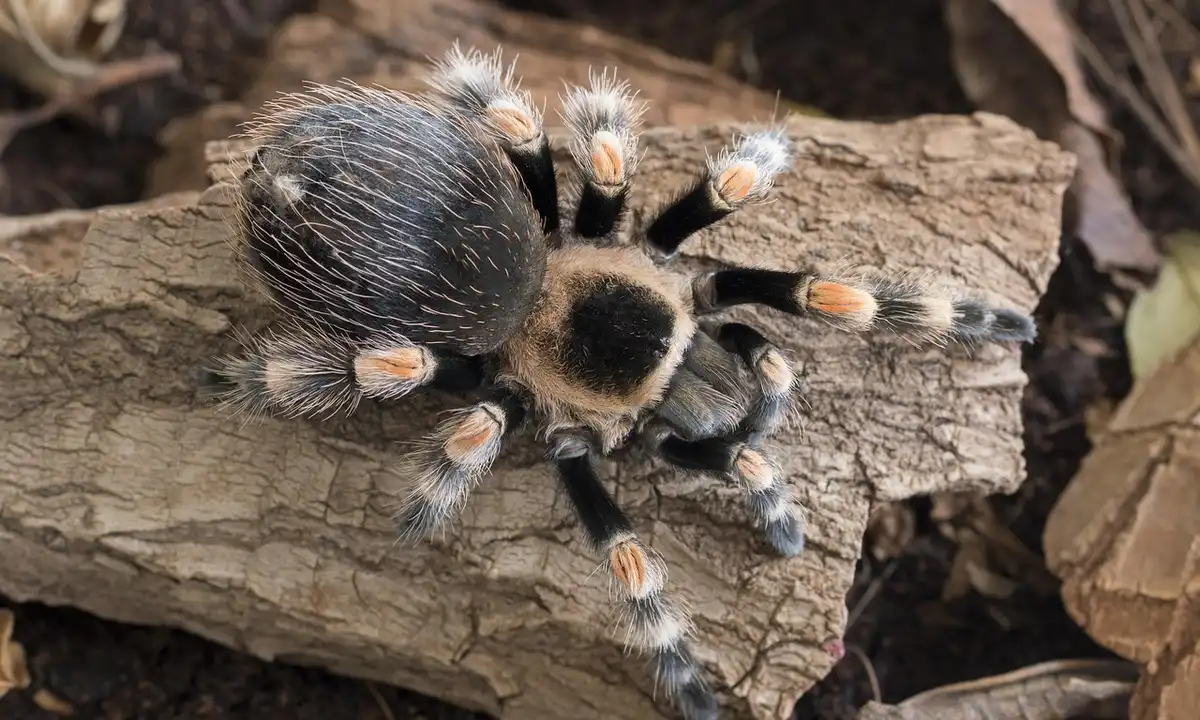
Not all tarantulas are created equal for a family home. My fifteen-year-old Chilean rose hair, Rosie, embodies the ideal beginner pet. She is a Grammostola rosea, a species renowned for its placid demeanor and forgiving nature. For a child’s first arachnid, I consistently recommend New World terrestrial species from genera like Grammostola, Brachypelma, and Aphonopelma. They move slowly and possess urticating hairs for defense rather than relying on speed or aggression. These traits also make them among the best tarantula species for beginner pet owners. If you’re new to tarantulas, starting with one of these can ease the learning curve.
Consider these hardy options that thrive at room temperature (70-78°F) with low humidity (40-50%).
- Chilean Rose Hair (Grammostola rosea or G. porteri): The classic “pet rock.” My Rosie can fast for months, which is normal. Their dusty pink color is subtle but beautiful under light.
- Mexican Redknee (Brachypelma hamorii): Striking black and orange bands. They grow slowly and are typically calm, though they can flick hairs if provoked.
- Curly Hair Tarantula (Tliltocatl albopilosus): A fuzzy, brown spider that digs eagerly. They are hearty eaters and very tolerant of beginner learning curves.
Contrast these with my other pets. Goliath, the Theraphosa stirmi, requires 80% humidity and frequent misting-a more advanced care routine. Flash, the Orange Babbler Tarantula (Pterinochilus murinus), has a venomous bite and a lightning-fast speed that makes it wholly unsuitable for young handlers.
Key Traits of a Child-Suitable Tarantula
A good species for a young enthusiast prioritizes safety and observation. The right tarantula turns care into a calm ritual, not a stressful event. The core trait is a predictable, slow-moving nature that minimizes sudden frights for both the spider and the child. Look for species that are more likely to retreat than to stand their ground or bolt.
Evaluate potential pets against this checklist.
- Docility: A reputation for calmness is key. My Rosie will often just sit motionless for days, which is perfect for observation.
- Hardiness: Can it tolerate occasional fluctuations in temperature or missed feedings? Beginner species often can.
- Defense Mechanism: Prefer species that use urticating hairs over more medically significant venom. Remember, even hair-flicking is a sign of stress.
- Growth Rate: Slower-growing species allow more time to learn about each life stage, from spiderling to adult.
I advocate fiercely for a “Look, Don’t Touch” philosophy. Handling causes immense stress, risks falls that can fatally rupture the abdomen, and exposes skin to irritating hairs. Watching the silent, deliberate movements of a tarantula is where the true fascination lies, not in holding it. This respect builds a responsible pet keeper and helps debunk the handling myth.
Setting Up a Simple and Secure Enclosure
Basic Terrarium Components and Setup
A proper home is a simple one. Forget complex rainforest biomes; a basic terrestrial setup focuses on security and easy maintenance. For a juvenile tarantula, a 5 to 10-gallon tank or a specialized acrylic enclosure works perfectly. The goal is to create a secure, stress-free environment that mimics the spider’s natural needs without overcomplication. I use this basic list for all my terrestrial species, adjusting only substrate depth and humidity.
- Enclosure: A tank with a secure, ventilated lid. Height matters less than floor space for terrestrial types.
- Substrate: Several inches of moisture-retentive material. I use a mix of coconut fiber and topsoil for its safety and burrowing potential.
- Water Dish: A shallow, sturdy dish filled with fresh water. Even desert species like Rosie need constant access to a water source.
- Hide: A simple cork bark flat or half-log. This provides a dark retreat, crucial for the tarantula’s sense of safety.
- Decor (Optional): A few silk leaves or a plastic plant for cover. Avoid sharp edges.
Setup takes minutes. Add 4-5 inches of damp substrate, pack it down firmly, place the hide and water dish, and you’re done. I learned through rehousing my fast-moving Flash that having all tools ready before opening the enclosure prevents escapes. For my humidity-loving Goliath, I pour water into the substrate corners weekly, but for a beginner species, keeping the water dish full is often sufficient.
Safety-Proofing and Escape Prevention
An escaped tarantula is a panicked spider and a frightened family. Security is non-negotiable. Always double-check that the enclosure lid is firmly snapped or weighted into place after every feeding or maintenance session. I use small luggage locks on my more ambitious species’ cages for extra peace of mind.
Follow these steps to proof your setup.
- Lid Security: Ensure mesh lids are fine enough that tiny spiderlings cannot slip through. For larger tarantulas, a solid acrylic lid with ventilation holes is safest.
- Gap Inspection: Run your finger around the lid’s seal. If you feel a space, the tarantula will find it. Use weather stripping to close gaps.
- Placement: Keep the enclosure on a stable surface, away from direct sunlight, loud noises, and vibrating electronics. This reduces stress.
- Maintenance Protocol: Never open the enclosure when the tarantula is near the lid. Use long tongs for removing boluses or adjusting decor.
I recall the heart-stopping moment when a young Aphonopelma I was rehousing darted up my arm. It was a harmless species, but the incident reinforced my rules. Working over a large, deep bin during rehousings contains any unexpected sprints. A secure setup protects the spider first, allowing children to enjoy the iridescent sheen of a carapace or the careful silk-wrapping of a prey item without risk.
Daily Care, Feeding, and Maintenance with Kids
Feeding Schedules and Appropriate Prey
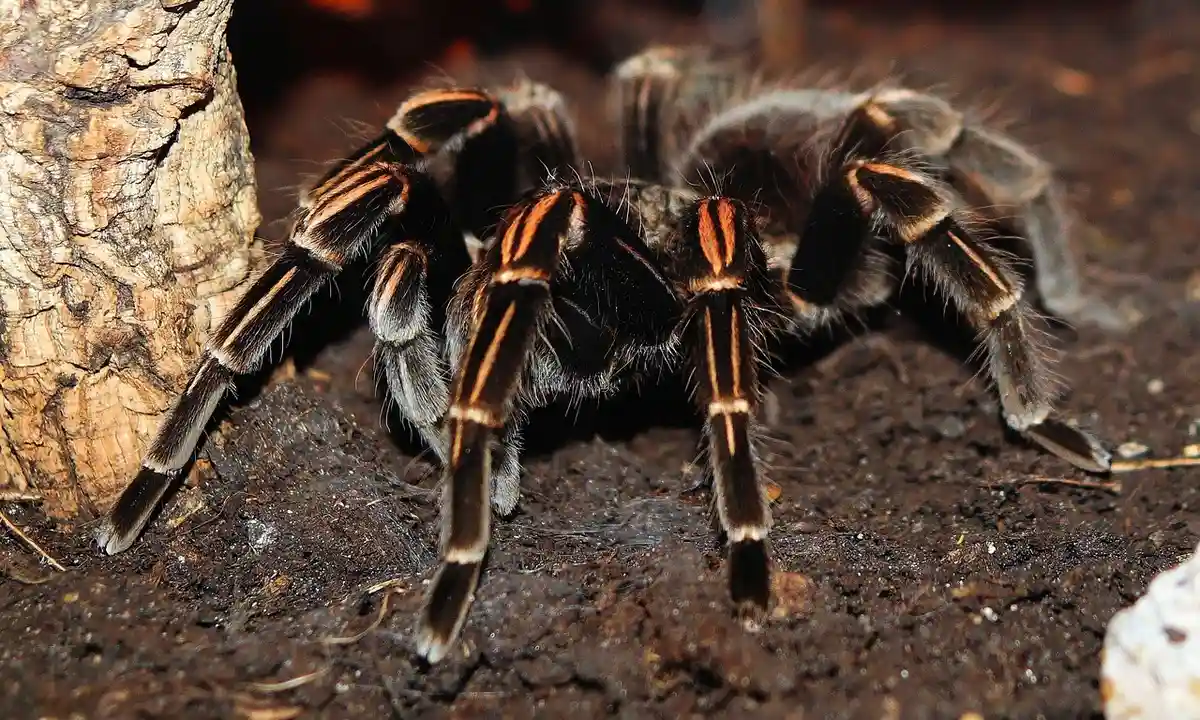
Feeding a tarantula is a quiet, focused event. It is not daily. My Chilean Rose Hair, Rosie, has taught me that a fast can last six months without concern. For children, this irregular schedule becomes a lesson in observation, not routine. Most tarantulas eat one or two times a week. The prey size must never be larger than the spider’s carapace. Ultimately, the best diet feeding schedule for a healthy tarantula is species- and age-appropriate, balancing regular meals with occasional fasting. Observing your tarantula’s condition helps tailor it to the individual.
I use dubia roaches for my Burgundy Goliath and crickets for my OBT. Each has its pros. Crickets are lively and stimulate a feeding response. Roaches are cleaner and quieter. Always feed with long, soft-tipped tweezers to keep little fingers far from a sudden strike. This is a core “Look, Don’t Touch” moment. Let your child watch the precise ambush, the injection of venom, the silent beginning of the meal.
Here is a simple guide based on my three tarantulas:
- For docile types like G. rosea: Offer one medium cricket every 10-14 days. Refusals are normal. Rosie’s fasts teach patience.
- For large, hungry species like T. stirmi: One large dubia roach weekly suits Goliath. His appetite is reliable but his urticating hair kicks mean no close contact during feeding.
- For defensive, web-bound species like P. murinus: Drop a pre-killed cricket into Flash’s web tunnel. His speed makes live prey risky for beginners to manage.
Monitoring Health, Molting, and Cleanliness
A healthy tarantula is a still tarantula. It rests calmly, has a plump abdomen, and its enclosure is dry and waste-free. Children can be superb health monitors, learning to spot the subtle signs of an upcoming molt. These signs include a darkened, shiny abdomen, refusal of food, and increased webbing or lethargy.
When my OBT, Flash, prepared to molt, he sealed himself in a silken fortress for weeks. We marked the calendar and misted the enclosure lightly. The actual molt is a private, vulnerable time; stress from poking or noise can be fatal. Afterward, we used a paintbrush to gently remove the delicate, papery exuvia for examination.
Cleanliness is simple spot maintenance. Once a week, with your child observing, use long tweezers to remove:
- Boluses (the leftover prey bundles).
- Any moldy substrate or leftover food.
- Molted skins after the spider has hardened.
A full substrate change is rare, maybe once a year. I once rehoused Goliath, a two-person job due to his size and hair-flicking. This deep clean is a chance to explain the importance of a toxin-free home, using only peat moss or coconut fiber. No soaps or chemicals, ever.
The Real Costs and Educational Commitment
Breaking Down Initial and Ongoing Expenses
Tarantula keeping is affordable, but costs are real. The initial setup for a beginner species like a Grammostola is modest. If you want to budget wisely, a clear cost breakdown helps you plan from the start. Here is a practical budget-focused breakdown based on my experiences:
| Item | Initial Cost (USD) | Ongoing/Replacement |
| Secure Enclosure (10-gallon tank or plastic terrarium) | $30 – $60 | Every few years |
| Substrate (Coconut fiber, peat moss) | $10 – $20 | Annually |
| Water Dish and Hiding Place (cork bark, half-pot) | $5 – $15 | As needed |
| The Tarantula Itself (captive-bred sling) | $20 – $80 | N/A |
| Prey (Crickets, roaches) | $5 – $10 | Monthly |
| Heating (only if room drops below 65°F) | $15 – $30 | As needed |
The biggest financial safeguard is buying a captive-bred spider from a reputable breeder; it supports ethical practice and gets you a healthier animal. My OBT was a breeder purchase, and his vibrant color and robust health proved its worth. Ongoing costs are mainly prey and occasional substrate.
Fostering Responsibility and STEM Learning
This hobby is not about cuddling. It is about custodianship. A child learns responsibility through consistent, gentle observation and measured care actions, not through hands-on play. They must check the water dish daily. They log feeding attempts and refusals. They learn that life has a silent, slow rhythm different from our own.
The STEM lessons are profound. My niece learned about hydraulic pressure by watching Rosie extend her legs after a molt. She saw ecosystems in a bioactive setup with springtails. Sexing a molt under a microscope opens a door to genetics and anatomy. The Latin names, like *Pterinochilus murinus*, introduce taxonomy. The careful control of humidity for Goliath (80-85%) versus the arid setup for Rosie (50-60%) is a live experiment in climatology.
This is a pet that demands respect for its natural history. You foster a young scientist, not just a pet owner, by emphasizing observation over interaction. The reward is watching a child describe the iridescent sheen on a carapace or explain why their tarantula is kicking hairs, connecting behavior to biology in real time.
FAQs
What are the main pros and cons of tarantulas as pets for children?
The primary pros include low maintenance, with minimal feeding and cleaning needs, and strong educational value in STEM fields like biology. Cons involve no physical interaction due to safety risks from urticating hairs and venom, and the necessity for constant adult supervision to prevent accidents. This makes tarantulas ideal for observation-focused care rather than hands-on play. For beginners, handling tarantulas is not recommended—focus on observation and learning. If hands-on experience is pursued, do so only under expert supervision with strict safety guidelines.
How much does it cost to own a tarantula as a pet?
Initial setup for a beginner tarantula typically ranges from $50 to $100, covering the enclosure, substrate, and hide. So, how much does a pet tarantula cost overall, including upfront and ongoing expenses? Ongoing costs are low, around $10-$20 monthly for prey like crickets and occasional substrate replacement. Here’s a quick breakdown to help you estimate the total cost over time. Veterinary expenses are rare, making tarantulas an affordable pet option compared to traditional animals.
Where can I buy a tarantula suitable for children?
Reputable breeders are the best source for healthy, captive-bred tarantulas, ensuring ethical practices and species like Grammostola or Brachypelma. Ethically sourced tarantulas from breeders come from those who document lineage and welfare standards. When possible, choose acquiring through responsible breeding channels rather than wild populations. Online specialty stores and exotic pet expos also offer vetted options. Avoid wild-caught tarantulas, as they may have health issues and don’t support conservation efforts.
Can I purchase tarantulas from PetSmart in Maryland, and what should I consider?
PetSmart locations in Maryland may occasionally stock tarantulas, but availability varies by store and season. Reviews from pet owners suggest inspecting the spider for signs of health, such as active movement and a plump abdomen. For beginners, sourcing from dedicated breeders is often advised for better species selection and care guidance.
The Long View
For a child and a tarantula to coexist successfully, the relationship must be built on observation, not interaction. The single most important parameter for any child’s pet tarantula is a supervised, hands-off approach that prioritizes the spider’s quiet safety and the child’s respectful learning. My Rosie, a true ‘pet rock,’ has thrived for 15 years precisely because her world is predictable and undisturbed.
The true joy comes from watching the animal simply be itself. Notice the meticulous engineering of a burrow, the patient ambush of a cricket, the silent, shimmering expansion of a web tunnel. Each feeding is a lesson in patience; each molt, a lesson in biology and gentle care. These fascinating creatures offer a masterclass in calm observation, a skill that will serve any young keeper far beyond the walls of an enclosure.
Further Reading & Sources
- Do tarantulas make good pets for children under 10? – Quora
- Tarantulas As Pets – The Good, Bad, and the Misunderstood | Tom’s Big Spiders
- Are Tarantulas Good Pets for Children? | PetMojo
Arlo is a lifelong arachnid enthusiast who believes tarantulas are the world’s most misunderstood roommates. With years of hands-on experience in tarantula care, habitat setup, and species behavior, Arlo combines expert knowledge with a dash of humor to make spider ownership less scary and a lot more fascinating. From choosing the right enclosure to understanding why your eight-legged buddy is doing that weird little pose again, Arlo is here to help you become the best tarantula parent you can be, without getting tangled in the web of misinformation.
Handling and Interaction