
Has a Tarantula Bite Ever Killed a Human? Fatality Facts vs. Fiction
Published on: March 14, 2026 | Last Updated: March 14, 2026
Written By: Arlo
Tarantulas, often depicted as deadly monsters in film, carry a reputation far more fearsome than their biology supports. After decades in the hobby, caring for everything from pet-rock rose hairs to lightning-fast OBTs, I can state unequivocally that a fatal tarantula bite is a myth unsupported by scientific evidence. This article dissects the reality behind the fangs, using medical data and keeper experience to replace fear with factual understanding. While a bite can be medically significant for those with severe allergies, there is no documented case of a healthy adult dying from tarantula venom alone.
- Quick Stats:
- Venom Purpose: Evolved for subduing prey, not harming humans; potency is low compared to true medically significant spiders.
- Verified Fatalities: Zero confirmed deaths attributed directly to tarantula envenomation in modern medical records.
- Primary Risk: Allergic reaction or secondary infection, not neurotoxic poisoning.
- Global Context: Applies to all ~1,000 species, though Old World tarantulas like my P. murinus possess more potent venom.
This guide will walk you through the precise toxicology, documented bite cases, and the critical husbandry mindset that keeps both keeper and spider safe.
Introduction: The Question Every Keeper Faces
I was rehousing my Orange Bitey Thing, Flash, when he vanished. One second he was in his cork tube, the next he was a streak of orange lightning up my arm. My heart hammered. I froze, knowing any sudden movement could trigger a defensive strike. In that silent, tense moment, the question flashed through my mind: what if he bites?
That heart-stopping moment of confrontation is a shared experience for many keepers, and it naturally leads to the big, frightening question about our eight-legged pets. This article uses scientific evidence and decades of collective keeper experience to separate alarming fiction from reassuring fact.
For the responsible pet keeper, the risk of a serious bite is extraordinarily minimal. Our focus should always be on reducing stress for the animal, which in turn keeps us safe.
The Biology of a Bite: Venom and Defensive Behavior
Tarantula venom is a cocktail of proteins and enzymes evolved for one primary job: paralyzing and pre-digesting their insect prey. For creatures our size, this venom is not designed to be a weapon against us. Tarantulas hunt and capture their prey as ambush predators—stalking or waiting for insects and other small animals, then striking with a swift bite to inject venom and immobilize the quarry. This hunting strategy complements the venom’s role in paralyzing and beginning digestion.
Potency varies, with a general geographical rule guiding expectations. New World tarantulas (from the Americas) like my Rosie and Goliath typically possess milder venom, prioritizing a different defense: launching clouds of irritating urticating hairs. Old World tarantulas (from Africa, Asia, etc.) like Flash lack these hairs and often have more potent venom, reflecting their need for a stronger primary defense.
A tarantula’s bite is an absolute last resort. These are animals of fear, not aggression. A bite results from extreme stress, feeling trapped, or perceiving a direct threat. This is wholly different from a feeding strike, which is a reflexive, lightning-fast grab. Understanding why they bite helps explain the causes and how to prevent bites. You can reduce risk by avoiding handling, giving the tarantula space, and watching for signs of stress.
Understanding a species’ preferred defensive strategy is the cornerstone of safe, respectful husbandry. Here is a comparison of common pet tarantulas and their typical reactions to a perceived threat. Knowing these can help you discern when a tarantula is genuinely aggressive versus defensive.
| Common Name (Species) | Origin | Primary Defense | Venom Potency (Human Impact) |
|---|---|---|---|
| Chilean Rose Hair (Grammostola rosea) | New World | Flight, curling up, very rare bite | Mild; localized pain, itching. |
| Mexican Redknee (Brachypelma hamorii) | New World | Flicking urticating hairs. | Mild; localized pain, itching. |
| Burgundy Goliath Bird Eater (Theraphosa stirmi) | New World | Extreme hair flicking, loud stridulation (hissing). | Mild to moderate; more severe localized reaction possible. |
| Orange Baboon Tarantula (Pterinochilus murinus) | Old World | Fast flight, defensive threat posture, willing bite. | Potent; severe pain, muscle cramps, lasting effects. |
| Zebra Blue Foot (Harpactira pulchripes) | Old World | Extreme speed, defensive posture. | Potent; severe pain, muscle cramps. |
Historical Evidence and Medical Case Review
What the Scientific Literature Actually Says
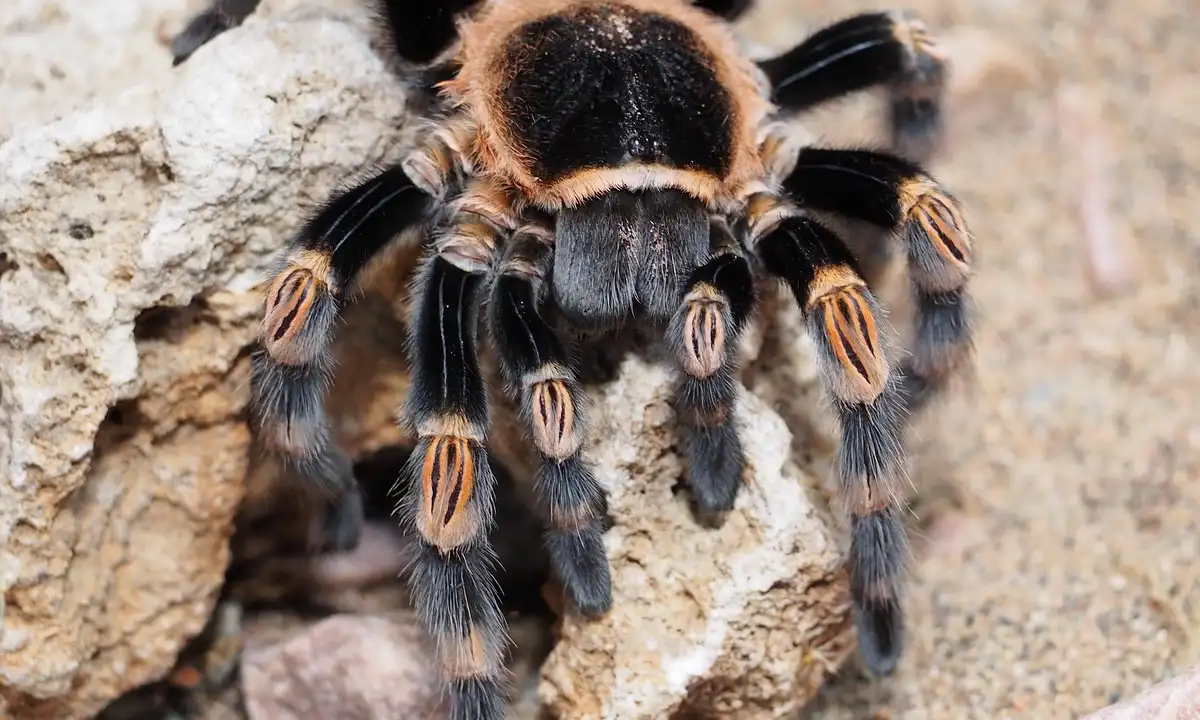
Toxicology studies and global poison control center data paint a consistent, clear picture. Reviews from institutions like the American Association of Poison Control Centers consistently categorize tarantula envenomations as minor, with outcomes ranging from no effect to moderate local pain. The central, critical fact is the complete absence of a single medically verified, documented human fatality directly attributable to tarantula venom toxicity. Venom is designed for subduing insect prey, not harming large mammals. For more details, you can check whether tarantula venom is dangerous to humans.
Severe reactions are extraordinary outliers. They are almost exclusively linked to an individual’s allergic response, similar to how some people react catastrophically to bee stings. It is vital to distinguish a rare allergic event from the inherent toxicity of the venom itself; conflating the two breeds unnecessary fear. The bite mechanism is a defensive reflex, not a calculated attack.
The Role of Misidentification and Myth
Many supposed “tarantula” bite stories stem from mistaken identity. In regions with medically significant spiders like Latrodectus (widows) or Loxosceles (recluses), a painful bite with systemic effects is often incorrectly blamed on the large, conspicuous tarantula. The tarantula becomes a visual scapegoat for the more cryptic, truly potent spider that delivered the bite. This historical mix-up has fueled decades of misinformation.
Persistent internet legends, like the infamous “lab technician” death, crumble under scrutiny. These tales lack credible sources, names, dates, or published medical documentation. These stories are modern folklore, repeated without evidence, and they distort the real, minimal risk these animals present. Always question the origin of sensational claims.
Debunking Common Fatal Fiction
- Myth 1: Tarantula Venom is Lethal to Humans. Think of it like this: a dose of aspirin can be therapeutic for you but fatal to a cat. Tarantula venom is potent for crickets and roaches. For a human, the volume injected is minuscule and the toxin’s effect is scaled for a creature thousands of times smaller. The venom is simply not formulated or delivered in a quantity that can overwhelm a human’s biological systems.
- Myth 2: A Bite Always Leads to Severe Medical Crisis. The most common symptoms are local: immediate sharp pain, redness, swelling, and itching that may last hours or a couple days. For the vast majority of people, the experience is comparable to a moderate bee or wasp sting, not a medical emergency. Some species, like my Theraphosa stirmi (Goliath), can cause significant muscle cramping near the bite site, which is painful but temporary.
- Myth 3: All Tarantulas Are Equally Likely to Bite. Temperament varies wildly. My old Grammostola rosea (Rosie) is a “pet rock” who has never shown a threat posture. In stark contrast, my Pterinochilus murinus (Flash, the OBT) assumes a defensive stance if I even look at her enclosure wrong. Understanding species-typical behavior is the keeper’s first line of defense; assuming all are aggressive is like assuming all dogs are guard breeds.
- Myth 4: Fatalities Are Common in Their Native Habitats. Native peoples coexist with these spiders. Bites happen, but they are rare defensive acts. Tarantulas are cryptozoic, hiding in burrows or under logs, not seeking out people. They are not predators of humans, and there is no cultural or medical record of endemic populations suffering tarantula-caused deaths. The fear is an imported concept.
Real-World Risk Assessment for the Keeper
Understanding Your Tarantula’s Personality
Your tarantula communicates constantly through posture. A calm, slow-moving spider with its legs tucked is content. A raised front legs, exposed fangs, and a reared back half is a clear “back off” signal. Learning this visual language prevents 99% of potential conflicts by telling you when to pause and give space. Some tarantulas also use stridulation—rubbing body parts to produce faint sounds—and other substrate cues to signal mood. In fact, tarantulas communicate through signals that can deepen your understanding and further improve safety. Respecting these signals is the core of safe husbandry.
I once rehoused my OBT, Flash. She teleported from her old cork bark to the new enclosure in a blur of orange, immediately threat-posturing. My heart raced, but the risk was controlled. The process was stressful for her and tense for me, but the context-a planned rehousing in a secure area-made the defensive possibility manageable, not a random attack. Knowing your specimen’s tendencies allows you to plan, minimize stress, and avoid surprises.
The Statistics of Safe Keeping
With cautious, respectful care that avoids handling, the chance of any bite is exceptionally low. The chance of that bite causing a life-threatening allergic reaction is astronomically lower than everyday risks. You are statistically far more likely to be seriously injured by a startled cat or an excited dog than by a pet tarantula. This perspective is vital for rational risk assessment.
The hobby’s safety record speaks for itself. Thousands of keepers worldwide maintain collections without incident. Injury, when it occurs, almost always stems from a keeper’s unnecessary risk-like deliberate handling-not from a tarantula spontaneously attacking through the glass. Responsible care mitigates virtually all danger.
Proactive Care: Minimizing Bite Risks Through Husbandry
-
Enclosure Setup for Security: A secure tarantula is a calm tarantula. I build enclosures that mimic a safe burrow or retreat. For my Burgundy Goliath, T. stirmi, this means 8 inches of moist coconut fiber to dig into. For my OBT, P. murinus, it’s cork bark and plenty of anchor points for its dense silk web. The goal is to eliminate the feeling of exposure, which directly reduces defensive behavior. Deep substrate, a snug hide, and leaf litter or silk plants for clutter work wonders. My elderly G. rosea, Rosie, has barely moved from her favorite cork round in months—a sign she feels perfectly safe. For readers seeking a best enclosure setup for a tarantula, a step-by-step guide provides the same principles translated into a practical, sequential approach. A clear plan helps you recreate these calm setups for other species as well.
-
The “Look, Don’t Touch” Philosophy: I advocate for hands-off care. Handling induces immense stress for the animal and offers you no benefit beyond a fleeting thrill. Many people mistake holding as affection, but tarantulas don’t bond through touch. Respect their boundaries—observation reveals the animal’s beauty far more than any handling ever could. For more insights on this topic, check out the article on the handling myth at Look, Don’t Touch Philosophy. Observing the silent, deliberate movements of a tarantula is where the true hobby lies. I learned this after a swift, heart-pounding rehousing of my OBT, Flash, who viewed my paintbrush as a threat. The iridescent sheen of a carapace in the lamp light, the engineering of a new web—these are the rewards. Your tarantula is a living display, not a toy.
-
Safe Maintenance Routines: Use long, soft-tipped tongs for all interactions. During feeding, I gently drop the prey item near my tarantula’s hide and retreat. For cleaning, I wait until the spider is on one side of the enclosure before carefully removing waste from the other. Slow, predictable movements prevent startling your pet into a defensive strike. With my hair-kicking Goliath, I even wear gloves and safety glasses during deep cleans to protect from urticating hairs, further minimizing any need for me to react hastily. Before a deep clean, I relocate the tarantula to a secure temporary container to minimize stress and allow thorough cleaning. This careful, methodical approach makes deep-cleaning the tarantula tank safe for both keeper and pet.
-
Recognizing and Respecting Warning Signs: Tarantulas communicate discomfort clearly. A raised front legs and exposed fangs is a universal “back off.” Some species, like my Goliath, will turn their abdomen and kick a cloud of irritating hairs. Heeding these warnings immediately is the keeper’s responsibility. If your tarantula assumes a threat posture, stop what you’re doing, dim the lights, and give it space. Pushing past these signals is asking for a bite. Understanding your tarantula’s body language is key to maintaining a safe and respectful environment.
If a Bite Occurs: Symptoms and Sensible Response
-
Typical local symptoms include immediate, sharp pain-often compared to a bee sting-followed by redness, swelling, and itching at the site. This localized reaction usually peaks within a few hours and fades over several days.
-
Rare systemic symptoms can include nausea, muscle cramps, fever, or difficulty breathing. These signs indicate a more severe reaction or possible infection and require prompt medical attention.
-
First Aid Guide: Follow these steps if bitten.
- Stay calm and gently remove the tarantula. Place it back in its secure enclosure.
- Wash the bite area thoroughly with soap and warm water to reduce infection risk.
- Apply a cold pack or cloth to the site to manage swelling and pain.
- Monitor closely for any allergic signs like spreading redness, hives, or breathing trouble.
- If severe symptoms appear, or if you are unsure, contact poison control (1-800-222-1222) or a doctor. Inform them of the tarantula species if known.
-
Remember, the vast majority of bites are medically insignificant. For a typical bite from a common pet species, careful cleaning and basic first aid are completely sufficient for recovery. Panic is rarely helpful; calm, informed action is.
FAQs
Has a tarantula bite ever been fatal to a human?
No, there is no medically documented case of a human death directly caused by tarantula venom toxicity. Modern poison control records consistently show zero fatalities attributed to tarantula envenomation. Severe reactions are extremely rare and typically linked to individual allergies, similar to bee stings, not the venom’s inherent lethality.
What makes a tarantula bite dangerous if not fatal?
The primary risks are allergic reactions or secondary infections, not neurotoxic poisoning. While bites from Old World species can cause significant pain and muscle cramps, the venom is evolved for small prey, not humans. For most people, symptoms are local and temporary, comparable to a moderate bee sting.
How can I minimize the risk of being bitten by my pet tarantula?
Adopt a hands-off approach and use secure enclosures that reduce stress for the tarantula. Learn to recognize defensive postures, like raised front legs, and always use tools like long tongs for maintenance. By respecting their space and avoiding handling, you virtually eliminate bite chances. Using essential tarantula handling tools and safety equipment—such as long tongs, capture cups, and protective gloves—helps you maintain a safe distance and control during any maintenance. Proper tools support the hands-off mindset and protect both you and the tarantula.
Are tarantula bites more severe for certain people?
Yes, individuals with severe allergies or compromised immune systems may experience more pronounced reactions, such as difficulty breathing or widespread hives. However, this is an allergic response, not due to venom toxicity, and is exceedingly rare among keepers who practice cautious care.
What should I do immediately after a tarantula bite?
Stay calm, wash the bite area with soap and water, and apply a cold pack for swelling. Monitor for allergic signs like trouble breathing, and seek medical help if severe symptoms appear. For typical bites, basic first aid is sufficient, as most resolve without intervention.
The Final Molt
After examining the evidence, the reality is straightforward: no verified human death stems from a tarantula’s venom. Your primary husbandry focus must be on crafting a secure, species-appropriate enclosure that eliminates the stress and scenarios which could provoke a defensive bite in the first place. For my defensive OBT Flash, this means a locked lid, ample anchor points for webbing, and zero unnecessary intrusion-his vibrant orange form remains a breathtaking sight behind glass, not a threat.
Redirect your energy from worry to wonder. Observe the silent engineering of a web curtain, the patient excavation of a burrow, the lightning-fast strike at a cricket. True mastery in arachnoculture comes from patient observation, not interaction, allowing you to witness the full spectrum of natural behaviors that handling disrupts. Whether it’s my rose hair Rosie’s serene stillness or Goliath’s enthusiastic digging in damp substrate, each spider thrives when we respect their autonomy and simply watch.
Further Reading & Sources
- Tarantula Spider Toxicity – StatPearls – NCBI Bookshelf
- Are Tarantulas Dangerous? | Poison Control
- medical science – Has any person ever died from a tarantula bite? – Skeptics Stack Exchange
Arlo is a lifelong arachnid enthusiast who believes tarantulas are the world’s most misunderstood roommates. With years of hands-on experience in tarantula care, habitat setup, and species behavior, Arlo combines expert knowledge with a dash of humor to make spider ownership less scary and a lot more fascinating. From choosing the right enclosure to understanding why your eight-legged buddy is doing that weird little pose again, Arlo is here to help you become the best tarantula parent you can be, without getting tangled in the web of misinformation.
Tarantula Myths and Misconceptions