
Introducing Your Pet Tarantula to Skeptical Friends and Family
Published on: February 17, 2026 | Last Updated: February 17, 2026
Written By: Arlo
For many, the tarantula isn’t a pet but a primal fear, an eight-legged symbol of everything that moves in the dark. I know this firsthand. I’ve seen guests freeze at the sight of Rosie’s dusty pink form in her terrarium. The goal of this guide isn’t to force a love of spiders, but to foster understanding and respect. We’ll build a bridge between your fascinating hobby and their understandable apprehension.
- Quick Stats:
- Origin: Varies by species (e.g., New World Americas, Old World Africa/Asia)
- Type: New World (typically calmer, with urticating hairs) or Old World (often faster, more defensive)
- Growth Rate: Ranges from slow (years to maturity) to remarkably fast
This guide will give you the specific tools and conversational approaches to turn a moment of fear into one of shared, calm curiosity. You’ll learn how to present your tarantula’s world in a way that highlights its beauty and reduces myths, creating a safer and less stressful experience for everyone-especially your spider.
Start With Your Tarantula’s Safety and Temperament
Your tarantula’s comfort and security must be the absolute priority before any guest sees them. These are creatures of subtle stress signals, not companionship. My dusty pink Grammostola rosea, Rosie, will freeze for hours when perturbed, a docile ‘pet rock’ masking internal tension. In contrast, my Theraphosa stirmi, Goliath, expresses his mood by readily flicking urticating hairs from his dark brown abdomen. Recognizing these innate, species-specific behaviors is the foundation of responsible arachnoculture.
I once underestimated this during a routine rehousing of my Pterinochilus murinus, Flash. As I coaxed him from his cork bark, his bright orange body became a blur of motion. He sprinted across the table, halted, and raised his front legs in a perfect threat pose, his spinnerets poised. The silence of that defensive stance was deafening. That moment taught me that a stressed tarantula is an unpredictable one, and proceeding would have risked a bite or a dangerous fall for him. These moments are exactly the common signs your tarantula is stressed or aggressive: a raised front-legs threat pose, sudden bursts of movement, or a tense, defensive posture. Recognizing these cues early can help keep you and Flash safe in future handling.
- Assess your tarantula’s current mood before any introduction. A calm tarantula sits flat; raised front legs or a lifted abdomen means postpone the visit.
- Explain the “Look, Don’t Touch” philosophy and its reasons. Handling risks falls, defensive bites, and hair-flicking, all of which cause the animal significant stress.
- Briefly cover venom potency and urticating hair risks without sensationalism. While most tarantula venom is not medically significant to humans, it can cause localized pain, and barbed hairs can embed in skin and eyes.
Interpreting Defensive Postures and Stress Cues
Learn to read the body language. Many people assume that tarantulas are aggressive; that’s a common misconception. In truth, aggression is a defensive response, and reading their cues helps you avoid confrontation. A threat pose—front legs high, fangs bared—is an unambiguous demand for space. Abdomen elevation, like Goliath’s pre-hair-kicking stance, is a clear warning. Rapid, jerky movement indicates panic, not curiosity. Each cue is the tarantula’s only way to say it feels threatened and needs you to stop.
Why Handling is Risky for Pet and Person
A fall from even a short height can rupture a tarantula’s abdomen, causing a fatal injury. Defensive bites, while rare, introduce venom, and kicked hairs create a persistent irritant. I remember choosing not to handle Rosie during one of her multi-month fasting periods; her stillness was a stress cue, not an invitation. Resisting the urge to handle prevents these accidents and aligns with truly respectful care.
Prepare a Calm and Secure Observation Area
The enclosure itself becomes the stage for a safe, educational viewing. Your first and most critical task is ensuring absolute security. A perfectly secured lid is the non-negotiable barrier that prevents a fast, scared tarantula from becoming a lost one. I use locking lids for my OBT’s enclosure, a lesson learned from past close calls. Equally important is proper ventilation: a secure, well-ventilated enclosure prevents stale air buildup, mold, and respiratory stress for your tarantula. Use a lid with appropriately sized ventilation that maintains security while allowing gentle air exchange. Follow this checklist to create a ideal observation post.
- Ensure the enclosure lid is firmly locked or weighted. Apply pressure to test; it should not budge or slide.
- Clean the viewing panes for maximum visibility. I use a diluted vinegar spray and a microfiber cloth for a streak-free view.
- Check that humidity and ventilation are species-appropriate. Goliath’s tank needs 75-80% humidity, while Flash’s arid setup requires ample cross-ventilation.
- Remove any prey remnants and ensure the water dish is full. A clean home reduces stress and keeps the focus on the tarantula.
- Position the enclosure in a quiet, well-lit spot without direct sun. Use ambient room light or a soft lamp to avoid overheating the glass.
Optimizing Enclosure Conditions for Visibility and Comfort
Correct substrate moisture and airflow directly impact your tarantula’s visibility and calm. For my moisture-loving T. stirmi, I keep the coconut fiber substrate damp to the touch-it holds a shape without pooling water. Proper ventilation prevents glass fogging and ensures clear viewing. A tarantula in a correctly maintained environment is far more likely to be out and active, providing a fascinating glimpse into its natural behaviors.
Educate by Debunking Common Tarantula Myths
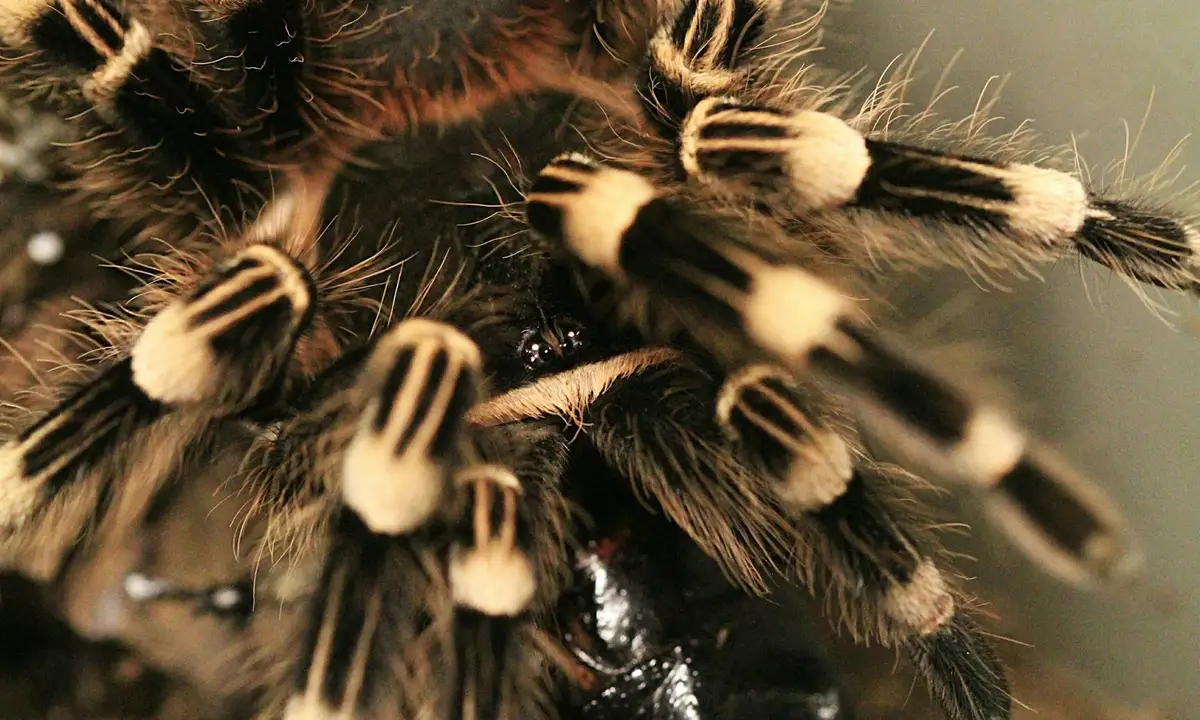
When someone expresses fear about your tarantula, facts are your best tool. Approach this as a chance to share knowledge, not to win a debate, and you’ll often see curiosity replace anxiety. I use clear, simple explanations from my years in the hobby to build awareness. The table below addresses frequent worries directly. This approach mirrors the 11 pervasive tarantula myths debunked guide by expert keepers, helping readers separate fact from fear in everyday encounters. It empowers them to distinguish myths from reality with confidence.
| Myth | Fact-Based Response |
|---|---|
| “All tarantulas are deadly.” | No tarantula species possesses venom lethal to humans; medical significance is exceptionally rare. A bite might cause localized pain, comparable to a bee sting. My 15-year-old Chilean Rose Hair (*Grammostola rosea*), Rosie, has never offered to bite, reflecting their general reluctance. |
| “They are aggressive and want to bite.” | Tarantulas are defensive, reclusive animals that prefer flight over fight. Bites are a last resort. My Burgundy Goliath Bird Eater (*Theraphosa stirmi*), Goliath, will kick urticating hairs when startled-a primary defense-but he always retreats first. |
| “They are dirty or carry diseases.” | Tarantulas are fastidious groomers, and their controlled enclosures are often cleaner than spaces for many traditional pets. In my bioactive setups, isopods and springtails manage waste, creating a balanced, odor-free environment. |
Correcting these myths changes the narrative. This factual foundation transforms a scary concept into a fascinating, manageable pet.
Guide the Conversation with Open-Ended Questions
Leading the interaction with questions puts your guest at ease and lets you tailor the information. Always start by listening, as this shows respect for their feelings and allows you to address specific concerns directly. I follow this script framework to create a natural, pressure-free flow.
- “What’s your biggest concern about my pet tarantula?” Listen first.
- “What do you already know about tarantulas?” Gauge their baseline.
- “Can I share a couple of interesting facts about them?” Offer education.
- “Would you prefer to observe from the sofa first, or come closer?” Give control.
- “What questions do you have for me?” Keep dialogue open.
This question-based approach builds rapport. By adapting to their comfort level, you model the same respectful, stress-reducing care we practice for our tarantulas every day. Our tarantula keepers’ first 30 days survival guide offers a week-by-week plan to apply these principles. This helps new keepers pace their care in the crucial early weeks.
Using Personal Stories to Build Connection
Sharing brief, relatable stories about your tarantulas’ behaviors makes them seem less alien. I describe the dusty pink of Rosie’s carapace and her ‘pet rock’ personality, highlighting the silent predictability of her fasting periods. For Goliath, I talk about the deep brown of his body and how he kicks hairs when the humidity dips below 80%, an instinctive act, not malice. With Flash, my Orange Baboon Tarantula (*Pterinochilus murinus*), I share the iridescent sheen on his abdomen and the frantic, artistic webbing that fills his enclosure—a sign of contentment, not aggression. These personal glimpses help friends see them as unique individuals and relate to their common tarantula behaviors.
Implement Gradual Exposure and Set Clear Boundaries

Start introductions from a distance, allowing comfort levels to build incrementally. Trust-building with skeptical people mirrors acclimating a new tarantula, a process I’ve seen with my G. rosea Rosie, who may not eat or explore for months after a move. Define clear rules: the enclosure remains sealed, and the session focuses on observation only. For your new tarantula, follow a 24-hour step-by-step acclimation guide: begin with short, distance-based observation periods, then gradually extend exposure as it settles. Keeping that first day calm and disturbance-free helps set the stage for future feeding and exploration.
- Place the enclosure across the room and let your guest observe from there first.
- Invite them to step closer only after they verbalize comfort with the current distance.
- Act as a guide, pointing out quiet behaviors like grooming or silk-spinning.
- Do not open the lid or even suggest the possibility of handling.
- End the viewing if your tarantula retreats or your guest’s body language becomes stiff.
Respecting the Limits of Your Pet and Your Guests
Successful introductions hinge on reading non-verbal signals from both your spider and your visitor. A tarantula’s raised front legs or sudden movement into a hide, like my T. stirmi Goliath’s hair-kicking stance, demands an immediate pause just as much as a guest’s sharp intake of breath. Your primary role is to be a calm mediator who prioritizes peace.
Navigate Common Introduction Hurdles with Grace
Expect minor disruptions and have gentle responses ready. Once, a door slam caused my defensive P. murinus Flash to threat-pose and a friend to yelp; I quietly explained vibration sensitivity and we waited for calm before resuming. Your poised reaction turns potential fright into a learning moment.
- If a guest recoils: Immediately acknowledge their fear and increase the physical space between them and the enclosure.
- If the tarantula becomes active or defensive: Label the behavior calmly-“She’s just perceiving movement”-and propose a short break.
- If curiosity grows: Redirect to digital content, like a video of Rosie’s last molt, to satisfy interest without stress.
- If skepticism remains: Respect their stance. A single positive, calm exposure is a victory.
FAQs
What is your biggest concern about my tarantula?
This is a perfect opening question to directly address any fear. It shows you respect their feelings and allows you to tailor your explanation to their specific worry, whether it’s about escaping, biting, or something else. By listening first, you can provide a factual, reassuring response that directly counteracts their primary concern, making the rest of the introduction smoother.
What do you know about tarantulas already?
This question helps you gauge their existing knowledge and identify any misconceptions right away. Their answer provides a starting point for your conversation, allowing you to build on any correct facts they have or gently correct any myths. It creates a collaborative dialogue rather than a one-sided lecture, making them feel more involved in the learning process.
Would you prefer to observe from a distance first?
Offering this choice is crucial for putting your guest in control of their comfort level. It respects their potential anxiety and follows the gradual exposure method recommended for a stress-free experience. You can always invite them to move closer later if they become more curious, but starting at their preferred distance sets a foundation of trust and respect.
The Art of Quiet Observation
Your long-term success hinges on one, non-negotiable fact. For a moisture-dependent species like my Theraphosa stirmi, Goliath, the single most critical husbandry parameter is maintaining consistently damp, never saturated, substrate to support their respiratory health and prevent fatal dehydration. Everything else-the decor, the feeding schedule-serves this core biological need.
Beyond the substrate, your most rewarding tool is your own patience. I have spent countless hours watching my ‘pet rock’ Rosie, her stillness a lesson in a different metabolic scale. This quiet observation, noting the first silk lines of a new burrow or the precise grooming of palps, is the heart of the hobby. When you share this with a friend, you are not sharing a pet. You are sharing a discovery-a glimpse into a silent, deliberate, and deeply fascinating world just inches from the glass.
Further Reading & Sources
- The Tarantula Scientist (Scientists in the Field) by Sy Montgomery | Goodreads
- Debunking Myths About Creepy, Crawly Creatures | Desert Botanical Garden
- The Best (and Most Ridiculous!) Tarantula Myths | Tom’s Big Spiders
Arlo is a lifelong arachnid enthusiast who believes tarantulas are the world’s most misunderstood roommates. With years of hands-on experience in tarantula care, habitat setup, and species behavior, Arlo combines expert knowledge with a dash of humor to make spider ownership less scary and a lot more fascinating. From choosing the right enclosure to understanding why your eight-legged buddy is doing that weird little pose again, Arlo is here to help you become the best tarantula parent you can be, without getting tangled in the web of misinformation.
Handling and Interaction