
My Tarantula Flipped Over: A Molting vs. Emergency Checklist
Discovering your tarantula on its back is a universal moment of panic in the hobby, a silent tableau that can mean glorious renewal or impending crisis. This precise guide cuts through the fear with a clear, step-by-step checklist born from years of sitting vigil with my own spiders, from Rosie’s peaceful molts to Goliath’s dramatic sheds. Your immediate takeaway: stillness and observation are almost always the first and best medicine.
- Quick Stats:
- Primary Cause for Flipping: Molting (Ecdysis)
- Key Differential: Planned posture vs. distressed collapse
- Critical Timeframe: Hours to a full day
This checklist will transform that spike of adrenaline into confident action, ensuring you provide the quiet space for a successful molt or recognize the rare signs that truly need your help.
Why Tarantulas Flip Over: Core Reasons Explained
Seeing your tarantula upside down is a moment of high alert for any keeper. This inverted posture universally points to one of two realities: the beautiful, necessary vulnerability of molting or the urgent distress of a physical crisis. You decipher which by reading the context-the animal’s behavior in preceding weeks and the precise conditions of its home.
Molting, termed ecdysis, is a cyclical rebirth. Your tarantula flips onto its back to mechanically escape its old exoskeleton, which can no longer contain its growing form. This is a programmed, healthy event.
Conversely, a flip can signal an emergency. Common triggers include severe dehydration, injury from a fall, or a debilitating illness. The context of pre-molt behavior and enclosure parameters is your most reliable guide.
The Delicate Dance of Molting
Think of a tarantula’s exoskeleton as a rigid, outgrown suit. Molting is the meticulous process of shedding that suit, and flipping onto its back provides the leverage needed to peel free from the old skin. The tarantula increases its internal fluid pressure to crack the carapace, then spends silent, motionless hours extracting itself.
From my years with Rosie, my Grammostola rosea, I know the stillness is profound. The iridescent sheen of the new carapace visible beneath the old is a hallmark of successful pre-molt, not a reason for alarm. During this time, I enforce a strict “look, don’t touch” rule; even minor vibrations can disrupt the process.
Warning Signs: When Flipping Signals Distress
A flip without the classic pre-molt narrative is a red flag. These specific scenarios mean your tarantula is likely in trouble and needs your calm assessment:
- Dehydration: A shriveled, sunken abdomen is a telltale sign. Species like my Theraphosa stirmi, Goliath, require 80-85% humidity; without it, they weaken and may flip from exhaustion.
- Traumatic Fall: A drop from the enclosure lid or a climbing fall can cause internal injury. Fast species like my Pterinochilus murinus, Flash, are especially prone during rehousing escapes.
- Stuck Molt: If the exuviae (old skin) remains partially attached, the tarantula can be trapped on its back, leading to fatal complications.
- Systemic Illness: While rarer, bacterial infections or exposure to toxins can cause loss of coordination and unnatural flipping.
Decoding the Signs: Molting Behavior vs. Distress Signals
Use this direct comparison to quickly assess your tarantula’s situation. Matching what you see to these columns will steer your response toward patient observation or prepared action.
| Molting Behavior | Distress Signals |
|---|---|
| Pre-molt fasting (weeks or months of refusal, like Rosie) | No preceding fast; flip seems sudden and unprompted |
| Creation of a thick silk “molting mat” on the substrate | Found flipped on bare, hard substrate with no web cushion |
| Lethargic but deliberate movement into position | Erratic, shaky, or spasmodic movements before flipping |
| Abdomen appears plump, dark, and shiny pre-flip | Visible fluid leaks from the mouth or limb joints |
| Profound stillness during the molt itself | Continuous weak struggling or a completely limp posture |
Pre-Molt Tells: Your Tarantula’s Preparation
Tarantulas broadcast their molt long before the flip. Recognizing these 4-5 signs turns anxiety into anticipation for a natural wonder. In this guide, you’ll learn the 10 key signs your tarantula is about to molt. Being able to spot them helps you prepare your enclosure and care routine.
- Darkening Abdomen: The new skin underneath becomes visible, giving the abdomen a darker, often glossy appearance.
- Kicking Urticating Hairs: Many New World species, like my Goliath, will create a bald spot by flicking off abdominal hairs.
- Refusal of Food: The digestive system clears out. My Rosie famously ignores prey for months, a textbook “pet rock” pre-molt fast.
- Increased Webbing: They often spin excessive silk to create a safe, textured surface for the upcoming struggle.
- Retreat and Lethargy: Hiding more and moving less conserves vital energy for the arduous task ahead.
Immediate Red Flags: Indicators of Crisis
If the flip comes without the pre-molt tells, watch for these urgent signs. Each one indicates a potential emergency that may require gentle, informed intervention.
- Flipped on Hard Ground: A tarantula molting on bare glass or compacted dirt is in a perilous, likely distressed state.
- Legs Curled Tightly Underneath: The classic “death curl” suggests severe dehydration or systemic failure.
- Visible Wounds or Bleeding: Any sign of physical injury, especially with hemolymph loss, is a critical situation.
- Complete Limpness: A total lack of muscle tone or reaction to a soft brush probe is a dire sign.
- Erratic Pre-Flip Behavior: Twitching, stumbling, or convulsing movements are never part of a normal molt sequence.
Your Step-by-Step Action Checklist
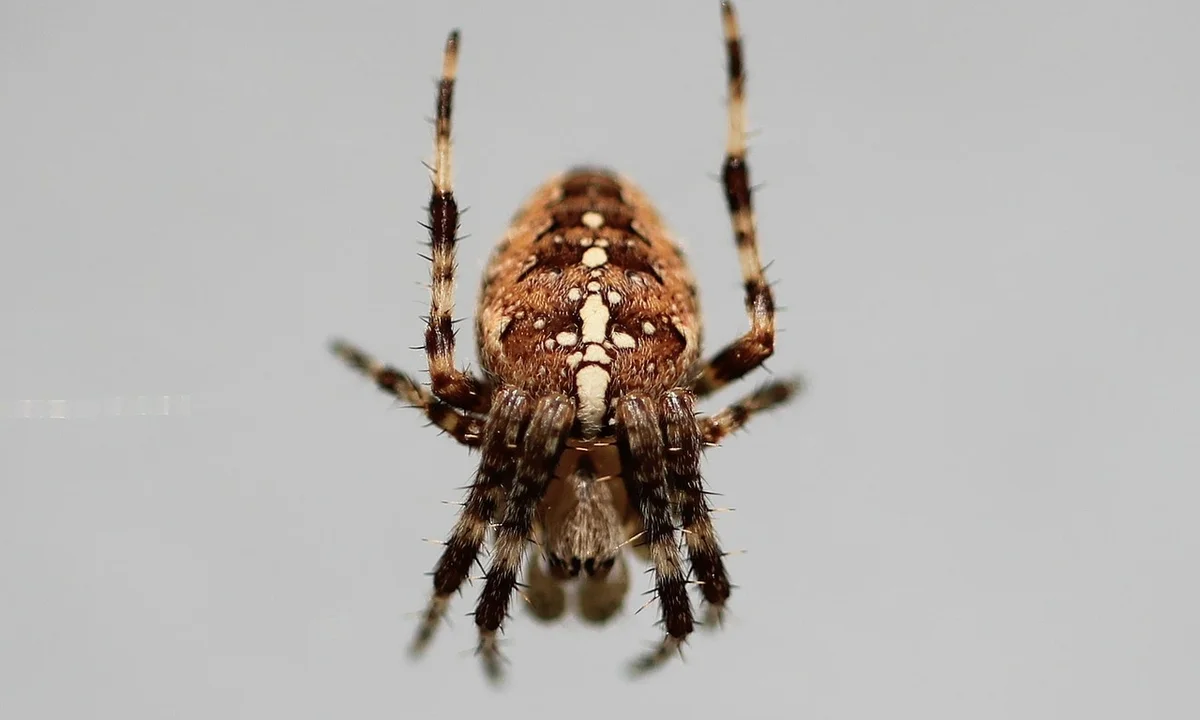
The moment you see your tarantula on its back, your heart might skip a beat. Fight the instinct to rush in. Your immediate goal is to diagnose, not to disturb, and this simple checklist will guide you through that critical process. Learn to read your tarantula’s body language for stress and defensive signs. Recognizing posture and movements can tell you when it’s time to pause and adjust your approach.
- Pause and Observe from a Distance. Do not open the enclosure. Give yourself at least five full minutes of quiet observation from several feet away. Look for any subtle leg movement or abdominal pulsing, which is a sign of life and potentially of molting.
- Assess for Pre-Molt Signs. Mentally review the last few weeks. Was the abdomen dark and shiny? Had your tarantula refused food and sealed its burrow? My old-world tarantula, Flash, always webs his enclosure shut. These are strong indicators this is a planned molt, not a sudden collapse.
- Check the Environment. Scan the enclosure for immediate hazards. Is the heat source malfunctioning? Is the water dish empty? Is there any sign of pesticide or chemical contamination? For species like my T. stirmi, Goliath, critically low humidity can become an emergency.
- Decide to Intervene or Leave Alone. If you saw pre-molt signs and observe gentle movement, leave it absolutely alone. If the enclosure is dangerously dry, hot, or if the tarantula is in a peculiar position with no movement for over an hour, gentle intervention may be needed.
- Monitor and Document. Set a phone reminder to check back in 2-3 hours. Note the time you found it. This documentation helps you understand your tarantula’s molting rhythm and provides vital information if you later need to seek advice.
If It’s Molting: The “Look, Don’t Touch” Protocol
Confirming a molt is happening is your cue for supreme patience. This is a vulnerable, automated process. Your tarantula’s body is running on ancient, pre-programmed instructions; your hands have no place in that equation. Sometimes people wonder how to tell the difference between molting and dying in a tarantula. Patience and careful observation are your best tools.
Absolute Do Nots:
- Do not touch, poke, or lift the tarantula. You can cause fatal paralysis or trap it in its old skin.
- Do not spray water directly on it. Dripping moisture can drown it or shock its system.
- Do not try to “help” it shed by pulling on legs or the carapace.
- Do not offer food. A live cricket will attack and kill a soft, defenseless tarantula.
Essential Dos:
- Ensure gentle, indirect humidity by lightly misting the side of the enclosure opposite the tarantula, or by slightly overfilling the water dish.
- Dim the lights or cover the front of the enclosure with a light towel to reduce stress.
- Mentally note the start time. A typical molt can take from 20 minutes for a sling to several hours for a large adult.
If It’s an Emergency: Calm First Aid Steps
If your assessment points to a crisis-like a severe fall, dehydration, or a toxic hazard-action is needed, but it must be deliberate and quiet. In tarantula first aid, less is almost always more; your primary tool is a reduction of all stressors.
For Dehydration: A dehydrated tarantula may appear shrunken or listless. To tell if your tarantula is dehydrated, look for a sunken abdomen and reduced activity. Using a soft paintbrush or dropper, place a single, small bead of water directly onto its mouthparts (chelicerae). Avoid flooding the area. You may see its fangs move slightly to drink. Repeat this every few hours in a quiet, dim space. For more details, check out the Tarantula dehydration indicators.
For a Suspected Injury: Prepare a simple ICU (Intensive Care Unit). Take a small plastic container with a ventilated lid. Line it with several layers of slightly damp, not wet, paper towel. Gently coax the injured tarantula into this container using a soft brush, avoiding any pressure on the body. Place it in a warm, dark, and quiet location. This padded, humid environment can stabilize a tarantula in shock from a bad fall, like the one my Rosie took from an ill-placed decoration years ago. Setting up a tarantula first aid kit ahead of time makes these steps faster and less stressful during an actual emergency. Keep the kit stocked with a ventilated container, damp towels, a soft brush, and basic first-aid supplies so you’re ready to act.
Post-Event Care: After the Flip
The immediate crisis or molt has passed, but care is still critical. Your actions now set the stage for full recovery or set back progress.
Nurturing a Freshly Molted Tarantula
After successfully molting, your tarantula will lie on its back for a while longer. Its new exoskeleton is like soft, wet paper-maché. Its fangs are initially white and pliable, utterly useless for defense or feeding. Wait until the molt finishes and the exoskeleton hardens before feeding. Once it has hardened and the tarantula is active again, offer a small prey item.
- Leave the old exuviae (molt) in the enclosure for at least 24-48 hours. Your tarantula may move it or even nibble on it for moisture and minerals.
- It will right itself when its legs have hardened enough to bear weight. This can take a few hours to a full day.
- Do not offer food. The rule of thumb is to wait at least one full week after a molt for slings, and 10-14 days for large adults. For my 15-year-old G. rosea, I wait a full two weeks before attempting a meal.
- You may gently refill the water dish with fresh water after it has flipped upright. A shallow dish is safest as their coordination is poor.
Supporting Recovery from a Crisis
Recovery from dehydration or injury is measured in tiny improvements over days or weeks. Your job is to provide the most boring, stress-free environment imaginable so its natural resilience can take over.
- Maintain a shallow water dish and consider keeping the ICU-style damp paper towel substrate for a few days to promote hydration through the vent.
- Make permanent enclosure modifications to prevent a recurrence. Lower fall distances, replace sharp decor with cork bark, and secure any climbing surfaces if the species is terrestrial.
- Consult a veterinarian who specializes in exotic invertebrates only if the tarantula has an open wound, a visibly ruptured abdomen, or shows no improvement after 48 hours of supportive care. While options are limited, a vet can provide safe antibiotics or guidance on sealing minor injuries.
Proactive Husbandry: Preventing Future Crises
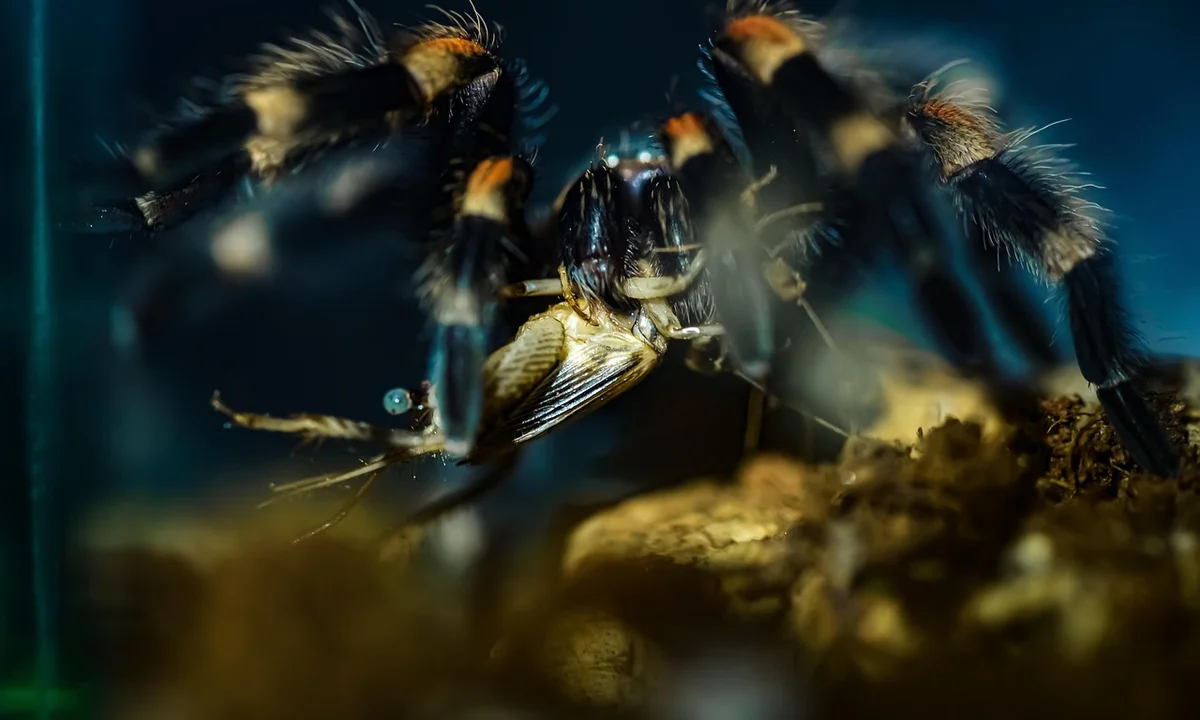
After years of keeping tarantulas, I have learned the most powerful tool is not a syringe or tweezers, but a well-planned enclosure. Proper enclosure setup is the best emergency medicine you can provide, transforming potential crises into quiet, natural processes. The right substrate depth cushions falls and supports burrowing, species-specific humidity ensures hydraulic pressure for a clean molt, and a secure hide reduces stress that can trigger health declines. Equally important is properly ventilating a secure tarantula enclosure—airflow keeps humidity balanced and prevents mold. I use discreet vents and breathable lids that maintain security while promoting healthy air exchange. My dusty pink G. rosea, Rosie, demands bone-dry substrate, while my hulking T. stirmi, Goliath, requires a consistent 70-80% humidity to thrive and molt safely.
Perfecting Substrate and Humidity
The foundation of health lies in what your tarantula walks on. A good substrate retains humidity, resists mold, and allows for natural behaviors. For most species, I use a simple, effective mix. Selecting the best substrate is just the start—maintenance is what keeps the enclosure healthy. Regularly monitor moisture, spot-clean waste, and refresh the substrate as it wears down.
- Primary Mix: Combine coconut fiber (coir) with sterilized peat moss. This duo holds moisture well and provides structure.
- For Moisture-Loving Species: For Goliath, I use a 70:30 blend of coconut fiber and peat, lightly packed to a depth of 6-8 inches. This holds the high humidity he needs without becoming soggy.
- For Arid Species: For Rosie, I use plain, dry coconut fiber. I never moisten it, mimicking her Chilean homeland.
Maintaining humidity is an art of balance. Pour water directly into one corner of the substrate, leaving the rest dry. This creates a moisture gradient and prevents mold. Cross-ventilation is non-negotiable; stagnant air kills far quicker than slightly low humidity. Use a hygrometer placed at substrate level, not stuck to the glass, for an accurate reading.
Creating a Safe and Secure Enclosure
Security equals low stress. A stressed tarantula is more prone to injury and refusal to eat. Every element in the cage must serve a purpose.
Choose a hide that fits your tarantula’s body snugly-a tight squeeze makes them feel safe. For my heavy-webbing OBT, Flash, I provide cork bark and fake leaves as anchor points. His entire world is now a silken fortress, and he rarely shows defensive behavior because he feels secure.
- Prevent Falls: Terrestrial species like Grammostola and Theraphosa are clumsy climbers. Minimize vertical height and avoid slick decor. The distance from the substrate to the lid should be no more than 1.5 times the tarantula’s diagonal leg span to prevent fatal falls.
- Monitoring Tools: A digital thermometer/hygrometer combo is a small investment for huge peace of mind. Check it daily. I keep a simple log for each spider, noting temperature and humidity shifts.
- Bioactive Consideration: Adding clean-up crews like springtails can help manage waste and mold, creating a more stable microenvironment. I use them in Goliath’s humid enclosure with great success.
The silence of a well-set enclosure, broken only by the gentle rustle of a tarantula moving through its domain, is the sound of success. By mastering these fundamentals, you build a world where molting happens on nature’s schedule, not as a frightening emergency.
Common Questions
What should I do if my tarantula is on its back but doesn’t show any signs of molting?
First, stay calm and do not touch or move it. Observe quietly for up to an hour, looking for the slightest leg twitch or abdominal pulse that indicates it is still alive. If there are zero pre-molt signs and no movement, it may be in severe distress from dehydration or injury, requiring a very gentle assessment and possibly setting up an ICU. Do not assume it is dead until you have given it significant quiet observation time.
Is it ever okay to add moisture or move a tarantula that is flipped over?
You should almost never move a flipped tarantula, as this can fatally disrupt a molt. The sole exception is if the animal is in confirmed, immediate danger-like lying directly under a heavy water droplet or on a sticky surface. For moisture, never spray the tarantula; instead, lightly mist the enclosure’s far side or add water to a corner of the substrate to raise ambient humidity without creating a hazard. If you find yourself needing to relocate your tarantula, be sure to do so safely to avoid stressing the creature.
How can I tell the difference between a ‘death curl’ and a molting posture?
A death curl involves the legs drawn tightly and awkwardly underneath the body, often appearing stiff and contracted. A tarantula preparing to molt positions itself with legs spread more evenly and gracefully outward or upward to push against the old exoskeleton. The key difference is rigidity and contraction (death curl) versus a more deliberate, open-legged posture, though context like death curl vs molting signs is your best clue. To tell them apart, consider the context and duration. Death curl is typically abrupt and rigid, whereas pre-molt signs develop gradually as the tarantula prepares to shed its exoskeleton.
My tarantula flipped on the hard glass bottom. Is this an emergency?
It is a serious concern, as a proper molt requires a soft, grippy surface. A tarantula flipping on hard glass is often a sign of distress or a dangerously weak attempt to molt. Do not move it during the process if it has already begun. After the event, if it survives, you must correct the enclosure by adding a deep, appropriate substrate to prevent a future, likely fatal, recurrence.
Can other tarantulas in a communal setup disrupt a molting individual?
Yes, absolutely. Tarantulas are not truly communal, and a molting tarantula is completely defenseless. Any cage mate, even of the same species, will likely attack and consume it. If you observe a tarantula molting in any shared enclosure, you must immediately and very carefully separate the others to a different container to ensure the molting individual’s safety.
Long-Term Success
Through fifteen years with my steadfast Rosie and countless rehousings of faster species, I’ve witnessed one non-negotiable rule. Proper humidity is the lifeline for a safe molt. For spiders like my moisture-dependent Theraphosa stirmi, maintaining a substrate humidity of 80% or higher is critical to prevent a deadly, stuck shed. Even for arid species, a slight, localized moisture gradient offers security. Your diligence here directly supports their most vulnerable moments.
Shift your focus from worry to wonder. Notice the deliberate pace of my Grammostola rosea as she remodels her burrow, or the explosive webbing artistry of my Pterinochilus murinus. These actions are a language of comfort, and your quiet observation is the ultimate act of care. Success in this hobby is measured in patience. It’s found in the satisfaction of a perfect exuviae, left behind in a peaceful enclosure you curated. That silent partnership is the true goal.
Further Reading & Sources
- Tarantula Molting Emergency: What To Do If Your Tarantula Gets Stuck In A Molt
- Tarantula Molting: How To Notice Signs Of Premolt
- How to Tell if Your Tarantula Is Molting
Arlo is a lifelong arachnid enthusiast who believes tarantulas are the world’s most misunderstood roommates. With years of hands-on experience in tarantula care, habitat setup, and species behavior, Arlo combines expert knowledge with a dash of humor to make spider ownership less scary and a lot more fascinating. From choosing the right enclosure to understanding why your eight-legged buddy is doing that weird little pose again, Arlo is here to help you become the best tarantula parent you can be, without getting tangled in the web of misinformation.
Molting Process