
Can You Be Allergic to Tarantulas? Symptoms of Venom and Hair Allergies
Tarantulas are fascinating creatures, but for a subset of keepers, the hidden hazard isn’t fear-it’s an immune system response to their unique defenses. This article cuts through the myths to examine the real, documented risks of allergic reactions to tarantula venom and, more commonly, their urticating hairs. Yes, you can be allergic, and the symptoms range from a mild itch to severe respiratory distress, making awareness a critical part of responsible husbandry.
- Primary Allergens: Urticating hairs (New World species) and venom components.
- Reaction Commonality: Skin and respiratory reactions to hairs are more frequent than systemic reactions to venom.
- Key Prevention: Minimizing exposure through proper enclosure handling and a “look, don’t touch” philosophy.
This guide will equip you with the knowledge to identify symptoms, reduce risks, and respond safely, ensuring a healthy environment for both you and your spider.
Understanding Tarantula Allergens: Venom and Hairs
Tarantulas possess two primary defense mechanisms that can act as allergens: venom injected through fangs and urticating hairs kicked from the abdomen. Knowing the source of the reaction is your first step in managing risk and providing respectful care.
Tarantula Venom: A Potential Allergen
All tarantulas are venomous, but for most species, the venom is akin to a bee sting in potency—uncomfortable, not dangerous. The real concern is an unpredictable allergic response, which can turn a mild bite into a medical event. (Learn more about tarantula venom and its effects).
I’ve been bitten only once, during a reckless rehousing of my P. murinus, Flash. The immediate pain was sharp, like a hot pinprick, followed by throbbing. For me, it ended there. Venom allergies are rare but serious, as the proteins can trigger a systemic immune response in sensitive individuals.
Old World tarantulas like Flash lack urticating hairs and rely more on potent venom. This makes “Look, Don’t Touch” the only sane policy with such species, protecting both you and the spider from stress. For advanced keepers, properly caring for rare tarantula species means researching each species’ specific needs and minimizing handling to reduce stress.
Urticating Hairs: A Common Irritant
New World tarantulas, like my Burgundy Goliath Bird Eater (Theraphosa stirmi), sport a blanket of microscopic barbed hairs on their abdomen. These hairs are a far more common source of irritation than venom, designed to deter mammals. In most encounters, this urticating defense suffices to deter a threat. If provoked further, tarantulas may bite to deliver venom as a secondary defense.
Goliath kicks these hairs with startling accuracy when annoyed, creating a cloud of fine particles. I wear gloves and a mask during his enclosure maintenance, a lesson learned after a faceful of itchiness.
The hairs are not venomous, but their physical structure and irritating proteins make them a persistent nuisance. They represent a brilliant evolutionary adaptation that demands our respect and caution.
How Urticating Hairs Trigger a Reaction
Urticating hairs are marvels of biological engineering. Each hair is covered in backward-facing barbs. Upon contact, these barbs anchor the hair into skin or soft tissue, making removal difficult.
The irritation is both mechanical and chemical. The embedded hair causes ongoing physical abrasion, while proteins on its surface trigger histamine release in your body. This dual assault leads to the intense itching and rash many keepers experience.
If hairs contact eyes or are inhaled, the reaction can be more severe. Always work over a open bag or in a well-ventilated area when cleaning an enclosure from a hair-kicking species.
Recognizing Tarantula Allergy Symptoms
Reactions can range from a minor itch to a life-threatening emergency. Monitoring your body’s response after any exposure is a critical husbandry skill for your own safety.
Mild to Moderate Reaction Signs
These symptoms typically appear within minutes to a few hours after contact with hairs or a bite.
- From Urticating Hairs: A localized rash resembling poison ivy, intense itching (pruritus), red raised welts (hives), and a sensation of fine splinters or grit in the skin.
- From Venom: Immediate sharp pain at the bite site, localized redness and swelling that may spread, warmth, and throbbing.
My first experience with Goliath’s hairs was a week of itchy forearms. Cool compresses and over-the-counter antihistamines are usually sufficient for managing this level of reaction.
Severe and Systemic Symptoms
These signs indicate a more serious allergic response and require immediate medical attention.
- Difficulty breathing, wheezing, or tightness in the chest.
- Significant swelling of the lips, tongue, throat, or around the eyes.
- Dizziness, lightheadedness, or a rapid heartbeat.
- Nausea, vomiting, or abdominal cramping.
- A spreading rash or hives over large areas of the body.
Anaphylaxis is a real, though uncommon, risk with tarantula allergens, just as with bee stings. If you or someone in your household has a history of severe allergies, have an epinephrine auto-injector accessible and inform your doctor about your hobby. Respectful, hands-off care isn’t just for the tarantula’s wellbeing-it’s your best defense against these severe reactions.
How Common Are Tarantula Allergies?
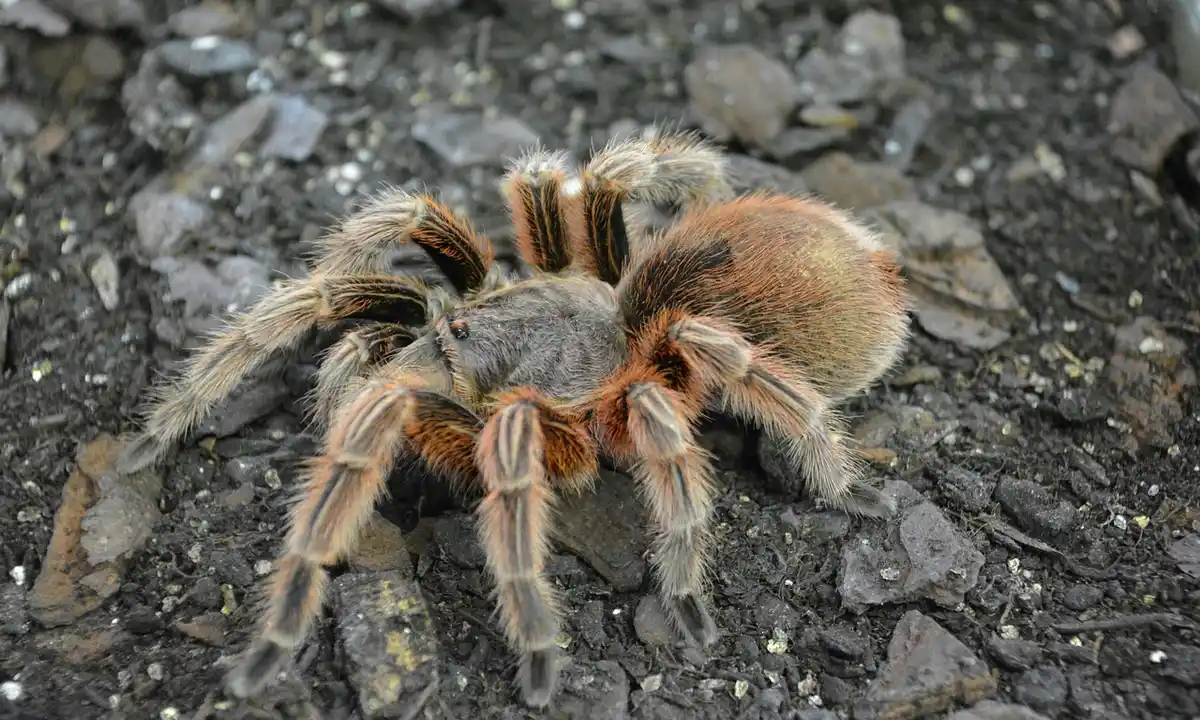
True, systemic allergic reactions to tarantula venom or their hairs are statistically uncommon among keepers. Most adverse reactions are localized skin or respiratory irritation, not a full-blown immune system response. The far more frequent issue is a non-allergic inflammatory reaction to urticating hairs, which can affect anyone regardless of their immune sensitivity. When you ask whether tarantula urticating hairs are dangerous, the real risk is non-allergic irritation from contact with hairs. With proper handling and protective measures, the exposure risk can be greatly minimized.
In my years of breeding and rehousing hundreds of tarantulas, I’ve seen countless cases of hair irritation. I recall cleaning my OBT Flash’s enclosure, moving a heavily webbed cork bark, and getting a sudden, prickling rash on my forearm that lasted for days. This wasn’t an allergy; it was a standard payload from her defensive hairs. This type of predictable irritation is a near-universal experience for long-term keepers of New World species. That raises a practical question: which is more dangerous—urticating hairs or a tarantula bite? For most keepers, the hairs pose the more frequent risk, while bites are rare but can be more acutely harmful if they happen. Documented cases of anaphylaxis are rare and often involve repeated, intense exposure, like a professional breeder being bitten multiple times.
Assessing the Risk: From Itching to Anaphylaxis
The risk spectrum ranges from a minor nuisance to a life-threatening emergency. Understanding where your symptoms fall is critical for safe husbandry. The body’s response is a clear indicator of the severity.
The Reality of Anaphylaxis Risk
Anaphylaxis from a tarantula bite is exceptionally rare but medically possible. The venom contains various proteins that can, in a sensitized individual, trigger a catastrophic whole-body reaction. If you experience symptoms like swelling of the lips or throat, difficulty breathing, dizziness, or a rapid heartbeat after a bite or significant hair exposure, seek emergency medical care immediately. This is not a “wait and see” situation.
My approach is built on prevention. I have never been bitten by my tarantulas because I practice “look, don’t touch” husbandry. For my fast and defensive species like Flash, I use clear deli cups and long tongs during maintenance. Respectful, hands-off management is the single most effective way to reduce the already low risk of a severe allergic reaction to near zero.
Comparing Tarantula Allergies to Other Pets
Context helps. Allergies to cats and dogs are caused by proteins in their dander, saliva, and urine, affecting a significant portion of the population. These allergens are airborne and pervasive in a home. Tarantula “allergens” are different.
- Exposure Mechanism: Cat dander is constantly shed. Tarantula urticating hairs or venom require direct contact or a bite; they are not passively airborne under normal conditions.
- Reaction Type: A reaction to tarantula hairs is often a mechanical and chemical irritation, not always a true IgE-mediated allergy. Pet dander allergies are typically genuine immune responses.
- Management: You cannot remove all cat dander from your environment. You can absolutely manage tarantula exposure by wearing gloves, using a mask during cage cleaning, and washing your hands and arms thoroughly afterward.
For most people, living with a tarantula poses a far lower allergenic risk than living with a furry mammal, provided you employ simple, sensible handling protocols. The risk is not in the animal’s existence, but in how you interact with its space. In a realistic risk assessment, bites or envenomation are rare and usually linked to stress or mishandling. The safest approach emphasizes informed species selection, secure enclosures, and cautious, minimal handling.
Getting a Diagnosis: Can You Test for a Tarantula Allergy?
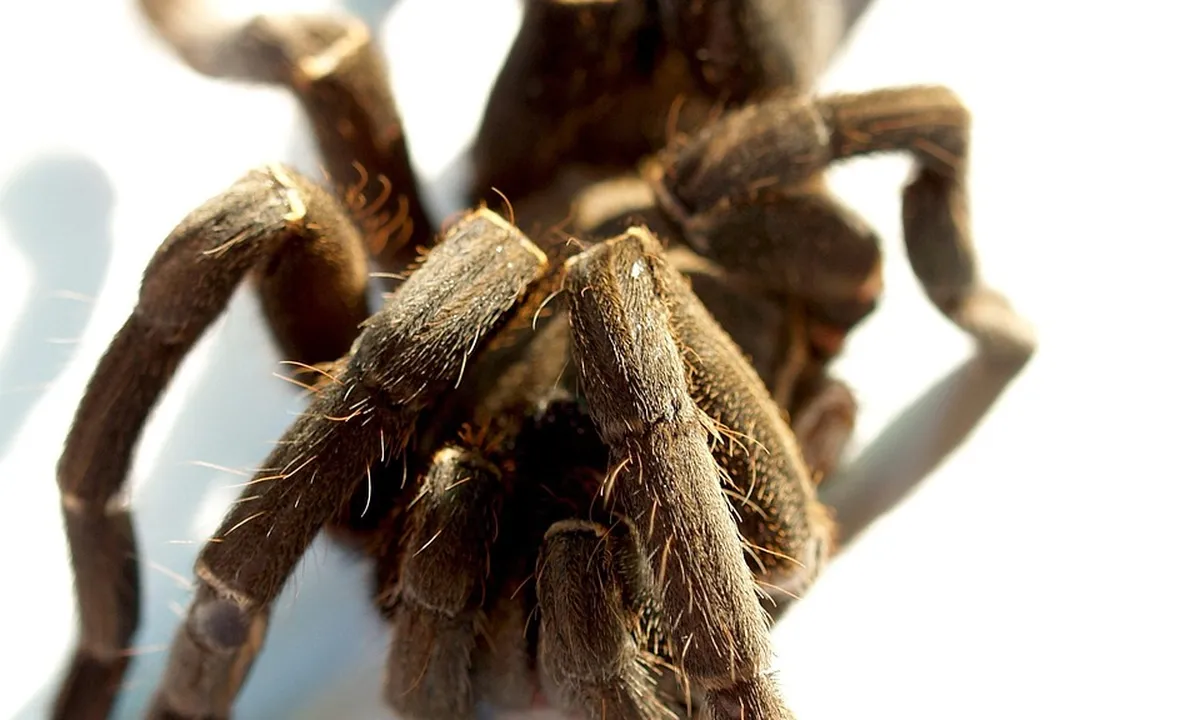
If you suspect you react to your tarantula, the first step is a formal medical opinion. Allergists can perform skin prick tests or specific IgE blood tests to identify reactions to insect venom or airborne particulates, which may include tarantula-derived allergens. Testing for urticating hair sensitivity is less standardized, but describing your symptoms in detail helps guide the process. Understanding common tarantula health problems can also help you prevent issues for your spider, such as shedding difficulties or infections. Regular husbandry checks support both your safety and the tarantula’s well-being.
I learned this through experience after Goliath, my Theraphosa stirmi, redecorated his enclosure and filled the air with his barbed hairs. The resulting itchy rash on my arms was a clear signal. While not a substitute for a doctor, a careful log of your symptoms-like noting if reactions happen only during cage cleaning-provides crucial clues for diagnosis.
Key points to discuss with your allergist:
- Reaction timing: Immediate (venom) or delayed (hairs).
- Exposure method: Direct bite, airborne hairs, or contact with contaminated surfaces.
- Specific tarantula species involved, as allergens can vary.
A confirmed allergy does not necessarily mean you must leave the hobby, but it demands a smarter, more cautious approach to care.
Managing Life with a Tarantula Allergy
Living with a tarantula allergy transforms husbandry from routine to a deliberate protocol. The core principle shifts to minimizing any chance of allergen contact through environment control, species choice, and having a medical backup plan.
Prevention-First Husbandry
This strategy is about creating barriers between you and the allergens. For my defensive OBT, Flash, and my hair-flicking Goliath, I treat their enclosures with the same caution as a bioactive laboratory.
Essential prevention steps:
- Perform all maintenance in a well-ventilated area or wear a NIOSH-approved N95 mask to filter airborne hairs.
- Use long tongs and wear nitrile gloves when moving decor or feeding. Wash hands and arms immediately after.
- House tarantulas in enclosures with front-opening doors to avoid reaching over the top, disturbing hairs.
- Dedicate a separate space for your tarantulas, not in bedrooms, and use a HEPA air purifier nearby.
The “Look, Don’t Touch” ethic is your strongest ally, reducing stress for the animal and risk for you. I never handle my tarantulas, not even docile Rosie; this practice eliminated unexpected exposures years ago.
Choosing a Suitable Tarantula Species
If you have an allergy or heightened sensitivity, your choice of species is a critical risk management decision. Generally, New World tarantulas from the Americas possess urticating hairs but often have milder venom, while Old World species lack urticating hairs but frequently have more potent venom and defensive attitudes. This difference helps explain why Old World tarantulas are more dangerous than New World species.
Based on my collection, consider these comparisons:
- For hair allergies: Avoid heavy kickers like the Goliath group (Theraphosa) or some Brachypelma. My Grammostola rosea (Rosie) is a better option; she is a “pet rock” that rarely flicks hairs.
- For venom concerns: Steer clear of defensive, fast Old Worlds like the OBT (P. murinus). New World species like Aphonopelma or Grammostola are typically more placid.
- Research is key: Some species, like Caribena versicolor, are arboreal and may shed fewer hairs at ground level, potentially reducing airborne exposure.
Always prioritize the animal’s natural behaviors over aesthetics; a beautiful but defensive tarantula is a poor choice for an allergic keeper.
Medical Management and Treatment
Despite best efforts, exposure can happen. A clear response plan is non-negotiable. For mild reactions like localized itching or hives from hairs, over-the-counter oral antihistamines and corticosteroid creams can provide relief, but consult your doctor first.
For any systemic symptoms-difficulty breathing, swelling of the face or throat, dizziness following a bite-seek emergency medical care immediately. These can indicate anaphylaxis.
My practical medical kit includes:
- Antihistamines (e.g., cetirizine) approved by my physician.
- Hydrocortisone cream for skin reactions.
- A dedicated first aid guide posted near my tarantula room, with emergency contacts.
Discuss carrying an epinephrine auto-injector with your allergist if you have a severe diagnosed allergy; the speed of a bite from a species like an OBT leaves no room for delay. Your safety and the animal’s welfare are intertwined, managed through respect and preparation.
FAQs
What should I do immediately if I get a rash from urticating hairs?
First, gently wash the affected area with cool water and soap to remove any loose hairs. Avoid rubbing, as this can push hairs deeper into the skin. Over-the-counter oral antihistamines and hydrocortisone cream can help manage itching and inflammation. If symptoms are severe, affect your eyes, or you have trouble breathing, seek medical attention immediately.
Can I develop an allergy to my tarantula over time?
Yes, it is possible to develop a sensitivity with repeated exposure. Your immune system can become sensitized to the proteins in the urticating hairs or venom after multiple contacts. This is why a reaction that starts as mild itching can potentially become more severe with subsequent exposures. Practicing consistent preventative husbandry from the start is the best way to minimize this risk.
Is it safe for someone with other allergies (e.g., to bees or dust) to own a tarantula?
Having other allergies does not automatically mean you will be allergic to tarantulas, as the allergens are different. However, individuals with a general tendency for atopy (allergies) or a known severe insect venom allergy should exercise extra caution. It is highly advisable to consult with an allergist before getting a tarantula if you have a history of significant allergic reactions.
How can I safely clean an enclosure to avoid hair exposure?
Always clean in a well-ventilated area or wear a NIOSH-approved N95 mask to prevent inhaling hairs. Wear long sleeves and nitrile gloves, and use long tongs to manipulate décor. Consider performing maintenance over a large, open garbage bag to catch falling debris. Wash your hands and arms thoroughly immediately after finishing the task.
Are there any “hypoallergenic” tarantula species?
No tarantula species is truly hypoallergenic, as all possess potential allergens. However, some species pose a lower practical risk. For example, a slow-moving, docile New World species like a Grammostola rosea is less likely to flick hairs or bite compared to a defensive Old World species. The key is choosing a calm species and committing to a strict “no-handling” policy. To reliably identify the species and tailor care, consult a tarantula species identification and care guide. Such a guide helps you match enclosure setup, humidity, and feeding to the specific needs of each species.
Living With Sensitivity
The single most important practice for a sensitive keeper is mastering low-disturbance maintenance.Wear gloves and a mask during deep cleans, use long tongs for all tasks, and design enclosures that minimize the need for you to reach inside.
This approach transforms a potential health concern into an opportunity for deeper observation. You learn to appreciate the intricate engineering of a tunnel, the deliberate pace of a hunt, and the silent industry of webbing without a need for direct contact. My Burgundy Goliath, a prolific hair-kicker, taught me more about respectful space through a pane of glass than any handling session ever could. Patience and a well-planned habitat are the true foundations of a lasting, safe partnership with these remarkable animals.
Further Reading & Sources
- Tarantula spider bite Information | Mount Sinai – New York
- Urticating hair – Wikipedia
- Tarantula Spider Toxicity – StatPearls – NCBI Bookshelf
Arlo is a lifelong arachnid enthusiast who believes tarantulas are the world’s most misunderstood roommates. With years of hands-on experience in tarantula care, habitat setup, and species behavior, Arlo combines expert knowledge with a dash of humor to make spider ownership less scary and a lot more fascinating. From choosing the right enclosure to understanding why your eight-legged buddy is doing that weird little pose again, Arlo is here to help you become the best tarantula parent you can be, without getting tangled in the web of misinformation.
Common Diseases