
What Are Common Tarantula Enclosure Setup Mistakes to Avoid?
The difference between a thriving tarantula and a stressed one often lies in the silent, still details of its enclosure-a world we build but rarely fully inhabit. From my years with a moody Grammostola rosea to a humidity-loving Theraphosa stirmi, I’ve learned that setup errors are rarely dramatic, but their cumulative effect on spider welfare is profound. This article dissects those frequent, quiet mistakes so you can create a space of security and natural rhythm.
Quick Stats:
- Universal Pitfall: Incorrect humidity levels for the species
- Structural Flaw: Inadequate or improper substrate depth
- Safety Hazard: Excessive fall height and sharp decor
- Behavioral Block: Lack of species-appropriate anchor points for webbing or burrowing
My goal is to translate hard-won experience from rehousings and close calls into clear steps that help you sidestep these common errors from your spiderling’s first home to its final adult enclosure.
Mistake 1: Choosing the Wrong Enclosure Size and Compromising Security
An enclosure that is too large or too small creates problems. For terrestrial species like my Grammostola rosea Rosie, height is the enemy. A fall of more than 1.5 times their leg span can rupture their abdomen. Her home is wide, not tall. For my arboreal Psalmopoeus murinus Flash, vertical space with cork bark to climb is non-negotiable.
Select dimensions based on your tarantula’s life stage and lifestyle. Slings thrive in small deli cups or condiment containers, which make finding food and water easy. An adult terrestrial needs a floor space about three times its diagonal leg span. An adult arboreal needs height to build its silken tube web.
Selecting by Species & Life Stage
- Terrestrial Adults (e.g., G. rosea, T. stirmi): Prioritize floor space. A standard 10-gallon tank turned on its side is perfect. Depth for substrate is critical.
- Arboreal Adults (e.g., P. murinus, Avicularia spp.): Prioritize height. A tall Exo-Terra or converted acrylic display case works well. Provide anchor points for webbing.
- Spiderlings (All Types): Start small. A 16-oz deli cup with ventilation holes is ideal. Upgrade only when they have outgrown the space, typically after several molts.
The danger of an oversized enclosure for a small tarantula is not just getting lost-it’s stress-induced fasting and an inability to micro-manage humidity. Knowing how much space you need for a tarantula enclosure is crucial to avoid these issues. My young Goliath once refused food for weeks in a too-large tub; moving him to a smaller, appropriately humid space solved the problem immediately.
The Non-Negotiables of Security
Lid design is paramount. Heavy glass lids can shatter. Flimsy screen mesh can snag tarsal claws, leading to lost legs. I use and recommend acrylic lids with secure clasps or well-ventilated sliding lids for glass tanks.
- Check for Gaps: Run your finger around the entire lid seam. If you feel a draft, a determined tarantula can exploit it. Use aquarium-grade silicone to seal small gaps.
- Ventilation vs. Security: Cross-ventilation is vital for airflow, but holes must be smaller than the tarantula’s carapace. For arboreal species, add ventilation on the upper sides and the lid.
- Escape Stories: I learned the hard way with Flash, my OBT. A latched lid seemed secure, but the acrylic had flexed, creating a tiny gap. I found her on the outside of the enclosure, motionless on the bookshelf. A heart-stopping moment that ended with a careful cup-and-paperboard recapture. Never underestimate their patience and strength.
Mistake 2: Using Improper Substrate Type, Depth, and Moisture
Substrate is not just flooring. It’s the foundation of humidity, a medium for burrowing, and a barrier against injury. The wrong choice can lead to mold outbreaks, collapsed burrows, or deadly condensation.
For most species, a moisture-retentive yet well-structured substrate is the goal. I use a blend of 70% coconut fiber (coir) and 30% peat-free potting soil or reptile-safe topsoil. The coir holds humidity well, while the soil adds structure to prevent collapsing in burrowing species.
Substrate Comparison: What Works and Why
| Material | Best For | Cautions |
|---|---|---|
| Coconut Fiber (Coir) | Most species. Excellent moisture retention, mold-resistant, soft for burrowing. | Can be dusty when dry. Must be packed firmly for burrow stability. |
| Peat Moss | Moisture-dependent species like Theraphosa. Holds humidity very well. | Can become overly soggy and acidic. Sourcing can raise environmental concerns. |
| Vermiculite | Mixing into blends for sling enclosures to boost localized humidity. | Never use alone. It is slippery, indigestible, and poses a fatal impaction risk if ingested during prey strike. |
| Sand or Gravel | Not recommended for primary substrate. | Abrades the exoskeleton, holds no humidity, and offers no burrowing support. |
Depth and Burrow Engineering
For a dedicated burrower like a juvenile T. stirmi, substrate depth is everything. I provide a minimum depth equal to their diagonal leg span. My Goliath’s enclosure has nearly 10 inches of packed, slightly damp substrate on one end. He has engineered a complex, reinforced burrow that he maintains himself. A shallow layer denies them their fundamental natural behavior and increases stress.
For terrestrial non-burrowers or arid species like Rosie, 3-5 inches is sufficient to allow for natural digging behaviors and to cushion any falls.
Managing Moisture: The Art of Damp, Not Wet
Overwatering is a silent killer. Soggy substrate breeds bacteria and mites, and condensation on the walls can drip onto a tarantula, potentially causing fatal fungal infections.
- Technique: Pour water directly into a corner of the substrate, creating a moisture gradient. The rest of the enclosure stays dry.
- Check Method: Squeeze a handful of substrate. It should hold together briefly without dripping water. That is the perfect dampness for humid species.
- For Arid Species: Keep the substrate bone dry. Provide all hydration through a clean, shallow water dish. The myth that they “don’t need water” is dangerously false.
Compacted, cement-like substrate prevents burrowing and gas exchange. If your substrate forms a hard crust, it’s time to gently break it up or replace it. A bioactive cleanup crew of springtails helps prevent mold, but they cannot fix fundamentally poor substrate management.
Mistake 3: Neglecting Ventilation and Humidity Balance
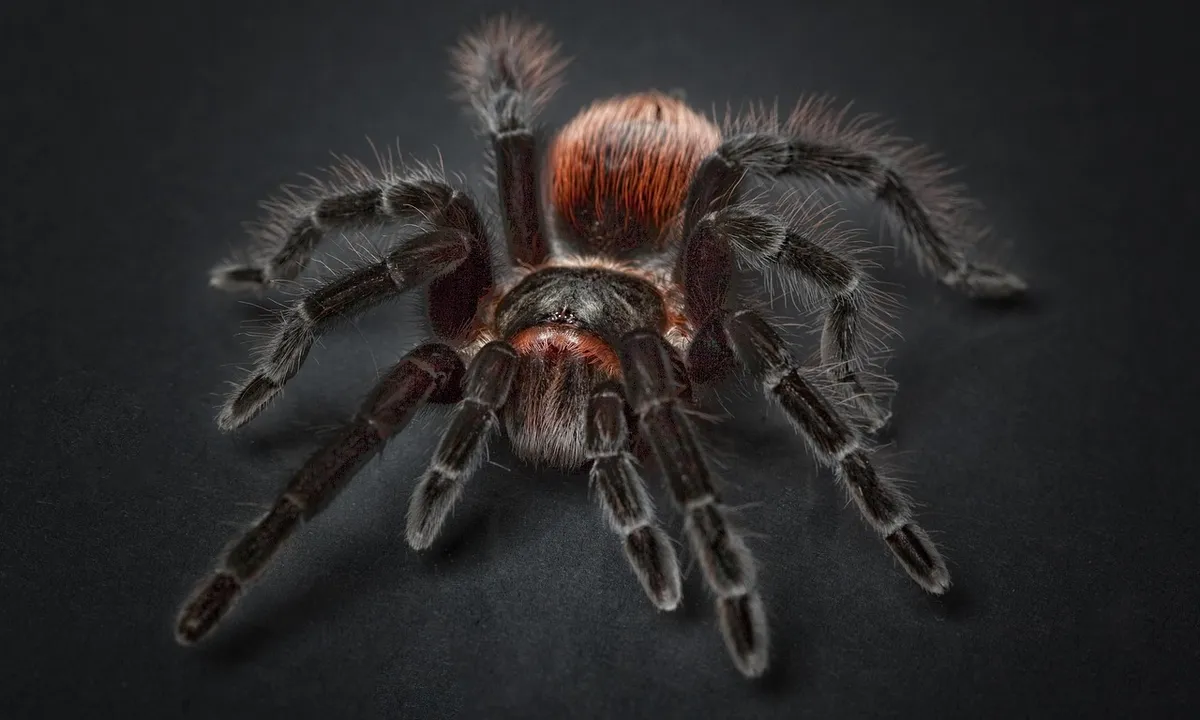
Imagine the silent humidity of a tarantula enclosure, where air must move but not rush. Stagnant air cultivates mold and bacteria, while a direct draft can desiccate and stress your spider, making balanced ventilation non-negotiable.
Engineering Gentle Airflow
Cross-ventilation is your best tool. I use enclosures with ventilation panels on opposing sides, not just a mesh lid. For my OBT Flash, his Pterinochilus murinus webbing would trap stale moisture without these side vents. A successful setup allows fresh air to exchange without creating a wind tunnel across your tarantula’s body.
Drill small holes in acrylic or use commercially made terrariums with built-in vent strips. The goal is to hear silence, not feel moving air, when you hold your hand near the vents.
Dialing in Species-Specific Moisture
Humidity is not one setting. It is a precise parameter that changes with the tarantula’s origin. Here are the ranges I maintain for my pets, verified by digital hygrometers.
| Tarantula | Species | Humidity Range | My Method |
|---|---|---|---|
| Rosie | Grammostola rosea | 40-50% | Water dish only; misting causes her to retreat. |
| Goliath | Theraphosa stirmi | 75-85% | Deep, damp substrate and weekly overflow of the water dish. |
| Flash | Pterinochilus murinus | 60-70% | Light misting on his funnel web, never the substrate directly. |
Always place your hygrometer at substrate level in the enclosure’s center for an accurate reading. Wall-mounted units are often wrong.
A Step-by-Step Guide to Misting
Misting is an art of minimalism. Overdoing it drowns microfauna and promotes fungal blooms. Follow this routine.
- Select a spray bottle that produces a fine mist, not a stream.
- Lift the enclosure lid calmly to avoid startling your tarantula.
- Direct the mist toward one corner of the substrate or the enclosure walls. Avoid spraying the tarantula or its main hide.
- Stop when the surface glistens with tiny beads. You should see no pooling water.
- Allow the top layer to dry noticeably before misting again. This cycle prevents mites.
For moisture-dependent species, I often pour water directly into a corner of the substrate, letting capillary action distribute it deeply. This maintains humidity without wetting the tarantula’s hide. This approach also helps create a proper substrate moisture gradient for your tarantula, with a moister area and a drier zone. It lets the spider settle in the microclimate it prefers.
Mistake 4: Providing Insufficient Hides or Unsafe Decor
A tarantula assesses its world for threat and refuge. Bare enclosures force a state of alertness. Multiple hides replicate the natural choice of burrows and offer critical psychological security.
Why One Hide is Not Enough
I offer at least two hide options per enclosure. My Burgundy Goliath uses a large cork flat as a starter burrow but has a second, smaller hide near his water dish. Observing your tarantula select its preferred shelter is a direct insight into its comfort level.
Even my docile Rosie, a G. rosea, has a hollow log she occasionally uses after months of ignoring it. Its mere presence reduces her wandering stress.
Safe Decor Materials Checklist
Every item must be inert, smooth, and easy to clean. This is my trusted list from years of breeding.
- Cork bark rounds or flats (bake at 200°F for 30 minutes to sterilize).
- Smooth PVC pipe segments with filed edges.
- Coconut husk hides soaked in boiling water.
- Sterilized driftwood (soak for a week, then bake).
- Ceramic plant pots or hides with sanded rims.
- Artificial silk or plastic plants marked for reptile use.
Before introduction, run your fingers over every surface; if it feels rough to you, it is hazardous to your tarantula’s delicate exoskeleton.
Hazards to Remove Immediately
I once used a beautifully glazed ceramic hide that, after a heating lamp test, released a faint chemical smell. I removed it instantly. Avoid these common dangers.
- Sharp-edged rocks, crystals, or decor.
- Painted, varnished, or pressure-treated wood.
- Metal objects that may rust or corrode.
- Adhesives like tapes or sticky anchors.
- Live plants from non-organic nurseries (pesticide risk).
- Decor with small holes where a tarantula could get stuck.
The enclosure is their entire universe; every element must prioritize safety over human aesthetics. A stressed tarantula is more likely to flick urticating hairs or refuse food.
Mistake 5: Incorrect Water Dish and Heating Setup
A silent water dish and consistent warmth seem simple. Getting them wrong creates two of the most common risks in our hobby, from dehydration to severe burns.
The Vital Water Dish: More Than a Puddle
I treat every water dish as critical life support. My elderly Chilean Rose Hair, Rosie, taught me this. During one of her legendary fasts, I watched her spend hours at her dish, not drinking but pressing her mouthparts against the damp edges. She was absorbing trace moisture, a vital behavior we miss if we offer only a bottle cap.
Choose a dish with these traits:
- Shallow and wide, like a ceramic pet food saucer.
- The dish must be no deeper than the tarantula’s leg span to prevent drowning.
- Heavy enough that an enthusiastic digger like my Goliath won’t flip it.
Place it in a corner, not the center. This protects it from falling substrate and gives the tarantula a stable wall to brace against. Clean and refill with dechlorinated water weekly, or immediately if substrate or bolus is dropped in. A grimy dish breeds bacteria. If you notice a sour odor, mold, or dirty substrate, those are clear signs the enclosure needs cleaning. Regular checks help keep your tarantula healthy.
Heating: The Invisible Danger
Here is my firmest rule: never use an under-tank heat mat designed for reptiles. A tarantula’s instinct is to burrow away from light and heat to find cool, damp earth. Placing a heat mat underneath forces them to dig toward a dangerous heat source to escape it, leading to fatal dehydration or burns.
I learned this the hard way years ago with a young, fast species. The heat mat created a desperate, stressed animal that never settled. Tarantulas are excellent at retaining heat but terrible at shedding it; an external hot spot can cook them from the inside. These problems often stem from common heating and humidity mistakes. Getting heat right also means balancing humidity for a healthy tarantula.
Safe heating focuses on warming the air, not the ground.
- Room-Level Heating: The best method. Use a small space heater with a thermostat to gently raise the temperature of the entire room to 70-78°F (21-26°C).
- If You Must Use a Mat: Attach it to the side of the enclosure, never the bottom. Place it on the upper third of one side wall. This creates a mild temperature gradient, allowing the tarantula to move vertically to find its comfort zone.
- Always Use a Thermostat: Plug any heating device into a reliable thermostat with a probe placed at the level of the tarantula’s habitat. This prevents runaway heating.
Feel the enclosure with your hand. There should be no noticeably warm spots. Consistent, ambient warmth is the goal.
Mistake 6: Poor Enclosure Placement and Environmental Control
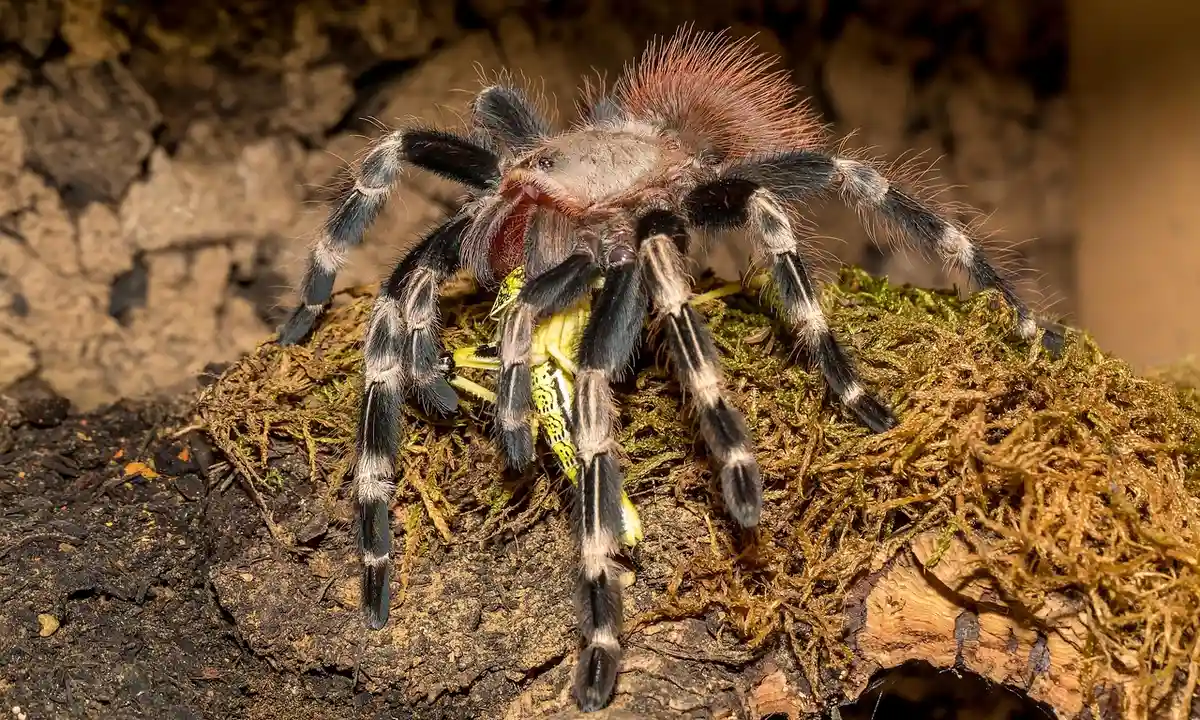
You’ve built the perfect micro-habitat. Now, where does it live in your macro-habitat? Placement is environmental husbandry. A quiet shelf is a sanctuary; a busy windowsill is a stress chamber.
The Quiet Zone: Reducing Vibration and Stress
Tarantulas “hear” through specialized leg hairs that detect minute vibrations. Placing an enclosure on a speaker, near a slamming door, or in a high-traffic hallway subjects them to a constant, confusing earthquake. This vibrational noise can trigger defensive postures, refusal to eat, and a constant state of alert that shortens lifespans.
My defensive OBT, Flash, would immediately threat-posture if his shelf was bumped. I moved him to a sturdy bookcase against an interior wall, away from daily commotion. His reclusive webbing became more elaborate, a sign of settled confidence. Find a low-traffic area where the enclosure won’t be bumped or jostled.
Light, Air, and Hidden Toxins
Direct sunlight is a silent killer. It can overheat a small acrylic or glass tank in minutes, creating an oven. Even indirect, bright light can stress a nocturnal animal. Use room ambient light only.
Drafts from air vents, fans, or leaky windows cause rapid humidity and temperature swings. My moisture-loving T. stirmi, Goliath, would retreat to his burrow and fast if a draft dried out his substrate surface. Stable conditions are non-negotiable.
Household chemicals pose a hidden threat. Never use glass cleaners, aerosols, or scented plugins near enclosures. Tarantulas book breathe through book lungs; airborne irritants can suffocate them. When cleaning the room, cover the enclosure’s ventilation with a towel and remove it only after the air has cleared.
Your tarantula’s world is the 20-gallon tank or 10x10x10 cube you provide; every element outside that box must be managed to keep the inside stable and secure. A calm corner, stable temperatures, and clean air are the final, critical layers of proper care. Are there ideal temperature and humidity ranges for a tarantula enclosure? They vary by species, so tailoring the environment to your tarantula’s needs helps maintain stability inside.
Mistake 7: Overlooking Feeding and Maintenance Protocols
Your tarantula’s health hinges on routines established after the enclosure is built. Ignoring these protocols is like setting a beautiful table but never serving a meal—it undermines the entire setup. Following these routines helps prevent common tarantula health problems, like dehydration and improper molts. My old Chilean Rose Hair, Rosie, taught me patience with her legendary fasts, while Goliath’s humidity demands keep me vigilant.
Establishing a Flexible Feeding Schedule
Tarantulas are intermittent feeders by nature. Rigid weekly feedings can overfeed a slow-metabolism species like Grammostola rosea, risking a fatal rupture during its next molt. Conversely, fast-growing juveniles like my P. murinus ‘Flash’ need regular meals to support their rapid development. Use this baseline, then observe and adjust. Tailor the feeding schedule to fit the specific needs of your tarantula.
- Spiderlings (Slings): Offer pre-killed prey (e.g., pinhead cricket) twice weekly. Their small size means they process food quickly.
- Juveniles: One appropriately-sized live insect (cricket, roach nymph) every 5 to 10 days suits most species.
- Adults: Feeding intervals stretch to 10, 14, or even 30+ days. My adult G. rosea may eat only four times a year.
Watch the abdomen. A plump, rounded abdomen means you can skip the next feeding; a shriveled one signals hunger. This visual cue is more reliable than any calendar.
The Non-Negotiable: Removing Uneaten Prey
A live cricket left overnight is a potential predator. During the vulnerable molting process, even a small insect can inflict fatal damage on a soft, defenseless tarantula. I remove any uneaten prey within 12 hours using long, soft-tipped tweezers.
This practice is core to the “Look, Don’t Touch” ethic. Your observation during feeding tells you more about your pet’s health than any hands-on check could. Flash’s famous speed means I watch his strikes from a respectful distance, learning his patterns without causing stress.
Your Maintenance Checklist: Mold, Water, and Substrate
Consistent, minor upkeep prevents major crises. A simple weekly ritual of looking, smelling, and lightly tending the enclosure will catch problems early. Here is my routine, born from past mistakes like missing a mold outbreak.
- Water Dish Duty: Dump, rinse, and refill with dechlorinated water every two to three days. For high-humidity species like T. stirmi, I check daily.
- Mold Inspection: Scan substrate surfaces and decor for fuzzy white or green patches. In humid enclosures (75-85% RH), this is a weekly must. Remove moldy substrate immediately.
- Substrate Management: Spot-clean boluses (inedible prey parts) and waste. Partially refresh substrate every 6-12 months; in bioactive tanks, ensure cleanup crews like springtails are thriving.
- Security and Stress Audit: Verify lid security, anchor heavy decor, and look for signs of distress like excessive webbing over the entrance or bald spots from urticating hair kicking.
The silence of an enclosure before maintenance is often broken by the sudden, precise strike of a tarantula defending its space. Respecting this space through diligent care is the hallmark of a responsible keeper. I once lost a cricket in Goliath’s tank; finding it weeks later reminded me that even small oversights have consequences.
What People Ask
Is a secure lid really that important, or is it just for very active species?
Yes, a secure, well-fitting lid is critical for all tarantulas without exception. They are surprisingly strong and can exploit even tiny gaps you might not notice. A proper lid prevents escapes, which can lead to a lost pet, fatal falls, or dangerous encounters in your home.
How can I make sure my tarantula’s water dish is safe and won’t lead to drowning?
Use a shallow, wide dish like a ceramic pet food saucer where the water depth is less than the tarantula’s leg span. Ensure the dish is heavy enough not to tip over and place it in a corner to provide a stable wall for bracing. Always clean and refill it with dechlorinated water regularly to prevent bacterial growth.
Why are under-tank heat mats considered dangerous for tarantulas?
Tarantulas naturally burrow to escape heat and find cooler, moist substrate. A heat mat underneath forces them to dig toward the dangerous heat source to avoid it, risking severe dehydration or fatal burns. Safe heating involves warming the ambient room air or, if necessary, placing a thermostat-controlled heat mat on the side of the enclosure to create a gentle gradient.
How do I know if I’m overfeeding or underfeeding my tarantula?
The best indicator is the size of your tarantula’s abdomen. A plump, rounded abdomen means you can safely skip the next scheduled feeding, while a small, shriveled abdomen indicates hunger. Feeding schedules vary vastly by species and life stage, so observing your tarantula’s physique is more reliable than a strict calendar.
What’s the right way to mist my tarantula’s enclosure without making everything soggy?
Use a fine-mist spray bottle and direct water onto the enclosure walls or one corner of the substrate, avoiding the tarantula and its main hide directly. Stop misting once you see tiny beads of moisture; you should never see pooled water. Allow the top layer to dry out between misting sessions to prevent mold and mites.
Why is it so crucial to remove uneaten prey insects from the enclosure?
Live prey can stress or even injure your tarantula, especially when it is vulnerable during a molt. Crickets, in particular, can bite a soft, newly molted tarantula, causing serious harm or death. To minimize risk, many keepers use pre-killed prey or carefully controlled live prey. This guide compares live prey vs pre-killed feeding methods to help you choose the best approach for your tarantula. Always remove any uneaten prey within 12 hours using long tweezers to maintain a safe environment.
The Final Molt: Cultivating Your Arachnid Observation Post
Reflecting on my two decades in this hobby, from the dusty stillness of Rosie’s enclosure to the humid, earthy breath of Goliath’s domain, a single truth emerges. The most critical parameter to master is species-specific humidity, as getting it wrong leads directly to fatal dehydration or suffocating mold, and this requirement is non-negotiable. Your Burgundy Goliath needs that damp substrate to breathe properly, while your Chilean Rose will thrive in bone-dry conditions. This is the cornerstone upon which all other husbandry rests.
With the environment secured, shift your focus from keeper to witness. Enjoy the industrious chaos as your OBT weaves a labyrinthine fortress, or the quiet satisfaction of seeing a burrower finally approve of the substrate depth you provided. The greatest skill you can develop is patient observation, allowing you to detect subtle changes in behavior that signal health, hunger, or an impending molt long before any crisis occurs. I’ve spent countless hours simply watching the iridescent sheen on Flash’s carapace catch the light, a practice that has taught me more than any textbook. This hobby rewards the calm and the curious. Provide the right foundation, then let the animal live. Your role is to ensure its world is stable, safe, and respected.
Further Reading & Sources
- Everything You Need To Make A Great Tarantula Enclosure (Tarantula Starter Kit)
- New Tarantula Keeper Guide – The Tarantula Collective
- Top 10 Common Mistakes in the Tarantula Hobby (and How to Avoid Them) – The Bio Dude
Arlo is a lifelong arachnid enthusiast who believes tarantulas are the world’s most misunderstood roommates. With years of hands-on experience in tarantula care, habitat setup, and species behavior, Arlo combines expert knowledge with a dash of humor to make spider ownership less scary and a lot more fascinating. From choosing the right enclosure to understanding why your eight-legged buddy is doing that weird little pose again, Arlo is here to help you become the best tarantula parent you can be, without getting tangled in the web of misinformation.
Enclosures and Sizes