
What Are the Best Pet Tarantula Species for Handling and Why?
The idea of handling a tarantula is often more appealing to the keeper than the spider, but a handful of species have biological and behavioral traits that make them remarkably tolerant of brief, careful interaction. This article cuts through the hype to identify those species based on years of breeding and observation, explaining the ‘why’ behind their suitability while firmly rooting the practice in safety and respect for the animal. If you are considering handling, your search should begin with New World, terrestrial species known for docility, not speed or potent venom.
Quick Stats: Profile of a Handleable Tarantula
- Origin: Almost exclusively the New World (the Americas)
- Type: Terrestrial or fossorial (burrowing); arboreal species are too fast and fragile
- Growth Rate: Typically slow, leading to predictable, settled adult behaviors
- Defensive Posture: More likely to retreat or freeze than to flick hairs or bite
Using lessons from my own collection, like the immovable patience of my G. rosea, this guide will help you select a species and understand the critical husbandry that keeps them healthy enough to even consider such contact.
The Reality of Tarantula Handling: A Respectful Approach
In modern arachnoculture, a predominant and ethical stance is “look, don’t touch.” This philosophy respects the tarantula as a fascinating display animal whose welfare trumps our desire for physical contact.
Handling is a privilege your tarantula may grant, not a requirement of care. Forcing interaction can cause severe stress, triggering hunger strikes or frantic escapes that risk injury.
My own experience cemented this view. Watching my Grammostola rosea, Rosie, for fifteen years has been a masterclass in patience. Her months-long fasting periods and deliberate movements are behaviors I’d have missed if I were focused on handling.
For keepers who still wish to interact, this guide highlights species with noted tolerance. Any handling must be brief, calm, and done with the animal’s comfort as the top priority.
What Makes a Tarantula Species Suitable for Handling?
Not all tarantulas are created equal when it comes to tolerance. A combination of innate biology and individual personality defines a species often considered “handleable.” Aggression varies with species-specific temperament and individual history. Understanding these differences helps explain why some tarantulas are more tolerant than others.
Seek out these key characteristics:
- A calm, predictable temperament with slow, deliberate movements.
- Venom of low medical significance to humans, akin to a bee sting.
- A reluctance to deploy urticating hairs, the irritating bristles used for defense.
Terrestrial species generally suit handling better than arboreal ones. Ground-dwellers like Grammostola tend to be slower and less inclined to jump, while arboreals like my OBT, Flash (P. murinus), are built for explosive speed.
Individual personality is the ultimate wild card. My Rosie is a docile benchmark, but another G. rosea could be nervous. My defensive Theraphosa stirmi, Goliath, frequently flicks hairs, making him a poor candidate despite his size.
Longevity and hardiness are bonus traits for beginners. A species that lives for 20+ years and withstands beginner mistakes provides a stable platform for learning respectful husbandry.
Top Beginner-Friendly Tarantulas for Occasional Handling
-
Grammostola rosea (Chilean Rose Hair)
The dusty pink Chilean Rose Hair is a legend for its stoic calm. This species tolerates a wide range of conditions and beginner husbandry errors. My 15-year-old Rosie embodies the “pet rock” persona, often sitting in the same spot for weeks, even during her notorious multi-month fasting periods. Handling is possible with a calm, predictable individual, but always be prepared for sudden, albeit slow, movements. Their long-term docility makes them a classic first choice.
-
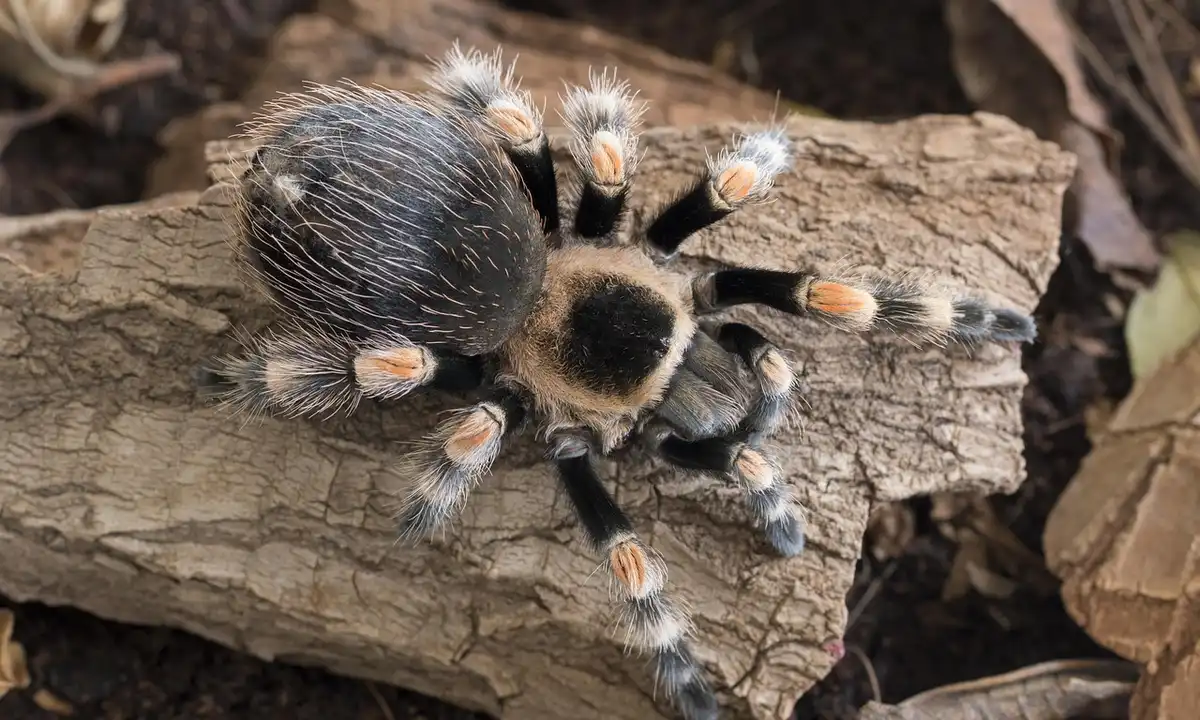
Brachypelma hamorii (Mexican Redknee)
With its iconic black body and vibrant orange knee joints, the Mexican Redknee is visually stunning and typically calm. They are often hesitant and prefer to retreat, but a settled adult can be remarkably patient during brief, grounded handling sessions. Remember, all Brachypelma species are protected under CITES, so you must ensure your specimen is captive-bred with proper paperwork. Their defensive first choice is to flick urticating hairs, not bite.
-
Aphonopelma chalcodes (Arizona Blonde)
This North American desert dweller is a study in golden tranquility. Arizona Blondes are famously slow-moving and methodical. Their arid setup-deep, dry substrate with a water dish-is incredibly straightforward to maintain, reducing environmental stress for both keeper and spider. Their light coloration makes it easy to observe them, and their gentle nature makes them a prime candidate for the rare, cautious handling session.
-
Grammostola pulchra (Brazilian Black)
Prized for its velvety, jet-black appearance, the Brazilian Black is also a temperamental gem. They are often described as “confidently docile,” moving with a deliberate calm that can inspire handler confidence. While they grow slowly, their predictable behavior and minimal hair-flicking tendency solidify their status as a top choice for those seeking a handleable, stunning terrestrial tarantula.
-
Avicularia avicularia (Pinktoe)
This arboreal species requires a different handling philosophy. Pinktoes are generally gentle but startlingly fast and can jump. Handling should never be attempted high above a surface; instead, let the tarantula walk from its enclosure onto your hand, which is held low over a soft, padded table. They need higher humidity and vertical space, but their curious nature can make for a unique, careful interaction focused on guided climbing, not holding.
Understanding the Risks: Venom, Hairs, and Stress
Handling is a risk-benefit calculation where the tarantula often has more to lose. You must understand the defensive tools at their disposal and the profound impact stress has on their health. For beginners, handling is generally discouraged in favor of observation and passive care. If handling is ever attempted, keep it brief, gentle, and only after the tarantula is acclimated and calm.
-
Risks to the Keeper
New World tarantulas possess urticating hairs on their abdomen, which they kick into the air with their back legs. These microscopic, barbed hairs can embed in skin and mucous membranes, causing itching, rash, and in severe cases, respiratory or ocular distress. When weighing hairs versus bites, the danger isn’t uniform: urticating hairs can trigger rapid irritation and airway or eye exposure, while a tarantula bite delivers venom that is usually mild in humans but can be serious in allergic individuals. My T. stirmi, Goliath, once kicked a dense cloud simply because I moved his water dish too quickly; the irritation on my arm lasted for days. A bite is a last resort, but all tarantula venom is designed to subdue prey. For most on this list, the effect is comparable to a bee sting, though individual allergic reactions are unpredictable.
-
Risks to the Tarantula
The greatest physical danger is a fall. A tarantula’s abdomen is a fragile hydraulic sack; a fall from even a modest height can rupture it, causing a slow, fatal leak. Even a short drop can be deadly; tarantulas die if dropped. Stress from handling can also trigger prolonged fasting, abort molts, or cause the animal to bolt and injure itself. We must prioritize their safety over our curiosity. This reality underscores the need for careful handling and secure enclosures.
-
Medically Significant Venom: Automatic Handling Avoids
Some Old World tarantulas (from Africa and Asia) possess venom that is considered “medically significant.” This means their bite can cause severe pain, muscle cramps, vomiting, or other systemic effects requiring medical attention. Species like the Orange Baboon Tarantula (P. murinus), my spider Flash’s species, or many in the Harpactira and Poecilotheria genera fall into this category. Their speed and potent venom make them strictly “look, don’t touch” animals. (Learn more about the risks in my article).
How to Safely Handle a Tarantula: A Step-by-Step Guide
If you choose to interact physically with a suitable species, the process must be governed by patience and respect. Handling is always for the keeper’s benefit, not the tarantula’s, so every action must prioritize the animal’s safety and comfort. Here is the method I use with my calm Chilean Rose Hair, Rosie.
- Prepare a safe, quiet space close to the ground with soft padding below. I always sit on the floor with a large pillow or folded towel spread in front of me. This eliminates the risk of a fatal fall.
- Gently encourage the tarantula onto your hand using a brush or container-never grab or pinch. I use a soft makeup brush to lightly touch the hind legs, prompting Rosie to walk forward onto my open palm. Forcing them causes stress and can damage delicate limbs.
- Keep handling sessions very short (minutes) and always seated or kneeling. Even a docile tarantula can become startled. Limiting time and staying low prevents accidents.
- Move slowly and let the tarantula walk at its own pace. Keep hands cupped. Allow it to wander between your cupped hands. Your role is to provide a stable landscape, not to direct its path.
- Return the tarantula to its enclosure at the first sign of agitation or fast movement. A raised abdomen, flicked hairs, or a sudden sprint are clear signs to end the session immediately.
- Never handle a tarantula that is in pre-molt, molting, or has recently eaten. Their exoskeleton is soft after molting, and a full abdomen can rupture easily. I wait at least two weeks after a molt.
Remember, even this careful process carries risk. One sudden noise or slip can result in a bolting tarantula or a harmful fall, which is why I advocate for a ‘look, don’t touch’ approach for daily care.
Species to Avoid: Why Some Tarantulas Are Not for Handling
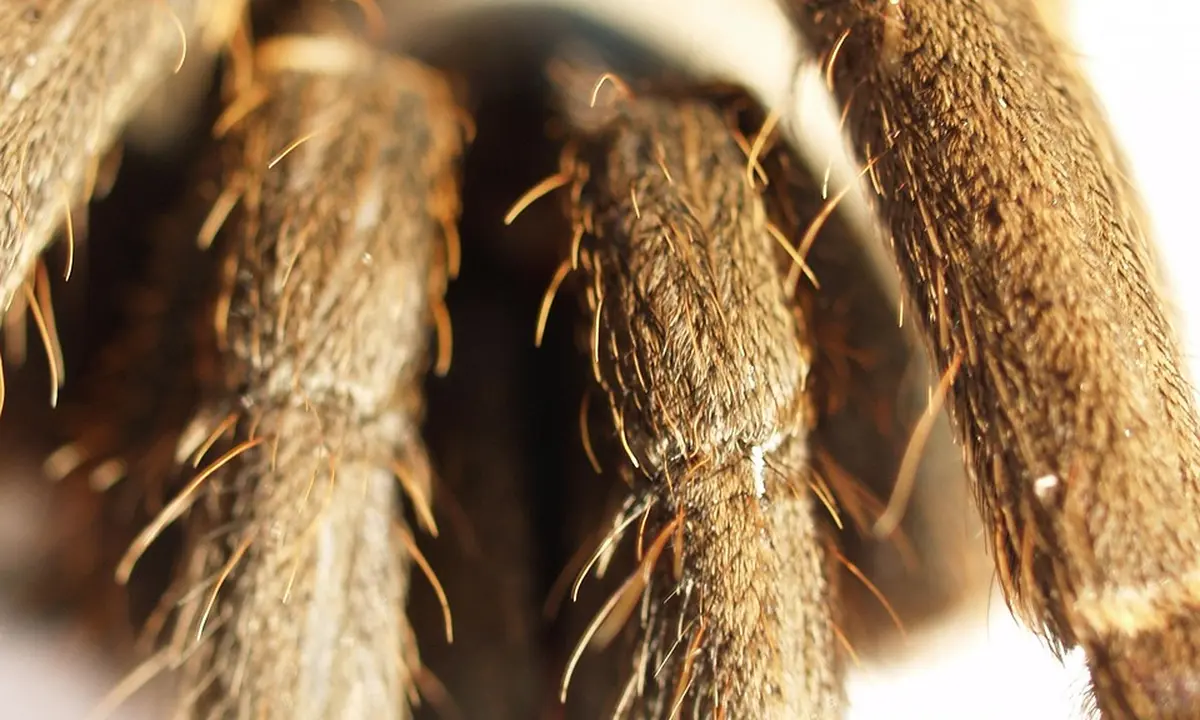
For many tarantulas, handling is not a mild inconvenience but a direct threat that triggers powerful defensive instincts. Appreciating these species requires understanding their nature, not trying to change it. Their care is about managing their environment, not their temperament. It’s a common myth that holding a tarantula shows affection. In reality, tarantulas do not experience affection toward humans, and handling can cause stress and defensive reactions.
- Tarantulas known for high defensiveness, speed, or potent venom include Pterinochilus murinus (OBT), Theraphosa species (Goliath), Poecilotheria (Ornamentals), and most Old World genera. Their venom is medically significant, and their reaction times are measured in milliseconds, not seconds.
- Their physical traits and behaviors are adapted for defense. My OBT, Flash, exemplifies this. A slight vibration near his enclosure prompts a rapid, silk-spinning retreat and a vivid threat posture, his bright orange body raised and fangs bared. It’s a breathtaking display of natural behavior, best observed from a distance.
- Their care requirements involve heightened caution during maintenance, not handling. Feeding my Burgundy Goliath Bird Eater, Goliath, involves long tongs and a clear escape plan due to his urticating hairs. Rehousing these species is a planned operation with catch cups and minimal direct interaction.
- Visual appreciation of these species is deeply rewarding and responsible. Watching Flash construct a complex silken funnel or seeing Goliath’s impressive size during a calm evening patrol offers all the fascination without the risk. Their beauty and behavior are complete without our touch.
I learned the importance of this boundary during an attempted rehousing of Flash. In the silence of the room, a misplaced lid caused a sudden vibration, and in a blur of orange, he was across the table, assuming a defensive stance before I could react. It was a humbling reminder that respect for these animals means honoring their wild instincts.
Caring for Your Handleable Tarantula: Beyond the Interaction
Choosing a calm species is just the start. Their long-term well-being and any potential for calm interaction depend entirely on the quality of care you provide in their enclosure. I learned this early with Rosie, my Grammostola rosea; her famous “pet rock” demeanor only shines when her environment is perfectly dull and predictable.
The Foundation: Enclosure Setup
A proper home minimizes stress, which directly influences a tarantula’s temperament. The setup varies slightly by species, but core principles remain, especially when considering the differences between arboreal vs. terrestrial tarantulas.
- Substrate Depth: For burrowers like some handleable species, provide substrate at least 1.5 times their leg span in depth. My Burgundy Goliath, T. stirmi, needs damp substrate to burrow and feel secure.
- Hide Placement: A secure hide, like cork bark or a half-log, is non-negotiable. Place it against an enclosure wall to create a dark, enclosed space. This gives them a choice to be seen or hidden.
- Water Dish: Use a shallow, sturdy dish filled with clean water. I use bottle caps for slings and small ceramic dishes for adults. Refresh it weekly or whenever it gets soiled.
A cluttered, insecure tarantula is a stressed tarantula, and stress erodes the very calmness we value in these species. Common signs your tarantula is stressed or aggressive include sudden leg flicks and threat postures. Recognizing these cues early helps you adjust the enclosure and handling to minimize risk.
Fueling Calm: Simple Feeding Routines
Feeding should be a quiet, routine event. I offer one or two gut-loaded crickets or dubia roaches every 7-10 days for an adult. Gut-loading means feeding the insects nutritious foods 24 hours before, transferring those nutrients to your tarantula.
- Prey size should be smaller than the tarantula’s carapace.
- Drop the insect in and leave. Do not watch or disturb.
- Remove uneaten prey after 24 hours to avoid mold or stress.
This predictable routine prevents feeding frenzy stress and supports steady growth without obesity. My OBT, Flash, would web a cricket instantly, but Rosie might ignore it for months-both are normal behaviors.
Climate Control: Temperature & Humidity
These parameters are not guesses. Use digital gauges. Ambient room temperature between 70-80°F (21-27°C) suits most species. Humidity is critical and species-specific.
- New World arid species (e.g., Grammostola): 40-50% humidity. Provide a water dish and lightly mist one corner occasionally.
- New World tropical species (e.g., Theraphosa): 70-80% humidity. Maintain through damp substrate and a full water dish. My T. stirmi’s enclosure stays humid, which curbs his hair-kicking.
Stable humidity prevents fatal molting issues and respiratory problems, directly supporting a healthy, calm animal.
The Silent Transformation: Molting
Molting (ecdysis) is when your tarantula sheds its exoskeleton. Recognizing the signs prevents fatal disturbance.
- Pre-molt signs: Loss of appetite, darker abdomen, increased reclusiveness, and weaving a molting mat.
- During the molt: The tarantula will flip on its back. This is a “do not disturb” period of absolute silence and no feeding for at least a week after.
- Post-molt: They are soft and vulnerable. Wait until their fangs harden (usually 1-2 weeks) before offering food.
A calm, uninterrupted molt is the single most important event in a tarantula’s life cycle. I’ve lost count of how many times I’ve sat silently watching Rosie molt, knowing any intervention could be deadly.
Responsible Beginnings: Ethics & Regulations
True care starts before purchase. Always source from reputable captive breeders, not wild-caught suppliers. Captive-bred animals are healthier and less stressed. Understanding CITES (Convention on International Trade in Endangered Species) regulations is part of responsible ownership, ensuring your pet is legally and sustainably obtained. Ask breeders for paperwork. This ethical foundation respects both the animal and global conservation efforts.
Common Questions
What truly makes a tarantula species suitable for occasional handling?
A suitable species typically combines a slow, predictable temperament with relatively harmless defensive tools. They are almost always terrestrial New World tarantulas with venom of low medical significance. An ideal candidate is more likely to retreat or freeze than to bite or aggressively flick its irritating urticating hairs.
Beyond the popular list, what are key characteristics of a handleable tarantula?
Look for species known for deliberate movements and a calm disposition, often linked to a slow growth rate. Hardiness and a tolerance for minor husbandry fluctuations are also beneficial, especially for beginners. Crucially, understand that individual personality varies, so a species’ general reputation is not a guarantee for every single spider.
Why are Old World tarantulas strictly not for handling?
Tarantulas from Africa and Asia, known as Old World species, lack urticating hairs but possess fast, defensive reflexes and medically significant venom. Their bites can cause severe pain and systemic effects requiring medical attention. Their incredible speed and potent venom make any handling attempt extremely risky for the keeper. Understanding why they bite is crucial for proper care and handling.
What are the biggest risks to the tarantula during handling?
The greatest danger is a fall, which can rupture their fragile abdomen and lead to a fatal injury. Handling also induces significant stress, which can cause hunger strikes, failed molts, or frantic escape attempts. It is an activity that provides no benefit to the spider and always carries a potential cost to its wellbeing.
How can I tell if my specific tarantula might tolerate brief handling?
Observe its behavior during routine care. A tolerant individual is generally calm, rarely flicks hairs, and may retreat slowly rather than bolt. You must never handle a tarantula that is in pre-molt, molting, or has recently eaten. Even with a typically docile species, always be prepared to abort the session at the first sign of agitation.
Your Tarantula’s Next Chapter
Choosing a spider based on its tolerance for handling is a fine starting point, but the true journey begins once it’s in your care. The single most vital parameter for the species we’ve discussed is providing simple, low-maintenance stability. For the docile terrestrial species like the Chilean Rose Hair or the Curly Hair, this means keeping the substrate mostly dry with a full water dish, as overzealous moisture is a far greater threat than brief, careful interaction. Their resilience is their hallmark, but it is not a license for frequent disturbance.
Beyond basic husbandry, your greatest reward will come from quiet observation. Watch your Curly Hair meticulously pat down its burrow entrance with silken threads. Witness the sudden, decisive strike of a Mexican Red Knee as it claims its cricket. I’ve spent hours watching my Rosie sit in perfect, dusty-pink stillness, a lesson in patience. These moments of natural behavior are the hobby’s true heart. Success is measured in healthy molts and witnessed secrets, not in hands held. Build a habitat that allows for those instincts, practice respectful restraint, and you’ll find a fascinating, long-lived companion that thrives under your watchful care.
Further Reading & Sources
- r/tarantulas on Reddit: Tarantulas best for handling
- The Best Tarantula Species for Beginners | Tom’s Big Spiders
- Tarantulas: Terrible or Terrific! | Spiders: Learning More About Spider Biology
Arlo is a lifelong arachnid enthusiast who believes tarantulas are the world’s most misunderstood roommates. With years of hands-on experience in tarantula care, habitat setup, and species behavior, Arlo combines expert knowledge with a dash of humor to make spider ownership less scary and a lot more fascinating. From choosing the right enclosure to understanding why your eight-legged buddy is doing that weird little pose again, Arlo is here to help you become the best tarantula parent you can be, without getting tangled in the web of misinformation.
Handling and Interaction