
Grammostola pulchra (Brazilian Black): The First Year
The Brazilian Black tarantula is the obsidian jewel of the hobby, a patient and deep-colored species whose first year reveals a remarkable transformation from a tiny, earth-toned sling to a gleaming, inky juvenile. This guide is for the keeper who has just welcomed a pinhead-sized G. pulchra and wants to know what each quiet month will bring. You will learn what to watch for, from that first delicate molt to the slow darkening of its exoskeleton.
Quick Stats:
- Origin: The grasslands of southern Brazil and Uruguay.
- Type: New World, terrestrial.
- Growth Rate: Notoriously slow. Your spiderling may only molt 2-3 times in its first year.
This roadmap will walk you through the key milestones of that pivotal first year, giving you the specific husbandry focus needed to nurture a healthy sling into a robust juvenile.
Understanding the First Year: Why It Matters
That first year with a tarantula spiderling is a period of breathtaking transformation. This initial phase is a rapid growth sprint where proper husbandry directly builds the foundation for a long, healthy life. Unlike my adult Chilean Rose Hair, Rosie, who might go a year without a visible change, a spiderling can molt every few weeks. I learned this vividly with my OBT, Flash; his bright orange form seemed to expand noticeably between meals, a stark contrast to the glacial pace of my Grammostola rosea. Getting the basics right now-humidity, substrate, and stress-free feeding-prevents developmental issues that can surface years later.
The Spiderling Stage: Your Tiny Arthropod Arrival
The terms “spiderling” and “sling” are used interchangeably for a tarantula from its second instar until it reaches a more robust size. Imagine a creature the size of a pencil eraser, with legs like gossamer, and you understand the fragility of this life stage. Their exoskeleton is thinner, and they lose moisture rapidly. Care focuses on micro-environments. I house slings in small, ventilated deli cups with damp substrate, not the deep, dry terrain my juvenile Goliath enjoys. Prey must be tiny, like pinhead crickets or pre-killed mealworm segments. This is a hands-off period; the “Look, Don’t Touch” philosophy is non-negotiable to prevent fatal falls or injury.
Monthly Growth Milestones and Size Expectations
Growth is not linear and varies wildly by species. A fast-growing terrestrial like a Burgundy Goliath Bird Eater (Theraphosa stirmi) will outpace an arboreal or a slow-maturing genus like Grammostola. Use this general timeline as a guide, not a calendar, and always observe your individual tarantula’s habits. Some species grow quickly as juveniles, while others develop more slowly. Tracking growth rate and molts can help tailor feeding and housing to support healthy development.
| Growth Speed | Example Species | First Year Milestone (Approx. Leg Span) |
|---|---|---|
| Fast Grower | Pterinochilus murinus (OBT), Theraphosa stirmi | 2 to 4 inches |
| Slow Grower | Grammostola rosea, Brachypelma species | 1 to 2 inches |
Typical Growth Rate and Size Changes
Growth is measured by diagonal leg span (DLS), from the tip of the first leg to the tip of the fourth leg on the opposite side. Do not handle your tarantula to measure; instead, use a clear container or compare it to known objects in the enclosure. After a successful molt, a sling can increase its DLS by 25% or more. Key factors driving this change are consistent feeding and stable warmth.
- Feeding: Offer appropriately sized prey every 3-5 days for fast growers, or once a week for slow ones. Remove uneaten prey quickly to prevent stress.
- Temperature: Maintain an ambient temperature of 75-80°F (24-27°C). Warmer conditions accelerate metabolism and growth.
- Molting: This is the only time they grow. Expect 5-8 molts in the first year for a fast species, but only 2-4 for a slow one.
From Spiderling to Juvenile: Recognizing the Shift
The transition is subtle but significant. You will notice three key changes that signal it is time to adjust your care approach.
- Size: The tarantula graduates from a 1-inch sling to a specimen with a 2-3 inch leg span. It looks like a miniature adult.
- Behavior: Defensive behaviors become more pronounced. My OBT, Flash, began threat posturing and prolific webbing around the 6-month mark, while my Goliath started kicking urticating hairs.
- Care Adjustments: Enclosure size increases. Substrate depth must allow for burrowing for terrestrials. Prey size upgrades to small crickets. Humidity needs become more species-specific-my Goliath required a moist retreat, while my Rosie’s enclosure stayed drier.
Path to Maturity: How Long Until Adulthood?
Sexual maturity is a journey of years, not months. The first year is about building a robust framework, not reaching the destination. For example, my Grammostola rosea, Rosie, took nearly a decade to reach full size, while my Theraphosa stirmi may mature in half that time. Males always mature faster than females. This long timeline is why early care is so critical; a sling raised with optimal humidity and nutrition will enter its multi-year juvenile stage with resilience. You are not just keeping a pet for a year; you are setting the stage for a decade-long companionship.
Feeding Your Growing Tarantula: Prey and Schedule
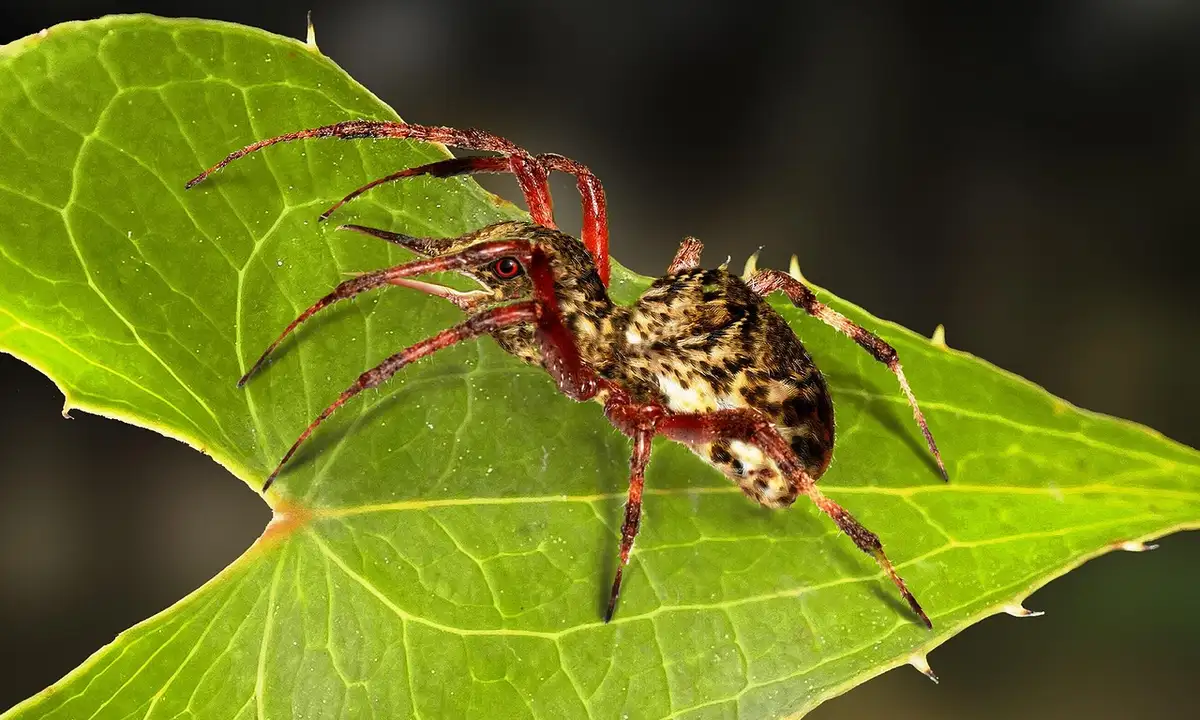
Feeding Schedule for Spiderlings and Juveniles
Watching a tarantula strike its prey is a silent ballet of precision. Your feeding schedule must adapt to your tarantula’s life stage, with spiderlings needing frequent meals and juveniles settling into a slower rhythm. Spiderlings have different dietary needs compared to adults. For a spiderling under an inch, offer pinhead crickets or tiny roach nymphs every three to four days. I’ve seen my OBT, Flash, demolish a cricket in seconds at this stage. As they cross the one-inch mark into juvenile territory, shift to a weekly offering of small crickets or similarly sized feeders. My Burgundy Goliath, at 4 years old, still eats weekly, but my 15-year-old Rosie famously ignores food for months at a time.
Portion control is critical. The ideal prey item should be no larger than your tarantula’s abdomen to prevent injury and reduce stress. A fat, content spiderling will have a plump abdomen, while a lean one signals it’s time for another meal. Always remove uneaten prey within 24 hours to avoid it bothering your tarantula.
Prey Selection for Optimal Nutrition
Not all feeder insects are created equal. Variety in your feeder insect roster is the simplest way to promote robust health and vibrant coloration. I rotate through three staples for my collection.
- Dubia Roaches: Nutritious, slow-moving, and easy to digest. Perfect for juveniles.
- Crickets: Readily available but can be noisy. Gut-load them with veggies before feeding.
- Red Runner Roaches: Fast and stimulating for species like OBTs that enjoy a chase.
Offering Prey and Reading the Response
Gently drop the feeder near your tarantula using long tweezers. A good feeding response is a swift, decisive grab, often followed by a quiet retreat to a hide. If your tarantula ignores or flees from the prey, it may be entering pre-molt. Simply remove the insect and try again in a week. During pre-molt or other fasting periods, your tarantula may refuse food for extended times. In those cases, avoid re-offering prey until the molt is complete or the fasting period ends. Never leave live prey unsupervised in the enclosure.
Daily and Weekly Husbandry Checklist
Consistent, calm observation is the bedrock of good care. This quick checklist will help you maintain a healthy environment without disturbing your eight-legged charge. I follow this ritual every time I visit my tarantula room.
Essential Routine Tasks
- Check the Water Dish: Daily. Refill with fresh, dechlorinated water. Even desert species drink.
- Offer Prey: According to the schedule above, typically once a week for juveniles.
- Spot Clean: Weekly. Use tweezers to remove boluses (leftover insect parts) and mold.
- Monitor Conditions: Daily. Verify temperature (70-80°F for most) and humidity with a digital gauge. My T. stirmi’s enclosure stays at 80% humidity.
The Molting Cycle: Frequency and Care
Understanding Tarantula Molting
Molting, or ecdysis, is how your tarantula grows. This process is a profound vulnerability, where your tarantula literally steps out of its old exoskeleton to reveal a larger, softer new one. The cycle has three distinct phases. In pre-molt, your tarantula becomes lethargic, often refusing food, and its abdomen darkens and shines. The molt itself is a hours-long event where it lies on its back, still and silent. Post-molt, it rests while its new exoskeleton, including its fangs, hardens over several days.
How Often Will Your Tarantula Molt?
Frequency is tied directly to age and growth rate. A spiderling can molt every 3-6 weeks, a breathtaking pace of development that visibly increases its size each time. As it becomes a juvenile, molts stretch to every 4-12 months. By adulthood, molts may be years apart. My old G. rosea, Rosie, hasn’t molted in over five years. Fast-growing species like the OBT will molt more frequently than slow-growing ones.
Growth Milestones and Molting
Each successful molt is a milestone. You’ll notice a dramatic increase in leg span and body mass after a spiderling molt, while juvenile molts bring more subtle refinements in color and proportions. Keep a simple log with dates and pre-molt behaviors; it becomes a fascinating record of your pet’s life.
Step-by-Step Molt Support
Your role during a molt is to be a quiet guardian. The single most important rule is to never, under any circumstances, disturb a molting tarantula. An interruption can be fatal. Here is my protocol, honed from multiple molts with my defensive and delicate species.
Molting Care Checklist
- Recognize Pre-Molt Signs: Lethargy, a bald, shiny abdomen, and refusal of food. My OBT, Flash, seals himself in a thick web tent.
- Ensure Optimal Conditions: Slightly raise humidity by 5-10% to ease the shed. Ensure total quiet and minimal vibration near the enclosure.
- Do Not Disturb: Once on its back, do not touch, feed, or spray water. The process is internally driven.
- Post-Molt Patience: Wait at least 7-10 days before offering food, allowing the fangs to harden from white to deep black.
After a molt, you’ll find the perfect, brittle ghost of your tarantula left behind. This exuvia is a valuable record; you can carefully unfold it to determine your tarantula’s sex, a key piece of its life story.
Enclosure Setup for the First Year
Creating a proper home for your new tarantula is your first act of care. I advocate for minimalist, escape-proof designs that reduce stress and mimic secure crevices, not vast landscapes. Overly large spaces can intimidate a small spiderling, hindering feeding and causing unnecessary anxiety. Tarantula-proofing your home is a core step in every keeper’s essential guide. Stick to compact, escape-proof enclosures and seal potential escape routes to keep both spider and home safe.
Choosing the Right Enclosure Size
Think small and simple for a spiderling. A spacious tank is a liability. I house all my slings in clear plastic deli cups or small food containers with punched ventilation holes. My OBT, Flash, spent his first year in a 4-ounce cup; the confined space made his lightning-fast movements manageable and ensured he never missed a cricket.
- Spiderlings (1/4″ to 1″): Use 2-4 ounce containers. The distance from substrate to lid should not exceed 1.5 times their leg span to prevent dangerous falls.
- Juveniles (1″ to 3″): Upgrade to a 32-ounce container or a small kritter keeper. The enclosure length should be roughly 3 times the tarantula’s diagonal leg span.
- Adults: Select a tank based on adult size, but a 5-10 gallon tank is sufficient for most terrestrial species. Arboreals need more height.
Upgrade only when your tarantula has noticeably outgrown its space. A secure, snug fit is always safer than room to roam, a lesson I learned after a late-night rehousing escape.
Substrate, Humidity, and Temperature Balance
Your substrate is the foundation of your tarantula’s world. It anchors humidity and provides digging material. I use a blend of coconut fiber and organic topsoil for most of my tarantulas; it’s durable, affordable, and retains moisture without compaction. Choosing the right substrate also affects how easy maintenance is over time—it’s not just about the initial setup. A good substrate should stay breathable, resist mold, and be simple to refresh during routine enclosure upkeep. For my moisture-dependent T. stirmi, Goliath, I add vermiculite to the mix to maintain his required 75-80% humidity.
- Substrate Types: Coconut fiber (eco earth), peat moss, or organic topsoil. Avoid cedar or pine shavings.
- Humidity Levels: Species-specific. Chilean Rose Hairs (G. rosea) need bone-dry substrate. Burgundy Goliaths (T. stirmi) require 70-80%. Use a digital hygrometer for accuracy.
- Temperature Range: Maintain 70-80°F (21-27°C). Room temperature is usually adequate. If supplemental heat is needed, use a small heat mat on the side of the enclosure, never underneath.
- Ventilation: Cross-ventilation is non-negotiable. Drill or melt holes on opposing sides to allow air exchange and prevent stagnant, mold-prone conditions.
Getting this balance wrong can lead to respiratory distress or dehydration, issues I’ve corrected in rescue setups.
Moisture Management in the Substrate
Never drench the entire substrate. This invites mold and root rot in live plants. The correct method is to create a moisture gradient by watering only one portion of the enclosure. Your tarantula will self-regulate, moving to the damp area or dry area as needed. To maintain a proper substrate moisture gradient for your tarantula, keep a damp corner and a drier area so it can choose its preferred moisture level. Regularly monitor humidity and adjust as needed.
- Provide a shallow, sturdy water dish filled with dechlorinated water. Change it weekly.
- Using a bottle, pour water directly into one corner of the substrate until it is damp to the touch, not muddy.
- For arid species, the water dish alone is often sufficient. For humid-loving species, re-wet that corner when it dries out, typically every 1-2 weeks.
My G. rosea, Rosie, has a water dish in her dry enclosure, and I’ve watched her dip her chelicerae in it for a drink on quiet evenings. Misting is rarely needed and can unnecessarily startle your pet.
Health Monitoring and Stress Reduction
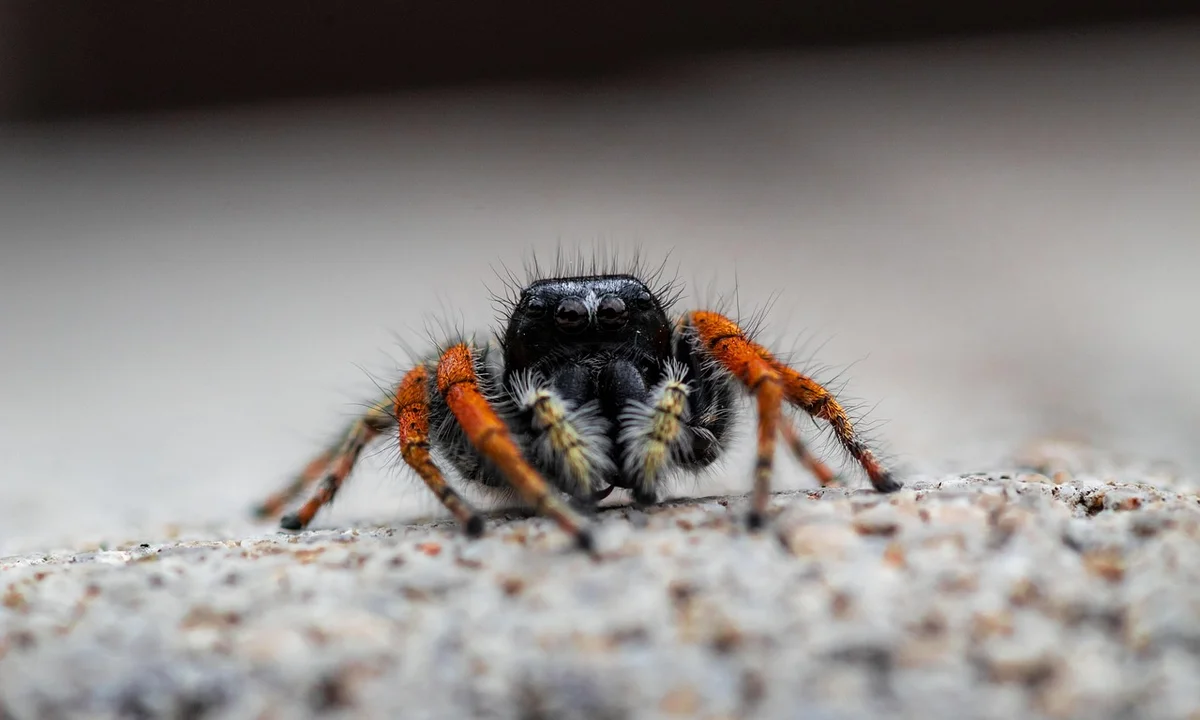
Your attentive observation is the best health insurance. Most first-year health problems stem from environmental factors, not disease, and are preventable with proactive care. I practice and preach a “Look, Don’t Touch” philosophy to minimize stress for both keeper and tarantula.
Signs of Stress in Your Tarantula
Tarantulas communicate discomfort through behavior, not sound. Chronic hiding, refusing food for multiple weeks, or scrambling up the walls repeatedly are red flags. Learning to read your tarantula’s body language—recognizing stress signals and defensive postures—helps you respond before problems escalate. By noting cues like tensing, leg raises, or a threat posture, you can adjust the enclosure or handling accordingly. My T. stirmi, Goliath, immediately adopts a threat posture and kicks urticating hairs if his humidity drops or his space is invaded.
- Common Stressors: Excessive vibration (loud speakers), bright light, frequent enclosure intrusion, or incorrect temperature/humidity.
- Solutions: Place the enclosure in a calm, dim area. Ensure hides are available and the substrate depth allows for burrowing. Limit maintenance to essential tasks.
- Handling: Avoid it. The risk of a fall or a defensive bite is not worth the fleeting interaction. Observe the fascinating behaviors from outside the glass.
I once accidentally stressed my OBT by using a bright light during maintenance; he responded by sealing his burrow entrance for a week.
Routine Health Checks and When to Seek Help
Establish a simple monthly check-up routine. Look for cleanliness, pest-free substrate, and normal nocturnal activity patterns. Use long tweezers to remove leftover prey and spot-clean waste.
- Inspect the enclosure for mold, especially in the moist corner. Remove any contaminated substrate immediately.
- Observe your tarantula’s posture and abdomen. A shriveled, shiny abdomen indicates dehydration. A plump, hairy abdomen is healthy.
- Check for mites. These appear as tiny, moving white or brown specks, often near the water dish or on leftover prey. Isolate the enclosure and replace the substrate if found.
Contact an exotic veterinarian if you see a prolonged lethargic state, a stuck molt, or a visible injury like a ruptured abdomen. For most molting issues, providing privacy and humidity is the best help you can give.
Safe Interaction: The “Look, Don’t Touch” Approach
After raising dozens of tarantulas, my core philosophy is simple: your spider is a display animal, not a plush toy. The most respectful and safe form of interaction is dedicated observation, a practice that will reveal more fascinating behavior than any handling session ever could.
Guidance: Firmly advocate for minimal handling to reduce stress and risk. Share a personal anecdote about a rehousing or escape.
Handling creates an immense, often invisible, stress event for your tarantula. It risks a fall that can rupture their fragile abdomen, a defensive bite, or the release of irritating urticating hairs. My orange baboon tarantula, Flash, once teleported up my arm and onto the ceiling during a routine rehousing. That heart-stopping thirty minutes, spent coaxing him down with a paintbrush, cemented my commitment to purely visual appreciation and understanding that handling isn’t a sign of affection. The risk to him and to me was simply not worth the fleeting novelty.
If You Must Handle: Safety Steps
I do not recommend handling, but I recognize some keepers feel compelled to try it once. If you proceed, treat it with the gravity of a laboratory procedure.
Guidance: Provide a cautious step-by-step guide: 1. Use a soft brush. 2. Work over a padded surface. 3. Keep sessions brief. 4. Watch for stress signs.
- Prepare a large, open area. Lay a soft towel or mattress pad on the floor, away from shelves or furniture edges.
- Use a soft makeup or paintbrush to gently coax the tarantula from its enclosure onto your open, flat palm. Never grab or pick from above.
- Keep your hand low over the padded surface. Move slowly and predictably. Do not bring the tarantula near your face.
- Limit the interaction to one or two minutes maximum. Watch closely for stress signs: a raised front legs (threat posture), rapid abdomen flicking (kicking hairs), or sudden bolting.
- To end the session, gently lower your hand into the enclosure or onto a flat surface and guide the tarantula off with the brush.
Always research your species first; a fast, defensive tarantula like an Old World species should never be handled under any circumstance. Understanding species-specific temperament helps explain why some tarantulas are more prone to aggression; aggression varies by species, so handling should be avoided unless you fully understand the risks.
Respecting Your Tarantula’s Space
True husbandry is about creating an environment where the animal can express its natural behaviors without human interference.
Guidance: Discuss how observing without touching enriches the hobby and ensures your arthropod’s well-being.
When you stop seeing your tarantula as something to hold, you start seeing it as a complex creature. You witness the meticulous silk-taping of a burrow entrance at dusk. You notice the subtle shift in posture that indicates a pending molt. The hobby transforms from possession to stewardship, where your reward is the silent, secret glimpse into an alien world. This focused observation is the hallmark of an advanced keeper, ensuring your tarantula lives a long, low-stress life defined by its own instincts, not our curiosity.
FAQs
What is the typical growth rate of a tarantula in its first year?
Growth rate varies dramatically by species, from fast to notoriously slow. A fast-growing species like an OBT may reach 2-4 inches in leg span, while a slow grower like a Brazilian Black may only reach 1-2 inches. This growth happens exclusively during molts, with spiderlings molting more frequently than juveniles. Consistent feeding and proper temperature are the key drivers for healthy growth.
How often should you feed a tarantula in its first year?
Feeding frequency depends on the tarantula’s life stage and growth speed. A spiderling should be offered pinhead-sized prey every 3-4 days, while a juvenile typically eats a small cricket once a week. Always ensure the prey is no larger than the tarantula’s abdomen. Remove any uneaten prey within 24 hours to prevent stress.
What enclosure setup is best for a tarantula in its first year?
The enclosure must be secure and appropriately sized to prevent stress and dangerous falls. A tiny spiderling thrives in a small, ventilated deli cup, while a juvenile needs a container about 3 times its leg span in length. Use a moisture-retaining substrate like coconut fiber and provide a shallow water dish, adjusting humidity based on your specific species’ needs.
How can you handle a tarantula safely in its first year?
The safest approach is not to handle your tarantula at all, as handling poses significant risk and stress. For beginners, handling tarantulas is generally not recommended; observation is safer. If you feel you must, work over a heavily padded surface and use a soft brush to guide the tarantula. Keep sessions extremely brief, under two minutes, and watch closely for any defensive threat postures or attempts to flee.
What are common health issues for tarantulas in their first year?
Most first-year health issues are environmental, including dehydration from incorrect humidity, injuries from falls in oversized enclosures, and stress from frequent disturbances. Watch for signs like a shriveled abdomen, lethargy, or repeated climbing on the walls. Maintaining stable, species-appropriate conditions and minimizing intrusion are the best preventative measures.
Watching the Naturalist Emerge
The frantic pace of the first year mellows. You are no longer just a caregiver managing parameters; you become an observer of a self-contained world. The single most impactful husbandry skill you will learn is recognizing and respecting your individual tarantula’s needs, which often contradict generic online care sheets. My T. stirmi, Goliath, requires a damp substrate corner to drink from and thrive, while my OBT, Flash, would sicken in the same conditions. Your diligence now builds their resilience for decades.
True success is measured in quiet moments: the nightly repair of a silken tunnel, the precise placement of a substrate pellet by the burrow’s entrance, the patient, motionless ambush. My G. rosea, Rosie, has taught me more about stillness in her fifteen years than any other pet. Celebrate the behaviors, not just the growth. Your patience is the most valuable tool in your kit. The hobby reveals its deepest rewards to those who watch, learn, and let the spider simply be a spider.
Further Reading & Sources
- Grammostola pulchra – The Tarantula Collective
- Grammostola pulchra (Brazilian Black Tarantula) Information + Careshee – Fear Not Tarantulas, Inc.
- r/NatureIsFuckingLit on Reddit: 🔥Velvety black Grammostola Pulchra also known as the Brazilian Black Tarantula
Arlo is a lifelong arachnid enthusiast who believes tarantulas are the world’s most misunderstood roommates. With years of hands-on experience in tarantula care, habitat setup, and species behavior, Arlo combines expert knowledge with a dash of humor to make spider ownership less scary and a lot more fascinating. From choosing the right enclosure to understanding why your eight-legged buddy is doing that weird little pose again, Arlo is here to help you become the best tarantula parent you can be, without getting tangled in the web of misinformation.
Molting Process