
Common Health Issues in Beginner Tarantulas and How to Prevent Them
Beginner tarantulas, like my docile Chilean Rose Hair Rosie, earn their reputation for resilience, but this hardiness can mask subtle signs of distress until a crisis like a stuck molt occurs. This article cuts through the guesswork, detailing the silent threats-dehydration, impaction, trauma-that can compromise even a ‘pet rock’ species. The core of prevention lies not in complex medicine, but in mastering the fundamentals of humidity, substrate, and stress-free housing.
- Quick Stats: Common Beginner Species: Grammostola rosea, Brachypelma hamorii, Aphonopelma chalcodes | Primary Health Risks: Dehydration, Molting Issues, Abdominal Injuries | Key Prevention Focus: Enclosure Parameter Stability
With insights from years of breeding and rehabilitating everything from slow-growing Grammostola to sensitive humidity-lovers like my T. stirmi, this guide will show you how to build a care routine that prevents problems before they start, ensuring your spider thrives from delicate sling to robust adult.
Spotting Trouble: Common Tarantula Health Problems
New tarantula keepers often worry about exotic diseases, but most health issues stem from simple husbandry missteps. The silence of their enclosures means we must become sharp observers, learning to read subtle changes in behavior and appearance.
- Dehydration: This is a stealthy threat, especially for slings and arid species. Look for a shrunken, wrinkled abdomen and profound lethargy. A dehydrated tarantula may sit hunched over its water dish.
- Mites & Parasites: True parasitic mites are rare; more common are grain or soil mites exploiting leftover food. A sudden bloom of tiny white dots moving across the substrate or the tarantula’s body is a key indicator of an unclean environment.
- Fungal & Bacterial Infections: These thrive in stagnant, overly wet conditions. Watch for strange, fuzzy patches (often green, white, or black) on the spider or a foul, rotting smell from the enclosure. I’ve seen this only once, in a poorly ventilated, swampy terrarium for a species that needed it bone-dry.
- Molting Trauma (Dysmolt): An incomplete or “stuck” molt is an emergency. The spider may have old exuviae stuck to its body, particularly on the abdomen or fangs. It will be impossibly vulnerable and often listless.
- Physical Injuries: A fall from a significant height can rupture the abdomen, which is often fatal. Look for a leak of clear or milky hemolymph (blood). Smaller wounds may scab over with a dark patch.
- Chronic Stress: This weakens the immune system over time. Constant pacing, frantic climbing on glass, flicking hairs at slight disturbances, and prolonged fasting beyond normal premolt are all behavioral red flags. My OBT, Flash, webs heavily when content; when his webbing stops and he stays out in the open, I know something is wrong with his environment.
Water and Air: Preventing Dehydration and Humidity Problems
Humidity management is less about misting and more about the physics of your substrate. Getting the balance of water and air wrong is the root cause of at least three major health issues: dehydration, respiratory trouble, and fungal growth.
Think of your substrate as a reservoir. For arid species like my Chilean Rose Hair, Rosie, the substrate should be completely dry. I pour water directly into a corner of her enclosure every two weeks, letting the bottom layer absorb it while the top remains dusty. For my Burgundy Goliath Bird Eater, Goliath, I keep the entire lower third of his deep substrate damp to the touch, which creates the humid microclimate he craves without making the surface wet.
The goal is to provide humidity from below through evaporation, not to create surface dampness where your tarantula walks.
Follow these steps to master moisture:
- Match the Substrate Depth to the Need: Arid species need just enough to burrow. Humid-loving species need a deep, moisture-retaining base of 5-6 inches or more.
- Water Correctly: Never spray or mist the spider. Pour dechlorinated water directly onto one section of the substrate for arid types, or saturate the lower layers for tropical ones. Always provide a clean, full water dish.
- Engineer Airflow: Cross-ventilation is non-negotiable. Ventilation holes on opposing sides near the top and bottom allow stale, moist air to cycle out and prevent deadly condensation.
- Spot-Clean Religiously: Remove prey carcasses and boluses within 24 hours. This decaying matter is the primary fuel for mold and mite explosions.
Recognize the signs of imbalance. A dehydrated tarantula looks deflated. A tarantula in a moldy, oxygen-poor enclosure may sit with its front legs raised oddly, trying to find better air. Prevention is straightforward: learn your species’ native climate, replicate the humidity gradient in the substrate, and never let the air become stagnant (especially regarding humidity).
The Great Shed: Avoiding Molting Disasters
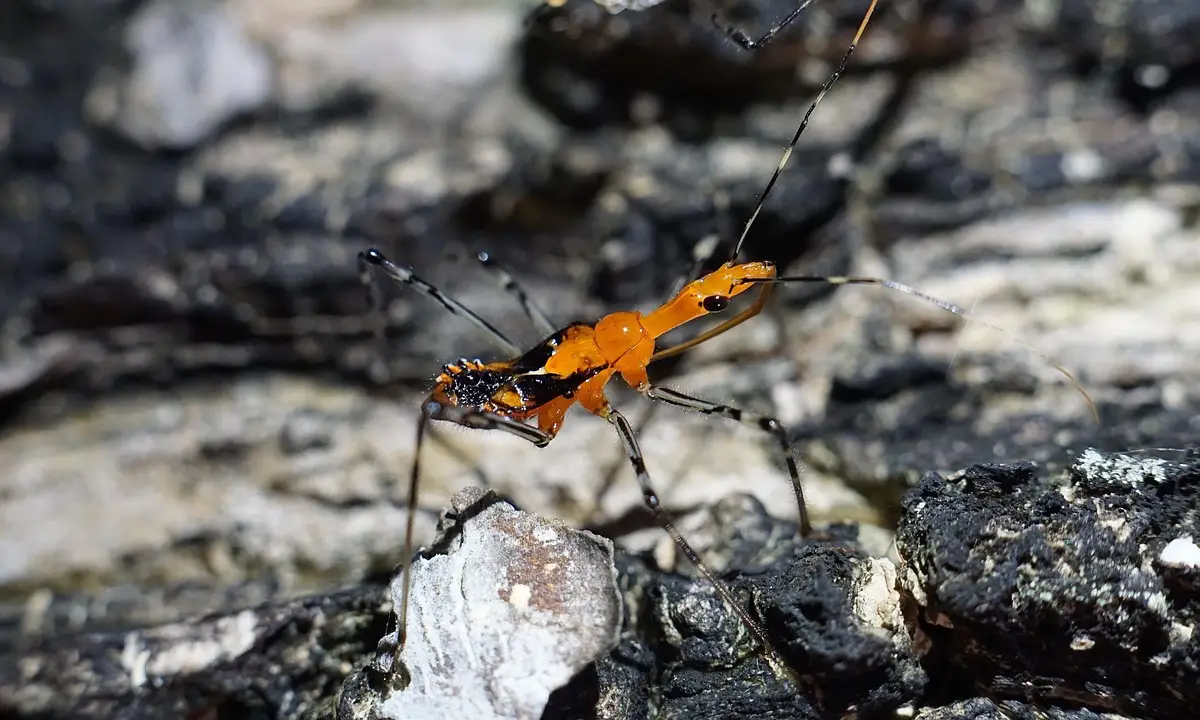
Molting, or ecdysis, is the most vulnerable and miraculous process in a tarantula’s life. They split their old exoskeleton and emerge soft, pale, and brand new. Watching this silent, slow-motion rebirth is a profound privilege. A successful molt depends entirely on the environment you have provided in the weeks and days leading up to it.
Causes of Failed or Incomplete Molts
A tarantula can become trapped in its old skin, lose limbs, or even die. These tragedies are almost always husbandry-related.
- Improper Humidity: The new exoskeleton forms beneath the old one. If the air is too dry, the tarantula cannot generate the hydraulic pressure needed to split the old skin and push free. For arid species like my G. rosea Rosie, a slight pre-mist is enough. For tropical giants like my T. stirmi Goliath, consistent 75-80% humidity is non-negotiable.
- Improper Temperature: Metabolism drives the molt. A tank that is too cold slows all internal processes to a dangerous crawl. I keep my collection between 75-80°F (24-27°C), with no drastic drops at night.
- Lack of a Secure Hide: A tarantula must feel completely safe to initiate its molt. An exposed tarantula will delay the process, wasting energy, or attempt it in the open where it is stressed and vulnerable.
- Pre-Molt Disturbance: This is the most common beginner error. A tarantula in pre-molt is reclusive, often refusing food for weeks. Do not poke, offer food, or attempt to handle a tarantula you suspect is in pre-molt. Stress can cause it to abort the process or molt prematurely.
Prevention and During-Molt Care
Your role is not to assist, but to set the stage perfectly and then become a ghost.
- Increase Humidity Slightly Pre-Molt: When you see the abdomen darken and the tarantula seal its hide, gently overflow the water dish or mist one corner of an arid species’ enclosure. Do not soak the substrate.
- Ensure a Quiet, Dark Environment: Move the enclosure to a low-traffic area. Cover part of the front glass with a towel if needed. Reduce vibrations and bright light.
- Never Attempt to Assist: Do not touch a molting tarantula. Their bodies are like soft clay. Pulling on trapped limbs causes catastrophic injury. The only exception is if, days after the molt, a single limb remains tightly wrapped in old exuviae. Then, with damp tweezers and a surgeon’s patience, you may try to carefully cut and peel it away.
I once spent eight hours watching my OBT, Flash, molt inside her silken fortress, seeing only shadows through the webbing. Every instinct screamed to check on her, but intervention would have been catastrophic. The next morning, she stood radiant in her new orange armor, the old skin a perfect cast beside her. Patience is not just a virtue; it is a life-saving tool.
Unwanted Guests: Controlling Infections and Parasites
A clean, well-ventilated enclosure is your first and strongest defense. Most health issues are not from mysterious pathogens but from simple environmental oversights.
Identifying Fungal and Bacterial Issues
These problems fester in stagnant, wet conditions. They are rare in properly kept tarantulas.
Look for discolored patches on the tarantula’s abdomen, often brown, green, or gray. The area may look damp or mushy. On the substrate, you might see strange, fluffy mold growths, especially under a constantly full water dish. Chronic wetness, poor ventilation, and leftover prey items create the perfect breeding ground for these invaders. If you notice these signs, it’s a clear cue to clean the enclosure. Regular cleaning and substrate refreshment can prevent mold and health problems.
Prevention is straightforward. Provide cross-ventilation via side and lid vents. For moisture-dependent species, use deep, drainage-layered substrate instead of a soaked top layer. Remove uneaten prey within 24 hours. Spot-clean feces and boluses regularly.
Preventing and Addressing Mites
The sight of tiny white dots moving on your tarantula or in the enclosure can cause panic. Stay calm. Most are harmless soil mites feeding on waste.
Predatory mites are the true concern. They appear as clusters, often near the book lungs or mouth, and can weaken a tarantula. Here is your prevention protocol:
- Quarantine New Arrivals and Decor: Keep any new tarantula or store-bought cork bark in a separate room for a month. Observe carefully.
- Avoid Overfeeding: A rotting cricket is a mite banquet. Feed appropriate prey sizes and remove carcasses promptly.
- Maintain Clean Water Dishes: Scrub and refill dishes weekly to prevent biofilm, a potential food source for mites.
If you confirm predatory mites, the safest course is a complete enclosure transfer. When transporting, use a secure, vented container and minimize handling to reduce stress during the move. Move the tarantula to a temporary, bare-bottom cup, then carefully relocate it to a brand-new, sterile enclosure. Freeze the old substrate and decor for a week before disposal. Never use chemical sprays near your tarantula.
Calm and Secure: Minimizing Stress and Injury
Observing a tarantula’s behavior is your best tool for gauging its well-being. Stress manifests in clear, physical ways that, when ignored, can cascade into serious health declines like prolonged fasting or a weakened immune system. I’ve seen this with my Chilean Rose Hair, Rosie; her months-long food strikes are a classic sign of a content but supremely low-energy individual, while constant hiding would signal a problem.
Learn these common stress indicators:
- Constant hiding or pressing into a corner, different from normal daytime rest.
- Refusal to eat for extended periods outside of pre-molt fasting.
- Prolific kicking of urticating hairs, like my T. stirmi Goliath does at the slightest vibration.
- Excessive, frantic webbing to barricade itself.
- A defensive threat posture when not actively provoked.
These behaviors are reactions to environmental stressors you can control.
- Excessive handling or frequent enclosure intrusions.
- Loud vibrations from music systems or heavy footfall.
- An enclosure that is too large (causing insecurity) or too small (restricting movement).
- Lack of a proper, snug hide where the tarantula can feel completely hidden.
- Bright, direct lighting or constant disturbance.
I firmly advocate for a “Look, Don’t Touch” philosophy to prevent catastrophic falls and the release of irritating hairs. A tarantula’s exoskeleton is fragile; a fall from even a short height can rupture its abdomen. Handling also forces a choice between flight and fight, both of which are metabolically costly and stressful.
Safe rehousing is a necessary stressor, but technique minimizes risk. From multiple rehousings of my fast P. murinus, Flash, I always use a large, flat workspace inside a bathtub or a double-contained area to prevent escapes. For beginners, handling tarantulas is generally not recommended; focus on safe rehousing and observation instead. If handling is ever necessary, keep it brief and low-stress, using the transfer and release approach to minimize risk to you and the spider. Gently guide the tarantula from its old enclosure into a clear deli cup using a soft paintbrush, then place the cup into the new setup and let it walk out on its own time. Patience here prevents panic.
Foundation of Health: The Correct Enclosure Setup
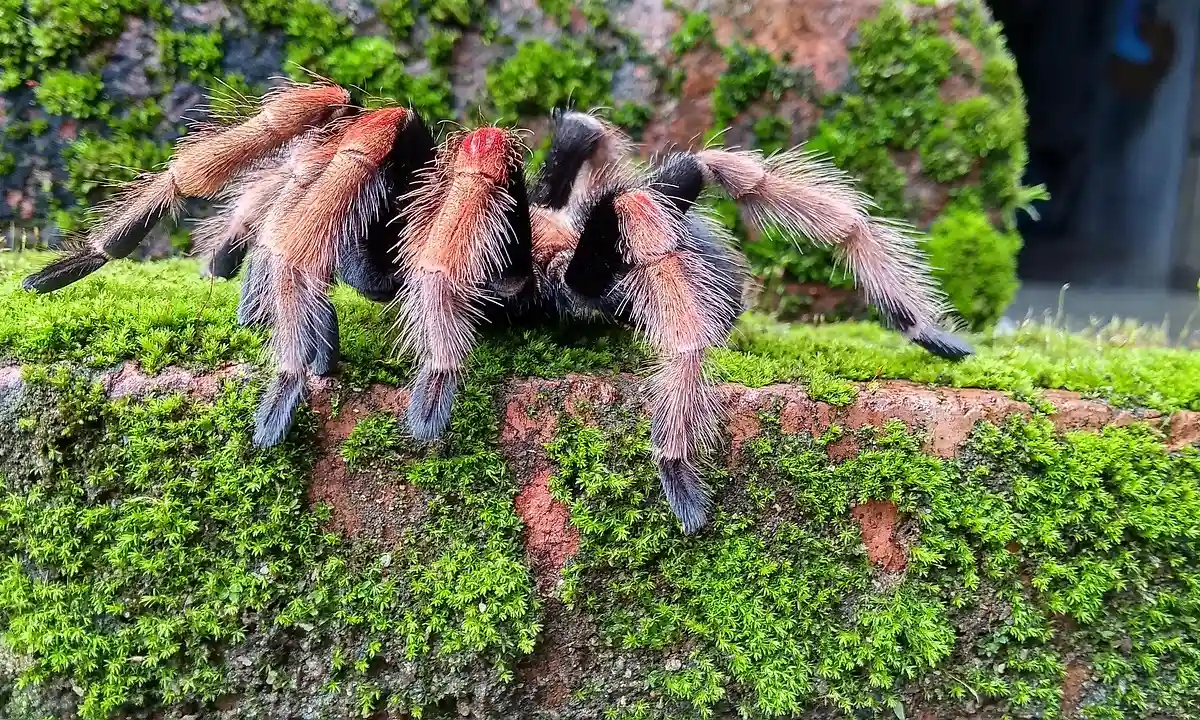
Your tarantula’s enclosure is its entire world. Getting the fundamentals right from the start is the most effective preventative medicine you can practice, stopping issues like dehydration, respiratory infections, and injury before they start. Understanding the most common tarantula health problems helps you prevent them. Stay vigilant and monitor for signs so problems are caught early. Follow this checklist methodically.
- Choose an appropriate enclosure size. The length should be 1.5 to 2 times the tarantula’s leg span. A dwarf species needs a 5-gallon tank, but a large terrestrial like Goliath thrives in a wider, not taller, space. Too much room leaves them feeling exposed and insecure, which suppresses feeding.
- Select and prepare a safe, moisture-retentive substrate at the correct depth. Use coconut fiber or a topsoil mix without fertilizers. Depth is critical: for burrowers, provide at least the length of their leg span; for others, 3-4 inches. This retains humidity for species that need it and provides a cushion for falls. Poor, shallow substrate is a direct contributor to fatal abdominal ruptures from climbs and falls.
- Install a secure hide and anchor points for webbing. A cork bark flat or half-round, buried slightly into the substrate, offers a essential retreat. For webbers like Flash, anchor points like fake plants or cage décor give structure for their funnel webs. A tarantula without a hide lives in constant low-grade stress.
- Ensure adequate cross-ventilation. Drill or select an enclosure with ventilation holes on opposite sides. This allows for air exchange, preventing stagnant, humid air that breeds mold and can lead to fungal infections in your tarantula’s book lungs. For my moisture-loving T. stirmi, I achieve high humidity with deep damp substrate and a large water dish, not by blocking ventilation.
- Use a shallow, sturdy water dish. A bottle cap or small ceramic dish works. Keep it full of clean water and sink it into the substrate so the rim is level. This provides a drinking source and, through evaporation, a local humidity boost. It prevents dehydration, a silent killer, especially in slings and after molts.
Fuel for Life: Proper Feeding and Nutrition
A tarantula’s abdomen is a living fuel gauge. Its plumpness, texture, and shape tell you everything about its nutritional health. Correct feeding is the most straightforward preventative care you can provide, directly stopping issues like dehydration, weakness, and fatal injuries during a molt.
The Core Rules of Prey
I operate on two non-negotiable principles learned from years of breeding. First, prey should never be larger than your tarantula’s carapace (the hard head-section). Second, a tarantula’s fangs are built for piercing, not chewing. An oversized cricket can fight back, injuring a soft abdomen or a spider mid-molt. An abdomen swollen from a single, massive meal puts dangerous pressure on internal organs and the delicate exoskeleton. My Burgundy Goliath (T. stirmi) can tackle large roaches, but I still choose prey smaller than her massive head to avoid any risk.
Building a Simple Feeding Schedule
Forget daily meals. Tarantulas are masters of efficient metabolism. Here is a baseline schedule I follow with my collection: These choices align with the best diet and feeding schedule for a healthy tarantula. It emphasizes appropriate prey size and feeding intervals to prevent overfeeding and stress.
- Spiderlings (under 2″): Offer 1-2 pinhead crickets or small roach nymphs twice weekly. They need more fuel for rapid growth.
- Juveniles (2″ to sub-adult): One appropriately-sized cricket or roach every 5-7 days is perfect.
- Adults: One substantial meal every 10-14 days maintains optimal condition.
Observe your tarantula’s abdomen. A rounded, plump abdomen slightly larger than the carapace signals a well-fed spider ready for its next fast or molt. A shrunken, wrinkled abdomen needs hydration and a meal.
The Critical Role of Prey Variety and Cleanup
Feeding only one type of prey, like crickets, is like a human eating only rice. Nutritional deficits can happen. I rotate between:
- Dubia roaches: My staple. Nutritious, cannot climb smooth walls, and quiet.
- Crickets: Readily available, but remove uneaten ones immediately as they can harass a tarantula.
- Superworms (crushed head): A fatty treat offered occasionally, especially to my OBT before a molt for extra energy.
This rotation ensures a broader nutrient profile. Always remove any uneaten live prey within 24 hours; a lingering cricket can stress or even injure a vulnerable tarantula. The silence of an enclosure after removing an uneaten feeder is a sound of responsible care.
The Fasting Tarantula: When No Meal is the Right Meal
This is where new keepers panic, and I smile thinking of Rosie, my G. rosea. She has refused food for over nine months at a time. A healthy tarantula’s refusal to eat, especially with a full abdomen, is almost never an emergency but a sign of natural cycles. They fast before a molt, during seasonal shifts, or sometimes for no discernible reason. Force-feeding is impossible and trying will only cause catastrophic stress. Offer food weekly, but do not worry if it is ignored. Their metabolism is simply paused.
FAQs
What are the most common health issues in beginner tarantulas?
The most frequent problems are dehydration, unsuccessful molts, and physical injuries from falls. These are primarily caused by incorrect humidity, improper enclosure setup, and general stress. Issues like mite infestations or infections are less common and usually stem from an unclean or poorly ventilated habitat. Focusing on stable, species-appropriate housing prevents the vast majority of these concerns.
How do I prevent mites in my tarantula’s enclosure?
Prevention focuses on impeccable enclosure hygiene. Always remove uneaten prey and waste within 24 hours to eliminate the food source for mites. Quarantine any new plants or decor before introducing them, and keep the water dish clean. If a mite bloom occurs, safely transfer your tarantula to a new, sterile enclosure instead of using chemical treatments.
How can I tell if my tarantula is stressed and what are the common stressors?
Signs of stress include constant hiding, refusing food for long periods outside of pre-molt, excessive hair-flicking, and frantic webbing or pacing. Common stressors are excessive handling, loud vibrations, an enclosure that is too large or too small, lack of a proper hide, and bright, constant light. A stressed tarantula has a weakened immune system, making it more susceptible to other health issues.
What should I feed my tarantula to ensure good health?
Offer prey no larger than your tarantula’s carapace to prevent injury. A varied diet of gut-loaded crickets, dubia roaches, and the occasional worm provides a broad nutrient profile. Follow a sparse feeding schedule tailored to your tarantula’s life stage, and always remove uneaten live prey promptly. A plump, rounded abdomen indicates good nutrition and proper hydration.
How do I safely handle my tarantula to prevent injury or stress?
The safest approach is to minimize or avoid handling altogether, as tarantulas are fragile and prone to falls. If handling is necessary, follow these steps to handle your tarantula safely by doing so close to the ground over a soft surface and guide the spider gently with a brush rather than using your hands. Never handle a tarantula that is in pre-molt, has recently molted, or is showing defensive behaviors. The goal is to minimize stress and eliminate the risk of a potentially fatal fall.
The Long Game
Success in keeping tarantulas is measured in molts, not moments. The health of your spider is a direct reflection of its environment. The single most important factor in preventing health issues is providing a clean, appropriately sized enclosure with a full water dish and zero unnecessary stress. Dehydration, injuries, and parasitic mites almost always trace back to a flaw in this simple foundation. Your vigilance in these basic areas is the ultimate preventative medicine. Equally important is choosing a suitable substrate and maintaining it properly in the enclosure. Regular substrate checks and replacements help sustain cleanliness, humidity, and overall well-being.
Beyond the emergency, the true reward of this hobby is quiet observation. Watch the intricate geometry of a new web at dawn. Note the patient excavation of a burrow that takes weeks. Savor the explosive precision of a feeding response. My old rose hair, Rosie, teaches me that a tarantula’s most profound state is often one of profound stillness. Resist the urge to interact; instead, keep a simple journal. Sketch the web design, record the molt dates, note the food refused. This practice turns keeping into a study and transforms worry into understanding. Your patience is the greatest gift you can offer your eight-legged artifact.
Further Reading & Sources
- Tarantula Spider Toxicity – StatPearls – NCBI Bookshelf
- giantspiders.com – Common Ailments
- Expert Tarantula Care Today – Digital Trends
Arlo is a lifelong arachnid enthusiast who believes tarantulas are the world’s most misunderstood roommates. With years of hands-on experience in tarantula care, habitat setup, and species behavior, Arlo combines expert knowledge with a dash of humor to make spider ownership less scary and a lot more fascinating. From choosing the right enclosure to understanding why your eight-legged buddy is doing that weird little pose again, Arlo is here to help you become the best tarantula parent you can be, without getting tangled in the web of misinformation.
Common Diseases