
The 5 Biggest Humidity and Ventilation Mistakes in Tarantula Care
In tarantula husbandry, humidity and ventilation form a delicate, non-negotiable balance that mimics a spider’s wild home. Misjudging this balance is the single most common cause of preventable tarantula death, from mold silently choking a sling to dehydration crippling an adult. Through years of breeding and keeping diverse species-like my arid-loving Chilean Rose Hair and my mist-dependent Goliath Bird Eater-I’ve seen how precise airflow and moisture levels dictate health. This article exposes the five critical errors that undermine enclosure stability, offering clear fixes to stop problems before they start.
Quick Stats:
- Origin: Ranges from bone-dry scrublands to steamy rainforest floors
- Type: New World (often humidity-sensitive) vs. Old World (often ventilation-critical)
- Growth Rate: Directly influenced by consistent, species-appropriate humidity
Mastering this guide will let you craft the perfect atmospheric niche for any tarantula, from its first fragile molt as a sling to its final, impressive adult size.
Mistake 1: Over-Misting Instead of Deep Watering
I see this error constantly with new keepers. You watch a water droplet bead on the glass and assume the habitat is perfect. That brief spike on your hygrometer is misleading. Over-misting creates a damp, superficial layer that evaporates quickly, forcing you into a daily cycle that promotes surface mold and leaves your tarantula’s most important layer-the substrate-bone dry below.
My Chilean Rose Hair, Rosie, is a textbook example. For years, I’d lightly spray her corner. She would retreat to her hide for days. I finally realized her dusty pink carapace was a signal; she is an arid species that despises damp surfaces. Constant misting was stressing her.
Deep watering is the solution. This technique mimics a deep, natural water table. It provides a stable reservoir of moisture that wicks upward slowly, maintaining consistent humidity from the ground up while the surface remains dry and safe.
How to Perform Deep Watering: A Step-by-Step Guide
- Identify the drainage layer of your substrate. For most mixes, this is the bottom third.
- Slowly pour a generous amount of dechlorinated water directly into one corner of the enclosure. Aim for the substrate, not the walls.
- Pour until you see the lower layers become visibly damp. The very top layer should remain mostly dry to the touch.
- Allow the water to fully saturate downward. This can take several minutes. The goal is a moisture gradient, not a swamp.
- For very moist species like my Theraphosa stirmi, Goliath, I repeat this in two corners. For arid species like Rosie, I water only one corner every few weeks.
This method creates a lasting, stable humidity source that prevents the wild swings and surface condensation that harm your tarantula. You are watering the environment, not just spraying the furniture. Watch for signs of incorrect humidity in the tarantula enclosure, such as persistent condensation, damp or moldy substrate, or dry patches. If you notice these signs, adjust your humidity strategy accordingly.
Mistake 2: Sealing the Enclosure for Humidity
In an attempt to lock in that precious humidity, a keeper will sometimes cover ventilation holes with tape or cling film. This is a critical error. Stagnant, humid air is a death sentence; it is the perfect incubator for pathogenic fungi and bacteria that can attack a molting or resting tarantula.
I learned this lesson early. A poorly ventilated enclosure for a sling developed a fuzzy, grey mold overnight. The air smelled sweet and rotten-a clear sign of decay. Without cross-ventilation, there is no gas exchange, and waste products linger.
Your tarantula needs fresh air as much as it needs moisture. The goal is humid air, not a wet, sealed box.
Balancing Humidity and Airflow
Effective ventilation relies on cross-ventilation. Holes on only the top lid trap stale air below. You need air intake low on one side and exhaust higher on the opposite side to create a gentle, passive flow.
- For Plastic Enclosures: Drill or melt multiple small holes along the lower third of one long side and the upper third of the opposite side. This design encourages airflow across the substrate’s moist layer.
- For Glass Terrariums: A full mesh lid is often too much ventilation, drying things out. Partially cover the mesh with acrylic or plastic, leaving strategic gaps. Front-opening glass tanks need ventilation panels on the upper back wall.
My OBT, Flash, lives in a well-ventilated acrylic box. His heavy webbing would hold stagnant moisture like a blanket without those opposing air vents. The rule is simple: if you see persistent condensation on more than two surfaces, you need more ventilation, not less humidity. Your tarantula’s book lungs require fresh air to function, a non-negotiable aspect of biology that no amount of misting can fix.
Mistake 3: Ignoring Species-Specific Needs
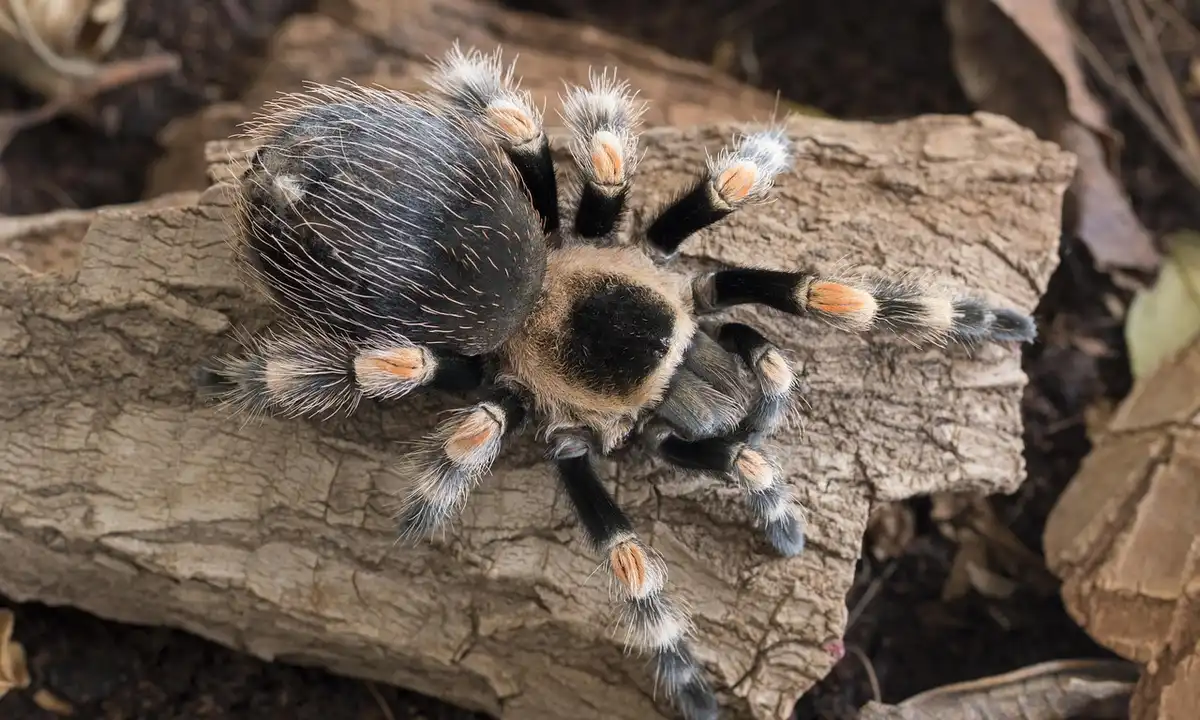
One of the most common errors I see is treating all tarantulas like they have the same environmental requirements. To avoid common tarantula enclosure setup mistakes, tailor the habitat to the species and individual needs, including humidity, temperature, substrate, and hiding spots.
Tarantulas are not interchangeable; a habitat that keeps one species healthy can slowly harm another. I learned this early on when my first arid species developed a limp from excessive moisture. Do tarantulas adapt to survive desert environments? Some species cope with extreme conditions through behavioral shifts and physiological tweaks, such as nocturnal activity and burrowing to avoid heat and conserve water.
We can break down basic humidity needs into three broad categories.
- Arid (Below 60% RH): These species originate from deserts and scrublands. They need dry substrate and excellent ventilation. My Chilean Rose Hair, Rosie (Grammostola rosea), is a perfect example. She thrives in bone-dry conditions and will often refuse food if the enclosure feels damp.
- Moderate (60-75% RH): This range suits many popular terrestrial species from seasonal forests. The Mexican Redknee (Brachypelma hamorii) lives here. It requires a slightly moist corner of substrate but an overall well-ventilated, mostly dry enclosure to prevent pest issues.
- Humid (75%+ RH): Tropical and swamp-dwelling tarantulas need consistently high humidity. My Burgundy Goliath Bird Eater, Goliath (Theraphosa stirmi), falls here. His enclosure stays humid, but I achieve this with deep, damp substrate and not with stagnant, misted air.
There is no universal “perfect” humidity percentage for all tarantulas. Placing a fast, arid species like an OBT (Pterinochilus murinus) in a humid tank is asking for stress and fungal growth. Different tarantula species have varying hydration needs—some tolerate dry air, others require higher humidity. So, always tailor enclosure humidity to the species.
Always research a new species using its scientific name and consult multiple reputable care guides from experienced breeders. I cross-reference forum posts, scientific notes on habitat, and observe the animal itself. If it constantly webs over the water dish, it might be signaling the air is too dry.
Mistake 4: Letting Condensation and Mold Take Over
Seeing condensation on the glass might seem harmless, but it is a major warning sign.
- Identify the visual signs. Look for a persistent, heavy fog on the enclosure walls that doesn’t dissipate. Search for fuzzy white, green, or black patches on cork bark, leaves, or even the substrate surface. In my flash’s web-dense enclosure, mold can hide quickly.
- Explain the health risks this poses to the tarantula. A moldy environment promotes harmful bacteria and fungal spores. Tarantulas can develop respiratory distress or fatal abdominal infections called mycosis. I once lost a sling to this before I understood the danger.
- List immediate corrective actions. First, increase cross-ventilation immediately by adding more holes to the enclosure. Second, remove all moldy decor and replace it with sterile items. Third, stop misting and instead water by pouring dechlorinated water directly into one corner of the substrate to create a moisture gradient.
- Stress the importance of substrate choice in preventing mold. A good substrate is your best defense. I use a blend of coconut fiber, organic topsoil, and a little sand for drainage. Avoid waterlogged materials like pure sphagnum moss. For humid species like Goliath, I add a cleanup crew of springtails to a bioactive setup-they silently consume mold and waste.
Your goal is moist substrate, not wet air. Proper ventilation carries away excess moisture while the substrate retains the humidity the tarantula needs at ground level. To support that, create a proper substrate moisture gradient for your tarantula with a drier surface and a moister sublayer deeper down. This lets the tarantula regulate humidity by choosing where to rest.
Mistake 5: Forgetting the Humidity Gradient
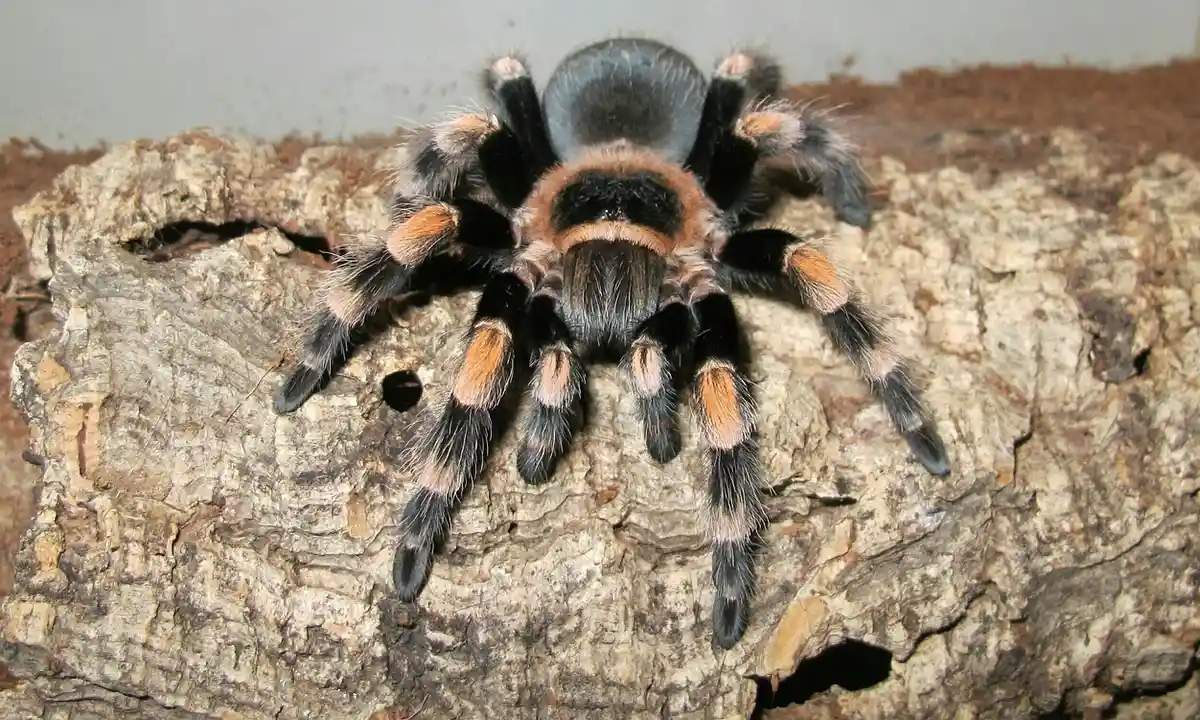
A humidity gradient is a moisture slope inside the enclosure, with damp zones fading into dry ones. This microclimate variety lets your tarantula choose its perfect spot, just like it would in a wild burrow. Do arboreal tarantulas need different humidity levels than terrestrial species? Often they do, with humidity levels for arboreal tarantulas preferring higher humidity, though it varies by species.
Uniform saturation is a silent stressor. My Burgundy Goliath Bird Eater (T. stirmi) loves humidity, but if his entire tank were equally wet, he’d have nowhere to escape his own kicked urticating hairs or the risk of mold. Choice is a cornerstone of respectful, low-stress care, reducing the need for disruptive human intervention.
Create a gradient easily. Saturate one corner of the substrate deeply, while keeping the opposite corner and the hide completely dry. For my pet rock Rosie (G. rosea), I maintain a barely-damp corner she occasionally visits, while her cork bark retreat stays parched. This wet corner/dry hide setup is a simple mimicry of natural earth, where rainfall permeates a burrow entrance but not its deepest chambers.
This approach honors the tarantula’s autonomy. I’ve watched my OBT, Flash, meticulously web the drier section of his tank after a misting, creating his own controlled microclimate. Providing a gradient is an act of observation, trusting the animal to know its needs better than any hygrometer.
Fixing the Mistakes: Practical Husbandry Adjustments
Choosing and Preparing the Right Substrate
Your substrate is the foundation of humidity control. Ideal materials are durable, affordable, and retentive.
- Coconut Coir (Coco Fiber): Holds moisture well, loose texture for burrowing. I use it for all my slings and for mixing.
- Sterile, Additive-Free Topsoil: Provides structure. A mix with coco fiber is my go-to for heavy burrowers and moisture-loving species like Goliath.
- Sphagnum Moss: A superb moisture reservoir. I press clumps into damp corners to boost local humidity.
Always layer your substrate for function. Pack it firmly to at least 1.5 times your tarantula’s leg span; this prevents burrow collapses and allows for deeper, drier layers. Mix it with water until it holds a shape without dripping. Problematic substrates include pure vermiculite, which can be ingested, and any aromatic wood chips like cedar, which are toxic. Remember, there are seven substrate mistakes to avoid when keeping tarantulas. Avoid those seven substrate types to keep your tarantula safe.
Optimizing Ventilation and Air Flow
-
Assess your current ventilation. Cross-ventilation-holes on opposite sides, plus some near the top-is non-negotiable. For my fast OBT, I ensure holes are smaller than his carapace to prevent escapes, but numerous enough to avoid stagnant air.
-
Modify enclosures safely. Use a soldering iron for plastic or a drill with a fine bit for glass. I always do this outside, wearing a mask, to avoid inhaling fumes or dust. Smooth all holes with a file. Adding upper ventilation was a game-changer for Goliath’s tank, cutting down on condensation without dropping the substrate humidity he craves.
-
Manage room air flow. A gentle, indirect fan in the room helps, but never let it blow directly on an enclosure. I keep my tarantula shelf away from HVAC vents and windows that create direct drafts, which can chill and dehydrate a spider rapidly. For a properly ventilated, secure tarantula enclosure, use escape-proof vents that still allow adequate air exchange. Regularly check that humidity and airflow inside the enclosure are balanced to prevent stagnation or drying.
Monitoring Without Over-Managing
Tools should inform, not obsess you. A basic digital hygrometer placed at mid-height on the enclosure wall gives a decent ambient reading. The most reliable data comes from your eyes: watch your tarantula and the enclosure itself.
- Tarantula Cues: A spider consistently perched high or pressed against the glass often seeks drier air. One that stays buried or over the water dish might want more moisture.
- Enclosure Cues: Persistent, heavy condensation signals excess humidity. Substrate that turns dusty and pulls away from the walls is too dry.
- Check Schedule: Integrate a quick visual check during weekly feeding or watering. I learned with defensive Flash that frequent lid-lifting only stresses us both. Trust the gradient you’ve built and let the spider settle; constant adjustment is more harmful than a slight parameter swing.
Common Questions
What are the most common humidity mistakes in tarantula care?
The most frequent error is shallow, frequent misting which only dampens the surface and leads to rapid drying and mold risk. Poor heating and humidity management—such as uneven temperatures or rapid swings in humidity—can compound these problems and stress the tarantula. You can read more about how poor heating and humidity management can harm your tarantula by affecting molts and overall well-being. Another major mistake is using a single hygrometer reading as an absolute truth, rather than observing the tarantula’s behavior and the substrate’s condition. Finally, many keepers provide a uniform, saturated environment instead of creating a humidity gradient that allows the spider to choose its preferred microclimate.
How does poor ventilation affect a tarantula’s health?
Poor ventilation leads to stagnant, humid air which prevents necessary gas exchange for the tarantula’s book lungs. This stagnant environment becomes a breeding ground for dangerous pathogenic bacteria and fungi that can cause fatal respiratory or abdominal infections. Adequate cross-ventilation is essential to remove waste gasses and excess moisture while still maintaining proper substrate humidity.
What is the ideal humidity level for different tarantula species?
There is no universal ideal level; it varies dramatically by species origin. Arid species from deserts thrive below 60% relative humidity with very dry substrate. Temperate or moderate species do best between 60-75% RH, often with a moist corner. Tropical, humidity-dependent species require consistently high humidity above 75% RH, achieved primarily through deep substrate moisture and not misted air.
How can incorrect humidity lead to mold growth and health issues?
Constant high surface moisture from over-misting, combined with poor airflow, creates the perfect damp environment for mold spores to flourish. Inhaling or coming into contact with these molds can cause mycosis, a serious fungal infection that is often fatal. Mold also indicates an overall unhealthy enclosure that stresses the tarantula’s immune system, making it susceptible to other ailments.
What are the best practices for maintaining proper ventilation in a tarantula enclosure?
The best practice is to implement cross-ventilation with air holes on opposing sides of the enclosure, placed low on one side and high on the other to encourage passive airflow. Avoid sealing ventilation in an attempt to trap humidity. For glass tanks, partially cover mesh lids to reduce excessive drying while still allowing for air exchange, and always ensure the enclosure is free from persistent condensation.
Long-Term Success
The single greatest lesson is that humidity and ventilation are not enemies, but dance partners. Your priority is to match their rhythm to the specific needs of your spider, not to chase a rigid, universal number.
Watch your tarantula’s world. The silent industry of webbing up a cork hide, the careful excavation of a burrow, the patient wait at the entrance-these are the signs of a content animal. Your most vital tool is not a spray bottle or a hygrometer, but your own quiet observation. Understanding how they communicate—whether through stridulation or other signals—will deepen your appreciation for these remarkable creatures.
Further Reading & Sources
- Enclosure Ventilation, Humidity & Temperature | Spider Shop
- Top 10 Common Mistakes in the Tarantula Hobby (and How to Avoid Them) – The Bio Dude
- Humidity, Temperature, and Tarantulas | Tom’s Big Spiders
Arlo is a lifelong arachnid enthusiast who believes tarantulas are the world’s most misunderstood roommates. With years of hands-on experience in tarantula care, habitat setup, and species behavior, Arlo combines expert knowledge with a dash of humor to make spider ownership less scary and a lot more fascinating. From choosing the right enclosure to understanding why your eight-legged buddy is doing that weird little pose again, Arlo is here to help you become the best tarantula parent you can be, without getting tangled in the web of misinformation.
Heating and Humidity