
When Not to Feed Your Tarantula: A Guide to Pre-Molt and Other Fasts
The most disciplined feeding schedule in arachnoculture is the one you sometimes must not follow, as a tarantula’s refusal of food is often a sign of essential biological processes at work, not a husbandry failure. Watching your spider ignore a plump cricket can trigger keeper anxiety, but this behavior is a critical communication. This guide decodes those hunger strikes, focusing on the pre-molt fast and other common reasons for fasting, so you can respond with confidence, not worry.
- Quick Stats:
- Origin: Global (behavior is species-wide)
- Type: Applies to both New World and Old World tarantulas
- Growth Rate: Variable; fasting frequency changes with age and species
This guide will help you interpret the tense stillness of a pre-molt spider and other fasting behaviors, providing the specific knowledge needed to support your tarantula from skittish sling to serene adult.
Understanding the Pre-Molt Fast: Why Tarantulas Stop Eating
The pre-molt fast is not a sickness or a hunger strike; it is a meticulously timed biological shutdown called ecdysis. Inside your tarantula, a new, soft exoskeleton is forming beneath the old one. To accomplish this immense task, the spider’s body redirects all resources and must cease digestive functions entirely.
As the new skeleton develops, enzymes are secreted to gently separate the old ‘skin’ from the underlying tissue. This creates a vulnerable, fluid-filled space. A full stomach would press against this delicate new layer and the soft internal organs during the strenuous act of shedding, risking serious injury. An empty abdomen is a safety requirement, allowing the old exoskeleton to cleanly slip off like a snake shedding its skin, only far more complex and risky.
Fasting duration is highly variable. A sling might fast for a few days, while a large adult female like my 15-year-old G. rosea, Rosie, can refuse food for a staggering 8 months before a molt. Species, age, and individual metabolism all play a role.
Recognizing the Signs of an Impending Molt
Tarantulas broadcast their pre-molt status through clear physical and behavioral signals. Learning this language prevents unnecessary stress from failed feeding attempts and lets you provide the quiet security they need. You can better understand their communication and respond accordingly.
Physical Indicators: What to Look For
- The Abdomen Darkens: The most reliable sign. The abdomen will turn a dark, often blackish color with a distinct glossy or shiny sheen. This is the new exoskeleton visible underneath.
- The Appearance of a Bald Patch: Many terrestrial species, like my T. stirmi Goliath, will actively kick off urticating hairs from their abdomen to create a soft ‘bed’ or mat to aid in the molting process. This patch often looks like dark, shiny skin.
- A Dull or Frayed Exoskeleton: The old carapace and legs may lose their vibrant color and appear dusty or worn, especially at the leg joints.
Behavioral Clues: Shifts in Activity
- Complete Prey Refusal: This is the first and longest sign. A previously eager eater will show zero interest, often ignoring or avoiding prey. I never leave live prey with a tarantula I suspect is in pre-molt, as crickets can injure a vulnerable spider.
- Home Renovation and Seclusion: Burrowing species will often seal their tunnel entrances with thick layers of web and substrate. Webbers, like my P. murinus Flash, will create a dense, silken retreat. They are building a safe, private molting chamber.
- Profound Lethargy: Your active hunter or habitual wanderer may stay in one spot for days or weeks, barely moving except for minor adjustments. This conservation of energy is critical for the upcoming exertion.
Observing my own tarantulas has cemented these signs. Rosie becomes a true ‘pet rock,’ her dusty pink color dimming as she sits motionless for months. Flash, normally a visible menace in his web tunnel, vanishes behind layers of orange silk. Recognizing these patterns transforms worry into respectful anticipation for the incredible event about to unfold.
How Long Before a Molt Should You Stop Offering Food?
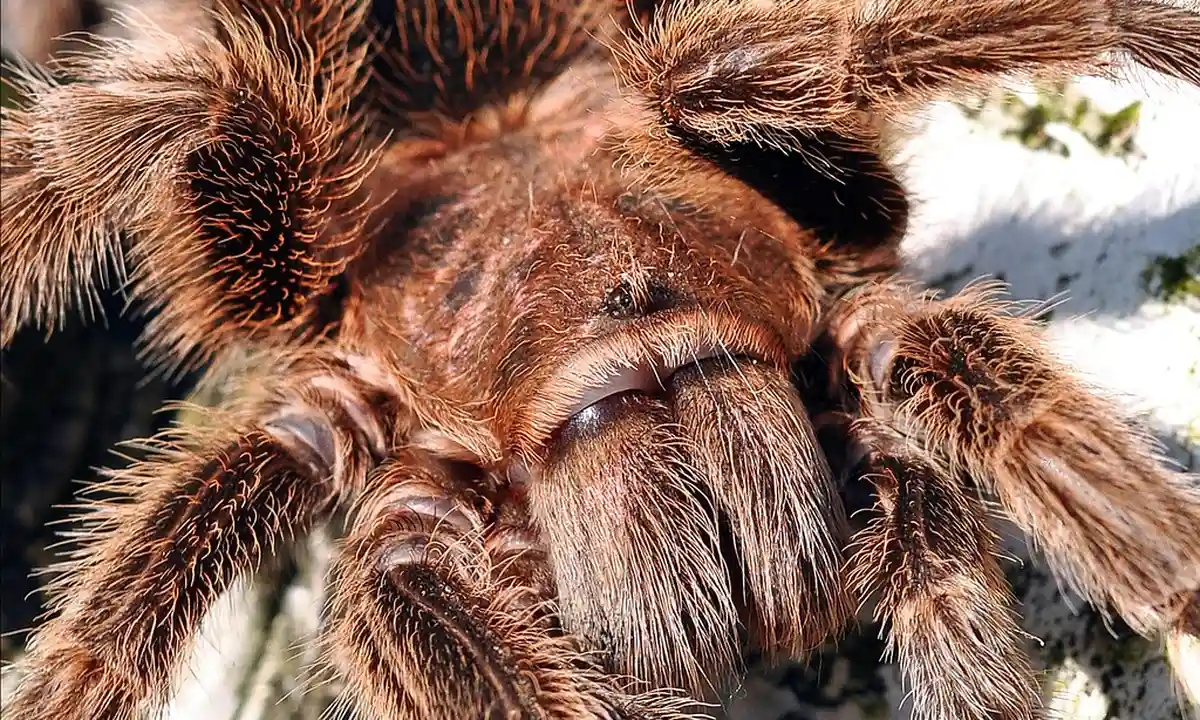
The moment you confirm pre-molt signs, your feeding protocol must shift. Cease offering food immediately once you see a darkening abdomen, lethargy, and web mats over the burrow entrance. The clock starts now.
- For spiderlings and juveniles, this fast may be brief-anywhere from three days to two weeks. Their smaller exoskeletons require less time to prepare and split.
- For sub-adult and adult tarantulas, the timeline expands dramatically. Expect a cessation of feeding for one to three months, sometimes longer. My adult Grammostola rosea, Rosie, once entered pre-molt in October and did not eat again until the following February.
If you offer prey and it is refused, remove the live insect within 24 hours. A roaming cricket or mealworm can harass a vulnerable tarantula, causing immense stress or even chewing on the soft new exoskeleton post-molt. I have seen the damage firsthand; it is a preventable husbandry error.
Other Reasons Your Tarantula Might Refuse Food
Molting is the most dramatic cause for a fast, but it is far from the only one. Appetite fluctuation is a standard, healthy part of a tarantula’s rhythm, and recognizing this prevents unnecessary worry. Do not assume every refusal signals an impending shed.
Environmental Stress and Appetite
A tarantula’s environment is its entire world. Subtle imbalances can trigger a shutdown in feeding behavior. Key stressors include: To tell if your tarantula is hungry or stressed, consult this feeding behavior guide. It helps you interpret hunger cues and stress indicators.
- Recent rehousing: It can take weeks for a tarantula to settle into a new enclosure and resume normal activities.
- Incorrect temperature or humidity: A tank that is too cold or has air that is too dry can suppress metabolism and appetite.
- Excessive disturbance: Frequent vibrations, bright lights, or handling are significant stressors.
This is where the “Look, Don’t Touch” philosophy proves its worth. Minimizing enclosure intrusions and maintaining stable, species-appropriate parameters creates a space where your tarantula feels secure enough to thrive and eat on its own schedule. When setting up and maintaining the enclosure, choosing the best substrate for your tarantula is a key part of that process. The right substrate varies by species, but it helps with humidity, stability, and burrowing behavior.
Species-Specific and Seasonal Fasting
Some tarantulas have fasting habits woven into their biology. The classic example is the Chilean Rose Hair (Grammostola rosea). Individuals like my Rosie are infamous for voluntary fasts lasting six, twelve, or even eighteen months with no ill effects, a baffling but normal trait for the species. This raises questions about how fasting influences their speed and movement. Understanding their speed behavior—how fast they move when active and how they balance energy during hunts or escapes—helps explain these long fasting strategies. You can learn more about it in this article on Understanding their speed behavior.
Another critical scenario involves mature males. After their ultimate molt, a mature male’s sole biological drive is to find a mate; his feeding apparatus often atrophies and he will typically refuse all food during his final wanderings. This is a natural, non-reversible life stage, not a husbandry problem to be solved.
The Dangers of Feeding During Pre-Molt
Offering food to a tarantula showing pre-molt signs is a common but critical error. The risks are not theoretical; they are direct threats to your animal’s survival.
- Prey Injury: A live cricket or mealworm will instinctively bite or chew. Against a soft, newly emerged tarantula, these bites can puncture the tender exoskeleton, leading to fatal fluid loss or infection.
- Internal Impaction: A tarantula’s digestive system shuts down before the molt. Any food item left in the gut cannot be processed and will rot, causing a severe internal blockage. This is a silent killer with no visible symptoms until it is too late.
- Failed Molt: The energy required to digest a meal is energy stolen from the monumental physiological task of ecdysis. This can result in a tarantula becoming stuck in its old skin, a condition that is often fatal without immediate and skilled intervention.
I learned this lesson early with my old Chilean Rose Hair, Rosie. Seeing her sealed in her burrow for weeks, I once foolishly dropped a cricket in “just in case.” The cricket remained uneaten, harassing her hide for days. When she finally emerged, successful but vulnerable, that same cricket was still there, forcing a stressful emergency removal. The potential for injury was starkly real.
The single safest husbandry rule is to withhold all food once confirmed pre-molt signs-a dark abdomen, lethargy, and web-sealing-are present.
Caring for Your Tarantula After the Molt
The moment you find the discarded exuviae is a relief, but care shifts to a new phase. Your tarantula is now at its most vulnerable. Its exoskeleton is soft, its fangs are pale and pliable, and it cannot effectively hunt or defend itself.
Your post-molt protocol should focus on two pillars: hydration and absolute patience.
- Do Not Disturb: Resist the urge to open the enclosure or check on the tarantula. Any disturbance is a major stressor. Simply observe from outside.
- Ensure Humidity: Gently overflow the water dish to dampen a portion of the substrate nearby. This raises local humidity, which aids in the hardening process and provides a nearby moisture source without needing to move far.
- Remove Old Prey: If any uneaten prey items are present, remove them immediately with long tweezers to prevent injury.
- Wait: Allow a minimum of one full week of complete peace. For larger tarantulas like my Theraphosa stirmi, Goliath, this period extends to two weeks or more.
The silence of the enclosure during this time is not neglect; it is the most active form of care you can provide for a hardening tarantula. Watch for signs that the enclosure needs cleaning—odor, mold, or a dirty substrate. Addressing these signs promptly helps keep your tarantula safe during molting.
When and How to Offer the First Meal
Timing the first post-molt meal is about reading your tarantula’s physical readiness, not the calendar. The key indicator is the color of its fangs.
Initially, they will be a soft, pale color-often white, pink, or a translucent brown. You must wait until they have hardened completely into a deep, glossy black. This process typically takes 7 to 14 days for a juvenile or adult, but can be shorter for tiny spiderlings.
When the fangs are confirmed black, follow these steps:
- Select a small, soft prey item. A pre-killed cricket or a freshly molted “soft” cricket is ideal. Its body will be easy to pierce.
- Using soft-tipped tweezers, place the prey item gently in front of the tarantula, preferably near the entrance of its hide.
- Observe from a distance. If the tarantula is ready, the strike will be sudden and decisive. If it ignores or retreats from the prey, remove the cricket immediately and wait another 3-4 days before trying again.
I always start my OBT, Flash, with a pre-killed cricket after a molt. His speed and defensiveness mean a live prey item could startle him while he’s still consolidating his strength. Starting with a gentle offering respects the tarantula’s recovered state and prevents unnecessary stress or failure.
Hydration During Fasting: Keeping Your Tarantula Healthy
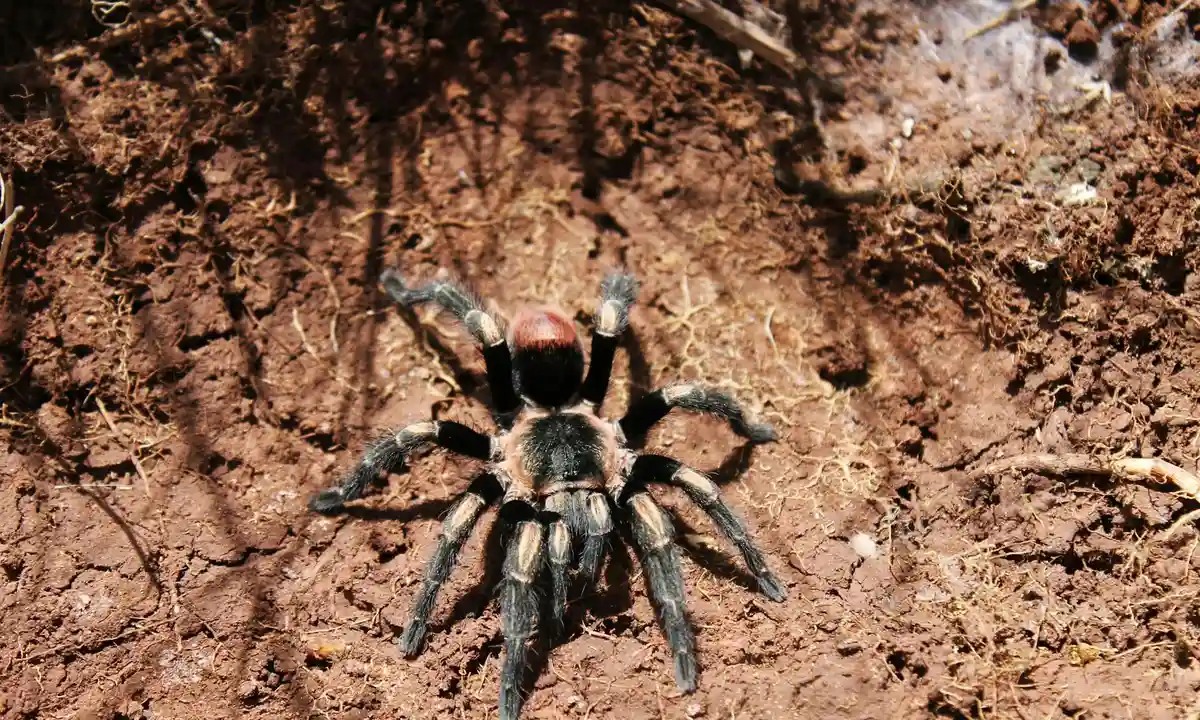
Even when your tarantula refuses food, its need for water does not stop. Fresh water is non-negotiable, acting as the hydraulic fluid for the incredible physical transformation of molting. During ecdysis, the spider pumps body fluids to create pressure, splitting the old exoskeleton and expanding the new one. A dehydrated tarantula can become trapped in its old skin, a fatal situation I’ve sadly encountered in neglected rehomes. You can check for signs of dehydration to ensure your spider stays healthy.
My personal rule is simple and unwavering. Always provide a clean, shallow water dish-a bottle cap or a low-sided ceramic bowl works perfectly-and refresh it weekly. This is not just for drinking; many species, like my docile Rosie, will occasionally stand over it, absorbing ambient moisture through their book lungs.
For moisture-dependent species, this basic care requires a deliberate adjustment. Species like the Burgundy Goliath Bird Eater (Theraphosa stirmi) need consistently high enclosure humidity, around 75-85%, to support their respiratory health and prepare for a successful molt. With my T. stirmi, Goliath, I keep the substrate damp but not swampy and often see him positioned near his large water dish, which also helps maintain the local humidity he craves.
When Fasting Signals a Problem: Distinguishing from Illness
A healthy fasting tarantula, like my G. rosea in pre-molt, will often seem calm and may even continue webbing. You can distinguish normal behavior from sickness by observing posture, abdomen condition, and overall activity level over time. Are there early warning signs of a sick tarantula? Yes—look for subtle changes such as stiffer or altered posture, a shrinking or discolored abdomen, and reduced movement, which can precede more obvious symptoms. A sick tarantula shows persistent, distressing signs that deviate from the quiet waiting game of pre-molt.
Dehydration, for instance, manifests as a wrinkled, shrunken abdomen, not the plump, darkening one seen before molting. An injury or infection might cause a limp, dragging gait or a peculiar, off-balance stance, unlike the deliberate, coordinated movements of a healthy spider. I learned this distinction the hard way when a previously fast species remained listless long after a molt was due, signaling a deeper issue.
Red Flags That Require Attention
Watch for these specific symptoms that demand immediate scrutiny and possibly veterinary consultation.
- Curled legs underneath the body for extended periods: This “death curl” is a critical sign of severe weakness, often from dehydration or systemic failure. It is not a sleeping position.
- Noticeable fluid leaks or a shriveled abdomen: Clear or milky fluid from the mouth or body is a grave indicator. A shriveled abdomen points to chronic dehydration, even if a water dish is present.
- Prolonged fasting (e.g., over a year for an adult) with no signs of molting: While some adults fast famously long, an absence of any pre-molt clues-like a bald, dark spot on the abdomen-warrants a habitat and health review.
Common Questions & Quick Answers
How can I tell the difference between pre-molt fasting and illness?
A tarantula in healthy pre-molt is typically calm, with a plump, darkened abdomen and will often be found in a webbed retreat. In contrast, key illness indicators include a shrunken, wrinkled abdomen (dehydration), a persistent unnatural posture like a death curl, or leaking fluids. A sick tarantula may also show a limp, dragging gait instead of the coordinated, if infrequent, movements of a spider conserving energy for a molt.
What should I do if my tarantula refuses food but isn’t showing pre-molt signs?
First, ensure your enclosure parameters like temperature and humidity are correct and that the tarantula hasn’t been recently disturbed or rehoused. Consider your tarantula’s species, as some, like Chilean Rose Hairs, are famous for voluntary long fasts. Simply remove any uneaten prey, provide fresh water, and wait a week or two before offering food again, as appetite fluctuations are normal. Should the refusal persist, consider a quick non-health reasons checklist—seasonal fasting, recent molts, or subtle environmental changes like lighting or vibrations. Often these factors explain voluntary fasting and do not indicate illness.
Is it normal for a tarantula to fast for very long periods?
Yes, for some species and life stages, extended fasts are completely normal. Large adult females, particularly of slow-growing species like Grammostola rosea, can fast for many months without any health issues. Furthermore, a mature male after his final molt will typically stop eating entirely as his biological focus shifts solely to wandering in search of a mate.
Are there times other than pre-molt when I shouldn’t feed my tarantula?
Absolutely. You must not feed a tarantula for at least 7-10 days after molting, until its fangs have hardened to a deep black color. You should also withhold food if the enclosure conditions are incorrect (e.g., too cold), as this suppresses metabolism, or if the tarantula is visibly stressed from a recent rehousing or excessive disturbance. After the waiting period has passed and the fangs are a deep black color, you can begin feeding again. Start with very small prey and only increase as appetite returns.
The Patient Keeper’s Reward
A tarantula’s fast, especially the profound stillness of pre-molt, tests a keeper’s discipline. Your single most vital responsibility during this vulnerable period is to ensure constant, easy access to a clean water dish, as dehydration is the greatest threat to a molting spider. Trust the process you have set in motion with proper humidity and a peaceful enclosure.
I have spent months watching my Grammostola rosea, Rosie, refuse food, her abdomen darkening like a ripening fruit. That silent vigil is the hobby’s true core. You learn to appreciate the slow drama of a burrow being sealed with silk, or the precise, deliberate movements of a spider positioning itself for ecdysis. This patience rewards you with the sight of an emergent, flawless creature, its colors vivid and carapace gleaming with an iridescent sheen. Success is measured not in meals consumed, but in the quiet, thriving life you are privileged to observe.
Further Reading & Sources
- How Do I Know if My Tarantula Is in Premolt? | Tom’s Big Spiders
- Tarantula Molting: How To Notice Signs Of Premolt
- Signs Your Tarantula Is About to Molt – The Bio Dude
Arlo is a lifelong arachnid enthusiast who believes tarantulas are the world’s most misunderstood roommates. With years of hands-on experience in tarantula care, habitat setup, and species behavior, Arlo combines expert knowledge with a dash of humor to make spider ownership less scary and a lot more fascinating. From choosing the right enclosure to understanding why your eight-legged buddy is doing that weird little pose again, Arlo is here to help you become the best tarantula parent you can be, without getting tangled in the web of misinformation.
Molting Process