
Essential Tarantula Handling Tools and Safety Equipment
Published on: February 21, 2026 | Last Updated: February 21, 2026
Written By: Arlo
Direct contact with tarantulas is a high-risk activity that can trigger defensive behaviors, but a curated kit of simple tools allows for safe enclosure management and emergency response. This article outlines the non-negotiable equipment that bridges the gap between human interest and animal welfare, focusing on stress reduction and safety. Your first purchases should always be a pair of long, soft-tipped tweezers and a transparent plastic cup-these form the foundation of safe interaction.
- Core Tool: 12-inch soft-tipped tweezers
- Containment: Clear plastic deli cup with lid
- Safety Priority: Splash-proof eye protection
- Guidance Tool: Soft-bristled paintbrush
From guiding a lightning-fast OBT to rehousing a hair-kicking Goliath, this guide will detail the tools that protect both keeper and spider during every critical care event, from fragile sling to formidable adult.
The Core Toolkit: Essential Handling Tools for Every Keeper
Building a reliable toolkit transformed my approach to tarantula care, moving me from hesitant novice to confident keeper. The right tools create a buffer of safety and respect, allowing you to manage your tarantula’s world without invading it. These items are non-negotiable for routine maintenance and emergency situations alike.
- Long-Handled Forceps/Tongs (10-12 inch): These are your primary interface with the enclosure. I use stainless steel forceps daily to place prey, like crickets for my ever-hungry Goliath, and to remove boluses or moldy substrate without disturbing the tarantula’s delicate burrow. The length keeps your hand a safe distance from a defensive strike or a cloud of urticating hairs.
- Soft-Bristled Brushes: A small, soft makeup or paintbrush is for gentle guidance. If my OBT, Flash, wanders onto the enclosure lid during maintenance, a slow brush against her back legs encourages her to move back down-far safer than any prodding with tongs. It mimics the feel of foliage in the wild.
- Clear Capture Cups/Specimen Tubs with Secure Lids: A clear plastic deli cup is your most important safety tool. I always have one within arm’s reach. If a tarantula needs to be contained for enclosure cleaning or has made an unexpected dash, you can gently lower the cup over them and slide a stiff card underneath. The transparency reduces panic for both of you.
Beyond these basics, I keep a dedicated, shallow plastic observation tray. This provides a controlled, temporary space for examining molts or safely containing a tarantula during full enclosure changes, eliminating the risk of a fall from a table.
Personal Protective Equipment: Safeguarding the Handler
Skin and Eye Protection
Protective gear is a two-way street; it shields you from legitimate risks while protecting your tarantula from the oils, salts, and perfumes on human skin. My rule is simple: if my hands are going near the enclosure for anything more than watering, the gloves go on. This mindset is part of tarantula-proofing your home—an essential guide every keeper follows. By extending safe handling habits beyond the enclosure, you help keep both tarantula and home safe.
- Long-Sleeved Shirts: A smooth, cotton long-sleeve is your first layer of defense. It acts as a barrier against airborne urticating hairs, which species like my T. stirmi “Goliath” can kick with startling accuracy. These barbed hairs cause intense itching and rashes upon contact with skin.
- Nitrile Gloves: I use disposable nitrile gloves for all substrate work and rehousings. They prevent skin oils from transferring to the tarantula or its environment, and they offer a basic layer of protection against incidental contact. Remember, tarantulas are fragile; a glove also prevents you from accidentally gripping too hard.
- Sealed Eye Protection: Safety glasses or sealed goggles are non-negotiable when working with New World tarantulas known for kicking hairs. I learned this the hard way when a slight breeze from a fan carried hairs into my eye during a rehousing-a painfully inflammatory experience. Goggles also protect against very rare venom exposure from a defensive strike.
This equipment fundamentally changes your posture and movements, encouraging slow, deliberate actions that minimize stress for the animal.
Beyond Gloves: Full-Body Safety
Your everyday clothing choices matter during keeper tasks. Wear smooth fabrics that won’t snag on enclosure decor and closed-toe shoes to protect your feet if a heavy hide or water dish is dropped. This practical attire supports a stable, careful posture, keeping the focus on the task and not on adjusting uncomfortable clothing.
Adapting Your Tools to Tarantula Species and Behavior
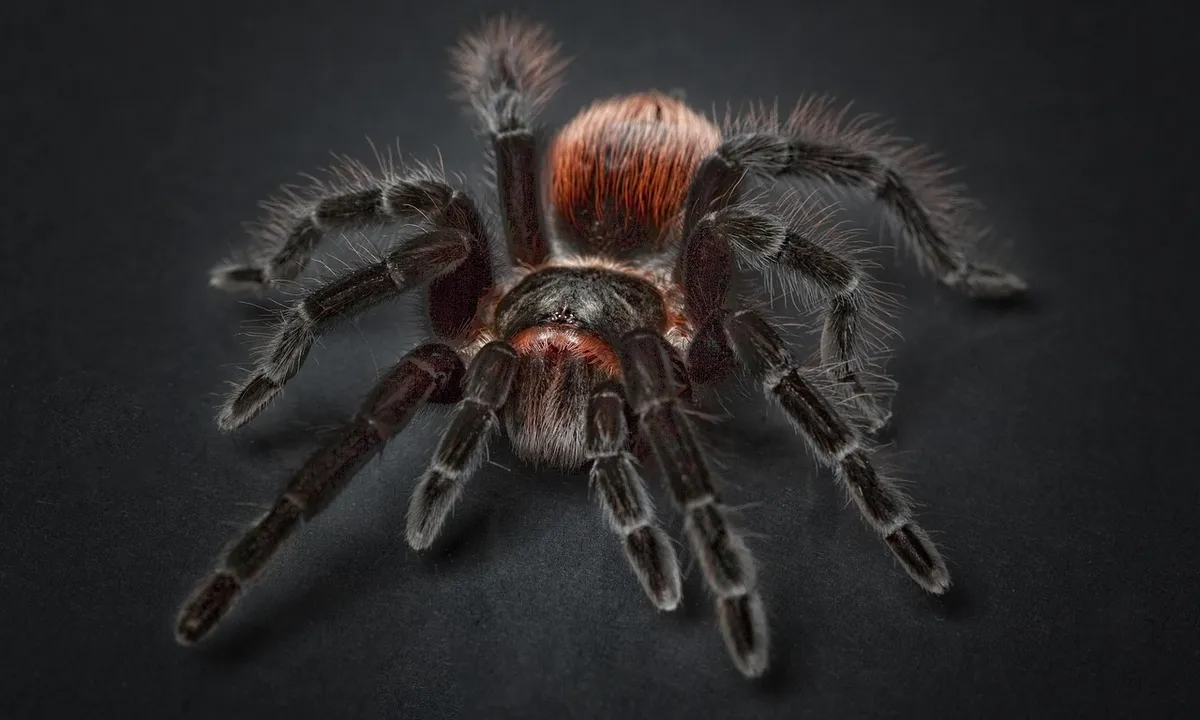
A basic toolkit is a start, but a true hobbyist knows their tools must evolve with their collection. The specific behaviors and defensive mechanisms of your tarantula dictate a tailored, strategic approach to your equipment. Using the wrong tool for the job is more than inconvenient; it’s a risk to you and your animal. For beginners, safe handling should come first. Observe your tarantula and handle sparingly, using proper tools and a calm environment.
Tools for Defensive and Fast Species
For Old World tarantulas like my Pterinochilus murinus, Flash, or other fast, defensive species, your tools are your primary line of defense and control. Standard equipment feels dangerously inadequate. Old World tarantulas typically lack urticating hairs and rely on venom and speed, which makes them more dangerous to handle than many New World species. This difference in defense explains why standard tools and safety practices must be more robust with Old World tarantulas.
- Capture Cups: Use a cup significantly larger than the tarantula’s legspan. A cramped, stressed animal is more likely to bolt. I keep a tall, clear plastic deli container dedicated to Flash’s rehouses.
- Tongs/Forceps: Arm yourself with tongs at least 12 inches long. This provides a critical buffer zone between your hand and a rapid, defensive strike. Short tweezers have no place here.
- Lid Clamps or Weights: For known escape artists, a simple lid is an invitation. Use binder clips, specialized terrarium clamps, or a light weight to secure the enclosure lid, especially during maintenance. An unsecured enclosure for an OW species is not an “if” but a “when” for an escape.
I learned this during Flash’s last rehousing. Guiding her into the cup went smoothly, but as I slid the lid underneath, one leg darted out. With my longer tongs, I was able to gently guide that leg back without bringing my fingers anywhere near her. The right tools turned a potential crisis into a manageable, calm procedure.
Tools for Heavy Urticating Hair Kickers and Moisture-Dependent Species
Species like the Theraphosa stirmi, my Goliath, present a different challenge. Their potent urticating hairs are a primary defense, and their need for high humidity requires careful enclosure management.
- Personal Protective Equipment (PPE): Safety glasses are non-negotiable. A face shield is better. Combine this with long sleeves and gloves when working at the enclosure opening. Goliath kicks first and asks questions never.
- Long-Handled Tools for Humidity: To maintain their damp substrate without leaning over the enclosure, use a long-tipped watering can or a misting system with an extended nozzle. The goal is to service the environment without becoming a target in the animal’s space.
- Substrate Scoops: A large, long-handled spoon or scoop is perfect for spot-cleaning or adding damp moss. It keeps your arms out of the line of fire and prevents you from accidentally disturbing a burrow.
Step-by-Step Techniques for Safe Tool Use
Owning the right tools is only half the battle. Using them with calm, deliberate technique is what separates a safe keeper from a scared one.
How to Safely Use a Capture Cup
- Stage Everything First: Before you even open the old enclosure, have the capture cup and the new, fully prepared enclosure side-by-side. Ensure the new home is escape-proof, with hides and water dish ready.
- Guide, Never Force: Open the enclosure and use a soft, long-handled brush to gently encourage the tarantula to walk forward into the cup. Place the cup in its path. Let the animal move at its own pace; prodding causes panic and flight.
- Secure and Transfer: Once the tarantula is fully inside, slowly and firmly slide a rigid lid (cardboard, plastic) under the cup’s opening. Lift the secured cup, place it into the new enclosure, remove the lid, and allow the tarantula to walk out on its own. Patience here prevents frantic escapes and potential falls.
How to Properly Use Handling Tongs and Forceps
These are manipulation tools, not handling tools. Their purpose is to move cage décor, remove leftovers, and place prey—not to grip your tarantula. Many people wonder which best tarantula species for handling are, and why that’s not commonly recommended. Even the calmest species can react unpredictably and suffer stress or injury from handling, so it’s generally best to avoid it and rely on non-contact care.
- Smooth and Deliberate Motions: Any sudden, jerky movement can trigger a defensive response. Move like you’re in slow motion.
- Never Pinch or Grasp: Do not use the tips to clamp onto any part of the tarantula’s body. This can cause severe injury, especially to a soft abdomen after a molt. Use them only as a gentle barrier or guide.
- Primary Functions: Use tongs for cage maintenance (lifting water dishes, repositioning cork bark) and for placing feeder insects. For feeding, I gently drop the insect in front of my tarantulas, never directly on them.
- Length Comparison: Short, 6-inch forceps are fine for simple feeding in a calm species’ enclosure. For larger enclosures or defensive species, the extended reach of 12-inch or longer tongs is a fundamental safety feature that keeps your skin away from fangs and hairs.
Ensuring a Secure Handling Environment

Before any tool touches the enclosure, your primary focus must be the space itself. My fifteen years with tarantulas, from the placid G. rosea to the volatile P. murinus, have taught me that a secure environment is the single greatest factor in preventing stressful escapes or defensive encounters. Equally important is properly ventilating the enclosure to prevent excess humidity and stagnant air. A well-ventilated setup reduces mold and odor and supports a truly secure habitat.
Pre-Handling Enclosure Checks
Never skip this three-point scan. It takes seconds but averts disasters. I perform this ritual every time I need to interact with my Burgundy Goliath, who is prone to sudden, hair-flicking bursts of energy when disturbed.
- Verify all enclosure lids are doubly secure. A loose lid is an engraved invitation. I learned this when a spiderling similar to my OBT, Flash, exploited a millimeter gap during a routine water refill.
- Ensure ventilation is adequate but absolutely inescapable. Cross-ventilation is vital for moisture-loving species like T. stirmi, but the mesh or holes must be smaller than your tarantula’s carapace.
- Clear a large, flat, and contained workspace. Remove coffee cups, open laptops, and other pets. This gives you a calm zone for maneuverability if your tarantula makes an unexpected move.
Tools for Enclosure Security and Maintenance
The right tools let you care for your tarantula while minimizing direct contact and enclosure openings. This philosophy of respectful distance is the core of the “Look, Don’t Touch” ethos I advocate for every species. When it comes to temperament, arboreal tarantulas are often more skittish and prone to sudden moves, whereas terrestrial species tend to be sturdier but still stress easily. Handling arboreal and terrestrial tarantulas should reflect these differences to minimize risk for both you and your spider.
- Use a quality magnifier for distant health checks. A handheld loupe allows me to inspect my Chilean Rose Hair, Rosie, for pre-molt shine or subtle leg lesions without ever lifting her hide.
- Employ long substrate scoops and tongs as a team. A dedicated spoon works with your feeding tongs to remove boluses or spot-clean damp substrate. This system drastically reduces the time the terrarium is open.
These practices are built upon a foundation of proper husbandry. Deep, packable substrate and tailored ventilation aren’t just for comfort; they create a stable home that requires less intrusive maintenance, keeping stress low for you and your spider.
Sourcing and Maintaining Your Handling Gear
Your tools are an extension of your calm, deliberate intent. Choosing and caring for them matters. I source my most trusted tools from dedicated online arachnid and reptile suppliers; they design products for our specific, delicate needs.
- Seek durable, animal-safe tools from specialty retailers. Avoid flimsy plastic or corrosive metals. Opt for stainless steel tongs with silicone tips and rigid acrylic scoops.
- Maintain gear with simple, consistent care. Rinse tools with warm water after use. Inspect for stress cracks or rust monthly. Store them in a dedicated bin, never where household cleaners can contaminate them.
- Viewing quality tools as a long-term investment pays dividends in safety and spider welfare. A reliable pair of 12-inch tongs prevented a serious bite during a complex rehousing of my defensive OBT.
FAQs
What are the absolute essential tools for safely handling a tarantula?
The foundational tools are long, soft-tipped forceps and a clear capture cup with a secure lid. The long forceps allow you to perform tasks like feeding and spot-cleaning from a safe distance, minimizing stress. The transparent cup is critical for safely containing the tarantula during enclosure transfers or unexpected escapes. A soft-bristled brush is also essential for gentle guidance without causing harm or panic. Essential features differ between terrestrial and arboreal tarantula enclosures: terrestrial setups emphasize stable ground space, while arboreal setups prioritize vertical climbing opportunities. Understanding these differences helps tailor your care and transfer techniques to the enclosure type.
What safety equipment is truly necessary for a handler?
Sealed eye protection is non-negotiable to guard against kicked urticating hairs, which can cause severe irritation. Wearing long sleeves and disposable nitrile gloves protects your skin from hairs and prevents transferring oils to the spider. This basic personal protective equipment (PPE) forms a crucial barrier for both you and your tarantula during any enclosure interaction. Understanding the real risks of tarantula urticating hairs—such as irritation, dermatitis, or rare allergic reactions—helps justify PPE and handling precautions. Being aware of these risks makes enclosure interactions safer and more confident.
Are there specific tools for fast, defensive Old World tarantulas?
Yes, tool selection must adapt for defensive species. You require longer tongs (12+ inches) to maximize your safe working distance from a potential strike. A larger capture cup is needed to avoid stressing the animal during containment. Furthermore, using secure lid clamps or weights on the enclosure itself is vital to prevent escapes before you even begin.
How do you properly use a catch cup during a rehousing?
First, have both the cup and the new enclosure fully prepared and side-by-side. Gently guide the tarantula into the cup using a soft brush, allowing it to walk in on its own. Once fully inside, slowly slide a rigid card under the cup’s opening to secure it, then safely transfer the sealed cup to the new enclosure for release. To safely transport and rehouse your tarantula, keep the sealed cup in a sturdy carrier and avoid jostling. Before release, ensure the new enclosure is fully prepared and secure.
What is the correct way to use handling tongs or forceps?
Tongs are for manipulating objects, not the tarantula itself. Always use smooth, deliberate motions to avoid triggering a defensive response. Never use the tips to pinch or grasp any part of the tarantula’s body, as this can cause severe injury. Their primary functions are moving decor, placing prey, and removing waste from the enclosure. To safely handle your pet tarantula, follow a simple step-by-step holding guide. This brief guide covers preparation, approach, and gentle support to minimize stress.
The Quiet Joy of Success
After gathering every tool, the core principle remains unchanged. The single most important piece of “equipment” is your own commitment to the “Look, Don’t Touch” philosophy, a practice that protects both you and the animal from stress and harm. Your long forceps, your catch cups, your calm demeanor-these are not for controlling the spider, but for managing its environment safely.
True success in this hobby is measured in quiet observation. It is in watching your fossorial species meticulously reinforce its burrow, or seeing the first delicate strands of a funnel web appear overnight. I find more thrill in the silent, lighting-fast strike of my OBT, “Flash,” than I ever could in holding her. Patience rewards you with natural behaviors a stressed animal will never show. Your tools grant you a front-row seat to a wild life, lived safely behind glass. That is the ultimate goal.
Further Reading & Sources
- 5 Best Rarely Mentioned Tips For Tarantula Handling
- Tarantula Health 101: Essential Tips for Keeping Your Pet Happy – Talis Us
- 5 Must-Have Tools for Every Tarantula Keeper – Arachnifiles
Arlo is a lifelong arachnid enthusiast who believes tarantulas are the world’s most misunderstood roommates. With years of hands-on experience in tarantula care, habitat setup, and species behavior, Arlo combines expert knowledge with a dash of humor to make spider ownership less scary and a lot more fascinating. From choosing the right enclosure to understanding why your eight-legged buddy is doing that weird little pose again, Arlo is here to help you become the best tarantula parent you can be, without getting tangled in the web of misinformation.
Handling and Interaction