
Signs of Healthy vs. Unhealthy Tarantula Spiderlings
Published on: March 11, 2026 | Last Updated: March 11, 2026
Written By: Arlo
Tarantula spiderlings, or slings, are nature’s meticulous origami-tiny packages of potential where health is written in posture, appetite, and the silent drama of a molt. From my years breeding everything from the patient G. rosea to the volatile P. murinus, I’ve learned that early vigilance prevents heartbreak. This guide translates the subtle language of sling well-being into clear, actionable signs. Your first clue is a plump, rounded abdomen and a calm but alert presence in its enclosure.
Quick Stats
- Origin: Species-dependent, from the arid burrows of Chilean roses to the humid retreats of Goliath bird eaters
- Type: Categorized as New World (often possess urticating hairs) or Old World (generally faster, more defensive)
- Growth Rate: A wide spectrum; some can mature in a few years while others, like my Rosie, embody slow, deliberate living
This focused guide will give you the observational tools to nurture your spiderling through its most vulnerable life stage.
The Foundation: Understanding Spiderling Vulnerability
A tarantula spiderling-affectionately called a “sling” in the hobby-is a juvenile from the moment it emerges from its egg sac until it reaches a few inches in leg span. Their miniature world demands hyper-attentive care because their tiny bodies lose moisture rapidly and lack the fat reserves of an adult. I learned this firsthand raising offspring from my docile Grammostola rosea, Rosie; those dust-pink slings needed perfectly damp substrate corners to thrive, where a single dry day could spell trouble.
Their fragility is profound compared to adults. My fast and defensive OBT, Flash, produces slings that are ironically vulnerable despite their fierce reputation. One escape during a rehousing taught me to always work inside a large, clear bin-their speed is breathtaking, but a fall from table height is often fatal. This extreme delicacy is why the “Look, Don’t Touch” philosophy isn’t just a suggestion; it’s a lifeline for spiderling welfare. Stress from handling can suppress feeding and trigger deadly dehydration, so respectful observation through the enclosure wall is the cornerstone of good care.
Visual Health Check: Appearance Tells the Story
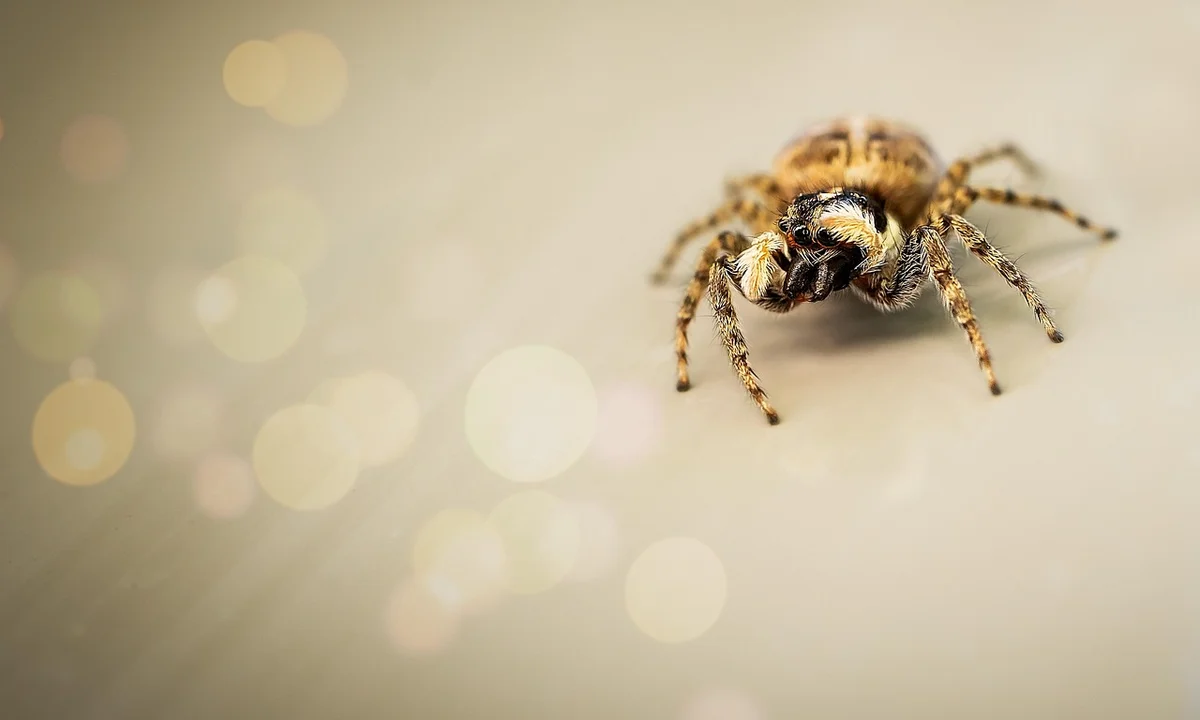
Develop a systematic eye for detail. A quick, daily visual scan can reveal volumes about your sling’s well-being. Learn to compare these healthy benchmarks against worrying deviations, catching minor issues before they escalate.
Abdomen Size, Fullness, and Shape
A healthy spiderling abdomen is plump, rounded, and proportional to the cephalothorax, like a tiny, well-filled grape. This plumpness signals successful hydration and nutrition, often visible a day after accepting a pinhead cricket or fruit fly. In my burgundy Goliath (Theraphosa stirmi) slings, a full abdomen was a reliable sign the high humidity was working.
Contrast this with unhealthy signs. A shriveled or sunken abdomen is a classic distress call for dehydration. An abnormally distended, balloon-like abdomen can indicate impaction from substrate ingestion or, more rarely, a parasitic problem. Monitor weight stability indirectly by noting abdomen size over weeks; a healthy sling’s abdomen should cyclically shrink after molting and fill with feeding, not remain constantly gaunt or bloated.
Coloration, Posture, and Physical Integrity
Vibrant, species-appropriate color is a vital sign. Healthy slings display a bright, fresh palette. After a molt, look for that iridescent sheen on the carapace-my OBT slings would glow like molten lava when freshly hardened. Dull, faded, or pale colors often point to chronic stress or impending molt, while a persistently dusty appearance might be a harmful buildup of urticating hairs or simply poor health.
Posture speaks volumes. A content sling sits alert with its legs resting comfortably, not tucked tightly. It should move all limbs with purpose when disturbed. I judge physical integrity by leg movement; a sling that favors one leg or has a dangling limb may be injured or recovering from a bad molt. Unhealthy posture includes a hunched abdomen where the spinnerets press down, or legs curled pathetically under the body-a severe sign often linked to dehydration or toxin exposure.
Behavioral Clues: Activity and Responsiveness
Your tarantula spiderling’s daily behavior provides a real-time health readout you can learn to interpret. Subtle shifts in movement and alertness often signal the first whispers of a problem long before physical symptoms appear. These early warning signs matter because they help you identify if your tarantula might be sick before obvious illness shows up. By learning what to watch for, you can act quickly to keep your tarantula healthy.
During brief daily checks, focus on these two core aspects:
- Compare its current activity level to its established, species-normal baseline.
- Note its responsiveness to gentle environmental stimuli, like a soft breath of air across the enclosure.
Normal Activity and Reflexes
A healthy spiderling balances long periods of stillness with bursts of deliberate activity. My OBT slings, like Flash, periodically explore and reinforce their silken tunnels with energetic purpose. This cycle of rest and reconnaissance is a key sign of a comfortable, secure animal.
Reflexes should be sharp and appropriate. A gentle nudge with a soft paintbrush should elicit a quick, startled movement away from the pressure. Even a docile species like the Chilean rose hair should possess a reliable, if slower, escape response when genuinely startled.
Species norms dictate the scale. A Goliath bird eater sling may be more openly adventurous, while an Old World species might primarily move under cover of darkness. The universal constant is an underlying alertness to its surroundings.
Red Flags in Movement and Demeanor
Concerning behavior is a stark departure from the individual’s normal rhythm. I once cared for a sling that sat listlessly in the open for days, a fatal error I missed by not acting sooner. Prolonged, exposed immobility, especially during its typically active hours, is a serious red flag.
Watch for these specific warning signs in movement:
- A complete lack of reaction to live prey wandering nearby or to a gentle air puff.
- Slow, shaky, or uncoordinated leg movements, as if walking through syrup.
- A failure to right itself within a minute if accidentally tipped onto its back.
A spiderling that remains chronically unresponsive to its environment is in critical distress and requires immediate habitat assessment.
Feeding Time: Appetite as a Health Barometer
For a growing spiderling, a strong feeding response is one of the clearest indicators of robust health. Observing the strike—that silent, explosive moment of predation—tells you everything about their metabolic and neurological condition. Equally telling are the tarantula’s food-dance cues—the deliberate posture, waiting, and micro-movements that precede the strike. Reading these behaviors lets you anticipate when it’s ready to eat and fine-tune your observations of its appetite.
Use this step-by-step method to gauge health during feedings:
- Offer one appropriately-sized prey item, like a pinhead cricket or flightless fruit fly.
- Introduce the prey gently into the enclosure, away from the sling’s hide.
- Observe from a distance for 15-20 minutes without disturbing the enclosure.
- Log the response: immediate strike, hesitant interest, or total ignorance.
- Remove any uneaten prey after 24 hours to prevent stress or injury.
Healthy Feeding Response
A well-conditioned sling is a precision hunter. My T. stirmi spiderlings would freeze, orient, and lunge with astonishing speed, embodying predatory efficiency. The healthy sequence is unmistakable: keen detection, a lightning-fast strike, and secure consumption in a secluded spot.
You’ll see their pedipalps twitch as they detect vibrations, their body tense, and then the sudden, fluid grab. This vigorous appetite directly correlates with good hydration and a properly functioning digestive system.
When Feeding Indicates a Problem
Chronic refusal or aberrant eating behavior is a major symptom to decode. While my adult Rosie fasts for months, spiderlings have less reserve and frequent refusal is more concerning. Dropping prey repeatedly or regurgitating a soupy bolus are urgent signs of internal distress.
Interpret refusal through this lens:
- Pre-molt preparation: The most common cause. The sling’s abdomen darkens, it seals its hide, and ignores food for weeks as its new exoskeleton forms beneath.
- Environmental stress: Incorrect humidity or temperature can shut down appetite. My moisture-dependent Goliath slings would refuse food if the substrate dried out.
- Illness or injury: Regurgitation, or a persistent wet spot near the mouthparts, can indicate a bacterial infection or toxin exposure from contaminated prey.
Always err on the side of caution and remove live prey that is not consumed; a cricket can injure a vulnerable, molting spiderling.
The Critical Phase: Molting Signs and Complications
Molting, or ecdysis, is the most vulnerable and fascinating process in a spiderling’s life. A successful molt means growth and renewal; a problematic one is a true emergency. You must learn to distinguish normal pre-molt behavior from signs of a health crisis. Based on hundreds of molts across my collection, from the predictable G. rosea to the frantic P. murinus, the signs are universal.
Recognizing a Healthy Molt Cycle
Long before the actual shed, spiderlings exhibit clear pre-molt indicators. This is a time for increased observation and reduced disturbance. During this phase, maintain stable humidity and enclosure conditions to support a successful shed. Minimize handling and disturbances to reduce stress and improve molting outcomes.
- Darkening Abdomen: The opisthosoma turns a deep, opaque black or dark grey as the new exoskeleton forms beneath.
- Appetite Loss: They will refuse food, sometimes for weeks. My old Chilean Rose, Rosie, once fasted for 9 months-a nerve-wracking but normal pre-molt fast for an adult.
- Increased Seclusion: Burrowers will seal themselves in. Arboreal species, like my OBT Flash, will create a dense, silken molting hammock.
- Glossy Appearance: The carapace takes on a waxy, shiny look right before the molt.
The molt itself is a silent, tense ballet. A healthy spiderling will flip onto its back, split the carapace, and methodically extract every limb and fang over several hours. A perfect shed leaves behind a flawless, complete exoskeleton, a ghost of the spider’s former self. The new spider will be soft, pale, and incredibly fragile, hiding until its fangs harden in a week or two.
Molting Problems to Watch For
Problems arise when the old exoskeleton does not fully release. This is often due to incorrect humidity or an underlying health weakness.
- Prolonged Flipping: The spiderling remains on its back, struggling, for over 12-24 hours with no progress.
- Stuck Shed:
- Patches of old skin, especially on the book lungs (abdomen underside) or wrapped around leg joints, remain attached.
- Fluid Leaks: Any visible clear fluid from the body is a grave sign of internal damage.
Intervention is a last resort and must be done with extreme caution. The only safe action you can take is to gently increase local humidity around the struggling sling. I use a small artist’s brush to dab very warm water on the enclosure walls near the animal or to place a single damp cotton ball close by. Never, ever try to pull the shed off manually-you will rip their soft new body. Sometimes, doing nothing but maintaining a quiet, dark environment gives them the best chance to complete the process on their own.
Hydration: The Balance of Moisture
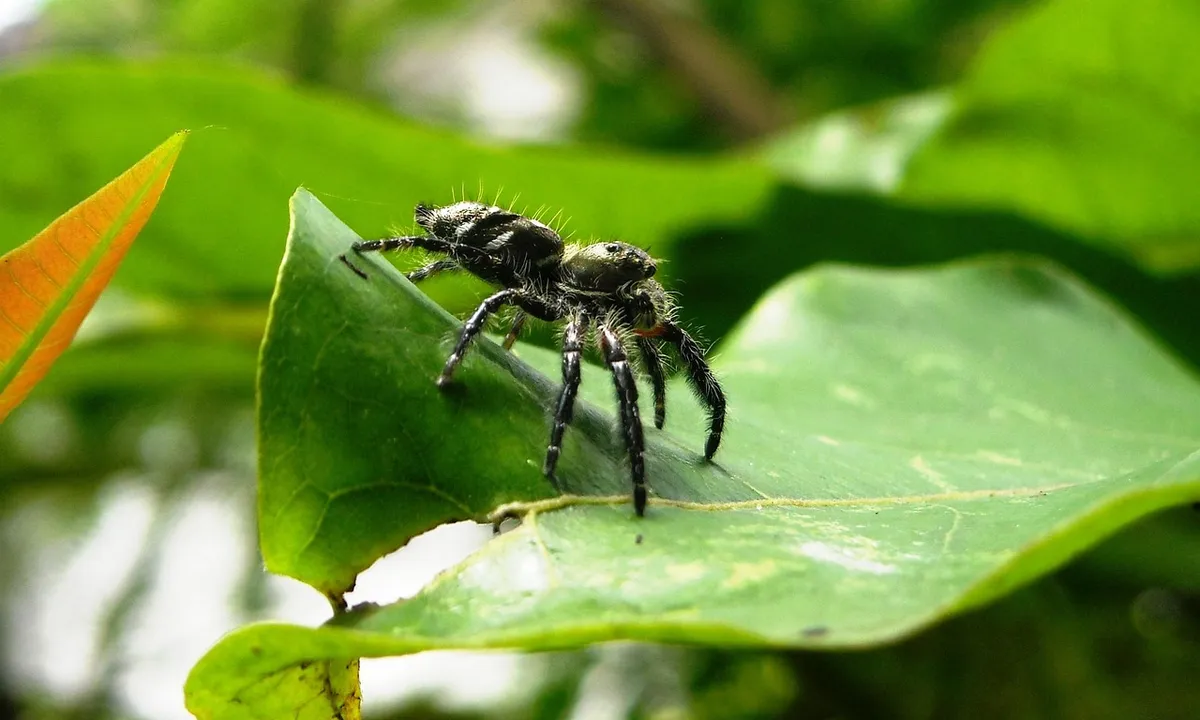
While we obsess over humidity percentages, the spiderling’s body tells the real story. Enclosure humidity is a guideline; abdomen turgor is the fact. A sling can drown in a soggy tank yet still be dehydrated if it cannot access free water.
Signs of Proper Hydration
A well-hydrated spiderling is active within its normal behavioral range and has a plump, firm abdomen. The abdomen should look full and rounded, not taut like an overfilled balloon. After a quiet evening, you might even see a tiny water droplet glistening on their fangs or on the substrate where they drank. This visible evidence of drinking is a deeply reassuring sight for any keeper, especially when considering that not all tarantulas have the same hydration needs.
Dehydration Symptoms and Solutions
Dehydration is a silent killer that can happen quickly to small spiderlings. Watch for these signs:
- A wrinkled, shrunken, or “prune-like” abdomen.
- Pronounced lethargy and lack of movement.
- Refusal of prey, even when in a non-molt state.
- Struggling to climb smooth surfaces, as their hydraulic leg extension weakens.
Rehydration must be gradual and non-threatening. For a severely dehydrated sling, I follow a careful protocol. First, I add a bottle cap water dish if the enclosure lacks one. For tiny slings in vials, I use a syringe to flood one corner of the substrate with water, creating a damp but not swampy area. The goal is to provide accessible water, not to soak the entire environment and risk mold or fungus. Often, a dehydrated spiderling will sit over this damp patch, absorbing moisture through its underside. Within a day or two, you should see the abdomen plump back up, a sure sign of recovery.
Proactive Care: Preventing Health Issues
Spotting the signs of trouble is vital, but the true goal is to create an environment where those signs never appear. Your husbandry choices are the strongest medicine you can offer.
The single greatest predictor of a spiderling’s health is the stability of its micro-environment.
The Foundation of Stability
Think of the enclosure as an extension of the spiderling itself. Any drastic change feels like a natural disaster to an animal this small. To avoid common tarantula enclosure setup mistakes, keep changes gradual and monitor temperature and humidity. Plan the layout ahead of time to minimize disruption once the spiderling is settled.
- Substrate is Sacred: Use a moisture-retentive, mold-resistant base like coconut fiber or a topsoil mix. For arid species like my old Rosie, I keep it bone-dry with a water dish. For my T. stirmi slings, I saturate one corner deeply, creating a humidity gradient they can seek out.
- Humidity is a Number, Not a Guess: “Moist” is not a measurement. I aim for 70-80% ambient humidity for tropical fossorial slings by monitoring with a digital gauge. For arid species, 40-50% is often plenty. Misting directly on a sling can cause chilling; instead, pour water into the substrate.
- Minimize Disturbance Absolutely: Every unneeded rehouse, every poke to check if it’s alive, is a massive stress event. Feed, water, and observe from a distance. Let webbing and burrowing happen in peace.
Enclosure Philosophy: Simple or Bioactive
You have two excellent paths, both demanding respect for the animal’s needs.
The simple, sterile setup is a masterpiece of control. A deli cup, lean decor, and easy-to-replace substrate let you monitor everything. I raise most of my fast-growing slings, like OBTs, this way. It eliminates variables when you’re learning their rhythms.
A well-built bioactive enclosure is a self-regulating ecosystem. Springtails and isopods process waste and mold, creating a dynamic floor. My Goliath’s permanent enclosure is bioactive, and the clean-up crew handles boluses I’d never find. It requires more initial research but less long-term micromanagement. For keepers weighing options, a complete comparison of bioactive versus sterile enclosures clarifies trade-offs. The choice depends on species, space, and willingness to manage microfauna.
Both methods succeed when you prioritize the spider’s need for security and consistency over your desire for a decorative display.
The Practice of Observant Care
Proactive care is not just about what you do, but how you see. It’s the quiet observation.
- Schedule Consistent Checks: I do a visual welfare scan every other day-water dish full? abdomen size good? any unusual webbing?
- Log Changes: Note pre-molt fasting, burrow sealing, or changes in posture. This log becomes your spiderling’s health biography.
- Resist Intervention: A curled sling might just be sleeping. A refused cricket might signal an incoming molt. Patience, backed by knowledge, prevents most catastrophes.
This hobby, at its best, is a practice in respectful stewardship, where our reward is witnessing a perfect, silent life unfold on its own terms.
FAQs
What are the key differences in feeding behavior between healthy and unhealthy tarantula spiderlings?
A healthy spiderling is an alert, efficient predator that will quickly detect, strike, and consume appropriately sized prey. An unhealthy spiderling may chronically refuse food, appear uninterested in live prey walking nearby, or exhibit problematic behaviors like dropping its meal. Consistent refusal outside of a pre-molt period is a significant red flag that often points to environmental stress or illness.
How does the abdomen size and appearance indicate the health of a tarantula spiderling?
A healthy spiderling’s abdomen is plump, rounded, and proportional to its body, indicating good hydration and nutrition. An unhealthy abdomen may appear severely shriveled and wrinkled from dehydration or, conversely, abnormally distended and taut. Monitoring cyclical changes in abdomen size related to feeding and molting is more important than a single observation.
What are the signs of dehydration in a tarantula spiderling, and how does it compare to a hydrated one?
A dehydrated spiderling has a wrinkled, sunken abdomen and often displays lethargy, weak movement, and a loss of appetite. In contrast, a well-hydrated sling has a firm, full abdomen and normal activity levels. Providing a damp substrate area in the enclosure is the safest way to offer a dehydrated spiderling a chance to rehydrate itself. To tell if your tarantula is dehydrated, look for a wrinkled, sunken abdomen and reduced activity. If dehydration is suspected, increase humidity and offer a damp substrate and a shallow water dish to encourage rehydration.
How can you tell if a tarantula spiderling is about to molt, and what behaviors indicate a problem during this process?
Normal pre-molt signs include a darkening abdomen, loss of appetite, increased seclusion, and often sealing its hide. A problem during the molt is indicated if the spiderling is stuck on its back struggling for over 24 hours, has patches of old exoskeleton stuck to its body, or shows any fluid leaks. The safest intervention is to gently raise the local humidity and avoid physical contact.
Long-Term Success
For every tarantula spiderling, from a docile Grammostola rosea to a lightning-fast Pterinochilus murinus, consistent hydration is the non-negotiable cornerstone of early development. A sling’s tiny body loses moisture rapidly, and a perpetually damp corner of substrate is not a suggestion—it is a lifeline that directly supports the fluid pressure needed for successful molts. I keep the soil in my OBT Flash’s deli cup genuinely wet, not just moist, and that simple, vigilant act has supported five flawless molts in two years. Likewise, I aim to create a gentle substrate moisture gradient—drier surface layers above wetter zones below—to mimic natural burrows. This gradient helps the tarantula regulate its moisture needs and supports healthy molts.
Resist the urge to fuss. Your real work is observation, not intervention. Find joy in the quiet drama: the meticulous sealing of a burrow entrance with silk, the sudden, decisive strike on a pinhead cricket, the slow expansion of a new web tunnel. Growth in this hobby is measured not in days, but in molts, and your patience is the most vital tool in your kit. A thriving spiderling, left to its own instincts in a properly maintained setup, is one of the most rewarding sights our hobby offers.
Further Reading & Sources
- Raising Young Tarantulas [aka “spiderlings”]
- Spiderling Housing & Care | Arachnoboards
- Spiderling-Care-sheet – Mike’s Basic Tarantula
Arlo is a lifelong arachnid enthusiast who believes tarantulas are the world’s most misunderstood roommates. With years of hands-on experience in tarantula care, habitat setup, and species behavior, Arlo combines expert knowledge with a dash of humor to make spider ownership less scary and a lot more fascinating. From choosing the right enclosure to understanding why your eight-legged buddy is doing that weird little pose again, Arlo is here to help you become the best tarantula parent you can be, without getting tangled in the web of misinformation.
Signs of a Healthy Tarantula