
What Are the Signs Your Tarantula’s Enclosure Needs Cleaning?
In the tarantula-keeping hobby, a pervasive and risky myth suggests these animals thrive in ‘dirty’ environments, but the truth hinges on a critical distinction between natural bioactive processes and hazardous neglect. This article decodes the subtle and obvious signals from your spider’s micro-habitat, translating mold blooms, odor changes, and pest infestations into actionable husbandry. The most urgent sign is the presence of dangerous mold or a surge of mites, which demands immediate rehousing to prevent respiratory stress or physical harm to your tarantula.
Quick Stats:
- Origin: Husbandry-Dependent (Applies to all species)
- Type: New World & Old World Consideration
- Growth Rate: All Life Stages (Sling to Adult)
This guide will equip you with the observational skills to maintain a pristine, health-focused enclosure from your spiderling’s first home to its final adult terrarium.
The Critical Link Between Cleanliness and Tarantula Health
Forget the old myth that tarantulas thrive in filth. In the wild, rain, wind, and other organisms act as a custodial crew. In a glass box, you are that crew. A clean enclosure is not about aesthetics; it is your primary defense against the most common and preventable health issues in the hobby.
The silent killer is almost always moisture-related. Stagnant, humid air combined with decomposing waste creates a perfect breeding ground for pathogens. I learned this firsthand with my Burgundy Goliath Bird Eater (T. stirmi), who requires high humidity. An unnoticed patch of mold beneath his water dish led to a concerning respiratory rasp. Mycosis, a fungal infection of the book lungs, is a frequent and often fatal consequence of poor ventilation and substrate decay. Bacterial blooms from rotting prey can cause sepsis through small wounds on your tarantula’s delicate abdomen. Your maintenance routine is the single biggest factor in preventing these invisible, slow-moving threats.
Beyond pathogens, pests are a direct result of enclosure neglect. Grain mites and phorid flies are not just a nuisance; they are competitors and stressors. A mite explosion can overwhelm a molting tarantula, while flies indicate a buried buffet of decaying matter. A spotless habitat removes the invitation for these infestations before they ever begin, safeguarding your tarantula’s most vulnerable moments.
The Seven Unmistakable Signs Your Enclosure Demands Cleaning
Tarantulas won’t vocalize their discomfort, but they broadcast it through their environment and behavior. Recognizing these signs is a fundamental skill for any keeper. Common signs your tarantula is stressed or aggressive include a threat posture with raised legs and pedipalps, or sudden defensive movements. In such cases, give the animal space and reassess its environment to minimize stress.
1. Visible Mold, Fungus, or Algae Growth
Any colorful fuzz or slimy film is a red alert. White, green, or even pinkish mold colonies are the most common. I once found a startling blue patch under my Goliath’s cork bark. Algae, often green, thrives on constantly wet surfaces near water dishes. Mold spores are always present, but they explode into visible colonies when they find the perfect triad of warmth, moisture, and a food source like leftover bolus or feces. Remove the affected substrate immediately, along with a generous margin around it. For chronic issues, you must reassess your entire ventilation-to-moisture ratio.
2. An Invasion of Mites or Other Pests
Look for tiny, fast-moving white dots on the substrate, walls, or even on your tarantula. Grain mites look like walking dust. If you see a cloud of them when you disturb the substrate, action is overdue. Springtails are beneficial, but an explosive population signals excess decay. A sudden appearance of small flies means prey items or boluses are rotting out of sight, and their larvae pose a direct risk to a tarantula in molt. My elderly G. rosea, Rosie, had a minor mite issue during one of her long fasts; the lack of disturbance in her enclosure allowed them to settle. A full substrate change was the only cure.
3. Decaying Prey Items and Organic Debris
A leftover cricket or roach becomes a bacterial bomb within 24-48 hours. The most obvious sign is the carcass itself, often blackened and shriveled. The more subtle sign is the “bolus”-the tightly packed, balled-up remains of prey your tarantula discards after feeding. These are easy to miss in substrate or webbing. You must establish a feeding ritual: always check for and remove uneaten prey within a day, and hunt for discarded boluses during weekly inspections. This single habit solves a multitude of future problems.
4. A Persistent Foul or Musty Odor
A healthy tarantula enclosure has a distinct but neutral smell-earth, cork bark, and clean water. A sour, musty, or frankly rotten smell is a undeniable problem. This odor comes from anaerobic bacteria breaking down waste in oxygen-poor, wet substrate. Your nose is a powerful diagnostic tool; if you get a whiff of something unpleasant when you open the lid, a deep clean is not a suggestion-it’s an emergency intervention. Do not ignore this sign.
5. Problematic Substrate Conditions
Substrate tells a story. Press a finger into it. Does it spring back, or does it stay compressed and waterlogged? Does the top layer look crusted or slimy? Substrate that stays soggy for days lacks proper drainage or ventilation. Compacted, anaerobic substrate can become toxic, releasing gases and harboring harmful bacteria right where your tarantula rests its abdomen. For moisture-dependent species like my T. stirmi, I use a deep, layered system with a drainage base to prevent this exact scenario. For arid species like my G. rosea, any persistent dampness is a critical error. Ultimately, depth comes down to the species: burrowers tend to thrive in deeper substrates, while dry, open-habitat tarantulas prefer shallower mixes. Understanding your tarantula’s natural habitat helps you choose the depth that’s best for them.
6. Excessive Webbing and Concentrated Waste
Heavy webbers, like my OBT (P. murinus) “Flash,” can turn an enclosure into a dense, opaque funnel. Within this silken fortress, feces and uric acid accumulate in concentrated patches, often on the glass or decor. This concentrated waste is highly acidic and can irritate your tarantula if it’s forced to walk through it repeatedly. While you should never tear down a web-heavy burrow arbitrarily, carefully using a damp cotton swab to spot-clean visible waste from enclosure walls is a necessary part of husbandry for prolific webbers.
7. Your Tarantula’s Stress Signals and Behavioral Shifts
The animal itself will tell you it’s unhappy. Is your typically reclusive tarantula constantly climbing the walls, a behavior called “climbing the glass”? Is it refusing food for longer than its typical premolt period? Does it seem agitated, flicking hairs at the slightest disturbance? While these can signal other issues, a dirty, irritating environment is a prime suspect for chronic low-level stress that compromises the immune system. A tarantula trying to escape its enclosure is often a tarantula telling you its home is no longer suitable. Listen to that message. To act on this, learn to read your tarantula’s body language for stress and defensive signs—watch for rapid leg flicking, posture changes, or a raised pedipalp. Recognizing these cues lets you adjust handling and housing before stress becomes chronic.
How Often to Clean: Balancing Schedule with Signs
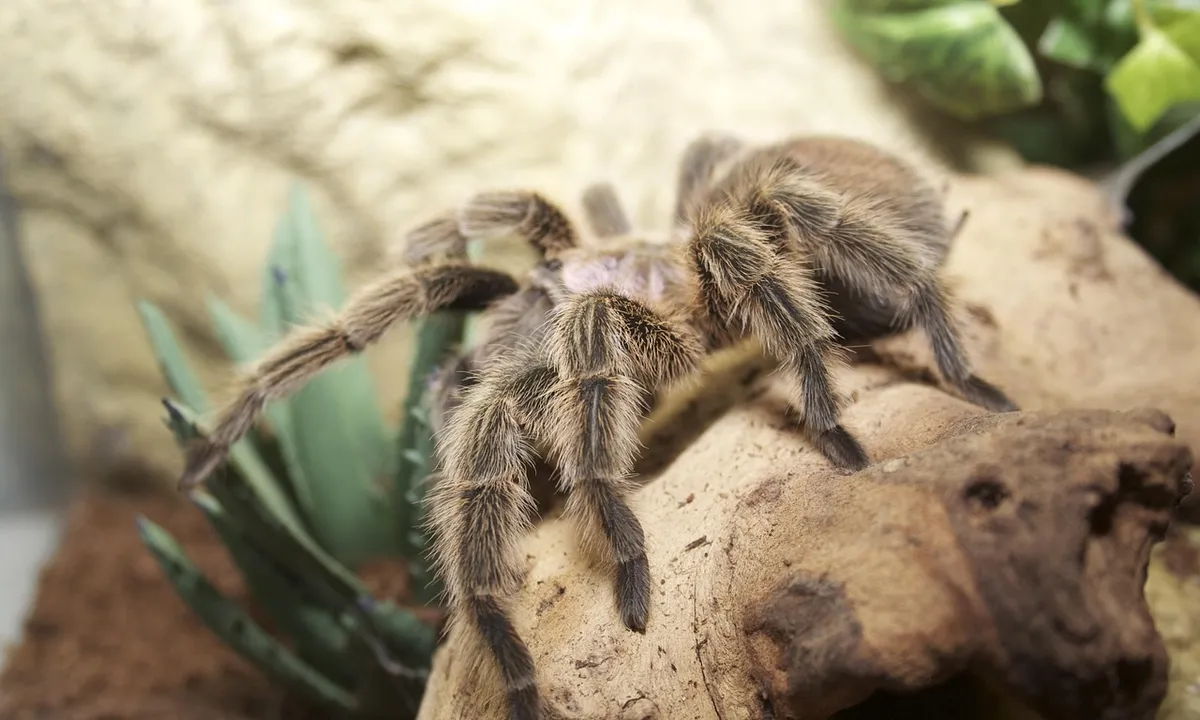
Forget rigid calendars. Tarantula enclosure maintenance is a dance between routine and reading the room. A pristine enclosure is less critical than a stable, stress-free one, so deep cleans should be infrequent and purposeful. My 15-year-old Chilean Rose Hair, Rosie, might only need a full substrate change every two years, while my Burgundy Goliath Bird Eater, Goliath, demands more frequent spot-cleaning due to his prodigious water dish spills and food remnants in his humid environment.
I follow a tiered system based on observation:
- Daily/Weekly Spot-Cleaning: This is non-negotiable. Remove prey carcasses within 24 hours. Use long tweezers to pluck out boluses (the dried-up food packet they discard) and any noticeable mold spots. Soak up large water spills with a paper towel.
- Monthly Inspection: Get a good look. Check for widespread mold blooms, especially in damp corners. Sniff the ventilation. A musty, sour odor is a dead giveaway that bacterial or fungal growth is underway. Assess the overall substrate condition.
- Full Enclosure Clean-Out: This is a major event. Trigger it by: a severe, persistent mite infestation; pervasive foul odors; extensive mold that spot-cleaning can’t control; or a simple substrate breakdown where it no longer holds burrows. For most adults, this is an annual or biennial task.
Your tarantula’s behavior is the ultimate guide; frantic pacing or webbing over debris can signal its own discomfort with the conditions. My OBT, Flash, once webbed every single mold spot in his enclosure, a clear, if dramatic, signal it was time for a change. If your tarantula isn’t webbing, a quick diagnostic checklist for keepers can help identify why. Checking enclosure size, substrate, humidity, and hiding spots often points to the cause and guides adjustments.
A Step-by-Step Guide to Stress-Free Enclosure Cleaning
A full clean is the most hazardous routine task we perform. The goal is a methodical, calm process that minimizes risk to you and panic for your tarantula. I’ve learned this through messy rehousings and one heart-stopping escape.
Step 1: Prepare Your Tools and Temporary Housing
Gather everything before you touch the enclosure. Your toolkit should be ready: a large, secure temporary container with ventilation (a Kritter Keeper works), long soft-tipped tweezers, a dedicated reptile-safe spray bottle with a 50/50 white vinegar/water solution, paper towels, a trash bag, and your fresh substrate and decor. Preparing your tools is the foundation of a smooth operation, preventing frantic searches with a loose tarantula. For more details, check out the essential tarantula handling tools and safety equipment.
Step 2: Safely Transfer Your Tarantula
This is the critical moment. Work over a large, open bin to contain any falls or sprints. For docile species like my G. rosea, I gently coax her into the temporary container using a soft paintbrush. For defensive or fast species like my OBT or the hair-kicking Goliath, I use the “catch cup” method. I gently guide the tarantula into a large deli cup using the brush, then swiftly but smoothly slide a lid underneath-practice this move with inanimate objects first. Secure the temporary housing in a quiet, safe place.
Step 3: Remove and Dispose of Old Substrate and Decor
Take the entire enclosure to a trash bag. Dump all old substrate directly into the bag and tie it shut immediately to contain any potential mites or mold spores. Remove decor. Porous items like cork bark or wood should be discarded if heavily soiled or moldy. Seal the waste bag before proceeding; you are now containing a potential biohazard from your other pets.
Step 4: Clean and Disinfect the Empty Enclosure
Never use soaps, bleaches, or chemical cleaners. Residue can be lethal. I use hot water and a dedicated scrub brush for general cleaning. For disinfecting, I thoroughly spray and wipe all surfaces with the 50/50 vinegar solution, which is effective against mold and bacteria, then rinse copiously with clean water. Dry the enclosure completely with paper towels; adding fresh substrate to a damp tank creates a swamp.
Step 5: Rebuild with Fresh Substrate and Setup
Now for the fun part. Add your chosen, pre-mixed substrate to the appropriate depth. For burrowers, this means 1.5 times their leg span. Firmly pack it down to prevent collapses. Re-add your cleaned or new decor, anchor the water dish, and ensure all hides are secure. Before adding the tarantula back, double-check that no decor can topple and that ventilation is clear. Double-check the ventilation and security of the enclosure before adding the tarantula back in.
Step 6: Gently Reintroduce Your Tarantula
Place the temporary housing inside the new enclosure or directly against the substrate. Open it and allow the tarantula to walk out on its own. Do not prod or dump it. Let the animal explore and settle at its own pace, which could take minutes or hours. Once it has moved away, quietly remove the empty holding container. Do not feed for at least five to seven days, as the relocation stress can cause refusal and create a new waste problem. If you need to relocate it to a new enclosure, use a secure, escape-proof transport container and minimize handling. Have the destination enclosure ready and transfer calmly to reduce stress.
Selecting Safe Cleaning Supplies and Substrate
The tools you use for cleaning are as important as the act itself. Harsh chemicals are an absolute prohibition; their residues can linger and cause neurological damage or death to your tarantula. Your cleaning arsenal should consist of items that are inert, dedicated solely to your arachnids, and designed to cause zero stress. I keep a kit with a dedicated soft paintbrush, long tweezers, a turkey baster, and a spray bottle filled only with distilled water.
Water quality matters. Tap water contains chlorine and chloramines, which can irritate a tarantula’s book lungs over time. For pet tarantulas, filtered water is essential to prevent chemical exposure. I use distilled or reverse osmosis water for all enclosure maintenance, from misting to filling water dishes, to eliminate any risk of chemical exposure. The silence of the enclosure is only broken by the soft spray of pure water during spot-cleaning.
Your substrate choice dictates your cleaning frequency. A poor choice will mold quickly and force constant disruption. Here is a comparison of common options based on years of trial, error, and observation.
| Substrate Type | Best For | Cleaning Notes |
|---|---|---|
| Coconut Fiber (Eco Earth) | Beginners, moisture-dependent species (like my T. stirmi Goliath) | Retains humidity well, but can compact. Mold-resistant if not kept soggy. |
| Peat Moss/Sphagnum Moss | Bioactive setups, burrow support | Excellent moisture retention. Use pesticide-free. Mix with topsoil for durability. |
| Sterilized Topsoil | Naturalistic, bioactive enclosures | Heavy and holds burrows beautifully. Must be sterilized to kill pests. |
| Vermiculite/Perlite Mix | Moisture gradients for sensitive slings | Holds immense water. Rarely used alone; often blended for incubator-like conditions. |
Avoid gravel, sand, or pine/cedar chips at all costs. They offer no burrowing support, can cause impaction if ingested, and cedar oils are toxic. The ideal substrate is a blank canvas that holds your tarantula’s chosen structure, manages moisture without molding, and poses no physical or chemical danger. Choosing the right substrate also makes maintenance easier. Regular topping up or replacement keeps humidity and cleanliness in check.
Proactive Husbandry to Minimize Cleaning Needs
Smart daily practices drastically reduce how often you need to perform a full, invasive clean. This philosophy centers on respecting the tarantula’s space and working with its biology.
Strategic feeding is your first defense. Pre-kill prey or remove uneaten live insects within 24 hours. A decaying cricket in a corner is the single fastest way to breed mites and trigger a mold outbreak. My old Chilean Rose Hair, Rosie, often fasts for months; I never leave prey items in with her, eliminating that waste source entirely.
Water dish management is critical. Use a shallow, easily removed dish. I refresh water every two days, scrubbing the dish with hot water to prevent bacterial films. Position the dish away from the tarantula’s favorite dumping ground for bolus (inedible prey parts) to keep the water source pristine. For heavy webbers like my OBT Flash, I use a bottle cap glued to a piece of cork so it can be lifted free of the web.
Ventilation is a silent partner in cleanliness. Cross-ventilation prevents stagnant, humid air that fosters mold. A properly ventilated enclosure allows moisture to evaporate evenly, protecting your tarantula’s respiratory health and keeping walls clear of condensation. My Burgundy Goliath’s enclosure has high humidity but also massive ventilation to mimic the air flow of its forest floor home.
Consider a bioactive setup for long-term stability. Introducing a clean-up crew of springtails and dwarf isopods creates a self-regulating micro-ecosystem. These tiny custodians consume mold, fungi, and waste, performing constant spot-cleaning you never see. I introduced a colony to my naturalistic enclosures years ago and the difference in substrate health is profound.
Finally, design with cleaning in mind. Use magnetic hides or ones that lift out easily. Creating an enclosure where key fixtures are accessible without demolishing the entire landscape respects your tarantula’s need for a stable territory and makes your maintenance far simpler. This approach minimizes stress for both keeper and spider, especially when handling and cleaning the tarantula enclosure, turning a chore into a brief, respectful check-in.
FAQs
What are the signs of mold or fungus growth?
Look for any fuzzy, slimy, or colored patches on the substrate, decor, or enclosure walls. Common colors include white, green, pink, or even blue. These growths thrive in stagnant, moist environments with organic matter to consume. Immediate removal of the affected area and a review of your ventilation and moisture levels is required to stop its spread.
Is there an increase in mites or other pests?
A sudden appearance of tiny, fast-moving white dots (grain mites) or small flies (phorid flies) is a major red flag. Mites can stress or harm a molting tarantula, while flies indicate hidden, decaying organic matter. An exploding population of even beneficial insects like springtails signals an excess of waste that needs to be addressed.
Are there leftover food items decaying in the enclosure?
Yes, uneaten prey insects or discarded food boluses will begin to decompose rapidly. You may see shriveled carcasses or tightly packed, fuzzy balls of leftover prey parts. This decaying material is a primary source of bacteria, foul odors, and pest infestations. Always remove uneaten prey within 24 hours and regularly search for hidden boluses.
Is the substrate consistently damp or soiled?
Substrate that remains soggy, compressed, or develops a slimy surface layer is problematic. It indicates poor drainage or excessive moisture, creating an anaerobic environment where harmful bacteria can flourish. Pressing into the substrate should not leave a lasting, wet impression. This condition requires adjusting your watering habits or the substrate depth itself.
Is your tarantula showing signs of stress or unusual behavior?
Chronic stress behaviors like constantly climbing the walls, excessive hair flicking, or prolonged food refusal can be linked to an unclean environment. A tarantula trying to escape its enclosure is often signaling discomfort with the conditions. While not the only cause, a dirty habitat is a common source of low-level stress that compromises health.
The Art of Observation
Your most powerful maintenance tool is not a scoop or a spray bottle. The number one rule for a clean, healthy enclosure is this: let the spider’s biology guide your schedule, not a calendar. A fast-growing sling like an OBT may foul its web in weeks, while my mature Grammostola rosea Rosie can go a year without leaving a single bolus in her corner. Adjust your cleaning rhythm to the individual.
Beyond the substrate, take joy in the quiet theater of your tarantula’s life. Watch Goliath methodically pat down the earth around his burrow. Admire the geometric precision of Flash’s orange silk fortress. These are signs of a content animal in a suitable home. Successful husbandry isn’t measured by sterile perfection, but by the natural, undisturbed behaviors your care makes possible. The greatest skill you will cultivate is patience-the patience to watch, to learn, and to intervene only when absolutely necessary.
Further Reading & Sources
- How Do I Clean And Disinfect A Tarantula Enclosure? – Tarantula Zone
- How to Clean a Tarantula’s Habitat: 10 Steps (with Pictures)
- r/tarantulas on Reddit: How often do you clean your tarantula enclosures?
Arlo is a lifelong arachnid enthusiast who believes tarantulas are the world’s most misunderstood roommates. With years of hands-on experience in tarantula care, habitat setup, and species behavior, Arlo combines expert knowledge with a dash of humor to make spider ownership less scary and a lot more fascinating. From choosing the right enclosure to understanding why your eight-legged buddy is doing that weird little pose again, Arlo is here to help you become the best tarantula parent you can be, without getting tangled in the web of misinformation.
Enclosures and Sizes