
Can Tarantulas Swim? The Surprising Truth About Spiders and Water
Published on: August 3, 2026 | Last Updated: August 3, 2026
Written By: Arlo
Tarantulas possess a reluctant, often clumsy relationship with water, one governed by physics and survival instinct rather than any desire to swim. Watching my Burgundy Goliath Bird-eater, T. stirmi, navigate the humidity of his enclosure reveals a creature built for land, not liquid. This article cuts through the myths with science, direct observation, and hard-won husbandry lessons. While a tarantula’s hydrophobic hairs can let it float and paddle in a crisis, they are not swimmers and will drown if unable to escape.
- Quick Stats:
- Primary Adaptation: Hydrophobic setae (hairs) that trap air and repel water.
- Environmental Context: Species from arid (e.g., Grammostola) to swampy (e.g., Theraphosa) habitats show different water tolerances.
- Critical Risk: Submersion without an exit leads to drowning; ventilation is as vital as hydration.
Drawing from my own rehousing escapades and the varied needs of my collection, this guide will show you exactly how to manage water in your tarantula’s world safely and effectively.
The Swimming Ability of Tarantulas
In the arachnid world, swimming is not the graceful propulsion we see in fish. For a tarantula, it is a survival maneuver defined by buoyancy and surface tension management. Their lightweight exoskeleton and the air trapped by specialized hairs allow them to float. I have watched my old Chilean Rose Hair, Rosie, deliberately test the water in her dish with a careful front leg, a behavior more about hydration than aquatic skill. Tarantulas lack true swimming prowess; their movement in water is a slow, paddling drift rather than directed travel.
- Hydrophobic hairs: These dense setae repel water and trap a thin layer of air around the body, acting as a temporary life jacket.
- Air bubble trapping: The abdomen, in particular, can hold a small air reserve, providing crucial buoyancy for a short time.
- Leg paddling motion: Legs move in a slow, alternating rhythm, but this offers minimal propulsion and quickly leads to exhaustion.
This contrasts sharply with true aquatic spiders, like the diving bell spider (Argyroneta aquatica), which live submerged. For our terrestrial tarantulas, water is a hazard to be escaped, not a medium to be inhabited.
- Tarantulas float primarily due to physical buoyancy from air caught in their hair and a light body mass, not through active effort.
- Their propulsion is severely limited; leg paddling is inefficient and cannot overcome currents or distance.
- Drowning is a real risk. Once water penetrates the book lungs or the spider becomes waterlogged and exhausted, it will sink. I learned this the hard way years ago with an overfilled enclosure that led to a stressful rescue.
Water in the Tarantula’s Natural Habitat
A tarantula’s relationship with water is sculpted by its origins. The perpetual, heavy air of a rainforest floor, where my Burgundy Goliath Bird Eater (Theraphosa stirmi) hails from, is a world apart from the silent, arid scrubland of Rosie’s (Grammostola rosea) Chilean home. Encountering water in the wild is about microhabitats and seasonal change, not constant immersion. A flooded burrow after a rainstorm or morning condensation on silk are typical, brief contacts.
- Seasonal pools: Temporary rainwater collections in forest depressions or grassland.
- Riverbanks: Species like T. stirmi may live near streams, encountering damp soil and spray.
- Condensation: In humid burrows, moisture gathers on walls, providing drinking water.
Picture the dense, muffled humidity of a rainforest at night, soil squelching underfoot, versus the crackling dryness of a desert slope where moisture hides deep underground. These tarantulas are adapted to utilize ambient humidity or find fleeting water sources, not to swim. Do arboreal tarantulas need different humidity levels than terrestrial species? Generally, arboreals from rainforest habitats thrive in higher humidity and benefit from misting, while terrestrial tarantulas adapted to drier environments tolerate lower humidity.
Rainforest vs. Desert: Hydration Strategies
Species from different ecosystems have evolved distinct hydration behaviors. But do all tarantula species share the same hydration needs? Not necessarily—hydration strategies vary by habitat and physiology. My T. stirmi, Goliath, requires 80-85% humidity to thrive; he will often sit over his moist substrate patch. My G. rosea, Rosie, from a region with 40-50% humidity, may ignore her water dish for weeks. A rainforest tarantula is more likely to encounter standing water but is genetically programmed to seek elevated refuge or drain its burrow, not to paddle through it.
- Seeking moisture: Species like T. stirmi will press their mouths against damp substrate or enclosure glass to drink.
- Avoiding submersion: Even in flooded conditions, the instinct is to climb or retreat to an air pocket, not to swim. This is why a deep water dish is a drowning risk in captivity.
What to Do If Your Tarantula Falls into Water
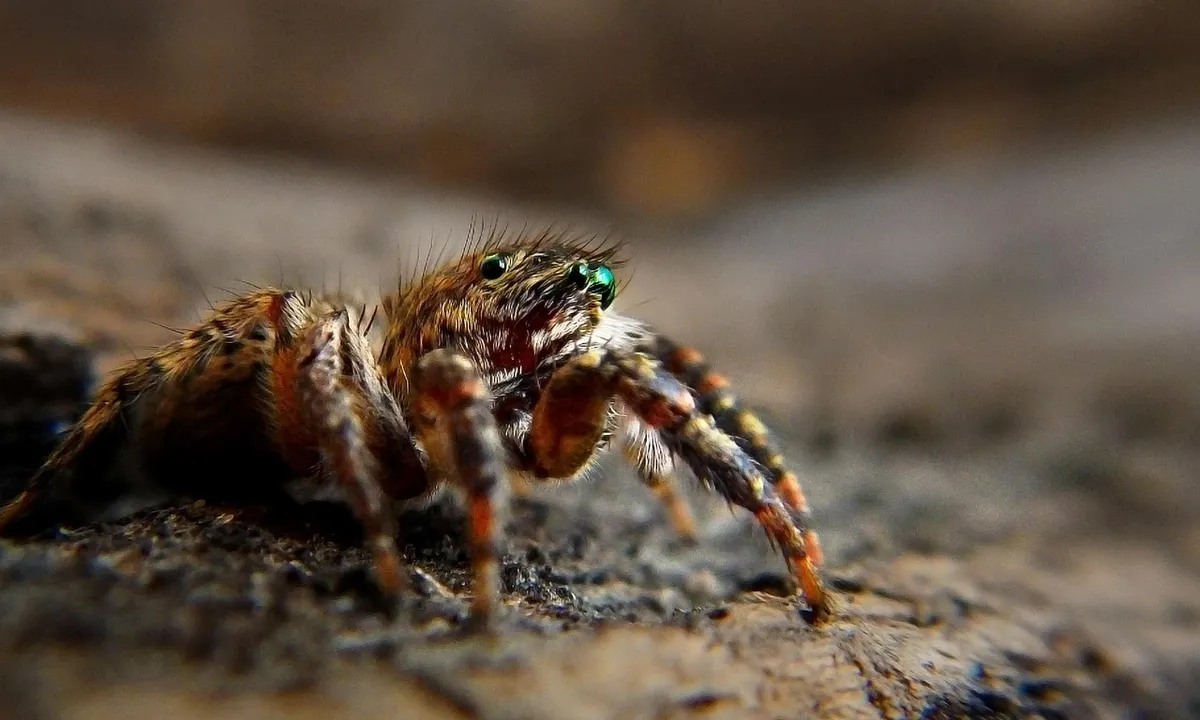
I remember the silent splash during a rehousing of my Burgundy Goliath Bird Eater, Goliath, as he stumbled into a deep water bowl. His legs paddled frantically, a stark contrast to his usual deliberate movements. In that moment, your composure directly influences the spider’s chance of a quick, stress-free recovery. Immediate action focuses on gentle removal and creating a safe, dry space.
- Stay calm and avoid sudden movements. Tarantulas sense vibration; panic from you translates to panic for them.
- Gently guide the tarantula out using a soft paintbrush or by coaxing it into a small plastic container. I always keep these tools within reach during maintenance.
- Place the tarantula on a dry, absorbent surface like paper towels or a bare, clean enclosure floor. Avoid substrates like coco fiber that can cling to wet hairs.
- Monitor for stress signs: prolonged curling of legs, frantic grooming, or remaining motionless for an unusual time. Provide quiet darkness for recovery.
Certain actions can worsen the situation. Always prioritize the tarantula’s physical safety and respiratory health above speed. To avoid catastrophe in tarantula rehousing, learn the seven deadly sins of care and how to sidestep them. This guide outlines them and practical ways to stay safe.
- Do not blow on the tarantula to dry it. This can force water into its book lungs and cause severe distress.
- Do not use fabric towels or tissues. Loose fibers can snag in their urticating hairs or delicate leg joints, causing injury.
Handling Different Water Sources: Pools, Bowls, and Sinks
A common question I get is about tarantulas encountering non-enclosure water. The risks vary dramatically. Chlorinated pool water is toxic to their respiratory system, while saltwater creates a deadly osmotic imbalance, pulling moisture from their cells. Any chemically treated or natural body of water is an extreme hazard, not a curiosity. Even a home aquarium poses a risk of drowning in filters or exposure to water treatments.
- Chlorine and pool chemicals: Cause toxicity and damage to book lungs.
- Saltwater (oceans, salt pools): Leads to rapid dehydration and osmotic shock.
- Aquariums: Risk of entrapment and exposure to fish medications or conditioners.
Hydration Needs for Pet Tarantulas
Providing water is simple yet often overcomplicated. My Chilean Rose Hair, Rosie, may go months without visibly drinking, but her shallow dish is always full. Consistent access to fresh water supports healthy organ function and successful molts. The goal is to offer hydration without creating a swampy environment.
- Select a shallow, tip-proof water dish. Ceramic or plastic bottle caps work well for larger terrestrial species.
- Use dechlorinated water, such as bottled spring water or tap water treated with a reptile-safe dechlorinator.
- Clean the dish and refresh water weekly to prevent bacterial or mold growth, which can harm your pet.
You can confirm your tarantula is well-hydrated through observable behaviors and physical cues. A content tarantula will exhibit normal activity levels for its species and have a plump, rounded abdomen. To tell if it’s dehydrated, watch for a sunken or wrinkled abdomen or unusually sluggish behavior. If you notice these signs, provide fresh water and ensure good ambient humidity, then monitor closely. For more information, visit this guide on dehydration detection.
- Active feeding responses when prey is offered.
- Abdomen appears full and rounded, not shriveled or sunken.
- Molting occurs without complications like a stuck shed or ruptured abdomen.
Recognizing and Preventing Dehydration
Dehydration is a silent threat. I learned this with a neglected Grammostola rosea I rehomed; its abdomen was wrinkled like a raisin, and it lay listlessly in its enclosure. Catching dehydration early is the difference between a simple fix and a life-threatening crisis. Key symptoms include a noticeably shriveled abdomen, extreme lethargy where the tarantula barely moves, and a refusal to eat even favorite prey.
Recovery requires patience and gentle intervention. Never force a tarantula to drink; instead, make water easily available in ways it can access. Even long-term pet tarantulas cannot survive long without water, so consistent moisture is essential. Monitor humidity and provide a shallow water dish where it can reach it.
- Place a droplet of water directly on its fangs or chelicerae using a syringe or pipette. I’ve done this with slings, watching them slowly drink.
- Increase enclosure humidity slightly by moistening one corner of the substrate, creating a hydration gradient they can seek out.
Water Dish Alternatives for Slings and Arboreals
Traditional water dishes are impractical for spiderlings and tree-dwelling species. My arboreal Psalmopoeus slings would drown in a cap, and my old arboreal tanks needed different strategies. Mimicking natural moisture sources is key for these specialized tarantulas. You must adapt your methods to their size and vertical lifestyle.
- Use a fine misting bottle to spray water on the enclosure walls or webbing. Arboreals like my Psalmopoeus species will drink from these beads.
- For tiny slings, provide moisture through gel water capsules designed for insects or by saturating a small cotton ball tip placed in a bottle cap.
- Maintain slightly damp substrate for burrowing slings, allowing them to absorb moisture from the soil.
Water Safety During Molting
Molting, or ecdysis, is the most vulnerable period in a tarantula’s life. Their new exoskeleton is soft and pliable, like wet parchment, for days after they emerge. Direct contact with water during this time can be fatal, as a tarantula in this state can easily become waterlogged and drown in a dish it normally navigates safely. I learned this firsthand when my Chilean Rose Hair, Rosie, molted perilously close to her water bowl; I now meticulously check enclosure layouts as pre-molt behavior begins. This is the kind of issue addressed in a complete guide to tarantula molting problems and solutions. It walks you through prevention and troubleshooting steps to keep tarantulas safe during ecdysis.
Your goal is to support the process with ambient humidity, not soaking moisture. For species like my Burgundy Goliath Bird Eater, which requires higher humidity, this balance is critical to prevent respiratory issues while avoiding a soggy, hazardous floor.
- Ensure a slight humidity spike pre-molt. Increase misting frequency or substrate dampness slightly, but never saturate the enclosure.
- Remove the water dish if the tarantula molds nearby. Temporarily relocate it to a dry corner to eliminate drowning risk during the actual molt.
- Post-molt, offer water only after the exoskeleton hardens. This typically takes 7-10 days for larger spiders, signaled by a darkening of their colors and resumed movement.
Ignoring these steps invites two primary risks.
- Drowning in a soft state: A freshly molted tarantula lacks the structural strength to lift itself from even shallow water.
- Fungal growth from excess moisture: A wet environment promotes mold that can attack a tarantula’s delicate book lungs.
Debunking Myths: Tarantulas and Aquatic Environments
A common image is of a tarantula paddling desperately in water. The reality is far less dramatic. Tarantulas are terrestrial, air-breathing arthropods; they are not built for aquatic life and even brief submersion is a severe stress event. Their physiology is designed for land, with book lungs that require air, not water.
Let’s clarify the most persistent falsehoods with observable facts.
- Myth: Tarantulas can paddle to safety like a skilled swimmer. Fact: Their legs create surface tension, allowing them to float, but they cannot steer or navigate effectively. They often end up spinning in circles.
- Myth: They drink water through their legs or feet. Fact: They use their chelicerae and pedipalps to actively sip water, much like a cat laps milk. Watch closely and you’ll see the mouthparts moving.
My defensive OBT, Flash, exemplifies this avoidance. When I mist his enclosure, he retreats to his bone-dry silken tunnel, demonstrating an instinctual drive to keep his respiratory surfaces arid and functional. This behavior is a clear guide for us: respect their biological need for a dry retreat.
The Limits of Adaptation: Submersion and Survival Time
So, what happens if a tarantula goes completely underwater? Survival is measured in minutes, not hours. A tarantula can trap a small air bubble around its book lungs and abdomen, granting a brief respite, but this is a temporary and desperate adaptation, not a sustainable one. Desert tarantulas survive by burrowing, being active at night, and conserving water. These desert strategies contrast with the brief, desperate air-bubble tactic used underwater. Eventually, water infiltrates, leading to drowning.
Several factors dictate how long this fragile bubble might hold.
- Species: Larger tarantulas with more hair, like Theraphosa stirmi, may trap slightly more air, but they also have greater oxygen demands.
- Water temperature: Cold water slows metabolism, potentially extending survival by a minute or two, but it also induces dangerous shock.
- The tarantula’s health: A dehydrated or recently molted individual will succumb far faster than a robust one.
In practice, this means any water feature deeper than their leg span is a potential death trap. Always provide a shallow, easily escaped water dish and ensure climbing decor cannot fall and trap your spider in its water source. Safety lies in prevention, not in hoping for a miraculous aquatic escape.
Common Questions
Can tarantulas swim?
Tarantulas cannot truly swim. Their movement in water is best described as a slow, paddling float, driven by air trapped in their hydrophobic hairs. This provides temporary buoyancy but offers little control or propulsion. Without a quick escape, they risk exhaustion and drowning. On land, tarantulas can move surprisingly fast for their size, sprinting in short bursts. Researchers study their speed behavior by measuring accelerations and stride patterns to understand how quickly they can react to prey or threats.
What happens if a tarantula falls into a swimming pool?
A swimming pool is an extreme hazard for a tarantula. The chlorine and other chemicals are toxic and can fatally damage their book lungs. Furthermore, the smooth sides of a pool make escape nearly impossible, leading to certain drowning even if the spider initially floats.
Could a tarantula survive in the ocean?
No, a tarantula could not survive in the ocean. Saltwater creates a deadly osmotic imbalance, rapidly dehydrating the spider’s cells. Combined with waves and currents preventing escape, submersion in saltwater would lead to a swift death from both toxicity and drowning.
How long can a tarantula stay underwater?
A tarantula’s survival underwater is measured in minutes, not hours. They may trap a small air bubble around their body, but this is a last-resort adaptation. Water will eventually infiltrate their respiratory system, leading to drowning, with time influenced by the spider’s size, health, and water temperature. More broadly, a tarantula’s lifespan is influenced by its species, care, and environment. Factors influencing tarantula lifespan like enclosure, humidity, temperature, and diet all affect longevity.
The Next Instar
Your tarantula will never take a lap. But your management of water is non-negotiable for its health. The single most critical parameter is providing constant, clean, and accessible water without creating a swamp; a shallow dish and a single damp corner of substrate will serve almost every species perfectly. To support natural behavior, create a substrate moisture gradient in the enclosure with dry and moist zones the spider can use. Master this, and you remove the greatest physiological threat to your spider.
Beyond the water dish, the real magic unfolds in observation. Watch how they position themselves to drink, or how a moisture-dependent species like my Goliath will rest a leg against the damp substrate. I once watched my OBT, Flash, meticulously web over a water droplet on the glass, not to trap it, but to drink from it later-a lesson in planning from an animal many mistake for simple. Patience in this hobby isn’t just waiting for a molt; it’s the quiet reward of seeing a complex life unfold on its own terms, one silent, deliberate movement at a time.
Further Reading & Sources
- r/interestingasfuck on Reddit: Tarantula seen swimming
- Can Tarantulas Swim? These Videos Can Prove It
- Is This Video of a Tarantula Swimming Real? | Snopes.com
Arlo is a lifelong arachnid enthusiast who believes tarantulas are the world’s most misunderstood roommates. With years of hands-on experience in tarantula care, habitat setup, and species behavior, Arlo combines expert knowledge with a dash of humor to make spider ownership less scary and a lot more fascinating. From choosing the right enclosure to understanding why your eight-legged buddy is doing that weird little pose again, Arlo is here to help you become the best tarantula parent you can be, without getting tangled in the web of misinformation.
Tarantula Myths and Misconceptions