
Caring for the Cobalt Blue Tarantula (Cyriopagopus lividus)
The Cyriopagopus lividus is a living jewel, famed for its electric blue legs and a fiercely defensive nature that has cemented its status as an advanced keeper’s prize. Its stunning color is often a fleeting glimpse, as this spider spends most of its life hidden within deep burrows. My years with fast Old World species like my OBT, Flash, have taught me that observing this tarantula’s secretive world is the true reward, requiring patience and a steadfast ‘look, don’t touch’ ethic. This guide cuts through the myths to give you the specific, actionable data needed for a thriving spider.
Quick Stats:
- Origin: Myanmar, Thailand, and surrounding Southeast Asia
- Type: Old World
- Growth Rate: Moderate to Fast
Follow this roadmap for the exacting humidity, substrate depth, and feeding strategies that will shepherd your Cobalt Blue from a delicate sling to a spectacular adult.
Introducing Cyriopagopus lividus: The Electric Blue Burrower
This stunning creature is universally known as the Cobalt Blue Tarantula, a name that only tells half the story. Its scientific designation is Cyriopagopus lividus, a title that hints at its formidable nature. The visual impact is immediate and unforgettable. In the right light, its legs flash with an electric, iridescent cobalt blue, a stark and brilliant contrast against a velvety, dark charcoal carapace and abdomen. Mature specimens achieve a leg span of 5 to 6 inches, a substantial size that makes their chromatic display even more impressive.
Females of this species are famously long-lived, with a potential lifespan of 10 to 15 years in dedicated care. They originate from the tropical forests of Southeast Asia, including parts of Myanmar, Thailand, and Malaysia. Their growth rate is moderately fast, reaching maturity in a few years, but their secretive nature means you’ll often admire this speed through the deposition of soil at their burrow entrance rather than daily observation.
Cobalt Blue vs. The Classic Beginner Tarantula
To understand this species, it’s useful to contrast it with a common starter tarantula like my old Chilean Rose Hair, Rosie. They inhabit different worlds in terms of care and temperament. For beginner pet owners, the best tarantula species are typically those with calm temperaments and forgiving care requirements, which is why Rosie is often cited as a benchmark.
| Trait | Cobalt Blue (Cyriopagopus lividus) | Chilean Rose Hair (Grammostola rosea) |
|---|---|---|
| Temperament | Nervous, defensive, reclusive | Typically docile, visible |
| Activity | Obligate burrower, rarely seen | Often out in the open, a “pet rock” |
| Humidity Need | High (75-85%) | Low (50-60%) |
| Handling Suitability | Not recommended; fast & defensive | Sometimes tolerant (but still not advised) |
| Primary Care Challenge | Managing humidity for a hidden animal | Patience with long fasting periods |
Choosing a Cobalt Blue means committing to a breathtaking display animal, not an interactive pet, a fundamental mindset shift from keeping a visible species like a Rose Hair.
Natural Habitat and How It Informs Captive Care
Cyriopagopus lividus thrives in the humid, warm understory of Southeast Asian tropical forests. The air is thick with moisture, and the soil is a perpetually damp matrix of clay, silt, and decaying matter. This environment is not a suggestion for their care; it is the blueprint. In captivity, replicating the consistent moisture and deep, workable substrate of their forest floor home is the single most critical factor for their long-term health.
This species is an obligate burrower. In the wild, they spend nearly their entire life in a self-engineered silk-lined tunnel, emerging briefly at night to ambush prey at the entrance. My defensive old world tarantula, Flash, webs everything above ground, but the Cobalt Blue focuses all its engineering efforts below. This profound instinct to disappear informs every aspect of proper housing.
- Deep Substrate: Provide a minimum of 8 inches of damp, bioactive-friendly substrate like a peat moss, coconut fiber, and vermiculite blend. They need enough depth to feel secure and construct a complex burrow.
- Minimal Disturbance: These are “look, don’t touch” animals personified. Frequent enclosure digging to check on them causes immense stress. Trust that a closed burrow entrance means a healthy, hiding tarantula.
- Consistent Moisture: Humidity should be maintained at 75-85%, not through misting, but by periodically pouring water into a corner of the substrate to create a moisture gradient. This mimics the deep, damp earth of their homeland, much like the care for my moisture-loving T. stirmi, Goliath.
Successful Cobalt Blue keeping is an exercise in respectful, hands-off husbandry that prioritizes the animal’s profound need for a secure, humid, and dark underground refuge. To properly care for advanced tarantula species, you must tailor enclosure design, humidity, and lighting to the species’ exact needs. Ongoing learning and careful husbandry are essential to safeguard their welfare and the hobby’s integrity. Always source your tarantulas from reputable captive-breeders to ensure healthy animals and sustainable practices within the hobby.
Step-by-Step Enclosure Setup for a Burrowing Spider
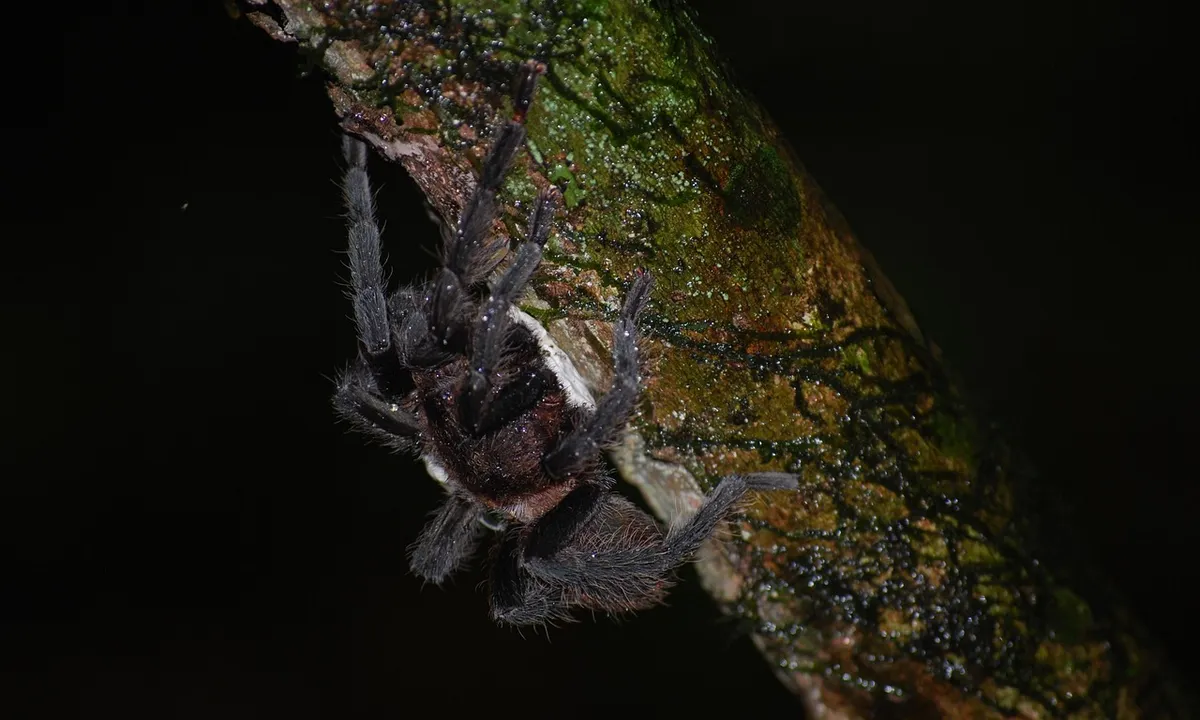
Building a home for a cobalt blue is an exercise in foresight. You are constructing the entire world for an animal that may only leave its burrow to hunt. My Burgundy Goliath, with his deep tunnels, taught me that inadequate substrate depth leads to constant, stressful remodeling for the spider. Follow these steps to get it right the first time.
- Choose an enclosure: Prioritize floor space and vertical depth for substrate, not climbing height. A standard 10-gallon tank placed on its long side or a comparable plastic terrarium is ideal. I house my juveniles in secure acrylic boxes; they provide ample digging room while preventing escapes.
- Select and prepare substrate: Provide 8 to 10 inches of a moisture-retentive mix. I use a combination of coconut fiber, peat moss, and sphagnum moss. Pack it down firmly with your hands-a loose, fluffy consistency will collapse. The goal is a medium that holds a burrow shape like packed earth.
- Add a secure hiding spot: A cork bark slab leaned against the glass or a half-buried clay flower pot serves as a perfect burrow starter. Position it to create a viewable tunnel against the enclosure wall. My cobalt blues always silk-line these starters, creating a private, sheltered space.
- Install a water dish: Use a shallow, heavy dish like a ceramic bottle cap or small jar lid. Place it on the surface away from the burrow area to avoid flooding. I check and refill these dishes weekly; they are a crucial humidity source and drinking station.
- Ensure cross-ventilation: Drill or melt small holes on two opposing sides near the top of the enclosure. This prevents stagnant, mold-prone air. For my high-humidity species like Goliath, I add extra rows of holes to balance moisture without creating a draft directly on the spider.
Precise Climate: Humidity, Temperature, and Lighting
The iridescent sheen of a healthy cobalt blue is directly tied to its microenvironment. These parameters are not suggestions; they are requirements. I rely on digital hygrometers and thermometers because analog dials are notoriously inaccurate and have failed me before.
- Specify humidity: Maintain 70-80% ambient humidity. Achieve this by lightly misting one corner of the enclosure every two to three days, allowing the other side to stay drier. The substrate’s bottom layers should feel cool and damp to the touch, not waterlogged.
- Define temperature range: Keep the enclosure between 75°F and 85°F (24°C – 29°C). If your room is cooler, use a low-wattage heat pad on one side only. I never place heat sources under the tank, as this can overheat the burrow and dehydrate the spider from below.
- Discuss lighting: No specialized lighting is needed. Ambient room light on a regular cycle is perfect. Avoid direct sunlight, which can cook an enclosure quickly. My tarantula room uses a simple timer for a consistent 12-hour day, mimicking a natural rhythm.
- Include troubleshooting tips: For substrate that is too dry, use a syringe to inject water into the lower layers. For persistently wet substrate, increase cross-ventilation and carefully mix in dry coconut fiber. I once had a mold outbreak in a humid enclosure; more holes and less frequent misting solved it within a week.
Feeding Schedule, Prey Size, and Recognizing Hunger Strikes
Watching a cobalt blue strike is a blur of metallic blue and sudden motion. Feeding is about offering opportunity, not forcing a schedule. My Chilean Rose Hair, Rosie, has gone on eight-month fasts, teaching me that a tarantula’s appetite is its own business. Respect their rhythms.
- List suitable prey: Primary feeders are gut-loaded crickets and dubia roaches. For variety, offer occasional mealworms or superworms. I breed my own dubia roaches; they are less likely to harass a tarantula than crickets and are highly nutritious.
- Define prey size: The prey insect should be no larger than the tarantula’s abdomen. A good visual guide is that the prey’s body length is roughly equal to the spider’s carapace width. Offering oversized prey can cause injury and immense stress.
- Outline feeding frequency: For juveniles, offer food twice per week. Adults do well with one appropriately sized item every 7 to 10 days. Always assess abdomen size-a rounded, plump abdomen means you can safely skip a feeding. My adult cobalt blues often eat only once every two weeks.
- Explain how to handle refusal to eat: A sudden hunger strike usually signals a pre-molt period. Remove any uneaten live prey within 24 hours using long tweezers. I learned this after a cricket annoyed my OBT, Flash, prompting a defensive display. Provide fresh water and simply wait. Do not attempt to lure or coax the spider.
The Molting Process: From Pre-Molt Signs to Post-Molt Care
Witnessing a molt is a quiet privilege. For the secretive Cobalt Blue (Cyriopagopus lividus), it’s a vulnerable, all-consuming act. Recognizing the subtle pre-molt phase prevents fatal mistakes and lets you provide silent support.
Spotting the Pre-Molt Phase
Your tarantula’s body broadcasts signals weeks in advance. The most obvious is a dramatic darkening of the abdomen, which appears almost black or deep navy. This is the new exoskeleton forming beneath the old. These and other changes are among the 10 key signs your tarantula is about to molt. Recognizing them helps you prepare for the molt and minimize disturbance.
- Loss of Appetite: They will refuse food, sometimes for months. My old G. rosea, Rosie, is a champion faster, but with a Cobalt Blue, a hunger strike is a near-certain sign of an impending molt.
- Behavioral Shifts: An already reclusive spider may vanish entirely, sealing its burrow entrance with thick layers of silk and substrate. Some may create a special “molting mat,” a silken platform on which to perform the crucial flip.
- Physical Cues: The abdomen often appears shiny and taut. The tarantula may seem lethargic and uncoordinated.
The Molting Event: A Time for Absolute Stillness
When the moment arrives, the tarantula will flip onto its back. This is not a sign of distress or death; it is the necessary position for extraction. The process can take several hours. If you’re transporting it, place the tarantula in a secure, escape-proof container with a soft liner. After extraction, promptly rehouse it in its new enclosure, ensuring proper humidity and temperature are maintained.
- Do Not Disturb: Any interaction is catastrophic. Noise, vibration, or light can cause fatal complications.
- Ensure High Humidity: Humidity should be at the peak of its range (75-80%) to keep the new exoskeleton pliable. A bone-dry environment can trap your spider in its old skin.
- Remove All Live Prey: A single cricket left in the enclosure will attack and consume the helpless, soft tarantula. This is a non-negotiable rule.
Post-Molt Care: The Patient Vigil
After successfully shedding, your tarantula is soft, weak, and incredibly fragile. Its new fangs are pale and rubbery. The post-molt period requires more restraint from the keeper than the tarantula. In post-molt care, avoid handling and keep the enclosure quiet and stable as it fully hardens. Wait to feed until the tarantula has hardened and resumed activity.
- The Feeding Wait: Do not offer food for 7-10 days minimum. Wait until the fangs have hardened to a solid black, like polished obsidian. Offering prey too early risks a broken fang, a life-threatening injury.
- Water is Critical: Ensure a clean, shallow water dish is full and accessible. Rehydration is their primary goal.
- Zero Handling: The new exoskeleton takes weeks to reach full strength. Any handling can cause internal damage or a fatal fall.
Handling the Molt (Exuvium)
The discarded exoskeleton is a treasure trove of information. To safely retrieve it, wait at least 48 hours after the molt, ensuring the spider has moved away from the site. Use long, soft-tipped forceps to gently extract it. This fragile casing can be carefully unfolded under bright light to examine the epigastric furrow for sexing. A flap indicates a female; a smooth area suggests a male.
Temperament, Defensiveness, and the “Look, Don’t Touch” Philosophy
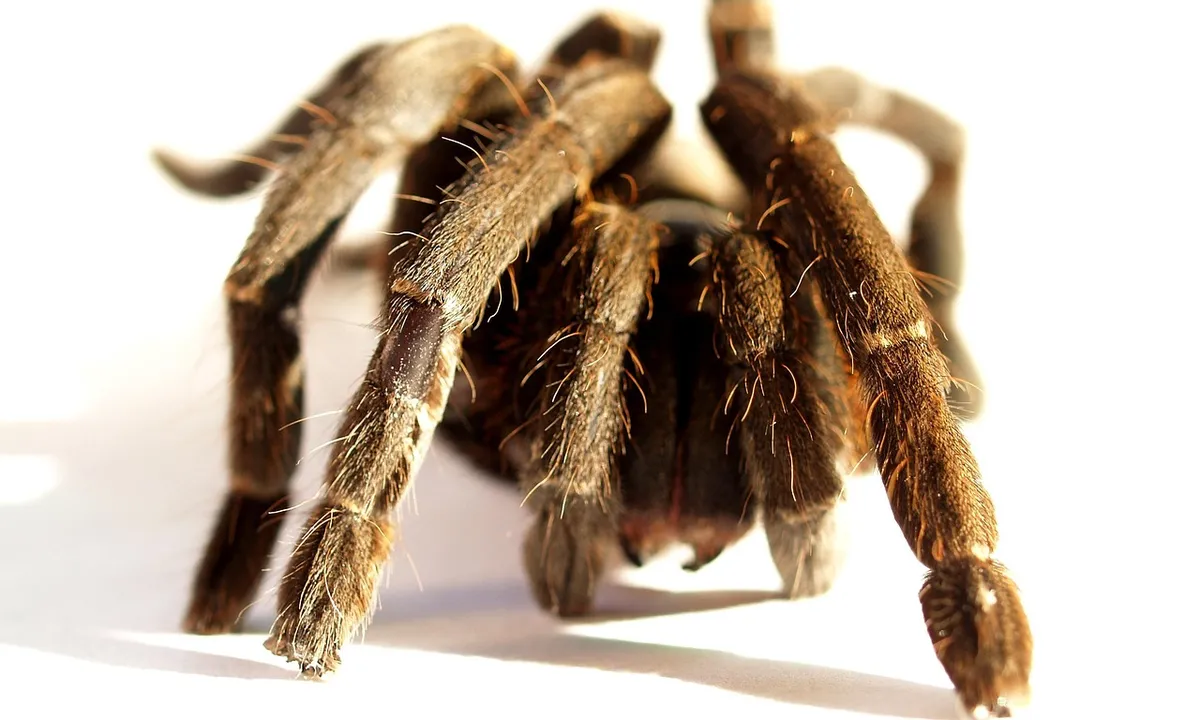
The Cobalt Blue’s beauty is a warning label. This is not a pet for hands-on interaction. Its primary responses to threat are a blindingly fast retreat or a immediate, defensive bite. They possess none of the docile hesitation of a Chilean Rose Hair.
Typical Behavior and Venom Potency
Expect a pet that is a living sculpture, observed through glass. They are skittish, hyper-sensitive to vibration, and will vanish into their burrow at the slightest disturbance.
- Speed and Defensiveness: Their speed rivals that of my OBT, Flash. When cornered, they will not hesitate to rear up and strike. They lack urticating hairs, so a bite is their first and only line of defense.
- Medically Significant Venom: Their venom is considered potent. While not lethal, a bite delivers intense pain, severe muscle cramping, and nausea that can last for days. It is a serious medical event.
- Rarity of Bites: Bites are almost always the result of a keeper’s error-during rehousing, enclosure maintenance, or an ill-advised handling attempt.
Why “Look, Don’t Touch” is Non-Negotiable
Handling risks the spider’s life and your well-being. A fall from even a short height can rupture its abdomen. The stress can trigger prolonged fasting or a defensive bite. True tarantula keeping is about curating a world for an animal to thrive in, not extracting it for our amusement. Many people mistake holding as affection, but tarantulas don’t bond with humans in that way. True care is providing a stable environment and minimal handling. The joy comes from observing natural behaviors: the meticulous burrow engineering, the precise strike on prey, the iridescent sheen in the light.
A Personal Rehousing Story
Rehousing my first Cobalt Blue remains one of my most nerve-wracking experiences. Using the “bag method,” I had the spider safely contained in a soft catch cup. In the half-second it took to transfer the cup to the new enclosure, the spider shot up the side of the plastic, a streak of metallic blue. My heart stopped. It was a stark lesson in their explosive speed and why every tool and step must be pre-planned. Their temperament demands respect, not conquest.
Ongoing Health Monitoring and Common Husbandry Issues
A healthy C. lividus is a hidden, busy architect. Health is gauged indirectly through signs of activity and physical appearance during rare sightings. Most problems stem from incorrect moisture or ventilation.
Signs of a Healthy Tarantula
- Plump Abdomen: A slightly rounded abdomen indicates good hydration and feeding. It should not be shriveled or overly distended.
- Active Burrow Maintenance: Fresh silk around the burrow entrance or new substrate being tossed out are excellent signs.
- Regular Feeding Response: When not in pre-molt, they should readily accept and subdue prey.
Common Problems and Solutions
Vigilance during routine maintenance catches issues early.
- Dehydration: A shrunken, wrinkled abdomen is a clear sign. Immediately ensure the water dish is full and consider gently overflowing it onto one corner of the substrate to create a local humidity spike.
- Mites: Tiny white specks moving on the spider or in the enclosure are grain mites. They explode in number due to leftover prey. Remove all boluses (prey remains), reduce feeding temporarily, and spot-clean thoroughly. Never use pesticide.
- Fungal Growth: Fuzzy white or green patches on damp substrate signal excess moisture and poor ventilation. Carefully remove the affected substrate, increase cross-ventilation, and allow the enclosure to dry slightly. This is why a deep, dry bottom layer is critical.
The Philosophy of Minimal Intervention
The best husbandry is often quiet husbandry. Constant digging, frequent re-decorations, and unnecessary checks cause immense stress. Perform maintenance calmly and swiftly. Use long tools to avoid startling the spider. Your goal is to be a ghost-providing resources without becoming a perceived threat. This respectful distance is the cornerstone of keeping a defensive, fossorial species like the Cobalt Blue successfully.
FAQs
How do I maintain proper humidity without making the substrate soggy?
Achieving the correct 75-85% humidity for a Cobalt Blue relies on a deep, moisture-retentive substrate and a correct watering technique. You should never just spray the surface, as this promotes mold. Instead, regularly pour dechlorinated water directly into one corner of the enclosure, allowing it to seep down and create a damp gradient. The bottom layers should feel cool and damp, while the top can remain drier. Proper cross-ventilation near the top of the enclosure is crucial to prevent stagnant, overly wet air.
Is it normal that I never see my Cobalt Blue tarantula?
Yes, this is completely normal and a sign of a content, well-adjusted spider. Cyriopagopus lividus is an obligate burrower, spending over 90% of its life hidden in its deep, silk-lined tunnel. You may only catch brief glimpses at night, often just legs at the burrow entrance. Your primary signs of activity will be fresh substrate pushed out, new silk at the burrow mouth, and prey items disappearing. Successful keeping means appreciating its secretive nature.
Can I ever handle a Cobalt Blue Tarantula?
Handling is strongly discouraged and is not in the best interest of the spider or keeper. For beginners, this safety-first stance is essential: handling is not recommended. This species is incredibly fast, defensive, and possesses medically significant venom. The stress of handling can trigger a defensive bite or cause a fatal fall from even a short height. The “look, don’t touch” philosophy is fundamental to their care, with enjoyment derived from observing their natural, reclusive behaviors through the enclosure glass. If handling is ever necessary (for transfer or medical reasons), seek guidance from an experienced keeper and use appropriate containment to minimize risk.
What should I do if my Cobalt Blue seals itself in its burrow?
This is a common and usually healthy behavior. Decoding why tarantulas seal their burrows helps explain this behavior. It is a protective, energy-saving response tied to security, pre-molt, or digestion. It is critical not to dig it out or disturb the seal, as this causes immense stress. Simply ensure the water dish is full and continue your normal maintenance schedule. The spider will reopen its burrow when it is ready, which could be days, weeks, or even months later.
How often do they molt, and what special care is needed?
Juveniles may molt several times a year, while adults may only molt once every 12-18 months. The most critical care during a molt is to provide absolute stillness and ensure humidity is at the higher end of its range. You must remove all live prey from the enclosure to prevent injury to the vulnerable, soft spider. Do not offer food again until at least 7-10 days after the molt, when its fangs have hardened to a deep black color. Once the molt is complete and the fangs are fully hardened, feeding can resume. Start with a single small prey item and watch for normal feeding behavior before offering more. For more details on when to feed after molt, consider checking out additional resources.
What is the typical lifespan, and how can I tell if mine is male or female?
Females are exceptionally long-lived, often reaching 10 to 15 years or more with proper care. Males have a much shorter lifespan, typically maturing and passing away within 3 to 5 years. The most reliable way to sex them is by examining the shed exoskeleton (exuvium) after a molt, specifically looking for the presence of spermathecae in females. Ventral sexing is very difficult and inaccurate with this species due to their dense hair and reluctance to be viewed from below.
The Final Molt
Caring for a Cyriopagopus lividus is a lesson in focused attention. Beyond their breathtaking color, success hinges on replicating one specific condition from their native habitat. You must keep the substrate consistently and thoroughly damp, not just surface-moist, to create the humid microclimate this species requires to breathe and thrive. I learned this the hard way years ago when a beautiful specimen succumbed to dehydration in an enclosure I mistakenly kept too dry.
Your dedication is repaid not through handling, but through observation. Witness the meticulous construction of a subterranean web palace, or the iridescent sheen of the carapace in the low light. Embrace the slow rhythm of their life; a buried tarantula is often a content tarantula, and patience will grant you rare, spectacular glimpses of their true nature. Like watching my OBT, Flash, engineer her silken tunnels, the joy comes from seeing a Cobalt Blue simply exist in a world you’ve carefully built for it. In the ultimate guide to tarantula burrows, we explore why they dig and how those tunnels support daily life. This perspective deepens the joy of observation.
Further Reading & Sources
- Cyriopagopus lividus – The Tarantula Collective
- Cyriopagopus lividus (Cobalt Blue Tarantula) Information + Caresheet – Fear Not Tarantulas, Inc.
- r/tarantulas on Reddit: Cobalt Blue advice and care.
Arlo is a lifelong arachnid enthusiast who believes tarantulas are the world’s most misunderstood roommates. With years of hands-on experience in tarantula care, habitat setup, and species behavior, Arlo combines expert knowledge with a dash of humor to make spider ownership less scary and a lot more fascinating. From choosing the right enclosure to understanding why your eight-legged buddy is doing that weird little pose again, Arlo is here to help you become the best tarantula parent you can be, without getting tangled in the web of misinformation.
Popular Species