
Coconut Fiber vs. Sphagnum Moss vs. Peat: Choosing the Best Substrate for Your Tarantula
Published on: December 29, 2025 | Last Updated: December 29, 2025
Written By: Arlo
The substrate in your tarantula’s enclosure is the unseen architect of its world, silently governing humidity, enabling natural behaviors like burrowing, and directly impacting vital processes such as molting. Through fifteen years of breeding-from my arid-loving Chilean Rose Hair, Rosie, to my humidity-dependent Burgundy Goliath, Goliath-I’ve learned that this choice is far from trivial. This comparison will dissect the properties of coconut fiber, sphagnum moss, and peat moss, giving you the data to support your spider’s health. For a direct recommendation: select coconut fiber for general versatility, sphagnum moss for targeted humidity boosts, and approach peat moss with caution due to environmental impact.
Quick Stats:
- Coconut Fiber (Coir): Origin: Coconut husks. Moisture Retention: High. pH: Neutral. Best For: Most New World tarantulas, burrowers, and bioactive setups.
- Sphagnum Moss: Origin: Bog plants. Moisture Retention: Very High. pH: Acidic. Best For: Humidity-dependent species (e.g., T. stirmi), moisture corners, and layering.
- Peat Moss: Origin: Decomposed sphagnum. Moisture Retention: Extreme. pH: Very Acidic. Best For: High-humidity enclosures, but with significant ecological caveats.
This guide will equip you to match the substrate to your tarantula’s origins, ensuring a stable foundation from sling to adult.
Why Your Tarantula’s Floor Matters: The Role of Substrate
Substrate is not just decoration. It is the foundational element of your tarantula’s world, directly influencing its health, behavior, and your long-term success. A proper floor performs multiple silent, critical jobs every single day.
The right substrate manages moisture from the bottom up, creating a stable humidity gradient that tarantulas, especially moisture-dependent species, use to self-regulate. In practice, many keepers compare ReptiSoil and Eco Earth when choosing a tarantula substrate to balance moisture retention and burrow stability. It provides the structural integrity for burrowing species to engineer their tunnels without collapse. For heavy-bodied terrestrials like my 15-year-old G. rosea, Rosie, a soft surface cushions falls that could otherwise rupture their abdomen.
Beyond physical support, substrate aids in waste management and helps maintain a clean micro-habitat. I view it as a partner in care, not a background prop. Choosing incorrectly can lead to mold, mites, dehydration, or a stressed, insecure animal.
Coconut Fiber (Coir): The Versatile Workhorse
What Is Coconut Fiber?
Coconut fiber, or coir, is a processed product made from the husk of coconuts. You typically buy it as a dehydrated, densely-packed brick or loose in a bag. When you add water, the brick expands into a dark brown, soil-like material that is fluffy yet holds together when packed.
In my spider room, the earthy smell of hydrated coir is the scent of preparation, used for probably 80% of my enclosures. It is inert, meaning it lacks significant nutrients that would drive mold growth, and is generally free of pests or additives when purchased from a reputable source. Its consistency is key-it’s not dusty like peat, nor stringy like some mosses.
Pros, Cons, and Best Uses for Tarantulas
| Pros | Cons |
|---|---|
|
|
My general rule is to use coconut fiber as the base for almost all my terrestrial and fossorial (burrowing) tarantulas. For my docile Chilean Rose Hair, Rosie, a deep layer of packed, slightly moist coir provides all she needs. For my defensive OBT, Flash, I mix it with a bit of peat to help his extensive, web-lined burrows hold form. For the humidity-loving Goliath, I pack several inches of very moist coir at the bottom of his enclosure and maintain a drier top layer, adjusting the depth based on the specific needs of each species.
I avoid using pure, dry coir for very small spiderlings of arid species. The fine particles can stick to them and potentially cause issues during molting. For tiny slings, I often use a thin layer of slightly damp peat moss or a coir-peat mix for better moisture stability at their micro-scale.
Sphagnum Moss: The Humidity Specialist
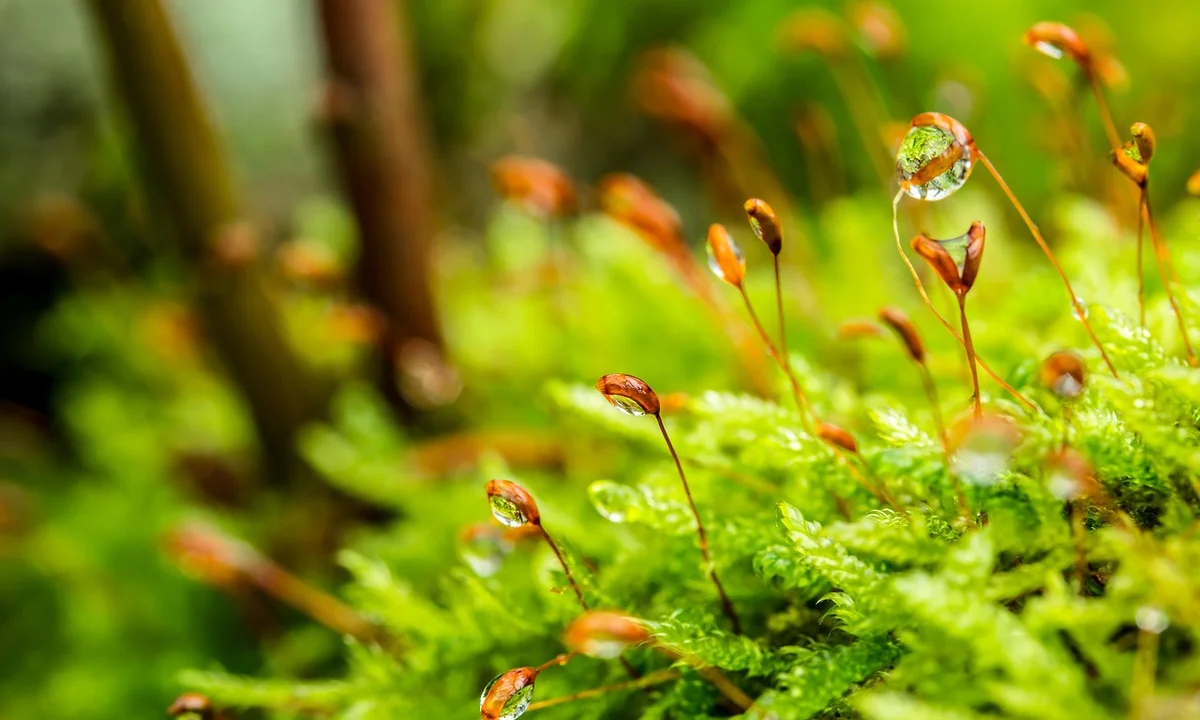
What Is Sphagnum Moss?
Dried sphagnum moss is the dehydrated form of a living bog plant. Its long, fibrous strands hold an immense amount of water, releasing it slowly into the enclosure’s air. This creates a stable, localized humid microclimate, a feature no other substrate can replicate. It transforms from a crisp, blond handful into a soft, damp sponge that can save you from daily misting. In my humid enclosures, I hear the difference-the silence of ambient moisture versus the hiss of a spray bottle.
Pros, Cons, and Best Uses for Tarantulas
Sphagnum moss is a tool, not a full substrate. I use it strategically alongside other materials.
| Pros | Cons | Best Uses |
|---|---|---|
|
|
|
My personal method is to layer damp moss under the dry primary substrate near the water dish, creating a hidden reservoir that wicks moisture upward. This mimics the cool, damp earth many species seek and keeps the surface safer from mold.
Peat Moss: The Traditional Choice with a Caveat
What Is Peat Moss?
Peat moss is the partially decomposed, centuries-old remains of sphagnum and other plants harvested from ecologically sensitive peat bogs. It is fine, brown, and similar to coir in texture, but with a notably lower pH. For decades, it was the default substrate in the hobby. Opening a bag releases a distinct, earthy scent of ancient wetlands, but that smell comes with an environmental cost I now choose to avoid.
Pros, Cons, and Best Uses for Tarantulas
While functional, peat moss has fallen out of favor for clear reasons.
| Pros | Cons | Best Uses |
|---|---|---|
|
|
|
I used peat for years with my older tarantula, Rosie, but switched to coco fiber after learning about the habitat loss its harvesting causes. The performance was identical for her care, but the choice felt more respectful. When dry, peat can form a concrete-like crust that a tarantula cannot dig through, which I’ve seen cause stress and block access to burrows. In the ultimate guide to tarantula burrows, we’ll explore why tarantulas dig and how to support healthy burrow structures. Understanding these needs helps reduce stress and promote natural behaviors.
Choosing Your Champion: Matching Substrate to Your Tarantula
For Dry, Arid Species (e.g., Grammostola, Aphonopelma)
My Chilean Rose Hair, Rosie, has spent 15 years on a mix I swear by: a 70/30 blend of coconut fiber and dry, sandy topsoil. For species from scrublands and deserts, your primary goal is to provide a loose, well-draining base that holds virtually no residual moisture. Pure coconut fiber is often too dusty when bone-dry. I add the topsoil for better compaction, allowing them to sculpt stable burrows. A shallow water dish is the sole moisture source. Adding sphagnum or peat here would create a dangerous, dank pocket that could lead to fungal issues for a tarantula built for aridity.
For Moisture-Loving Species (e.g., Theraphosa, Megaphobema)
My Theraphosa stirmi, Goliath, demands a swampy foot. His enclosure uses a deep, packed base of peat moss or coir, capped with a thick layer of moist sphagnum moss. The peat foundation acts like a reservoir, while the surface sphagnum layer maintains ambient humidity and prevents the substrate from becoming a muddy bog. I pour water directly into the corners to soak the lower peat layer, keeping the surface lightly moist. This setup mimics the humid leaf litter of a rainforest floor and is critical for preventing fatal dehydration in these giants.
For Slings and Juveniles
Fragile spiderlings require a carefully controlled microenvironment. I use slightly damp (not wet) coconut fiber for terrestrial slings, packed just enough to prevent collapses. For tiny slings, moisture retention and preventing falls are more critical than replicating a perfect adult habitat. A small piece of sphagnum moss near their hide can help maintain local humidity for molting. Avoid deep, loose substrates for them; a fall from the lid onto a hard surface can be fatal. As they grow, you can gradually introduce your intended long-term substrate mix.
For Arboreal Tarantulas (e.g., Psalmopoeus, Avicularia)
While they live off the ground, substrate still matters. My Psalmopoeus murinus, Flash, has a simple 2-3 inch layer of dry coconut fiber. For arboreal species, the substrate is a humidity buffer and a safe landing pad, not a home. I keep it dry to prevent mite blooms and pour water into it to boost cage humidity without soaking their cork bark perches. A small patch of damp sphagnum can be added if extra humidity is needed, but the focus is on cross-ventilation and ample vertical climbing space, not deep, moist substrate.
Setting Up and Maintaining Your Substrate
Step-by-Step: Preparing and Layering Your Substrate
Proper preparation prevents problems. I treat every new bag of substrate before it touches an enclosure.
- Hydrate and Expand: Place brick coir or dry peat in a large, clean bucket. Add boiling water to kill any pests or mold spores, then let it cool completely.
- Squeeze Test: Grab a handful of your prepared substrate and squeeze it tightly. It should hold its shape briefly, then crumble apart without dripping any water. This is the perfect moisture level for packing.
- Create Your Base: For terrestrial tarantulas, add 4-6 inches of packed substrate. Use a cup to firmly tamp it down to prevent burrow collapses.
- Add Layers: For moisture-dependent species, layer damp sphagnum moss on top of the packed peat or coir base. For arid species, you can mix in a handful of dry topsoil or sand for texture.
- Final Check: Ensure all décor is firmly anchored in the packed substrate. A falling cork hide can injure a burrowing tarantula.
Ongoing Maintenance: Spot Cleaning and Full Changes
Tarantula enclosures are low-maintenance, but not no-maintenance.
Spot cleaning is your weekly ritual. Using long tweezers, I remove boluses (inedible prey parts), leftover prey, and any noticeable mold. This is crucial in humid enclosures. Pay special attention to the area around the water dish, as spilled water is a mold magnet.
A full substrate change is a major event, done only during a rehousing or if a serious mite/fungal outbreak occurs. I never do a full change simply because the substrate looks old. The stress of being removed from their established home is significant. When you must do it, have the new enclosure fully ready, use gentle coaxing methods, and transfer the tarantula as quickly and calmly as possible. If you must transport it for rehousing, use a secure, escape-proof container with a light substrate layer and a snug lid. Keep the container in a quiet, stable environment and minimize handling to reduce stress. For a mature adult like my G. rosea, this might only happen once every few years.
Troubleshooting Common Substrate Problems

Mold and Fungus Gnats
Discovering a patch of white fuzz or a cloud of tiny flies is a rite of passage. Mold thrives in stagnant, overly wet conditions, while fungus gnats exploit decomposing organics. My OBT Flash’s heavily webbed enclosure is a prime target; the web mat traps moisture and food bits.
Your immediate action should be to remove the affected substrate entirely, increase ventilation slightly, and let the top layer dry. I keep a dedicated spoon for this. For chronic issues, bake your substrate at 200°F for an hour to kill eggs and spores before use. A shallow layer of dry sphagnum moss on top can act as a barrier, drying faster than the substrate below.
- For mold: Spot-clean, reduce watering frequency, and increase cross-ventilation.
- For gnats: Use sticky traps. Avoid chemical sprays. Let the substrate dry more between waterings.
- Prevention: Mix in more coco fiber or orchid bark for aeration. Never let substrate become swampy.
Bad Odors and Compaction
A healthy enclosure should smell like damp earth, nothing more. Foul odors indicate anaerobic bacteria, where compacted, soggy substrate has no air. This is a serious red flag.
Compacted substrate is dangerous; it can collapse a burrow or prevent a heavy tarantula like Goliath from moving comfortably. I learned this after my G. rosea Rosie’s substrate hardened like clay from bottom-watering. You must break it up or replace it. For odors, a full substrate change is non-negotiable. Ensure your drainage layer (if using a bioactive setup) isn’t flooded. This is one of the seven substrate selection mistakes you should never make with your tarantula. Understanding these pitfalls helps you pick a substrate that stays loose, drains well, and supports burrows rather than crushing them.
- Fluff substrate weekly with tongs to prevent compaction.
- For deep substrates, insert a cork bark tube or PVC pipe when setting up to maintain air pockets.
- Odors mean replace, not mask. Check your water dish hasn’t tipped over.
Substrate That Dries Out Too Fast
Some rooms are arid, and some species, like my T. stirmi, need constant humidity. Watching your hygrometer plummet in 24 hours is frustrating. Pure sphagnum moss dries quickly on the surface, while pure peat can crust over, sealing moisture underneath but giving a false dry reading.
The solution is layering: a moisture-retaining base topped with a slower-drying cap. I make a “substrate cake” for Goliath: a base of soaked coco fiber and peat, a middle layer of moist sphagnum, and a top layer of dry coco fiber. This creates a gradient. Pouring water into a corner reaches the humid base without soaking the entire surface.
- Increase substrate depth to at least 3 inches for moisture retention.
- Mix water-absorbing sphagnum moss thoroughly into your base layer, don’t just lay it on top.
- Use a substrate barrier like a plastic sheet or foil on 3/4 of the lid to slow evaporation, ensuring fresh air still gets in.
Environmental and Safety Considerations
Sustainability and Sourcing
Our hobby’s footprint matters. Peat moss is harvested from ancient, slow-forming bog ecosystems that sequester carbon. Its extraction is environmentally costly. While effective, I’ve phased it out for sustainable alternatives.
Coconut fiber is a renewable byproduct of the coconut industry, making it my current default for most enclosures. Sphagnum moss can be harvested sustainably; look for brands that cite “renewable” or “managed” moss beds. Your choice sends a message. Buying in bulk, brick-form coco fiber also reduces plastic packaging waste.
- Peat: Avoid for sustainability. If you must use it, source from companies committed to bog restoration.
- Coconut Coir: Highly renewable. Ensure it’s well-rinsed of salt, a processing byproduct.
- Sphagnum Moss: Seek out sustainably harvested sources. It’s often the most expensive option.
Safety First: Avoiding Contaminants
Tarantulas are sensitive chemoreceptors; they taste the world with their feet. Contaminants in substrate can cause unexplained death. I lost a sling years ago to a bag of “sterile” potting soil containing systemic pesticides. Common tarantula health problems are often preventable with careful husbandry. Regular substrate checks and avoiding contaminated materials can prevent these issues.
You must use substrates marketed for reptiles or invertebrates, or explicitly labeled as organic and additive-free for horticulture. Never use soil from your yard or general-purpose potting mixes. Before using any new substrate batch, I do a “sniff test” and a feel test-it should smell earthy, not chemical, and contain no sharp twigs or foreign debris.
- Only use products labeled for terrariums, or pure, additive-free horticultural materials.
- Avoid anything with fertilizers, pesticides, perlite, or vermiculite.
- When in doubt, bake it. Heating substrate at 200°F for an hour can neutralize many pests and mold, though not chemical contaminants.
FAQs
Can I mix these substrates together?
Absolutely, and I often do. Mixing allows you to tailor the properties to your tarantula’s precise needs. A common blend is coconut fiber as a base with sphagnum moss mixed in for enhanced humidity retention. I avoid adding peat moss to my mixes due to its environmental impact, as coir provides a sustainable and effective alternative.
How do I know if my current substrate is causing a problem?
Watch for behavioral and physical signs. If your tarantula avoids contact with the substrate, shows signs of stress, or develops difficulty molting, the substrate may be at fault. A persistently foul odor, visible mold, or a hardened, compacted surface are clear indicators that a change or adjustment is needed for your pet’s health. These signs can also indicate that the tarantula’s enclosure needs cleaning.
Is one substrate truly the “best” for all tarantulas?
No, the best substrate depends entirely on your tarantula’s species and natural habitat. For arid species like a Chilean Rose Hair, a dry, well-draining mix is ideal. For moisture-dependent giants like a Theraphosa, a moisture-retaining base with sphagnum moss is critical. Consider your pet’s origin for the perfect match. Choosing the right substrate, such as the best substrates for tarantulas, also makes enclosure maintenance easier. After setup, regularly monitor humidity and refresh the substrate as needed to keep your tarantula healthy.
What is the safest, most beginner-friendly choice?
Pure, additive-free coconut fiber (coir) is my top recommendation for new keepers. It is versatile, affordable, and holds moisture well for most common New World species without major risks of compaction or extreme acidity. Its neutral pH and forgiving nature make it an excellent, safe starting point for building your husbandry skills.
My tarantula is about to molt. Should I change the substrate?
Do not change the substrate immediately before or during a molt, as this is incredibly stressful. Instead, ensure your existing substrate can support the process by providing adequate humidity. For species that require it, you can gently add a small clump of damp sphagnum moss near their hide to create a localized humid microclimate without disturbing them.
The Final Layer
Your substrate is the quiet foundation of your tarantula’s world. After years of seeing Rosie burrow into bone-dry coco fiber and Goliath patrolling his damp sphagnum moss jungle, the choice becomes clear. The single most critical parameter is matching your substrate’s moisture retention to your specific tarantula’s respiratory and hydration needs. Consider creating a substrate moisture gradient for your tarantula. A layered setup—dry on top, moister below—lets your tarantula regulate humidity and choose its preferred burrow. An arid species kept on soaking-wet peat will struggle, while a moisture-dependent one on dry husk will slowly desiccate.
Beyond the soil, watch what your tarantula does with it. Does your spider sculpt the walls of a deep burrow, or lay down a silken carpet across the surface? This is where you start to see their burrowing behavior in action. These digging choices reveal how tarantulas burrow and regulate their microhabitats. That silent work is the real reward. Patience is your finest tool. You provide the elements, and over weeks and months, you witness a miniature landscape come to life through the instincts of your remarkable eight-legged charge.
Further Reading & Sources
- Choosing the Right Substrate for Your Tarantula | Tom’s Big Spiders
- r/tarantulas on Reddit: Gimme your substrate recipes!
- Choosing the Best Tarantula Substrate – Talis Us
Arlo is a lifelong arachnid enthusiast who believes tarantulas are the world’s most misunderstood roommates. With years of hands-on experience in tarantula care, habitat setup, and species behavior, Arlo combines expert knowledge with a dash of humor to make spider ownership less scary and a lot more fascinating. From choosing the right enclosure to understanding why your eight-legged buddy is doing that weird little pose again, Arlo is here to help you become the best tarantula parent you can be, without getting tangled in the web of misinformation.
Substrates and Decor