
Caring for the Gooty Sapphire Ornamental (Poecilotheria metallica)
In the world of arachnoculture, the Gooty Sapphire Ornamental is a shimmering legend, a creature so visually arresting it often stops conversation cold. This tarantula is not merely a pet; it’s a living jewel. Its reputation is a double-edged sword-revered for its impossible, electric-blue coloration and feared for its potent venom and lightning-fast reflexes. This guide is for the keeper who respects that dichotomy, who seeks not to handle but to steward. We will detail the exact, non-negotiable husbandry required to let this spider’s metallic beauty thrive in captivity.
Quick Stats:
- Origin: A tiny, fragmented forest in central-southern India
- Type: Old World, arboreal (tree-dwelling)
- Growth Rate: Moderately fast
This guide will translate the specific needs of this rare arboreal specialist into actionable steps, charting a clear path from a delicate, blue-flecked sling to a breathtaking, full-grown adult.
Introducing P. metallica: The Crown Jewel of the Arachnid World
Poecilotheria metallica, the Gooty Sapphire Ornamental, possesses a carapace that glows with a metallic, electric blue sheen under light. This iridescent tarantula from the fragmented forests of India is an arboreal specialist, spending its life in the silent canopy. Its beauty is matched by a nervous temperament and speed that reminds me of my Orange Baboon Tarantula, Flash.
Observing a P. metallica is an exercise in respectful distance. Their venom is medically significant, which firmly places them in the ‘look, don’t touch’ category for the safety of both keeper and animal. From my years with defensive species, I’ve learned that minimizing stress through perfect housing is the greatest act of care.
Essential P. metallica Habitat Setup: Recreating a Forest Canopy
Your mission is to build a secure, vertical slice of a humid Indian forest. An accurate habitat reduces hiding and promotes natural, confident behaviors like web-building and hunting. This setup prioritizes animal welfare over easy viewer access.
Choosing the Perfect Enclosure: Vertical Space is Everything
For this arboreal acrobat, floor space is far less important than climbable height. I recommend an enclosure that is at least three times taller than the tarantula’s diagonal leg span to allow for proper web engineering. A standard glass or acrylic terrarium measuring 12 inches by 12 inches by 18 inches is a good minimum for an adult.
Ventilation cannot be an afterthought. Cross-ventilation via mesh or drilled holes on opposing sides is critical to prevent mold and stagnant air, which can be fatal. My Burgundy Goliath, Goliath, taught me the importance of airflow in humid setups.
Secure closures are your best defense against an escape. After a heart-stopping rehousing incident with my fast OBT, I now double-check all latches on front-opening enclosures before walking away. A bolting P. metallica is a blur you likely won’t catch.
- Enclosure Type: Tall, glass or acrylic terrarium with front doors.
- Ventilation: Mesh panels on both the left and right sides for cross-flow.
- Security: Sturdy, locking mechanisms on all access points.
Building the Foundation: Substrate and Decor
The substrate must hold moisture without becoming waterlogged. I use a 3 to 4-inch deep layer of a moisture-retentive mix to help maintain a steady 70-80% humidity range. This depth also provides a soft landing pad for a falling tarantula, a real risk with arboreal species. Which depth is best depends on your tarantula’s species and habits. Terrestrials usually need deeper, burrow-ready substrate, while arboreals often do well with shallower, climb-friendly setups. For more information on the differences, you can check out Deep vs shallow substrate.
My preferred substrate blend is the same I use for Goliath’s humid enclosure. A mix of coconut fiber, peat moss, and a small amount of vermiculite retains humidity perfectly while resisting compaction.
- Combine five parts coconut fiber.
- Add three parts sterilized peat moss.
- Mix in one part horticultural vermiculite.
- Moisten until it holds together loosely without dripping water.
Decor provides the architecture for your tarantula’s world. Vertical cork bark slabs or tubes are non-negotiable, offering a secure hide and the primary anchor for their silken retreats. I lean bark against the back or side glass to create a hidden corridor.
Add complexity with branches and plants. Sturdy vines, ghost wood, and low-light live plants like pothos create a three-dimensional landscape that encourages exploration and web-building. Avoid sharp edges that could injure a molting tarantula.
- Core Decor Items: Cork bark, driftwood, artificial or live plants, sphagnum moss.
- Temperature Gradient: Maintain an ambient temperature of 75-82°F (24-28°C) using a low-wattage heat mat on one side of the enclosure.
- Bioactive Option: A simple bioactive setup with springtails can help manage waste and mold, creating a more stable ecosystem.
Gooty Sapphire Husbandry: The Exact Climate They Need
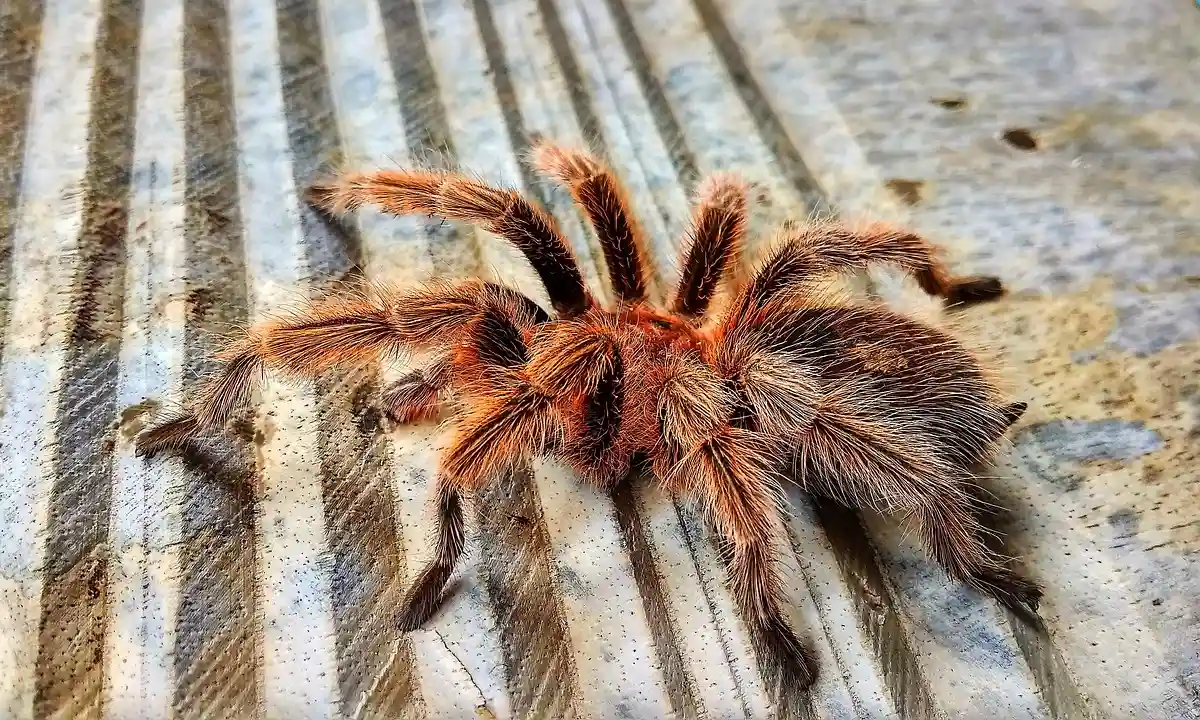
Recreating the specific, moist air of their fragmented Indian forests is your most critical task. Precision in climate control separates a thriving, sapphire-blue specimen from a stressed, fading one.
Temperature and Humidity Ranges for Health
I maintain my P. metallica enclosures between 75-80°F (24-27°C) with a gentle ambient room heater. Nighttime drops to 70°F are safe. The true focus is humidity. You are aiming for a consistent 75-85% relative humidity, measured with a digital hygrometer placed near the enclosure’s middle.
This is not a swamp. Avoid soggy substrate. Achieve this high humidity through:
- Deep, regular misting of the webbing and enclosure walls, avoiding direct spray on the tarantula.
- A large, wide water dish kept constantly full, which provides drinking water and evaporative moisture.
- A substrate blend that holds moisture without packing down, like a mix of coconut fiber, sphagnum moss, and vermiculite.
To create a proper substrate moisture gradient for your tarantula, provide a drier area above the moist layer so it can regulate humidity. A layered substrate helps your tarantula move between zones and pick its preferred microhabitat.
My T. stirmi, Goliath, also loves humidity, but his is ground-level. For an arboreal tarantula like the Gooty, the moisture must be in the air column where it lives. You can read more about the different humidity levels required by arboreal and terrestrial tarantulas.
Watering and Feeding Your Blue Jewel
Their metabolism is moderate. I offer my adult female one appropriately sized cricket or roach per week. Prey size should never exceed the tarantula’s carapace; an oversized meal is a severe injury risk. Watch for a Pre-molt fast and other fasts, which can last several weeks. Other fasts can occur for reasons beyond pre-molt, such as stress or habitat changes. Resume feeding once the tarantula shows renewed appetite.
Hydration is paramount. Their large water dish must be cleaned and refilled weekly. I often see mine drinking, especially after misting. To tell if your tarantula is dehydrated, look for a wrinkled or sunken abdomen. Also watch for reduced activity or poor appetite. A well-hydrated tarantula molts more easily and shows more vibrant coloration. Remove uneaten prey within 24 hours to prevent stress and mold growth in the humid enclosure.
Understanding Gooty Sapphire Behavior and Temperament
Observing a P. metallica is like watching a skilled, impatient architect. They are not a pet you hold. Their value lies in their breathtaking appearance and fascinating, observable behaviors, not in interaction.
Arboreal Webbers: Observing the Silk Palace
They are prolific webbers. Given cork bark slabs and anchor points, they will construct dense, tunnel-like silk retreats. My OBT, Flash, webs everything flat; the Gooty builds intricate, layered vertical fortresses. Do not disturb these structures for cleaning. Spot-clean only, and never remove webbing-it is their sensory world and security blanket.
They are often visible at the entrance of their silk tube, especially at dusk. With red-light or dim observation, you may witness the silent, lightning-fast strike on prey, a blur of blue and silver.
A “Look, Don’t Touch” Tarantula: Safety and Stress Reduction
P. metallica has a potent venom and a high-strung disposition. It is fast and can be defensively aggressive. Any attempt to handle risks a bite, a dangerous fall, or a fatal flight into your home. My philosophy, forged after rehousing my defensive OBT, is simple: respect replaces handling.
To minimize stress:
- Work slowly and deliberately near the enclosure.
- Avoid loud vibrations or sudden shadows overhead.
- Use long tools for maintenance, keeping hands far away.
- Rehouse using a large, clear tub-in-tub method to guide the tarantula safely without pursuit or prodding.
If transport is necessary, use a secure, escape-proof container to minimize stress. Keep handling to a minimum and transport in a quiet, stable environment, then complete the rehouse using the tub-in-tub method.
Their beauty is for your eyes, not your hands.
Recognizing and Preventing Common Health Issues
Vigilance is your best tool. A healthy Gooty Sapphire is alert, plump, and resides within its web.
Molting in an Arboreal Species: Special Considerations
They molt while suspended in their web tube, often on the cork bark. The key sign of an impending molt is a refusal to eat and a darkened, dull abdomen, followed by intensive webbing to create a secure molting chamber.
Your duties are non-interference. Do not offer food. Ensure humidity is at the higher end of their range. Do not mist directly into the retreat. Most failures occur from dehydration or disturbance, not from a lack of assistance. The process takes hours. Leave them in absolute quiet. Afterward, leave the stunning, paper-thin exuviae for them to manipulate; they may incorporate it into their web.
Other Captive Health Concerns
- Dehydration: A shriveled abdomen or a tarantula spending excessive time at the water dish signals trouble. Increase ambient humidity and ensure the dish is full.
- Falls: A fall from even a moderate height can rupture their abdomen. Provide ample, secure climbing surfaces and webbing anchor points to prevent dangerous slips.
- Injuries from Prey: Live crickets can chew on a molting or vulnerable tarantula. I learned this lesson early: always remove uneaten feeders promptly.
- Parasites and Fungus: Rare in clean setups. Prevent by removing boluses (food waste) and avoiding overly wet, stagnant substrate. Good cross-ventilation is critical.
Regular, calm observation is your primary diagnostic tool. You will learn its rhythms and notice the smallest change. That silent watchfulness is the heart of expert arachnoculture.
The Complexities of Breeding P. metallica
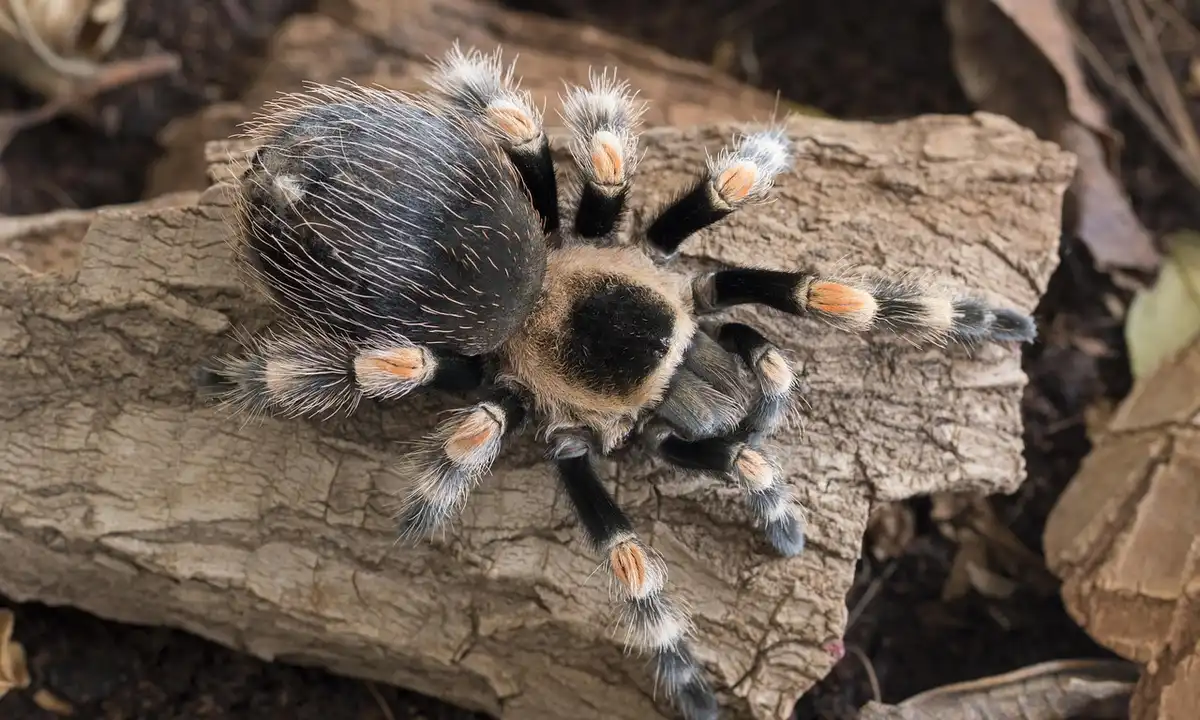
Breeding Poecilotheria metallica is a profound commitment, far beyond simple pairing. This endeavor requires replicating specific monsoon-like conditions and interpreting subtle, often dangerous, spider behaviors.
My first breeding attempt taught me respect for their speed and venom. I now use a large, neutral tub for introductions, as the male’s survival often depends on a quick escape route from a receptive but nervous female.
Successful copulation is just the beginning. The female’s subsequent hunger and sensitivity mean any disturbance can trigger egg sac destruction, wasting months of careful preparation. I provide deep, damp substrate and extra food during this period.
Key Breeding Parameters
- Temperature: A steady 78-80°F (25-27°C) is crucial for inducing breeding behavior.
- Humidity: Maintain 75-85% by lightly misting one side of the enclosure every other day.
- Diet: Feed the female heavily with gut-loaded roaches or crickets for two weeks before pairing.
Incubating the egg sac artificially is often safer. If you must pull the sac, do so with long, soft-tipped forceps and transfer it immediately to a sterile, humidified incubator. I keep mine at 80°F and 90% humidity, checking daily for mold.
Raisingslings (spiderlings) is an exercise in patience and precision. Their incredible speed means feeding and rehousing are done inside a large, clear bin to contain any escapees. I house them singly in dram vials with ventilated lids and a damp cotton ball piece for moisture.
Is a Gooty Sapphire Ornamental Tarantula Right for You?
That electrifying blue sheen is mesmerizing, but this tarantula is a display animal, not a hands-on pet. You must be comfortable caring for a fast, defensive species with medically significant venom. With cobalt blue tarantulas, temperament is typically skittish and defensive. Handling is discouraged, and calm observation is essential for safe care.
Evaluate your experience honestly. If you have only kept docile terrestrials like my old Rosie, the G. rosea, the speed of a P. metallica will be a shocking, potentially risky change. Their threat posture is swift, and their strike is a blur.
Consider your dedication to micro-climates. Unlike my T. stirmi, Goliath, who simply needs wet substrate, the Gooty requires arboreal humidity without suffocating stagnation. I use a combination of sphagnum moss, cross-ventilation, and a large water dish to achieve this balance.
Ask Yourself These Questions
- Can I provide a tall, well-ventilated enclosure (at least 18″ height) with cork bark and anchor points?
- Am I prepared to monitor humidity daily with a digital hygrometer and adjust as needed?
- Will I adhere to a “Look, Don’t Touch” rule, even during necessary maintenance?
- Do I have a secure, escape-proof workspace for rehousing, similar to what I use for my OBT, Flash?
The financial aspect is real. Initial costs for a proper bioactive setup and the spider itself are high, and potential vet bills for a coveted species add to the responsibility.
This tarantula is right for you if you find joy in observation. The reward is watching that living jewel construct silken tunnels and bask in the light, a silent, breathtaking spectacle of nature. If you seek interaction, this is not your spider.
What People Ask
Is a Gooty Sapphire tarantula safe to handle?
No, the Gooty Sapphire Ornamental is not a handling tarantula. It possesses medically significant venom and is incredibly fast and defensive. Any attempt to handle it poses a severe risk of a bite or a dangerous escape. For beginners, handling tarantulas is not considered safe or recommended. Instead, focus on observing them through secure enclosures and following established care guidelines.
What is the most critical part of a Gooty Sapphire enclosure setup?
The most critical elements are substantial vertical height and excellent cross-ventilation. The enclosure must be tall for web-building and have mesh or holes on opposing sides to prevent stagnant, mold-prone air, which is a major health hazard for this species.
I’m struggling with humidity. What’s the best method?
Maintain 75-85% humidity by using a deep, moisture-retentive substrate and a large, full water dish for evaporation. Lightly mist the enclosure walls and webbing, but never soak the substrate. A digital hygrometer is essential to monitor levels accurately.
Can a beginner keeper care for a P. metallica?
This species is not recommended for beginners. It requires precise, stable humidity, an arboreal setup, and extreme caution due to its speed and potent venom. Prior experience with faster or more defensive tarantulas is highly advised before considering a Gooty Sapphire.
How often and what should I feed my Gooty Sapphire?
Feed an adult one appropriately sized prey item, like a cricket or roach, approximately once per week. The prey should never be larger than the tarantula’s carapace. Always remove any uneaten prey within 24 hours to prevent stress and mold. This feeding pattern is part of the best diet and feeding schedule for a healthy tarantula. Maintaining a consistent, species-appropriate routine helps ensure proper nutrition and growth.
What are the immediate signs of a health problem?
Key warning signs include a shriveled abdomen (dehydration), refusing food for an extended period outside of a pre-molt fast, or a tarantula that is consistently restless and out in the open. Any sudden change in its normal reclusive behavior warrants closer observation and a habitat check.
Long-Term Success
For your Poecilotheria metallica, one factor overrides all others in care. You must maintain high humidity-aim for 70-80%-paired with excellent cross-ventilation to prevent fatal respiratory issues while satisfying its moisture needs. I use a damp substrate base and regular misting on one side of the enclosure for my humidity-dependent spiders, like Goliath, but with this arboreal species, airflow is non-negotiable.
True keeping means watching. Observe the electric blue legs methodically weaving silk lattices in the cork bark’s silence. The most rewarding moments come from patient observation, not intervention, as this spider’s natural behaviors are its greatest display. My defensive OBT Flash taught me that respecting a tarantula’s space by looking, not touching, leads to a thriving animal and a safer, more fascinating hobby for you.
Further Reading & Sources
- Gooty Sapphire Ornamental Tarantula (Poecilotheria metallica) Care – The Tarantula Collective
- Poecilotheria metallica care guide – Marshall Arachnids
- Poe-metallica-care-sheet
Arlo is a lifelong arachnid enthusiast who believes tarantulas are the world’s most misunderstood roommates. With years of hands-on experience in tarantula care, habitat setup, and species behavior, Arlo combines expert knowledge with a dash of humor to make spider ownership less scary and a lot more fascinating. From choosing the right enclosure to understanding why your eight-legged buddy is doing that weird little pose again, Arlo is here to help you become the best tarantula parent you can be, without getting tangled in the web of misinformation.
Popular Species